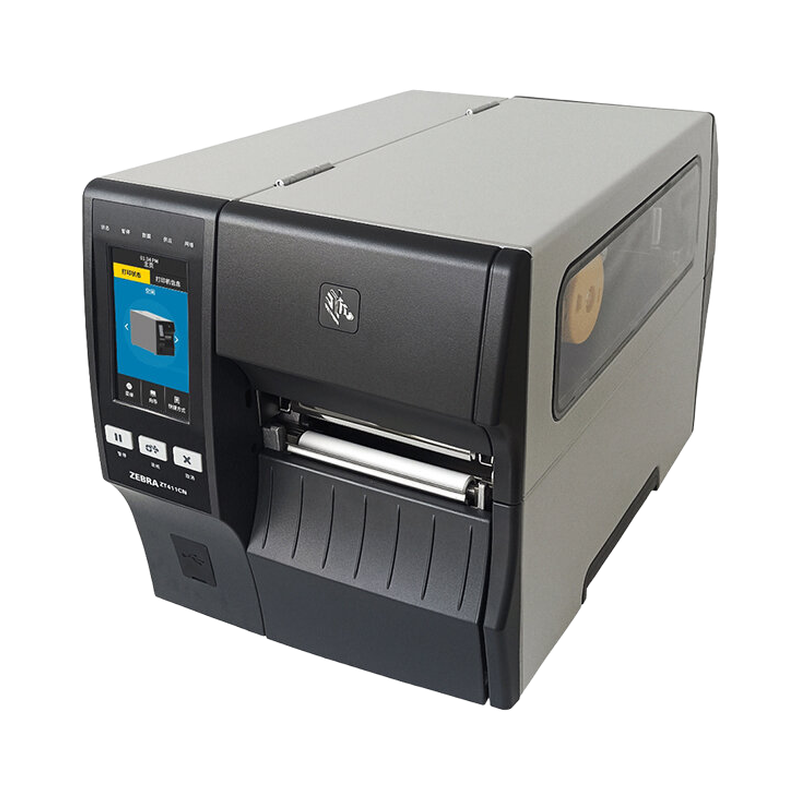
Load labels and ribbon through the marked paths for the installed media-handling mode. Calibrate the media and check that a feed positions one label correctly before running RFID tag calibration.
- Document
- Guide
- Language
- en
- Version
- 2026-11-05 prepared reference
The family specification includes different widths, printhead resolutions and installed options. Match the delivered ZT411 or ZT421 and RFID option before choosing media or assigning a series-level maximum to one printer.
- Document
- Datasheet
- Language
- zh-CN
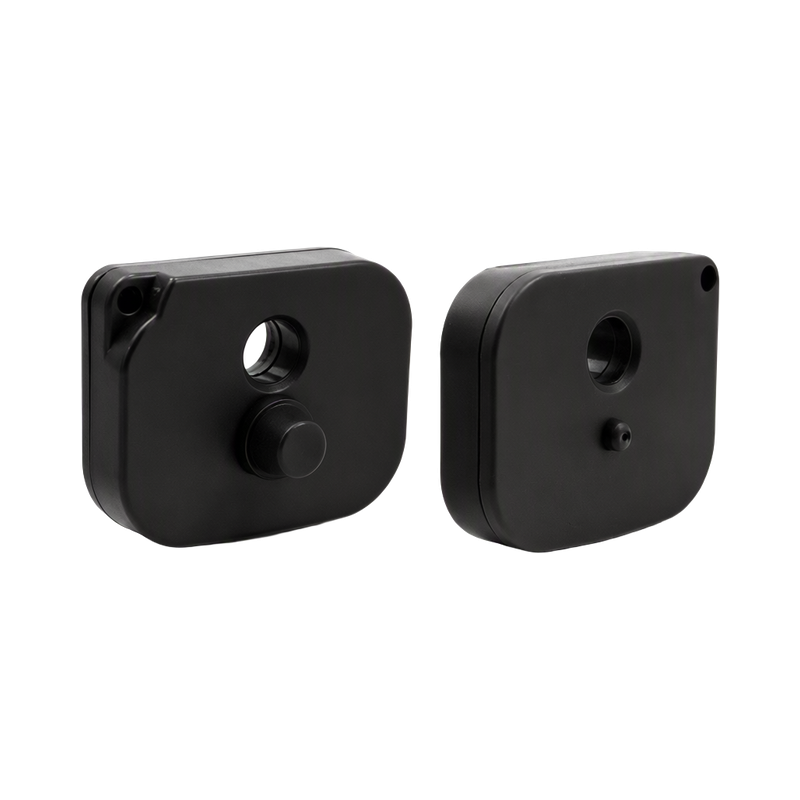
The ring-style opening provides a different attachment envelope from a flat clip. Check the intended merchandise feature against the actual opening and confirm that normal handling does not force the housing.
- Document
- Datasheet
- Language
- zh-CN
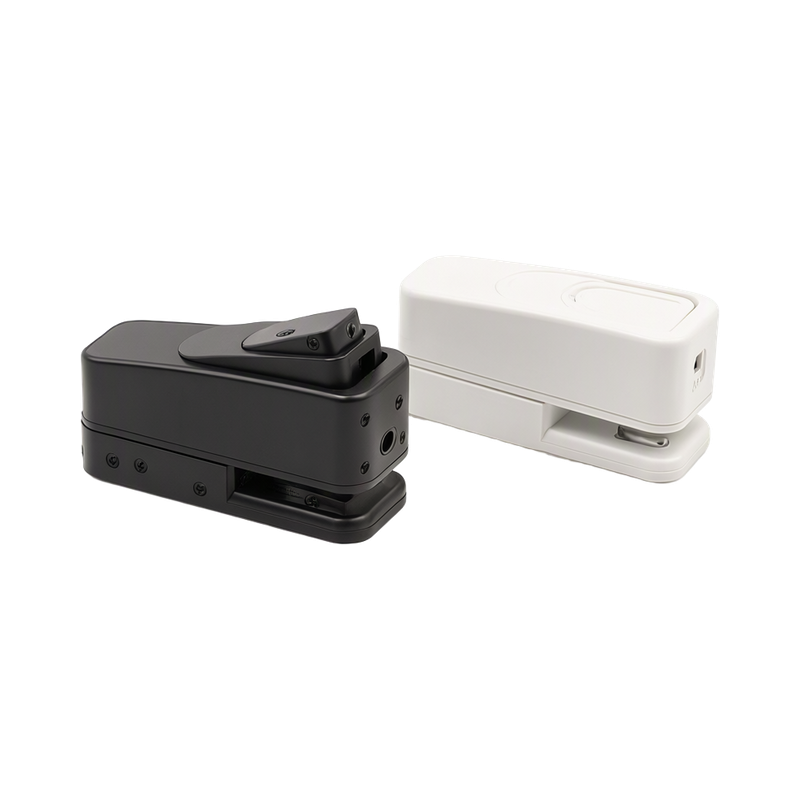
T096 uses a narrow clip opening. Check the actual item thickness and shape with a sample rather than substituting the fit envelope of a wider clip tag.
- Document
- Datasheet
- Language
- zh-CN
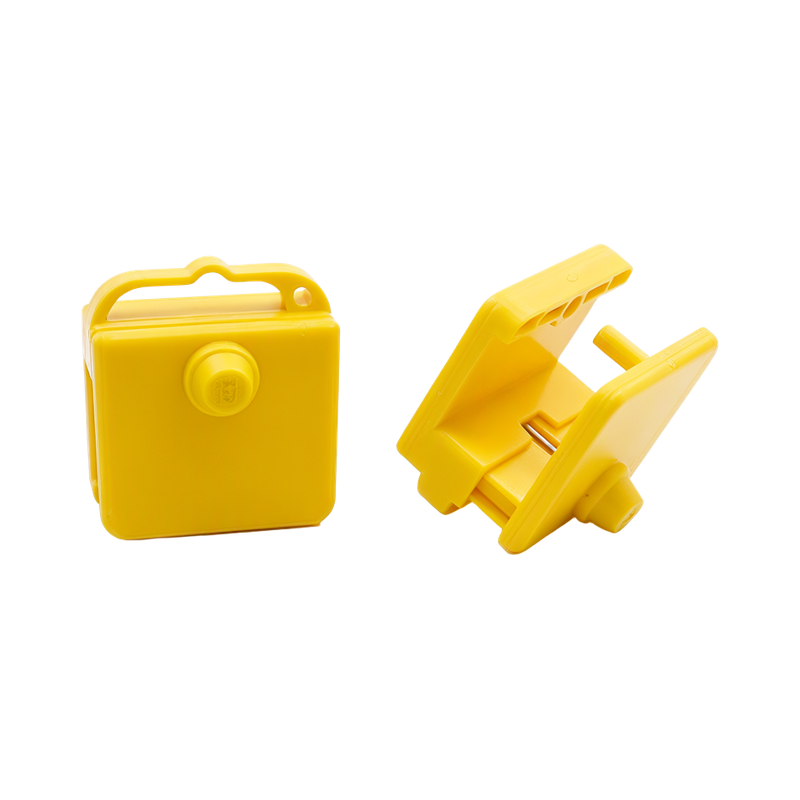
The clip opening is intended for merchandise within the sheet's fit range. Trial the real material and profile so that the tag seats correctly and can be removed with the intended magnetic detacher.
- Document
- Datasheet
- Language
- zh-CN
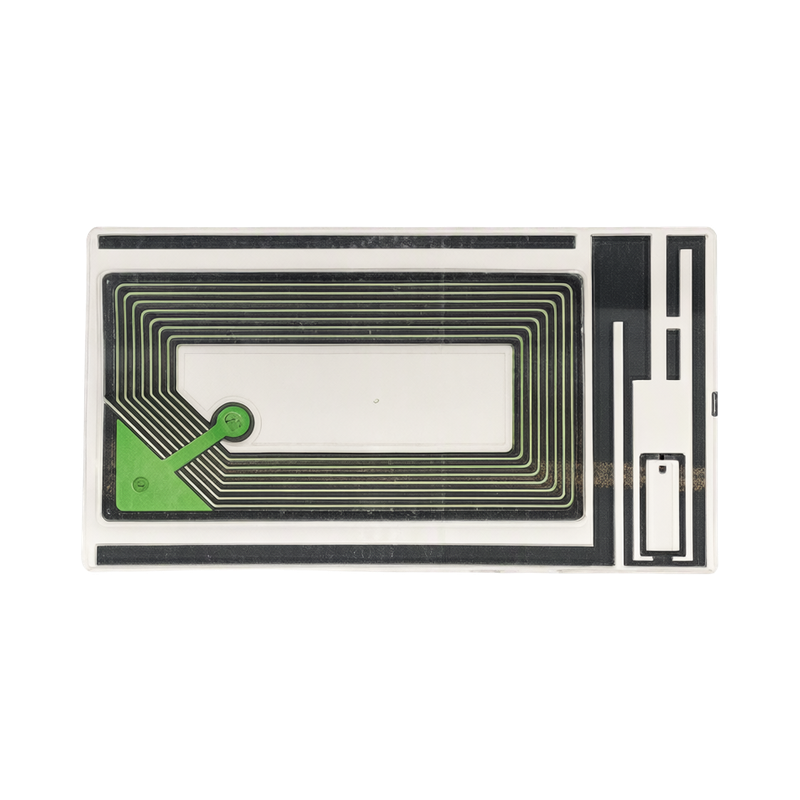
The reviewed sheet concerns a dual-frequency adhesive label, not an external reader antenna. Select the roll and conversion format for the intended printer or application and verify the actual inlay before encoding.
- Document
- Datasheet
- Language
- en
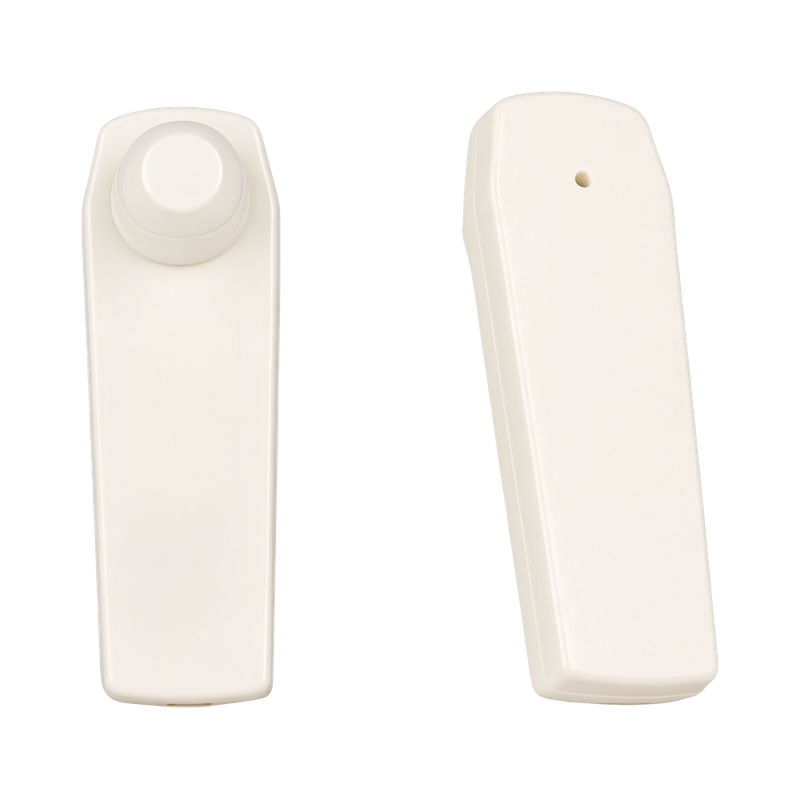
The source tables explicitly identify ordering code RIT028, while their generic headings say RIT004. This page uses the ordering-code evidence for RIT028 and does not introduce RIT004 as an equivalent model.
- Document
- Guide
- Language
- en
- Version
- 2026-11-05 prepared reference
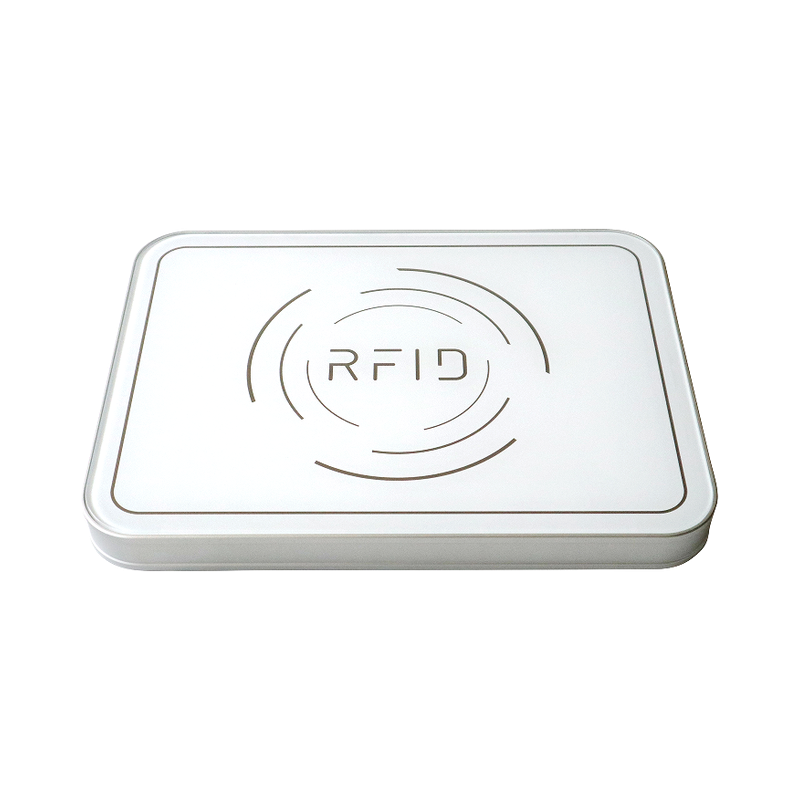
The RIRW27B hardware sheet describes multiple external-interface options. Confirm the interface and supply arrangement of the delivered unit before applying the Type-C-only setup described for a different tabletop model.
- Document
- Guide
- Language
- en
- Version
- 2026-11-05 prepared reference
The RIRW27B hardware sheet describes multiple external-interface options. Confirm the interface and supply arrangement of the delivered unit before applying the Type-C-only setup described for a different tabletop model.
- Document
- Guide
- Language
- en
- Version
- 2026-11-05 prepared reference
Although one bilingual heading says ceiling antenna, the matched model table and hardware sheet describe a tabletop near-field reader for registration and conversion. Use that device identity when planning the workstation.
- Document
- Guide
- Language
- en
- Version
- 2026-11-05 prepared reference
Although one bilingual heading says ceiling antenna, the matched model table and hardware sheet describe a tabletop near-field reader for registration and conversion. Use that device identity when planning the workstation.
- Document
- Guide
- Language
- en
- Version
- 2026-11-05 prepared reference
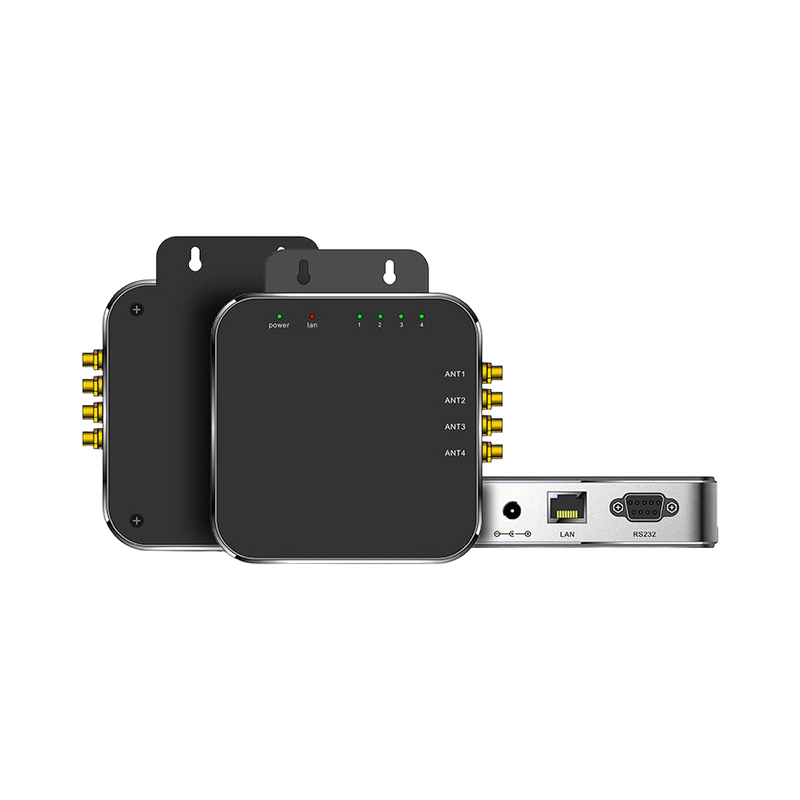
The source combines a four-port fixed-reader section with a separate panel-antenna section. Reader communication interfaces and GPIO describe the controller; the antenna's mounting and environmental claims must not be assigned to the reader enclosure by default.
- Document
- Datasheet
- Language
- zh-CN
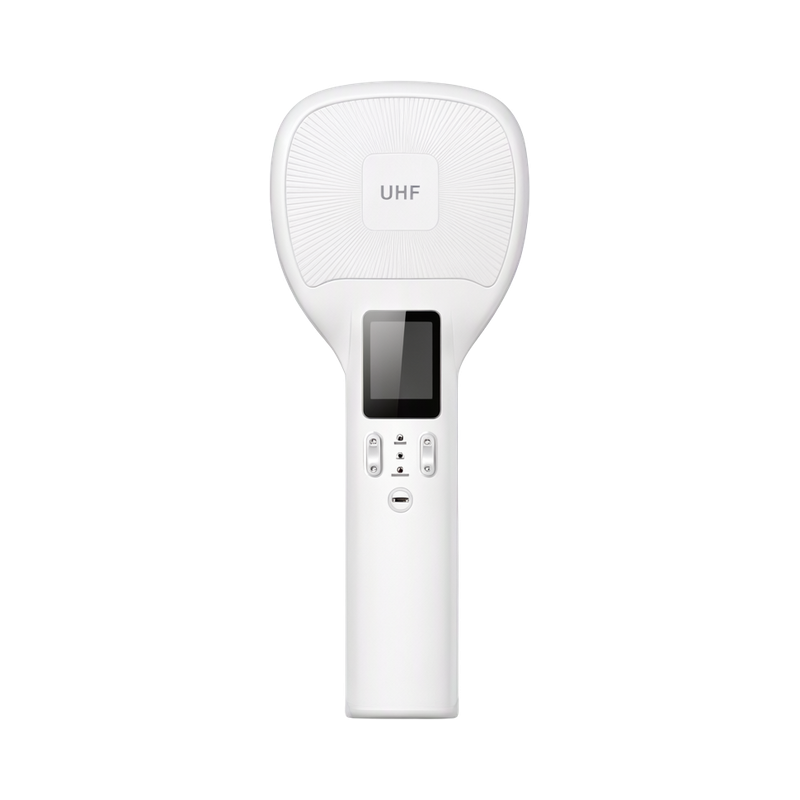
The demonstration application exposes tag memory operations as well as ordinary inventory. EPC, TID, user and reserved memory have different permissions; a successful inventory read does not mean every bank is writable.
- Document
- Guide
- Language
- en
- Version
- 2026-11-05 prepared reference
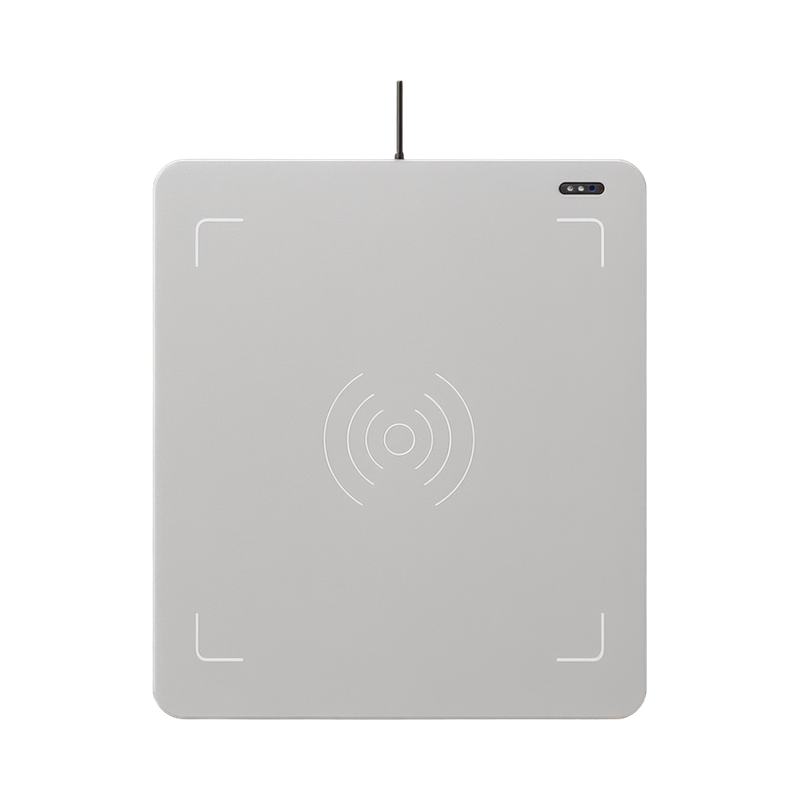
The platform is intended for close-range tag conversion and data entry. Keep the target tag in the controlled work area and use filtering in the host application where other tagged items are nearby.
- Document
- Datasheet
- Language
- zh-CN
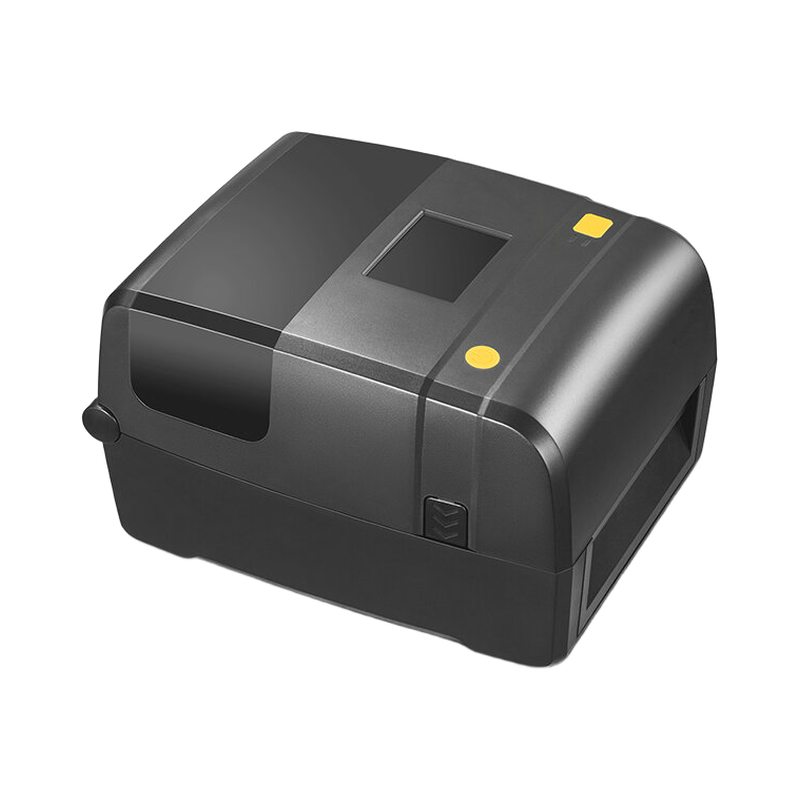
A successful media calibration establishes label positioning for the gap or mark sensor. It does not establish an RFID write position: run the applicable RFID calibration for the selected inlay and confirm the resulting EPC or TID through a read test.
- Document
- Datasheet
- Language
- en
A successful media calibration establishes label positioning for the gap or mark sensor. It does not establish an RFID write position: run the applicable RFID calibration for the selected inlay and confirm the resulting EPC or TID through a read test.
- Document
- Datasheet
- Language
- zh-CN
For thermal-transfer work, load the ribbon supply and rewind spools, remove slack and close the print mechanism. Load the selected labels through the correct sensor path and confirm that a feed advances them to the intended print position.
- Document
- Guide
- Language
- en
- Version
- 2026-11-05 prepared reference
The bilingual sheet describes the RIRP02 printer's media, ribbon and interface configuration. Confirm the housing and supply rating of the delivered unit because the archive also contains a longer manual and later hardware sheet with differing details.
- Document
- Guide
- Language
- en
- Version
- 2026-11-05 prepared reference
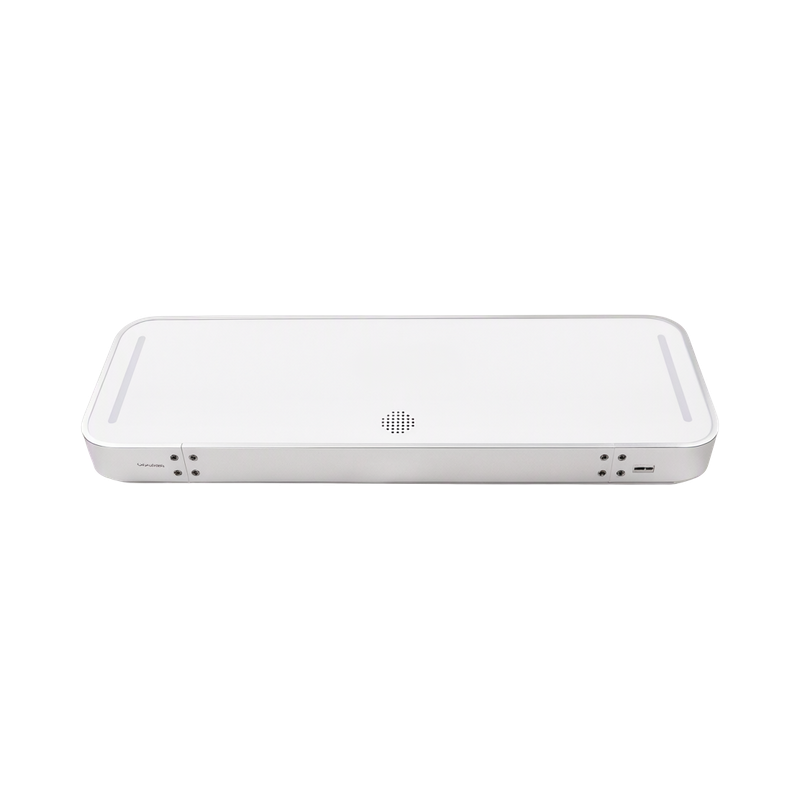
The RIA17 specification describes an integrated UHF reader and antenna for ceiling-mounted monitoring. Determine which tag reads should enter inventory and which should trigger an alarm in the host application.
- Document
- Datasheet
- Language
- mul
The RIA17 specification describes an integrated UHF reader and antenna for ceiling-mounted monitoring. Determine which tag reads should enter inventory and which should trigger an alarm in the host application.
- Document
- Datasheet
- Language
- en
The RIA17 specification describes an integrated UHF reader and antenna for ceiling-mounted monitoring. Determine which tag reads should enter inventory and which should trigger an alarm in the host application.
- Document
- Guide
- Language
- en
- Version
- 2026-11-05 prepared reference
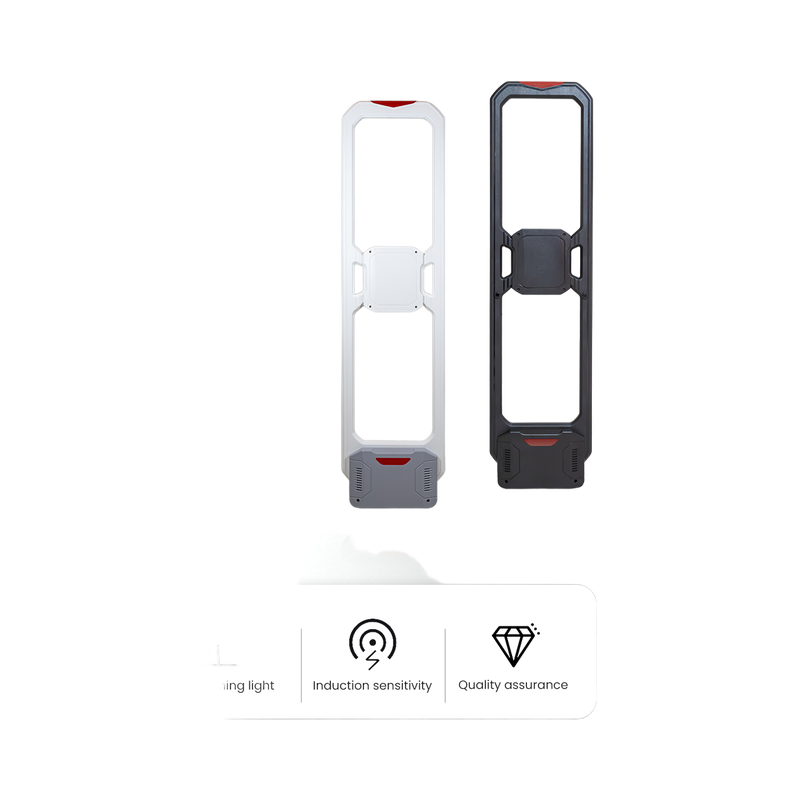
The infrared trigger initiates the gate's read or entry/exit-counting task. A passage trigger does not by itself indicate that merchandise is authorized; the online or offline EAS workflow must evaluate the relevant tags.
- Document
- Manual
- Language
- en
The infrared trigger initiates the gate's read or entry/exit-counting task. A passage trigger does not by itself indicate that merchandise is authorized; the online or offline EAS workflow must evaluate the relevant tags.
- Document
- Manual
- Language
- zh-CN
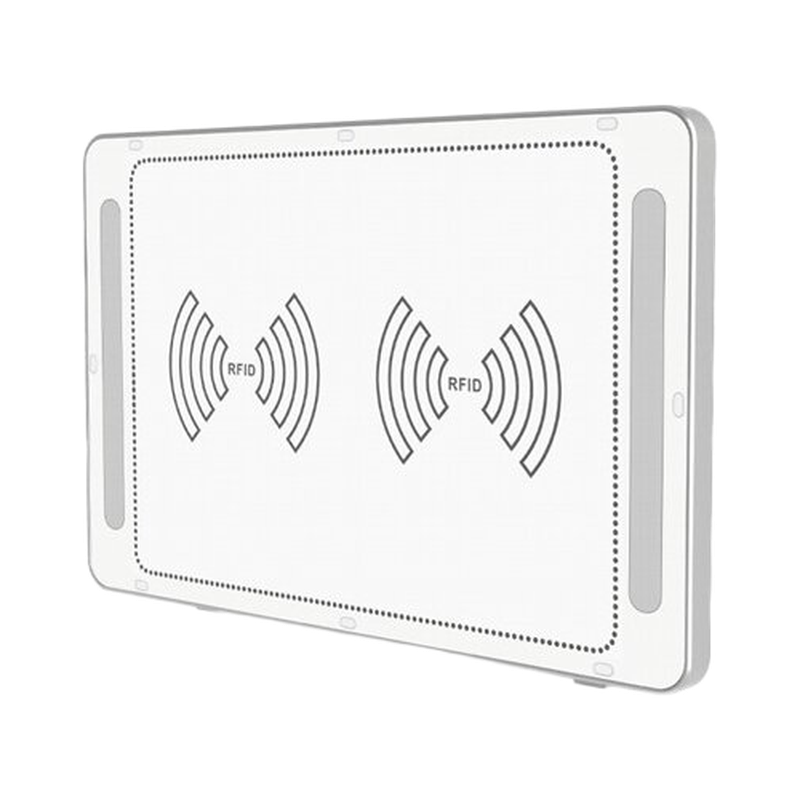
The ceiling terminal's tag filtering and RSSI functions are tools for the connected application to control which reads enter the business workflow. Test the real tagged items at the edge of the intended area instead of assuming the ceiling position alone defines the read boundary.
- Document
- Manual
- Language
- mul