Managing high-value biologics and frozen assets in 2026 requires more than just standard tracking; it demands resilience in the face of extreme thermal stress. As the pharmaceutical and food industries scale their cold chain operations, the failure of a single RFID tag at -196°C or within liquid nitrogen can lead to catastrophic data loss and regulatory non-compliance. This comprehensive guide explores how to select the best sub-zero RFID tags, ensuring your assets remain visible and compliant throughout their lifecycle in the most demanding environments.
The Evolution of Cold Chain Tracking: Why 2026 is a Turning Point

The year 2026 represents the 'event horizon' for biologics logistics, where the limitations of traditional tracking methods—such as manual barcodes or standard temperature loggers—finally collide with the rigorous demands of global health regulations and the sheer volume of personalized medicine. As the industry moves beyond the pilot phases of Cell and Gene Therapies (CGT), the focus has shifted from simple location tracking to vial-level environmental integrity. Modern sub-zero RFID tags have evolved to withstand the extreme thermal expansion and contraction of cryogenic storage, providing a bridge between the physical asset and its digital record without human intervention.
| Feature | Legacy Tracking (Pre-2024) | Next-Gen Tracking (2026+) |
|---|---|---|
| Temperature Limit | Mainly -20C to -40C | True Cryogenic (-196C) |
| Read Range | Manual/Individual | Bulk/Simultaneous Scan |
| Compliance | Reactive Documentation | Automated Chain of Identity |
| Data Security | Limited/Local | Encrypted/Cloud-Synced |
The Zero-Latency Liability Perspective: One unique development in 2026 is the legal weight of real-time sensor data. For therapies costing over $1M per dose, any 'blind spot' in the cold chain represents an uninsurable risk. Modern RFID procurement is now a risk-mitigation strategy rather than a simple logistics expense; by providing a continuous, tamper-proof history, these tags protect manufacturers against liability in cases of therapeutic failure. This shift towards 'Digital Twin' integration means the tag is no longer just a label; it is the physical anchor for the entire kinetic history of the asset.
How does 2026 differ from previous years?
Global mandates like the final phases of DSCSA and EU Annex 11 now require granular, electronic traceability that only advanced RFID can provide at scale, specifically for ultra-low temperature products.
Why is sub-zero RFID superior to QR codes?
Unlike QR codes, RFID does not require line-of-sight and can be read through layers of frost or specialized secondary packaging, preventing temperature excursions caused by opening containers for scanning.
What is the impact of ATMPs on procurement?
Advanced Therapy Medicinal Products (ATMPs) require a Chain of Identity that links the patient's cells to the final drug product; sub-zero RFID is the only technology that ensures this link remains unbroken in deep-freeze environments.
Defining the Sub-Zero Environment: From Dry Ice to Liquid Nitrogen
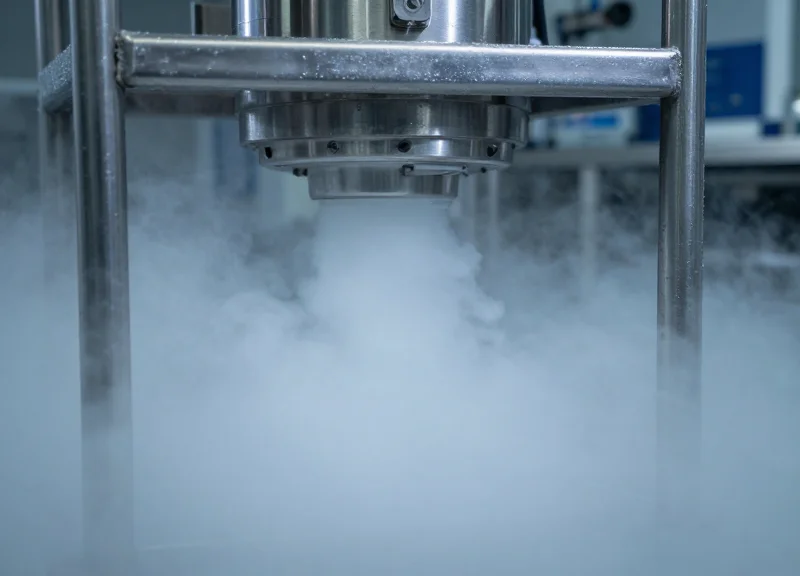
In the context of 2026 biopharmaceutical logistics, a 'sub-zero environment' is not a monolith; it is a spectrum of increasingly hostile thermal zones that dictate the physical architecture of an RFID tag. While standard cold storage begins at -20°C, the high-stakes world of biologics frequently reaches -80°C (Dry Ice) and plummets to -196°C (Liquid Nitrogen). At these extremes, standard adhesives become brittle, antenna metals contract at different rates than their substrates, and the very physics of RF transmission can be altered by the presence of ice or frost buildup.
| Temperature Zone | Common Assets | Primary Challenge |
|---|---|---|
| -20°C to -40°C | Plasma, certain reagents, enzymes | Frost accumulation and moisture ingress |
| -70°C to -80°C | mRNA vaccines, DNA samples, viral vectors | Adhesive crystallization and embrittlement |
| -150°C to -196°C | Stem cells, cord blood, CAR-T therapies | CTE mismatch and structural delamination |
Expert Insight: The CTE Mismatch Factor. By 2026, the industry has recognized that 'temperature rating' is only half the battle. The real killer of sub-zero RFID tags is the Coefficient of Thermal Expansion (CTE) Mismatch. This occurs when the tag's plastic inlay, the metallic antenna, and the biological vial expand and contract at different rates. In cryogenic transitions, this differential stress can shear the microchip away from the antenna (die-attach failure) or cause the entire tag to 'pop' off the vial surface, even if the adhesive is technically rated for the temperature.
Does Liquid Nitrogen (LN2) block RFID signals?
While LN2 itself is non-conductive and transparent to RF, the dense vapor and potential for ice crystals on the tag surface can cause 'detuning,' shifting the resonant frequency and reducing read range significantly.
Why do standard 'all-weather' adhesives fail at -80°C?
Standard adhesives reach their 'glass transition temperature' well before -80°C, turning from a tacky substance into a hard, glassy solid that loses all bond strength when the vial is handled.
Can active RFID tags be used in cryogenic environments?
Generally no; lithium-ion battery chemistry fails below -40°C. For -80°C and lower, high-memory passive UHF tags are the 2026 gold standard for data persistence without power.
Technical Specifications: What Makes an RFID Tag 'Cryo-Ready'?
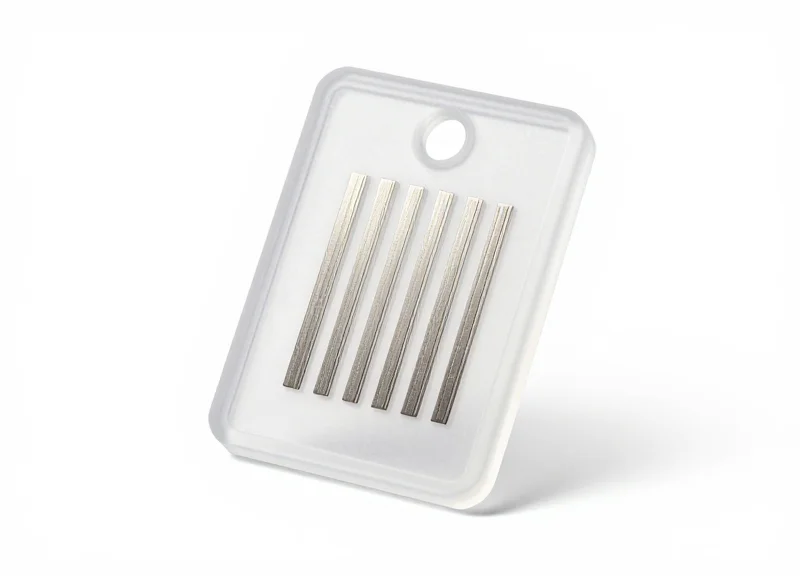
A 'Cryo-Ready' RFID tag is defined by its ability to maintain 100% data integrity and signal readability while subjected to temperatures as low as -196°C (Liquid Nitrogen). Unlike standard industrial tags, true cryo-ready variants utilize specialized Integrated Circuits (ICs) designed to resist 'bit-flipping' under thermal stress, coupled with flexible substrates that match the Coefficient of Thermal Expansion (CTE) of the storage vial. This synergy prevents the antenna from snapping or delaminating during rapid-thaw cycles, ensuring the digital twin of a biological asset remains accessible throughout its lifecycle.
| Feature | Standard RFID Tag | Cryo-Ready RFID Tag (2026 Std) |
|---|---|---|
| IC Sensitivity | -15 dBm to -18 dBm | -21 dBm to -24 dBm (High Sensitivity) |
| Operating Temp | -40°C to +85°C | -196°C to +120°C (Autoclave compatible) |
| Data Retention | 10 years at room temp | 50+ years (Optimized for deep freeze) |
| Substrate Material | PET / Paper | Polyimide (PI) / Cryo-grade Polypropylene |
| Antenna Bond | Standard Solder | Anisotropic Conductive Film (ACF) |
In 2026, the focus has shifted from 'will it stick' to 'will it talk.' The presence of frost and ice crystals on a vial creates a high-dielectric environment that detunes standard UHF antennas, effectively 'blinding' the reader. To counteract this, modern cryo-tags utilize 'Frost-Compensated Antenna Geometry.' This design specifically accounts for the shift in resonance frequency caused by water-ice layers, allowing for a consistent read range of 2–5 meters even when the asset is buried deep within a freezer rack.
- The 'Thermal Shock' Insight: Expert Tip: Most RFID failures in biologics occur during the 'Flash Freeze' or 'Thaw' process, not during static storage. This is due to the 'CTE Mismatch.' Ensure your tag vendor provides data on 'Interfacial Shear Strength' at -196°C. If the IC and the substrate don't shrink at the exact same rate, the microscopic gold bumps connecting the chip to the antenna will shear off, resulting in a 'silent' tag that is physically intact but electronically dead.
- IC Architecture & Memory: Look for tags featuring User Memory with Error Correction Code (ECC). In sub-zero environments, cosmic ray hits—though rare—can occasionally cause a bit-flip in the silicon. ECC-enabled ICs can self-repair these errors, which is a non-negotiable requirement for high-value CGT (Cell and Gene Therapy) assets.
Does the read range decrease at -80°C?
Actually, the electrical conductivity of the silver or copper antenna often improves at lower temperatures. However, the 'permittivity' of surrounding ice can detune the signal. A high-quality cryo-tag is pre-tuned to a slightly higher frequency so that it hits the 'sweet spot' only when frozen.
Can these tags survive autoclave sterilization after being frozen?
Yes, 'dual-cycle' tags are now the industry standard. They use Polyimide substrates that remain stable from -196°C up to +121°C for sterilization, ensuring the tag stays with the asset from the lab to the clinic.
What is the importance of 'Bit-Quiescence' in cold storage?
Bit-quiescence refers to the stability of the non-volatile memory in extreme cold. Cryo-ready tags use specialized floating-gate transistors that prevent charge leakage, ensuring that the UID (Unique Identifier) doesn't degrade over decades of storage.
Material Science: Selecting Adhesives and Encapsulations
In sub-zero RFID procurement, material science dictates that adhesives must possess a Glass Transition Temperature (Tg) significantly lower than the service environment to prevent embrittlement. For 2026 biologics workflows, selecting a 'Cryo-Ready' tag requires a dual-focus on the adhesive’s chemical bond to the substrate—typically medical-grade glass or polypropylene—and the encapsulation resin's ability to shield the internal IC from moisture ingress during repeated freeze-thaw cycles. Without a specialized low-temperature tackifier, standard adhesives crystallize, losing their 'wetting' properties and causing the tag to delaminate (pop off) the moment it is moved from room temperature to a -80°C freezer or liquid nitrogen dewar.
| Adhesive Type | Operating Range | Substrate Compatibility | Key Advantage |
|---|---|---|---|
| Modified Acrylic | -40°C to +80°C | Plastics, Polypropylene | High initial tack; resists moisture during thawing. |
| Silicone-Based | -196°C to +200°C | Glass, Polished Metals | Maintains flexibility at extreme cryo-temps. |
| Hybrid Cross-Linked | -196°C to +100°C | Rough Surfaces, Frozen Vials | Superior resistance to chemical sterilization (EtO/Autoclave). |
Expert Insight: The Coefficient of Thermal Expansion (CTE) Mismatch. A common failure point in 2026 cold chains is the 'Pop-Off' effect. This happens when the RFID tag's plastic inlay, the adhesive, and the glass vial all contract at different rates as they cool. To mitigate this, high-end tags now use 'strain-relief' encapsulation designs where the resin is slightly elastomeric, allowing it to absorb the mechanical stress of contraction without fracturing the delicate silicon chip or the antenna bond.
- Surface Preparation: Ensure the surface is dry and free of frost. Even microscopic ice layers act as a release liner, preventing the adhesive from reaching the substrate's surface energy.
- Dwell Time Optimization: Apply the tag at room temperature and allow a 'dwell time' of at least 4 to 24 hours. This allows the adhesive to flow into the microscopic valleys of the plastic before it is 'frozen' into place.
- Encapsulation Integrity Check: Verify that the tag edges are fully sealed. Any exposed inlay material can wick moisture during thawing, leading to internal corrosion of the RFID chip.
Can I apply these tags directly to pre-frozen vials?
Generally, no. Most cryogenic adhesives require room-temperature application to establish a bond. However, specialized 'frozen-surface' adhesives are emerging in 2026 that use aggressive solvents to bite through thin frost layers, though they remain niche and expensive.
Why do some tags turn yellow or brittle after dry ice exposure?
This is often due to the use of inferior epoxy encapsulants that lack UV stabilizers or have high moisture absorption rates. Always specify 'low-outgassing' and 'non-hygroscopic' resins for biologics.
What is the role of the 'Face Stock' in material science?
The face stock (top layer) must be thermal-transfer printable and resistant to isopropyl alcohol (IPA) wipes. Synthetic polymers like polyimide or polyester are preferred over paper-based stocks which disintegrate in cold-chain humidity.
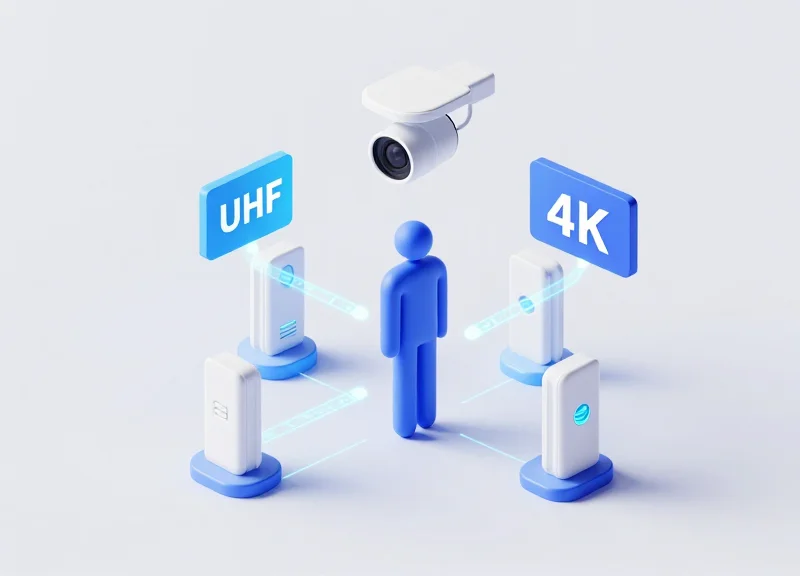
Frequency Analysis: UHF vs. HF/NFC in Cold Chain Logistics
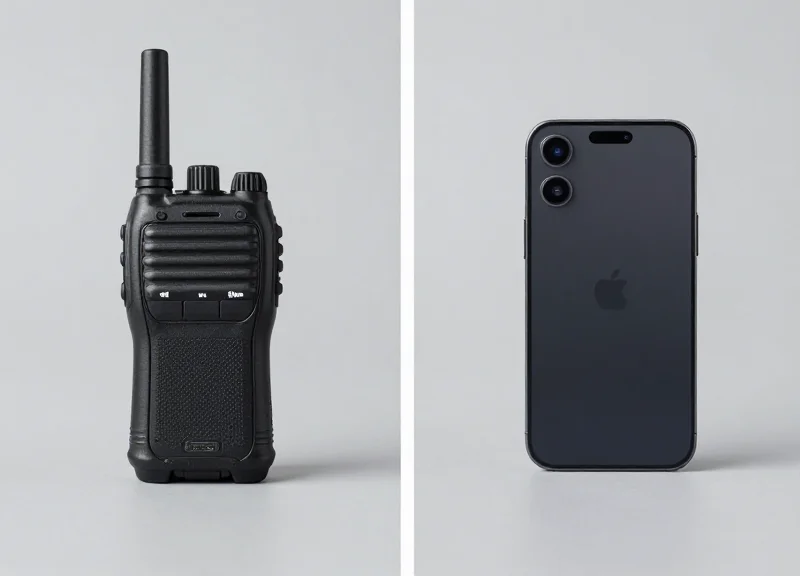
In sub-zero logistics, the choice between Ultra-High Frequency (UHF) and High Frequency (HF/NFC) is primarily dictated by the physical properties of the assets being tracked and the required read distance. UHF (860-960 MHz) is the industry standard for high-volume inventory management and long-range tracking, offering the ability to scan hundreds of items simultaneously from several meters away. Conversely, HF/NFC (13.56 MHz) provides a shorter, more controlled read range (typically under 10cm) but excels in environments with high moisture or ice content, where UHF signals often struggle due to absorption and detuning.
| Feature | UHF (Rain RFID) | HF / NFC |
|---|---|---|
| Typical Read Range | 3m to 10m+ | Less than 10cm |
| Bulk Scanning | High (100+ tags/sec) | Low (Single tag focus) |
| Moisture/Ice Resistance | Low (Significant detuning) | High (Near-immune to water) |
| Hardware Requirement | Specialized Industrial Readers | Standard Smartphones/Tablets |
| Primary Use Case | Pallet & Freezer Inventory | Patient-side Verification |
The 'Physics of Frost' represents the greatest challenge for UHF in 2026. While pure ice is relatively transparent to RF, the micro-layers of liquid water that form on the surface of frozen assets during transit (due to sublimation or temperature fluctuations) act as a shield. This leads to 'detuning,' where the tag's antenna resonance shifts away from the reader's frequency. HF/NFC, operating via inductive coupling rather than backscatter radiation, is far less affected by these dielectric shifts, making it the safer choice for individual vial authentication in liquid nitrogen environments.
Expert Insight: The Rise of 'Cryo-Tuned' Antennas. A critical procurement tip for 2026 is to look for 'Cryo-Tuned' UHF tags. Unlike standard tags tuned for ambient air, these are intentionally manufactured with a frequency offset. They perform poorly at room temperature but reach peak resonance and maximum read range once they reach -80°C and are covered in frost. This 'cold-peak' engineering eliminates the need to choose between bulk scanning and sub-zero reliability.
Can UHF tags read through dry ice?
Yes, dry ice (solid CO2) is RF-transparent and does not significantly interfere with UHF signals, unlike traditional water-based ice which can cause attenuation if it contains impurities.
Why is NFC becoming popular for clinical trials?
NFC allows medical staff to use standard-issue smartphones to verify temperature-sensitive biologics at the point of care without needing expensive industrial RFID infrastructure.
Is it possible to use both frequencies on one asset?
Yes, dual-frequency 'Hybrid' tags are emerging in 2026. They allow logistics providers to use UHF for warehouse automation and NFC for end-user interaction on the same biological sample.
Compliance and Standards: Meeting 2026 Global Requirements
Navigating the 2026 regulatory landscape for frozen assets requires more than a "cryo-safe" label; it demands a validated ecosystem where the RFID tag serves as an immutable link in the chain of custody. Procurement teams must ensure that tags comply with the ISO 18000-63 air interface for global interoperability, while the data captured meets the stringent electronic record requirements of FDA 21 CFR Part 11 and EU Annex 11. In the medical sector, compliance is increasingly focused on the "Total Lifecycle" approach, where the tag's performance is validated not just at the point of manufacture, but after years of storage at -196°C.
| Standard | Primary Application | 2026 Procurement Necessity |
|---|---|---|
| ISO 18000-63 (EPC Gen2) | Communication Protocol | Ensures tags are readable by all standard UHF hardware globally. |
| FDA 21 CFR Part 11 | Data Integrity | Required for electronic signatures and audit trails in clinical trials. |
| ISO 20387:2018 | Biobanking Quality | Essential for ensuring biological material fitness during long-term storage. |
| ISO 10993 | Biocompatibility | Critical for tags used in proximity to sensitive cellular products to prevent leaching. |
Expert Insight: The 2026 "Thermal Fatigue" Audit. A common pitfall in current procurement is overlooking ISO 17367 (Supply Chain RFID) in favor of simple readability. However, emerging 2026 mandates require "Thermal Fatigue Validation." This means proving that the silicon chip's memory gates do not suffer from charge leakage during the extreme expansion and contraction cycles of liquid nitrogen replenishment. Always demand a "Retention-After-Shock" test report rather than a simple "Post-Thaw" read test to ensure long-term data persistence.
Does the RFID tag itself need FDA approval?
The tag is considered a component of the tracking system or packaging. While the tag doesn't receive a standalone 510(k), the adhesive must meet ISO 10993 standards if it contacts primary packaging for biologics to ensure no migration of chemicals into the product.
What is GS1 EPCIS 2.0 and why does it matter in 2026?
EPCIS 2.0 is the global standard for sharing "event-based" data. In 2026, it is the essential bridge that allows different stakeholders in the cold chain to see when a sample was placed in cryo-storage and when it was retrieved, creating a transparent, auditable digital twin.
- Verify Hardware Protocol Compliance: Confirm the tag supports the latest UHF Gen2v2 features, which provide enhanced security and faster read rates in high-density storage environments.
- Audit Data Security and Encryption: For biologics, ensure the tag IC supports cryptographic authentication to prevent counterfeiting and unauthorized data modification.
- Review Biocompatibility Reports: Request documentation proving that adhesives and face-stocks are non-toxic and stable under gamma sterilization or chemical wipe-downs.
Operational Integration: From Lab Freezers to Global Distribution
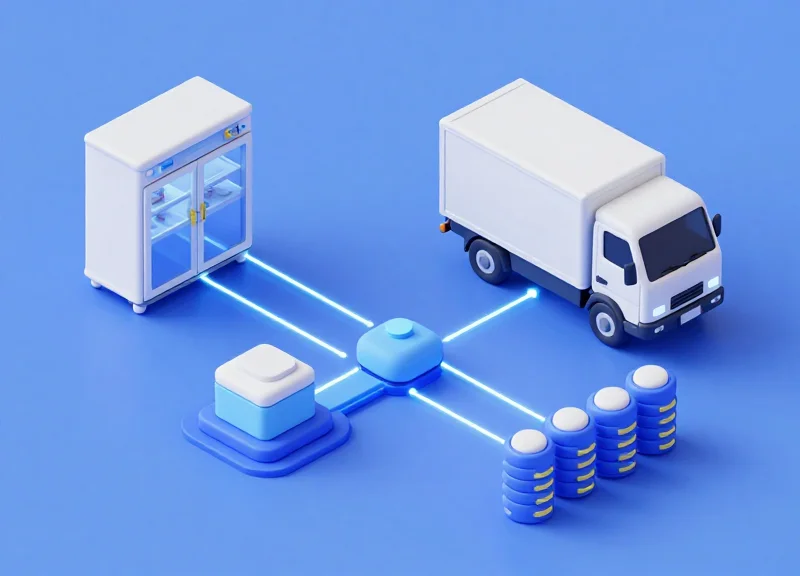
Operational integration for sub-zero RFID is the process of harmonizing cryo-stable hardware with cloud-based logistics software to ensure 100% data visibility as assets move from ultra-low temperature (ULT) storage to dynamic transit. In 2026, this integration focuses on 'Phase Change Resilience'—the ability of the RFID system to accurately read tags despite the physical interference caused by ice crystallization, condensation, and rapid thermal expansion during the critical handoff between a lab's fixed readers and a logistics provider's mobile gateways.
| Infrastructure Layer | Primary Function | Critical 2026 Specification |
|---|---|---|
| ULT Fixed Portals | Automated bulk checkout from freezers | Heated antenna housings to prevent frost detuning |
| Ruggedized Handhelds | Manual audit and spot-checking in the field | Glove-compatible UI with IP68 moisture protection |
| Edge Middleware | Real-time data filtering and deduplication | Local cache capability for offline 'dead-zone' syncing |
| Transit Gateways | Tracking during truck/air transport | 5G/LTE-M integration with integrated temp-sensors |
Expert Insight: The '120-Second Moisture Window' Strategy Most RFID failures in the cold chain occur not at -80°C, but during the first two minutes of exposure to ambient air. As moisture condenses on the cold surface, it creates a 'water jacket' that can attenuate UHF signals by up to 15dB. To counter this, elite 2026 procurement strategies now include 'Desiccated RFID Tunnels' or high-velocity air curtains at egress points. These systems strip surface moisture before the asset reaches the main portal, ensuring that the 'water jacket' effect never has the chance to mask the tag’s backscatter.
- Baseline Thermal Calibration: Calibrate readers to account for the physical shrinkage of tag antennas at -196°C, which slightly shifts the resonant frequency.
- Zonal Gateway Deployment: Install fixed readers at 'Thermal Transition Zones' (e.g., loading docks and cleanroom airlocks) to timestamp the exact moment an asset leaves a controlled environment.
- API Handshake Verification: Ensure the RFID middleware utilizes RESTful APIs or MQTT protocols to feed data directly into Laboratory Information Management Systems (LIMS) and ERPs.
- Redundancy Mapping: Implement secondary 'logical' checkpoints where the system flags any asset that was detected at the freezer but missed at the loading dock.
Can RFID readers be placed inside a -80°C freezer?
Generally, no. The internal electronics of standard readers will fail. The industry standard is to mount the reader externally and run low-loss coaxial cables to specialized cryo-rated antennas located inside the unit.
How does ice buildup affect read rates?
While pure ice is relatively transparent to RF, 'wet ice' or frost with high moisture content is highly reflective. Using circular-polarized antennas helps mitigate the multipath interference caused by frost.
What happens if a tag's data is corrupted by the cold?
Modern ICs use Error Correcting Code (ECC) memory. In 2026, procurement should prioritize chips with 'Deep-Freeze Logic' that prevents bit-flip errors at temperatures below -150°C.
Cost-Benefit Analysis: Evaluating the ROI of Premium Sub-Zero Tags
The Return on Investment (ROI) for premium sub-zero RFID tags is not found in the unit price, but in the mitigation of 'catastrophic data silence'—the period where a high-value biological sample is unmonitored or lost due to label failure. In 2026, the cost of a single lost or degraded phase-III clinical sample can exceed $50,000, making the marginal cost of a specialized RFID tag ($0.80 - $2.50) negligible compared to the 30-40% labor reduction and 99.9% inventory accuracy achieved through automated, through-freezer scanning.
| Metric | Manual/Standard Labels | Premium Sub-Zero RFID Tags |
|---|---|---|
| Inventory Time (1,000 units) | 8-12 Man-Hours | Under 5 Minutes |
| Data Accuracy | 85% - 92% (Human Error) | 99.9% (Automated) |
| Adhesive Failure Rate | 5% - 15% at -80°C | <0.01% (Specialized Cryo-Bond) |
| Compliance Audit Cost | High (Manual Documentation) | Low (Digital Audit Trail) |
### The 'Cold Chain ROI' Formula To build a procurement case that resonates with CFOs, you must look beyond the line item. A unique insight often overlooked is the Degradation Decay Factor (DDF): the loss of sample viability every time a freezer door is opened for manual inventory. Premium RFID allows for 'closed-door' inventory, preserving the thermal stability of the entire environment.
- Quantify Manual Labor Leakage: Calculate the annual cost of staff spending 15% of their time on manual audits and searching for misplaced cryovials.
- Assess Asset Replacement Value: Factor in the cost of re-collecting samples or re-running trials if a label falls off or becomes unreadable in liquid nitrogen.
- Calculate the 'Door-Open' Tax: Estimate energy costs and sample degradation risks associated with keeping freezers open during manual counts.
- Project Compliance Savings: Subtract the potential cost of FDA or ISO non-compliance fines that occur when assets lack an immutable digital history.
Expert Procurement Tip: In 2026, the most successful labs are moving toward a 'Total Cost of Ownership' (TCO) model. While standard labels cost $0.05, their TCO is often $5.00+ when failure rates and labor are included. Premium RFID tags often have a TCO that is 40% lower over a three-year lifecycle due to the elimination of relabeling projects and search-related downtime.
Is the initial hardware cost worth it for small labs?
Yes, because even for small inventories, the risk of losing a single 'irreplaceable' sample (like a specific stem cell line) far outweighs the cost of a handheld reader and a roll of tags.
How do premium tags impact insurance premiums?
Many specialized insurers for life sciences now offer lower premiums or better coverage terms for facilities that utilize automated RFID tracking, as it drastically reduces the 'loss of contents' risk.
Future Trends: Sustainability and the Convergence of RFID with ESL
By 2026, the strategic focus for biologics procurement will shift from simple tracking to 'Circular Intelligence.' This involves the convergence of sustainable RFID materials with Electronic Shelf Labels (ESL) to create a zero-waste, real-time visibility layer. Unlike traditional siloed systems, the next generation of sub-zero asset management utilizes ESLs as multi-purpose 'Smart Hubs' that display critical cryogenic data—such as shelf-life countdowns and batch IDs—while simultaneously serving as RFID relays. This evolution is driven by global ESG mandates and the need to eliminate the lithium-battery failure points common in extreme-cold environments.
| Feature | Legacy Sub-Zero Tags (Pre-2024) | Next-Gen 2026 Sustainable Solutions |
|---|---|---|
| Primary Substrate | PET/Plastic Film | FSC-Certified Paper or Bio-Composites |
| Antenna Manufacturing | Chemical Etching (High Waste) | Additive Silver-Ink Printing (Zero Waste) |
| Monitoring Logic | Point-in-time scanning | Continuous ESL-integrated monitoring |
| Energy Profile | Passive or Internal Battery | Ambient RF Energy Harvesting |
One of the most significant breakthroughs for 2026 is the 'Battery-Free ESL' for ultra-low temperature (ULT) environments. Traditional ESLs relied on button-cell batteries that degrade rapidly at -80°C. Modern engineering has introduced energy-harvesting circuitry that pulls power from the UHF RFID reader's signal to update the E-Ink display. This ensures that a lab technician can see a visual 'Expired' or 'Warning' alert on a freezer rack without the system ever requiring a battery change. For procurement officers, this represents a massive reduction in Total Cost of Ownership (TCO) and hazardous waste disposal fees.
Can sustainable paper-based RFID tags withstand moisture and frost?
Yes. 2026-grade 'Green RFID' tags use nanocellulose coatings that provide a moisture barrier equivalent to plastic, ensuring the antenna remains functional even during the transition from liquid nitrogen storage to ambient air.
What is the primary benefit of RFID-ESL convergence for hospitals?
It eliminates manual auditing. The RFID component tracks the movement of biologics, while the ESL component provides an immediate visual confirmation of the asset's status, reducing 'search and find' time by up to 40%.
Is the infrastructure for energy-harvesting tags different?
Generally, no. Most modern Gen2 UHF readers are already capable of supporting energy-harvesting protocols, though a firmware update may be required to optimize power delivery for E-ink display refreshes.
Expert Insight: The 2026 procurement landscape will prioritize 'Tethered Data.' This means the tag is no longer just a serial number; it is a dynamic ledger. By using 'on-chip' memory enhancements, we are seeing tags that can store a localized audit trail of every temperature excursion the asset has faced, accessible via any NFC-enabled smartphone or ESL hub. This decentralizes data and provides a redundant safety net for high-value biological assets.