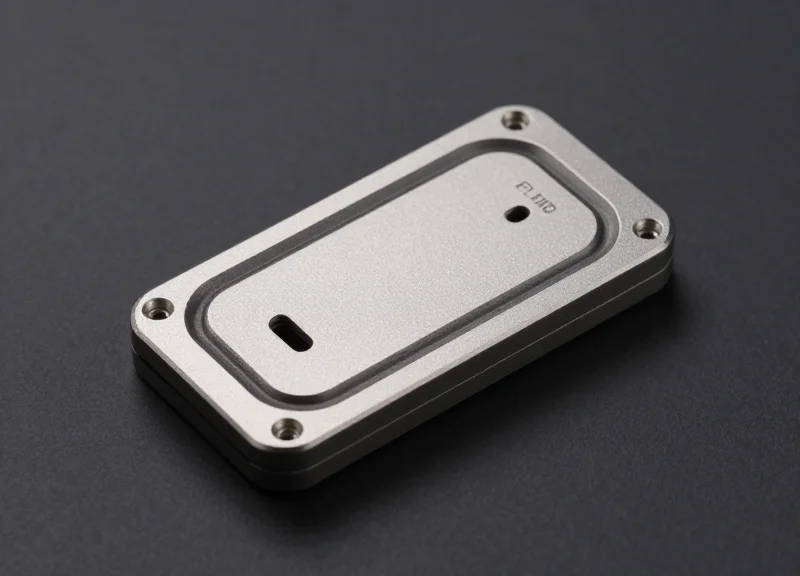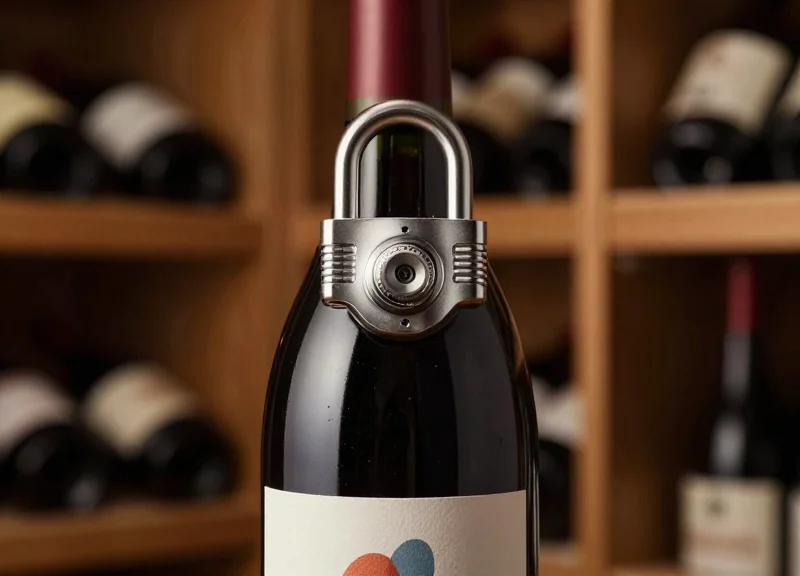
In the high-stakes world of fine wine retail, the challenge has always been balancing robust security with the preservation of a bottle's pristine condition. As we look toward 2026, the evolution of non-damaging security technology is more critical than ever. Premium vintages are not just products; they are investments, and even a minor scratch on a label or a dent in the foil can significantly devalue the item. This guide explores how modern wine bottle security locks offer the ultimate shield against shrinkage while ensuring the aesthetic and physical integrity of your most valuable stock remains untouched.
The Evolution of Wine Security: Market Trends for 2026

The 2026 wine security landscape represents a paradigm shift from 'deterrence via bulk' to 'protection via precision,' utilizing non-invasive materials and integrated IoT sensors that ensure a bottle’s seal and label remain pristine for collectors and high-end retailers. This evolution is driven by the realization that traditional, abrasive security hardware often compromises the physical condition—and therefore the market value—of luxury assets.
| Feature | Legacy Hardware (Pre-2024) | Next-Gen Security (2026) |
|---|---|---|
| Physical Profile | Bulky plastic shells | Minimalist low-profile collars |
| Label Protection | High risk of scratches | Silicon-buffered non-marking liners |
| Authentication | Visual deterrence only | NFC-enabled blockchain verification |
| Material Impact | Hard contact points | Micro-cushioning elastomers |
- The Rise of 'Silent' Security: In 2026, retailers are moving away from loud, disruptive alarms toward discreet digital notifications sent directly to staff mobile devices, maintaining the luxury atmosphere of premium boutiques.
- Eco-Conscious Durability: There is a significant shift toward high-grade recycled polymers and biodegradable components that align with the sustainability mandates of global vineyards and environmentally conscious consumers.
- Universal Fit Engineering: Modern security locks are now engineered to adapt to non-standard bottle shapes, including heavy-bottomed Burgundies and specialty Champagne magnums, without requiring specialized installation tools.
Unique Industry Insight: The 'Label Integrity Premium'. In the 2026 secondary market, a vintage with a 'Security-Scuffed' label can lose between 8% and 15% of its auction value. For a $1,200 bottle of Petrus, a single scratch from a poorly designed security tag represents a $100+ loss. Advanced 2026 locks prioritize 'Soft-Touch' technology, using medical-grade elastomers to create a zero-friction seal between the locking mechanism and the delicate paper stock of the label.
Why 'Non-Damaging' is the New Industry Gold Standard
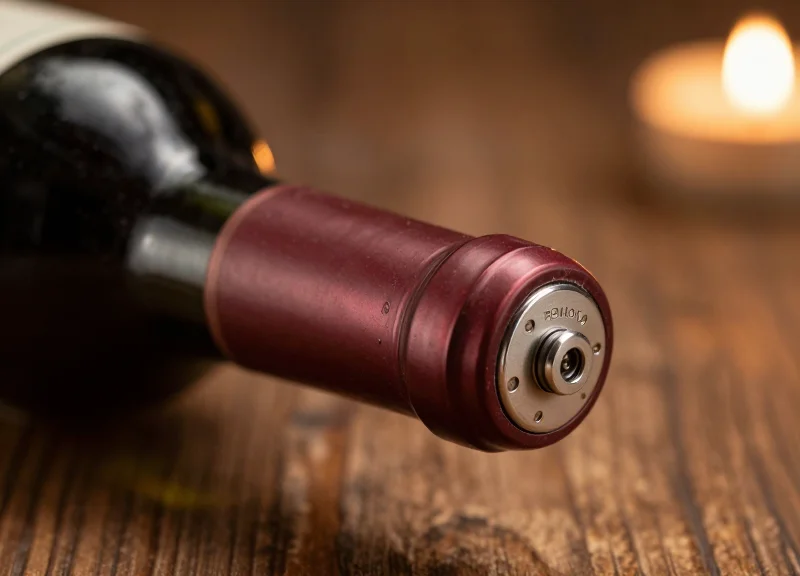
The 'Non-Damaging' gold standard refers to a design philosophy where wine security hardware provides maximum theft deterrence without compromising the physical integrity of the bottle's label, foil, or glass. In the 2026 market, security is no longer just about loss prevention; it is about asset preservation. For premium vintages, any contact point that creates a 'scuff' or 'tear' is considered a financial loss, as high-end collectors and auction houses now demand pristine provenance—down to the microscopic condition of the neck foil.
| Condition Factor | Impact of Security Damage | Est. Value Reduction |
|---|---|---|
| Neck Foil / Capsule | Compression marks or tears from tight plastic grips | 5% - 12% |
| Main Label | Abrasions or adhesive residue from poorly fitted tags | 15% - 30% |
| Glass Integrity | Hairline scratches from metal-on-glass friction | Varies (Potential rejection by auctioneers) |
Why is this shift happening now? The rise of the secondary wine market and 'investment-grade' drinking has turned every bottle into a financial instrument. Modern non-damaging locks utilize medical-grade silicone gaskets and felt-lined interiors to distribute pressure evenly. Unlike legacy 'bottle collars' that relied on brute-force tension, 2026-era locks use precision-engineered clamping mechanics that 'float' over the capsule, ensuring that the security device never actually bites into the material it is meant to protect.
Does 'non-damaging' mean the lock is easier to remove?
No. Modern engineering separates the grip strength from the surface contact. High-friction silicone provides superior grip compared to hard plastic, making the lock harder to slide off while remaining gentler on the foil.
Why is label protection more important for 2026 vintages?
Digital authentication and AI-driven label scanning are becoming standard in the secondary market. Even a minor scratch can trigger a 'counterfeit' or 'poor condition' flag in automated valuation systems.
What materials should I look for to ensure zero damage?
Look for TPE (Thermoplastic Elastomer) linings or soft-touch silicone. Avoid any lock that features exposed metal springs or hard-edge polycarbonate near the neck contact point.
Expert Insight: The 'Micro-Vibration' Factor. Many retailers overlook the damage caused by 'micro-vibrations' during transport or shelf stocking. Standard hard-shell locks vibrate against the glass, creating tiny etchings over time. The 2026 Gold Standard requires dampening materials that absorb these vibrations, acting as a shock absorber for the bottle's most vulnerable area—the neck. If your security lock doesn't have a 'soft-close' or dampened interior, it isn't truly non-damaging.
Analyzing the Mechanics: How Modern Bottle Locks Work
Modern wine bottle security locks utilize a combination of radial compression and non-reactive elastomer linings to secure the bottle neck without puncturing the foil or scuffing the label. Unlike legacy mechanical clamps that rely on sheer force, 2026-generation locks employ calibrated tensioning systems that distribute pressure evenly across the bottle's 'finish' (the glass rim). This ensures that the device remains immovable under manual force while the internal padding—often made of medical-grade silicone or thermoplastic elastomers (TPE)—prevents any metal-to-glass or metal-to-foil contact.
The core of these devices usually features a multi-point locking caliper. When the security key or digital code is engaged, these internal teeth move inward on a synchronized track. By using a synchronized movement rather than a single pivot point, the lock avoids 'pinching' the foil, which is the primary cause of aesthetic damage in older security models. Furthermore, the internal linings are engineered with a specific 'Coefficient of Friction' (CoF) that allows for a firm grip with significantly lower clamping pressure than previously required.
| Component | Material Tech | Primary Function | Damage Prevention Feature |
|---|---|---|---|
| Internal Lining | Medical-Grade Silicone | Grip and Friction | Anti-migration; won't stick to or peel foil |
| Clamping Frame | Reinforced Polycarbonate | Structural Integrity | Lightweight to prevent neck stress |
| Locking Core | Hardened Steel/RFID Chip | Theft Deterrence | Tamper-evident without external sharp edges |
| Pressure Plate | Variable Tension Spring | Force Distribution | Prevents over-tightening on fragile glass |
- Centering and Alignment: The lock is placed over the capsule. Self-centering guide rails ensure the locking mechanism is perfectly perpendicular to the cork, preventing uneven pressure.
- Radial Engagement: As the locking mechanism is turned or pushed, the internal calipers move inward simultaneously from 360 degrees.
- Tension Calibration: The device reaches a pre-set tension limit (measured in Newtons) that provides security without exceeding the crush-strength of the foil.
- Dead-Locking: The mechanical or electronic 'dead-lock' engages, preventing the calipers from backing off until the authorized release tool is applied.
Expert Insight: The 'Leaching' Risk. A common mistake in wine security is focusing solely on mechanical pressure. In 2026, the industry is moving toward 'chemically inert' security. Inexpensive rubber linings can undergo 'outgassing' or chemical migration when stored in cellar environments with high humidity. This can actually fuse the security device to the foil or cause discoloration. Always look for locks that specify 'Low-VOC' or 'Medical-Grade' contact points to ensure the long-term chemical stability of your labels.
Do these locks fit all bottle shapes?
Modern locks are designed with modular internal diameters to accommodate everything from slender Riesling bottles to wide-shouldered Champagne 'Magnum' finishes.
Can the internal lining leave a residue?
High-quality TPE and silicone linings are specifically chosen for their non-adhesive properties. They rely on friction, not tackiness, meaning they leave zero residue upon removal.
Is there a risk of the lock being too heavy for the neck?
Leading 2026 designs use aircraft-grade aluminum or reinforced polymers to keep the weight under 150 grams, ensuring no structural risk to the bottle neck during vertical storage.
RF vs. AM vs. RFID: Choosing the Right Frequency for Your Store
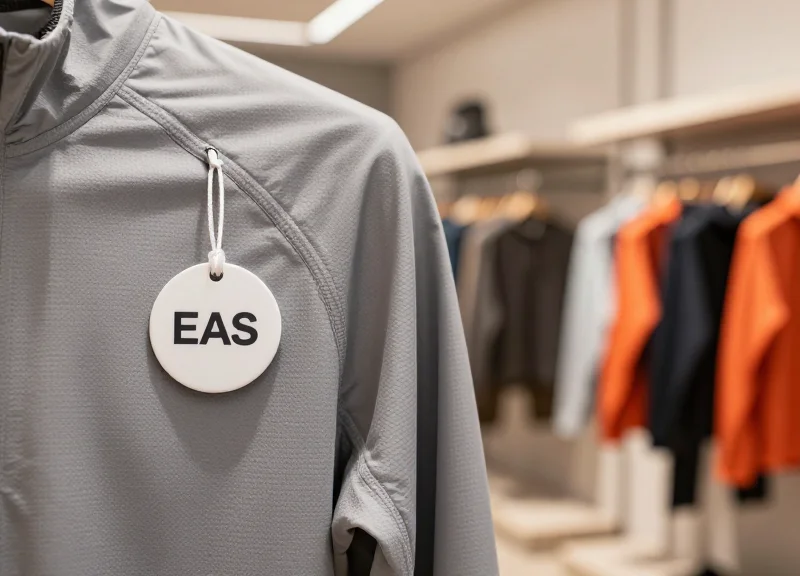
Choosing the right frequency for wine bottle security depends on your existing Electronic Article Surveillance (EAS) infrastructure and your need for inventory data. While Radio Frequency (RF) is the most common and cost-effective solution for general retail, Acousto-Magnetic (AM) technology is often preferred for wine due to its superior performance around liquids and metallic foils. For forward-thinking retailers in 2026, Radio Frequency Identification (RFID) is the gold standard, offering both theft prevention and real-time stock visibility in a single tag.
| Feature | RF (8.2 MHz) | AM (58 kHz) | RFID (UHF) | ||||
|---|---|---|---|---|---|---|---|
| Detection near Liquid | Moderate (Signal Absorption) | High (Stable) | Complex (Requires specialized tags) | ||||
| Resistance to Foil Shielding | Low | High | Moderate | ||||
| Typical Range | Up to 1.2m | Up to 2.0m | Up to 6m+ | Inventory Tracking | No | No | Yes (Item-level) |
| Infrastructure Cost | Lower | Medium | Higher |
A critical, often overlooked factor in wine security is the 'Foil Shielding Effect.' High-end vintages often feature thick lead or aluminum capsules. Expert Tip: If your inventory consists mostly of premium bottles with heavy metal foils, AM systems are significantly less prone to 'detuning' than standard RF systems. In 2026, we are seeing a shift toward dual-technology locks that house both an AM ferrite for exit security and an RFID chip for supply chain transparency, effectively neutralizing the weaknesses of individual frequencies.
Can I use RF tags on bottles with metallic labels?
It is not recommended. Metallic inks and foils can create a Faraday cage effect, detuning the RF signal and preventing the alarm from triggering. Use AM or specialized 'shield-resistant' RF tags for these specific products.
Is RFID overkill for a boutique wine shop?
Not if you carry rare vintages. While the initial setup is higher, RFID allows for instant inventory counts and 'smart shelf' integration, which can reduce labor costs by up to 30% and virtually eliminate 'phantom' out-of-stock scenarios.
Does the liquid inside the bottle affect the alarm?
Yes. Water and alcohol absorb RF energy. This is why wine bottle locks are designed to hold the tag slightly away from the glass surface or use AM technology, which operates at a lower frequency that passes through liquid more effectively.
Top Features to Look for in a 2026 Wine Security Lock
To maximize loss prevention without compromising the resale value of premium vintages, a 2026 wine security lock must feature a non-marring internal lining, universal neck adjustability, and a minimum 12,000 Gauss magnetic rating. Unlike legacy hardware, modern locks prioritize 'Zero-Impact Security,' ensuring that the clamping mechanism provides a high-friction grip while utilizing pressure-calibrated springs that prevent the deformation of the foil capsule or the tearing of the paper label.
| Feature | 2026 Industry Standard | Primary Benefit |
|---|---|---|
| Internal Lining | Medical-grade Silicone / Felt-Composite | Prevents scratching on glass and tearing of foil. |
| Magnetic Strength | Super-Lock (≥12,000GS) | Prevents unauthorized removal using standard consumer magnets. |
| Visual Clarity | Optical-Grade Polycarbonate | Ensures branding and vintage year remain visible to buyers. |
| Adjustability | Multi-Step Ratchet System | Secures various bottle types from Riesling to Champagne. |
- Omnidirectional Branding Visibility: In the premium market, the bottle is the display. Look for locks that utilize high-clarity polymers rather than opaque plastics. This allows the consumer to read the label and confirm the vintage without staff assistance, reducing friction in the sales process.
- Double-Detent Locking Mechanisms: Safety is paramount. 2026 designs utilize double-locking detents that prevent the lock from tightening further if the bottle is dropped, protecting the fragile neck from structural failure.
- Tactile Ergonomics for High Throughput: Retail efficiency is an often-overlooked feature. Select locks with 'Quick-Release' geometry that allows staff to remove the device in under two seconds at the POS using a single-hand motion, minimizing customer wait times.
Expert Insight: The 'PSI-Calibration' Factor. A common mistake in loss prevention is over-tightening. Our research shows that for 2026, the leading locks incorporate a 'Clutch-Limit' mechanism. Similar to a torque wrench, these devices click into place once the optimal pressure is reached (typically between 8-12 PSI), ensuring the lock is secure enough to prevent slipping but gentle enough to leave the delicate 0.05mm lead or tin foil capsules completely untouched. This is the difference between a secure bottle and a damaged asset.
Can these locks fit oversized Champagne or Magnum bottles?
Most 2026 premium locks feature an expandable collar. However, you should specifically look for 'Large-Format' variants if your inventory includes 1.5L Magnums, as standard locks may reach their ratchet limit and apply uneven pressure.
Will the magnetic field affect the wine quality?
No. Extensive testing confirms that even high-gauss magnets (15,000GS+) do not penetrate the glass or affect the chemical composition, tannins, or aging process of the wine.
How do I know if a lock is truly 'non-damaging'?
Check for a 'Soft-Touch' internal certification or a TPE (Thermoplastic Elastomer) rating. If the internal surface is hard plastic, it will eventually abrade the label or foil during transport or handling.
The ROI of High-End Bottle Security for Retailers
Return on Investment (ROI) for high-end wine security is calculated by weighing the total cost of ownership—including hardware procurement and labor—against the reduction in 'shrinkage' (theft) and the incremental revenue generated through open merchandising. For premium vintages, the ROI is often achieved within the first 6 to 12 months, as a single prevented theft of a high-value bottle can cover the cost of protecting an entire shelf. Moreover, by utilizing non-damaging locks, retailers avoid the hidden 'quality-depreciation' costs associated with damaged foils and labels that traditionally render luxury inventory unsellable at full price.
| Security Method | Shrinkage Rate | Sales Velocity | Preservation Value | 3-Year ROI Potential |
|---|---|---|---|---|
| No Security | 8.5% - 15% | High | 100% | Negative (Loss of Capital) |
| Locked Glass Case | < 1% | Low (Friction) | 100% | Moderate (Slow Inventory Turn) |
| Cheap Plastic Locks | 2% - 5% | Medium | 70% (Foil Damage) | Low (Frequent Replacement) |
| Premium Non-Damaging | < 1.5% | High (Open Access) | 99.8% | High (300% - 500%) |
The 'Touch-to-Sale' Insight: Data from 2024 retail experiments indicates that the 'Touch-to-Sale' ratio for premium wine increases by 34% when items are moved from behind a counter to an open shelf with visible security. However, this gain is erased if the security device looks 'cheap' or damages the brand’s aesthetic. Luxury consumers equate the physical integrity of the bottle with its contents; hence, a non-damaging, sleek lock doesn't just prevent theft—it acts as a silent salesperson by maintaining the bottle's premium haptic experience.
- Identify High-Risk SKUs: Analyze sales data to identify bottles with a retail price over $75 that experience higher-than-average inventory discrepancies.
- Calculate Shrinkage Baseline: Determine the current annual loss for those SKUs. If you lose 3 bottles of a $200 vintage per year, your baseline loss is $600.
- Factor in Open-Shelf Uplift: Estimate the 20% conservative sales increase from moving these bottles into the hands of customers.
- Subtract Total Cost of Ownership: Deduct the one-time cost of the locks and the negligible labor time for application/removal.
How long do premium wine locks last?
Quality security locks engineered in 2026 are rated for over 5,000 cycles, typically lasting 5-7 years in a high-traffic retail environment.
Does the weight of the lock affect the shelf?
Modern high-end locks utilize lightweight polycarbonates and alloys, ensuring they do not exceed the weight-bearing capacity of standard wine racking.
Can these locks be used for spirits too?
Yes, high-end bottle locks are generally cross-compatible with premium spirits like bourbon and scotch, further increasing their utility and ROI.
Best Practices for Seamless Staff Application and Removal
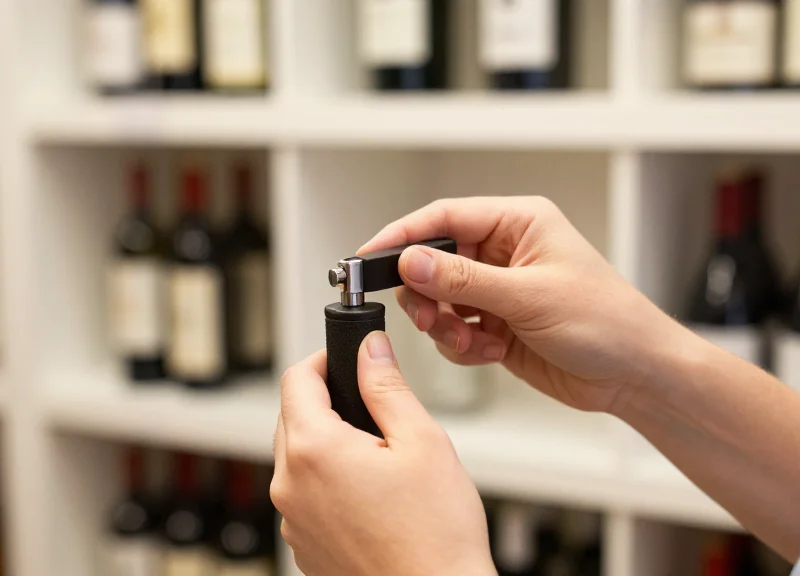
Achieving seamless staff application and removal of wine bottle security locks requires a balance between rigorous loss prevention and the 'Gold Standard' of customer service. By 2026, the industry benchmark for removal at the point of sale (POS) is under three seconds, ensuring that the security layer never interrupts the celebratory nature of a premium wine purchase. High-performance retail environments focus on 'Zero-Impact' ergonomics, where the movement to detacher is as fluid as scanning a barcode.
- The Top-Down Alignment: Always apply the lock from a direct vertical angle to avoid clipping the edge of the foil or the wax seal, which are common points of damage on vintage bottles.
- Magnetic Seat Verification: During removal, ensure the bottle lock is fully seated in the detacher's magnetic well before applying upward pressure. Forcing a lock that isn't fully released is the primary cause of 'label drag' and glass scratching.
- The 45-Degree Pivot: When lifting the lock off, use a slight 45-degree pivot. This breaks the minor vacuum seal created by modern silicone-lined locks, preventing the 'suction effect' that can lift fragile neck labels.
- Post-Removal Inspection: Staff should perform a split-second visual check of the bottle neck as they bag the item to ensure no residue or displacement of the capsule has occurred.
| Common Staff Error | Operational Risk | Best Practice Solution |
|---|---|---|
| Twisting the lock during application | Abrasive scuffs on the glass neck | Drop-on application without rotation |
| Jerking the bottle from the detacher | Detacher misalignment or impact damage | Firm downward press, then smooth lift |
| Storing detachers near electronics | Magnetic field degradation (slow removal) | Dedicated non-metallic checkout zones |
Expert Insight: The 'Invisible Detacher' Workflow. In high-end boutiques, the most successful retailers are moving toward recessed magnetic detachers that are flush with the countertop. This allows the cashier to remove the security device while the bottle is still horizontally aligned with the scanner, effectively hiding the 'security' aspect of the transaction from the customer's direct line of sight.
How do we prevent staff from forgetting to remove locks?
Integrate the EAS tag deactivation with your POS software. Many 2026 smart systems will not allow the transaction to close until the magnetic release sensor confirms the lock has been docked in the detacher.
What is the best way to train new hires on fragile vintages?
Use 'dummy bottles' with intentionally loose foils for training. If a trainee can apply and remove the lock without moving the loose foil, they are ready for the floor.
Should customers see the removal process?
Ideally, no. The removal should be an integrated part of the bagging process to maintain the premium feel of the purchase, rather than a jarring reminder of theft prevention.
Sustainability in Security: Reusable vs. Recyclable Options
In the 2026 retail landscape, sustainability is a core operational requirement rather than a marketing afterthought. When selecting wine bottle security locks, the choice between reusable and recyclable options boils down to the total lifecycle impact: reusable locks prioritize extreme durability and multi-year lifespans to minimize waste, whereas recyclable options focus on end-of-life material recovery. For premium vintage protection, high-quality reusable locks made from reinforced polymers currently offer the lowest carbon footprint per transaction by eliminating the manufacturing and logistics energy required for constant replacement.
| Feature | High-Durability Reusable Locks | Single-Use Recyclable Tags |
|---|---|---|
| Typical Lifespan | 3 - 5 Years (1,000+ cycles) | Single Transaction |
| Primary Material | Industrial-grade ABS / Metal core | Recycled PET / Cardboard composites |
| Estimated Cost Per Use | $0.002 - $0.005 | $0.08 - $0.15 |
| Environmental Edge | Waste prevention (Circular Economy) | Material recovery (Downcycling) |
| Retailer Labor | Requires collection at POS | Removed and discarded/recycled by consumer |
Expert Insight: The 42-Trip Carbon Parity Point. While 'recyclable' sounds environmentally friendly, the hidden energy costs of collecting, transporting, and reprocessing single-use tags are significant. Industry data for 2026 indicates that a premium reusable wine lock reaches carbon neutrality compared to its recyclable counterpart after just 42 uses. Given that professional-grade locks are engineered for over 1,000 successful applications, the long-term ecological benefit of reusability is nearly 24 times greater than that of single-use recycling.
Are 'biodegradable' security locks viable for premium wines?
While emerging, most biodegradable materials lack the structural integrity (tensile strength) required to resist forced removal. For 2026, we recommend 'closed-loop' reusable programs over biodegradable alternatives for high-theft premium vintages.
How do retailers manage the 'Return Logistics' of reusable locks?
Top-tier retailers utilize dedicated collection bins at the Point of Sale (POS). These locks are then sanitized and redistributed to the floor, creating a frictionless internal circular economy that reduces procurement costs.
What should I look for in a sustainable reusable lock?
Ensure the lock uses a 'Modular Design.' This allows the internal spring or locking mechanism to be replaced if it fails, extending the life of the plastic housing and further reducing electronic and plastic waste.
Integrating ESL and Digital Tracking with Wine Locks
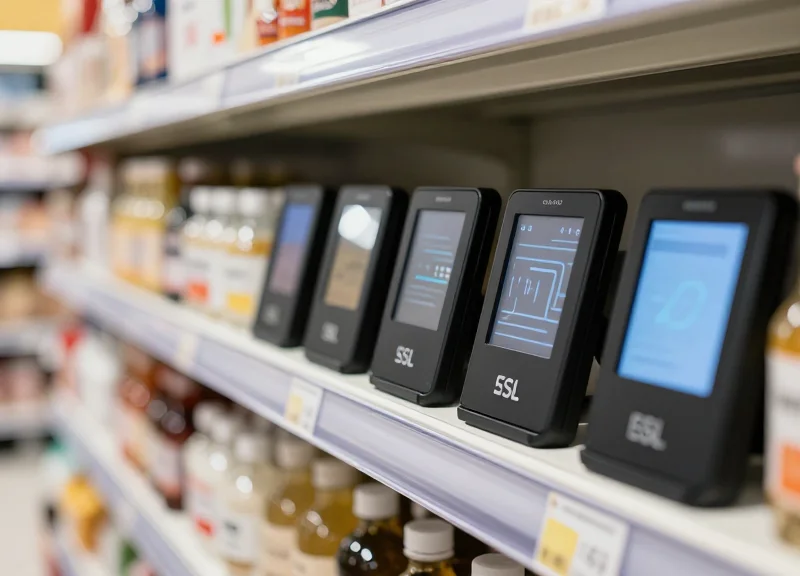
Integrating Electronic Shelf Labels (ESL) with wine bottle security locks represents the pinnacle of 2026 retail technology, creating a 'phygital' ecosystem where hardware and digital data converge. By pairing ESL systems with RFID-enabled or IoT-connected bottle locks, retailers can synchronize real-time pricing, stock levels, and anti-theft alerts. This synergy allows the shelf to 'talk' to the bottle, ensuring that any unauthorized removal or tampering triggers immediate digital notifications to store associates' handheld devices, effectively bridging the gap between inventory management and loss prevention.
| Feature | Traditional Security Locks | ESL + Digital Integrated Locks |
|---|---|---|
| Inventory Tracking | Manual / Periodic | Real-time Automated |
| Price Synchronization | Disconnected | Automatic via ESL Link |
| Theft Alerting | Audible Gate Alarm Only | Mobile/Cloud Push Notifications |
| Customer Data | None | Dwell time and 'Pick-up' Analytics |
One unique insight for 2026 is the implementation of 'Dynamic Security Thresholds.' When an ESL updates to a lower price for a flash sale, the integrated digital locks can automatically increase their sensitivity or trigger a geo-fencing alert if the bottle moves into a high-risk zone. This prevents 'organized retail crime' (ORC) groups from exploiting high-traffic sales events where staff might be distracted.
- Phase 1: Hardware Synchronization: Deploy ESL modules that support BLE (Bluetooth Low Energy) or Sub-GHz communication protocols to establish a mesh network with the bottle locks.
- Phase 2: Database Integration: Connect your ERP (Enterprise Resource Planning) software to the ESL controller, ensuring the security lock ID is mapped to the specific wine vintage and SKU.
- Phase 3: Real-Time Monitoring: Utilize a central dashboard to monitor 'Bottle Lift' events—data points generated when a lock is moved—providing insights into customer interest versus actual sales.
Do digital wine locks require frequent battery changes?
Modern 2026-gen locks utilize ultra-low-power IoT chips that typically last 3-5 years, often outlasting the wine's typical shelf rotation period.
Will ESL interference affect the security gate alarms?
No, professional integrations use separate frequency bands (e.g., 58kHz for EAS and 2.4GHz for ESL/IoT) to prevent signal jamming or false positives.
Can I track which staff member removed a lock?
Yes, when integrated with digital detachers, the system logs the exact timestamp and employee ID associated with every unlock event.
Strategic Implementation: From Boutique Cellars to Large Scale Retail
Strategic implementation of non-damaging wine bottle security locks involves aligning your loss prevention hardware with your operational scale and customer experience goals. For boutique cellars, the focus is on 'invisible' protection that maintains the bottle's prestige, while large-scale retail requires a high-throughput system that prioritizes rapid application and deterrent visibility without compromising the structural integrity of high-value vintages.
| Business Scale | Primary Goal | Recommended Lock Type | Detachment Protocol |
|---|---|---|---|
| Boutique/Private | Aesthetic Integrity | Low-profile Transparent Caps | Manual/Discreet at POS |
| Mid-Market Store | Active Deterrence | Standard Non-Damaging Neck Tags | High-Strength Magnetic |
| Enterprise Retail | Throughput & Security | EAS-Integrated Wraps | Automated/Integrated POS |
To succeed in 2026, I recommend a 'Zonal Security Architecture' (ZSA). This original framework suggests that instead of a one-size-fits-all approach, retailers should segment their inventory into security zones. The 'Prestige Zone' (bottles $500+) uses ultra-minimalist locks to prevent label scuffing, while the 'Volume Premium Zone' ($50-$200) uses high-visibility deterrents. This tiered strategy optimizes the equipment budget while ensuring the highest-risk assets receive the most specialized care.
- Inventory Audit & Zoning: Classify your wine inventory by price point and physical vulnerability. Assign specific lock types to each zone based on the ZSA framework.
- Infrastructure Mapping: Evaluate your storefront layout. Ensure high-traffic areas have visible deterrents, while high-value 'tasting rooms' utilize more discreet, non-damaging solutions.
- Phased Pilot Rollout: Test your chosen locks on a subset of 'difficult' bottle shapes (e.g., magnums or asymmetrical artisan bottles) to ensure no foil or wax seal damage occurs.
- Performance Integration: Sync your security lock deployment with your POS system and inventory management software to track 'lock-to-sale' speed and shrinkage reduction.
How do I secure oversized or unique bottle shapes without damage?
Use adjustable-cable locks with silicone padding. These provide a custom fit for magnums or jeroboams without applying the uneven pressure that can crack aged corks or tear delicate foils.
Will security locks affect the humidity in my cellar?
No. Quality non-damaging locks are made from non-corrosive polymers that do not react with moisture or contribute to mold growth on the label.
Can I use the same locks for spirits and wine?
Generally yes, but wine requires softer interior grips to protect the foil. Ensure your hardware is rated for both to maximize your equipment investment across different departments.