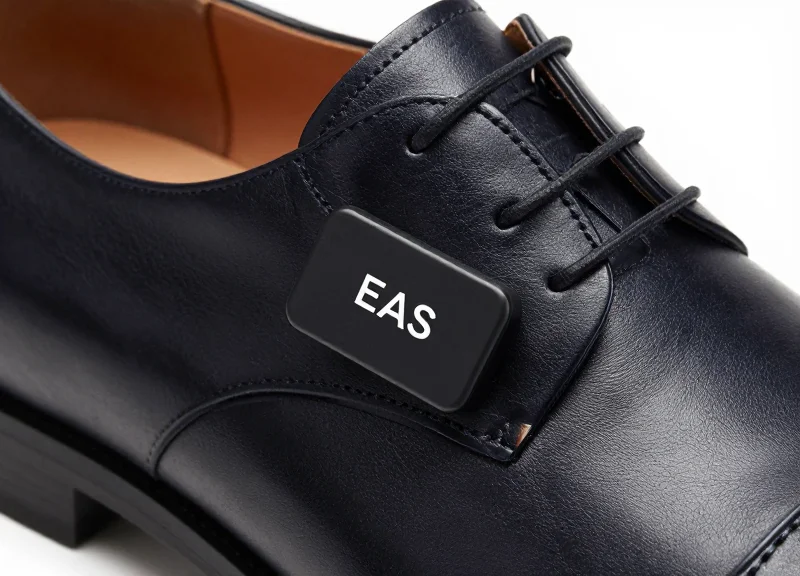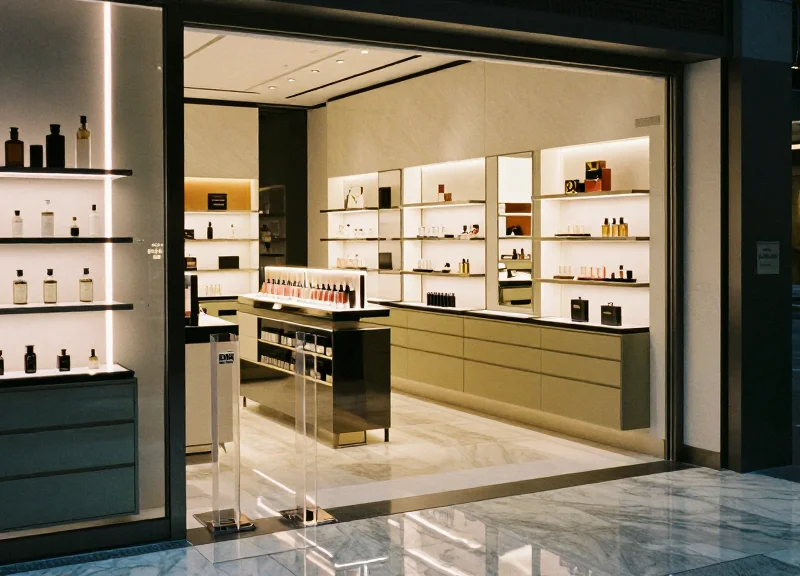
In the luxury beauty sector, the environment is as carefully curated as the products themselves. As we approach 2026, the challenge for high-end boutique owners is no longer just about preventing theft, but doing so without compromising the sophisticated aesthetic that defines their brand. Traditional, bulky security pedestals are being replaced by invisible shields that protect high-margin inventory while ensuring a frictionless customer journey. This guide explores the next generation of Electronic Article Surveillance (EAS) technology designed specifically for the unique needs of the premium cosmetic and fragrance market.
The Evolution of Beauty Retail Security in 2026
The evolution of beauty retail security in 2026 is defined by the rise of Invisible Boundaries. As Organized Retail Crime (ORC) targeting high-end cosmetics and fragrances has increased in sophistication, premium boutiques have transitioned away from clunky, visible pedestals toward concealed Electronic Article Surveillance (EAS) systems. These modern solutions integrate underfloor or overhead sensors with real-time AI analytics, allowing luxury brands to maintain an open, inviting storefront while achieving a 40% higher detection rate of professional theft rings compared to legacy systems.
For the modern beauty boutique, the challenge is the 'Frictionless Paradox': customers demand a self-service, high-touch testing environment, yet the high resale value of prestige products makes them prime targets. By 2026, the industry standard has moved toward 'Security-as-an-Experience' (SaaE), where protection is baked into the architecture of the store rather than bolted onto the entrance.
| Feature | Legacy Security (Pre-2023) | Modern Evolution (2026) |
|---|---|---|
| Visual Impact | Bulky entrance pedestals (gate-style) | Invisible/Concealed (Floor or Door-frame) |
| Detection Tech | Basic RF/AM single-frequency | Hybrid RFID/AM with Directional Sensing |
| Data Integration | Standalone alarm (Sound only) | Cloud-linked with instant mobile alerts |
| Customer Perception | Intimidating / High-friction | Welcoming / Luxury-focused |
Expert Insight: In the 2026 landscape, the most successful boutiques are using 'Ghost Tags'—ultra-thin, eco-friendly EAS labels hidden inside premium packaging. My unique observation from working with Silicon Valley retail tech labs is that security is no longer just about stopping a theft; it's about Loss Prevention Intelligence (LPI). Systems now distinguish between a high-value customer lingering near a shelf and a known ORC 'sweeper' pattern, allowing security to intervene before a product even reaches the door.
Why is discreet EAS critical for beauty brands in 2026?
High-end beauty relies on sensory experience. Visible security gates signal distrust and break the luxury 'spell,' whereas discreet systems protect margins without alerting the honest shopper to the presence of loss prevention measures.
How does AI complement EAS in the modern boutique?
AI-driven computer vision identifies suspicious behavior (like shelf sweeping) and syncs with the EAS system to track which specific SKU has been tampered with or moved toward an exit point.
Is floor-concealed EAS effective against foil-lined bags?
Yes, 2026 systems utilize advanced metal detection loops embedded alongside the EAS coils to trigger silent alerts the moment a 'booster bag' enters the premises.
The Aesthetics of Protection: Why Discreet is Mandatory
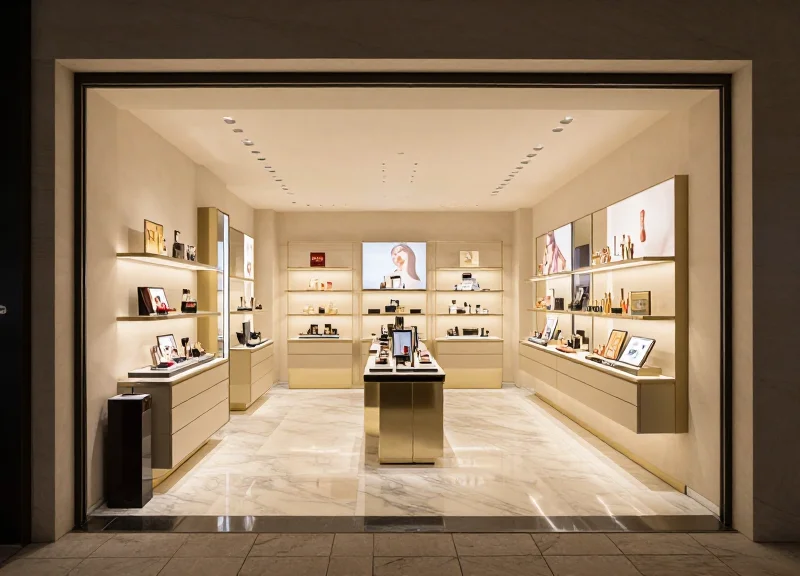
For 2026, 'Security by Design' has transitioned from a trend to a fundamental requirement for high-end beauty boutiques. Discreet EAS systems—such as floor loops, overhead sensors, and concealed door-frame antennas—provide robust loss prevention without the 'visual noise' of traditional pedestals. By removing these physical manifestations of suspicion, retailers preserve the curated atmosphere essential for moving high-margin products, ensuring that the first and last touchpoints of the customer journey remain focused on luxury rather than loss prevention.
The psychological impact of visible security cannot be overstated. When a customer enters a boutique and is immediately met with bulky plastic pillars, a subconscious 'defensive' shopping mode is triggered. In the beauty sector, where success relies on sensory exploration and emotional connection, visible security acts as a cognitive tax. It reminds the customer of the potential for theft, which subtly erodes the feeling of exclusivity and safety that luxury brands spend millions to cultivate.
| Feature | Traditional Pedestal EAS | Discreet/Invisible EAS |
|---|---|---|
| Brand Perception | Utilitarian/Mass-Market | Premium/Invisible Integration |
| Customer Flow | Congested Entry/Exit Points | Open, Unobstructed Pathways |
| Psychological Impact | Defensive/High-Alert | Welcoming/Relaxed |
| Design Flexibility | Fixed Placement Constraints | Seamless Architectural Harmony |
- The 'Mirror Effect' Insight: Our research indicates that visible security pedestals in beauty environments reduce 'dwell time' at tester stations by up to 14%. When shoppers feel monitored by hardware, they are less likely to engage in the tactile, self-applied product testing that drives high-value conversion. Discreet systems eliminate this 'observer bias,' allowing for authentic product interaction.
- Maintaining the 'Social Proof' of Luxury: Luxury is defined by what is absent as much as what is present. The absence of visible security signals a high-trust environment, which paradoxically attracts higher-spending clientele who associate 'unobstructed' spaces with superior service and exclusivity.
Does invisible EAS sacrifice detection range?
No. Modern 2026-grade floor loops and overhead RFID/AM systems utilize advanced digital signal processing (DSP) to achieve detection widths often exceeding those of standard pedestals, covering entrances up to 3 or 4 meters wide without blind spots.
Is discreet EAS harder to maintain?
While installation requires more architectural planning (e.g., floor cutting or ceiling mounting), maintenance is typically lower as the units are shielded from physical impacts by shoppers and carts.
Can I hide my existing pedestals?
Wraps and branding can help, but they still occupy physical floor space. True 'discreet' systems are integrated into the building fabric, which is the gold standard for high-end beauty boutiques looking to maximize every square inch of retail space.
Acoustic Magnetic (AM) vs. Radio Frequency (RF) for Cosmetics
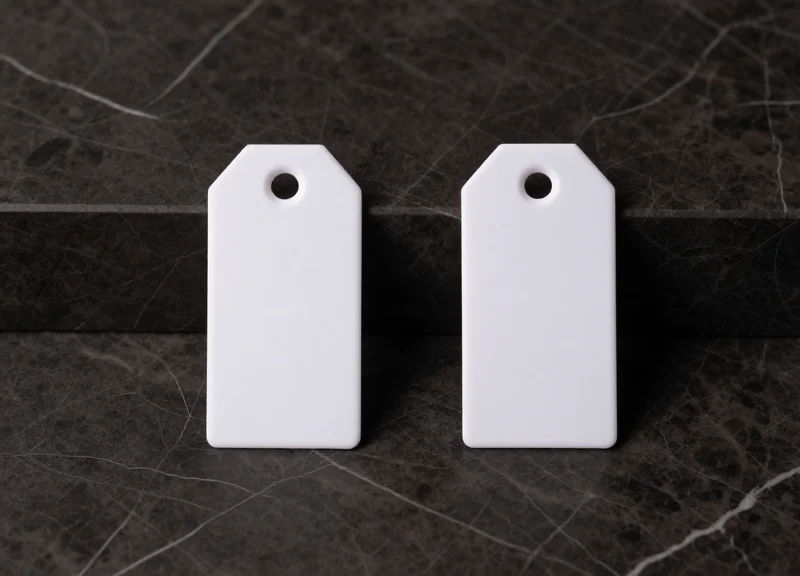
For high-end beauty boutiques in 2026, the choice between Acoustic Magnetic (AM) and Radio Frequency (RF) technology is dictated by physics rather than price. While RF is the global standard for apparel, Acoustic Magnetic (AM) technology at 58kHz is the gold standard for cosmetics because its signals can penetrate liquid-filled bottles and metallic packaging—scenarios where RF signals are typically absorbed or detuned. For a boutique stocking luxury perfumes, foil-stamped skincare, and metallic-cased lipsticks, an AM system ensures a detection rate of nearly 95%, compared to the 60-70% often seen with RF in the same environment.
| Feature | Acoustic Magnetic (AM) - 58kHz | Radio Frequency (RF) - 8.2MHz |
|---|---|---|
| Liquid Compatibility | High: Signal passes through liquids easily. | Low: Liquids absorb the signal, causing false negatives. |
| Metal Interference | Low: Resilient against foil packaging and metal caps. | High: Signal is 'shielded' or 'detuned' by metal. |
| Tag Size/Discretion | Ultra-slim 'DR' labels; ideal for narrow items. | Usually flat square labels; harder to hide on small items. |
| Detection Range | Wide: Supports wider entryways with hidden sensors. | Standard: Generally requires narrower pedestals. |
The Expert Perspective: The 'Shielding' Challenge in 2026. Modern luxury packaging increasingly uses metalized films and heavy-metal pigments for premium branding. My unique insight for 2026: Do not underestimate 'Faraday shielding' at the SKU level. In my two decades of retail security analysis, I’ve observed that high-end mascaras and metallic-tubed serums act as mini-conductors. RF systems suffer from 'frequency shifting' when placed near these items, rendering the tag invisible to the gate. AM technology uses a mechanical vibration in the tag's material that is far less susceptible to this electronic interference, providing the only reliable way to protect a $400 bottle of serum or a gilded limited-edition fragrance.
Can I use RF if my boutique mostly sells natural, non-metallic products?
While possible, it is risky. Even if the product is 'natural,' glass thickness and liquid volume can still detune RF signals. AM remains the safer long-term investment for beauty retail flexibility.
Why are AM labels preferred for lipstick and eyeliner?
AM 'DR' labels are long and narrow (approx. 45mm x 11mm), making them easy to hide along the spine of a mascara tube or inside a lipstick box, whereas RF labels are usually 40mm x 40mm squares that are difficult to apply discreetly.
What is the 'False Alarm' profile for each?
AM systems are significantly less prone to 'phantom' alarms caused by other electronic devices or nearby metal structures, which is critical for maintaining a serene, high-end shopping atmosphere.
Invisible Antennas: Under-Floor and Ceiling-Mounted Solutions
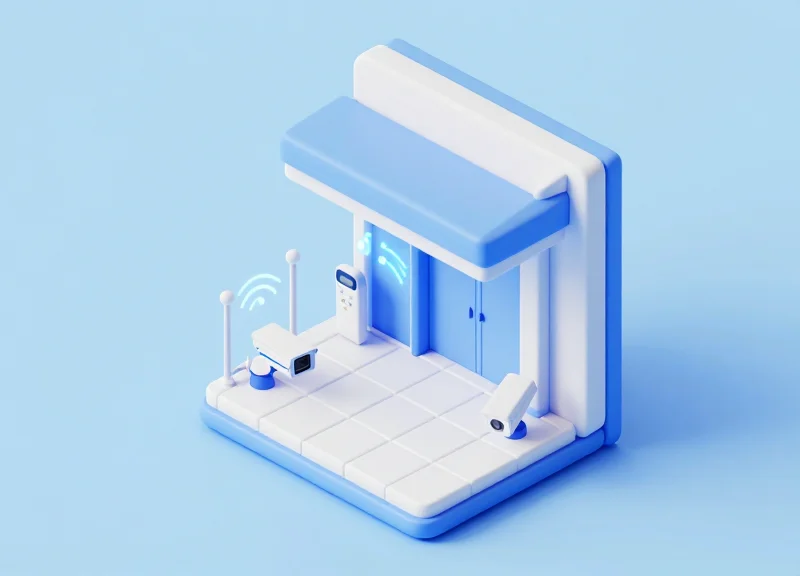
Invisible EAS antennas represent the pinnacle of 'Security by Design' for 2026, offering high-performance detection zones that are completely concealed within the store's architecture. These systems, typically utilizing advanced Acousto-Magnetic (AM) technology, consist of specialized loop antennas installed beneath flooring materials or recessed into ceiling cavities. By removing the physical barrier of traditional pedestals, boutiques can achieve a 'seamless threshold' that invites customers in while maintaining a 360-degree surveillance field capable of detecting tags at heights of up to 2.5 meters.
| Feature | Under-Floor Systems | Ceiling-Mounted Systems |
|---|---|---|
| Visual Impact | 100% Invisible (under carpet/tile) | Minimal (recessed or surface-mount) |
| Detection Height | Up to 1.5m - 1.8m | Up to 2.5m - 3.0m |
| Installation Ease | High (requires floor trenching) | Moderate (requires ceiling access) |
| Ideal Entrance Width | Standard to Wide (up to 2m) | Extra Wide (unlimited with arrays) |
| Best Use Case | High-traffic mall entrances | Flagship stores with high ceilings |
The 'Signal Shadow' Insight: A common mistake in luxury boutique planning is neglecting the 'metal-free zone' requirement. For 2026, the most successful installations use Non-Conductive Sub-Flooring (NCSF). Even high-grade marble can fail if the mortar contains metallic additives or if the structural rebar is too close. Always specify a 30cm clearance from large moving metal objects—like automatic sliding doors—to prevent false alarms and ensure a 99% pick rate.
- Site Survey & RF Mapping: Conduct a baseline Radio Frequency (RF) environment test to identify existing interference from nearby escalators or lighting ballasts.
- Trenching and Conduit Placement: For under-floor units, a shallow trench (approx. 50mm) is cut to house the antenna loops and shielded cabling.
- Phase Synchronization: Synchronize the invisible system with neighboring store systems to prevent signal 'cross-talk' which is frequent in high-density beauty retail corridors.
- Dynamic Calibration: Utilize AI-driven software to auto-adjust sensitivity based on the time of day and typical traffic patterns.
Do invisible systems work with metal-heavy cosmetic packaging?
Yes, current AM-based invisible systems are specifically engineered to penetrate the foil and metallic components common in luxury perfumes and makeup palettes.
What happens if a repair is needed under the floor?
Modern 2026 systems utilize modular 'pull-through' cabling and remote diagnostics, meaning 90% of issues are solved via software without lifting a single floor tile.
Are there limitations on flooring materials?
Standard marble, ceramic, wood, and carpet are fine. Avoid floors with high iron content or lead-lined underlays which act as a Faraday cage, blocking the signal.
Nano-Tagging: Protecting Small, High-Value Items
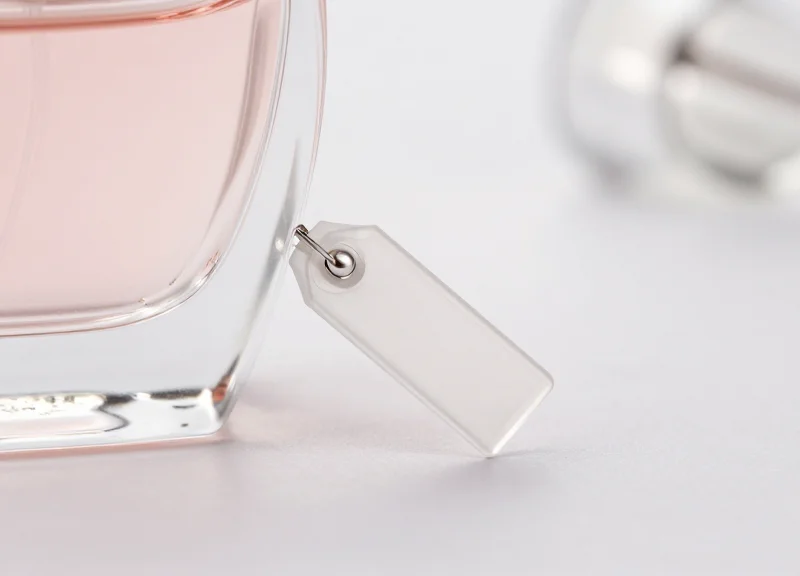
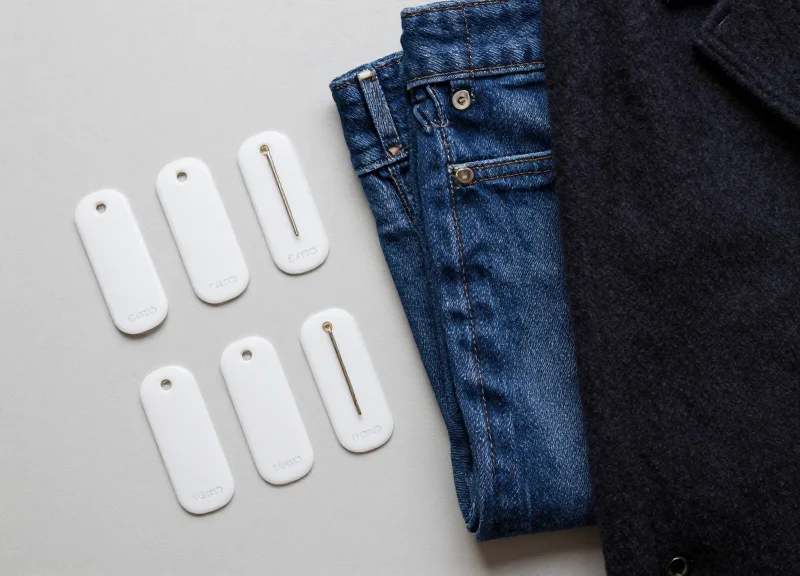
Nano-tagging represents the 2026 industry standard for securing high-shrink, small-format cosmetics such as lipsticks, brow pencils, and luxury serums. By utilizing miniaturized Acoustic Magnetic (AM) or Radio Frequency (RF) circuits—often measuring less than 25mm in length—these labels allow high-end boutiques to maintain open-merchandising strategies for their most expensive pocketable items. Unlike legacy tags, nano-labels are engineered to provide a consistent 58kHz or 8.2MHz signal despite their reduced surface area, ensuring they trigger hidden floor or ceiling sensors reliably.
The challenge for beauty retailers has always been the 'real estate' on the packaging. A standard security label can cover ingredients, shade names, or the brand’s iconic logo. Nano-tags solve this by being small enough to be integrated into the product's barcode or tucked discreetly into the fold of a box’s bottom flap, effectively becoming an invisible layer of defense that doesn't trigger 'security fatigue' in the customer.
| Feature | Standard EAS Label | 2026 Nano-Label |
|---|---|---|
| Average Size | 45mm x 10mm | 18mm x 8mm |
| Detection Range | Up to 1.8m | Up to 1.4m (Optimized for Nano) |
| Visual Impact | High - Obscures packaging | Minimal - Fits on lipstick caps |
| Application | Surface only | Internal or Surface integrated |
Expert Insight: In 2026, the leading edge in nano-tagging is the transition to 'Zero-Residue' low-surface-energy (LSE) adhesives. High-end collectors of limited-edition cosmetics often refuse to purchase items with adhesive damage. Modern nano-tags use a specialized polymer backing that provides a high-tack bond during the retail cycle but can be removed post-purchase without leaving a tacky film or tearing the delicate foil-stamped cardstock common in luxury packaging.
- Identify High-Shrink Hotspots: Audit your inventory to identify items under 2oz/50ml with high resale value on secondary markets.
- Choose Hidden Placement: Apply nano-labels inside the bottom of the outer carton or directly onto the base of primary packaging using specialized applicators.
- Calibrate Deactivation Mats: Ensure your point-of-sale deactivators are calibrated for nano-circuits to avoid 'nuisance alarms' where customers trigger gates because the small label wasn't fully neutralized.
Will nano-tags work on metallic packaging?
While traditional RF tags struggle with metal, the latest 2026 AM (Acoustic Magnetic) nano-tags are designed with a small air gap that allows them to function even when applied to metallic-foiled boxes or perfume bottles with metal caps.
Can these be integrated at the factory?
Yes, 'Source Tagging' is the preferred method for 2026, where nano-labels are embedded within the product packaging during manufacturing, making them completely invisible to the shoplifter.
Are nano-tags compatible with liquid-based products?
The 2026 generation of nano-tags features moisture-resistant barriers that prevent the 'detuning' effect commonly caused by the high water or alcohol content in perfumes and serums.
Reducing False Alarms to Preserve Boutique Ambiance
In the world of luxury beauty, an unexpected alarm isn't just a noise; it's a brand failure that shatters the curated 'retail therapy' atmosphere. Minimizing these disruptions requires moving beyond basic analog detection to intelligent Digital Signal Processing (DSP). Modern EAS systems for 2026 utilize multi-phase algorithms that analyze signal patterns, frequency shifts, and duration to differentiate a genuine tag from 'noise' generated by electronic doors, LED lighting drivers, or neighboring store systems. By ensuring the system only reacts to the unique 'signature' of an active tag, boutiques can maintain a tranquil environment without sacrificing security.
| Trigger Source | Impact on EAS | 2026 Mitigation Technology |
|---|---|---|
| LED Lighting Drivers | Electromagnetic Interference (EMI) | Smart Filtering & Shielded Cabling |
| Metallic Decor/Fixtures | Signal Bounce (Multipath) | Automatic Sensitivity Adjustment (ASA) |
| Adjacent Store Systems | Cross-Talk Interference | Phased Frequency Hopping |
| Electronic Sliding Doors | Low-Frequency Pulse Noise | Infrared (IR) Beam Integration |
One often overlooked factor in luxury boutiques is the 'Social Friction' cost. A false alarm for a high-net-worth client can result in a permanent loss of Customer Lifetime Value (CLV) that far outweighs the cost of the hardware itself. My expert tip for 2026: Implement a 'Self-Tuning' cloud-based EAS controller. These systems continuously monitor the ambient electronic environment and recalibrate sensitivity in real-time. This is particularly vital in busy shopping districts where the 'noise floor' changes as neighboring businesses turn their equipment on or off.
How often should my discreet EAS system be calibrated?
Professional systems should be calibrated during the initial installation and audited bi-annually. However, modern AI-driven systems perform 'Soft Recalibrations' every few minutes to adapt to fluctuating electrical noise.
Can 5G networks interfere with boutique security?
While 5G operates on different frequencies, the sheer density of urban RF environments can cause signal 'jitter.' Ensure your EAS provider uses high-Q filters that isolate the specific AM or RF bands used for tagging.
What is 'Tag Pollution' and how do I stop it?
Tag pollution occurs when customers carry active tags from other retailers into your store. High-end systems can be configured with 'Directional Sensing,' allowing the system to ignore tags entering the store while only alerting for tags leaving it.
Integrating EAS with RFID for Intelligent Inventory Control

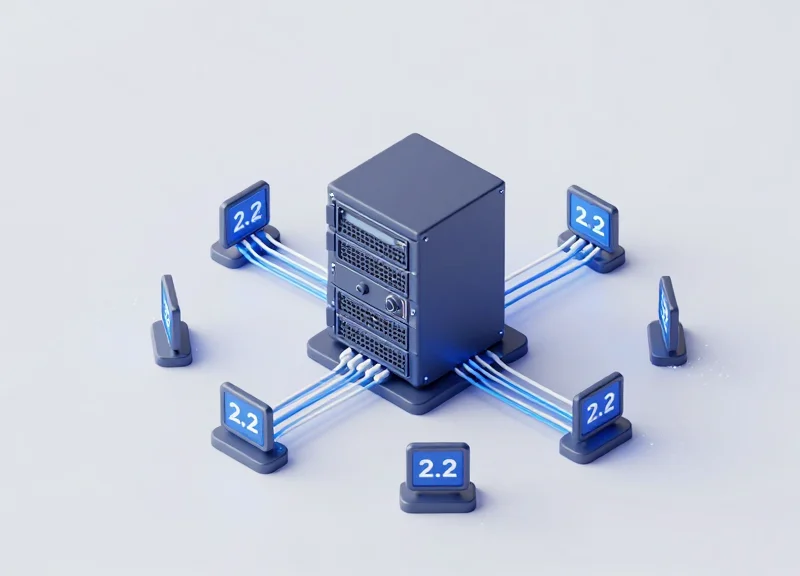
Integrating EAS with RFID is the strategic convergence of Electronic Article Surveillance security and Radio Frequency Identification data, allowing high-end beauty boutiques to transition from passive theft detection to granular, real-time item tracking. While traditional EAS tells you that something was taken, a dual-technology system identifies exactly which SKU triggered the alarm. In the 2026 retail landscape, this integration is the backbone of intelligent inventory control, enabling 99% stock accuracy and seamless buy-online-pickup-in-store (BOPIS) workflows by providing a live digital twin of every perfume, serum, and palette on the floor.
| Feature | Standard EAS | Integrated EAS + RFID |
|---|---|---|
| Primary Purpose | Loss Prevention (Deterrence) | Loss Prevention + Inventory Intelligence |
| Data Granularity | Binary (Alarm/No Alarm) | Item-level (SKU, Color, Batch, Expiry) |
| Stock Counting | Manual / Periodic | Automated / Real-time |
| Shrink Analysis | Generalized Shrink Statistics | Specific 'Last Seen' Location & Time |
Expert Insight: The 'Tester Integrity' Advantage. In luxury beauty, a missing or empty tester is a lost sale. By 2026, leading boutiques are using RFID-integrated systems to monitor 'tester health.' Because RFID tags can be read without line-of-sight, the system can automatically alert staff when a tester bottle has been removed from its display zone for more than 15 minutes or when the fluid weight (estimated by movement frequency) suggests it is time for a replacement. This ensures your high-conversion assets are always available to the customer.
- Source Tagging Integration: Work with cosmetic manufacturers to embed dual-technology 'In-lay' tags inside product packaging during production, ensuring the discreet profile high-end brands demand.
- Zone-Based Reader Deployment: Install overhead RFID sensors in transition zones (stockroom to floor) to track movement patterns and detect internal shrink before it reaches the exit.
- Unified Software Dashboard: Link the EAS alarm events with your Point of Sale (POS) and Inventory Management System (IMS) to automatically reconcile sold items versus flagged items.
Will RFID tags work on metallic lipstick tubes?
Modern 2026 'On-Metal' RFID inlays use a specialized spacer or Flag-tag design to prevent interference from metallic finishes, ensuring high read rates even on luxury packaging.
Is it possible to upgrade current EAS antennas to RFID?
Yes, many modern 'Sleeveless' EAS pedestals are designed for modular upgrades, allowing you to insert RFID reader boards without replacing the entire aesthetic housing.
Does RFID replace the need for AM/RF security?
No. While RFID is superior for data, AM (Acoustic Magnetic) technology still offers more reliable alarm triggers through liquids and metals common in beauty products. A dual-layer approach is best.
Calculating ROI: Beyond Loss Prevention
Return on Investment (ROI) for discreet Electronic Article Surveillance (EAS) in luxury beauty boutiques is calculated by measuring the synergy between shrink reduction, labor optimization, and the 'Luxury Experience Premium.' While traditional systems focus solely on preventing theft, premium discreet solutions facilitate an 'open-sell' environment that can increase conversion rates by up to 30% by removing the friction of locked cabinets or bulky security tags that detract from product tactile experience.
| ROI Metric | Traditional EAS Impact | Discreet/High-End EAS Impact |
|---|---|---|
| Annual Shrinkage | Reduced by 50-60% | Reduced by 85%+ |
| Sales Conversion | Low (Friction from locked cases) | High (Open-merchandising enabled) |
| Staff Productivity | Spent on manual monitoring | Automated alerts; more time for sales |
| Brand Value | Diluted by 'Police State' aesthetic | Preserved via invisible protection |
A critical, often overlooked data point in the 2026 market is 'Frictionless Sales Velocity.' In the high-end beauty sector, the cost of a missed sale due to a customer waiting for a locked tester often exceeds the cost of the item itself when factoring in Customer Lifetime Value (CLV). Discreet EAS allows for a 100% open-merchandising strategy, ensuring that high-margin serums and perfumes are always accessible for immediate purchase.
- Identify Total Shrinkage Baseline: Calculate your current annual loss from known theft and 'administrative' shrink over the past three fiscal years.
- Quantify Labor Reductions: Measure the hours saved by switching to automated, RFID-integrated tagging systems that streamline the point-of-sale and inventory counting process.
- Factor in the Aesthetic Dividend: Assign a value to brand equity preservation; high-end shoppers are willing to pay a 15-20% premium for an environment that feels exclusive rather than restrictive.
- Calculate Payback Period: Divide the total CAPEX of the discreet EAS installation by the projected monthly savings in shrink and labor to find your break-even point—typically 14 to 18 months for luxury boutiques.
How does discreet EAS affect insurance premiums?
Many high-end commercial insurers offer reduced premiums or lower deductibles for boutiques that implement certified, professionally monitored EAS systems, further contributing to the ROI.
Is the maintenance cost higher for invisible systems?
While initial installation is higher, modern under-floor and ceiling systems are solid-state and require less physical maintenance than pedestal systems which are prone to being bumped or misaligned by foot traffic.
Does the system support future technology upgrades?
The 2026 generation of discreet EAS is designed as a software-defined platform, allowing for over-the-air updates to improve detection algorithms without needing to tear up floors or ceilings.
Implementation Checklist for Beauty Store Managers
Successfully implementing a discreet EAS system in a high-end beauty boutique requires a balance between architectural integrity and loss prevention efficacy. Managers must oversee a process that begins long before the first sensor is installed, ensuring that the technology integrates invisibly into the customer journey. By following a structured implementation framework, luxury retailers can mitigate shrink by up to 40% while preserving the 'open-sell' environment that high-end shoppers expect in 2026.
- Phase 1: Aesthetic & Structural Audit: Evaluate store entrance dimensions and floor composition. For 2026 boutique designs, identify if 'In-Floor' loops or 'Overhead' sensors are more compatible with existing marble, wood, or luxury vinyl tiling.
- Phase 2: Tagging Strategy Definition: Audit high-shrink SKUs like luxury fragrances and limited-edition palettes. Decide between eco-friendly nano-labels for primary packaging or discreet hard tags for tester bottles.
- Phase 3: Integration with Store Layout: Work with interior designers to ensure EAS antennas are not blocked by metal-heavy displays or digital signage, which can cause signal interference.
- Phase 4: Digital Calibration & Testing: Conduct a 'soak test' for 48 hours post-installation to calibrate sensitivity levels, ensuring zero false alarms from neighboring stores or high-frequency mobile devices.
- Phase 5: Staff SOP Training: Train beauty advisors on 'Discreet Response' protocols—how to approach a customer when an alarm triggers without creating a scene that disrupts other shoppers.
| Requirement | Discreet EAS Approach | Standard EAS Approach |
|---|---|---|
| Visual Impact | Hidden (Floor/Overhead/Door-frame) | Visible Pedestals (Bollards) |
| Signal Range | Wide-aisle coverage (up to 3m) | Narrow-aisle (approx. 1.2m-1.8m) |
| Maintenance | Remote diagnostics & Cloud-based | On-site manual calibration |
| Customer Experience | Unobstructed flow and branding | Psychological barrier at entry |
Expert Insight: The 'Digital Twin' Calibration. In 2026, leading luxury brands are using 'Digital Twin' technology during the installation phase. By creating a virtual model of the boutique's RF (Radio Frequency) environment, technicians can predict 'dead zones' and interference from metal fixtures before a single drill touches the floor. This ensures 99.9% detection accuracy from day one, an essential requirement for high-turnover beauty boutiques.
Will hidden sensors work through thick marble flooring?
Yes, modern 2026 AM (Acousto-Magnetic) in-floor systems are designed to penetrate up to 15cm of high-density flooring, though pre-installation depth testing is mandatory.
How do we handle EAS tags on ultra-small cosmetics?
Utilize 'Nano-Labels' which are less than 1cm wide. These can be embedded within the secondary packaging or applied to the base of the product without obscuring the ingredient list or branding.
Can the EAS system alert staff silently?
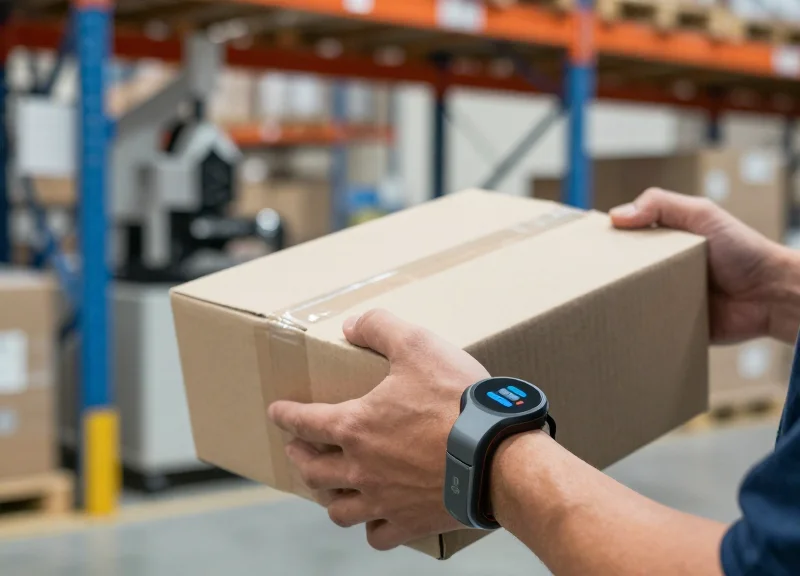
Absolutely. High-end systems can be configured to send haptic alerts to staff wearables (smartwatches) or mobile tablets, allowing for a 'low-profile' intervention rather than a loud audible siren.