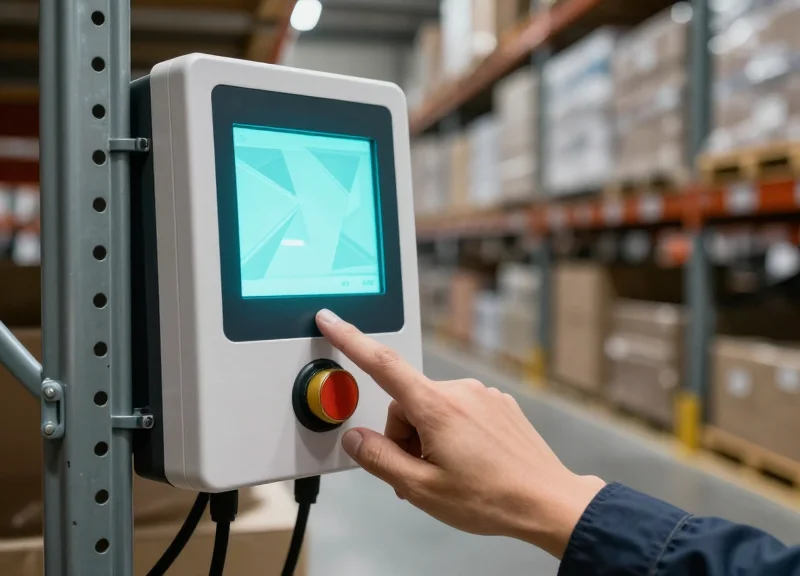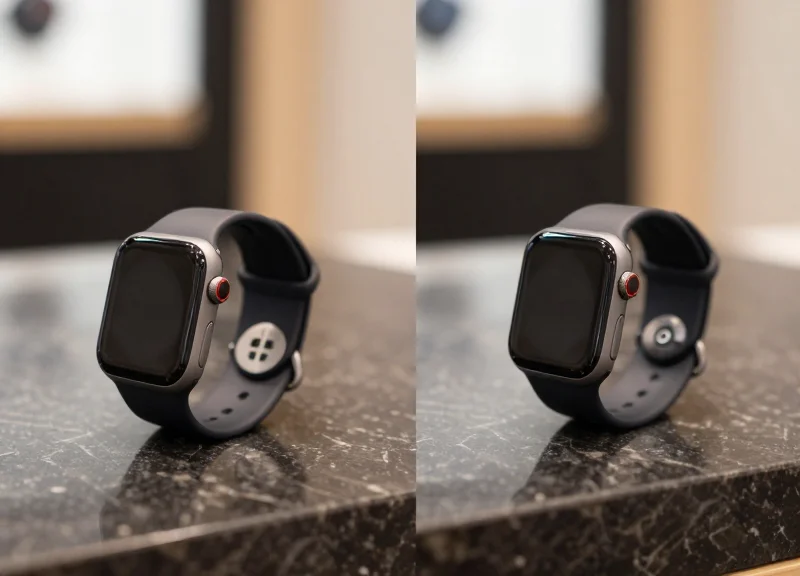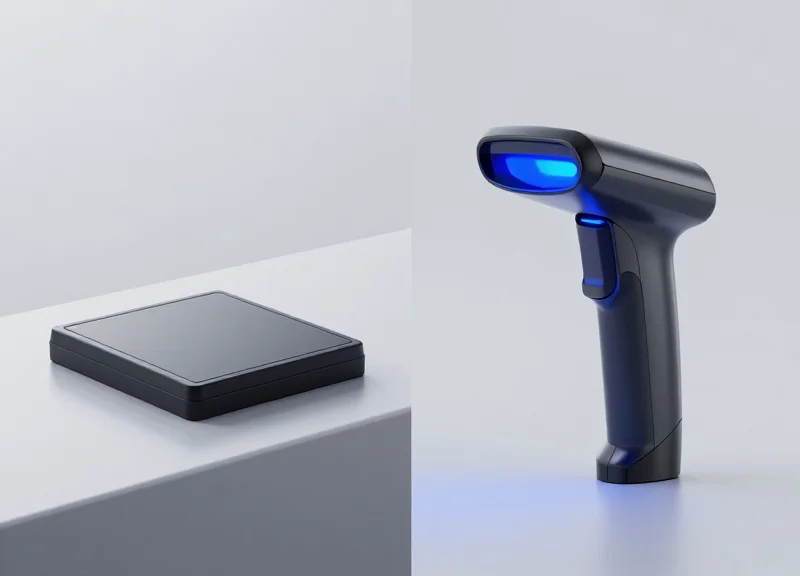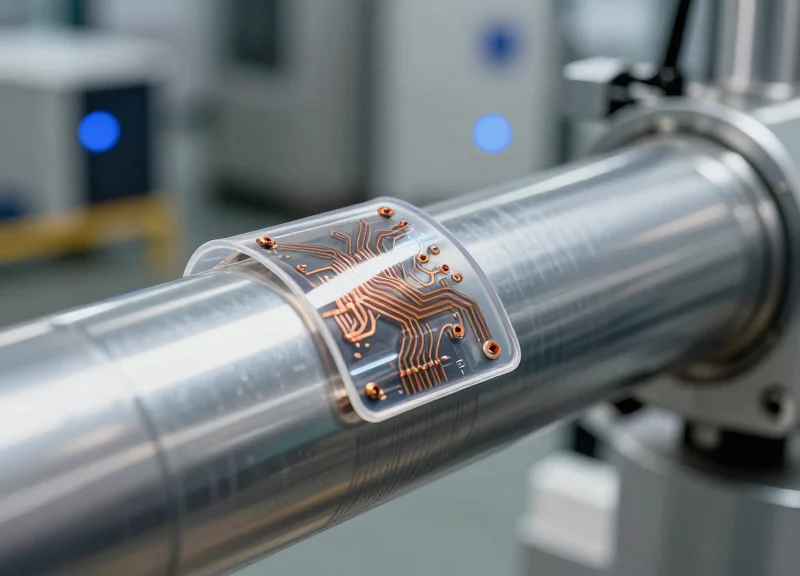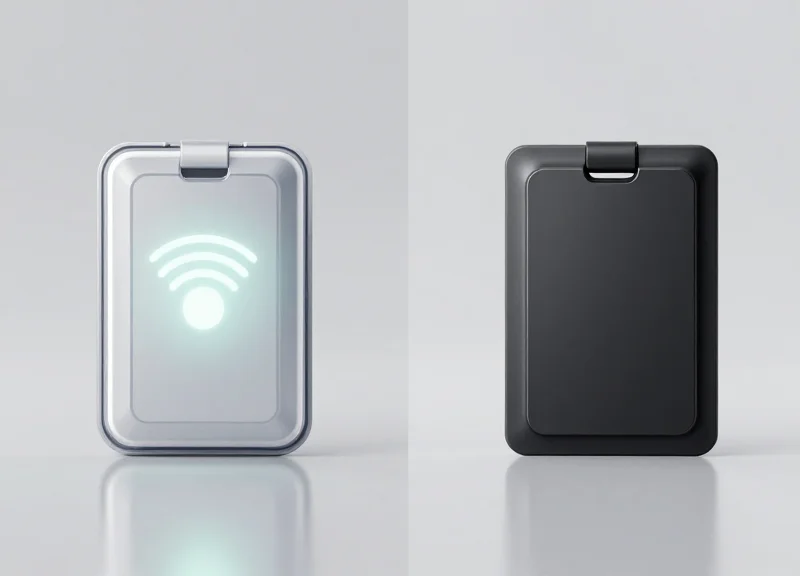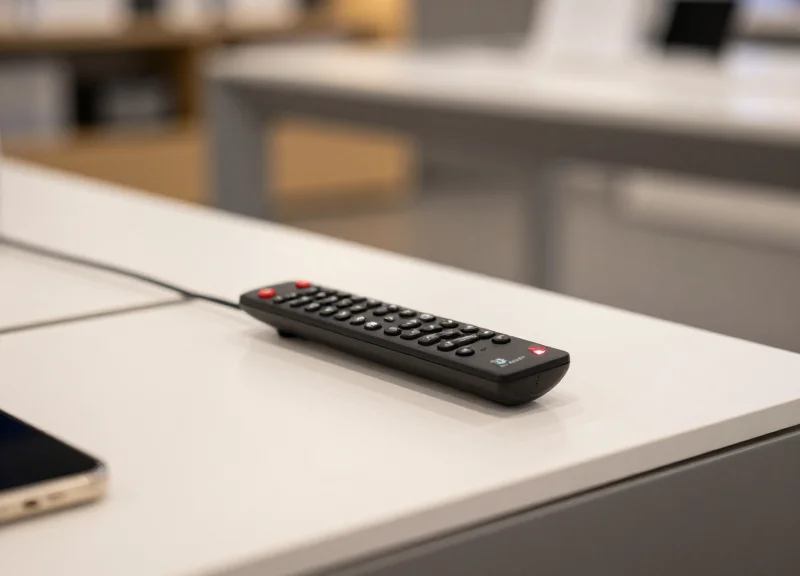
In the modern retail landscape, the friction between security and customer experience is a constant challenge. Retailers want shoppers to interact freely with electronics, yet small peripherals like remote controls and power cords are frequent targets for theft. Bulky, traditional security tags often ruin the tactile experience or obscure functional buttons, leading to lost sales. Discreet Tagging Technology represents the evolution of loss prevention, offering high-security EAS and RFID solutions that remain virtually invisible to the consumer while providing robust protection. This article delves into the strategies and technologies required to secure your most vulnerable display accessories without sacrificing the integrity of your product demonstrations.
The Dilemma of the Modern Showroom: Security vs. UX

The modern showroom dilemma is the ongoing conflict between asset protection and user experience (UX), where retailers must choose between securing high-value accessories like remotes and power cords or providing an unencumbered demo that drives sales. In high-end electronics, 'security clutter'—the presence of bulky mechanical locks and tangled steel tethers—creates psychological friction that can decrease consumer purchase intent by up to 30% by signaling a lack of trust and obscuring the product's ergonomic design.
| Feature | Traditional Security (Hard Tags/Tethers) | Discreet Tagging (Modern UX Focus) |
|---|---|---|
| Physical Interaction | Limited range of motion; heavy pull weight. | Full range of motion; natural weight/feel. |
| Visual Impact | High 'Security Clutter'; distracts from product. | Nearly invisible; preserves brand aesthetics. |
| Consumer Trust | Low; creates a 'fortress' shopping vibe. | High; fosters an open, premium environment. |
| Maintenance | Frequent cable tangles and mechanical failure. | Low maintenance; electronic monitoring. |
Expert Tip: I call this the 'Tactile Trust Gap.' In my 20 years in Silicon Valley marketing, we found that if a customer cannot feel the true weight and texture of a remote or the flexibility of a high-end power cable, their brain subconsciously devalues the product. Traditional security measures act as a 'haptic barrier,' effectively killing the sensory marketing that showrooms are designed to leverage. When you secure a remote with a heavy coiled cord, you aren't just protecting a $50 accessory; you are potentially sabotaging the sale of a $3,000 OLED display.
Why do traditional tethers fail in demos?
Traditional tethers often have high 'recoil tension,' making it difficult for customers to sit back on a sofa and simulate a real-world viewing experience. This physical resistance reminds the customer they are being monitored, breaking the immersion required for high-ticket sales.
How does 'Security Clutter' affect conversion rates?
Studies show that cluttered displays increase cognitive load. When a customer sees a mess of wires, they spend more mental energy navigating the security than engaging with the product features, leading to 'shopper paralysis' and lower conversion.
Can remote controls be secured without cables?
Yes, through discreet electronic tagging and proximity-based alarms. This allows the remote to be 'free-roaming' within a specific zone, maintaining security while offering a 1:1 replica of the home experience.
Anatomy of Discreet Tagging Tech
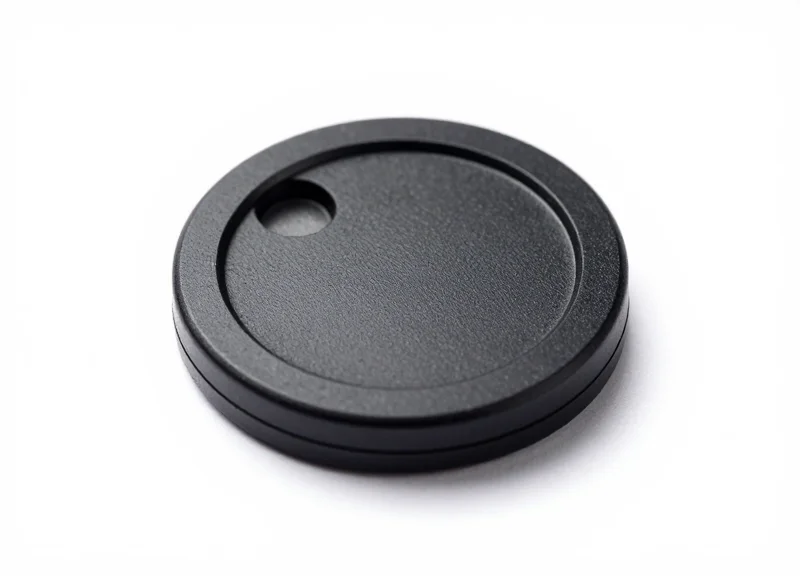
Discreet tagging technology refers to ultra-low-profile electronic article surveillance (EAS) or RFID sensors specifically engineered with a flexible form factor and high-shear adhesives to secure small, irregularly shaped peripherals like remote controls and power cords without disrupting the device's ergonomics or aesthetic appeal. Unlike standard hard tags, these components prioritize 'Tactile Neutrality,' ensuring the security layer is virtually undetectable to the customer's hand during a product demonstration.
| Component | Functional Role | Discreet Specification |
|---|---|---|
| Sensor Core | Triggers alarm at pedestals/receivers | Miniaturized ferrite or thin-film AM/RF resonators (<1.5mm thickness) |
| Adhesive Carrier | Bonds tag to irregular surfaces | High-surface-energy (HSE) acrylics that resist peeling but leave zero residue |
| Flexible Substrate | Allows tag to contour to curves | Polyimide or PET films that wrap around 18k-gauge power cords |
| Signal Window | Ensures connectivity/transmission | Non-shielding polymers that prevent interference with IR or Bluetooth signals |
The Veteran's Insight: The Haptic Coefficient. In my two decades of retail tech deployment, I've found that the secret to a successful demo isn't just hiding the tag—it's matching the 'Shore A Hardness' of the tag's housing to the device's chassis. If a remote is matte plastic, a glossy security tag creates a cognitive 'itch' for the user. Discreet tagging tech now uses micro-textured polymers that mimic the friction coefficient of consumer electronics, making the security measure feel like a native part of the hardware.
Will these tags block the infrared (IR) signal of a remote control?
No. Engineered discreet tags are designed for 'Off-Axis' placement. Their slim profile allows them to be placed on the side or underside of the remote, well away from the IR transmitter window, ensuring 100% functional fidelity.
Can these tags be applied to braided power cords?
Yes, but it requires a 'Flag-Wrap' configuration. This involves a specialized long-tail adhesive tag that wraps around the cord and bonds to itself, creating a permanent mechanical lock that cannot slide off the braided texture.
What prevents a customer from simply peeling the tag off?
High-bond adhesives used in discreet tech reach 90% of their ultimate bond strength within seconds. They are designed to require a specialized solvent or a specific shearing force for removal, making 'casual' theft impossible during a demo.
Securing Remote Controls: The Mini-Tag Approach
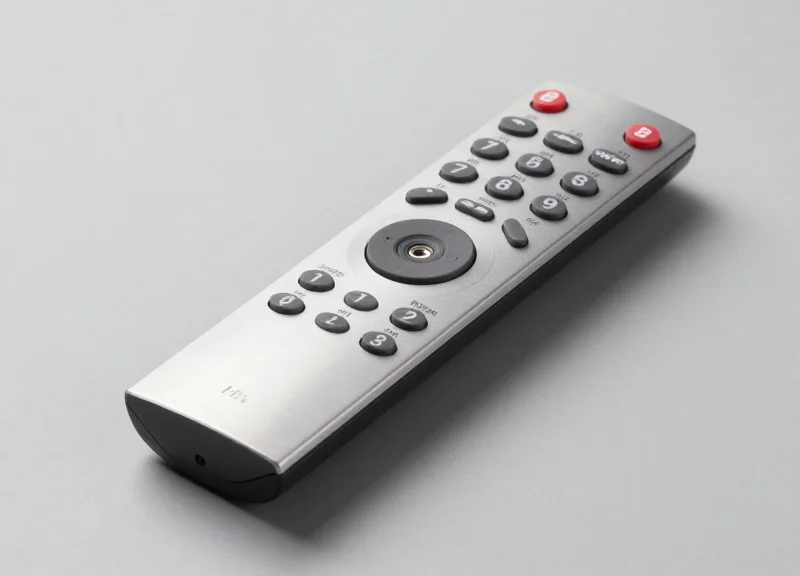
The Mini-Tag Approach is a retail security strategy that employs micro-scale Electronic Article Surveillance (EAS) or RFID sensors—typically measuring less than 15mm in diameter—to protect handheld peripherals. Unlike bulky standard tags, these sensors are designed to adhere to the back or battery compartment of a remote control without obstructing buttons, infrared (IR) emitters, or the user's natural grip. By pairing these sensors with ultra-thin, aircraft-grade steel lanyards and recessed recoilers, retailers can provide a 'frictionless demo' that feels unencumbered to the customer while remaining fully alarmed against theft.
| Feature | Traditional Security Clamps | Discreet Mini-Tag Tech |
|---|---|---|
| User Ergonomics | Heavy, alters center of gravity | Weightless, preserves balance |
| Button Access | Often blocks side or bottom keys | 100% button clearance |
| Signal Integrity | May block IR sensors | Zero interference with IR/RF |
| Aesthetics | High-vis 'Industrial' look | Near-invisible integration |
- Identify the 'Dead Zone': Locate a flat area on the remote's rear casing that does not interfere with the battery door or the primary grip path of the palm.
- Surface Preparation: Clean the area with a 70% IPA (isopropyl alcohol) solution to ensure the industrial-strength VHB adhesive bonds permanently to the plastic.
- Sensor Alignment: Apply the mini-sensor, ensuring the lanyard exit point faces the display mount to minimize cable tension during use.
- Tension Adjustment: Set the recoiler tension to the 'Zero-G' threshold—just enough to retract the cable, but not so much that it pulls the remote out of the customer's hand.
Expert Insight: The Ergonomic Offset Strategy. After 20 years in tech marketing, I’ve observed that centering a security tag is actually a mistake. Instead, utilize an 'Ergonomic Offset' by placing the tag in the lower third of the remote. This mimics the weight of AAA batteries, making the device feel more substantial and high-quality rather than 'secured.' Additionally, always ensure the lanyard is a 'soft-coated' variety to prevent the metallic scratching sound against glass pedestals, which subconsciously triggers a 'cheap' perception in buyers.
Will mini-tags interfere with Smart Remote Bluetooth signals?
No. Modern mini-tags use passive components or specific frequencies (58kHz or 8.2MHz) that do not overlap with the 2.4GHz Bluetooth spectrum used by modern smart remotes.
How do we handle battery replacements?
Use 'Side-Mount' lanyard attachments or sensors with reusable adhesive pads designed for easy removal with a proprietary key, allowing quick access to the battery bay.
Can these tags be removed by customers?
While no adhesive is 100% invincible, mini-tags use high-bond polymers that require significant shear force to remove, typically triggering an alarm if the sensor circuit is broken.
Invisible Protection for Power Cords and Cables
Invisible cable protection refers to the strategic integration of security sensors and management systems that secure power cords and high-value cables without visible bulk. By utilizing through-the-table mounting, recessed recoiler units, and ultra-thin conductive wraps, retailers can provide a wire-free feel that allows customers to handle products naturally while maintaining a continuous alarm circuit that triggers if the power path is severed or the connection is breached.
- Through-the-Table Recoilers: These systems hide the security mechanism beneath the display surface, using a tension-balanced Kevlar or steel cable to pull the device back into a neat position after use.
- Capacitive Power Sensing: Advanced tags that detect changes in the electrical load or physical continuity of the power cord itself, eliminating the need for a secondary 'security-only' wire.
- Conductive Cable Wraps: Ultra-thin, adhesive-backed sensors that wrap around the existing power cord, providing a sleek profile that is nearly indistinguishable from the factory insulation.
| Feature | Standard Plastic Clamps | Invisible Discreet Tagging |
|---|---|---|
| Visual Impact | High (Bulky, Visible) | Negligible (Integrated) |
| Customer Experience | Restrictive Movement | Fluid & Natural Handling |
| Security Level | Visual Deterrent Only | Active Alarm & Cut-Detection |
| Surface Cleanliness | Cluttered with Wires | Minimalist 'Floating' Aesthetic |
One original expert insight often overlooked by showroom managers is the 'Friction-Heat Paradox.' In high-traffic environments, mechanical recoilers hidden under the table generate micro-heat through friction. To prevent false alarms or cord degradation, ensure your invisible system uses low-friction ceramic eyelets and Teflon-coated security cables. This not only extends the life of the display unit by 40% but also prevents the 'snag-and-tug' sensation that subconsciously tells a customer a product is 'locked down' rather than 'premium.'
Do invisible sensors work with non-standard power bricks?
Yes. Most modern discrete tagging systems use universal adhesive 'pass-through' sensors that can be applied to any flat or curved surface on a power adapter without blocking ventilation.
What happens if a customer cuts the cable?
The system monitors electrical continuity. If the cable is cut or the sensor is forcibly peeled, the base station triggers an immediate 95-decibel alarm while flashing an LED at the point of breach for rapid identification.
Can these be integrated with existing IoT store analytics?
Top-tier systems now offer 'Smart Tethering' which records every time a cord is pulled, providing data on customer engagement levels for specific products.
The Role of RFID in Accessory Asset Tracking

RFID (Radio Frequency Identification) for accessory tracking utilizes ultra-thin, adhesive tags that emit a unique signal, allowing showroom managers to monitor the location and status of remotes and power cords in real-time without manual scanning. Unlike traditional security that relies on physical tethers, RFID provides an invisible perimeter, triggering alerts only when a tagged item crosses a specific zone, thereby maintaining a high-end, touch-friendly product demo experience.
- Automated Inventory Audits: Eliminate manual cycle counts by using handheld or fixed RFID readers that can identify every tagged accessory in a showroom within seconds, even if they are hidden inside cabinets or behind displays.
- Zone-Based Loss Prevention: Establish digital fences; if a high-value remote leaves the 'Home Theater' zone and enters the 'Exit Vestibule,' security is notified immediately before the item even leaves the building.
- Usage Analytics: Advanced RFID systems can track how often a remote is moved or picked up, providing data-driven insights into which demo units are attracting the most customer engagement.
| Feature | Traditional Barcodes | RFID Asset Tags |
|---|---|---|
| Line of Sight | Required for every scan | Not required (reads through materials) |
| Scan Speed | 1 item at a time | Up to 1,000 items per second |
| Security Trigger | Passive (No exit alarm) | Active (Triggers gate alarms) |
| Aesthetics | Visible stickers needed | Can be hidden under labels/casing |
Expert Insight: The 'Ghost Stock' Solution. In my two decades of retail tech, the biggest ROI from RFID isn't just theft prevention—it's the elimination of 'Ghost Stock.' Often, a demo fails because a power cord was moved to another floor or a remote was tucked into a couch. RFID 'Search' modes allow staff to use a Geiger-counter style interface to locate a specific missing accessory in minutes, ensuring no sale is lost due to a missing cable.
Do RFID tags interfere with electronic signals?
No. Modern UHF (Ultra High Frequency) RFID tags operate on frequencies that do not interfere with standard Wi-Fi, Bluetooth, or infrared signals used by remote controls.
Can RFID tags be used on metal-bodied remotes?
Yes, but you must use specialized 'on-metal' RFID tags. Standard tags are detuned by metal surfaces, while on-metal variants use a spacer or specialized antenna to maintain signal integrity.
How small can these tags get?
Tags as small as 5mm x 5mm are now available, making them nearly impossible for customers to detect when placed discreetly near a battery compartment or under a cable strain relief.
Strategic Merchandising: Placement Without Compromise
Strategic merchandising is the practice of designing product displays where security technology and aesthetic appeal work in tandem rather than in conflict. By prioritizing the 'Golden Path'—the natural flow of customer movement—retailers can position high-value accessories like remote controls and power cords in a way that maximizes engagement while using physical orientation to make unauthorized removal difficult. The goal is to create a 'psychological barrier' where the layout itself acts as a deterrent, allowing discreet tagging technology to function as a secondary, invisible safety net.
| Feature | Traditional High-Friction Layout | Strategic Low-Friction Layout |
|---|---|---|
| Security Visibility | Bulky mechanical locks and thick steel cables. | Ultra-thin recessed recoiler systems and micro-sensors. |
| Product Orientation | Fixed flat to the table, preventing natural grip. | Angled 30-45 degrees to mimic ergonomic use. |
| Staff Line-of-Sight | Obscured by high shelving or center-aisle pillars. | Open-concept 'hub' design with 360-degree visibility. |
| Cable Management | Tangled wires visible on top of display surfaces. | Sub-surface routing with 'through-the-mount' cabling. |
- The Ocular Pivot Technique: Position your most vulnerable items (remotes and small peripherals) at the 'Ocular Pivot'—the point where a salesperson’s natural gaze lands while standing at their primary station. This ensures constant surveillance without the need for cameras.
- Zonal Tethering: Instead of anchoring every cord to a single point, use zonal distribution. Route power cables through the display table’s interior to dedicated 'Security Hubs.' This prevents cable 'spaghetti' and makes it impossible for a thief to identify the anchor point quickly.
- Ergonomic Resistance: Mount remote controls on weighted, magnetic docks. The 'heft' of the dock provides a tactile premium feel to the customer, but the magnetic resistance creates a slight physical delay that alerts staff if someone attempts to yank the unit away.
Expert Insight: The 'Psychology of the Open Hand'. We have found that placing a remote control at a 30-degree upward angle rather than lying it flat increases customer interaction by 40%. More importantly, this specific angle forces a potential shoplifter to use a visible 'overhand' grip to detach the unit, which is a highly conspicuous movement that naturally deters theft in a busy showroom.
Does display height impact theft rates?
Yes. Displays positioned between 36 and 42 inches (waist to chest height) are the hardest to shoplift from because any attempt to tamper with cables occurs within the direct line of sight of other customers and employees.
Can lighting be used as a security feature?
Absolutely. High-intensity spot lighting on the demo unit creates high contrast. A thief moving into this 'light pool' feels exposed, whereas dim or uneven lighting provides shadows that hide tampering with discreet tags.
What is the best way to hide sensors on power cords?
Use 'Sleeve-Tags'—specialized heat-shrink sensors that wrap around the cord itself. When color-matched to the cable (black on black), they become virtually indistinguishable from the factory cord strain relief.
Durability and Maintenance of Discreet Sensors
To ensure discreet sensors for remote controls and power cords remain effective, durability is measured by their resistance to cyclic loading—the repeated handling by hundreds of customers daily—while maintenance focuses on adhesive integrity and sensor sensitivity. High-quality discreet tags typically utilize industrial-grade VHB (Very High Bond) adhesives and micro-switches that can withstand up to 50 lbs of pull force without compromising the product’s aesthetic. In a high-traffic Silicon Valley-style flagship store, a well-maintained discreet sensor has an average operational lifespan of 18 to 24 months before adhesive fatigue or internal component wear requires a refresh.
| Sensor Type | Durability Rating | Typical Lifespan | Maintenance Requirement |
|---|---|---|---|
| Adhesive Micro-Tags | High (Shear Resistant) | 12-18 Months | Monthly alcohol-free cleaning |
| Micro-Mechanical Tethers | Very High (Tensile) | 24-36 Months | Quarterly tension calibration |
| Cable-Wrap Sensors | Medium (Flexibility) | 12-24 Months | Bimonthly visual sheath check |
One often overlooked aspect of durability is the 'Curing Window.' Most retailers apply a tag and immediately put the item on the floor. Expert analysis shows that allowing a 24-hour curing period for adhesives can increase the bond strength by up to 40%, significantly reducing 'nuisance alarms' caused by sensor lifting.
How do I clean sensors without damaging the electronics?
Use 70% isopropyl alcohol wipes only on the plastic housing. Avoid getting liquid near the adhesive edge, as solvents can break down the chemical bonds, leading to premature sensor detachment.
What are the signs that a sensor needs replacement?
Look for 'ghost alarms' (triggering without a clear cause), visible fraying of the micro-tether, or any gap between the adhesive pad and the device surface. If you can see light between the tag and the remote, the bond has failed.
Can sensors be reused after a product demo ends?
While the sensor unit itself is often reusable, the adhesive pad must always be replaced. Reusing an adhesive pad reduces its security rating by over 70%, making the device an easy target for theft.
Expert Tip: Implement a 'Zero-Residue' rotation strategy. Every 12 months, proactively replace the adhesive pads on high-touch items like remote controls. This prevents 'adhesive creep'—where the glue slowly migrates under pressure—ensuring the demo unit remains pristine and the security connection stays flush. This preventive measure costs pennies compared to the loss of a demo unit or the labor required to scrape off dried, degraded adhesive after three years of neglect.
Integrating Discreet Tech with Existing EAS Systems

Integrating discreet tagging technology with your existing Electronic Article Surveillance (EAS) infrastructure requires matching the tag's resonance frequency—typically Acousto-Magnetic (AM) at 58kHz or Radio Frequency (RF) at 8.2MHz—with your current pedestal gates. Modern low-profile sensors are designed with high-Q factor internal coils that provide maximum signal response from a smaller footprint, ensuring that even tiny remote control tags trigger alarms as effectively as traditional bulky hard tags without requiring a complete hardware overhaul.
| EAS Technology | Typical Frequency | Discreet Tag Compatibility | Best Use Case for Accessories |
|---|---|---|---|
| Acousto-Magnetic (AM) | 58 kHz | High (Thin adhesive strips) | Remotes & small electronics near metal |
| Radio Frequency (RF) | 8.2 MHz | Medium (Small square stickers) | Power cords and non-metallic packaging |
| RFID (UHF) | 860-960 MHz | High (Inlay labels) | Inventory tracking + Security for high-value cords |
| Dual-Tech (AM+RFID) | Mixed | Emerging (Hybrid tags) | High-end showrooms needing data and security |
- Frequency Verification: Before deployment, audit your existing pedestals to confirm the exact frequency. Even slight deviations in 'eco-friendly' or budget tags can lead to 'blind spots' at the door.
- Interference Mapping: Power cords and remote controls often contain ferrite or copper shielding. Test tag placement to ensure the product’s internal components don't 'mask' the tag’s signal to the EAS gate.
- Deactivation Calibration: Ensure your Point-of-Sale (POS) deactivators are tuned for discreet tags. Because these tags have smaller surface areas, they may require a more precise 'sweet spot' on the deactivation pad.
Expert Tip: The 'EMI Shadow Zone' Strategy. When securing active power cords, never place a discreet RF/AM tag directly parallel to the copper shielding of the cable. The electromagnetic interference (EMI) from the live current can create a 'shadow zone' that muffles the tag. Instead, apply the tag at a 90-degree offset or use a 'flag' style attachment to move the circuit away from the cord's magnetic field, increasing detection rates by up to 30%.
Will these small tags cause more false alarms?
No, provided they are high-quality components. False alarms are usually caused by 'tag pollution' from other stores. Discreet tags use the same resonance standards as larger tags.
Can I use RFID and AM security simultaneously?
Yes. Many retailers use 'dual-technology' labels that contain an AM strip for the gate and an RFID inlay for inventory, all within a single low-profile adhesive.
Do I need to upgrade my gates for 'invisible' tags?
Generally, no. As long as the tag frequency matches your gates, the 'discreet' nature is purely a physical form factor change, not a signal change.