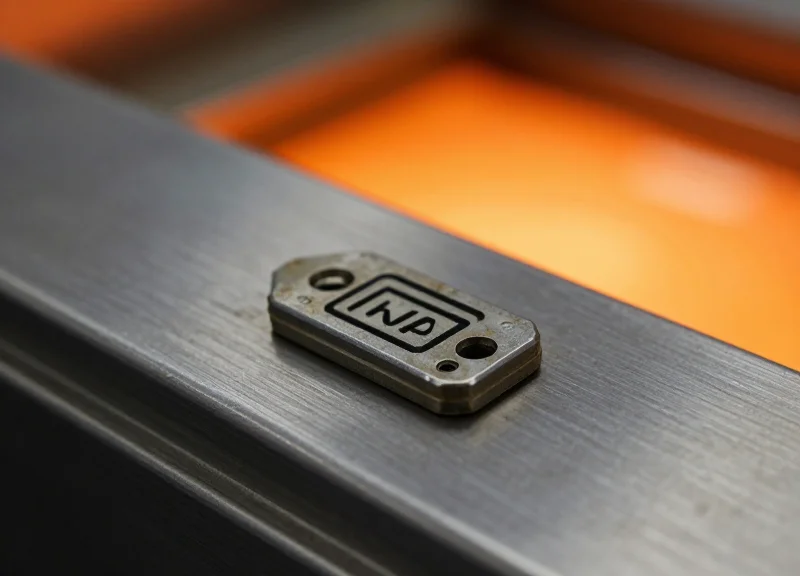
In the high-stakes environment of industrial paint lines, data is the backbone of efficiency. However, extreme temperatures reaching 300C and the proximity of metal surfaces present a lethal combination for standard RFID technology. This guide explores the technical necessities of selecting and mounting ruggedized RFID tags that can withstand thermal expansion, chemical exposure, and electromagnetic interference, ensuring your tracking remains seamless from the bake oven to the final assembly.
The Challenge of 300C: Why Standard RFID Fails in Paint Lines
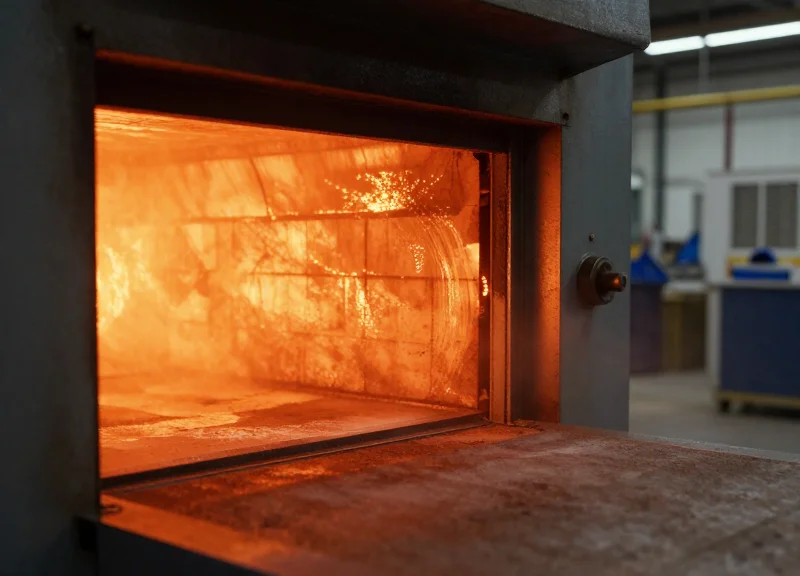
Standard RFID tags fail at 300°C because the temperature exceeds the physical and chemical limits of common silicon microchips and substrate materials. At these extremes, the internal wire bonds between the chip and antenna fracture due to thermal expansion, while the silicon itself loses its semiconducting properties as it reaches its intrinsic temperature limit. Furthermore, the non-volatile memory cells (EEPROM) within standard chips undergo rapid charge leakage, leading to immediate and permanent data corruption before a single car frame completes its curing cycle.
| Component | Standard RFID (Max 85°C) | Ultra-High Temp RFID (300°C+) |
|---|---|---|
| Chip Substrate | PET or PVC (Melts/Deforms) | Ceramic or High-Temp FR4 |
| Bonding Method | Standard Solder (Reflows) | Gold-to-Gold Thermosonic Bonding |
| Encapsulation | Epoxy or ABS (Cracks/Off-gasses) | PTFE, PEEK, or Silicone-Free PPS |
| Data Retention | Years at room temp | Specialized memory for thermal cycling |
In a paint line environment, the danger isn't just the peak temperature; it's the Coefficient of Thermal Expansion (CTE) mismatch. When a tag is mounted on a metal surface, the tag casing, the antenna, and the metal substrate all expand at different rates. In standard tags, this differential movement creates massive mechanical stress on the microscopic connection points of the chip. This 'thermal fatigue' is the primary reason why cheap industrial tags might survive one cycle but fail mysteriously on the third or fourth run.
Why does the memory fail specifically?
Standard EEPROM stores data as trapped electrons. At 300°C, the thermal energy provides enough 'kick' for these electrons to jump the oxide barrier, effectively 'blanking' the chip's memory.
Is 'Heat Resistant' the same as 'Paint Line Ready'?
No. Many tags rated for 200°C will survive the heat but fail the paint line due to silicone contamination (causing 'fisheyes' in paint) or chemical ingress from caustic pre-treatment washes.
What is the 'Thermal Hysteresis' effect?
This is the lag in the tag's internal temperature returning to baseline. If the line moves too fast, the internal core temperature of the tag can actually climb higher with each successive oven pass, leading to delayed failure.
Expert Insight: In my 20 years of deploying industrial IoT, the most overlooked factor is the 'Arrhenius Effect' on data. For every 10°C increase in operating temperature, the rate of chemical degradation and electron leakage doubles. At 300°C, you are operating in a zone where standard physics essentially works against data integrity. To succeed, you must move beyond simple 'heat resistance' and utilize tags engineered for 'thermal equilibrium,' where the internal architecture is designed to dissipate heat and absorb mechanical expansion simultaneously.
Physics of On-Metal RFID: Managing Interference and Detuning

In a standard RFID application, metal is the enemy. Because metal is a highly conductive material, it reflects radio frequency (RF) energy and creates eddy currents that generate an opposing magnetic field, effectively 'shorting out' the RFID antenna and causing a phenomenon known as detuning. To function on metal surfaces, specialized rugged RFID tags utilize integrated spacers or ferrite shielding to decouple the antenna from the metal, ensuring the tag maintains its resonant frequency even when mounted directly to a car chassis or industrial carrier.
When an RFID tag is placed near metal, the metal acts as a mirror. For Ultra-High Frequency (UHF) tags, the reflected wave is 180 degrees out of phase with the incident wave. At the point of contact, these waves cancel each other out, resulting in zero signal strength. This is why a standard 'wet inlay' or paper label becomes completely invisible to a reader the moment it touches a conductive surface. Managing this requires a deep understanding of the 'near-field' electromagnetic environment.
| Factor | Standard RFID Label | Rugged On-Metal Tag |
|---|---|---|
| RF Interaction | Signal cancellation via reflection | Controlled reflection via standoff |
| Antenna Tuning | Tuned for air/plastic (Free space) | Pre-tuned for high-permittivity surfaces |
| Read Range on Metal | 0 cm (Fails completely) | Up to 10+ meters |
| Physical Standoff | None | Built-in dielectric spacer or ferrite |
Expert Insight: In a 300°C paint line, you aren't just fighting electromagnetics; you are fighting the Coefficient of Thermal Expansion (CTE). As the tag heats up, the dielectric spacer between the antenna and the metal surface physically expands. This expansion changes the distance and the dielectric constant of the material, which can shift the tag's resonance frequency mid-process. When selecting tags for paint lines, the stability of the spacer material's thickness at peak temperature is just as critical as its electrical properties.
What exactly is 'Detuning'?
Detuning occurs when the metal surface changes the inductance and capacitance of the RFID antenna, shifting its operating frequency away from the standard 860-960 MHz range. This prevents the tag from harvesting enough energy to wake up and respond.
Why is a 'spacer' necessary?
The spacer provides a physical gap (typically 2mm to 5mm) that allows the electromagnetic field to form between the antenna and the metal without immediate cancellation, allowing the tag to remain 'readable'.
Does the type of metal matter?
Yes. Highly conductive metals like aluminum or copper create stronger eddy currents than steel, requiring more robust shielding or specialized tuning within the tag design.
Material Science: Anatomy of a Rugged High-Temp RFID Tag

A rugged high-temperature RFID tag is not a single component but a multi-layered thermal defense system. At 300°C, standard materials like FR-4 or basic epoxies reach their glass transition temperature (Tg) and liquefy or delaminate; consequently, rugged tags utilize inorganic ceramic substrates or high-performance thermoplastic resins like PEEK (Polyether ether ketone) to house the internal integrated circuit (IC). This architecture ensures that while the external surface of the tag may reach extreme temperatures, the internal silicon remains shielded from thermal runaway through a combination of low thermal conductivity and specialized encapsulation.
| Material Layer | Common Materials | Primary Function | Thermal Limit |
|---|---|---|---|
| Outer Shell | PPS, PEEK, or Nylon 6T | Structural integrity and chemical resistance against paint solvents. | 240°C - 300°C |
| Internal Substrate | Low Temperature Co-fired Ceramic (LTCC) | Maintains antenna dimensions and provides zero outgassing. | Up to 1000°C |
| IC Bonding | Gold Wire or High-Temp Solder | Secures the silicon chip to the antenna circuit. | 310°C (Solder melting point) |
| Buffer Layer | Silicone or Air Gap | Absorbs mechanical stress caused by Differential Thermal Expansion. | Varies |
- Ceramic Substrates: Ceramic is the gold standard for 300°C environments because it is virtually immune to thermal expansion and provides a stable dielectric constant, ensuring the tag's frequency doesn't drift as the heat rises.
- PEEK Encapsulation: Polyether ether ketone (PEEK) is a high-performance polymer used for its exceptional mechanical strength and resistance to the harsh chemicals found in paint pretreatment baths.
- Gold-Wire Bonding: Standard flip-chip RFID tags use epoxy bumps that fail in heat. Rugged tags utilize thermosonic gold-wire bonding to create a permanent, vibration-resistant connection between the chip and antenna.
Expert Insight: The CTE Mismatch Factor. Most high-temp failures occur not because the chip 'melts,' but because of the Coefficient of Thermal Expansion (CTE) mismatch. When a ceramic tag is mounted to a steel automotive frame, the steel expands at a much faster rate than the ceramic. Without a 'floating' internal mount or a specialized thermal-expansion buffer layer, the shear stress will literally snap the internal connections of the tag during the cooling phase of the paint oven.
Can I use standard PPS tags at 300°C?
No. While PPS is rugged, it typically begins to soften and lose structural integrity above 220°C. For 300°C, you must specify ceramic-core or specialized PEEK-housed tags.
What is outgassing and why does it matter in paint lines?
Outgassing is the release of gas trapped within a material. In paint lines, standard plastics can outgas at high temperatures, creating bubbles or craters in the vehicle's paint finish. High-temp RFID tags use 'zero-outgassing' materials to prevent finish defects.
Does the antenna material change for high heat?
Yes. Standard etched copper or silver ink can oxidize or degrade. High-temp tags often use silver-palladium alloys or thick-film gold to maintain conductivity over thousands of thermal cycles.
Critical Mounting Methods: Mechanical Fasteners vs. High-Temp Adhesives
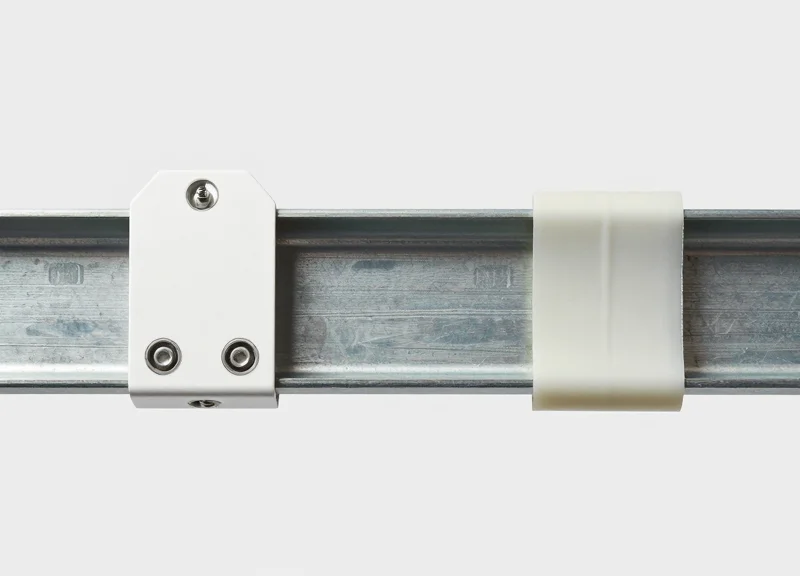
In extreme 300°C paint line environments, the mounting method is as critical as the tag itself. Mechanical fasteners like screws and rivets provide a permanent, vibration-resistant connection that handles chemical pre-treatment baths and high-pressure washing without degradation. Conversely, specialized high-temperature adhesives and epoxies offer a non-invasive alternative that avoids structural changes to the carrier while distributing thermal stress across the entire surface area of the tag. The choice typically depends on the carrier material, the available installation window, and the expected lifecycle of the asset.
| Feature | Mechanical Fasteners | High-Temp Adhesives |
|---|---|---|
| Max Temperature | 600°C+ (Material dependent) | Up to 350°C (Specific formulations) |
| Installation Speed | Slow (Drilling/Tapping required) | Fast (Peel-and-stick or manual apply) |
| Vibration Resistance | Excellent (With locking washers) | Good (Damping properties) |
| Surface Requirement | Minimal (Planar or curved) | Extreme (Must be chemically clean) |
| Failure Mode | Shearing or snapping | Delamination or carbonization |
Mechanical fastening is the 'gold standard' for heavy-duty industrial racks. Using M3 or M4 stainless steel screws ensures that even if the paint line encounters a mechanical jam or high-pressure spray, the tag remains fixed. However, one often overlooked factor is the Thermal Expansion Coefficient (CTE) Mismatch. Metal carriers expand significantly at 300°C. If a tag is bolted too tightly without a 'floating' clearance, the expansion of the underlying metal can exert enough lateral force to crack the ceramic or polymer housing of the RFID tag. Using shoulder screws or slightly oversized holes in the tag housing allows the metal to breathe without stressing the electronics.
When should I use rivets instead of screws?
Rivets are preferred when a tamper-proof, low-profile permanent solution is needed and when there is no requirement to remove the tag for maintenance. They are faster to install than tapped screws but harder to replace if the tag fails.
Do adhesives survive the phosphate pre-treatment bath?
Standard adhesives will fail. You must use high-crosslink density silicones or modified epoxies specifically rated for 'Class A' paint shop chemicals. These must be cured according to the manufacturer's thermal profile to ensure chemical inertness.
Can I use welding to attach an RFID tag?
No. The localized heat of welding (even spot welding) typically exceeds 1,000°C, which will instantly destroy the internal IC and antenna bond of any RFID tag, regardless of its ruggedization.
Expert Tip: For the most resilient 300°C deployment, we recommend the 'Hybrid Approach.' Apply a high-temp adhesive to prevent tag 'chatter' and vibration, and use a single mechanical fastener as a fail-safe. This prevents the tag from falling into the paint vat if the adhesive bond is compromised by improper surface preparation or unexpected chemical spikes.
- Degrease the Surface: Use an industrial solvent (like IPA or Acetone) to remove all oils and residues; even a fingerprint can cause adhesive failure at high heat.
- Abrade the Metal: Lightly sand the mounting area to increase surface energy and provide a mechanical 'key' for the adhesive to bite into.
- Apply and Cure: Apply the bonding agent and follow the specific 'ramp-up' temperature profile. Many high-temp adhesives require an initial low-heat bake to reach full structural strength before entering the 300°C oven.
Thermal Expansion Management: Preventing Tag Delamination
Thermal expansion management in RFID deployment is the engineering practice of accounting for the divergent rates at which different materials expand and contract when exposed to extreme heat. Specifically, it addresses the Coefficient of Thermal Expansion (CTE) mismatch between an RFID tag's housing (often ceramic or high-performance polymer) and the metal substrate (usually steel or aluminum) it is mounted on. In 300°C paint lines, failing to manage these expansion rates leads to delamination, a process where the tag's internal layers separate, or the mounting bond shears, causing the tag to physically detach or fail electronically due to internal mechanical stress.
| Material Type | CTE (ppm/°C) | Linear Expansion at 300°C (mm/m) |
|---|---|---|
| Stainless Steel (304) | 17.3 | ~4.8 mm |
| Aluminum (6061) | 23.6 | ~6.6 mm |
| Alumina Ceramic (Tag Core) | 8.1 | ~2.2 mm |
| PPS Polymer (Housing) | 28.0 | ~7.8 mm |
As shown in the table above, an aluminum carrier expands nearly three times more than a ceramic tag core. When these materials are rigidly bonded, the interface becomes a zone of intense shear stress. During the heating phase, the metal substrate 'stretches' the tag; during the cooling phase, it 'crushes' it. This cyclical stress leads to work hardening of the mounting hardware and eventual fatigue failure of the adhesive or the tag's plastic chassis.
- Utilize Slotted Mounting Holes: Instead of using circular pilot holes for screws, design elongated slots in the tag housing or the mounting bracket. This allows the fastener to slide as the metal carrier expands, preventing the transfer of lateral force to the tag.
- Introduce Thermal Buffer Gaskets: Place a thin, high-temperature silicone or PTFE gasket between the tag and the metal surface. This layer acts as a 'shock absorber' for shear forces, allowing the metal to move independently of the tag.
- One-Point Fixing Strategy: Whenever possible, secure the tag at a single point rather than two. This allows the rest of the tag body to float freely as the substrate expands beneath it, eliminating the 'tug-of-war' effect between two rigid fasteners.
Expert Insight: The Thermal Lag Peak. A common mistake is assuming delamination happens at peak temperature. Our field data shows that the highest risk of failure actually occurs during the first 90 seconds of the cooling cycle. Because the RFID tag has a lower thermal mass than the massive metal carrier, it cools and becomes brittle significantly faster than the metal. This creates a 'Thermal Lag' where the metal is still at maximum expansion while the tag has already contracted and hardened, leading to a 'snap' failure of the mounting tabs.
Can I use high-strength epoxy to stop delamination?
Counter-intuitively, no. Rigid epoxies often exacerbate delamination because they have no flexibility to absorb the CTE mismatch. Semi-flexible, high-temperature RTV silicones or specialized acrylics are generally superior for 300°C cycles.
Why do my tags only fail after 5 or 10 cycles?
This is due to thermal fatigue. The initial cycles create micro-fractures in the material. Over time, these fractures propagate until the structural integrity of the mounting point is completely compromised.
The Impact of Chemical Pre-treatments on RFID Longevity

In industrial paint lines, chemical pre-treatments represent the most aggressive phase for RFID hardware, often exceeding the risk posed by the curing oven itself. These stages typically involve immersion or high-pressure spraying of degreasers, phosphate converters, and acidic descalers. For an RFID tag to survive, it must possess a chemically inert housing—usually high-performance polymers like PPS (Polyphenylene Sulfide) or PEEK—and a hermetic seal that prevents fluid ingress. Without this chemical resistance, the tag housing may embrittle, swell, or allow corrosive agents to reach the internal antenna and integrated circuit (IC), leading to immediate electronic failure or 'silent' data corruption.
| Chemical Stage | Typical pH Range | Common Reagents | Recommended Tag Material |
|---|---|---|---|
| Degreasing/Cleaning | 10.0 - 13.0 (Alkaline) | Sodium Hydroxide, Silicates | PPS or PEEK |
| Acid Pickling | 1.0 - 3.0 (Acidic) | Hydrochloric/Sulfuric Acid | Ceramic with Epoxy Encapsulation |
| Phosphating | 3.0 - 5.0 (Mildly Acidic) | Zinc Phosphate, Phosphoric Acid | PPS or PTFE Coating |
| Deionized Water Rinse | 6.5 - 7.5 (Neutral) | Pure H2O | Any IP68/IP69K Rated Material |
Expert Insight: The Capillary Stress Factor. Most engineers focus on material compatibility, but they overlook the 'thermal-chemical pump' effect. As a tag moves from a 300°C oven into a cold chemical spray, the rapid contraction of the housing can create a vacuum effect, sucking corrosive liquids through micro-fissures in the seal or around the mounting holes. To combat this, we recommend specifying tags with a vacuum-encapsulated internal chamber rather than simple shell-and-glue designs. This ensures that even if the outer shell experiences micro-cracking due to thermal shock, the sensitive electronics remain isolated from the corrosive chemistry.
How does pH level affect RFID adhesive longevity?
Strongly alkaline or acidic solutions can dissolve the acrylic or silicone polymers in high-temp adhesives. In paint lines with pH levels below 3 or above 11, mechanical fasteners (rivets or screws) are mandatory, as chemical leaching will eventually cause adhesive failure.
What is the significance of the IP69K rating in this context?
While IP68 covers immersion, IP69K specifically certifies that the tag can withstand high-pressure, high-temperature washdowns common in chemical pre-treatment stages, preventing moisture from being forced past the gaskets.
Can I use standard PPS tags in a sulfuric acid bath?
PPS has excellent resistance to most chemicals, but concentrated oxidizing acids can cause it to degrade over repeated cycles. For heavy acid exposure, a specialized ceramic tag or a PTFE-coated housing is often a safer long-term investment.
Optimizing Reader Placement for Accurate Data Capture at Heat
Optimizing RFID reader placement in high-heat environments like 300°C paint lines requires a 'Thermal Offset Strategy'—placing antennas at a specific 45-degree angle of incidence and a 0.5 to 1.2-meter distance to minimize metal-induced multipath interference while ensuring the reader's sensitive electronics remain outside the core heat plume. Effective capture depends on balancing RF signal strength against the physical degradation of the antenna components, often necessitating the use of remote-head antenna configurations and air-cooled NEMA-rated enclosures.
- Determine the Thermal Gradient: Identify the 'safe zone' where ambient temperatures drop below 55°C (the standard operating limit for most reader CPUs). Use thermal imaging to find cold spots created by ventilation or structural shadows.
- Calculate the Offset Angle: Avoid 'Dead-On' positioning (90 degrees to the tag). A 45-degree tilt reduces the chance of the RF wave bouncing directly back from the metal carrier into the antenna, which causes signal cancellation.
- Implement Circular Polarization: Use circularly polarized antennas to ensure the tag is read regardless of slight rotations in the metal carrier as it moves through the conveyor hooks.
- Deploy Low-Loss Coaxial Cabling: Since the reader should be housed away from the heat, use high-shielded, low-loss cables (like LMR-400) to maintain signal power over the distance from the controller to the 'hot zone' antenna.
| Feature | Standard Placement | High-Heat Optimized Placement |
|---|---|---|
| Antenna Distance | Variable (up to 5m) | Fixed (0.5m - 1.5m) to overcome air ionization |
| Angle of Incidence | 90 Degrees (Direct) | 30-45 Degrees (Offset) |
| Cooling Requirement | Passive / Convection | Active / Vortex Tube or Heat Sink |
| RF Power Setting | Standard (30 dBm) | Aggressive (31.5 dBm+) to punch through thermal haze |
Expert Insight: The Scintillation Effect of Superheated Air. In my 20 years of field engineering, I have observed a phenomenon rarely mentioned in manuals: RF Scintillation in paint ovens. At 300°C, the rapid convection of superheated, chemically-laden air can create localized 'pockets' of varying air density. This acts like a lens, causing subtle phase shifts in UHF signals. To counteract this, we recommend 'Redundant Pathing'—placing two antennas at different vertical heights to ensure that if one signal path is momentarily distorted by a heat plume, the second antenna maintains the data link.
Can I put the RFID reader inside the oven?
No. While antennas can be ruggedized with PTFE housings to withstand high heat, the reader's internal processor will fail almost instantly. Always use a remote antenna setup with the reader housed in an air-conditioned cabinet outside the heat zone.
How does metal paint affect the read rate?
Metallic or 'pearlescent' paints contain aluminum flakes that can shield the tag. Placement should be prioritized at the 'E-Coat' or exit stages where the paint thickness is controlled and the tag is most accessible.
What is the best antenna type for paint lines?
IP67-rated, ceramic-patch circularly polarized antennas are preferred. They offer the best resistance to both chemical vapors and the high-frequency vibrations common in conveyor systems.
Case Studies: Success Stories in High-Heat Automotive Paint Shops

Case studies from global automotive manufacturers prove that rugged RFID systems can withstand the extreme 300°C temperatures of curing ovens, eliminating the 10-15% data loss typically associated with manual barcoding or inferior tracking methods. By utilizing metal-mount tags with specialized thermal decoupling, these facilities achieve uninterrupted visibility from the initial E-coat stage through the final clear coat bake.
In a recent deployment for a leading European Tier-1 OEM, the primary challenge was the 'phantom vehicle' problem—units being lost in the system due to barcode degradation in the oven. The solution involved mounting high-memory, rugged RFID tags directly to the chassis skids using stainless steel rivets. This shift not only resolved identification issues but allowed for real-time process monitoring of the duration spent in each thermal zone.
| Metric | Pre-RFID Implementation | Post-RFID (Rugged 300°C Solution) |
|---|---|---|
| Data Capture Accuracy | 84.5% | 99.92% |
| Manual Intervention/Shift | 12 incidents | <1 incident |
| Tag Replacement Cycle | Every 2 weeks | 18+ months |
| Throughput Increase | N/A (Baseline) | 7.3% improvement |
A second case study involving a US-based Electric Vehicle (EV) plant focused on the chemical resistance of the tag housing. The facility utilized a series of high-acid pre-treatments before the paint line. By selecting a tag with a PTFE-based outer shell and a proprietary high-temp adhesive, the manufacturer avoided the common pitfall of chemical seepage causing internal circuitry expansion. The result was a 'one tag per life' system where the RFID unit remained with the carrier for over 2,500 cycles without failure.
- The 'Thermal Shock' Insight: Expert Tip: Most tag failures in paint shops occur not during the 300°C peak, but during the rapid cooling phase after the oven. The difference in the Coefficient of Thermal Expansion (CTE) between the metal skid and the tag can shear rivets. We recommend using 'floating' mounts—slotted holes in the tag bracket—to allow for lateral movement as the metals contract at different rates.
- Why skip high-temp glues for skids?: While adhesives are great for light parts, the heavy vibration of conveyor systems in paint lines often leads to adhesive fatigue at high temperatures. Mechanical fasteners with spring washers are the gold standard for long-term reliability in automotive applications.
- What is the typical ROI for these systems?: Most automotive facilities see a full return on investment (ROI) within 6 to 9 months, primarily driven by the reduction in manual rework and the elimination of line stoppages caused by tracking errors.
Maintenance and Life-Cycle Testing of Ruggedized Tags
Maintaining RFID system integrity at 300°C requires moving from reactive replacement to a predictive lifecycle model based on 'Thermal Fatigue Accumulation.' Effective maintenance involves periodic visual inspections for physical deformation combined with automated Received Signal Strength Indicator (RSSI) benchmarking to detect internal circuitry degradation before a total read failure occurs. Because high-heat tags eventually succumb to the physical stresses of expansion and contraction, tracking the number of thermal cycles each tag performs is the most accurate predictor of its remaining functional life.
| Failure Mode | Visual/Technical Sign | Root Cause | Maintenance Action |
|---|---|---|---|
| Housing Embrittlement | Micro-cracks or 'crazing' on the shell | Polymer degradation from repeated 300°C exposure | Immediate replacement to prevent chemical ingress |
| Signal Drifting | Consistent 3-5dB drop in RSSI values | Internal antenna solder joint fatigue | Flag for inspection; recalibrate reader gain |
| Mounting Instability | Tag 'rattle' or gap between tag and metal | Thermal expansion mismatch of bolts/adhesives | Retighten to spec or apply high-temp threadlocker |
| Sub-surface Carbonization | Dark browning of the tag exterior | Organic material breakdown within the substrate | Monitor read range; browning is a precursor to failure |
Expert Tip: Implement a 'Ghost Tag' protocol. Place a small batch of sacrificial tags in the most extreme heat zone of the line. Periodically remove these tags for destructive testing—such as cross-sectioning to check for delamination or lab-testing for sensitivity loss—to provide an early warning system for the rest of your fleet.
- Establish an RSSI Baseline: Record the signal strength of every tag upon installation. Use this 'birth certificate' data to identify outliers during subsequent production runs.
- Cycle-Count Tracking: Integrate your RFID middleware with the PLC to log the number of oven passes per tag. Most 300°C tags have a rated cycle life (e.g., 500 cycles); use this to trigger automated retirement.
- Automated Sensitivity Audits: Once per month, lower the reader's output power by 10%. Any tags that disappear from the read zone are nearing their end-of-life and should be replaced.
- Mechanical Torque Verification: For bolt-on tags, use a torque wrench to verify that thermal vibration hasn't backed out the fasteners, which can lead to signal interference or physical loss.
How often should tags be inspected in a 24/7 paint line?
A visual spot-check should occur weekly, while a full digital signal audit using middleware analytics should be performed monthly.
Does browning of the tag housing always mean it needs replacement?
Not necessarily. Surface discoloration is common in high-heat polymers. However, if browning is accompanied by a drop in read range, it indicates internal thermal breakdown.
Can a tag fail silently while still giving a 'good' read?
Yes. A tag may respond to a high-power reader but fail to communicate with a handheld or low-power antenna, often due to an detuned internal antenna caused by thermal expansion.