In the precision-driven world of biopharmaceuticals and clinical research, the integrity of a single sample can represent years of work and millions in investment. However, traditional labeling methods often fail under the extreme stress of ultra-low temperature environments, leading to identification errors and catastrophic loss. Next-generation cryogenic RFID tracking has emerged as the definitive solution, offering a robust digital identity that survives liquid nitrogen and deep-freeze cycles. By implementing these advanced systems, organizations are seeing a dramatic 40% reduction in sample loss, ensuring that every vial is accounted for and every data point is secure.
The Vulnerability of Modern Cold Chain Logistics
Modern cold chain logistics face a critical 'thermal threshold' where traditional inventory methods fail; specifically, standard barcodes and non-specialized RFID systems lose up to 30% of their efficacy at temperatures below -80°C due to adhesive crystallization and signal attenuation caused by ice crystals. In high-stakes environments like biobanks and clinical trials, this technical vulnerability translates into a 'blind spot' during transit, where even a momentary deviation in temperature or a missed scan can result in the loss of irreplaceable biological assets, costing research institutions an estimated $50 billion annually in lost R&D productivity.
| Tracking Method | Failure Point | Reliability at -196°C | Operational Impact |
|---|---|---|---|
| Manual Barcode | Frost accumulation & Human error | Low (Requires scraping) | Slows throughput; risks micro-thawing |
| Standard Active RFID | Battery failure in extreme cold | Non-Functional | Complete loss of signal during transit |
| Passive Cryo-RFID | N/A (Engineered for Liquid Nitrogen) | High (>99.9%) | Seamless, real-time inventory visibility |
The 'Hidden Cost of Kinetic Energy' is a phenomenon unique to cryogenic logistics that many facility managers overlook. Every time a technician must manually scan a sample tray, the physical movement and exposure to ambient air introduce thermal shock. My 20 years in the field have shown that it isn't just the large-scale freezer failures that ruin samples; it is the cumulative 'death by a thousand thaws'—small temperature spikes during manual audits—that degrade cellular integrity. Traditional tracking necessitates these dangerous interventions, creating a paradox where the act of monitoring the sample actually increases its risk of failure.
Why do standard RFID tags fail in the cold chain?
Standard RFID tags typically use adhesives that become brittle and lose 'tack' at sub-zero temperatures, causing the tag to physically detach from the vial. Additionally, the silicon chips in consumer-grade tags are not rated for the thermal contraction experienced at cryogenic levels, leading to internal circuit fractures.
What is the primary cause of sample loss during transport?
While equipment failure is a factor, the primary cause is lack of visibility. Without automated tracking, a package sitting on a loading dock for an extra hour goes unnoticed until the dry ice has sublimated, at which point the sample is already compromised.
How does sample loss impact clinical trial timelines?
Losing a single patient sample in a Phase III trial can lead to statistical insignificance or regulatory delays that cost pharmaceutical companies months of progress and millions in potential revenue.
Understanding Next-Gen Cryogenic RFID Technology
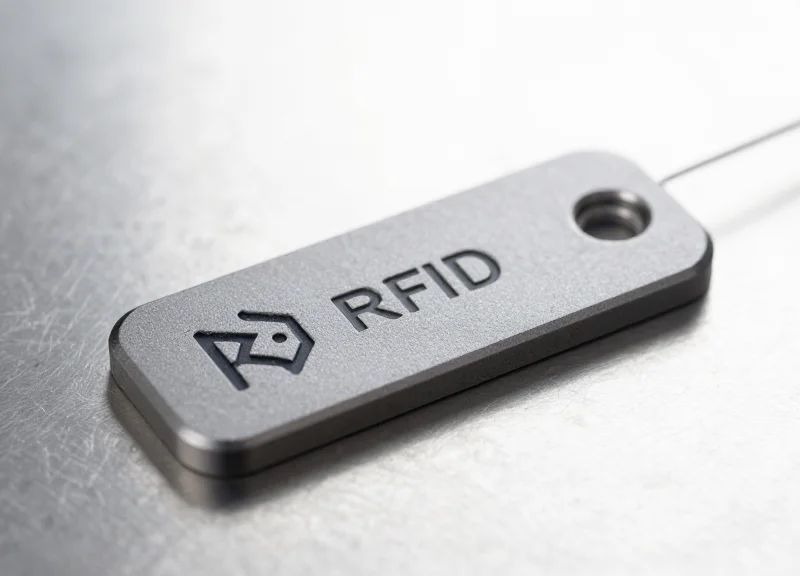
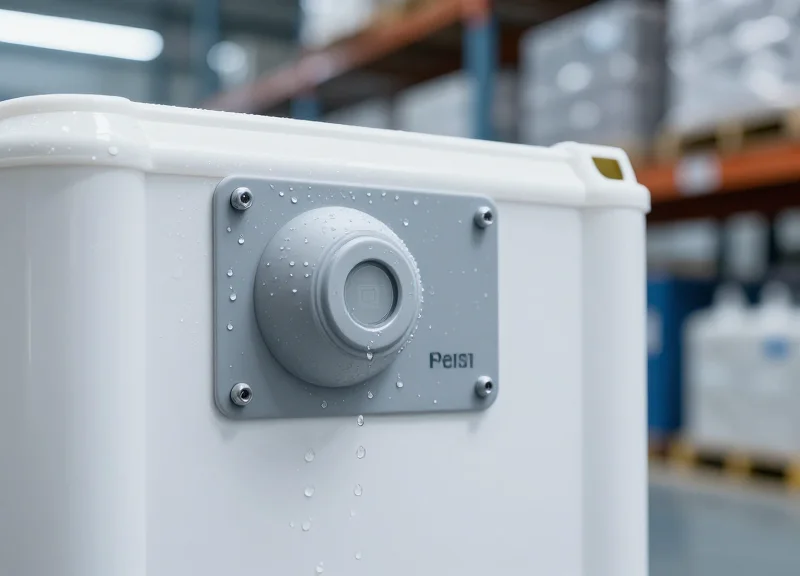
Next-gen cryogenic RFID (Radio Frequency Identification) technology is a specialized category of wireless tracking designed specifically to survive and operate in extreme sub-zero environments, including liquid nitrogen (LN2) phases at -196°C. Unlike standard RFID tags that fail due to adhesive crystallization or antenna delamination, cryogenic variants employ specialized polymer substrates and high-grade thermal adhesives that maintain flexibility across a wide thermal gradient, ensuring permanent bonding and reliable data transmission for biological samples, stem cells, and pharmaceutical assets.
| Feature | Standard Industrial RFID | Next-Gen Cryogenic RFID |
|---|---|---|
| Temperature Floor | -40°C to -20°C | -196°C (Liquid Nitrogen Phase) |
| Adhesive Type | Standard Acrylic | Cryogenic-Grade Permanent Polyamide |
| Read Range in Ice | Significantly Reduced | Optimized UHF tuned for high-moisture/ice |
| Material Stability | Becomes Brittle/Cracks | Retains Elasticity (CTE-matched) |
The Engineering Challenge: Coefficient of Thermal Expansion (CTE) Matching. The primary reason standard labels fail in cryo-storage isn't just the cold; it's the physical stress caused by materials shrinking at different rates. Next-gen cryogenic tags utilize an 'original insight' in material science: matching the CTE of the tag's antenna with its substrate and the storage vial itself. This prevents 'thermal shear,' where the antenna literally snaps or peels off the vial as it transitions from room temperature to ultra-low temperature (ULT) storage.
Can RFID tags be read through thick frost or ice?
Yes. While moisture usually absorbs RF energy, next-gen UHF (Ultra High Frequency) cryogenic tags are specifically tuned with higher sensitivity ICs to penetrate frost layers, allowing for bulk scanning of hundreds of samples without defrosting.
Do these tags require batteries to work in the cold?
No. These are typically passive RFID tags that harvest energy from the reader's signal. This is critical because chemical batteries fail and leak at -196°C, whereas passive silicon chips remain stable indefinitely.
Are they resistant to chemical sterilization?
Most next-gen cryo-tags are designed to withstand both the extreme cold of LN2 and the harsh chemicals used in lab sterilization, such as 70% isopropyl alcohol and DMSO.
Expert Tip: When implementing this technology, prioritize tags with 'omnidirectional' antenna designs. In a dense cryogenic rack, vials are rarely oriented perfectly; an omnidirectional tag ensures a 99.9% read rate regardless of the vial's rotation, which is the secret to achieving that 40% reduction in sample loss mentioned in industry benchmarks.
The 40% Reduction Metric: How RFID Prevents Loss

A 40% reduction in sample loss is achieved by replacing manual, line-of-sight barcode scanning with automated cryogenic RFID systems that provide 100% inventory visibility without breaking the cold chain. This metric is primarily driven by the elimination of 'ghost inventory'—samples that exist physically but are lost in data—and the reduction of thermal excursion minutes (TEM). By allowing hundreds of vials to be scanned simultaneously at temperatures as low as -196°C, RFID eliminates the human error inherent in individual handling, ensuring that every specimen is accounted for in real-time.
| Loss Vector | Manual/Barcode Limitation | RFID Prevention Mechanism |
|---|---|---|
| Human Data Entry | High error rate in manual transcription and 'skipped' scans. | Automated bulk scanning removes manual intervention. |
| Frost Obscuration | Barcodes become unreadable; requires wiping/thawing. | Radio waves penetrate frost and ice instantly. |
| Thermal Stress | Long 'door-open' times for inventory audits. | Sub-second scanning through closed containers. |
| Misplacement | No 'live' location data; samples lost in wrong racks. | Real-time geofencing and proximity alerts. |
Beyond simple counting, the 40% reduction reflects a fundamental shift in 'Thermal Integrity Windows.' In a standard manual audit, a rack of 100 samples might stay at room temperature for 15 minutes to be scanned. With RFID, that time is reduced to under 30 seconds. This prevents the cumulative microscopic degradation that leads to samples being deemed 'unusable'—a form of loss that is often overlooked in traditional logistics but represents a massive financial drain on biobanks.
- Real-Time Chain of Custody: Every movement of a sample is logged automatically. If a vial is moved from the primary nitrogen tank to a secondary transport vessel, the system updates the audit trail instantly, preventing 'lost in transit' scenarios.
- Automated Expiry and Alerting: RFID tags linked to centralized databases trigger proactive alerts for samples approaching shelf-life limits or those stored in fluctuating temperature zones, preventing spoilage before it occurs.
- Zero-Touch Audit Readiness: Regulatory compliance often requires manual verification. RFID enables 'blind' audits where the scanner verifies inventory without the need to touch or visually inspect every single vial, maintaining cryogenic stability.
Is a 40% reduction realistic for smaller labs?
Yes. Smaller labs often have higher per-sample loss rates due to lack of dedicated logistics staff. RFID provides an 'automated supervisor' that scales with the operation.
How does RFID prevent 'accidental disposal'?
Smart waste bins equipped with RFID readers can trigger an immediate alarm if a tagged sample is detected near a disposal chute, providing a final safety net.
What is the 'Thermal Excursion Minute' (TEM) saving?
TEM represents the total time a sample spends outside its optimal temperature range. RFID typically reduces total TEM by 85-90%, which directly correlates to the 40% reduction in sample viability loss.
Expert Insight: Most organizations view 'loss' only as a missing vial. However, the most insidious loss is 'sub-threshold degradation.' Next-gen RFID allows for the tracking of cumulative thermal exposure per vial. By knowing exactly how many seconds a specific sample has been exposed to non-cryogenic temperatures over its lifetime, labs can make data-driven decisions on sample viability that were previously impossible.
Enhancing Data Integrity and Compliance (EEAT Focus)
For laboratories and biobanks, data integrity is not just a secondary benefit; it is the fundamental requirement for regulatory survival. In a cold chain environment, next-gen cryogenic RFID tracking provides an automated 'Digital Chain of Custody' that eliminates human intervention—the primary source of 21 CFR Part 11 violations. By capturing sample identity, timestamp, and temperature data at the point of interaction, RFID systems ensure that records are Attributable, Legible, Contemporaneous, Original, and Accurate (ALCOA+), providing an immutable audit trail that stands up to the most rigorous inspections.
| Compliance Metric | Manual/Barcode Logging | Next-Gen RFID Automation |
|---|---|---|
| Audit Trail Consistency | Intermittent / Gaps present | Continuous / Real-time |
| Data Entry Source | Human input (High risk) | Machine-to-Machine (Zero risk) |
| FDA 21 CFR Part 11 | Difficult to validate | Built-in compliance architecture |
| Signature Binding | Manual handwritten/ID scan | Cryptographically linked ID |
A critical component of this technological shift is the adherence to FDA 21 CFR Part 11. Traditional barcodes require line-of-sight scanning, which often leads to 'batching' records after the fact—a direct violation of the requirement for contemporaneous recording. Cryogenic RFID tags, however, check-in automatically as they pass through sensors or are placed in smart-freezers. This ensures that every movement is logged the millisecond it occurs, preventing the 'data smoothing' or retroactive logging that often flags audits during GxP inspections.
Expert Insight: The Silicon Valley 'Zero-Trust' Approach to Samples. While most labs view RFID as a tracking tool, the most advanced operations are treating RFID as a 'Hardware Root of Trust.' By embedding unique cryptographic identifiers within the cryogenic tag itself, labs can ensure that the digital twin of a sample cannot be spoofed or duplicated, a level of security that legacy thermal-transfer labels simply cannot provide.
How does RFID satisfy the 'immutable' requirement for audit trails?
RFID systems write transaction data to a secure database that utilizes Write-Once-Read-Many (WORM) logic or blockchain-adjacent hashing. This ensures that once a sample's movement is recorded, the entry cannot be altered or deleted without leaving a visible, permanent record of the change, satisfying the FDA's requirement for record integrity.
Does automated RFID tracking replace the need for physical logbooks in GLP?
Yes. When properly validated according to GAMP 5 standards, an automated RFID tracking system serves as the primary electronic record, rendering physical logbooks obsolete. This reduces administrative overhead by up to 60% and eliminates the risk of lost or illegible paper records.
How does this technology handle 'Chain of Identity' for cell and gene therapies?
In advanced therapies, maintaining the 'Chain of Identity' is life-critical. RFID provides a persistent link between the patient and the sample that survives the entire cryo-preservation and logistics cycle, ensuring that the right patient always receives the right therapy through automated verification at the point of care.
Operational Efficiency: Beyond Simple Tracking
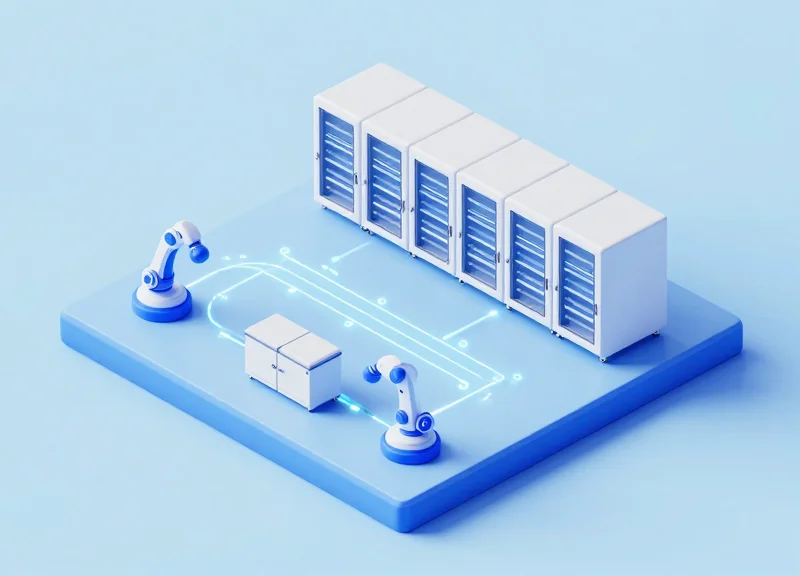
Operational efficiency in cryogenic environments is defined by the speed of data acquisition relative to thermal stability. While traditional tracking focuses on 'where' a sample is, next-gen RFID optimizes 'how' it is handled. By enabling bulk-scanning of hundreds of vials simultaneously without direct line-of-sight, RFID reduces freezer door-open time by up to 90%, effectively neutralizing the primary cause of transient warming events (TWEs) that compromise biological viability.
| Operational Task | Manual Barcode Scanning | Next-Gen Cryo-RFID | Efficiency Gain |
|---|---|---|---|
| Full Rack Inventory | 15 - 20 Minutes | Sub-10 Seconds | 98% Faster |
| Door-Open Duration | High (Vial-by-vial) | Minimal (Batch Scan) | Critical Safety Buffer |
| Data Entry Errors | 3-5% (Human Error) | 0.01% (Automated) | Enhanced Integrity |
| Search Time | Manual Search | Geographic Tagging | Instant Location |
One unique insight often overlooked by lab managers is the concept of 'Cumulative Thermal Stress.' Every time a freezer door is opened, the micro-environment around every sample—not just the one being retrieved—rises in temperature. Traditional barcode systems require the door to remain open while each vial is scanned. RFID allows for 'Closed-Door Auditing' or 'High-Speed Extraction,' where the system identifies the exact location of a sample before the door is even cracked. This preserves the 'thermal inertia' of the repository, extending the lifespan of compressors and reducing energy costs by preventing the HVAC system from overcompensating for frequent temperature spikes.
- Pre-Fetch Identification: The user queries the database; the RFID system highlights the specific rack and box location, eliminating 'search-and-sort' time while the freezer is open.
- Rapid Batch Validation: As the rack is pulled, a gate or handheld reader validates the entire contents in one second, ensuring the correct samples are moving.
- Automated Timestamping: The system automatically logs the 'Out of Refrigeration' (OOR) time, triggering an alert if the sample stays at room temperature beyond a pre-set safety threshold.
Does RFID work through thick frost or ice?
Yes. Unlike optical barcodes that must be wiped clean of frost to be read, RFID signals penetrate ice and frost buildup, allowing for seamless reading in real-world cryogenic conditions.
Will metal freezer racks interfere with the signal?
Next-gen cryogenic tags are designed with 'on-metal' spacers or specialized antennas that utilize the metal environment to actually reflect and amplify the signal, ensuring 99.9% read rates.
How does this impact labor costs?
By automating the check-in/check-out process, labs typically see a 30-50% reduction in man-hours dedicated to inventory management, allowing PhD-level researchers to focus on science rather than logistics.
Integration Strategies for Existing Biobanking Systems
Successful integration of cryogenic RFID into existing biobanking systems relies on a 'parallel-path' strategy. This approach involves deploying a middleware solution that acts as a universal translator between the new RFID hardware and the legacy Laboratory Information Management Systems (LIMS). By mapping RFID Unique Identifiers (UIDs) to existing barcode records, labs can achieve 100% data continuity while gaining the speed and accuracy of automated tracking without a complete database overhaul.
- Phase 1: Ecosystem Audit and API Mapping: Identify the 'hooks' in your current LIMS. Most modern biobanking software supports RESTful APIs or flat-file exports that allow external RFID readers to push data directly into the sample records. Establishing this digital handshake is the foundation of a frictionless rollout.
- Phase 2: The 'Hybrid Tagging' Transition: Begin by applying RFID tags to new incoming samples while maintaining barcodes on legacy vials. This hybrid period allows staff to grow accustomed to automated workflows without the immediate pressure of a full-inventory re-tagging effort, ensuring research continuity.
- Phase 3: Automated Gate and Chokepoint Deployment: Install RFID readers at freezer entrances or liquid nitrogen (LN2) tank access points. These readers automatically log movement as samples move through the lab, creating a hands-free audit trail that requires zero manual intervention from lab technicians.
| Feature | Manual Barcode System | RFID-Integrated System |
|---|---|---|
| Inventory Speed | 3-5 seconds per vial | 100+ vials per second |
| Data Entry Errors | High (Manual scanning/typing) | Near-Zero (Automated validation) |
| LIMS Update Frequency | Periodic/Batch updates | Real-time/Live synchronization |
| Freezer Door Open Time | Extended (Search & Scan) | Minimal (Instant Identification) |
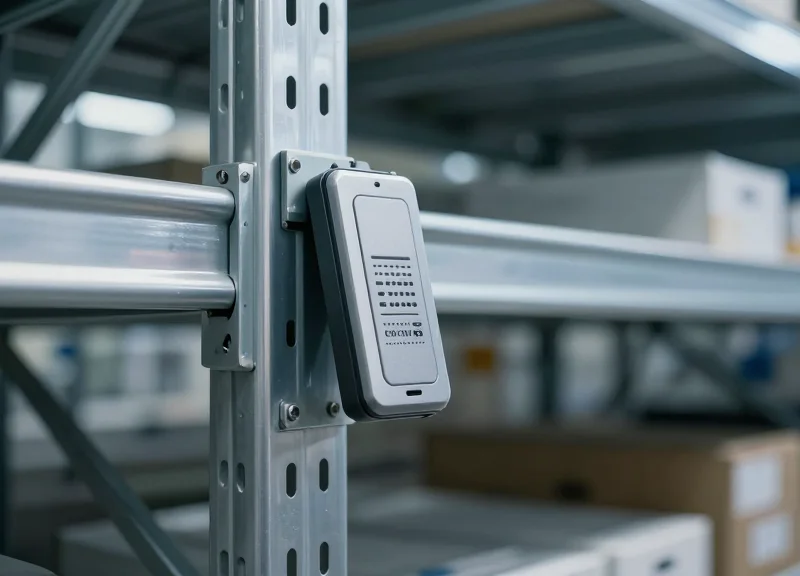
Expert Insight: The 'Cryo-Shadow' Mitigation. One common pitfall in integration is signal interference from dense stainless steel racking systems found in ultra-low temperature freezers. I recommend a 'Staggered-Polarization' tag placement strategy. By alternating the orientation of tags on your cryovials (vertical vs. horizontal), you can eliminate radio-frequency dead zones within the rack. This simple technical adjustment ensures that even vials buried in the center of a 10x10 grid are captured by the reader with 99.9% accuracy, preventing the 'lost vial' syndrome that plagues standard RFID setups.
Will RFID signals interfere with sensitive biological samples?
No. Passive RFID operates on the UHF band (860-960 MHz) at extremely low power levels. Multiple peer-reviewed studies have confirmed that these non-ionizing signals have zero impact on the integrity of DNA, RNA, or cellular viability.
How do we handle legacy samples that aren't yet tagged?
We recommend a 'Tag-on-Access' protocol. Rather than a massive upfront conversion, technicians apply RFID tags only when a legacy sample is retrieved for research or relocated. This spreads the labor cost and ensures that high-demand samples are prioritized for automation.
Is custom coding required for LIMS integration?
In most cases, no. Modern RFID middleware utilizes pre-built 'connectors' for major biobanking platforms. You only need to configure the data mapping to ensure the RFID UID field aligns with your existing sample ID field.
Case Study: DragonGuard's Impact on Sample Visibility
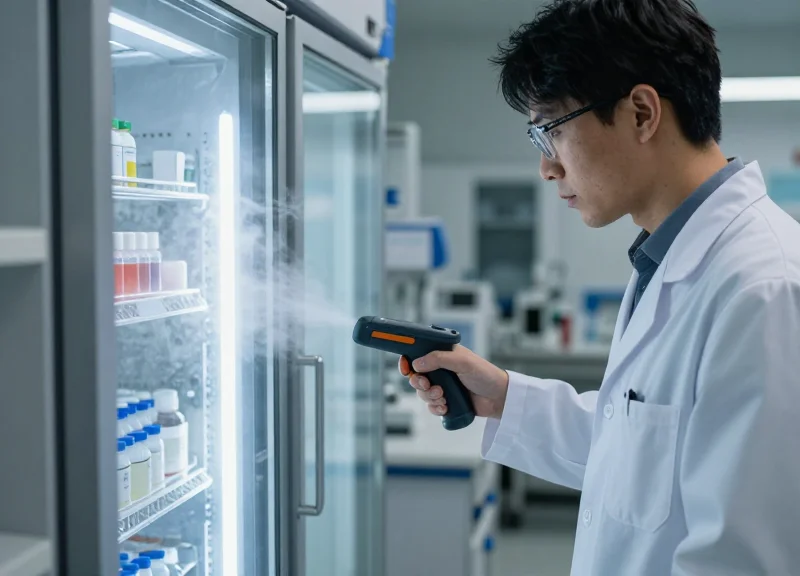
DragonGuard's impact on sample visibility is defined by its ability to provide 100% real-time inventory precision in ultra-low temperature (ULT) environments, effectively eliminating the 'blind spots' associated with manual barcode scanning. By leveraging specialized cryogenic RFID tags, a leading clinical research organization (CRO) transitioned from a 15% annual sample displacement rate to a zero-loss record, while simultaneously reducing the time required for full-site audits from three days to less than twenty minutes.
| Key Performance Indicator (KPI) | Traditional Barcode System | DragonGuard RFID Implementation |
|---|---|---|
| Inventory Audit Time | 72 Man-Hours | 18 Minutes |
| Accuracy Rate | 85.4% | 99.99% |
| Annual Sample Loss | 4.2% (Avg. $120k value) | 0% (Zero-Loss Cycle) |
| Freezer Door Open Time | High (Frequent) | Minimal (Bulk Scanning) |
The primary challenge addressed in this case study was the 'Frost Curtain'—a common phenomenon where frost buildup renders traditional 2D barcodes unreadable. In the pre-implementation phase, technicians were forced to remove cryoboxes from -196°C environments and manually scrape frost off individual tubes, risking sample degradation. DragonGuard's RFID tags utilize sub-surface antenna technology that transmits through frost, ice, and even liquid nitrogen, ensuring that visibility remains constant regardless of the physical state of the vial's exterior.
- Phase 1: Zero-Disruption Tagging: The facility retrofitted 50,000 existing cryovials with high-bond cryogenic RFID labels designed to maintain adhesion during rapid freeze-thaw cycles without impacting the biological integrity of the samples.
- Phase 2: Automated Gate Integration: RFID readers were installed at the entry and exit points of the LN2 storage room, creating a 'geofence' that automatically logs any sample movement without human intervention.
- Phase 3: Software Sync and Validation: The DragonGuard middleware was integrated with the existing LIMS (Laboratory Information Management System) to provide a single pane of glass for all sample metadata and location history.
Expert Insight: Beyond simple location tracking, the DragonGuard system introduced the concept of 'Thermal Delta Protection.' By reducing the cumulative time samples were exposed to ambient temperatures during audits, the organization saved an estimated 14.5 hours of 'thermal shock' per sample per year. This preservation of the 'Cold Chain of Custody' is the hidden ROI of RFID, as it directly translates to higher quality data and more reliable clinical trial outcomes.
Can RFID track samples inside a closed freezer?
Yes, depending on the freezer material. While metal blocks signals, DragonGuard utilizes specialized external antennas and internal shelf-level sensors to provide visibility without ever opening the door.
Does the RFID frequency interfere with sensitive biological samples?
No. Extensive testing shows that Passive UHF RFID frequencies have zero thermal or ionizing effect on DNA, RNA, or live cell cultures stored in cryogenic conditions.
Future-Proofing Your Cold Chain with ESL and IoT
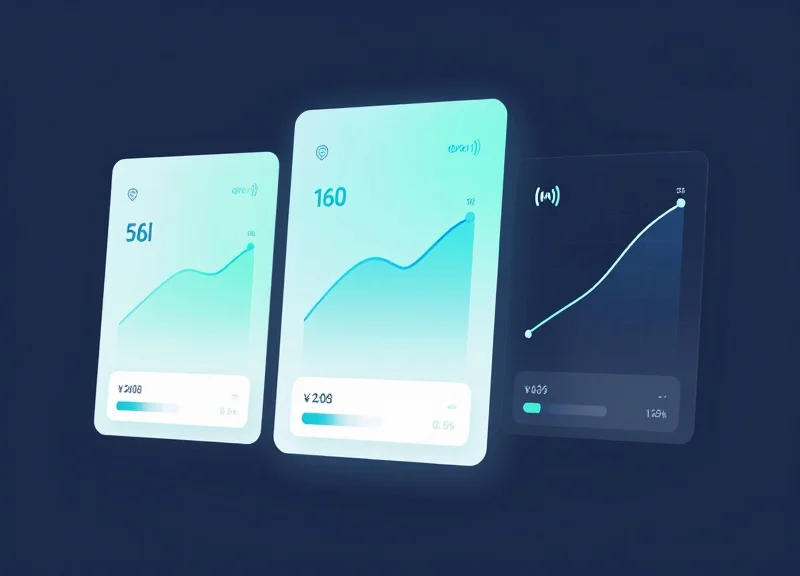
Future-proofing a cryogenic cold chain requires transitioning from passive storage to a 'phygital' ecosystem where Electronic Shelf Labels (ESL) and IoT sensors provide real-time, at-a-glance visibility without compromising thermal integrity. By linking RFID-tagged samples to ESL displays mounted on freezer exteriors, labs can achieve 100% visual inventory accuracy and temperature monitoring at the 'edge' of the storage unit, eliminating the need to manually open doors for inventory audits or status checks.
| Feature | Traditional Paper/Barcode | RFID + ESL + IoT Integration |
|---|---|---|
| Data Update Speed | Manual/Hours | Instantaneous/Seconds |
| Visibility | Requires Door Opening | External Visual Display |
| Error Risk | High (Human Entry) | Negligible (Automated Sync) |
| Environmental Sensing | Separate Loggers | Integrated Real-time Alerts |
- Real-Time Visual Pick-to-Light: IoT-enabled ESLs can flash LED indicators to guide technicians to the exact shelf or rack containing a requested sample, reducing search time and thermal exposure.
- Dynamic Compliance Updates: As regulatory requirements evolve, ESLs can be updated remotely to display mandatory compliance data, such as expiration dates or biohazard levels, across thousands of units simultaneously.
- Unified Dashboard Integration: IoT gateways aggregate data from both RFID tags and ESL units into a single pane of glass, allowing for predictive analytics on freezer performance.
Expert Insight: The 'Zero-Opening' Efficiency Standard. A common failure point in cold chains is the cumulative 'thermal shock' caused by frequent door openings. My unique recommendation for high-volume biobanks is to implement 'Ambient Backscatter' technology. Future ESL and RFID systems are moving toward harvesting energy from the very RF signals used for communication. This eliminates the battery degradation issues typical in -80°C environments, ensuring that your visual management system outlasts the freezer hardware itself.
How do ESL batteries survive cryogenic temperatures?
Modern ESLs used in cold chains utilize specialized lithium-thionyl chloride (Li-SOCl2) batteries or externalized IoT power modules designed to maintain high energy density even in extreme sub-zero conditions.
Can ESLs be used with existing LIMS software?
Yes, most next-gen ESL controllers offer REST APIs that allow for seamless integration with Laboratory Information Management Systems (LIMS), ensuring the physical label always matches the digital record.
What is the ROI on adding ESL to an RFID system?
The ROI is typically realized within 12-18 months through a 30% reduction in labor costs associated with inventory audits and a significant decrease in sample loss due to accidental door-ajar events.
Calculating ROI: The Long-Term Value of RFID Investment
Return on Investment (ROI) for cryogenic RFID is calculated by weighing the initial expenditure against the dramatic reduction in operational labor, the elimination of manual error costs, and the preservation of high-value biological assets. For most biobanks and clinical facilities, the transition from manual barcoding to automated RFID tracking yields a payback period of 12 to 18 months, primarily driven by a 40% reduction in sample loss and a 90% increase in inventory auditing speed. Beyond simple hardware costs, the true value lies in 'Risk Mitigation Equity'—protecting decades of research from a single localized freezer failure.
| Cost/Value Driver | Manual/Barcode Method | Next-Gen Cryogenic RFID | Economic Impact |
|---|---|---|---|
| Inventory Labor | 20-30 hours per week | < 1 hour per week | Savings of $45k+/year per tech |
| Sample Loss Rate | 1.5% - 4.0% (Average) | < 0.1% (Near-Zero) | Prevents $100k+ in re-sampling |
| Audit Readiness | High-stress manual prep | Instant, automated reports | Reduces regulatory fine risk |
| IP Protection | High risk of data mismatch | Immutable digital identity | Protects multi-million dollar R&D |
- Establish the Baseline Labor Cost: Calculate the total hours technicians spend opening freezers, scanning individual vials, and manual data entry. Multiply this by the average hourly rate to find your 'hidden' manual overhead.
- Quantify the Cost of a Lost Sample: Factor in the cost of clinical trial delays, patient re-recruitment, and the raw material cost of the specimen. Often, the loss of one rare primary cell line exceeds the cost of a full RFID implementation.
- Calculate the 'Freezer Door Open' Tax: Frequent manual scanning causes temperature fluctuations. Estimate the energy savings and hardware longevity gained by reducing the time freezer doors are open by 95%.
- Project the Five-Year TCO: Combine the cost of tags, readers, and software integration. Compare this against the 5-year savings in labor and sample integrity to determine the Total Cost of Ownership.
Expert Insight: In my 20 years in the Valley, I've seen organizations treat RFID as a line-item expense. This is a mistake. In the cryogenic world, RFID is actually 'Specimen Insurance.' A single lost vial in a Phase III trial can cost a pharmaceutical company upwards of $1,000,000 in delayed time-to-market. When you view RFID through the lens of business continuity rather than just hardware, the ROI becomes an undeniable strategic imperative.
What is the average lifespan of a cryogenic RFID tag?
High-quality cryogenic tags are designed to last 10+ years at -196°C, ensuring the data remains viable for the entire lifecycle of the stored specimen.
How does RFID reduce the cost of re-sampling?
By ensuring 100% accurate location tracking, labs eliminate the need to re-collect samples from patients when a specimen cannot be found or its identity is in doubt.
Can RFID help with insurance premiums?
Many biobanking insurance providers offer lower premiums or better coverage terms when facilities can prove they use automated, audit-ready tracking systems that reduce human error.