In the rapidly growing vape industry, retail owners face a unique challenge: high-value, small-form-factor inventory that is incredibly easy to conceal. From premium e-liquids to advanced mod kits, vape products are prime targets for professional shoplifters and opportunistic thieves alike. Protecting your stock isn't just about surveillance cameras; it's about active prevention. This guide explores why Electronic Article Surveillance (EAS) is the gold standard for vape shop security and how the right system can virtually eliminate high-frequency theft while maintaining a seamless customer experience.
The Shoplifting Crisis in the Vape Industry
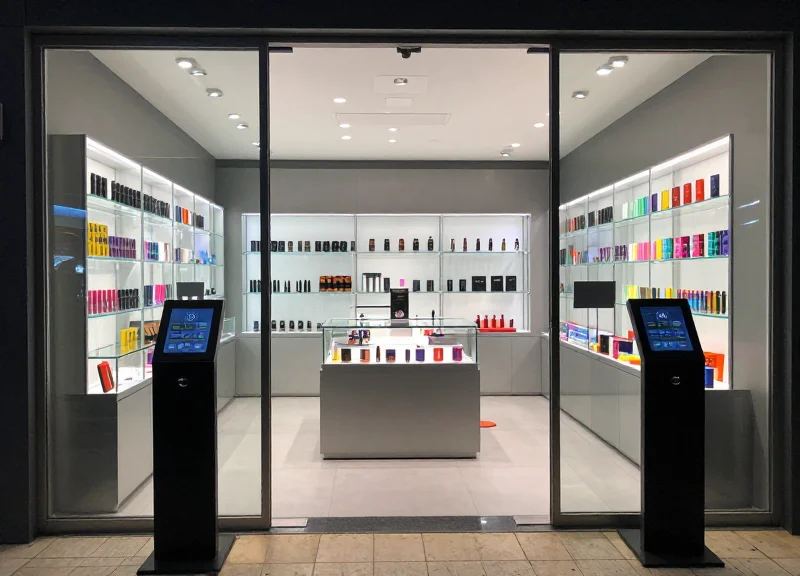
The vape industry is currently facing a 'perfect storm' of retail shrinkage, where high-value, pocket-sized inventory meets a massive, unregulated secondary market. Unlike traditional retail, vape shops carry products like pod systems, premium e-liquids, and disposable pens that are extremely easy to conceal and carry a near-100% resale value on the street. This combination has transformed vape shops from local boutiques into primary targets for both opportunistic shoplifters and organized retail crime (ORC) rings looking for high-velocity liquid assets.
| Risk Factor | Impact on Vape Retailers | Economic Consequence |
|---|---|---|
| Product Portability | High-value items (mods/coils) fit easily into palms or pockets. | Increased 'blind spot' theft frequency. |
| Resale Liquidity | Vape gear lacks serial number tracking for end-users. | Items are converted to cash within hours on social media. |
| Demographic Overlap | High-traffic stores often see younger, tech-savvy crowds. | Peer-pressured theft and 'clout' chasing on social platforms. |
Why is this crisis so acute now? As regulations tighten and prices rise due to excise taxes, the 'black market' for vape products has expanded. For a shoplifter, a $60 vape kit is not just a device; it is a portable currency. Furthermore, the layout of many vape shops—designed to be communal and hands-on—often inadvertently creates 'low-visibility zones' where sophisticated thieves can bypass standard surveillance.
Why are disposables the #1 target for theft?
Disposables are the 'cash' of the vape world. Their low entry price makes them seem low-risk to thieves, but their high volume means that losing five units a day can devastate a small shop's monthly net profit.
What is the 'Sampling Distraction' tactic?
Thieves often work in pairs where one person engages the clerk in a complex technical discussion about e-liquid profiles or coil resistance, while the second individual clears a shelf of hardware.
How does theft impact insurance in the vape sector?
Frequent small-scale losses often go unreported to avoid premium hikes, leading to an 'invisible' drain on capital that prevents shops from scaling or upgrading security.
Expert Insight: The 'Serial-less' Security Gap. A unique challenge in the vape industry is that unlike smartphones or tablets, most vape hardware lacks remote-kill switches or robust serial-number databases. Once a device leaves your store, it is effectively untraceable. This makes physical prevention—specifically Electronic Article Surveillance (EAS)—not just an option, but the only viable 'hard' defense against immediate inventory loss.
EAS Technology Explained: Choosing Between AM and RF Systems

Electronic Article Surveillance (EAS) for vape shops primarily comes down to two technologies: Acousto-Magnetic (AM) operating at 58 kHz and Radio Frequency (RF) operating at 8.2 MHz. While RF is the global standard for general retail due to its lower cost, AM systems are widely considered superior for vape shops because they are significantly less susceptible to interference from the metallic components found in vaporizers, coils, and e-liquid foil seals. Choosing between them requires balancing your budget against the specific physical composition of your highest-theft items.
| Feature | Acousto-Magnetic (AM) | Radio Frequency (RF) |
|---|---|---|
| Frequency | 58 kHz | 8.2 MHz |
| Detection Range | Wide (Up to 2.4m between pedestals) | Standard (Up to 1.8m between pedestals) |
| Metal Sensitivity | High Resistance (Works near metal/foil) | High Interference (Blocked by metal/foil) |
| Tag/Label Profile | Thicker, 3D plastic labels | Flat, paper-thin stickers |
| Primary Benefit | Reliability with hardware & liquids | Lower entry cost & high-speed tagging |
The 'Metal/Liquid Shielding' effect is the primary challenge for vape retailers. RF waves are easily absorbed or deflected by conductive materials. In a vape shop, this means an RF label hidden inside a box containing a metallic coil or a high-density lithium battery may fail to trigger the alarm. AM technology, however, utilizes a magnetic field that is far more resilient. This allows AM tags to effectively protect bottled e-liquids with foil seals and heavy metal mod kits that would otherwise 'blind' a standard RF system.
- The 'Cylindrical Dead Zone' Expert Tip: A unique challenge in vape shops is the cylindrical shape of e-juice bottles and pods. When applying RF labels to curved surfaces, the internal antenna can become 'detuned,' shifting its frequency away from 8.2 MHz and rendering it invisible to the gates. If you use RF, always apply labels vertically along the length of the bottle rather than wrapping them around the circumference to maintain the antenna's integrity.
Can I use RF tags if my shop mostly sells disposable vapes?
It is risky. Many disposables have internal metal casings and foil wrappers that create a Faraday cage effect, blocking RF signals. AM is generally recommended for disposables to ensure consistent detection.
Which system is better for wide entrances?
AM systems typically offer a wider detection range, allowing for wider entryways without needing multiple pedestals, which is ideal for high-end vape lounges with open floor plans.
Are AM labels more expensive than RF labels?
Yes, AM labels are generally more expensive because they contain active magnetic strips rather than simple printed circuits. However, the reduction in false negatives and higher recovery rates for expensive hardware often offsets this cost.
Top EAS Antenna Solutions for Modern Vape Shop Layouts
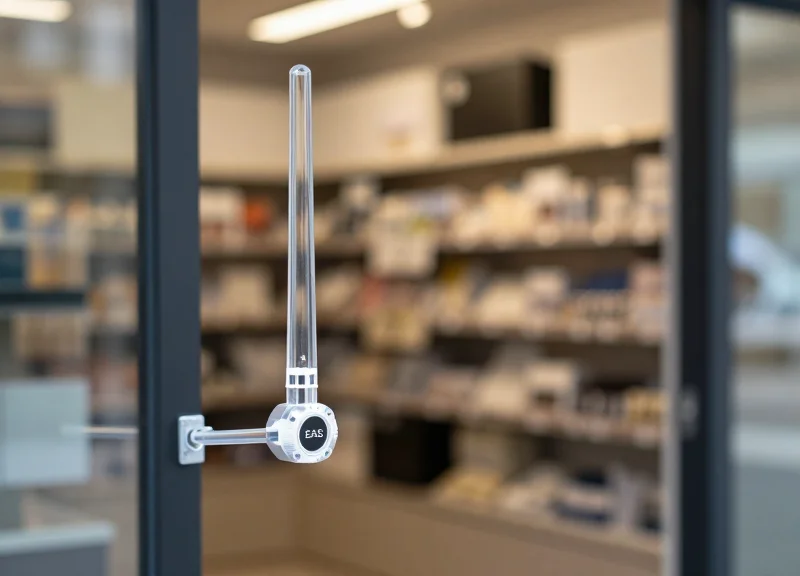
The best EAS antenna solutions for modern vape shop layouts are high-transparency Acrylic AM (Acousto-Magnetic) systems and slim-profile RF (Radio Frequency) pedestals that offer 360-degree detection while maintaining the store's boutique aesthetic. Because vape shops often feature narrow entrances and high-end glass displays, modern antennas must provide a high 'detection-to-footprint' ratio, ensuring that small items like coils and disposable vapes are caught even in high-traffic zones without creating a physical barrier for customers.
| Antenna Type | Best For | Aesthetic Impact | Detection Range |
|---|---|---|---|
| Premium Acrylic AM | High-end boutique shops | Near-invisible / See-through | Up to 2.0m (pair) |
| Slim-Frame RF | Budget-conscious retailers | Minimalist / Industrial | Up to 1.6m (pair) |
| Concealed / Under-floor | Ultra-luxury flagships | Zero visual impact | Up to 1.2m (depth) |
| Integrated Advertising | Promotion-heavy stores | Functional / Branding | Up to 1.8m (pair) |
Expert Insight: The 'Signal Saturation' Challenge in Small Footprints. Unlike large department stores, vape shops are often compact. A veteran tip is to prioritize Digital Signal Processing (DSP) antennas. These systems can distinguish between a moving security tag and the 'static' electronic noise generated by nearby vape charging stations or neon window signs, which frequently cause false alarms in cheaper, older hardware.
- Visual Transparency: Modern acrylic pedestals use LED lighting that can be customized to match your brand colors, turning a security necessity into a design feature.
- Remote Diagnostics: Top-tier antennas now include Wi-Fi modules, allowing technicians to tune sensitivity levels remotely, reducing the need for expensive on-site maintenance visits.
- Tag Jammer Detection: Professional-grade antennas can alert staff if a 'jammer' device is detected near the entrance, providing a proactive defense against organized retail crime.
Where should antennas be placed in a narrow vape shop?
Antennas should be placed exactly at the door threshold, but at least 18 inches away from any metal door frames or large electronic displays to prevent signal interference.
Can I use a single-pedestal system?
Yes, 'Mono' antennas are ideal for small vape shops with a single door, as they emit and receive signals in a circular radius, covering the entrance from a single point.
Do acrylic antennas scratch easily?
High-quality systems use aviation-grade reinforced acrylic that is resistant to yellowing and minor abrasions, though microfiber cleaning is recommended.
Specialized Tags and Labels for Vape Products
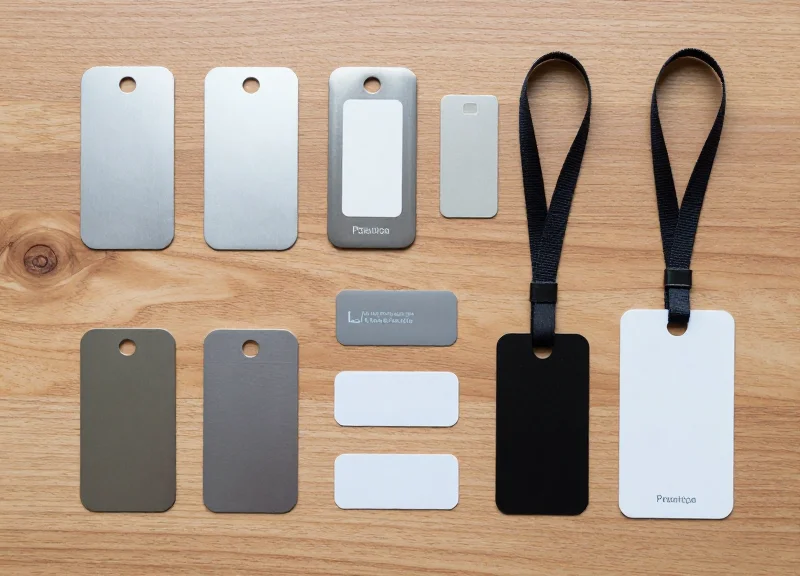
Specialized EAS tags for vape products are miniaturized security devices specifically engineered to provide high detection rates on small-format items like 10ml juice bottles and slim pod kits. Unlike standard retail tags, these specialized solutions utilize 'small-footprint' adhesive labels and non-marring lanyard tags that secure high-value hardware without obstructing brand graphics or damaging the premium packaging of luxury box mods.
| Product Category | Recommended Tag Type | Primary Benefit | Technology Fit |
|---|---|---|---|
| E-Liquid / Juice Boxes | Micro Soft Labels | Fits 10ml-120ml boxes without covering ingredients. | AM (Acousto-Magnetic) |
| Vape Mods & Kits | Adjustable Lanyard Tags | Visual deterrent; prevents 'pocketing' during demos. | RF or AM |
| Pod Systems / Disposables | Clear Window Labels | Discrete; permits scanning of QR/Barcodes underneath. | RF (Radio Frequency) |
| Tanks & Rebuildables | Jewelry/Rat-Tail Tags | Secures small cylindrical glass components. | AM |
- Micro-Acousto-Magnetic (AM) Labels: These are the industry standard for liquids. Because e-juice often contains metallic elements in the packaging or foil labels, RF signals can be 'detuned.' AM labels operate at 58kHz, which penetrates liquid and foil more effectively, ensuring the alarm triggers even if the bottle is concealed in a pocket.
- Nylon-Core Lanyard Tags: For high-end mods that customers want to hold, lanyard tags provide a physical tether to the security system. The nylon core prevents quick-snip thefts while the padded clamp ensures no scratches are left on the device's finish.
- Tamper-Evident Security Seals: Hybrid labels that act as both an EAS trigger and a freshness seal. If a thief tries to peel the tag off in the store, it leaves a 'void' residue, making the product unsellable and immediately identifying the attempted theft.
Expert Marketing Insight: The 'Foil-Block' Strategy. Many premium vape brands use metallic embossed lettering on their packaging. In my 20 years of retail security, I have seen standard RF labels fail 40% of the time on these boxes due to signal interference. For vape shops, I always recommend 'offset' placement: apply the label at least 5mm away from metallic inks or use AM technology, which is virtually immune to the 'shielding' effect of metallic juice labels.
Will adhesive labels damage the cardboard packaging of premium liquids?
No, if you use 'low-tack, high-cohesion' labels. These are designed to stick firmly to glossy finishes but can be removed by the customer post-purchase without tearing the box surface.
Can I hide tags inside the product box?
Yes, this is called 'source tagging.' While it offers a cleaner look, it loses the visual deterrent value. For vape shops, an external tag is usually better at preventing the theft attempt before it happens.
Are there tags small enough for disposable vapes?
Yes, 'jewelry-style' tags or 25mm micro-labels are designed specifically for the slim profile of disposable pens and pod cartridges.
Strategic Placement: Maximizing Detection Near Entrances

Strategic placement of EAS antennas is the precise engineering of pedestal positioning at store exits to maximize the electromagnetic or acoustic field, ensuring no tagged item passes through undetected. For vape shops, this isn't just about flanking the door; it is about balancing the 'Detection Corridor' width against the 'Interference Radius' of nearby electronics. Effective placement eliminates 'dead zones'—specific heights or angles where a tag's signal is too weak to trigger the alarm—ensuring that even small, concealed vape pods or coils are identified instantly upon exit.
One of the most common mistakes in boutique vape shop layouts is prioritizing aesthetics over the physics of the system. Antennas placed too far apart will create a 'null hole' in the center of the walkway. Conversely, placing them too close to metal door frames or electronic security shutters can lead to 'signal shielding' or frequent false alarms. To achieve 99% detection rates, you must map the field strength based on the specific frequency (AM or RF) you are utilizing.
| Antenna Type | Optimal Aisle Width | Maximum Width | Common Interference Sources |
|---|---|---|---|
| Radio Frequency (RF) | 3.0 - 4.0 feet | 5.5 feet | Large metal displays, foil packaging |
| Acousto-Magnetic (AM) | 4.5 - 6.0 feet | 8.0 feet | LED signs, juice chillers, electric motors |
| Concealed (Floor/Loop) | 3.0 - 5.0 feet | 6.0 feet | Sub-floor rebar, buried power lines |
Expert Tip: The 'Active Interference Mapping' Technique. Before bolting pedestals to the floor, I recommend conducting a 'live field test.' Use a hand-held field meter to detect noise from your shop's LED neon signs or the compressors in your beverage coolers. These devices often emit 58kHz or 8.2MHz noise that mimics a tag. If your pedestals are within 3 feet of these 'noisy' electronics, you will suffer from 'Phantom Alarms' that desensitize your staff to real theft events.
- The 12-Inch Clearance Rule: Ensure that no tagged merchandise is displayed within 12-24 inches of the antennas. This prevents 'Tag Pollution,' where the system constantly alarms because a shelf is too close to the detection field.
- Threshold Centering: Center the pedestals exactly on the door's threshold. If they are pushed too far inside, a thief can 'pass' the item through the field before the door even opens, giving them a head start.
- Power Line Isolation: Run EAS power cables through dedicated conduits. Sharing a circuit with a heavy-duty vape testing station or a refrigerator can introduce line noise that degrades detection sensitivity.
Can I hide the antennas behind drywall for a cleaner look?
Yes, but it requires 'Power Antennas' with higher output. Drywall itself doesn't block the signal, but the metal studs behind the drywall will significantly reduce the detection range by up to 30%.
Why does the alarm go off when no one is walking through?
This is usually caused by 'Environmental Noise.' High-frequency vape shop electronics or even a neighboring store's EAS system can cause cross-talk. Modern digital systems allow you to adjust the 'Threshold Sensitivity' to filter this out.
Does the height of the antenna matter for small items like juice bottles?
Absolutely. Most shoplifters conceal small vape items in pockets or low-hanging bags. Ensure your antenna's vertical detection field covers from 6 inches off the floor to at least 5 feet high.
Integrating EAS with RFID for Inventory Intelligence

Integrating Electronic Article Surveillance (EAS) with Radio Frequency Identification (RFID) creates a dual-layered security and operational framework where every item is not just protected from theft, but also digitally accounted for in real-time. While standard EAS tells you that something left the store, an integrated RFID-EAS system tells you exactly what was taken, allowing for immediate inventory reconciliation and smarter restocking. This shift from 'gate security' to 'inventory intelligence' is the gold standard for high-end vape boutiques looking to scale efficiently.
| Feature | Standard EAS | Integrated RFID-EAS |
|---|---|---|
| Detection Type | Generic Alarm (Something is leaving) | Specific Item Detection (Exactly what is leaving) |
| Inventory Audits | Manual / Barcode Scanning (Slow) | Instant Bulk Scanning (Seconds) |
| Shrinkage Insight | Visual confirmation only | Automated digital loss reports |
| Omnichannel Readiness | Low | High (Real-time stock for online orders) |
Expert Insight: The 'Phantom Stock' Killer. The greatest hidden cost in vape retail isn't just the stolen device; it is 'Phantom Stock'—when your computer thinks an item is in the store, but it was actually stolen. You stop ordering that SKU, lose sales for weeks, and frustrate customers. RFID-EAS integration automatically updates your stock levels the moment an item passes the gate, triggering an immediate reorder and ensuring your shelves are never empty due to unrecorded theft.
- Invest in Hybrid Antennas: Install pedestals that support both traditional AM/RF frequencies and UHF RFID to ensure you can transition your inventory at your own pace.
- Deploy Item-Level Tagging: Apply RFID stickers to high-value vape mods and premium e-liquid multi-packs to track their movement from the stockroom to the sales floor.
- Leverage Cloud Analytics: Connect your hardware to a cloud-based dashboard to identify theft trends, such as specific times of day or specific brands targeted by shoplifters.
Does RFID replace the need for EAS?
Not entirely. While RFID can trigger alarms, traditional EAS is often more robust for pure metal detection. The two are best used together for a comprehensive security net.
How does this speed up the checkout process?
RFID allows for 'non-line-of-sight' scanning, meaning a clerk can scan all items in a customer's basket simultaneously without finding individual barcodes, significantly reducing wait times.
Is RFID tagging difficult for small e-liquid bottles?
Modern 'Flag Tags' are specifically designed for small cylindrical objects, ensuring the RFID chip isn't interfered with by the liquid content while remaining discrete.
The ROI of EAS: Calculating Loss Reduction vs. Initial Investment
The Return on Investment (ROI) for an Electronic Article Surveillance (EAS) system in a vape shop is defined as the net profit gained from reduced inventory shrinkage minus the cost of the system. In the high-theft vape industry—where small, high-value items like premium mods and coils are easily concealed—most businesses achieve a complete break-even point within 8 to 14 months. By reducing the 'shrinkage' rate from the industry average of 2-4% down to under 1%, the system pays for itself through recovered retail margins and preserved inventory levels.
| Metric | Pre-EAS Implementation | Post-EAS Implementation | Annual Savings Impact |
|---|---|---|---|
| Annual Revenue | $500,000 | $500,000 | N/A |
| Shrinkage Rate | 3.5% | 1.0% | 2.5% Improvement |
| Inventory Loss ($) | $17,500 | $5,000 | +$12,500 |
| Labor Cost (Surveillance) | High (Manual Monitoring) | Low (Automated Security) | +$3,000 |
| Total Profit Recovery | - | - | $15,500 |
Expert Insight: The 'Invisible' ROI of Stock Integrity. Beyond direct theft prevention, EAS provides a critical boost to your inventory accuracy. In a vape shop, 'Phantom Inventory'—items that show as 'in stock' on your POS but have actually been stolen—leads to lost sales because you fail to reorder popular hardware. A robust EAS system ensures that when your system says you have a high-end DNA mod in stock, it's actually there to be sold, protecting your sales velocity and customer trust.
How does EAS affect insurance premiums?
Many commercial insurance providers offer 'Loss Prevention Credits' or reduced premiums for retailers who implement certified EAS and CCTV systems, as it drastically lowers the risk profile of the business.
Is the maintenance cost (OpEx) high for EAS?
No. Annual maintenance usually consists of a few hundred dollars for system calibration and the ongoing cost of consumable labels/tags, which is negligible compared to the value of the stock protected.
Can EAS systems increase the Average Transaction Value (ATV)?
Yes. When staff are not required to hover over customers for security reasons, they can focus on consultative selling and upselling, which consistently increases the total value of each customer basket.
When calculating your specific ROI, consider both the Capital Expenditure (antennas, deactivators) and the Operational Expenditure (labels, tags). For a standard single-door vape shop, the initial investment typically ranges from $1,500 to $3,500. If your current monthly theft loss exceeds $300, the system is mathematically guaranteed to be profitable within its first year of operation.
Best Practices for Staff Training and Alarm Response
Staff training for Electronic Article Surveillance (EAS) is the critical bridge between technical security and real-world loss prevention. In a vape shop environment, where customer rapport is a key competitive advantage, the goal is to transform every alarm trigger into a 'customer service opportunity.' This approach uses high-engagement retail hospitality to deter potential shoplifters through proximity and presence, while simultaneously ensuring that legitimate customers who experience a false alarm feel valued rather than accused.
- The 'Second Chance' Approach: When an alarm sounds, the staff member should immediately approach the customer with a friendly smile and say, 'It looks like our system missed a tag on your purchase. May I see your bag so I can fix that for you?' This provides a face-saving exit for a shoplifter while remaining polite to a paying customer.
- Verification and Deactivation: Take the items back to the counter, verify the receipt against the items in the bag, and pass them over the deactivation pad again. Never search a customer's person; focus strictly on the merchandise and the bag.
- Log Every Incident: Keep a digital or physical log of every alarm. Record if it was a 'failure to deactivate' (staff error), a 'dead tag' (equipment issue), or a 'deterred theft.' This data helps identify training gaps or faulty hardware.
- Daily System Health Checks: The first employee on shift should perform a 'Walk-Test.' By carrying a live tag through the pedestals, they ensure the system is active before the first customer enters. A silent system is an open door for theft.
| Scenario | The Wrong Reaction | The Professional Protocol |
|---|---|---|
| Alarm triggers on entry | Ignore it or shout 'Keep going!' | Invite them back to check if they have a tag from another store to prevent exit alarms later. |
| Alarm triggers on exit | Accusatory: 'What did you take?' | Helpful: 'Wait, I think we forgot to deactivate one of your juices. Let me help you with that!' |
| Customer refuses to stop | Physically block or chase them | Prioritize safety. Observe physical descriptions and direction of travel for a police report. |
Expert Insight: The 'Red Basket' Audit. To drastically reduce 'alarm fatigue'—where staff start ignoring beeps because they assume they are false—implement a Red Basket Audit. Every time a staff member forgets to deactivate a tag, the item goes into a red basket behind the counter. At the end of the week, the staffer with the fewest items in the basket receives a small incentive. This gamifies deactivation and ensures the system remains a credible deterrent.
Can we legally stop a customer if the alarm goes off?
Laws vary by jurisdiction (often referred to as 'Shopkeeper's Privilege'), but generally, you can ask a customer to stop for a brief investigation if you have reasonable cause. Always prioritize de-escalation over detention to minimize liability.
How do we handle 'Professional' shoplifters who ignore the alarm?
Professionals rely on speed. If they ignore the alarm and keep walking, do not engage physically. Use your EAS log to note the time and correlate it with your CCTV footage to provide a complete evidence package to the authorities.
What causes the most false alarms in vape shops?
Most false alarms are caused by 'tag pollution'—tags from other retailers—or placing live merchandise too close to the pedestals. Ensure your 'Ready to Sell' stock is at least 3-4 feet away from the antennas.