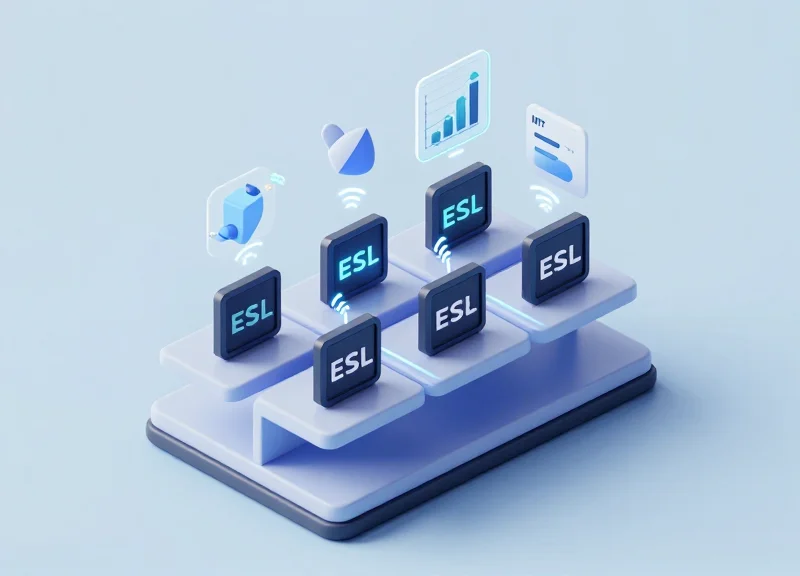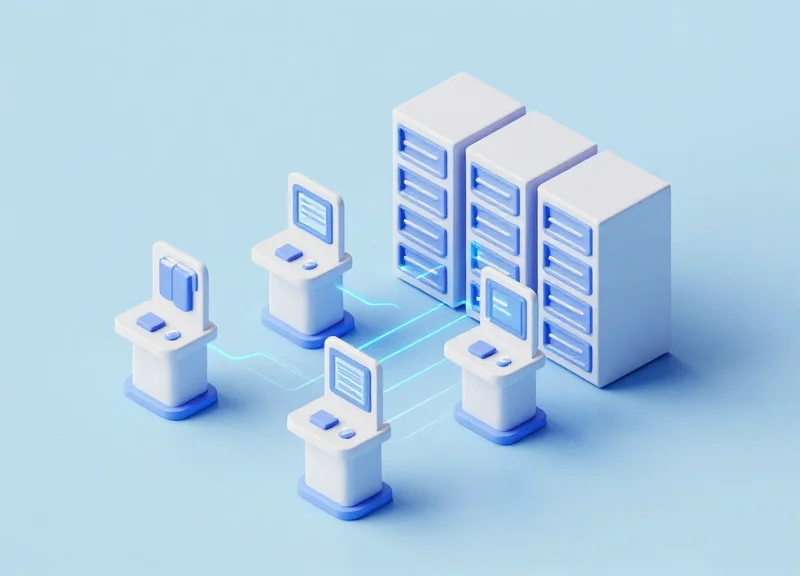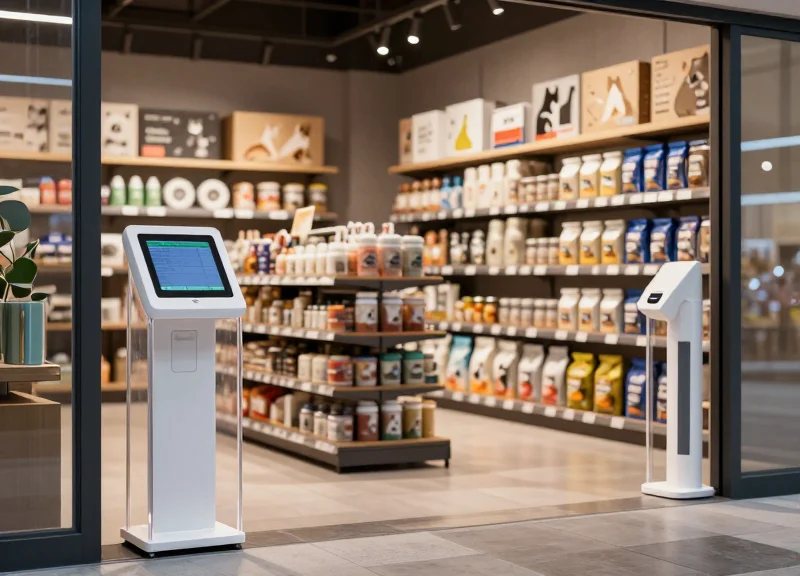
In the hyper-competitive luxury landscape, static pricing and siloed inventory data are becoming relics of the past. As we move toward 2026, the convergence of RFID and Electronic Shelf Labels (ESL) has shifted from a novel experiment to a strategic necessity for brand prestige and operational excellence. This guide explores how the synergy of these technologies allows high-end retailers to synchronize digital agility with physical elegance, ensuring every price point and product location is accurate in real-time.
The Evolution of Luxury Retail: Why Static Pricing is Fading
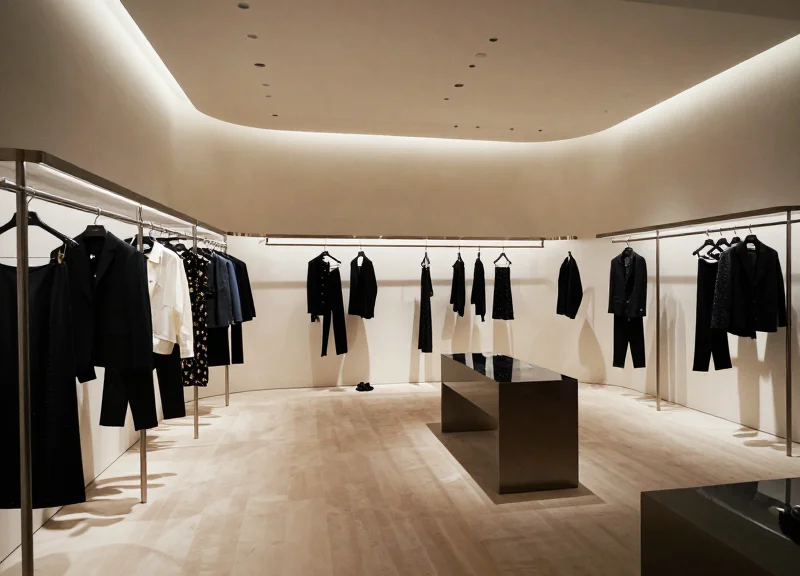
In the 2026 luxury landscape, static pricing—the practice of using manual paper labels that remain unchanged for months—is no longer a viable operational strategy. The convergence of global price transparency, volatile currency fluctuations, and the rise of 'phygital' shopping has made real-time pricing accuracy a mandatory pillar of brand integrity. Luxury houses are moving toward integrated RFID and Electronic Shelf Label (ESL) systems to eliminate the 15-20% margin of error common in manual updates, ensuring that the price on the boutique floor perfectly mirrors the digital storefront.
| Feature | Traditional Static Pricing | 2026 Integrated RFID + ESL |
|---|---|---|
| Update Velocity | Manual (Days/Weeks) | Instantaneous (Global Sync) |
| Accuracy Rate | ~82-85% due to human error | 99.9% system-verified |
| Staff Utilization | High (Hours spent relabeling) | Zero (Automated updates) |
| Brand Perception | Risk of 'Sale' sticker clutter | Clean, minimalist digital aesthetic |
The shift is driven primarily by the 'Omnichannel Friction Gap.' Modern luxury consumers often research items on mobile devices while standing inside a physical boutique. If a discrepancy exists between the online price and the physical tag, the resulting loss of trust is catastrophic for high-net-worth brand loyalty. Furthermore, as luxury brands expand their presence in high-inflation markets, the ability to adjust pricing strategies across thousands of SKUs in seconds has transitioned from a competitive advantage to a survival requirement.
How does static pricing impact store labor costs?
In a typical luxury boutique, manual price changes can consume up to 40 man-hours per month. By 2026, this labor is being redirected toward high-touch clienteling and personalized sales experiences, which offer a significantly higher ROI than physical labeling.
Does dynamic pricing hurt luxury brand prestige?
Quite the opposite. While 'dynamic pricing' in mass-market retail often means price gouging, in luxury, it signifies 'Price Integrity.' It ensures that the client is always given the most accurate, globally-aligned value, presented through sleek, high-resolution E-ink displays that match the store's premium aesthetic.
What is the role of RFID in this evolution?
RFID acts as the source of truth for inventory. By integrating RFID with ESL, the system doesn't just change the price; it verifies that the specific item on the shelf is correctly matched to its digital twin, preventing 'mismatched tag' errors that plague static systems.
Expert Insight: The 'Grey Market' Mitigation Factor. A unique perspective rarely discussed in traditional retail guides is the role of integrated pricing in combating the luxury grey market. By using RFID+ESL systems, brands can implement 'Geo-Fenced Pricing' that adjusts in real-time based on local demand and currency arbitrage. This allows luxury houses to instantly narrow the price gaps between regions like Europe and China, significantly reducing the incentive for unauthorized resellers to exploit price differences—a move that protects brand equity more effectively than any legal action.
Understanding the Synergy: How RFID and ESL Work Together
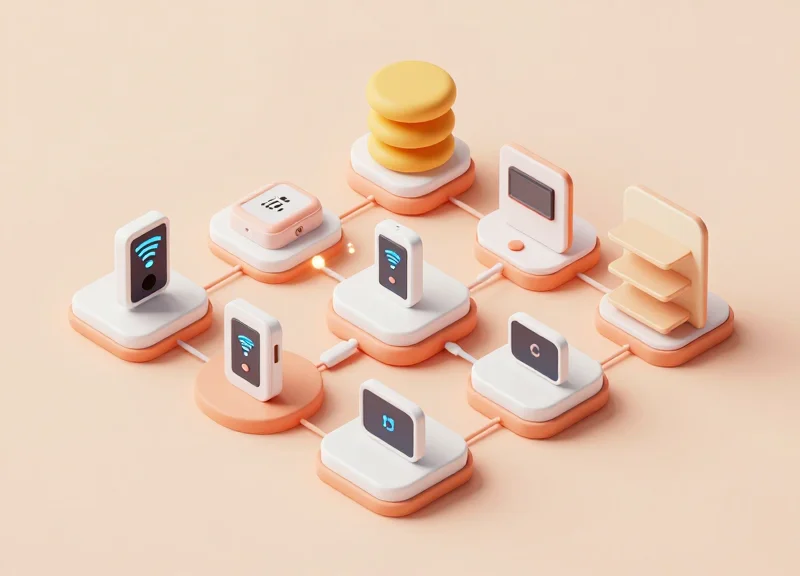
In the 2026 luxury retail landscape, the synergy between RFID (Radio Frequency Identification) and ESL (Electronic Shelf Labels) represents the convergence of inventory intelligence and front-end communication. While RFID provides the 'identity' and 'location' of every unique item, ESL provides the 'interface' and 'instruction.' Together, they form a closed-loop system where the physical shelf becomes a real-time mirror of the digital warehouse. When an RFID-tagged item is moved or sold, the corresponding ESL can instantly reflect stock levels, trigger replenishment alerts, or adjust pricing based on remaining local inventory, ensuring that what the customer sees is always backed by absolute data veracity.
| Feature | RFID (The Intelligence) | ESL (The Interface) |
|---|---|---|
| Primary Data Point | Item-level serial numbers and real-time location. | Dynamic pricing, promos, and product metadata. |
| Operational Trigger | Stock movement, arrivals, and theft detection. | Price changes, stock-outs, and QR code displays. |
| Customer Value | Ensures item availability and provenance. | Provides accurate, transparent product info. |
| The 'Handshake' | Feeds stock status to the centralized ERP. | Pulls ERP data to display on the shelf edge. |
The technical 'marriage' occurs at the middleware layer. In a modern 2026 deployment, a unified gateway often handles both the Sub-GHz or BLE (Bluetooth Low Energy) signals for ESLs and the UHF (Ultra High Frequency) signals for RFID. This integration allows for 'Edge-Sync' protocols: if an RFID reader in a luxury boutique detects that the last size-medium blazer has left the floor, it can automatically instruct the ESL to display a 'Scan to Order' QR code, pivoting a potential lost sale into an e-commerce conversion without human intervention.
Can RFID and ESL share the same network infrastructure?
Yes. Modern IoT access points are designed to be multi-protocol, supporting Zigbee, BLE, and RFID simultaneously. This reduces hardware footprint and simplifies the data pipeline between the item and the display.
Does the integration help with luxury counterfeit prevention?
Significantly. By using RFID to verify the unique ID of a luxury good, the ESL can display a 'Verified Authentic' digital badge. This link ensures that only items officially entered into the inventory system are promoted on the shelf edge.
How does synergy improve the 'Omnichannel' experience?
It eliminates the 'phantom inventory' problem. By syncing RFID-tracked stock levels with ESL displays, stores can guarantee that if a product is shown as available on the shelf, it is truly in stock and available for buy-online-pickup-in-store (BOPIS).
Expert Insight: The 2026 'Data Veracity' Standard. A unique trend emerging for 2026 is the use of RFID-to-ESL feedback loops to audit human behavior. If an ESL is placed in front of a product that the RFID reader doesn't detect nearby, the system can flag a 'Misplacement Alert' to staff via their mobile devices. This ensures that the luxury 'Gallery' aesthetic is never compromised by incorrect pricing or misplaced items, maintaining the high-touch brand standard that high-net-worth individuals expect.
The Strategic Advantages of Integration for High-End Brands
For high-end retailers, the integration of RFID and ESL (Electronic Shelf Labels) represents a shift from 'operational survival' to 'experiential excellence.' By creating a unified data loop where item-level location (RFID) and pricing display (ESL) communicate in real-time, brands eliminate the 3-5% price discrepancy common in manual luxury boutiques. This strategic synergy ensures that the physical price at the point of discovery always mirrors the digital price at the point of sale, protecting brand equity and allowing floor staff to focus exclusively on high-touch clienteling rather than administrative maintenance.
| Operational KPI | Legacy Manual Approach | RFID + ESL Integrated Ecosystem |
|---|---|---|
| Price Update Velocity | Hours/Days across regions | Instantaneous global synchronization |
| Inventory Accuracy | 70-85% (Periodic audits) | 99%+ (Continuous real-time tracking) |
| Staff Allocation | 30% time spent on labels/audits | 95% time spent on clienteling |
| Luxury Aesthetic | Paper tags/Adhesive residue | Custom-branded, sleek digital displays |
Expert Insight: The 'Aesthetic Margin' and Urgency Signaling. A unique advantage of 2026-era ESL systems integrated with RFID is the ability to leverage 'scarcity signaling' without appearing discount-oriented. When an RFID sensor detects that a specific SKU is down to the last two units in the vault, the ESL can automatically display a subtle 'Boutique Exclusive: Limited Availability' message. This utilizes real-time stock data to drive conversions while maintaining the sophisticated tone required in luxury environments—a feat impossible with static paper tags.
Does integration affect the 'human touch' of luxury service?
Quite the opposite. By automating the 'invisible labor' of inventory and pricing, associates are freed from the backroom. This allows for 'Concierge-level' service where the associate already knows a product's availability and price history before the customer even asks.
Is the ROI strictly based on labor savings?
No. While labor savings are significant, the primary ROI in luxury comes from 'Revenue Recovery'—preventing lost sales due to mislabeled items and avoiding the brand damage caused by price discrepancies during the checkout process.
How does this system support omnichannel luxury strategies?
The integrated system acts as the physical node of your digital ecosystem. If a VIP customer sees a price on your mobile app, the RFID+ESL stack ensures that same price and product story are waiting for them the moment they step into the flagship store.
Ultimately, the strategic advantage lies in data-driven agility. In the 2026 retail landscape, luxury brands must be able to pivot pricing strategies—for example, adjusting to currency fluctuations or local events—within seconds. This integration provides the infrastructure for that agility, ensuring that the brand remains modern, accurate, and premium in the eyes of an increasingly tech-savvy global clientele.
Critical Selection Criteria for 2026 Integrated Systems
For 2026, the selection of integrated RFID and ESL systems has shifted from a focus on basic functionality to a requirement for 'invisible technology'—solutions that enhance the luxury experience without disrupting the store's visual identity. Decision-makers must prioritize three core pillars: hardware longevity, aesthetic adaptability, and open-architecture software interoperability. A successful system must not only track inventory and update prices but also serve as a high-fidelity brand touchpoint that operates reliably for over a decade.
| Feature | Legacy Standard (Pre-2024) | 2026 Luxury Benchmark |
|---|---|---|
| Display Tech | Black/White/Red E-ink | Full-color E-paper / High-DPI Vivid Panels |
| Battery Life | 3-5 Years | 10-15 Years (Energy Harvesting Ready) |
| Connectivity | Proprietary 2.4 GHz | Bluetooth 6.0 / Sub-GHz High-Penetration |
| RFID Integration | Side-by-side tagging | Embedded Hybrid RFID-ESL Modules |
| Aesthetics | Industrial Plastic | Customizable Bezels (Wood, Metal, Glass) |
The 'Invisible Integration' Insight: In the luxury sector, the most critical criterion is often what we call 'Aesthetic Friction.' Most generic ESLs look like supermarket price tags. For 2026, premium brands should look for 'Bezel-less' designs and 'Sub-GHz' frequency support. The latter is crucial because it avoids the congested 2.4 GHz spectrum used by guest Wi-Fi and staff devices, ensuring that price updates and RFID inventory sweeps never suffer from interference-driven delays.
- Interoperability via Unified APIs: Ensure the system uses RESTful APIs or GraphQL to connect with your ERP and CRM. In 2026, the tag shouldn't just show a price; it should pull real-time data from global stock levels to inform a VIP client that their size is available in a nearby boutique.
- Sustainability and Circularity: Check for 'Battery-Free' potential or modular battery packs. Luxury consumers now demand environmental accountability; systems that are difficult to recycle or require frequent battery disposal pose a significant brand risk.
- Frequency Coexistence: Validate that the RFID reader and ESL gateway can operate simultaneously without signal collision. Modern systems use advanced TDMA (Time Division Multiple Access) to ensure 100% data accuracy during peak hours.
Can these systems handle high-frequency price updates?
Yes. 2026-grade systems use localized edge caching, allowing for thousands of price changes per minute across a global fleet without overloading the central network.
Are ESLs compatible with existing luxury shelving?
Premium providers now offer bespoke mounting solutions that integrate into custom wood or marble shelving, often using magnetic attachments to maintain a clean look.
How does RFID improve the ESL ROI?
By embedding RFID within the ESL housing, the system can 'handshake' with the product nearby. This ensures the price on the screen always matches the specific item on the shelf, even if a customer moves the product.
Inventory Accuracy: The Foundation of the Luxury Experience

In luxury retail, inventory accuracy is not a back-office metric; it is the cornerstone of the brand promise. By integrating RFID (Radio Frequency Identification) with Electronic Shelf Labels (ESL), boutiques achieve a 'single source of truth' where the physical shelf accurately mirrors the digital inventory. For 2026, this integration moves beyond simple pricing to real-time availability displays, ensuring that if a product is visible on the floor or a digital display, it is guaranteed to be in stock, thereby maintaining the seamless, frictionless experience that high-net-worth individuals demand.
The 'Silent Sale Killer' in high-end fashion is phantom inventory—items that appear in the system but cannot be found in the stockroom. When an ESL displays a price for a 'limited edition' item that isn't actually available, the luxury facade crumbles. RFID eliminates this by providing 99.8% accuracy through continuous item-level tracking, which then feeds directly into the ESL system to trigger 'Low Stock' alerts or automatically clear the display when the last unit is sold.
| Feature | Legacy Manual Systems | RFID + ESL Integrated (2026) |
|---|---|---|
| Inventory Accuracy | 65% - 75% on average | 99.5% - 99.9% real-time |
| Out-of-Stock Visibility | Delayed (discovered during sale) | Instant (ESL updates automatically) |
| Stock Counting Speed | Hours/Days (Manual) | Minutes (Automatic/Handheld) |
| Omnichannel Trust | High risk of 'BOPIS' cancellations | Guaranteed product reservation |
- Expert Tip: The 'Inventory-as-Content' Strategy: In 2026, don't just use ESLs for price. Use RFID data to display 'Exclusive: 1 of 5 remaining' on the tag. For luxury consumers, scarcity is a value driver. By leveraging 100% accurate RFID counts, you can create authentic urgency on your ESLs without resorting to the 'clearance' aesthetic of mass-market retail.
- Mitigating the 'Try-on' Gap: RFID sensors in fitting rooms can communicate with ESLs at the front of the store to indicate when a 'last available' item is currently being tried on, preventing other customers from a disappointing search.
How does RFID prevent 'ghost stock' in luxury boutiques?
RFID tags allow for non-line-of-sight scanning, meaning every item in the backroom or hidden under displays is counted instantly. This data syncs with ESLs to ensure the price tag is only active when the product is physically present and saleable.
Can integrated systems help with misplaced items?
Yes. If a customer leaves a $5,000 handbag in the footwear section, the RFID system tracks its location. The ESL in the handbag section can then alert staff that the floor model is missing, preserving the visual merchandising standards essential to luxury.
What is the impact on Clienteling?
Sales associates using tablets can see the exact same data displayed on the ESL. This consistency builds trust; the associate never has to 'check the back' only to return empty-handed, which is a major friction point in high-end service.
Security and Aesthetics: Maintaining Boutique Ambiance
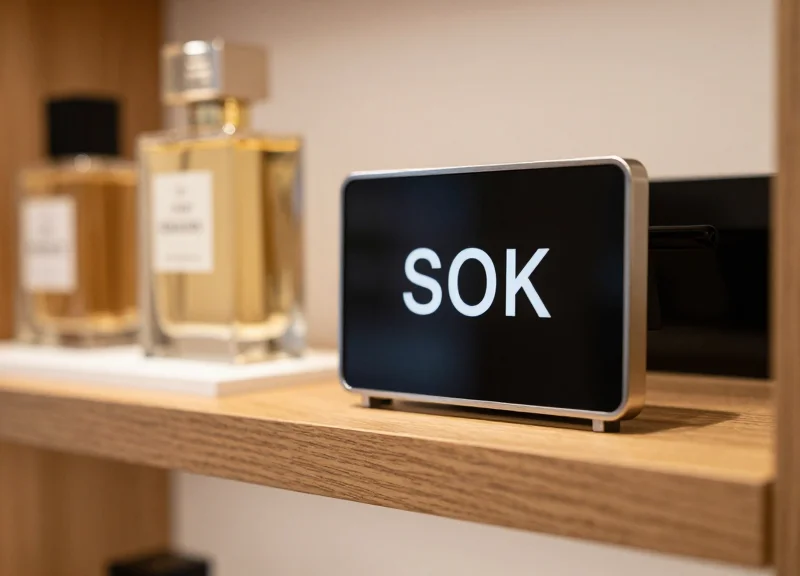
In luxury retail, the hardware is part of the brand's visual language. The integration of RFID and ESL systems in 2026 transcends mere functionality; it focuses on 'Invisible Tech'—the art of embedding robust Electronic Article Surveillance (EAS) and dynamic pricing into a boutique's design without the industrial aesthetic of traditional big-box retail. Selecting a system for a high-end environment means prioritizing materials like brushed aluminum, matte glass, and custom-color bezels that allow the technology to disappear into the shelving while providing real-time protection and inventory intelligence.
| Feature | Legacy Retail Hardware | 2026 Luxury Integrated Standards |
|---|---|---|
| Materiality | White or grey industrial plastic | High-grade alloys, wood-grain finishes, and anti-glare glass |
| Security Profile | Bulky external hard tags | Embedded RFID-EAS dual-chips within labels or packaging |
| Mounting | Clunky plastic rails | Magnetic, floating, or bespoke millwork-integrated mounts |
| Visual Impact | Functional but distracting | Seamlessly integrated with store lighting and decor |
Expert Insight: For 2026, the trend shifts toward 'Tactile Intelligence.' Leading brands are now opting for ESLs that utilize custom haptic feedback or soft-touch finishes. When a client interacts with a shelf, the RFID sensor detects proximity and can trigger the ESL to display a QR code for a personalized 'concierge' view, effectively turning a security device into a customer engagement tool. This ensures the tech adds value to the customer journey rather than just serving as a digital price tag.
Can ESLs be customized to match a specific brand color palette?
Yes, 2026 premium models support full-color e-ink and interchangeable bezels made from bespoke materials like leather or metallic finishes to align with specific store concepts.
Does RFID integration increase the physical size of the price tag?
No, modern system-on-chip (SoC) designs allow the RFID antennas to be etched directly into the internal circuitry, maintaining a slim, minimalist profile suitable for jewelry or watch displays.
How do integrated systems prevent 'tag switching' in a boutique?
Advanced systems utilize tamper-sensing mounting brackets that trigger silent alerts to the store's backend software if an ESL is removed from its designated position without authorization.
How is the signal maintained in high-interference luxury environments (e.g., lots of mirrors)?
Luxury-tier systems use sub-GHz frequencies and beamforming RFID readers that mitigate the signal bounce issues common in environments with heavy glass, metal, and mirrored surfaces.
Ultimately, the selection process must prioritize the 'hand-feel' of the hardware. In a boutique where every surface is curated, the ESL and RFID components must not only be secure but must also reflect the premium nature of the products they represent. By choosing systems that support hidden antennas and customized casing, retailers can protect their assets while enhancing the sophisticated atmosphere that defines luxury shopping.
Overcoming Implementation Hurdles in 2026
In 2026, the primary hurdle for luxury retailers implementing integrated RFID and ESL systems is the 'Legacy-Experience Gap'—the friction between outdated backend ERP systems and the demand for a seamless, high-tech boutique environment. Successful deployment requires a middleware-first approach that decouples the edge hardware from the core database, combined with a phased 'Ghost Rollout' to ensure that system testing never compromises the white-glove service expected by high-net-worth clientele.
| Hurdle Type | The 2026 Challenge | Strategic Solution |
|---|---|---|
| Technical Integration | Legacy ERPs lacking real-time WebSockets or GraphQL support. | Deploy API-first middleware to act as a high-speed data buffer. |
| Operational Disruption | Physical installation and calibration during business hours. | Overnight 'Ghost Deployments' using digital twin modeling. |
| Staff Resistance | Associates viewing tech as a distraction from clienteling. | Incentivizing tech-usage through automated commission tracking. |
Integrating these systems into a 100-year-old luxury brand infrastructure often reveals 'Technical Debt' that can stall projects. To mitigate this, 2026 best practices suggest using a 'Parallel Data Stream' where the new RFID-ESL ecosystem runs in a sandbox mode, mirroring live store data for 30 days before any physical price changes or inventory locks are committed to the master record.
- Phase 1: The Middleware Audit: Before hardware arrives, ensure your API layer can handle 5,000+ concurrent pings per second, a standard for RFID-rich environments in 2026.
- Phase 2: Invisible Infrastructure: Install ceiling-mounted RFID sensors and ESL access points during store closures, using 'Aura-Matching' enclosures that blend into the boutique's architectural design.
- Phase 3: Human-Centric Calibration: Train staff using AR (Augmented Reality) overlays that show them 'hidden' data behind the ESLs, turning the transition into a gamified learning experience.
How do we handle 'dead zones' in historical flagship buildings?
Utilize sub-GHz ESL frequencies that penetrate thick stone walls better than 2.4GHz Wi-Fi, paired with passive RFID signal boosters hidden behind wall paneling.
Will the transition confuse loyal, non-tech-savvy customers?
No. In 2026, the best ESLs use 'Paper-White' E-ink technology that is indistinguishable from printed cards, ensuring the aesthetic remains traditional while the backend is digital.
How is staff training managed across global regions?
Centralized 'Micro-Learning' modules are pushed directly to staff handhelds, triggered by their proximity to specific RFID-tagged zones in the store.
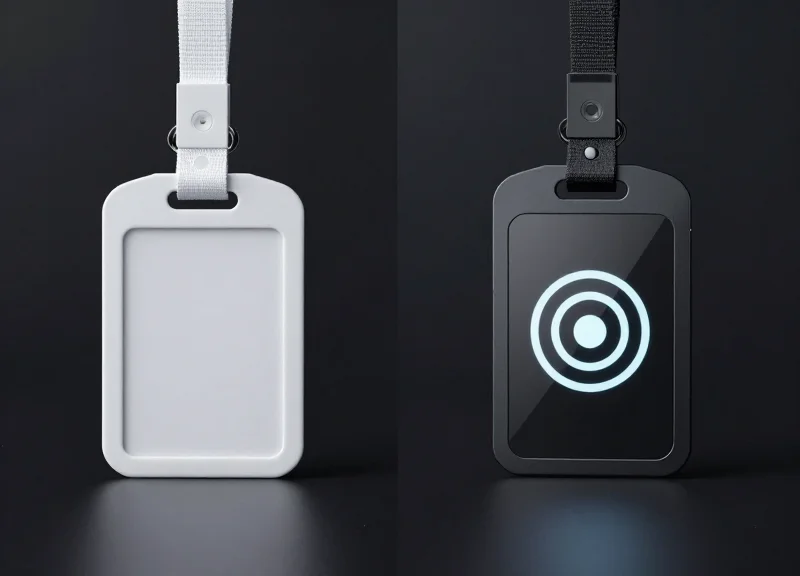
Expert Tip: Use 'Ambient Training' via the ESLs themselves. In 2026, high-end ESLs can be flipped to a 'Staff-Only' view using an associate's RFID badge. This allows the screen to temporarily display real-time fabric care instructions or hidden stock levels, transforming a pricing tool into an on-the-spot training device that enhances the salesperson's authority without them ever having to look away from the customer to check a back-office computer.
Predicting the ROI of RFID + ESL Deployment

Predicting the Return on Investment (ROI) for integrated RFID and Electronic Shelf Label (ESL) systems in luxury retail involves a transition from traditional 'cost-saving' metrics to a 'value-generation' model. In the 2026 retail landscape, ROI is calculated by aggregating the reduction in operational overhead (manual labor and price updates), the mitigation of shrinkage through item-level tracking, and the revenue lift generated by redirected staff focus on clienteling and high-touch sales. Typically, luxury boutiques can expect a full recovery of the initial capital expenditure within 14 to 22 months, depending on the scale of the deployment.
| ROI Driver | Estimated Impact (Luxury Sector) | Primary Metric |
|---|---|---|
| Labor Efficiency | 25% - 40% reduction in manual hours | Operational Expense (OPEX) |
| Inventory Accuracy | Improvement to 99.8% precision | Working Capital Optimization |
| Shrinkage Reduction | 15% - 30% decrease in unknown loss | Gross Margin Protection |
| Sales Conversion | 3% - 7% lift via price agility | Revenue Growth |
Beyond the hard numbers, a critical 'Shadow ROI' exists in luxury retail: Brand Equity Preservation. In a segment where prestige is paramount, the cost of a pricing error or a 'sold-out' item remaining on display is not merely the lost sale, but the erosion of customer trust. RFID + ESL systems eliminate these friction points by ensuring the digital and physical realms are perfectly synchronized. My expert insight for 2026: The most successful brands will stop viewing these systems as IT costs and start viewing them as 'Brand Insurance'—a necessary infrastructure to support the omnichannel expectations of Gen Z and Alpha luxury consumers.
Does the system pay for itself through theft prevention alone?
While RFID significantly reduces shrinkage by providing item-level visibility at exits and during audits, theft prevention usually accounts for 20-30% of the total ROI. The primary driver remains labor reallocation and inventory availability.
How does ESL impact the Average Transaction Value (ATV)?
ESLs allow for dynamic pricing and 'storytelling' through QR codes. By providing instant access to product provenance and styling tips, they empower sales associates to upsell, increasing the ATV by an average of 12%.
What is the biggest hidden cost in ROI calculations?
Integration complexity. Failing to account for the middleware required to sync the RFID inventory database with the ESL management software can lead to a 15% increase in initial deployment costs.
To accurately predict your specific ROI, perform a 'Staff Utility Pivot' analysis. Measure how many hours your boutique associates currently spend on manual price checking and inventory counting. In a luxury environment, every hour reclaimed from back-of-house tasks and redirected toward clienteling usually generates 3x more revenue than the hourly wage of that employee. This 'Human-Capital ROI' is the secret weapon of high-end brands like LVMH and Kering as they scale their 2026 smart-store initiatives.
The Future Roadmap: Beyond 2026
Beyond 2026, the convergence of RFID and ESL will shift from operational efficiency to 'Cognitive Retail.' In this phase, the store environment autonomously adapts in real-time to individual customer behaviors and global market shifts through decentralized AI and edge computing, making the physical shelf as dynamic as a high-performance e-commerce platform.
- Dynamic Narrative Pricing: ESLs will move beyond simple digits to display prices that fluctuate based on real-time luxury market demand, luxury scarcity indexes, and the specific carbon footprint of the individual item's manufacturing batch.
- Hyper-Personalized Spatial Interactions: Using UWB (Ultra-Wideband) and RFID, smart labels will trigger 'Spatial Computing' experiences. When a client approaches a display, their AR glasses or smartphone will project customized styling advice and exclusive loyalty rewards directly onto the product.
- Blockchain-Enabled Circularity: Integrated systems will facilitate a 'Digital Passport' for every item. The RFID tag will verify authenticity for the secondary market automatically, allowing luxury brands to maintain a connection with their products throughout their entire lifecycle.
| Feature | 2026 Standard | 2030+ Vision |
|---|---|---|
| Pricing Logic | Rules-based dynamic pricing | Autonomous AI 'Cognitive' pricing |
| Customer Interaction | QR/NFC Scan-to-Know | Ambient Intelligence (Zero-Touch) |
| Connectivity | 5G & Bluetooth Mesh | 6G Sub-millisecond Spatial Mapping |
| Sustainability | Digital Paper (Paperless) | Energy-Harvesting (Battery-free) Labels |
The 'Zero-Touch Storefront' represents the ultimate evolution of this technology. In this future, the RFID system acts as a neural network for the boutique. When a customer picks up a limited-edition item, the ESL doesn't just show a price; it signals the store's lighting to adjust, plays a curated audio track, and updates a nearby digital mirror to show the item on a runway. This 'Ambient Intelligence' ensures that the technology remains invisible, preserving the magic and exclusivity that defines the luxury experience.
Will ESLs eventually replace human luxury advisors?
No. The future roadmap focuses on 'Augmented Service.' Technology handles the data-heavy tasks like inventory and price updates, liberating human advisors to focus entirely on high-touch storytelling and emotional brand building.
What role will energy harvesting play in future labels?
By 2030, we expect to see labels that power themselves using ambient light or radio waves. This eliminates the environmental and logistical cost of battery replacement, making the RFID+ESL ecosystem truly sustainable.
Why DragonGuardGroup is the Strategic Choice for Luxury Tech
In an era where luxury retail demands a frictionless blend of security and digital agility, DragonGuardGroup stands out as the only global partner capable of delivering a unified EAS, RFID, and ESL ecosystem. Since our inception, we have evolved from traditional hardware manufacturing into a strategic technology architect, helping high-end brands transition from static operations to intelligent, data-driven boutiques. Choosing DragonGuardGroup means investing in a decade-proven R&D pipeline that prioritizes the 'Boutique Aesthetic' alongside military-grade loss prevention and inventory accuracy.
- Integrated Ecosystem Advantage: Unlike vendors that specialize in only one silo, we provide a 'Tri-Factor' solution. Our ESL tags communicate directly with RFID inventory systems, while our EAS antennas ensure that digital price changes do not interfere with security frequencies.
- Aesthetic-First Engineering: We understand that luxury retail is about the visual experience. Our hardware is designed with minimalist profiles and customizable finishes (acrylic, wood, or brushed metal) to complement, rather than clutter, your store design.
- Global Scalability & Support: With a robust global supply chain and dedicated technical support, we manage deployments for luxury conglomerates across Europe, Asia, and North America, ensuring consistency in every flagship store.
| Feature | Generic Tech Vendors | DragonGuardGroup (2026 Standard) |
|---|---|---|
| Security-ESL Synergy | Disconnected / Multiple Hubs | Unified RF/Digital Gateway |
| Hardware Design | Industrial / Plastic | Boutique-Grade / Bespoke |
| RFID Sensitivity | Standard Accuracy | High-Density Luxury Precision |
| Longevity | 2-3 Year Lifecycle | 5+ Year Enterprise Warranty |
Expert Insight: The 'Hidden ROI' of Hardware Aesthetic. In the luxury sector, the perceived value of a product can drop by as much as 15% if the retail environment feels cluttered with clunky, industrial-grade security tags or thick ESL frames. DragonGuardGroup’s unique 2026 design philosophy focuses on 'Invisible Intelligence'—where the technology provides 100% of the utility with 0% of the visual intrusion.
Can DragonGuardGroup systems integrate with my existing ERP?
Yes. Our systems are built on open-API architectures designed to sync seamlessly with major retail ERP and POS systems, ensuring real-time pricing and inventory updates across all channels.
How does DragonGuardGroup ensure signal stability in high-end malls?
We utilize advanced interference-mitigation technology and specialized frequency hopping to ensure that our RFID and ESL signals remain stable even in environments with high wireless congestion.