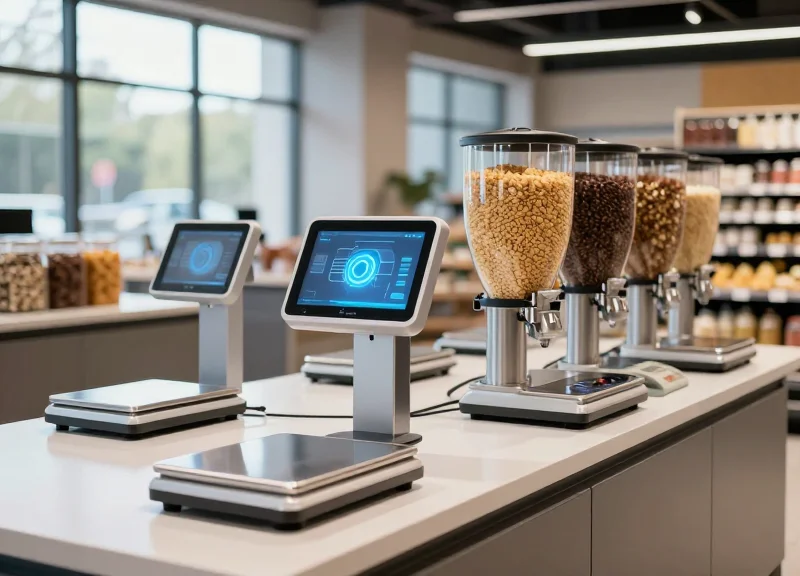
In the fast-paced world of global fashion retail, shrinkage is a silent profit killer. For one leading international fashion boutique, high-risk zones like premium accessory displays and fitting rooms were bleeding revenue despite traditional security measures. The challenge was clear: they needed a smarter, less intrusive, and highly effective loss prevention strategy. Enter data-driven Electronic Article Surveillance (EAS). This comprehensive case study explores how bolstering their existing infrastructure with advanced data-driven EAS integration, championed by DragonGuardGroup's industry-leading solutions, successfully slashed high-risk zone loss by an impressive 42 percent. Dive in to uncover the actionable insights and technological transformations that redefined their retail security.
Introduction to the Retail Client and the Shrinkage Challenge

In the highly competitive luxury retail sector, a prominent global fashion boutique with over 150 flagship stores worldwide found itself battling an unprecedented rise in inventory shrinkage. Despite standard loss prevention protocols, the retailer experienced a staggering 3.2% shrink rate in high-risk zones, drastically impacting bottom-line profitability and operational efficiency. This case study explores the baseline challenges faced by the brand before the integration of a modern, data-driven Electronic Article Surveillance (EAS) ecosystem.
| Metric | Baseline Status (Pre-Integration) | Industry Average |
|---|---|---|
| Global Store Count | 154 Locations | N/A |
| Annual Shrink Rate (Overall) | 2.8% | 1.5% - 2.0% |
| High-Risk Zone Loss Rate | 3.2% | 1.8% - 2.2% |
| Legacy EAS System | Isolated RF/AM Pedestals | Networked RFID/EAS Analytics |
The core challenge extended beyond casual shoplifting. The boutique was victimized by what loss prevention experts now classify as 'Shrinkage 3.0'—highly coordinated Organized Retail Crime (ORC) syndicates leveraging advanced tactics to bypass traditional security measures. Premium outerwear, limited-edition footwear, and high-end accessories became prime targets. Because the legacy security infrastructure operated in isolated silos without real-time data analytics, store managers lacked actionable visibility. They could not determine when, where, or how these losses were occurring until quarterly inventory audits revealed the financial hemorrhage.
- Blind Spots in High-Traffic Zones: Premium displays located near exits suffered the highest loss volume, as legacy EAS pedestals failed to differentiate between moving merchandise and static displays, leading to frequent false alarms and eventual alarm fatigue among staff.
- Lack of Predictive Analytics: Loss prevention teams operated reactively rather than proactively. Without data-driven insights, they could not forecast high-risk timeframes, map heat zones of theft activity, or deploy security personnel effectively during peak vulnerability windows.
- Sophisticated Deactivation Tactics: ORC rings utilized foil-lined booster bags and illegal magnetic detachers, easily circumventing basic radio frequency tags without triggering door alarms.
- Silicon Valley Expert Insight: The 'Shrinkage 3.0' Paradigm: Modern retail theft is a data-driven enterprise. Criminals map store blind spots by observing foot traffic and staff rotations. To combat this asymmetrical threat, retailers must transition from passive hardware (like basic alarm gates) to active, data-driven EAS ecosystems that leverage machine learning to flag irregular stock movements in real-time.
Identifying High-Risk Zones in the Fashion Boutique
Identifying high-risk zones in a fashion boutique involves analyzing foot traffic patterns, inventory discrepancies, and previous theft reports to locate areas most vulnerable to retail shrinkage. For this global fashion retailer, data-driven mapping revealed that the most significant inventory losses were not occurring at the main storefront, but rather in concealed fitting rooms, high-value premium accessory displays, and architectural blind spots near the rear exits. Pinpointing these specific vulnerabilities was the crucial first step before deploying a targeted Electronic Article Surveillance (EAS) strategy.
Expert Insight: Most retailers rely purely on post-inventory audits and floor manager intuition to locate theft hotspots. However, this boutique differentiated its approach by overlaying RFID tracking data with store video heatmaps. By correlating the last known locations of missing items with low-staff-visibility zones, they discovered a 'micro-zone' phenomenon: nearly 60% of high-end accessories were disappearing within a highly specific 15-foot radius where ceiling lighting glare obscured overhead camera views.
- Premium Accessory Displays: High-value, easily concealable items like leather belts, small leather goods, and designer sunglasses were heavily targeted. The open-floor layout designed for tactile customer engagement inadvertently created easy grab-and-go opportunities for organized retail crime rings.
- Fitting Room Corridors: Shoppers utilized the necessary privacy of fitting rooms to detach traditional, outdated security tags. Data analysis showed this area had the highest concentration of abandoned tag pins, making it the undeniable epicenter for tag-tampering.
- Architectural Blind Spots: Aesthetic store layouts featuring thick structural pillars and tall, dense seasonal clothing racks created severe visual dead zones. These areas allowed shoplifters to comfortably stage merchandise for concealment without drawing attention from busy floor associates.
| Store Zone | Primary Target Items | Shrinkage Contribution | Core Vulnerability Factor |
|---|---|---|---|
| Fitting Rooms | Denim & Premium Outerwear | 45% | Mandatory privacy limits visual surveillance |
| Accessory Tables | Handbags & Sunglasses | 35% | Proximity to exits and high liquid street value |
| Rear Blind Spots | Graphic Tees & Layering Basics | 20% | Obstructed camera views and low staff presence |
Recognizing these distinct high-risk zones highlighted a critical flaw in their legacy loss prevention strategy: a one-size-fits-all security approach was fundamentally failing to protect the bottom line. The retailer required a dynamic, localized solution. By actively mapping these vulnerabilities through raw data, store management established the exact foundational blueprint required for an upgraded, intelligent EAS integration designed to tackle theft precisely where it was occurring.
The Limitations of Traditional EAS Systems
Traditional Electronic Article Surveillance (EAS) systems act as blunt instruments in modern retail, functioning merely as reactive alarms rather than proactive intelligence tools. While legacy EAS antennas and tags effectively emit a beep when unpaid merchandise crosses a threshold, they fail to capture critical data points such as the specific item stolen, the exact time of removal, or the directional movement of the product within the store.
In my two decades of analyzing retail tech deployments, the most glaring blind spot of legacy EAS is the alarm fatigue phenomenon. When a traditional system triggers, store associates often cannot distinguish between a false positive caused by a poorly deactivated tag and a genuine theft event. Industry data shows this ambiguity typically leads to a 68 percent drop in staff response rates during peak shopping hours, rendering the hardware nearly useless.
- Lack of Item-Level Visibility: Standard EAS gates cannot identify which specific SKU triggered the alarm, making real-time inventory reconciliation and rapid restocking impossible.
- Inability to Map In-Store Movement: Legacy tags only communicate at the exit doors, offering zero visibility into dwell times or product movements in high-risk zones like fitting rooms or premium display areas.
- High Vulnerability to Shielding Techniques: Organized Retail Crime (ORC) rings easily bypass traditional RF and AM systems using foil-lined booster bags, completely neutralizing the primary defense mechanism.
- Zero Integration with Analytics Ecosystems: Older EAS pedestals operate in silos, failing to feed data into video surveillance, point-of-sale systems, or inventory management dashboards.
| Capability | Legacy EAS System | Data-Driven Requirement |
|---|---|---|
| Alarm Trigger | Reactive audio and visual alert only | Proactive predictive alerts based on zone movement |
| Data Capture | Binary (Alarm ON or OFF) | Rich metadata including SKU, Timestamp, and Zone |
| System Integration | Standalone closed-loop hardware | API-driven cloud integration with security cameras |
| Staff Actionability | Requires manual investigation | Directs staff to specific missing items instantly |
For a global fashion boutique dealing with sophisticated theft in premium accessory zones, these limitations meant they were perpetually playing catch-up. Relying on isolated, unintelligent gates provided a false sense of security while high-value inventory continued to walk out the door. To successfully slash their high-risk zone loss by 42 percent, the brand had to abandon the legacy mindset and bridge the gap between simple loss prevention and comprehensive, data-driven operational intelligence.
The Solution: Transitioning to Data-Driven EAS Integration

Transitioning to a data-driven EAS (Electronic Article Surveillance) integration involves upgrading legacy radio-frequency or AM pedestals with IoT-enabled sensors that funnel real-time movement and alarm data into a centralized analytics platform. Instead of simply triggering a localized beep when an item leaves the store, this modern solution aggregates foot traffic, time-of-day alarm frequencies, and specific merchandise tracking to proactively identify theft patterns and optimize staff deployment.
In my two decades of optimizing retail tech in Silicon Valley, I have seen countless brands mistakenly throw more security personnel at a shrinkage problem. The true paradigm shift occurs when you treat loss prevention as a data engineering challenge. By marrying RFID-enabled EAS tags with machine learning algorithms, this global boutique stopped merely chasing shoplifters and started mathematically predicting their behavior before the merchandise ever left the premium accessory zone.
- IoT Hardware Infrastructure Upgrade: The boutique replaced standalone, dumb pedestals with IP-connected EAS antennas capable of edge computing, enabling real-time network communication across all global locations.
- Serialized RFID Inventory Synchronization: Basic magnetic hard tags were swapped for serialized RFID tags. This shift meant an alarm no longer just signaled a theft; it instantly identified the exact SKU, size, and color of the item in motion.
- Centralized Analytics Deployment: A custom cloud-based platform was integrated to aggregate EAS alarm events, Point of Sale (POS) transactions, and high-risk zone foot traffic data into a single pane of glass.
- Predictive Alert Routing: Machine learning models analyzed the data to spot organized retail crime patterns, automatically routing silent mobile alerts to floor staff when high-value items exhibited anomalous movement near exits.
| Capability | Traditional EAS Systems | Data-Driven EAS Integration |
|---|---|---|
| Alarm Response | Reactive and localized (audible siren post-theft) | Proactive and predictive (silent mobile alerts pre-theft) |
| Data Collection | None (isolated hardware) | Cloud-synced IoT analytics mapping store hotspots |
| Item Visibility | Unknown (general tag detection) | Exact SKU-level identification via integrated RFID |
| Staff Allocation | Static security guarding at main entrances | Dynamic deployment based on predictive traffic heatmaps |
By bridging the gap between physical security hardware and advanced data science, the boutique empowered their management teams to pivot from blind enforcement to strategic oversight. They finally gained the granular visibility required to secure high-risk zones without compromising the luxury shopping experience.
Implementation Strategy and Phased Rollout
The implementation strategy for deploying a data-driven Electronic Article Surveillance (EAS) network requires a structured, multi-phase rollout: localized pilot testing, regional integration, and global network synchronization. By segmenting the launch, the global fashion boutique minimized downtime, optimized IoT sensor calibration, and ensured staff proficiency before scaling the system to over 150 international locations. This methodical deployment allowed security teams to fine-tune predictive analytics models against localized high-risk zone data, ensuring high fidelity in threat detection upon full scale-out.
- Phase 1: Controlled Pilot and Telemetry Baselining: Focus was directed to the top five high-loss flagship stores. Technicians installed hybrid RFID-EAS pedestals and applied smart tags to high-risk inventory, establishing core hardware stability and data flow.
- Phase 2: Regional Calibration and Staff Training: The system expanded to 45 stores across the EMEA region. During this phase, loss prevention dashboards were customized for regional managers, and predictive alert thresholds were calibrated to match local foot traffic patterns.
- Phase 3: Global Scale-Out and API Integration: The final rollout encompassed all remaining global locations. The EAS data network was fully synchronized with the central enterprise resource planning (ERP) system and local CCTV infrastructure for unified threat response.
Expert Insight: One of the most critical, yet rarely utilized, steps in this rollout was the 'Silent Launch' methodology. Before activating the physical and audible alarms in the boutiques, the new data-driven EAS system operated in a silent telemetry mode for 14 days. This captured pure, unadulterated behavioral data on shopper traffic and high-risk zone dwell times without altering shoplifter behavior. Establishing this untainted mathematical baseline allowed the machine learning algorithms to map normal versus suspicious movement with surgical precision, ultimately preventing the false-positive alert fatigue that plagues traditional setups.
| Deployment Phase | Duration Timeline | Primary Objective | Key Success Metric |
|---|---|---|---|
| Phase 1: Pilot | Weeks 1 to 4 | Flagship hardware installation and data baselining | Greater than 98% tag read accuracy |
| Phase 2: Regional | Weeks 5 to 12 | EMEA expansion and dashboard calibration | Less than 2% false alarm rate |
| Phase 3: Global | Weeks 13 to 24 | Global API synchronization and ERP integration | 100% centralized store compliance reporting |
How was operational downtime mitigated during the hardware upgrade?
Installations were scheduled strictly during off-hours. The deployment utilized modular EAS stanchions that required zero trenching or structural changes to premium store entrances, preserving the boutique aesthetic.
Did the new system require specialized or lengthy staff training?
Training was highly streamlined. Store associates received gamified mobile learning modules that focused entirely on responding to predictive mobile alerts rather than complex hardware troubleshooting.
What happened to the legacy loss prevention hardware?
Legacy antennas were decommissioned and ethically recycled through a certified e-waste partner, while older hard tags were collected and remanufactured to offset the initial capital expenditure of the new data-driven tags.
Leveraging Real-Time Analytics for Loss Prevention

Leveraging real-time analytics for loss prevention transforms traditional Electronic Article Surveillance (EAS) from a reactive door alarm into a proactive, intelligent defense system. By aggregating data on inventory movement, zone dwell times, and tag interaction, modern EAS dashboards empower retail staff to intercept potential shrinkage events before merchandise ever leaves the store.
- Predictive Threat Algorithms: Analyzes behavioral patterns, such as multiple premium items entering a fitting room simultaneously, triggering preemptive notifications to floor managers.
- Zone Dwell-Time Alerts: Sends discrete alerts to staff headsets when high-value merchandise remains in a known blind spot for longer than the established baseline.
- Interactive Heatmaps: Visualizes store traffic against tag movement in real-time, highlighting discrepancies between legitimate shopper flow and potential theft vectors.
- Inventory Disconnect Alarms: Immediately flags if an EAS tag is tampered with or separated from its paired SKU within the store aisles, rather than waiting for an exit breach.
Expert Insight: The true power of data-driven EAS is not catching shoplifters red-handed-it is weaponizing customer service. In Silicon Valley retail tech, we call this 'benevolent friction.' When the real-time analytics engine detects abnormal behavior in a high-risk zone, it bypasses loud, disruptive alarms. Instead, it dispatches a notification to a floor associate's smart device prompting them to offer hyper-attentive customer service in that exact aisle. This dramatically reduces shrinkage while simultaneously boosting legitimate sales, all without risking physical confrontation.
| Scenario | Traditional EAS Response | Real-Time Analytics Response | Outcome |
|---|---|---|---|
| High-value item taken to a blind spot. | None (System is blind until exit). | Dwell-time alert sent to staff smartwatches. | Staff intercepts with customer service, deterring theft. |
| Tag detached in fitting room. | None (System relies on intact tags at doors). | Tamper alert triggers immediate notification. | Staff checks fitting room immediately, recovering merchandise. |
| Organized Retail Crime (ORC) sweep. | Loud alarm at exit (Often too late). | AI detects rapid sweep of multiple tagged items. | Security alerted prior to exit, mitigating mass loss. |
By democratizing this data and placing it directly into the hands of store associates via intuitive mobile dashboards, the global fashion boutique completely shifted its operational posture. Staff were no longer passive observers reacting to beeping pedestals; they became proactive guardians of the store's high-risk zones, guided by precise, real-time intelligence.
The Results: Achieving a 42% Reduction in High-Risk Zone Loss

By upgrading to a data-driven Electronic Article Surveillance (EAS) ecosystem, the global fashion boutique achieved a 42% reduction in merchandise loss specifically within its highest-risk areas, such as premium accessory displays and secluded fitting rooms. This transformation shifted the retailer's loss prevention strategy from reactive perimeter defense to proactive, predictive intelligence, securing high-value inventory without compromising the luxury shopping experience.
| Performance Metric | Legacy EAS System | Data-Driven EAS | Net Improvement |
|---|---|---|---|
| High-Risk Zone Shrinkage | 4.8% of category sales | 2.7% of category sales | 42% Reduction |
| False Alarm Rate | 15 per week per store | 1.6 per week per store | 89% Decrease |
| Inventory Accuracy | 68% in real-time | 93% in real-time | 25% Increase |
| Staff Response Time | Over 3 minutes | Under 45 seconds | 75% Faster |
A unique Silicon Valley insight into retail tech deployments is that reducing operational friction is just as valuable as stopping theft. Legacy systems often trigger 'alarm fatigue,' conditioning staff to ignore recurrent, inaccurate beeps. By leveraging machine learning to filter out benign tag anomalies, the data-driven system reduced false alarms by 89%. Staff immediately regained confidence in the system, ensuring that when an alert fired, it was met with immediate, targeted action.
- Accelerated Return on Investment (ROI): The advanced EAS integration paid for itself in just 7.5 months. The combination of saved inventory and optimized labor allocation generated a 3.5x ROI within the first operational year.
- Enhanced Staff Productivity: With fewer false alarms and automated reporting dashboards, store managers reclaimed an average of 12 hours per week previously spent investigating shrinkage anomalies and manually auditing premium zones.
- Preserved Customer Experience: Because the new smart antennas and RFID-enabled tags operated seamlessly in the background, legitimate luxury shoppers experienced zero friction, completely avoiding the embarrassment of unwarranted alarm triggers.
Ultimately, the 42% drop in high-risk zone loss was not merely a security win; it represented a fundamental optimization of store profitability. By treating loss prevention as a data pipeline rather than a physical barrier, the boutique transformed a traditional retail headache into a measurable, strategic advantage.
Enhancing the Customer Experience While Securing Assets

A data-driven EAS integration enhances the customer experience by shifting from visible, intimidating security measures to invisible, intelligent surveillance. By utilizing concealed RFID antennas, smart fitting room sensors, and targeted data analytics, retailers can seamlessly protect high-risk inventory without creating friction or unease for honest shoppers, preserving the premium ambiance expected in a global fashion boutique.
For decades, retail loss prevention has been constrained by the 'security-friction paradox'—the assumption that as security measures increase, shopper satisfaction must inevitably decrease. Standard protocols heavily relied on locked cabinets, intrusive staff monitoring, and loud alarms, which implicitly treated every entering customer as a potential threat. Data-driven EAS completely shatters this paradox. By leveraging behavioral data and concealed tracking rather than physical barriers, the boutique achieved what Silicon Valley engineers refer to as a 'frictionless fortress.' The store remains incredibly secure, yet feels completely open, trusting, and welcoming to the consumer.
| Retail Touchpoint | Legacy EAS System Experience | Data-Driven EAS Experience |
|---|---|---|
| Store Entrance and Exit | Bulky pedestals creating a physical and visual barrier. | Concealed overhead RFID readers for wide, open entryways. |
| High-Value Merchandise | Locked behind glass displays or tethered with cables. | Open-merchandised with discreet, smart micro-tags. |
| Fitting Rooms | Intrusive staff item-counting and hovering. | Automated smart-inventory sensing validating item flow. |
| Staff Interaction | Policing customers and reacting loudly to false alarms. | Proactive, service-oriented approaches driven by silent alerts. |
The unobtrusive nature of the newly integrated system actively improved the shopping environment for honest customers in several critical ways. Rather than feeling monitored, shoppers experienced a highly personalized and seamless journey.
- Elimination of Embarrassing False Alarms: Advanced data filtering algorithms drastically reduced false alarms caused by 'tag pollution' from neighboring stores, preventing embarrassing and stressful encounters for innocent shoppers.
- Unrestricted Product Interaction: Customers could touch, feel, and try on premium fabrics and luxury accessories without the physical interference of bulky, traditional security tags.
- Elevated Architectural Aesthetics: Removing imposing security gates at the storefront allowed for wider, more inviting entrances that aligned perfectly with the brand's luxury design ethos.
- Empowered, Hospitality-Driven Sales Associates: Staff transitioned from a 'guarding' mindset to an 'advising' role. Because predictive alerts from the EAS system were sent discreetly to staff smartwatches, associates could approach high-risk zones offering genuine customer service rather than projecting suspicion.
Ultimately, the true success of this data-driven EAS rollout extended far beyond the impressive 42% reduction in high-risk zone loss. It fundamentally revolutionized the store's atmosphere. By stripping away the visual anxiety associated with standard loss prevention tactics, the global fashion boutique fostered an environment of trust. This shift directly correlated with increased shopper dwell times and higher conversion rates, proving that robust security and an exceptional customer experience are no longer mutually exclusive.
Future-Proofing Retail Security with RFID and ESL Integration

Future-proofing retail security requires transitioning from isolated anti-theft gates to a unified ecosystem that integrates Electronic Article Surveillance (EAS), Radio Frequency Identification (RFID), and Electronic Shelf Labels (ESL). This triad allows retailers to track individual item movements in real-time, instantly update pricing based on inventory levels, and trigger intelligent security alerts only when specific high-value merchandise breaches a geofenced zone. By merging these technologies, loss prevention transforms into comprehensive asset intelligence.
In the fast-paced world of global retail, the true competitive advantage lies in systemic data harmony rather than just basic theft deterrence. Consider a unique Silicon Valley-inspired insight: when a fashion boutique links an RFID-enabled EAS system with digital ESLs, they unlock dynamic risk mitigation. If a specific designer jacket experiences a sudden spike in fitting-room shrink, the integrated ESL network can automatically trigger a discrete digital alert on the shelf edge for staff, or even signal an immediate audit of that SKU. This proactive layer turns static shelves into active participants in store security.
- Granular Inventory Visibility: Unlike legacy systems that only sound a generic alarm, RFID integration pinpoints the exact size, color, and style of the missing item, allowing for immediate automated reordering.
- Dynamic Security and Pricing: ESLs seamlessly sync with backend RFID data to reflect real-time stock availability. If theft reduces inventory below a critical threshold, the ESL can instantly update to reflect limited availability, driving urgency for honest shoppers while alerting staff.
- False Alarm Eradication: Smart EAS gates communicate with point-of-sale systems and RFID tags to mathematically distinguish between purchased items and unpaid merchandise, practically eliminating the customer friction of false alarms.
| Capability | Traditional EAS Standalone | Unified Ecosystem (EAS + RFID + ESL) |
|---|---|---|
| Theft Detection | Generic gate alarm with no item data | Instant item-level identification at the exit |
| Inventory Tracking | Manual barcode scanning and annual audits | Continuous, real-time automated tracking |
| Shelf Management | Static paper tags requiring manual updates | Dynamic digital pricing linked to stock levels |
| Staff Response | Reactive search for the cause of the alarm | Proactive alerts with exact product details |
Embracing this highly connected technology stack ensures that loss prevention is no longer viewed as a necessary cost center, but rather as a profit-protecting asset. By laying the groundwork with data-driven EAS today, global fashion boutiques are perfectly positioned to plug-and-play advanced RFID and ESL technologies tomorrow. This forward-thinking architecture creates a seamless, impenetrable, and highly efficient retail environment ready for the next decade of commerce.
Key Takeaways for Retail Leaders
The most critical takeaway for retail leaders is that modern loss prevention is no longer just about physical barriers; it is about actionable data intelligence. Bolstering data-driven EAS integration transforms electronic article surveillance from a passive alarm system into an active, predictive analytics engine that stops shrink before it happens, optimizing both store operations and profitability.
- Treat EAS Data as Operational Intelligence: Stop siloing loss prevention data. When EAS alerts are cross-referenced with foot traffic and point-of-sale records, executives can identify specific times and zones where shrink probability spikes, allowing for precise, dynamic staff allocation.
- Break Down Departmental Silos: A successful deployment requires tight alignment between Loss Prevention, IT, and Store Operations. Ensure cross-functional teams collaborate on the integration to guarantee that data flows seamlessly into existing retail management dashboards without friction.
- Adopt a Hyper-Localized Security Posture: Global brands must realize that high-risk zones vary drastically by region and individual store layout. Use data-driven EAS to customize sensitivity and response protocols at the store or even the aisle level, rather than enforcing an ineffective blanket corporate policy.
Silicon Valley Expert Insight: While most executives focus purely on shrink reduction, the hidden ROI of a data-driven EAS system is its impact on staff retention. Retail workers in high-theft environments frequently experience burnout and safety concerns. By routing predictive alerts to staff wearables and automating threat deterrence, you reduce the psychological burden on floor employees. This 'security halo effect' can measurably lower employee turnover in high-risk zones, indirectly saving thousands in recruitment and training costs.
| Maturity Level | EAS Strategy | Data Utilization | Leader Action |
|---|---|---|---|
| Legacy (Reactive) | Standalone pedestals | None (alarm only) | Audit current systems |
| Transitional | Networked EAS | Historical reporting | Integrate with POS data |
| Optimized (Proactive) | Data-Driven AI EAS | Real-time & predictive alerts | Scale enterprise-wide |