In the high-stakes world of independent pharmacy management, every pill and product counts toward your survival. Retail shrinkage—the silent profit killer—often stems from shoplifting and internal errors, disproportionately impacting smaller operators with tighter margins. This guide explores how entry-level Radio Frequency (RF) solutions provide a high-impact, low-barrier-to-entry shield, helping savvy pharmacy owners reclaim up to 40% of their lost inventory and secure their financial future through smart, scalable technology.
The State of Pharmacy Retail: Why Shrinkage is a Critical Threat
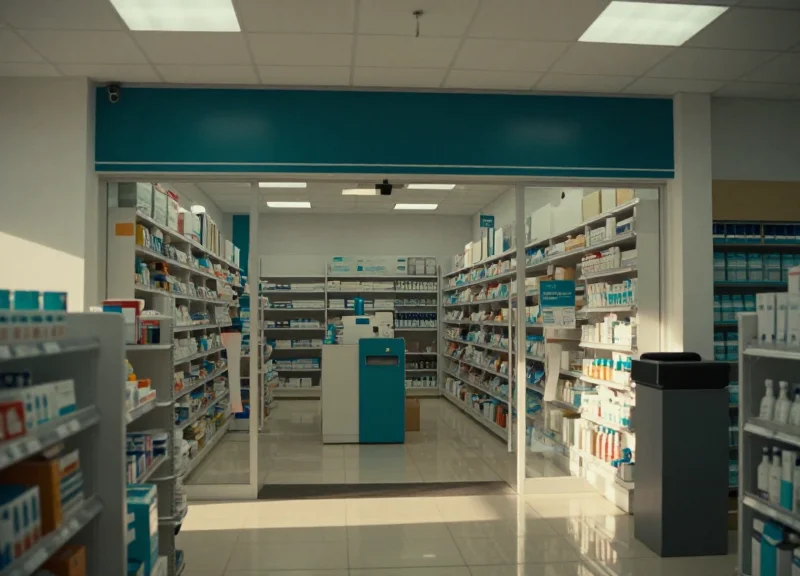
Retail shrinkage in the pharmaceutical sector refers to the loss of inventory value due to shoplifting, employee theft, administrative errors, or vendor fraud. For independent pharmacies, shrinkage currently averages between 1.6% and 2.2% of total annual sales; however, because these businesses operate on razor-thin net profit margins, even a seemingly small loss of inventory can effectively wipe out the profit from dozens of legitimate transactions, making it a critical threat to long-term financial stability.
| Shrinkage Category | Primary Drivers | Impact Level |
|---|---|---|
| External Theft | Shoplifting, Organized Retail Crime (ORC), grab-and-go | High (Immediate cash flow hit) |
| Internal Theft | Employee pilferage, sweethearting at the register | Medium (Persistent erosion) |
| Administrative Error | Pricing mistakes, inventory mismanagement, expired meds | Low to Medium (Operational drain) |
| Vendor Fraud | Short-shipping, delivery discrepancies | Low (Frequent but small) |
Why are independent pharmacies targeted more than chains?
Independent pharmacies often lack the sophisticated, integrated security infrastructure of national chains, making them 'soft targets' for organized retail crime groups who recognize a lower probability of being caught by advanced EAS (Electronic Article Surveillance) systems.
How does shrinkage affect pharmacy cash flow?
Beyond the lost cost of goods, shrinkage forces pharmacies to tie up more capital in replacement inventory and increases insurance premiums, creating a compounding negative effect on liquidity.
What products are most at risk?
High-value over-the-counter (OTC) items like premium skincare, diabetic testing supplies, and name-brand supplements are prime targets because they are easily resold on secondary marketplaces.
Expert Insight: The Replacement Sales Gap. Most pharmacy owners underestimate the true cost of theft by only looking at the cost of the item. To understand the critical threat, you must calculate the 'Replacement Sales Gap.' If your pharmacy operates on a 4% net profit margin, a single $50 theft of a premium supplement requires $1,250 in additional sales just to recover the lost profit. This 'multiplier effect' is why a 1.5% shrinkage rate can actually represent a 25-30% reduction in your total net take-home pay at the end of the year.
Understanding RF Technology: The Gold Standard for Entry-Level Security
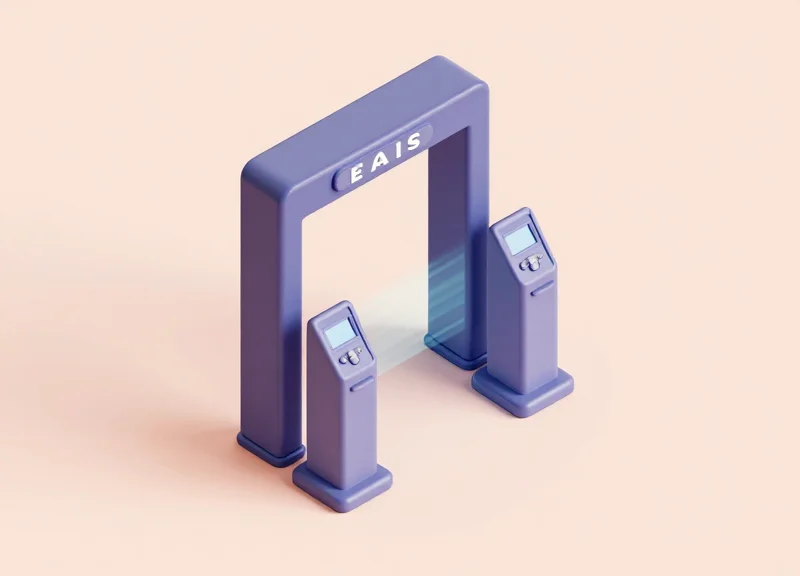
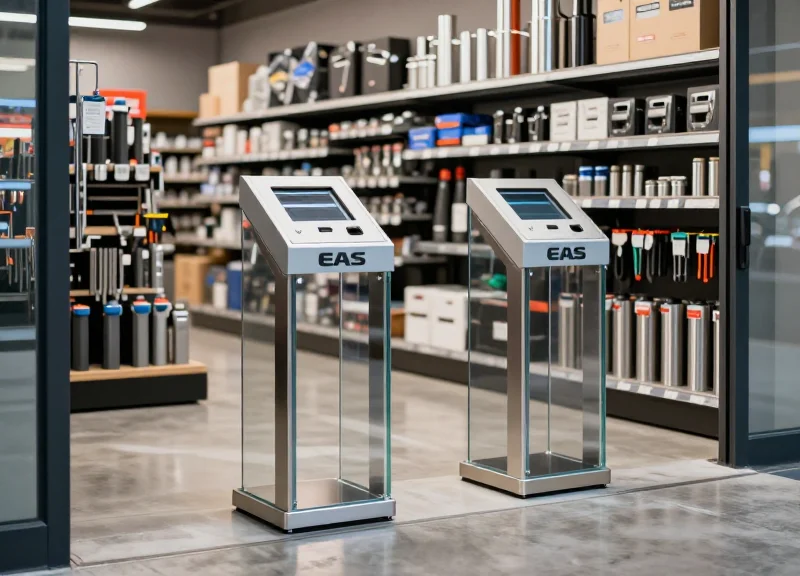
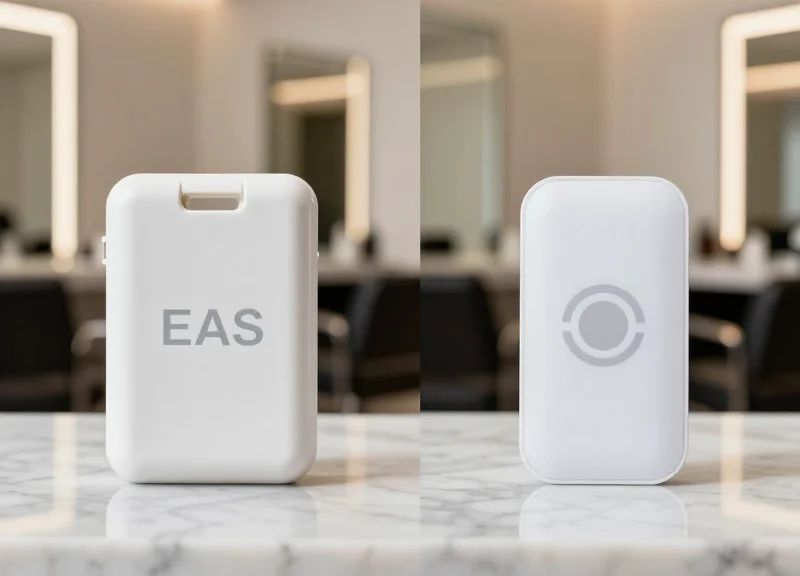
Radio Frequency (RF) Electronic Article Surveillance (EAS) is a security technology that uses a specific radio frequency—typically 8.2 MHz—to create a detection field between two pedestals at a store exit. When an active security tag or label enters this field, it resonates at the same frequency, triggering an alarm. For independent pharmacies, RF technology represents the 'Gold Standard' because it offers the most aggressive balance of high-sensitivity detection and low capital expenditure, making it the primary choice for businesses looking to scale their security without the enterprise-level price tag of Acousto-Magnetic (AM) systems.
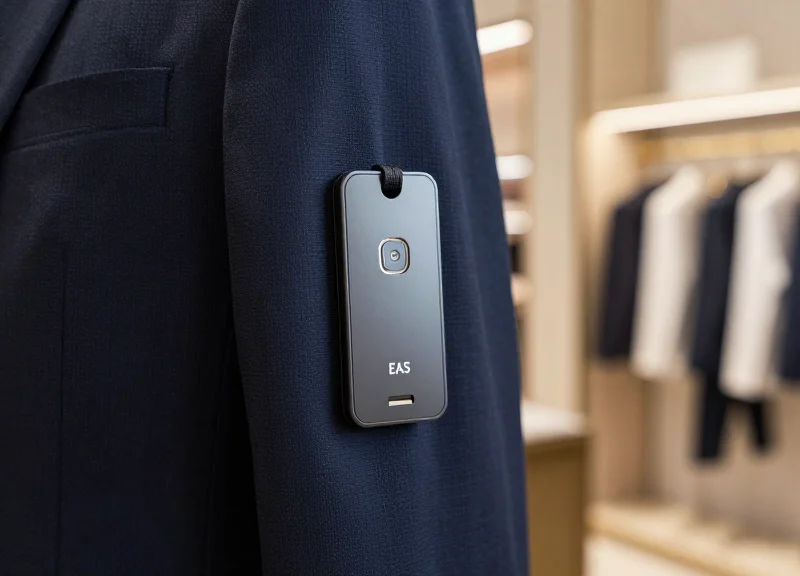
The mechanics of an RF system are deceptively simple yet highly effective. The system consists of three main components: a transmitter antenna, a receiver antenna, and a passive resonator (the tag or label). Unlike older mechanical security measures, RF systems are non-line-of-sight, meaning they can detect tags hidden inside bags, pockets, or even under clothing, provided the tag has not been deactivated at the point of sale. This makes it particularly effective against the 'grab-and-run' tactics often seen in pharmacy retail.
| Feature | RF Technology (8.2 MHz) | AM Technology (58 kHz) |
|---|---|---|
| Initial Investment | Low to Moderate | High |
| Label Cost | Lowest (Ideal for high-volume SKUs) | Higher |
| Detection Width | Standard (Up to 4-5 feet) | Wide (Up to 6-8 feet) |
| Best Use Case | Independent Pharmacies / Small Retail | Large Department Stores / High-Metal Environments |
Is RF technology safe for sensitive pharmaceutical electronics or hearing aids?
Yes. RF systems operate at a frequency that is non-ionizing and does not interfere with modern medical devices or electronic prescriptions, making it perfectly safe for a clinical environment.
Can RF labels be applied to small pill bottles and cosmetic items?
Absolutely. One of the biggest advantages of RF is the availability of ultra-thin, adhesive paper labels that can be applied to even the smallest SKUs without obscuring dosage instructions or branding.
Why is RF considered better for the bottom line than other EAS types?
The 'cost-per-protected-item' is significantly lower. RF labels are cheaper to manufacture than AM labels, meaning the recurring operational cost of tagging your inventory stays low as your business grows.
Expert Insight: The 'Phased-Array' Advantage for Small Footprints. A unique advantage of modern entry-level RF solutions often overlooked is their ability to be tuned for 'narrow-aisle' sensitivity. In many independent pharmacies, the checkout counter is close to the exit. Unlike AM systems which can suffer from 'tag pollution' (alarms triggered by tags near the counter), RF systems can be precisely calibrated to ignore tags just a few feet away while maintaining a high catch rate at the door. This reduces 'phantom alarms' which are the leading cause of staff complacency and missed theft events.
The Anatomy of a 40% Reduction: Real-World ROI for Independent Owners
A 40% reduction in shrinkage is achieved through the 'Triad of Loss Prevention': visible deterrence, immediate detection, and inventory accuracy. For the average independent pharmacy, this reduction typically translates to a full return on investment (ROI) within 6 to 12 months, as entry-level Radio Frequency (RF) systems stop 'leakage' of high-margin items like premium skincare, over-the-counter (OTC) medications, and high-demand health supplements. By shifting from reactive recovery to proactive prevention, owners reclaim lost revenue that goes directly to the net profit line.
| Metric | Without RF Security | With Entry-Level RF System | Net Impact |
|---|---|---|---|
| Average Annual Shrinkage Rate | 2.5% of Sales | 1.5% of Sales | 40% Reduction |
| High-Margin Loss (e.g., Supplements) | High Frequency | Low/Negligible | Preserved Margins |
| Labor Cost (Monitoring Cameras) | 2-4 Hours/Week | Passive Protection | Increased Productivity |
| Break-Even Point | N/A | Estimated 9 Months | Pure Profit Thereafter |
The true 'hidden' cost of shrinkage isn't just the wholesale cost of the stolen item; it's the Phantom Out-of-Stock (OOS) Effect. When an item is stolen, your inventory management system still believes the product is on the shelf. This leads to missed reorder triggers, meaning you lose not just the original item, but also every subsequent sale until a manual cycle count reveals the discrepancy. My veteran insight: entry-level RF solutions pay for themselves by maintaining 'shelf integrity,' ensuring that your highest-velocity items are actually available for paying customers to buy.
- Phase 1: The Deterrence Drop: Immediately upon installation, the visible presence of RF pedestals discourages opportunistic shoplifters (who account for 60% of retail theft), leading to an instant 15-20% drop in loss.
- Phase 2: Product Protection Strategy: By tagging 'hot items' identified in your POS data, you secure the top 10% of inventory that usually accounts for 70% of your total shrinkage value.
- Phase 3: Operational Recalibration: Staff can focus on clinical services and customer engagement rather than 'policing' aisles, which improves the shopping experience and increases average basket size.
How much does an entry-level RF system cost for a small pharmacy?
A standard dual-pedestal entry-level RF system typically ranges from $1,500 to $3,500 including installation. For a pharmacy doing $1M in annual front-end sales, a 1% reduction in shrink saves $10,000 annually, paying for the system three times over in the first year.
Does RF security affect the customer experience?
Modern entry-level pedestals are slim and aesthetically neutral. Far from being intrusive, they provide customers with a sense of security and indicate that the pharmacy is a professionally managed, high-standard establishment.
Will I need to hire extra staff to manage the tags?
No. Tagging is integrated into the stock-replenishment workflow. Entry-level RF labels are peel-and-stick, taking less than two seconds per item to apply during the shelving process.
Identifying High-Risk Zones: What Pharmacy Items Need RF Tags Most?
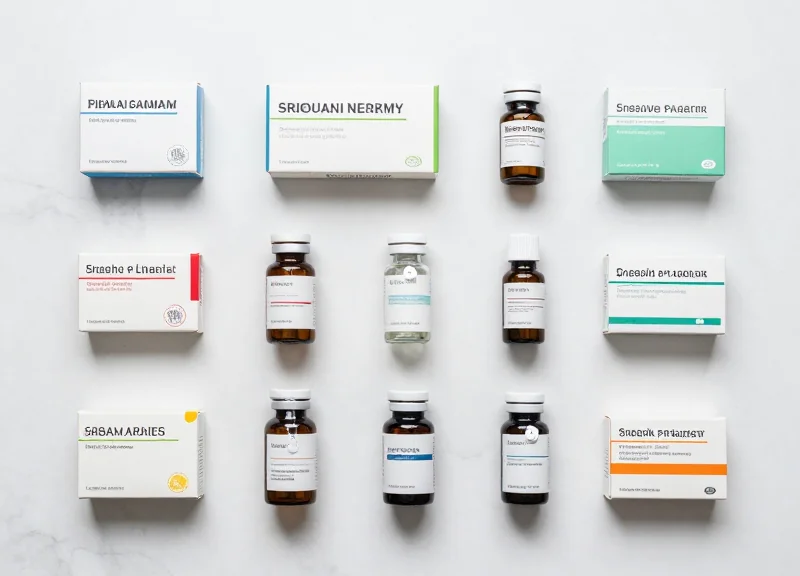
To achieve a 40% reduction in shrinkage, independent pharmacies must move away from blanket security and toward a targeted 'risk-based tagging' strategy. High-risk zones are defined by products that are 'CRAVED'—Concealable, Removable, Available, Valuable, Enjoyable, and Disposable. For most independent pharmacies, this means focusing RF tagging efforts on over-the-counter (OTC) medications, high-end skincare, and specialty health supplements that command high resale value on secondary markets.
| Product Category | High-Risk Examples | Theft Driver | Tagging Priority |
|---|---|---|---|
| OTC Medications | Allergy relief (Claritin/Zyrtec), Pain killers, Nicotine patches | High daily necessity & small size | Critical |
| Premium Beauty | Dermatological serums, High-end moisturizers, Electric toothbrushes | Extremely high resale value | High |
| Nutritionals | Bodybuilding protein, Weight loss supplements, Pre-natal vitamins | Consistent demand & bulk pricing | High |
| Personal Care | Razor blades, Premium dental whitening strips | Easy to conceal and flip | Moderate-High |
- The 'Small Box, Big Ticket' Rule: Small items like allergy meds or nicotine gum are the primary targets for organized retail crime (ORC) because they are easily pocketed in bulk. One handful of Zyrtec can represent over $100 in lost revenue.
- Derm-Cosmetics and Aesthetic Skin: Modern pharmacies are expanding their beauty sections. Brands like La Roche-Posay or Vichy are 'liquid gold' for shoplifters due to their high brand recognition and ease of sale on social media marketplaces.
- Sexual Health and Family Planning: Items like pregnancy tests and condoms often suffer from 'embarrassment theft.' RF tagging these items acts as a psychological deterrent that often forces a legitimate purchase.
Expert Insight: The Resale Value Principle. Most independent owners tag items based on their cost price. However, professional shoplifters target items based on their 'street value' or secondary market liquidity. A $40 bottle of specialized vitamins is often a higher theft risk than a $60 orthopedic brace because the vitamins are easier to sell on eBay or Facebook Marketplace. To truly bolster your bottom line, tag the items that are easiest to convert into cash, not just the ones with the highest wholesale cost.
Should I tag every item in the pharmacy?
No. Tagging every item is labor-intensive and unnecessary. Focus on the top 20% of your inventory that accounts for 80% of your shrinkage (the Pareto Principle).
Are soft tags or hard tags better for OTC items?
For most OTC boxes, adhesive RF soft tags are ideal because they are discreet and do not interfere with the customer's ability to read packaging. Save hard tags for high-value electronics or bottled liquids.
Can RF tags be placed inside the product packaging?
Yes, this is known as source tagging or internal tagging. It prevents thieves from simply peeling the tag off in the aisle, though it requires more labor if not done by the manufacturer.
Step-by-Step Implementation: Installing Your First RF EAS System
Implementing your first RF (Radio Frequency) EAS system is a strategic process that involves four core phases: performing a site assessment to determine signal interference, selecting hardware that matches your entry's width, choosing the correct tag-to-item ratio, and calibrating the system for high-traffic environments. When executed correctly, this setup creates a seamless security perimeter that deters theft without impeding the customer experience or violating pharmacy privacy standards.
- Site Survey and Power Management: Measure your exit width. Most entry-level RF pedestals cover a 3-foot to 6-foot span. Ensure a dedicated power line is available to avoid 'noise' from other pharmacy equipment like refrigerators or fluorescent ballasts, which can trigger false alarms.
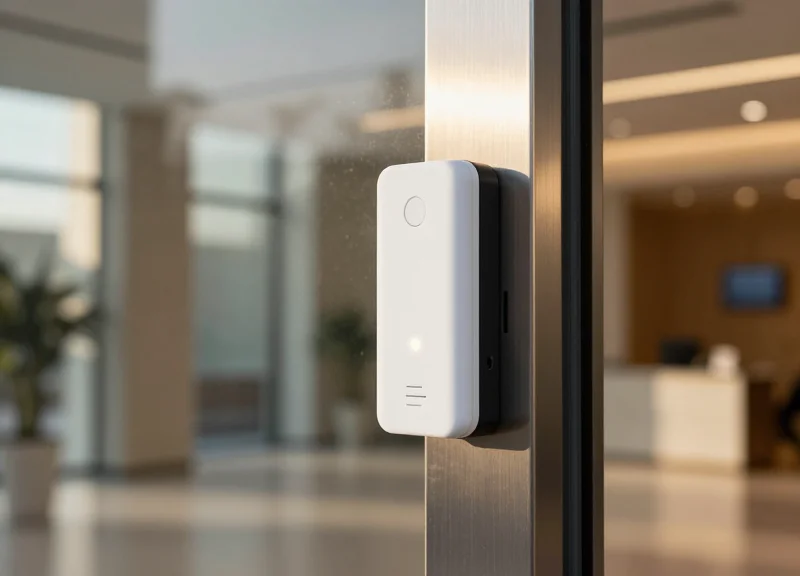
- Pedestal Placement and Anchoring: Position the pedestals at the primary point of egress. For independent pharmacies with narrow footprints, 'Mono' antennas (single-pillar) can be placed in the center of the doorway, while 'Dual' systems (two pillars) are standard for wider double-door entries.
- Tagging and Label Integration: Apply soft 40x40mm RF labels to high-turnover items like supplements and hard tags to higher-value durable goods. Ensure the deactivation pad is integrated directly into the POS counter for a smooth checkout workflow.
- System Sensitivity Calibration: Conduct a 'walk-test' with various tag types. Adjust the potentiometer or digital software settings to ensure the system detects tags at floor level and shoulder height while filtering out background electronic interference.
| Hardware Type | Best For | Max Detection Width | Installation Profile |
|---|---|---|---|
| Dual Pedestal | Standard Double Doors | Up to 6.0 Feet | Visible Deterrent |
| Mono Antenna | Narrow Pharmacy Aisles | Up to 3.5 Feet (each side) | Space-Saving |
| Under-Floor/Concealed | Boutique Pharmacies | Variable | Invisible/High-End |
Expert Insight: The 'EMI Shadow' Mitigation Strategy. A common pitfall for independent pharmacies is placing RF pedestals too close to metal-framed automatic doors or LED displays. To prevent phantom alarms, maintain a '3-foot buffer zone' where no large metal objects or high-voltage wiring reside. Using a 'ferrite core' on the power cable can further clean the signal, ensuring that when the alarm sounds, your staff can be 99.9% certain it represents an actual security event.
Will the RF signal interfere with sensitive medical equipment or pacemakers?
No. Modern RF EAS systems operate at a standard 8.2 MHz frequency, which is well within the safe range for consumer electronics and medical devices, complying with all FCC and health safety standards.
How long does a typical installation take for a small pharmacy?
A standard two-pedestal installation usually takes between 4 to 6 hours, including the time required for technician-led staff training on deactivation and alarm response.
Can we install the system ourselves to save on costs?
While 'plug-and-play' kits exist, professional calibration is highly recommended to avoid the 'false alarm fatigue' that often leads staff to eventually unplug the system.
Staff Training and Protocol: The Human Element of Loss Prevention

Technology is only as effective as the people operating it; in an independent pharmacy setting, a Radio Frequency (RF) system serves as the 'smoke detector,' but your staff is the 'fire department.' To achieve a 40% reduction in shrinkage, employees must move beyond passive monitoring to an active 'Human-in-the-Loop' protocol. This involves synchronizing the audible alarm of the RF pedestal with immediate, non-confrontational customer service responses that neutralize theft opportunities without creating a hostile environment for legitimate patients.
- The 5-Second Acknowledgement: Staff must make eye contact or verbally acknowledge a customer within five seconds of them entering a high-risk zone or if an alarm sounds. Speed signals to shoplifters that the store is highly attentive.
- The Non-Accusatory Reset: When an alarm triggers, staff should approach with the phrase, 'It looks like our system missed a tag at the counter; may I check your bag to clear that for you?' This assumes a technical error rather than theft, preserving the customer relationship.
- Active De-activation Checks: Integrate a 'double-check' ritual at the Point of Sale (POS) where clerks verify every high-value item has its RF label deactivated or hard tag removed before bagging.
- Incident Logging: Maintain a simple log of 'Alarm Events.' Distinguishing between 'False Alarms' (failed deactivations) and 'Recovery Events' (stopped theft) provides the data needed to refine tag placement.
| Scenario | Passive Response (High Risk) | Active Protocol (Low Risk) |
|---|---|---|
| RF Pedestal Alarms | Staff ignores sound or looks away. | Immediate approach with a 'customer service' script. |
| High-Value Zone Loitering | Staff stays behind the plexiglass. | Tech steps out to offer assistance/consultation. |
| Tag Found in Aisle | Discarded in trash without note. | Logged to identify which products are being targeted. |
Expert Tip: Implement the 'Zone Defense' strategy. In most independent pharmacies, the pharmacist has the best line of sight. We recommend a silent 'code word' used over the intercom or internally to alert floor staff to shadow a suspicious individual under the guise of 'stocking shelves.' This 'Aggressive Hospitality' is the single most effective deterrent in the retail arsenal because it removes the privacy a shoplifter requires to conceal items.
How do I handle a customer who refuses to stop when the alarm sounds?
Prioritize safety over inventory. Staff should never physically restrain someone. Instead, they should observe the individual's direction of travel and vehicle description, then immediately log the event for police or insurance purposes.
How often should we conduct loss prevention training?
Quarterly refreshers are essential. Since pharmacy turnover can be high among part-time clerks, include RF system protocols in the Day 1 onboarding checklist and run 'mystery shopper' drills twice a year.
Will security pedestals intimidate my regular patients?
On the contrary, visible security often makes elderly patients feel safer. A brief explanation that 'this helps us keep our prices low by reducing loss' usually turns a potential negative into a brand-positive message.
Balancing Security and Customer Experience in a Healthcare Setting
In a healthcare setting, balancing security and customer experience means implementing a 'frictionless security' strategy where loss prevention technology like RF (Radio Frequency) systems operates effectively in the background without creating a hostile or intimidating atmosphere for patients. For independent pharmacies, this involves choosing slim, aesthetically neutral pedestals and utilizing discreet soft labels that allow products to remain on open-sell shelves, ensuring that the primary focus remains on patient care and accessibility rather than surveillance.
| Security Method | Impact on Customer Experience | Effectiveness in Healthcare |
|---|---|---|
| Locked Glass Cases | High Friction: Requires staff assistance, often leads to 'walk-outs'. | High deterrence, but significantly lowers OTC sales volume. |
| Entry-Level RF Systems | Low Friction: Allows for 'open-sell' browsing and tactile product interaction. | Balanced: Maintains professional look while reducing shrinkage by 40%. |
| Security Guards | High Intimidation: Can make patients feel uncomfortable or suspected. | High cost; often overkill for community-based independent pharmacies. |
A unique insight gained from decades of retail psychology in clinical settings is the 'Accessibility Gap.' Data shows that when healthcare products—specifically personal care or wellness items—are placed behind physical barriers like locks, patients are up to 30% less likely to purchase them due to the social friction of asking for help. Entry-level RF solutions bridge this gap by replacing physical barriers with electronic ones, allowing the pharmacist to maintain a 'Trust-First' environment where the technology acts as a silent guardian rather than a gatekeeper.
How do I prevent the RF pedestals from looking like a retail store?
Modern entry-level pedestals are designed with slim profiles and clear acrylic materials. Positioning them precisely at the door frame or utilizing 'under-floor' antennas can maintain the clinical, clean aesthetic of your pharmacy.
Will tagging health products make patients feel like they aren't trusted?
No, because soft RF labels are remarkably discreet and often look like standard barcodes. Unlike bulky hard tags, they do not interfere with the packaging's readability or the patient's ability to handle the product.
What is the 'Golden Rule' of alarm response in a pharmacy?
The 'Customer Service Recovery' approach: Always treat an alarm as a technical error or an 'oops' moment. Approaching the patient with 'Did we forget to deactivate something for you?' preserves the relationship while still addressing the potential loss.
- Maintain Open-Sell Layouts: Keep high-demand OTC items on the floor to encourage browsing. Use RF labels to secure them without locks.
- Select Discreet Tagging: Apply labels over existing barcodes to minimize visual clutter and maintain the professional appearance of medical packaging.
- Implement Non-Accusatory Staff Training: Train staff to use the alarm as a service prompt rather than a security alert, ensuring the patient feels cared for, not caught.
Beyond the Basics: Leveraging RF Data for Inventory Management
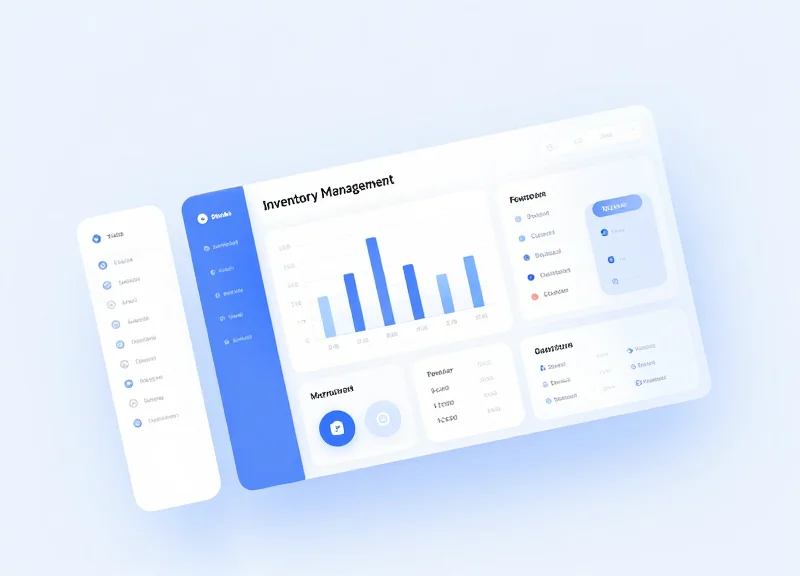
Leveraging RF (Radio Frequency) data for inventory management involves transforming standard security alarm logs and tag consumption rates into actionable business intelligence. While entry-level RF EAS systems are primarily deterrents, they serve as a 'digital pulse' for your pharmacy, providing empirical data on which high-value items are frequently handled, which zones trigger the most alerts, and where inventory discrepancies are most likely to occur before a physical count is even performed.
Expert Tip: I recommend pharmacies track the 'Alarm-to-Action' ratio. If certain OTC categories trigger alarms but don't result in identified theft, it often indicates a merchandising flaw—such as items being placed too close to the pedestals—which can interfere with customer flow and inventory accuracy. This 'Shadow Inventory' insight allows you to realign your floor plan based on actual signal data rather than guesswork.
| Data Point | Security Function | Inventory Management Insight |
|---|---|---|
| Alarm Frequency | Identify theft attempts | Pinpoints 'shrink-heavy' stock cycles |
| Tag Depletion Rate | Budgeting for consumables | Predicts high-velocity item turnover |
| System Up-time Logs | Maintenance tracking | Correlates traffic peaks with staffing needs |
| Deactivation Counts | Ensures product protection | Validates sales volume against POS records |
- Correlate Alarm Logs with POS Reports: Weekly, cross-reference your RF alarm log times with your Point-of-Sale transaction data. A high number of alarms during low-transaction periods identifies specific 'blind spots' in your inventory surveillance.
- Monitor Tag Consumption Patterns: Treat your RF labels like currency. By tracking how many tags are used versus how many items were sold, you can identify 'internal shrinkage' or administrative errors in the receiving process.
- Optimize Replenishment Frequency: Use RF-protected item data to adjust your ordering. If items in the RF-protected 'high-risk' zone are turning over faster than expected, increase your safety stock levels to prevent stockouts.
Can entry-level RF systems integrate with my current POS?
While most entry-level systems are standalone, you can manually export alarm logs to CSV files and upload them into modern pharmacy management software to find correlations between shrinkage and sales.
Does RF data help with auditing high-cost medications?
Yes. By tagging expensive specialty items, any alarm event provides a timestamp that auditors can use to review security footage, drastically reducing the time spent on inventory reconciliation.
Will using RF data improve my bottom line?
Absolutely. Pharmacies that use data to drive their loss prevention strategy typically see a 15-20% improvement in inventory accuracy, leading to fewer lost sales and better cash flow.