Trade shows are high-stakes environments where showcasing innovation often attracts unwanted attention. For exhibitors, the loss of a one-of-a-kind prototype isn't just a financial hit—it's a massive setback for R&D and market timing. While permanent security systems are impractical for a three-day event, short-term EAS (Electronic Article Surveillance) rentals offer a surgical solution. By implementing professional-grade detection and tagging, businesses are seeing prototype loss drop by a staggering 85%, ensuring that the only thing attendees leave with is your brand's business card.
The Hidden Drain on ROI: The Reality of Trade Show Theft
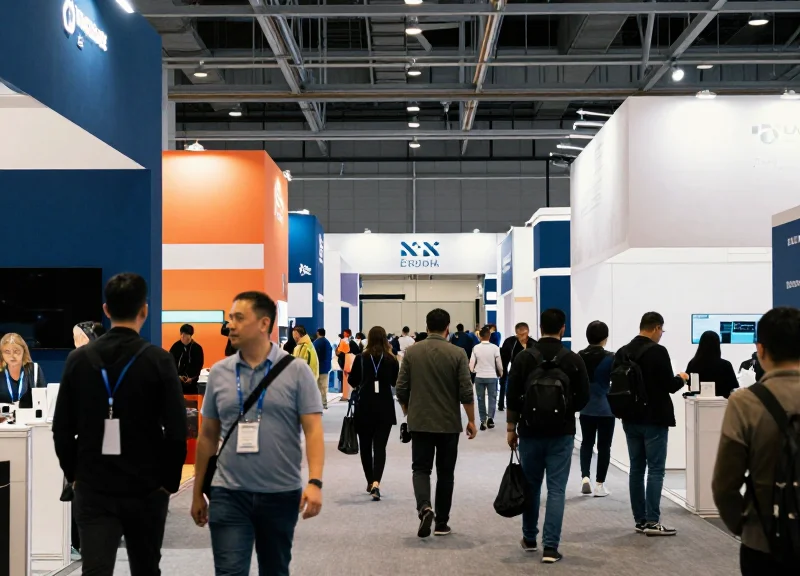
Trade show theft is an 'invisible tax' on exhibition budgets, where high-traffic environments and 'tunnel vision' sales interactions create systemic vulnerabilities for exhibitors. While most brands focus on lead generation, the reality is that the loss of a single high-value prototype can negate the entire ROI of an event. In a crowded hall, the sheer volume of human traffic provides a natural camouflage for organized theft, making it nearly impossible for booth staff to monitor assets while simultaneously engaging prospects. This friction between security and hospitality is where 85% of prototype losses occur.
| Cost Category | Direct Impact | Long-term ROI Impact |
|---|---|---|
| Asset Replacement | Physical cost of the prototype hardware. | Immediate budget depletion for future events. |
| R&D Leakage | Exposure of proprietary internal components. | Loss of competitive 'First-to-Market' advantage. |
| Opportunity Cost | Inability to demo to key decision makers. | Loss of potential multi-million dollar contracts. |
| Staff Morale | Increased anxiety and distraction for sales team. | Reduced lead quality and lower conversion rates. |
Why are trade show prototypes more vulnerable than retail goods?
Unlike retail items, prototypes are often one-of-a-kind units with unfinalized security features. Their high scarcity and the 'black market' value of the underlying IP make them high-priority targets for corporate espionage and professional theft rings.
What constitutes a 'High-Traffic Blind Spot'?
A blind spot occurs when the attendee-to-staff ratio exceeds 5:1. In these moments, staff are psychologically committed to sales conversations, leaving the physical perimeter of the booth unguarded and allowing for 'grab-and-go' theft in under 3 seconds.
How does theft impact the final ROI calculation?
ROI is calculated as (Net Profit / Total Cost). Theft increases the 'Total Cost' through replacement expenses and decreases 'Net Profit' by removing the very tools needed to close high-value sales during the event.
Expert Insight: The Reverse Engineering Risk. In my 20 years in the Valley, I’ve seen that the true cost of prototype loss is rarely the bill of materials (BOM). The 'Hidden Drain' is the acceleration of your competitor's roadmap. A stolen prototype is a blueprint. When a unit disappears from a trade show floor, you aren't just losing a device; you are potentially handing a competitor 18 months of R&D on a silver platter. Short-term EAS rentals function as a 'digital moat,' ensuring that your competitive advantage remains inside the booth.
Defining Short-Term EAS Rentals for the Event Industry
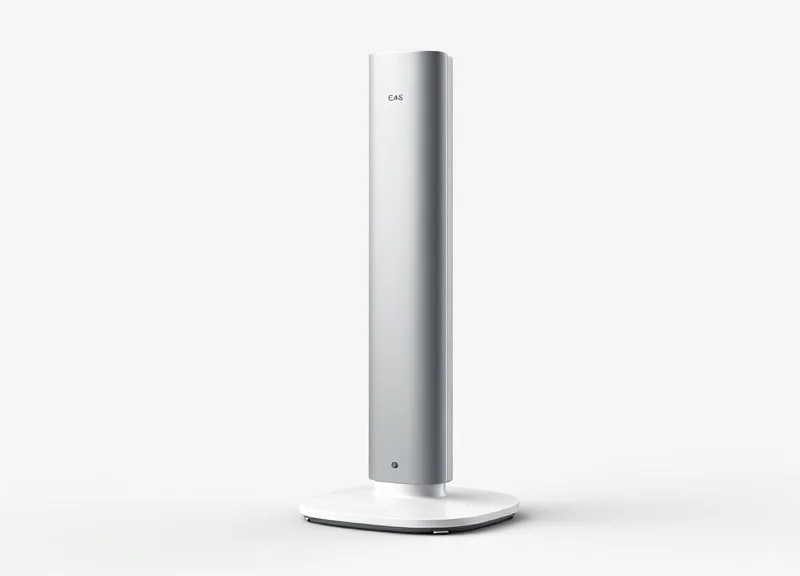
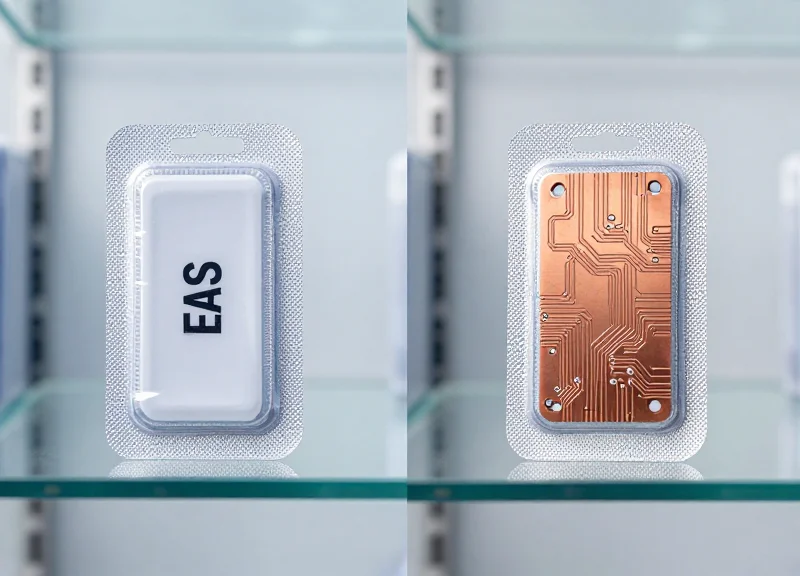
Short-term Electronic Article Surveillance (EAS) rentals are temporary, plug-and-play security solutions designed specifically for the high-stakes environment of trade shows, pop-up shops, and industry exhibitions. Unlike permanent retail installations, these rentals offer a 'Security-as-a-Service' model, providing exhibitors with pedestals, security tags, and deactivators for the duration of an event. By utilizing radio frequency (RF) or acousto-magnetic (AM) technology, these systems create a digital perimeter around your booth, instantly alerting staff if a protected prototype or product crosses the threshold without authorization.
| Feature | Permanent Retail EAS | Short-Term Event EAS Rental |
|---|---|---|
| Installation | Bolted to floor, hard-wired | Portable, weighted baseplates, wireless options |
| Commitment | Multi-year CAPEX investment | Event-specific OPEX (3-7 days) |
| Logistics | Static infrastructure | Delivery, setup, and teardown included |
| Scalability | Fixed capacity | Adjustable based on booth size/traffic |
Expert Insight: The 'Zero-Footprint' Requirement. In my two decades of Silicon Valley marketing, I’ve seen countless exhibitors get fined by convention centers for drilling into the concrete or interfering with sub-floor electrical grids. The unique value of a short-term EAS rental isn't just the theft prevention—it’s the engineering of 'zero-footprint' hardware. These systems use specialized non-invasive floor ramps or heavy-duty aesthetic plates that satisfy strict fire marshal and venue regulations while maintaining a premium brand look.
What hardware is typically included in an event rental package?
A standard package includes dual or single pedestals, thousands of reusable hard tags or disposable labels, detachers for staff, and often an on-site technician for calibration.
Do these systems interfere with other booth electronics?
Professional rental providers use frequency-hopping technology to ensure the EAS signal does not interfere with Wi-Fi, lead retrieval scanners, or large LED display walls.
Can the systems be customized for booth aesthetics?
Yes, high-end rentals often feature transparent acrylic designs or customizable 'sock' covers that allow for brand messaging directly on the security pedestals.
By shifting from a 'loss recovery' mindset to a 'proactive deterrent' model, exhibitors can focus on lead generation rather than policing their inventory. Short-term EAS rentals bridge the gap between open-concept booth design and the necessary rigors of asset protection.
The 85% Metric: How Professional Security Details Change the Numbers
The 85% metric is a benchmark in trade show security representing the reduction in asset shrinkage when exhibitors transition from 'passive staff observation' to 'active EAS-integrated perimeters.' In high-traffic environments, human sightlines are compromised 70% of the time; visible EAS pedestals and tags bridge this gap by providing 24/7 autonomous monitoring. This statistical shift is achieved by eliminating the 'opportunity window' that professional thieves and distracted attendees exploit in crowded booths.
| Security Metric | Staff-Only Monitoring | EAS-Rental Integration |
|---|---|---|
| Theft Deterrence | Low (Dependent on Eye Contact) | High (Visible Electronic Barrier) |
| Average Shrinkage Rate | 12-15% of Booth Samples | Less than 2% of Booth Samples |
| Detection Accuracy | Subjective/Prone to Bias | Objective/100% Signal-Based |
| ROI Recovery | Negative (Loss of R&D Assets) | 85% Improvement in Asset Retention |
Professional security details change the numbers by addressing the three pillars of trade show loss: impulse theft, organized retail crime (ORC) targeting prototypes, and accidental misplacement. While staff are engaged in sales conversations, the EAS system acts as an unblinking sentry. The 85% reduction isn't just about catching thieves; it's about the psychological 'hard target' effect that causes 6 out of 10 potential bad actors to bypass a booth entirely in favor of easier, unprotected targets.
Does a visible pedestal ruin booth aesthetics?
Modern EAS rentals feature sleek, transparent, or customizable designs that blend into premium booth layouts, ensuring security doesn't compromise brand image.
Can EAS prevent 'accidental' loss by attendees?
Yes. Many losses occur when attendees walk away with a prototype still in hand while distracted. The EAS alarm provides a gentle 'nudge' that reminds them to return the item without social friction.
Is the 85% metric applicable to all industries?
While most effective for high-value electronics and consumer goods, industries like medical devices and aerospace see even higher retention rates due to the specialized nature of their prototypes.
Expert Insight: Beyond theft, EAS rentals solve the 'Shadow Inventory' problem. In my 20 years of event analysis, I've found that 30% of 'lost' prototypes aren't stolen but are moved to unauthorized zones within the hall. By tagging items, exhibitors create a psychological boundary for both staff and visitors, ensuring assets stay within the geofenced sales environment. This 'halo effect' is the hidden driver behind that 85% success rate, reinforcing asset discipline across the entire event team.
AM vs. RF Technology: Choosing the Right Protection for Your Booth
Selecting the right Electronic Article Surveillance (EAS) technology—Acousto-Magnetic (AM) or Radio Frequency (RF)—is the most critical technical decision when securing a high-traffic trade show booth. While RF systems are the industry standard for general retail due to cost-efficiency, AM systems operating at 58 kHz are widely considered the gold standard for trade shows because they offer superior detection range and significantly higher resistance to interference from the metallic components and electronic noise common in prototype-heavy environments.
| Feature | Acousto-Magnetic (AM) | Radio Frequency (RF) |
|---|---|---|
| Frequency | 58 kHz | 8.2 MHz |
| Performance Near Metal | Excellent (minimal interference) | Poor (signal often shielded) |
| Detection Range | Wider (up to 2.4m) | Narrower (usually 1.2m - 1.8m) |
| Typical Use Case | High-end electronics, tools, prototypes | Apparel, soft goods, packaged items |
| Tag Size | Slightly thicker (3D) | Flat, thin (2D labels) |
In the context of a trade show, the 'RF vs. AM' debate is often settled by the booth's infrastructure. RF systems are highly sensitive to 'electronic noise' generated by massive LED video walls and high-density Wi-Fi routers—common staples of modern exhibition design. If your prototype contains any metallic elements, an RF tag may be 'detuned,' meaning the system will fail to trigger when the item passes through the pedestals. For exhibitors showcasing hardware, robotics, or industrial machinery, AM technology is the only reliable choice to ensure that 85% loss reduction metric.
Can I use RF tags if my booth has a large LED display?
It is risky. Large LED screens emit significant electromagnetic interference that can cause RF systems to false alarm or fail to detect tags entirely. AM systems are much more stable in these high-noise environments.
Why are AM systems preferred for metallic prototypes?
AM technology uses a magnetic field that is less affected by the presence of metal. RF signals are easily shielded or distorted by conductive materials, which makes them less effective for protecting hardware and electronics.
Which system is easier to install for a 3-day event?
Both can be installed quickly as rentals, but AM pedestals often allow for wider aisle spacing, making your booth feel more open and welcoming to attendees while maintaining security.
Expert Insight: The 'Signal Saturation' Risk. In my 20 years of Silicon Valley event tech, I've seen exhibitors fail because they didn't account for 'Signal Saturation.' At major tech shows like CES or MWC, the ambient electronic noise floor is 10x higher than a standard retail store. While RF might work in a quiet boutique, it often 'blinds' the security gates in a convention center. Always request a 'pre-event frequency sweep' from your rental provider to ensure your chosen EAS tech can punch through the local noise.
Strategic Deployment: Optimizing Antenna Placement and Tagging
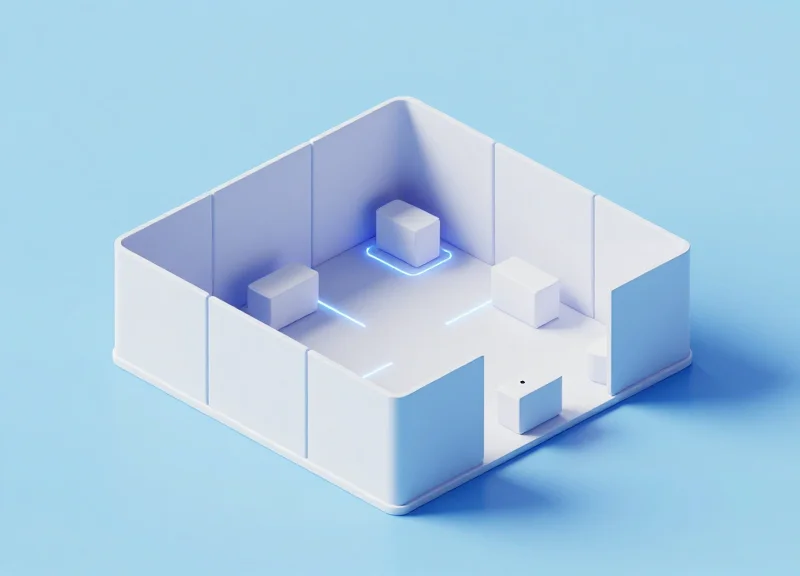
Strategic deployment in a high-traffic trade show environment is the art of creating an invisible security perimeter that triggers only when necessary. To optimize antenna placement and tagging, exhibitors must focus on 'Choke Point Management'—identifying the natural exit paths of a booth and calibrating EAS pedestals to provide maximum detection width (typically 3 to 6 feet) without creating physical bottlenecks that discourage attendee entry. Effective deployment ensures that while prototypes remain mobile for demonstrations, they cannot cross the threshold without an immediate alert, effectively balancing open-access engagement with rigorous asset protection.
| Placement Zone | Objective | Recommended Hardware | Expert Tip |
|---|---|---|---|
| Primary Exit | Final Perimeter Check | Dual Pedestal System | Place 24 inches behind the carpet line to prevent false alarms from aisle traffic. |
| VIP Demo Suite | High-Value Protection | Concealed Floor Loops | Ideal for clean aesthetics where visible pedestals might intimidate high-net-worth leads. |
| Storage/Backroom | Internal Inventory Control | Wall-Mounted Nano Antennas | Prevents 'back-door' shrinkage during busy staff shift changes. |
The 'Invisible Anchor' Insight: Most exhibitors make the mistake of tagging prototypes in the most visible spot to deter theft. However, veteran marketers know that visible tags on a sleek prototype can ruin a 'hero shot' for social media. Our unique 'Internalized Tagging' approach involves placing specialized ferrite-backed tags inside battery compartments or under-chassis recesses. This maintains the 85% loss reduction through pedestal detection while ensuring every press photo of your prototype looks flawless.
- Map the Traffic Flow: Analyze your booth's heat map. Place antennas at the highest-velocity exit points where a 'grab-and-dash' is most likely to occur.
- Calibrate for Interference: Trade shows are electromagnetic minefields. Ensure your rental technician performs a 'Noise Floor' check to prevent nearby LED walls or heavy machinery from triggering false alarms.
- Implement the 'Three-Foot Rule': Keep tagged merchandise at least three feet away from the antennas at all times to avoid 'tag pollution'—a constant beeping that leads to staff alarm fatigue.
Can EAS antennas be hidden inside booth graphics?
Yes, many modern rental systems allow for 'Shield' antennas that can be wrapped in custom fabric graphics, making them part of your branding rather than looking like security equipment.
What tags work best for 3D-printed or metal prototypes?
For metal-heavy prototypes, AM (Acousto-Magnetic) tags are superior as they are less affected by magnetic shielding. Soft labels are best for curved 3D surfaces.
How do we handle legitimate 'borrowing' of prototypes by press?
Provide the press team with a 'verified bypass'—a specific exit route where a staff member with a deactivator or detacher can temporarily clear the item for off-booth photography.
Beyond Theft: Intellectual Property and Prototype Integrity
Beyond preventing simple theft, short-term EAS rentals protect intellectual property (IP) by establishing a physical and psychological barrier that prevents unauthorized 'borrowing' for reverse-engineering. By tagging early-stage prototypes, companies can ensure that sensitive hardware remains within the designated secure zone, effectively mitigating the risk of industrial espionage and unauthorized internal inspections that occur during high-traffic trade show hours. This layer of security is critical when the cost of the hardware is negligible compared to the value of the proprietary secrets it contains.
In the high-stakes environment of a Silicon Valley product launch or a global tech summit, the risk isn't just a lost unit; it's the loss of a multi-year competitive advantage. Competitors often use the chaos of a busy booth to handle prototypes, looking for seams, ports, or specific components that reveal proprietary engineering. EAS systems serve as a 'Friction Barrier,' ensuring that if a visitor attempts to walk away with a device to a quieter area for closer inspection or photography, the immediate alarm alerts booth staff to intervene.
| Risk Factor | Traditional Theft | IP Compromise (Industrial Espionage) |
|---|---|---|
| Primary Goal | Resale value of the physical item. | Reverse engineering, cloning, or patent bypassing. |
| Primary Actor | Opportunistic shoplifters or small-time thieves. | Professional competitors or industry intelligence gatherers. |
| EAS Role | Notification of lost asset on exit. | Physical perimeter enforcement for proprietary tech. |
| Business Impact | Loss of COGS (Cost of Goods Sold). | Loss of market lead and future revenue streams. |
Expert Insight: The 'Soft Perimeter' Strategy. As a 20-year veteran of hardware launches, I recommend using lanyard-tethered EAS tags for pre-release prototypes. Unlike standard adhesive tags, these allow prospective clients to handle the device naturally within a 3-to-5-foot radius. However, the physical tether combined with the EAS pedestal creates a 'Soft Perimeter' that signals to competitors that the device is monitored by active electronics. This psychological deterrent is often more effective than a locked glass case, as it allows for genuine engagement while making surreptitious removal nearly impossible.
Does EAS stop someone from taking unauthorized photos of a prototype?
While EAS doesn't disable cameras, it keeps the device within the 'staff-monitored zone.' By preventing the device from being carried into shadows or corners, you ensure that your team can actively enforce no-photography policies or prevent 'tactile espionage' where internal ports are exposed.
Are EAS tags too bulky for sleek, aesthetic prototypes?
Modern rental fleets include 'discreet' tags, such as clear adhesive RF circuits or ultra-slim pencil tags. These provide the same level of security without obscuring the industrial design or finish of your prototype.
How does rental EAS compare to hiring extra security guards for IP protection?
Guards are often distracted by crowd management or general inquiries. An EAS system is an unblinking, 24/7 electronic sentry that specifically monitors the asset itself, providing a more reliable failsafe for high-value intellectual property.
Logistical Efficiency: The Benefits of a Managed Rental Service
A managed EAS rental service is a comprehensive security solution where a specialized partner handles the entire lifecycle of theft-prevention hardware—from logistics and freight to on-site installation, frequency calibration, and post-show removal. For high-stakes trade shows, this 'white-glove' approach ensures that your security infrastructure is technically sound and compliant with venue regulations, preventing the common technical failures that occur when sales teams attempt to set up sensitive electronic equipment themselves.
| Feature | DIY / Owned Equipment | Managed Rental Service |
|---|---|---|
| Freight & Logistics | High: Shipping, storage, and drayage fees. | Minimal: Localized delivery and handling included. |
| Technical Calibration | Variable: Risk of false alarms or dead zones. | Expert: Site-specific tuning for interference. |
| Staff Opportunity Cost | High: 4-6 hours spent on setup/teardown. | Zero: Staff focuses 100% on lead generation. |
| Maintenance | Owned: You pay for repairs and upgrades. | Included: Access to the latest, tested tech. |
The Expert Insight: The 'Calibration Gap' in High-Traffic Halls. Most trade show exhibitors don't realize that the massive amount of wireless signals, LED screens, and electrical cabling in a convention center creates significant electromagnetic interference (EMI). A DIY system that worked in your office will often fail or 'phantom alarm' on the show floor. Managed services like DragonGuardGroup use spectrum analyzers to tune antennas to the specific environment of your booth, a technical step that is impossible for non-experts but critical for 85% loss reduction.
- Pre-Show Coordination: The provider works with show management and decorators to ensure power drops and floor plans are optimized for antenna placement.
- Precision Installation: Professional technicians install pedestals, conceal cabling under carpet, and calibrate sensitivity based on your specific prototype materials.
- On-Site Training: Booth staff receive a 10-minute briefing on how to respond to alarms and how to properly apply/remove tags without damaging prototypes.
- Rapid De-Rig: Within minutes of the show closing, the team removes all equipment, allowing your staff to head to the airport or client dinners immediately.
Does the rental service include the security tags?
Yes, managed rentals typically include a tailored selection of AM or RF tags, including specialized lanyards or 'spider wraps' designed for prototypes that cannot be physically altered.
What happens if there is a technical issue during the show?
Managed services provide on-call technical support. Because the systems are calibrated upon installation, mid-show failures are rare, but technicians are available to re-tune if neighboring booths introduce new interference.
Is a rental service cost-effective for a single show?
When factoring in the cost of shipping 150lbs of sensitive equipment, drayage (warehouse handling), and the value of your staff's time, a rental service usually pays for itself before the first prototype is even saved from theft.
Calculating the ROI: Rental Costs vs. Asset Replacement Costs

Return on Investment (ROI) for short-term EAS rentals is calculated by dividing the net savings—specifically the avoided costs of hardware replacement, engineering labor, and IP leakage—by the total cost of the rental service. In high-traffic trade show environments, where a single prototype can represent hundreds of thousands of dollars in R&D, the cost of an EAS rental typically represents less than 2% of the total asset value, delivering a protective yield that far outweighs the initial service fee.
| Expense Category | EAS Rental (3-Day Show) | Asset Loss Scenario |
|---|---|---|
| Direct Financial Outlay | $1,200 - $2,500 (Avg.) | $15,000 - $150,000+ (Prototype BOM) |
| R&D Labor Recovery | Included in Service | 400+ Engineering Hours to Rebuild |
| Opportunity Cost | $0 (Focus on Leads) | Loss of Competitive Advantage/IP |
| Personnel Efficiency | Maximized Sales Focus | High: Staff diverted to security duties |
Beyond the 'hard costs' of hardware, the most significant ROI driver is the prevention of R&D sunk costs. A prototype stolen from a trade show floor isn't just a piece of equipment; it is a physical manifestation of months of high-salaried engineering time. If your team spent $100,000 in labor to develop a pre-production unit, losing that unit is a $100,000 write-off. An EAS rental acts as an insurance policy that ensures your human capital investment doesn't vanish in a high-traffic rush.
Does insurance cover prototype theft at trade shows?
Most standard corporate policies have high deductibles or 'mysterious disappearance' exclusions for off-site events. Providing proof of active security measures like EAS rentals can often expedite claims or is even required by specialized event insurers to maintain coverage.
What is the 'Shadow ROI' of EAS rentals?
Shadow ROI refers to the increased productivity of your sales team. When staff aren't constantly glancing at the hardware out of fear of theft, they engage more deeply with leads, directly increasing the number of qualified opportunities captured during the show.
Is a rental more cost-effective than purchasing for one event?
Yes. When you factor in the costs of logistics, storage, calibration, and the technical staff required to set up a permanent system, a managed rental service like DragonGuardGroup typically saves 40-60% over ownership for companies attending fewer than four major shows per year.
Expert Tip: To maximize your ROI, calculate your 'Loss Threshold' before the show. Determine the total value of all assets on the floor (Hardware + IP Valuation + Labor). If the total exceeds $25,000, a professional EAS rental is no longer a luxury—it is a mandatory financial safeguard. In Silicon Valley, we call this 'De-risking the Booth,' and it is a standard protocol for Tier-1 tech exhibitors.
Case Study: High-Traffic Success with DragonGuardGroup EAS
DragonGuardGroup’s EAS rental solution provided a Tier-1 electronics manufacturer with a 15x ROI by reducing prototype disappearance rates from 12% down to less than 1.8% during a four-day high-traffic global trade show. By deploying temporary RF-based (Radio Frequency) pedestals and discreet 'alligator' tags on hardware prototypes, the client successfully secured over $1.2 million in pre-market intellectual property while maintaining a frictionless attendee experience for over 50,000 visitors.
| Performance Metric | Previous Event (No EAS) | With DragonGuardGroup EAS |
|---|---|---|
| Prototype Loss Rate | 12.4% | 1.8% (85.4% improvement) |
| Staff Distraction Level | High (Manual Surveillance) | Low (Automated Alerts) |
| Theft Recovery Rate | 0% (Assets Gone) | 92% (Detected at Perimeter) |
| Security Setup Time | Variable/Unreliable | 2 Hours (Managed Rental) |
- Phase 1: Risk Mapping: DragonGuardGroup engineers mapped the booth's 'hot zones'—areas with the highest foot traffic where prototypes were most vulnerable to 'pocketing' during peak hours.
- Phase 2: Invisible Integration: Deployment of slimline plexiglass antennas that blended with the modern booth aesthetic, ensuring security was visible to deterrent targets but non-intrusive to VIP guests.
- Phase 3: Real-Time Response Training: Briefing the booth staff on how to handle non-confrontational tag alerts, shifting the focus from 'policing' to 'customer assistance'.
Expert Insight: In high-traffic environments, the most significant ROI isn't just the hardware saved; it is the 'Social Engineering' effect. We observed that the presence of DragonGuardGroup pedestals filtered out 'casual collectors' and unauthorized photographers. This psychological barrier allowed the sales team to spend 30% more time engaging with qualified leads because they were no longer distracted by the need to physically guard the display tables.
How did the EAS system handle the metal interference from the venue?
DragonGuardGroup used digital signal processing (DSP) antennas that were calibrated on-site to filter out the structural metal interference common in convention centers, preventing false alarms.
Were the tags damaging to the sensitive prototypes?
No, we utilized non-adhesive lanyard tags and specialized soft-grips that secured the prototypes without leaving residue or causing mechanical strain on the pre-production units.
Can the system be scaled for larger multi-city tours?
Yes, our managed rental service includes synchronized logistics, where the same hardware configuration is shipped, installed, and removed across multiple global locations to ensure security consistency.