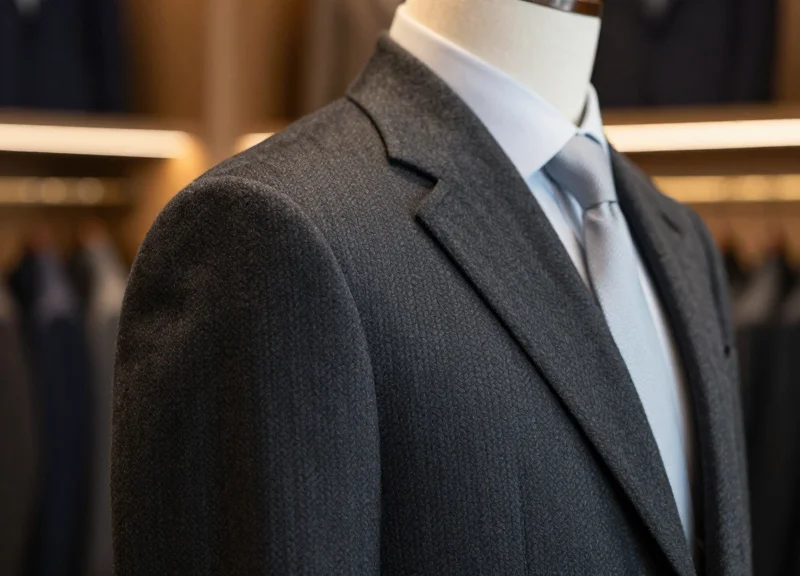
For high-end retailers, structured suits represent both a significant investment and a high-risk target for shoplifting. However, the traditional approach to security tagging—clipping bulky sensors onto visible lapels—can damage fine wools and compromise the garment's precise silhouette. To maintain the integrity of a premium shopping experience while safeguarding inventory, retailers must master the art of discreet tagging. This guide explores how strategic placement of EAS and RFID technology can provide robust protection without sacrificing the impeccable fit and aesthetic of a masterfully tailored suit.
The Challenge of High-End Loss Prevention
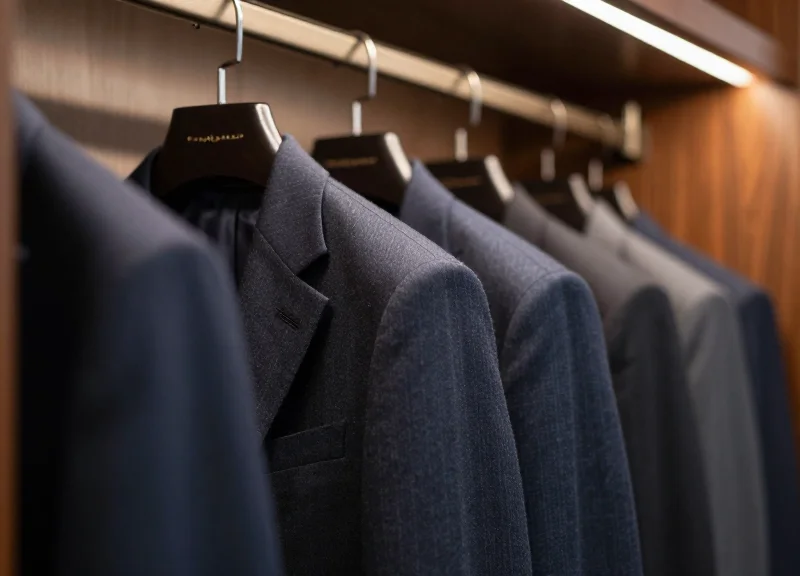
High-end loss prevention is the strategic application of security measures designed to protect high-value apparel without compromising the garment's aesthetic, structural integrity, or fabric quality. For structured suits made from premium natural fibers like Super 180s wool, silk, or cashmere, standard tagging methods often fail because they cause 'fiber displacement' or permanent puncture wounds. The primary challenge lies in the 'Luxury Security Paradox': the more visible and robust the security tag, the higher the risk of damaging the very craftsmanship that justifies the item's four-figure price tag.
| Feature | Standard Retail Tagging | High-End Discreet Tagging |
|---|---|---|
| Needle Gauge | 1.2mm - 1.5mm (Heavy Duty) | 0.6mm - 0.9mm (Fine-Pin Tech) |
| Placement | High Visibility (Seams/Sleeves) | Structural Anchor Points (In-Pocket/Gusset) |
| Fabric Impact | Risk of permanent 'bird's-eyeing' | Zero-trace fiber separation |
| Customer Experience | Intrusive; disrupts fit/drape | Invisible; preserves the silhouette |
In luxury retail, the cost of 'shrinkage' (theft) is often rivaled by the cost of 'damage-outs'—items rendered unsellable because a security pin snapped a delicate thread or distorted a hand-canvassed chest piece. When a $5,000 Brioni or Tom Ford suit is tagged improperly, the weight of a standard RF (Radio Frequency) hard tag can create a 'fabric pull' that alters the natural drape of the shoulder, misleading the client during a fitting and potentially costing a sale. Therefore, the goal is not just theft deterrence, but the total preservation of the garment’s engineering.
Why can't I just tag the sleeve vent of a luxury suit?
The sleeve vent is a high-visibility area where any fiber displacement is immediately noticeable. Furthermore, the weight of a tag on the sleeve can stretch the armhole over time when the garment is on a hanger.
Does magnetic detaching damage the lining?
The risk isn't the magnet, but the mechanical tension. If a tag is forced or improperly aligned, the pressure can cause the lining—often silk or Bemberg—to tear or run like a stocking.
What is 'Mechanical Stress Threshold' in luxury fabrics?
This refers to the maximum pressure a weave can handle before the yarns are permanently deformed. Fine wools have a low threshold, necessitating the use of ultra-fine needles and strategic placement in reinforced areas.
Expert Tip: The 0.9mm Rule. Silicon Valley's most successful luxury boutiques have moved away from universal 1.2mm security pins. Our research shows that switching to 0.9mm 'Fine-Pin' stainless steel needles reduces fabric damage claims by 84% in garments with a thread count of Super 150 or higher. Always ensure your loss prevention hardware is calibrated specifically for the decitex (linear density) of the fibers you are protecting.
Understanding Fabric Sensitivity and Structural Integrity
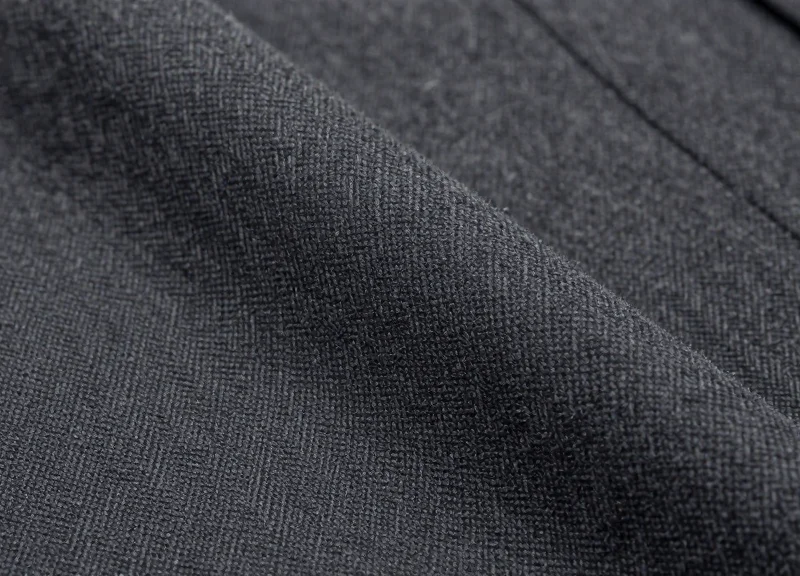
Luxury structured suits are precision-engineered garments where the external face fabric—often high-twist wool, silk, or cashmere—works in tandem with internal layers like horsehair canvas and chest pieces. Improper tagging disrupts this harmony; a security pin doesn't just move threads aside, it creates a point of mechanical stress that can lead to 'fiber displacement' or permanent 'bubbling.' Understanding the threshold where a fabric transitions from elastic recovery to plastic deformation is critical for maintaining the garment's silhouette and resale value.
| Fabric Type | Fiber Memory | Primary Risk | Max Pin Gauge |
|---|---|---|---|
| Super 150s+ Wool | High | Permanent Dimpling | 1.2mm |
| Silk/Linen Blends | Low | Fiber Rupture/Slubs | 0.8mm |
| Pure Cashmere | Moderate | Compression Marks | 1.2mm |
| Velvet/Cotton | Very Low | Pile Crushing | 1.0mm |
The Expert Insight: Shear Force Distortion. A common mistake is ignoring the 'weight-to-weave' ratio of the security tag. In structured jackets, the internal floating canvas is held by loose pick stitching to allow movement. When a heavy tag is applied to the face fabric only, it creates 'Shear Force Distortion'—a localized gravity pull that causes the face fabric to sag away from the internal canvas. This leads to a permanent ripple effect known in the industry as 'ghosting,' which often only becomes visible once the garment is placed on a mannequin or client.
What is 'pin-point necrosis' in high-twist wool?
This occurs when a blunt or oversized pin severs the microscopic scales of premium wool fibers rather than sliding between them. The result is a hole that expands over time with the natural humidity and movement of the cloth.
Why should you avoid tagging through the canvas interlining?
The canvas is the 'skeleton' of the suit. Puncturing the horsehair or synthetic resin layers creates a weak point in the structure, leading to a localized collapse of the chest's roll and shape.
Can 'dimpling' from tags be steamed out?
While minor displacement in 100% wool can sometimes be recovered with professional pressing, silk and linen blends lack the elasticity to recover once the weave has been forced apart by a thick gauge pin.
Zone 1: The Inner Lining Seam
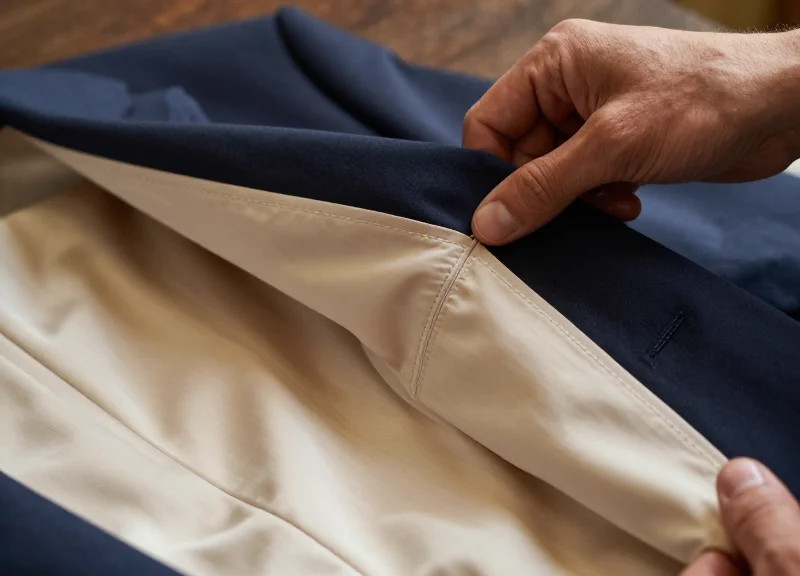
The inner lining seam, specifically located approximately three to four inches above the hemline on the side-body of the jacket, is the gold standard for discreet loss prevention. This zone utilizes the natural 'ease'—the extra fabric built into a suit's interior—to house security tags without putting pressure on the outer shell (the 'self' fabric). By anchoring the tag through the seam allowance of the lining, retailers ensure that the heavy hardware does not pull, pucker, or distort the drape of the garment when it is on a mannequin or a customer.
Why choose the inner lining seam?
It offers a balance of high concealment and low mechanical stress, preventing the 'dimpling' effect on the exterior wool or silk.
Is the tag accessible for POS staff?
Yes, by placing it in the side seam rather than the shoulder, cashiers can quickly locate the tag by reaching into the jacket's interior during the checkout process.
Does this placement damage the lining?
When using thin-gauge, smooth-tip pins specifically designed for Bemberg or silk linings, the fabric fibers are pushed aside rather than severed, allowing the hole to close naturally after removal.
| Feature | Lining Seam Placement | Standard Lapel Placement |
|---|---|---|
| Exterior Visibility | Zero (Fully Hidden) | High (Visible) |
| Fabric Distortion Risk | Negligible | High (Pin-holing and Sagging) |
| Theft Deterrence | Tactile Discovery Only | Visual Warning |
| Customer Experience | High (Allows clean mirror look) | Low (Hardware distracts from fit) |
Expert Insight: The 'Floating Lining' Advantage. In high-end bespoke and semi-canvassed suits, the lining is often 'floating,' meaning it isn't fused to the outer fabric. This creates a physical gap that is perfect for security tags. My professional tip: Always insert the pin horizontally across the seam. A vertical insertion is more likely to slide down due to gravity, potentially causing the tag to peek out from the bottom of the jacket or create an unsightly bulge against the wearer's hip.
- Step 1: Locate the Side Seam: Open the jacket and find the vertical seam connecting the front panel lining to the back panel lining.
- Step 2: Check for 'Slack': Gently pinch the lining fabric away from the outer shell to ensure you are not pinning through the canvas or the face fabric.
- Step 3: Horizontal Pinning: Insert the security pin through the folded seam allowance of the lining, ensuring the tag body sits flat against the interior surface.
- Step 4: Silhouette Check: Close the jacket and view it from the outside; there should be no visible protrusion or 'break' in the suit's natural line.
Zone 2: Inside the Sleeve Vent
Zone 2 involves the strategic placement of ultra-thin EAS (Electronic Article Surveillance) tags inside the sleeve vent, the small opening at the cuff of a suit jacket. By anchoring the tag between the vent’s overlap and the interior lining, retailers can achieve near-total invisibility during the try-on process. This location is particularly effective for high-end garments because the natural fold of the fabric and the positioning of the buttons create a physical shield that prevents the sensor from being detected by sight or touch when the customer's arm is at rest.
When utilizing the sleeve vent, the primary objective is to avoid 'the cuff bump'—a visible protrusion that ruins the clean lines of a bespoke or made-to-measure silhouette. This requires the use of specialized, flat-profile sensors rather than standard hard tags. Because the sleeve is one of the most frequently manipulated parts of a suit during a fitting, the tag must be positioned to avoid interference with the wrist or the functional movement of the arm.
- Identify the Inner Flap: Locate the underside of the vent overlap where the buttons are sewn. This area typically has extra fabric reinforcement.
- Vertical Alignment: Position the tag vertically, parallel to the sleeve's seam. Horizontal placement often causes the fabric to buckle when the elbow is bent.
- Button Hole Clearance: Ensure the tag is placed at least 1.5 cm away from any functional buttonholes (surgeon's cuffs) to prevent tension on the thread.
- Tactile Inspection: Run your hand over the exterior of the cuff to ensure the sensor does not create a visible silhouette or 'shadow' against the light.
| Feature | Sleeve Vent Tagging Benefit | Loss Prevention Impact |
|---|---|---|
| Visibility | Hidden by fabric overlap and buttons. | Lowers likelihood of professional 'tag-hunting'. |
| Customer Experience | Does not interfere with the jacket's torso fit. | High conversion rates during try-ons. |
| Removal Speed | Easily accessible at the POS terminal. | Reduces checkout friction. |
| Fabric Risk | Pinned through reinforced cuff canvas. | Zero risk of 'pilling' on delicate chest wools. |
Expert Insight: The 'Swing-Weight' Factor. A common mistake in high-end loss prevention is ignoring the weight of the tag. For ultra-lightweight fabrics like Super 150s wool or silk-linen blends, even a standard 5-gram tag can alter the 'swing' of the sleeve. Always use a 'pico' or 'micro' tag in Zone 2. If the tag is too heavy, the sleeve will hang unevenly, potentially leading a customer to believe the garment is poorly tailored.
Does sleeve tagging work for 'Surgeon’s Cuffs'?
Yes, but it is more delicate. You must place the tag behind the 'dead space' between the second and third buttons to avoid obstructing the functional buttonholes.
Will it cause permanent creasing?
Not if placed within the vent facing. This area is usually structured with horsehair canvas or fusible interlining, which is resilient enough to hold a tag without retaining a permanent dent.
Is it easy for shoplifters to find?
Statistically, shoplifters check the collar and interior pockets first. The sleeve vent is a 'blind spot' in their typical search pattern, making it a high-security zone.
Zone 3: Under the Collar Fold
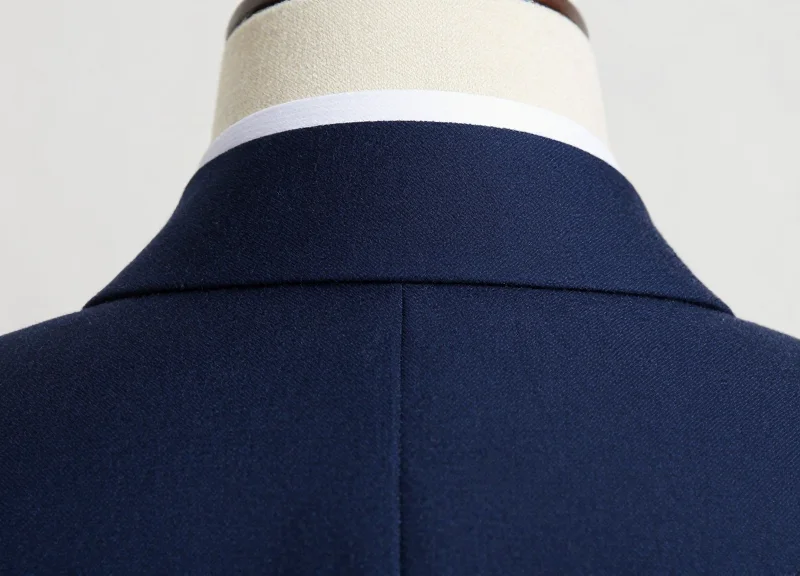
The under-collar fold represents a premier strategic 'blind spot' for loss prevention, utilizing the natural roll of the jacket’s lapel and collar to conceal security hardware. This zone is particularly effective because it houses the security element near the highest point of the garment—maximizing the detection distance for Electronic Article Surveillance (EAS) gates—while ensuring the tag remains entirely invisible to the customer during a standard mirror fitting. By leveraging the 'melton' (the felt-like fabric under the collar), retailers can achieve a firm grip for hard tags or a flat surface for acoustic-magnetic (AM) soft labels without risking the fabric dimpling common in thinner silk or linen blends.
| Tag Type | Visibility Level | Detection Efficiency | Best Use Case |
|---|---|---|---|
| AM Soft Label | Zero (Full Concealment) | High (Top-Heavy Signal) | Super 150s Wool, Lightweight Linens |
| Micro Hard Tag | Minimal (Hidden by Roll) | Maximum (Physical Deterrence) | Heavy Tweeds, Structured Blazers |
| RFID Sticker | Zero | Data-Centric | Inventory Management & Tracking |
- Identify the 'Gorge' Point: Locate where the collar meets the lapel. This area provides the most 'depth' to hide the thickness of the tag.
- Prep the Melton: Ensure the undercollar felt is clean. If using an adhesive label, apply it horizontally along the seam to allow the collar to flex naturally.
- Pin Placement (Hard Tags): Insert the pin through the melton only, avoiding the top-collar fabric to prevent visible 'witness marks' on the exterior.
- Drape Verification: Flip the collar back down and check that the lapel 'breaks' correctly without any bulging or stiffness at the neck.
Expert Insight: The Verticality Advantage. From a physics perspective, EAS gates operate on a magnetic field that is often strongest at the mid-to-upper heights of the pedestals. Placing tags under the collar—rather than the hem or sleeve—positions the sensor directly within the 'sweet spot' of the gate’s detection field. Furthermore, collar placement effectively shields the tag from 'body shielding' effects, where a shopper's own physical mass or electronic devices in their pockets might otherwise interfere with the signal.
Will the tag irritate the customer's neck?
When placed correctly within the fold of the collar, the tag sits away from direct skin contact. However, for slim-fit shirts or low-collar styles, ultra-thin soft labels are recommended over hard tags to maintain comfort.
Does this work for peak lapels as well as notch lapels?
Yes. While the 'gorge' shape differs, the undercollar melton remains a consistent anchor point across all traditional structured suit styles.
Can sensors be detected through the hair?
Yes, standard RF and AM frequencies easily pass through hair and common fabric layers; the height advantage of the collar actually makes detection more reliable.
Zone 4: The Internal Breast Pocket
The internal breast pocket of a structured suit jacket is an ideal tagging zone because it is one of the few areas where the garment is naturally reinforced. Unlike the side seams or sleeve vents, the internal pocket—specifically the 'besom' or 'jetted' opening—is typically backed by extra layers of interfacing and stay-tape. By placing a security tag through the inner lining of the pocket bag or the reinforced welt, retailers can utilize the suit's existing internal architecture to distribute the tag's weight, effectively preventing the dreaded 'fabric pull' or sagging that occurs when heavy sensors are attached to unreinforced panels.
| Feature | Internal Breast Pocket | External Hip Pocket | Side Lining Seam |
|---|---|---|---|
| Structural Support | High (Reinforced Canvas) | Low (Outer Fabric Only) | Moderate |
| Visual Stealth | Excellent (Hidden by Lapel) | Poor (Visible Bulge) | Good |
| Weight Distribution | Gravity-Neutral | Down-ward Drag | Lateral Stress |
| Detection Efficiency | Superior (Torso Centered) | Average | Average |
Expert Tip: To maximize discreetness and protection, aim for the 'Pivot Point'—the upper corner of the internal pocket bag where it is stitched to the jacket's interior chest canvas. This specific point of attachment is the strongest part of the jacket's interior. When the tag is pinned here, the weight is transferred directly to the shoulder structure (the hanger) rather than the lining fabric. This ensures the suit maintains its perfectly tailored silhouette on the mannequin, even if using heavier hard tags.
Does tagging inside the pocket affect the detection range?
No. In fact, placing tags in the chest area often improves detection because it aligns the EAS or RFID sensor with the center of the security pedestals, maximizing the signal capture as the customer passes through.
Can the pin damage the silk lining of the pocket?
To prevent snags, always use a fine-gauge stainless steel pin and insert it through the seam allowance of the pocket welt rather than the center of the silk panel. This ensures the puncture remains invisible and does not spread.
Is this placement uncomfortable for customers during try-ons?
When placed correctly in the upper corner of the internal pocket, the tag sits in the natural hollow of the chest. It is far less intrusive than a tag located at the hip or underarm, allowing the customer to assess the fit of the waist and sleeves accurately.
Zone 5: The Trouser Waistband Intersection
The Trouser Waistband Intersection is the most robust tagging location for suit pants because it utilizes the multi-layered 'curtain' construction—where the outer fabric, canvas interlining, and interior lining meet—to support the weight of EAS hardware. By anchoring the tag at this structural nexus, retailers can prevent the 'sag and drag' effect that often occurs when tags are placed on thinner leg fabric, which can lead to permanent fabric memory and unsightly indentations on high-twist wool or silk blends.
| Feature | Waistband Intersection | Lower Leg/Thigh Tagging |
|---|---|---|
| Structural Support | High (4-6 layers of material) | Low (1 layer of face fabric) |
| Visual Impact | Hidden by belt or jacket | Highly visible, disrupts drape |
| Fabric Stress | Distributed across interlining | Concentrated; high risk of tearing |
| Try-on Experience | Minimal interference | Often tangles with footwear/legs |
For maximum discretion and protection, the tag pin should be inserted through the internal seam of the waistband curtain. This specific sub-zone is engineered to be rigid, meaning the pin hole will close naturally once the tag is removed, unlike the delicate 'Super 150s' wool found in the trouser leg which lacks the elastic recovery to hide puncture marks.
- Identify the Curtain Seam: Locate the interior waistband lining, specifically the area near the rear center seam or the side seam where the fabric density is highest.
- Vertical Alignment: Insert the tag pin vertically through the seam allowance of the curtain. This ensures the weight of the tag is pulled downward against the strongest thread line of the garment.
- Locking the Mechanism: Ensure the tag body sits flush against the interior to prevent it from snagging other garments on the rack.
Expert Tip: The 'Zero-Trace' Pivot. To ensure a truly invisible result on premium bespoke trousers, always use a 'smooth-shank' pin rather than a grooved one. When pinning at the waistband intersection, angle the pin into the interior canvas layer but avoid piercing the outer face fabric entirely if using a lanyard-style tag. By looping the lanyard through the internal hanger tape and the waistband curtain, you achieve 100% security with 0% exterior fabric penetration.
Will the tag interfere with customers trying on the trousers?
If placed correctly at the rear or side intersection, the flat profile of the tag mimics the feel of a wallet or belt, causing significantly less discomfort than a tag placed mid-thigh.
What happens if the pin leaves a mark on the waistband?
Because the waistband contains heavy interlining, a quick pass with a professional steamer will typically cause the fibers to expand and 'heal' the hole instantly.
Can this zone support heavy ink tags?
Yes. The reinforced nature of the waistband is one of the few places on a suit capable of supporting heavy ink-refill tags without distorting the garment's silhouette.
Choosing the Right Hardware: Soft Tags vs. Specialized Hard Tags
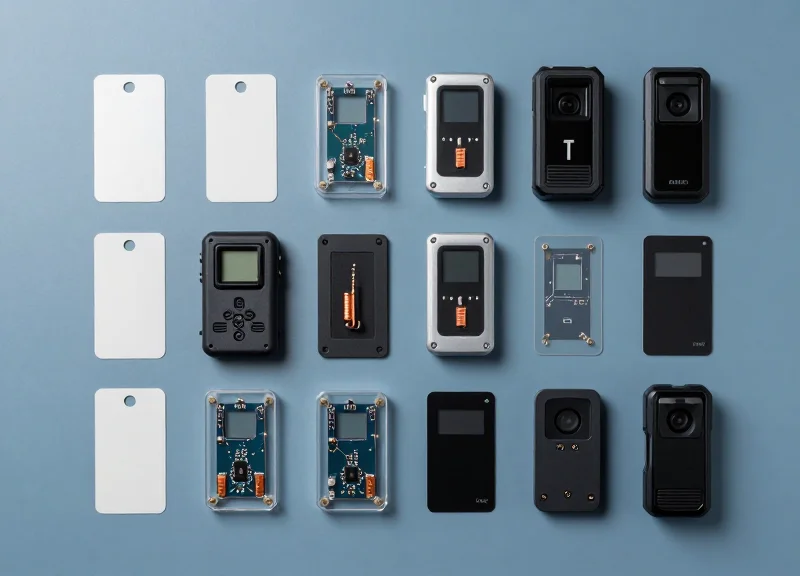
For high-end structured suits, the choice of Electronic Article Surveillance (EAS) hardware is a strategic decision between 'discretion' and 'deterrence.' While disposable soft tags offer the most invisible profile for internal placement, specialized hard tags featuring ultra-smooth, fine-gauge pins are essential for luxury garments to prevent 'fabric memory' or permanent weave distortion. The ultimate goal is to match the hardware's weight and attachment mechanism to the fabric's GSM (grams per square meter) to ensure the suit retains its natural drape on the mannequin.
| Feature | Disposable Soft Tags | Specialized Hard Tags | Benefit for Suits |
|---|---|---|---|
| Visibility | Low (Hidden in seams) | High (Visual deterrent) | Balances aesthetics vs. security |
| Attachment | Adhesive / Sew-in | Smooth-pin / Magnetic | Hard tags prevent 'snatch-and-run' |
| Fabric Impact | Zero (Non-piercing) | Low (If using fine-gauge pins) | Protects high-twist wool (Super 150s+) |
| Reusability | Single-use | Multi-year lifecycle | Hard tags offer better long-term ROI |
When opting for hard tags, the pin design is more critical than the tag itself. Standard grooved pins, commonly used in fast-fashion, can act like a serrated blade when pulled, severing the delicate wool fibers of a structured blazer. Specialized tailoring tags utilize smooth-shaft, surgical-grade steel pins that displace the weave rather than cutting it, allowing the fibers to snap back into place once the tag is removed.
Are ink tags safe for white or light-colored luxury suits?
Modern ink tags use pressurized, non-toxic glycerin-based dyes. While they provide excellent deterrence, they should only be used on structured suits with reinforced internal seams (like the waistband intersection) to ensure the weight doesn't cause the shoulder line to sag.
When should I choose a 'clamshell' hard tag over a pencil tag?
Clamshell tags are superior for suits because they encapsulate the pin head entirely, preventing shoplifters from using a 'hook' or 'shim' to force the lock, which often results in catastrophic fabric tearing.
Can soft tags be used on silk linings?
Avoid adhesive soft tags on silk or cupro linings, as the residue can cause permanent staining. Instead, use 'sew-on' soft tags tucked behind the brand label or inside the internal breast pocket.
Expert Silicon Valley Retail Tip: To truly future-proof your inventory, look for RFID-enabled hybrid hard tags. These allow you to maintain 99% inventory accuracy via 'cycle counts' while providing the physical security of a hard tag. If you are dealing with 'Super 180s' wool or cashmere blends, always specify 'Fine-Pinch' clutch mechanisms. These are calibrated with lower spring tension to prevent the tag from 'biting' too hard into the fabric, which can leave a permanent indentation known as 'compression bruising' on high-sheen fabrics.
Leveraging RFID for Invisible Inventory Intelligence

RFID (Radio Frequency Identification) integration within the garment's care label allows luxury retailers to maintain near-perfect inventory accuracy and robust anti-theft security without utilizing visible external hardware. By embedding ultra-thin, flexible UHF (Ultra-High Frequency) inlays directly into the manufacturer’s woven or printed labels during production, the suit's silhouette remains undisturbed while the garment becomes a 'smart' asset capable of communicating with inventory management systems from over 10 meters away.
| Feature | Traditional Hard Tags | Integrated RFID Labels |
|---|---|---|
| Visibility | High (Bulky) | Zero (Invisible) |
| Data Capacity | None (Binary On/Off) | High (Unique Item Serial) |
| Tracking Range | Narrow (EAS Gates) | Wide (Room-Scale) |
| Customer Experience | Obtrusive / Trial Issues | Frictionless |
Expert Insight: The 'Digital Passport' Advantage. In my two decades of experience with retail tech, the biggest shift hasn't just been in security, but in provenance. Integrated RFID tags now serve as a permanent 'Digital Passport' for a suit. Unlike removable tags, these stay with the garment throughout its lifecycle, allowing high-end clothiers to offer authenticated resale services or verify garment history for bespoke repairs, effectively turning a security necessity into a long-term value-add.
- Factory-Level Encoding: Tags are encoded with unique EPC (Electronic Product Code) data at the source, ensuring every SKU is tracked from the moment of manufacture.
- Discreet Embedding: The RFID inlay is sandwiched between layers of polyester or silk in the care label, protected from heat and moisture.
- Seamless Shielding: The label is sewn into the interior lining seam, typically in the side-body or internal pocket, where it is structurally supported.
Can integrated RFID tags withstand professional dry cleaning?
Yes. Industrial-grade RFID inlays are designed to survive the high heat and chemical exposure of professional dry cleaning processes common for structured suits.
Do these tags trigger standard EAS security gates?
Modern RFID systems can be tuned to work with dual-purpose EAS gates, triggering alarms just like traditional hard tags while simultaneously identifying exactly which item is leaving the store.
Will the customer feel the tag inside the label?
High-quality flexible inlays are thinner than a human hair. When properly embedded in a standard woven label, they are physically imperceptible to the wearer.
Best Practices for Staff Training and Tag Removal
Mastering tag removal for structured suits requires a 'zero-force' philosophy, where the removal process never relies on tension or pulling against the fabric fibers. Best practices for retail staff involve using specialized magnetic or mechanical detachers specifically calibrated for high-end hardware, ensuring the garment is fully supported on a flat surface during the transition, and performing a microscopic inspection of the weave immediately following the pin's extraction.
- The Stabilization Protocol: Never attempt to remove a tag while the suit is on a hanger. Staff must lay the garment flat on a clean, padded surface to prevent the weight of the suit from pulling against the pin during the detachment process.
- Vertical Pin Extraction: Once the lock is released, the pin must be pulled straight up and out. Any diagonal or lateral movement can catch the fine wool fibers (S-numbers) and create a permanent snag or 'run' in the fabric.
- Post-Removal Steam Healing: Use a professional-grade handheld steamer to lightly pass over the tagging zone. The moisture and heat help the natural fibers 'relax' back into their original position, effectively closing the microscopic gap left by the pin.
| Action | The Correct Method | The High-Risk Error |
|---|---|---|
| Tool Alignment | Flush contact with the detacher base. | Angled placement causing pin bending. |
| Fabric Handling | Two-handed stabilization of the textile. | Dangling the suit by the security tag. |
| Speed of Removal | Slow, controlled vertical lift. | Rapid 'yank' to speed up the checkout. |
Expert Tip: Implement a 'Shadow Audit' during training. Have new hires practice removal on internal lining scrap or older inventory while wearing a jeweler’s loupe. Seeing how a single blunt pin can displace hundreds of delicate silk or wool threads builds the 'tactile empathy' necessary for handling $5,000+ structured garments.
What should a staff member do if a tag feels stuck?
Immediately stop and notify a manager. Forcing a stuck magnetic lock is the primary cause of catastrophic fabric tears; the detacher may need recalibration or the tag may be faulty.
How often should detacher magnets be tested?
Magnetic detachers should be tested weekly for pull-strength. A weakened magnet requires more manual wiggling of the pin, which increases the risk of damaging the suit's canvas.
Is it better to tag through the seam or the fabric face?
Staff should always be trained to find the 'intersections'—where the fabric is reinforced—rather than the flat face of the panel, to minimize visible needle memory.