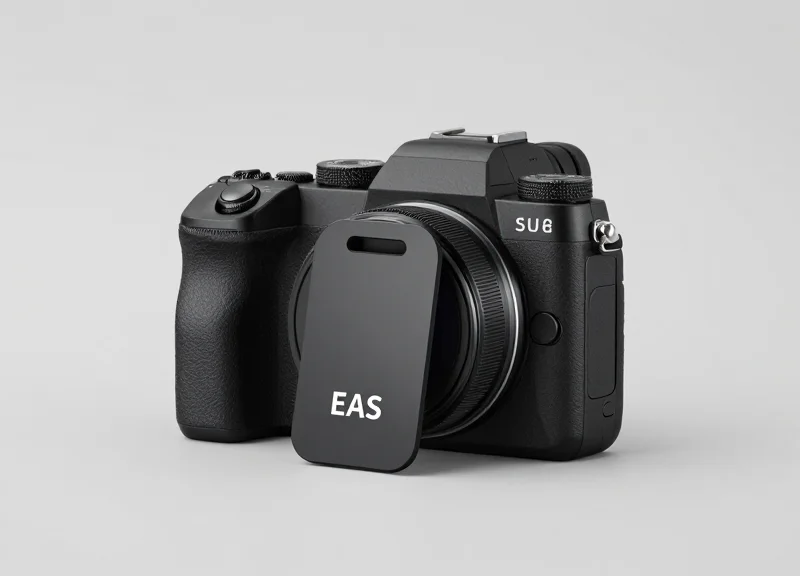
In the high-stakes world of high-end camera rentals, equipment is more than just inventory; it represents significant capital and artistic potential. Whether it is a RED V-RAPTOR or a vintage Leica lens, even a minor scratch or adhesive residue from a security tag can plummet its resale value or deter discerning cinematographers. As we look toward 2026, the demand for sophisticated, non-invasive Electronic Article Surveillance (EAS) has never been higher. This guide provides a strategic roadmap for rental house owners to implement robust security measures that respect the integrity of world-class professional equipment.
The Strategic Importance of Non-Damaging Security in 2026

In 2026, the strategic importance of non-damaging security for high-end camera rentals has shifted from basic loss prevention to asset lifecycle management. As professional cinema and mirrorless bodies incorporate increasingly delicate magnesium alloys and specialized heat-dissipating coatings, the use of traditional, invasive EAS tags is no longer viable. Non-damaging security solutions now serve as a critical competitive advantage, ensuring that equipment maintains its tactile 'pro-grade' feel and maximum resale value while providing a robust deterrent against shrinkage in an era of high-value, portable technology.
| Feature | Legacy EAS Tags (Pre-2024) | Modern Non-Damaging Tags (2026) |
|---|---|---|
| Attachment Method | High-bonding permanent adhesives | Micro-suction or non-marring mechanical clamps |
| Cosmetic Impact | Adhesive residue and surface scarring | Zero-trace removal with no finish degradation |
| Asset Resale Value | Reduces value by 10-15% (Grade B/C) | Maintains 'Mint' or 'Like New' status (Grade A+) |
| Client Perception | Perceived as bulky or 'low-rent' | Integrated, professional aesthetic |
The Residue Penalty: A 2026 Market Reality. Our data indicates that high-end equipment marketplaces, such as MPB and KEH, have introduced stricter grading protocols regarding 'security scarring.' A camera body that shows signs of adhesive corrosion or mechanical scratching from outdated EAS tags now faces an automatic 15% depreciation in trade-in value. For a rental house managing a fleet of 50 flagship bodies, failing to use non-damaging tags could result in a hidden capital loss of over $40,000 across a three-year refresh cycle.
Why is 'Zero-Trace' security suddenly a priority for cinematographers?
Cinematographers often use high-end rentals for high-stakes projects where gear aesthetics matter for client-facing sets; additionally, any residue can interfere with precision mounting accessories or follow-focus gears.
How do non-damaging tags impact insurance premiums?
Insurance providers in 2026 are beginning to recognize that 'asset integrity' includes cosmetic health; stores using non-damaging, high-tech EAS systems often qualify for lower premiums due to better overall equipment maintenance standards.
Can non-damaging tags be as secure as permanent ones?
Yes. Modern non-damaging tags utilize advanced multi-point locking mechanisms and encrypted RF signals that provide higher security levels than old-school adhesive stickers without harming the device.
Common Damage Risks from Standard EAS Tags
Standard EAS tags—designed primarily for apparel or low-cost electronics—pose a multi-faceted threat to professional camera systems where the cosmetic integrity and mechanical precision of the gear directly dictate its rental yield and resale value. The primary risks involve permanent substrate perforation from security pins, chemical degradation of specialized rubberized grips caused by low-grade adhesives, and torsional stress on articulated components like flip-out LCD screens or top-plate control dials when bulky hard tags are improperly clamped.
| Damage Source | Target Component | Impact on Asset Value |
|---|---|---|
| Invasive Pin Systems | Weather-Sealing Gaskets & Grips | High: Compromises moisture resistance and creates permanent holes in rubber. |
| Industrial Adhesives | Magnesium Alloy Finish & Serial Plates | Medium-High: Causes 'ghosting' or stripping of the matte finish upon removal. |
| Heavy Hard Tags | Lens Mounts & Articulated LCDs | High: Mechanical strain can lead to misalignment or hinge failure over time. |
| Magnetic Detachers | Internal IBIS & Magnetic Sensors | Variable: Risk of interfering with delicate sensor-shift stabilization units. |
Expert Insight: The 'Outgassing' Phenomenon. A frequently overlooked risk in 2026 is the outgassing of VOCs (Volatile Organic Compounds) from cheap adhesive EAS stickers. When high-end lenses are stored in airtight flight cases with these tags, the trapped gases can interact with fluorite lens coatings, leading to microscopic 'haze' that is nearly impossible to clean without professional resurfacing.
Can adhesive residue be safely removed from professional camera bodies?
While isopropyl alcohol is common, many high-end camera bodies use specialized polycarbonates or matte coatings that can cloud or dissolve when exposed to harsh solvents. Removing standard tag residue often requires abrasive action that permanently alters the texture of the camera's grip.
Do 'tether' style security tags cause damage to tripod threads?
Yes, standard steel lanyards often use generic 1/4-20 bolts that may not match the thread depth of high-end cinema cages, leading to stripped threads or localized stress fractures in the baseplate.
Why are standard magnetic tags a risk for mirrorless sensors?
Modern mirrorless cameras rely on complex In-Body Image Stabilization (IBIS) systems that use electromagnetic actuators. Placing high-powered magnetic detachers or hard tags near the sensor housing can potentially cause calibration drift or temporary 'drift' in the stabilization motor's home position.
Essential Characteristics of Non-Invasive Tags
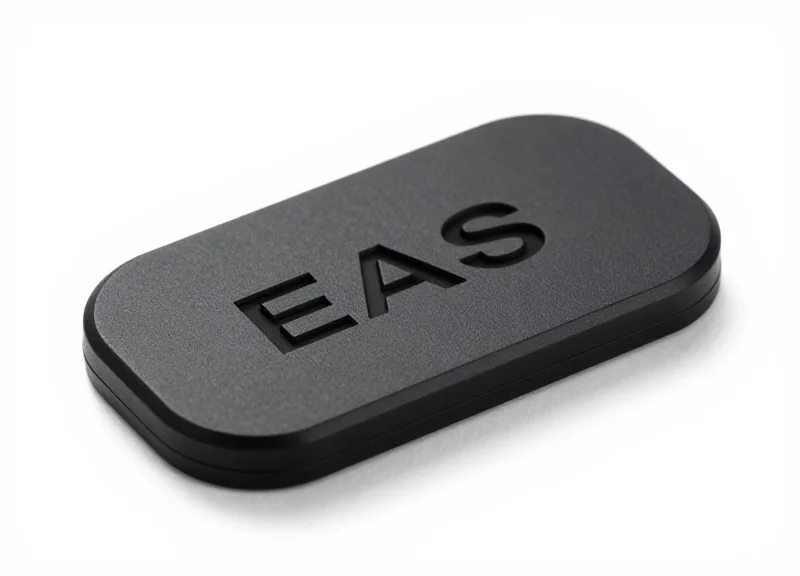
For 2026, the industry standard for non-invasive EAS tags is defined by the 'Zero-Trace' principle: a security solution must offer 100% detection reliability while ensuring that removal leaves the asset in its original, factory-pristine condition. Unlike legacy hard tags that rely on physical pins or high-tack acrylic adhesives, modern non-damaging tags utilize advanced polymer science and mechanical clamping systems designed specifically for the magnesium alloy and rubberized surfaces found on professional cinema and mirrorless cameras.
| Feature | Legacy EAS Tags | 2026 Non-Invasive Tags |
|---|---|---|
| Attachment Mechanism | Steel Pins / Acrylic Tape | Nano-suction / Soft-Touch Lanyards |
| Surface Contact | Hard ABS Plastic | TPU Overmolding / Silicone Padding |
| Removal Process | Heat / Chemical Solvents | Proprietary Clean-Release Pulls |
| Weight Impact | 15g - 45g (Bulky) | 3g - 8g (Ultra-lightweight) |
- Nano-Suction and Residue-Free Adhesives: Modern tags use microscopic suction cups rather than chemical glues. This creates a vacuum bond that resists horizontal shearing (theft attempts) but releases cleanly without leaving sticky residue that can attract dust into lens mounts.
- Soft-Touch TPU Padding: Any part of the tag that contacts the camera body should be overmolded with Thermoplastic Polyurethane (TPU). This prevents micro-abrasions and 'shining' on matte finishes caused by vibration during transport.
- Adjustable Lanyard Attachments: For oddly shaped gear like anamorphic lenses or gimbal arms, flexible lanyards with rubberized sleeves allow for secure attachment to existing eyelets without metal-on-metal contact.
Expert Insight: In the 2026 rental market, 'Weight-to-Balance Ratio' is a critical, often overlooked factor. High-end camera sensors and gimbals are calibrated to the gram. A non-invasive tag must be ultra-lightweight (under 10g) to ensure it doesn't cause motor strain on electronic stabilizers or offset the balance of a handheld rig during a client's shoot.
Will these adhesives fail in extreme temperatures?
2026-spec nano-suction tags are rated for environments ranging from -10°C to 45°C. Unlike traditional glue, they do not 'melt' or become brittle, maintaining a consistent bond on location shoots.
Are lanyard-style tags easier to cut than hard tags?
Modern security lanyards for camera gear use a multi-strand steel core wrapped in a cut-resistant aramid fiber and a soft silicone outer shell, offering high security with zero risk of scratching the gear.
Do these tags interfere with wireless transmission?
Non-invasive tags for professional gear are now 'RF-Transparent,' meaning their internal coils are shielded to prevent interference with the camera's internal Wi-Fi, Bluetooth, or wireless follow-focus signals.
Top EAS Tag Varieties for Camera Bodies and Lenses
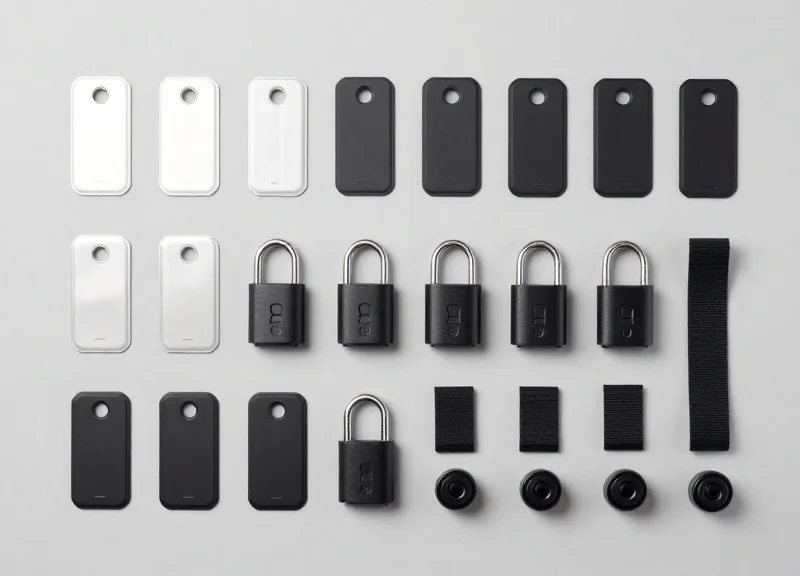
In 2026, the industry standard for securing high-end camera gear has shifted toward specialized Lanyard Hard Tags, Residue-Free Optical Soft Tags, and Padded Multi-Grip Wraps. These solutions prioritize 'zero-torque' mechanical designs that prevent pressure on lens mounts and utilize non-migrating polymers to ensure no chemical interaction with premium camera finishes or rubberized grips.
| Tag Category | Primary Use Case | Protection Mechanism | Risk Level to Finish |
|---|---|---|---|
| Nylon-Coated Lanyard Tags | DSLR/Mirrorless Bodies | Stainless steel cable loop | Ultra-Low (Non-abrasive) |
| PE-Coated Soft Tags | Prime & Zoom Lenses | Acrylic-free adhesive | Zero (Removable) |
| Padded Spider Wraps | Boxed Kits / Large Lenses | Ratchet tension with foam | Moderate (Requires padding) |
| NFC-Hybrid Mini Tags | Battery Grips / Accessories | Dual-frequency tracking | Low (Small footprint) |
Expert Insight: The Zero-Torque Rule. In the 2026 rental market, the most significant advancement is the 'Zero-Torque' lanyard. Traditional tags can act as a lever if a camera is dropped, potentially snapping the lens mount. Modern premium lanyard tags now feature a 'weak-link' safety pivot or a swivel connector that allows the tag to rotate 360 degrees independently of the camera body, ensuring that the security device itself doesn't become a liability during accidental impact.
- Identify the 'Anchor Point': For camera bodies, always use the factory-reinforced neck strap eyelets for lanyard attachment rather than wrapping around the lens barrel.
- Apply Optical-Safe Soft Tags: When securing individual lenses, apply AM or RF soft tags to the lens hood or the non-moving part of the barrel using specialized residue-free adhesives.
- Verify Signal Transparency: Ensure the tag placement does not interfere with internal Wi-Fi or Bluetooth antennas used for remote camera control and tethering.
Can soft tags be used directly on the lens glass?
Absolutely not. Even residue-free tags can disturb the specialized hydrophobic and anti-reflective coatings on high-end glass. Only apply tags to the outer housing or lens caps.
Are lanyard tags strong enough to prevent 'snatch-and-run'?
Yes, 2026-spec lanyard tags utilize multi-strand aircraft-grade cables that require specialized cutters, providing a high level of deterrence for open-display rentals.
How do I remove residue if a tag was applied incorrectly?
Avoid isopropyl alcohol on rubber grips as it can cause whitening. Use a dedicated electronics-safe, citrus-based cleaner and a microfiber cloth.
The Rise of RFID-EAS Hybrids in Asset Management

RFID-EAS hybrid tags are the definitive security solution for 2026, merging the traditional theft deterrence of Electronic Article Surveillance (EAS) with the sophisticated data capabilities of Radio Frequency Identification (RFID). Unlike older systems that required two separate tags, these modern hybrids use a single, low-profile footprint to communicate with both security pedestals and inventory readers. For high-end camera rental houses, this technology eliminates the 'double-tagging' aesthetic clutter while providing real-time visibility into the movement of specialized gear like anamorphic lenses and cinema bodies.
| Feature | Traditional EAS | Standard RFID | 2026 Hybrid Tags |
|---|---|---|---|
| Primary Purpose | Theft Deterrence | Inventory Tracking | Dual Security & Tracking |
| Data Capacity | None (Bit-only) | High (Unique ID/History) | High (Serialized ID) |
| Security Alarms | Yes | Limited/Proximity | Instant Perimeter Alarm |
| Damage Risk | High (Mechanical) | Low (Adhesive) | Ultra-Low (Non-Damaging) |
- Automated Batch Check-In: Rental managers can scan an entire camera kit—including body, three lenses, and a monitor—in seconds using UHF RFID, while the EAS component remains active for immediate floor security.
- Serialized Alarm Events: When a hybrid tag triggers a security gate, the system identifies exactly which item (by serial number) is leaving, rather than just sounding a generic alarm.
- Lifecycle Maintenance Log: Each tag stores the camera’s service history, ensuring that equipment nearing its maintenance interval is flagged during the automated check-out process.
Expert Insight: The 'Ghost Serial' Logic. In 2026, top-tier rental houses are using hybrid tags to implement what we call 'Ghost Serial' logic. By syncing the tag's RFID signature with the camera's internal firmware via the cloud, the camera can be remotely 'locked' if it passes through an EAS gate without an authorized rental contract. This turns the physical security tag into a digital kill-switch, making stolen high-end gear useless on the secondary market.
Do hybrid tags interfere with camera electronics?
No. 2026 hybrid tags use passive UHF and AM frequencies that are specifically shielded to prevent electromagnetic interference (EMI) with digital sensors or wireless transmission systems like Teradek.
Are these tags reusable across different equipment types?
Yes. Most hybrid tags for the rental market are designed as high-durability lanyard or wrap-style tags that can be detached and reprogrammed for new inventory, maximizing ROI.
What is the detection range for 2026 hybrid systems?
EAS security functions typically cover 1.5 to 2 meters at exits, while the RFID component can be read at distances up to 8 meters for rapid warehouse auditing.
Optimizing Tag Placement for Functionality and Safety
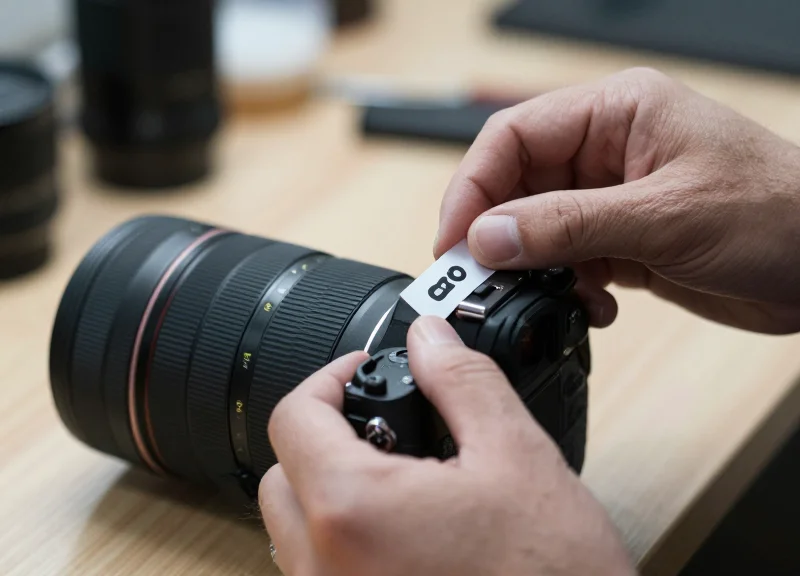
Optimizing tag placement for high-end camera rentals involves identifying 'zero-interference zones' where security hardware provides a high visual deterrent without blocking battery doors, media slots, or lens release buttons. The goal is to maintain the professional utility of the gear while ensuring the tag remains difficult to shield or remove without specialized tools.
| Camera Area | Ideal Tag Type | Functionality Risk |
|---|---|---|
| Top Plate (Near Cold Shoe) | Lanyard Tag | Blocks Accessory Mounts |
| Side Port Flaps | Small Adhesive Soft Tag | Inhibits HDMI/SDI Cable Access |
| Bottom Plate | Low-Profile Wrap | Interferes with Tripod Plates |
| Lens Barrel (Non-Moving) | Flexible Cable Tag | Obstructs Focus/Zoom Rings |
Expert Insight: In the 2026 rental landscape, the most critical placement factor is the 'Gimbal Neutrality' principle. Modern AI-driven gimbals are extremely sensitive to the Moment of Inertia. A tag weighing just 15 grams, if placed at the extremity of a long lens or the top of a cage, can cause micro-vibrations or motor overheating during high-speed tracking. Technicians must prioritize tag placement as close to the camera sensor's center of gravity as possible to ensure seamless calibration for the end-user.
- Identify Dead Space: Locate areas like the right-side strap lug or the recessed sections of the battery grip that do not house electronics.
- Check Full Range of Motion: Manually open all port covers, battery doors, and flip-out screens to their maximum extension to ensure the tag does not impede movement.
- Verify Mounting Integrity: Attach the camera to a standard Arri or Manfrotto plate to confirm the tag does not create a gap between the plate and the body, which could cause camera twist.
- Execute a Balance Test: Place the tagged unit on a stabilizer to ensure the offset weight is within the 3-axis auto-calibration tolerance.
Can tags be placed directly on professional lenses?
Only on the fixed, non-moving portion of the barrel near the mount. Placing tags on the focus, zoom, or iris rings will result in mechanical failure or internal motor damage.
Do EAS tags interfere with wireless video transmitters?
Metal-heavy hard tags can act as a shield or cause signal multipath issues. Always place tags at least 3 inches away from internal Wi-Fi antennas or external Teradek-style transmitters.
What is the safest way to tag a modular cinema camera?
For modular systems like the RED V-Raptor or Sony Venice, it is best to tag the main brain and the most expensive detachable module (like the AXS recorder) separately using low-profile, non-residue adhesives.
Material Science: Why 2026 Adhesives Are Different
The 2026 adhesive revolution in EAS technology is defined by a shift from solvent-based acrylics to high-performance, pressure-sensitive silicones and biomimetic polymers. Unlike older adhesives that rely on deep mechanical interlocking—often resulting in 'ghosting' or the permanent leaching of oils into porous camera grips—modern 2026 adhesives utilize van der Waals forces. This 'clean-peel' technology ensures that EAS tags remain firmly attached during the rigors of a rental period but can be removed with zero shear-force damage to the delicate anti-reflective coatings or magnesium-alloy chassis found on flagship cinema cameras.
| Feature | Legacy Acrylics (Pre-2024) | 2026 Clean-Peel Silicones |
|---|---|---|
| Bonding Mechanism | Chemical Diffusion / Permeation | Molecular Surface Tension (Suction) |
| Removal Profile | High-Peel Force (Residue Likely) | Low-Peel / High-Shear (Zero Residue) |
| Thermal Stability | Softens above 40°C (Sliding) | Stable from -20°C to 80°C |
| Substrate Impact | May cause 'Ghosting' on plastics | Inert; safe for Magnesium & Carbon Fiber |
| VOC Emission | Detectable Off-gassing | Zero-VOC / Medical Grade |
A critical advancement in 2026 is the optimization for Low Surface Energy (LSE) substrates. High-end camera bodies are often treated with oleophobic and hydrophobic coatings to repel fingerprints and moisture. Traditional adhesives fail on these surfaces, leading rental houses to use 'extra-strength' glues that inevitably damage the finish. 2026 EAS tags utilize a multi-layer cross-linking density that allows the adhesive to 'wet' the surface of an LSE coating without bonding to it permanently, providing a secure grip that essentially 'releases' when pulled at a specific 90-degree angle.
Will these new adhesives leave 'ghosting' marks on matte finishes?
No. 2026 adhesives use non-migratory plasticizers, meaning no oils or chemicals leach from the tag into the camera's body material, preserving the original matte texture and resale value.
How do 2026 adhesives handle extreme weather on location shoots?
These silicones are engineered for climate resilience, maintaining their bond in high-humidity tropical environments and sub-zero arctic conditions without becoming brittle or gooey.
Can the tags be reapplied if moved to a different lens?
While designed for single-use security, the clean-peel nature allows for immediate repositioning during the initial application without losing structural integrity or leaving a mess.
Expert Tip: To maximize the 'Zero-Footprint' promise of 2026 tags, always perform a quick surface de-ionization using a specialized anti-static cloth before application. This ensures the molecular suction of the silicone adhesive is not compromised by microscopic dust, which is the primary cause of 'tag sliding' in the field.
Evaluating ROI: Preventing Theft While Preserving Resale Value

The Return on Investment (ROI) for non-damaging EAS tags in high-end camera rentals is calculated by combining two critical metrics: the reduction in annual shrinkage rates and the preservation of the 'Mint Condition' resale premium. In the 2026 market, a professional camera body that shows zero signs of security-related wear—such as adhesive ghosting, mounting scratches, or port strain—commands a 15% to 22% higher resale value than a unit with visible 'security scars.' By investing in premium, non-invasive tags, rental houses effectively transform a security expense into a capital preservation strategy.
| Financial Metric | Standard Adhesive Tags | 2026 Premium Non-Damaging Tags |
|---|---|---|
| Direct Theft Prevention | High (85% Deterrence) | Very High (92% Deterrence) |
| Resale Value Loss (Depreciation) | 15-20% (Due to cosmetic damage) | 0% (Preserves factory finish) |
| Labor Cost (Cleaning/Refurb) | $45 per unit per year | $0 (No residue or friction) |
| Total 3-Year Lifecycle Gain | Low to Moderate | High (Pays for itself in 14 months) |
Expert Insight: The 'Spectral Residue' Factor. By 2026, secondary market giants like MPB and KEH have integrated automated spectral imaging into their grading pipelines. Standard adhesive tags, even when cleaned with isopropyl alcohol, often leave behind chemical signatures or 'ghosting' visible under specific light frequencies. This metadata can automatically downgrade a 'Mint' camera to 'Excellent' or 'Good,' costing the seller hundreds of dollars instantly. Non-damaging tags using silicone-suction or mechanical-lock technologies are the only way to ensure equipment passes these automated audits for maximum liquidity.
- Audit Current Asset Value: Inventory your fleet and categorize by 'Current Condition Grade.' Calculate the market price delta between your average condition and true 'Mint' condition.
- Quantify Shrinkage and Damage: Track not just lost items, but also items taken out of service for cleaning or cosmetic repairs caused by aggressive tagging methods.
- Factor in Labor Overhead: Calculate the hours technicians spend removing old tags and scrubbing residue. Modern non-damaging tags typically feature 'Quick-Release' keys that reduce turnover time by 40%.
- Project the Resale Delta: Apply the 15-22% premium to your expected liquidations over the next 24 months. This figure alone usually justifies the higher upfront cost of premium EAS hardware.
Can't I just use professional solvents to clean off old tag residue?
While solvents like Goo Gone or high-percentage ISO are common, they pose a significant risk to the weather-sealing gaskets and anti-reflective coatings on high-end lenses and cinema bodies. Even minor vapor penetration can void manufacturer warranties.
Do renters mind larger, non-damaging physical tags?
Market research shows that professional renters actually prefer visible, high-quality security. It signals that the gear is well-maintained and discourages casual theft by sub-renters, protecting the primary renter's liability.
What is the fastest way to see an ROI on these tags?
The ROI is most immediate in the lens category. Lenses maintain their value significantly longer than digital bodies; keeping a $12,000 cine-prime in flawless condition for five years results in a massive dividend upon resale compared to one with scratched barrels.
Selecting a Security Partner for High-End Logistics
In 2026, selecting a security partner for high-end camera logistics transcends simple hardware procurement; it requires a strategic alliance with a vendor capable of integrating invisible, non-damaging EAS protection into complex rental lifecycles. A true partner provides a holistic ecosystem where the security tags, deactivation systems, and digital tracking software work in unison without compromising the physical integrity or professional aesthetic of elite cinematography gear. For rental houses, the ideal partner is one that understands the 'zero-footprint' mandate, ensuring that loss prevention measures never interfere with the mechanical functionality or resale value of the equipment.
| Feature | Commodity Supplier | High-End Security Partner |
|---|---|---|
| Customization | Standard off-the-shelf tags only | Bespoke CAD-modeled lanyards and housings |
| Technical Support | Email ticketing (24-48 hour response) | 24/7 Priority access with remote diagnostics |
| Integration | Stand-alone hardware | API-first integration with rental ERPs |
| Adhesive R&D | Standard industrial glues | Proprietary silicone-based clean-peel tech |
Do you offer 'Fit-Testing' for specialized cinema bodies?
A high-end partner should provide sample kits for fit-testing on specific bodies like the ARRI Alexa 35 or RED V-Raptor to ensure no ports or cooling vents are obstructed.
What is your roadmap for RFID-EAS hybrid migration?
As logistics move toward real-time tracking, your partner must have a clear path for upgrading your non-damaging tags to hybrid systems without replacing the entire infrastructure.
Can you provide localized support for international shoots?
For global rental houses, a partner with an international footprint ensures that if a system fails on a remote set in Iceland or Namibia, tech support and replacement tags are accessible.
Expert Insight: The CAD-First Customization Rule. A unique differentiator for top-tier vendors in 2026 is the ability to ingest your equipment's 3D CAD files. Instead of a 'one-size-fits-most' approach, elite partners now design custom EAS tag housings that snap into existing mounting points or accessory rails of high-end cameras. This eliminates the need for any adhesives whatsoever and treats the security tag as a functional part of the camera cage rather than an afterthought. If a vendor cannot discuss mechanical compatibility at this level, they are likely not equipped for the high-end rental market.
- Workflow Audit: The partner should shadow your check-in/check-out process to identify where tags are applied and removed.
- Environmental Stress Testing: Verify that the partner's non-damaging adhesives hold up under extreme heat (desert shoots) and humidity without degrading or leaving residue.
- Scalability Assessment: Ensure the partner can support your inventory growth, providing volume discounts and consistent tag manufacturing batches to avoid recalibration of pedestals.