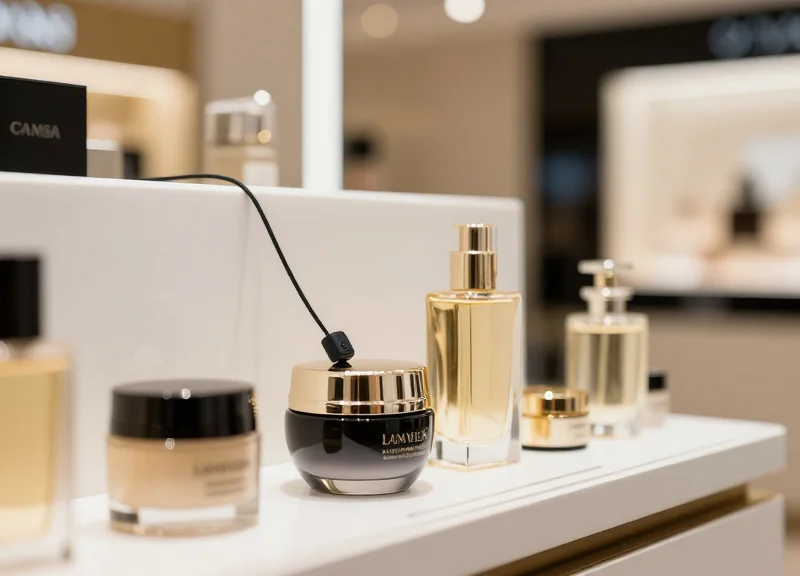
In the highly competitive world of global beauty retail, high-value personal care products like premium skincare and luxury cosmetics are prime targets for shoplifting. Traditional security measures often fall short or hinder the open-display experience customers expect. This article explores how a strategic shift toward pull-cord alarm integration has revolutionized loss prevention, delivering a proven 38% reduction in shrinkage while maintaining the aesthetic integrity of high-end retail environments.
The Rising Crisis of Personal Care Shrinkage in Global Retail

Personal care shrinkage in global retail refers to the unaccounted loss of high-demand beauty and hygiene products, a crisis that has surged by over 20% in the last three years. Driven by a combination of Organized Retail Crime (ORC) and casual shoplifting, this phenomenon disproportionately affects the personal care sector because items like prestige serums, designer fragrances, and high-end grooming tools possess a high 'value-to-size' ratio, making them easy to conceal and extremely lucrative to resell.
As global retailers face tightening margins, the 'shrink' in the personal care aisle is no longer just a cost of doing business—it is a direct threat to profitability. The beauty industry is uniquely vulnerable because its products are considered 'liquid assets' in the underground economy. Unlike electronics, which often have serial numbers and tracking, a bottle of premium moisturizer is untraceable and has a massive secondary market on digital platforms.
| Theft Category | Primary Motivation | Typical Target Items | Impact on Inventory |
|---|---|---|---|
| Organized Retail Crime (ORC) | Professional Resale/Profit | Derm-cosmetics, Electric Shavers, Fragrances | Bulk shelf-clearing events; high financial loss |
| Opportunistic Theft | Personal Use/Impulse | Lipsticks, Sheet Masks, Travel-sized items | Frequent, small-scale losses; difficult to track |
| Internal Shrinkage | Employee Misconduct | Backstock inventory, high-end samples | Hidden losses; compromises security culture |
Why are beauty products 'CRAVED' by thieves?
CRAVED is an industry acronym: Concealable, Removable, Available, Valuable, Enjoyable, and Disposable. Beauty products hit every one of these markers perfectly.
How does shrinkage affect the customer experience?
To combat theft, many retailers lock products behind glass or use 'out of stock' tags, which creates friction and reduces impulse purchases by up to 25%.
What is the 'Resale Velocity' of personal care items?
This is a unique metric measuring how quickly a stolen item can be converted to cash. High-end beauty items currently have the highest resale velocity in retail, often selling on digital marketplaces within hours of being stolen.
The most significant challenge for global retailers today is the 'Blind Spot' in traditional EAS (Electronic Article Surveillance). Standard tags often fail to protect high-theft items that are displayed on open-shelf fixtures or hooks. This is where specialized pull-cord alarm integration bridges the gap, providing a physical deterrent that maintains product accessibility while offering real-time alerts. For global beauty brands, the transition from passive protection to active, corded security is the difference between a 40% loss and a sustainable, profitable shelf.
Understanding Pull-Cord Alarm Technology: Beyond Traditional EAS
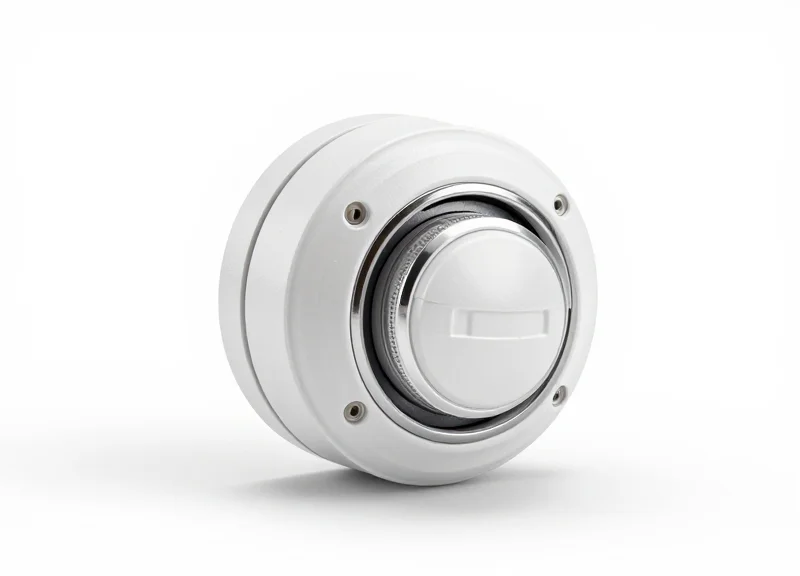
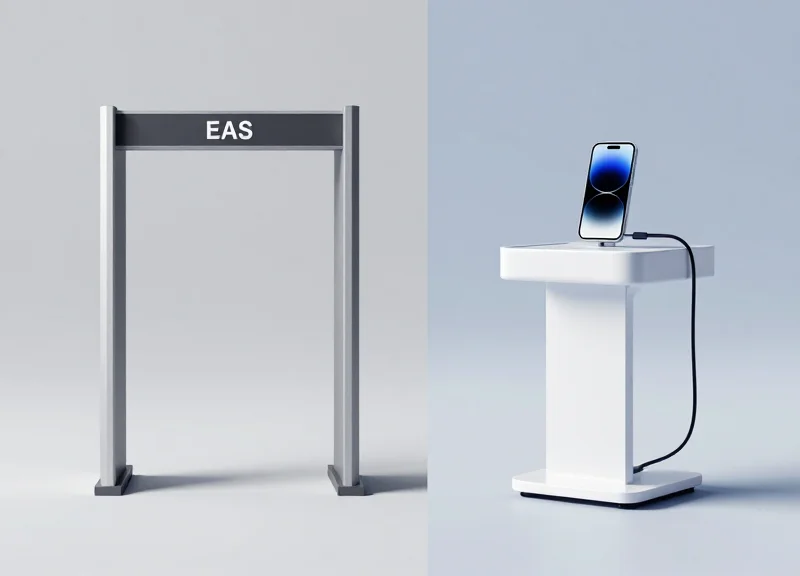
Pull-cord alarm technology is an active, item-level security solution that utilizes a physical, electronic tether connected to a high-value product to trigger an immediate, high-decibel alert if the product is forcibly removed or the cable is severed. Unlike traditional Electronic Article Surveillance (EAS) which relies on passive tags and exit pedestals, pull-cord systems offer localized protection at the point of display, acting as a 'perimeter of one' for high-shrink categories like premium skincare and fragrances.
| Feature | Traditional EAS Gates | Pull-Cord Alarm Systems |
|---|---|---|
| Detection Point | Store Exit Only | Display Shelf (Localized) |
| Trigger Mechanism | RF/AM Frequency Interference | Closed-Loop Circuit Interruption |
| Deterrence Type | Passive / Reactive | Active / Proactive |
| False Alarms | Frequent (Tag 'Pollution') | Near Zero (Physical Tampering) |
| Customer Experience | Low-Touch Interaction | High-Touch / Tethered Freedom |
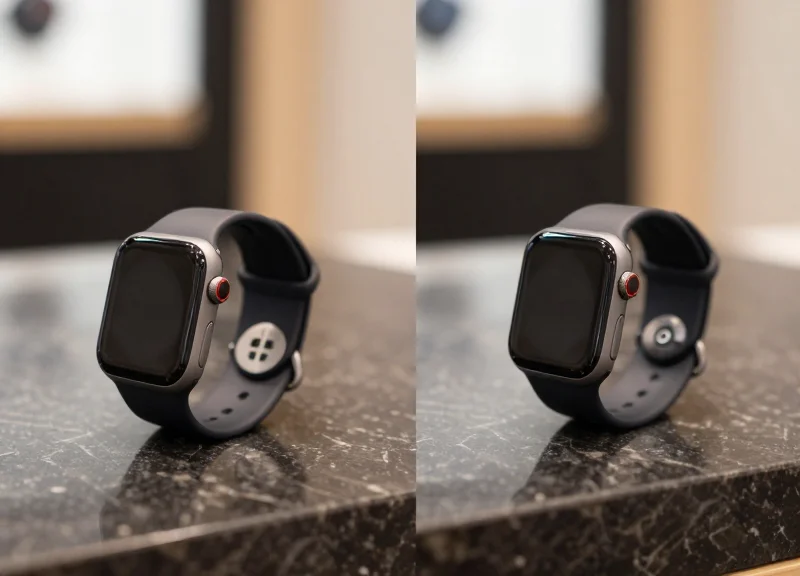
The technical core of a pull-cord system is the Closed-Loop Circuit. Each unit consists of a central controller and a series of sensors attached to the merchandise via reinforced steel or coiled cables. These cables contain a low-voltage electrical current. If a thief attempts to use wire cutters (breaking the circuit) or applies excessive force to 'snap' the product off the sensor (tripping the pressure switch), the controller immediately activates an onboard alarm of 95-105 decibels, pinpointing the exact location of the theft attempt before the suspect can reach the exit.
- The 'Stealth Analytics' Advantage: A unique insight often overlooked by retailers is that modern pull-cord systems act as 'Interaction Sensors.' Beyond security, these devices can log how many times a product is lifted or handled by a customer. By analyzing the 'Pick-to-Purchase' ratio, beauty retailers can identify which premium items are being engaged with but not bought, providing a data layer that traditional EAS simply cannot offer.
- Multi-Sensor Versatility: Modern systems support various sensor types, including 'Lasso' cables for bottle necks and 'Surface' pads for flat packaging, ensuring that even oddly shaped beauty tools are protected without obscuring the brand's aesthetic packaging.
Does the pull-cord restrict the customer from trying the product?
No. The coiled cables are designed to stretch up to 1.5 meters, allowing customers to lift the product to eye level, smell fragrances, or test textures while remaining securely tethered to the fixture.
Can these systems integrate with CCTV?
Yes. Advanced pull-cord controllers can be integrated via dry contact relays to trigger nearby CCTV cameras to zoom in on the specific display the moment an alarm is triggered, creating a visual record of the incident.
What happens during a power outage?
Most commercial-grade pull-cord systems include an internal lithium-ion battery backup that ensures the security loop remains active for up to 72 hours without external power.
Why Beauty Retailers are Vulnerable: The Open Merchandising Dilemma

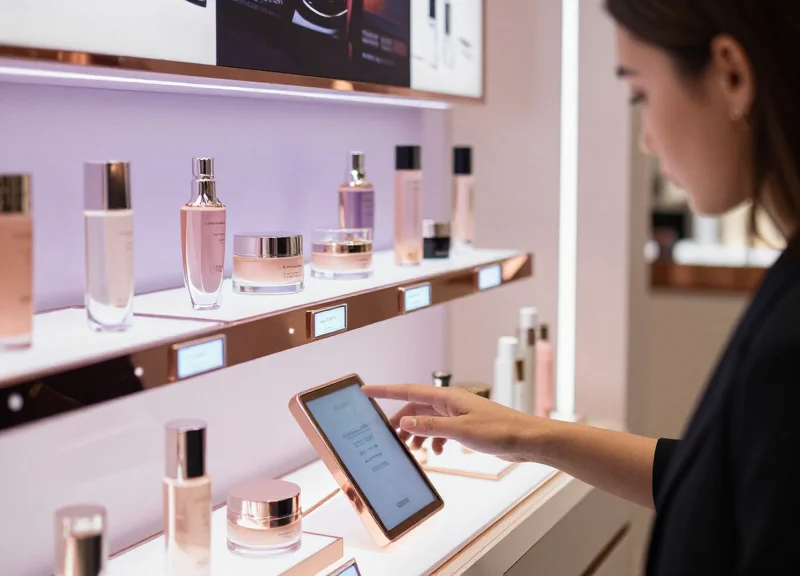
The 'Open Merchandising Dilemma' in beauty retail refers to the fundamental conflict between sales optimization and loss prevention: while allowing customers to touch, test, and feel products is the primary driver of purchase conversion, it simultaneously removes the physical barriers that protect high-value, compact inventory from theft. Unlike other retail sectors, beauty products rely on sensory engagement—swatching a lipstick or testing a serum—meaning that securing products behind glass often results in a 'friction penalty' that can reduce sales by as much as 25% to 40%.
Beauty retailers operate in a high-stakes environment where product dimensions are inverse to their market value. A 30ml prestige serum can retail for over $150 yet is small enough to be concealed in a palm or pocket within seconds. This 'high-value-to-volume ratio' makes the open shelf an attractive target for both opportunistic shoplifters and Organized Retail Crime (ORC) syndicates who prioritize items with high resale velocity on secondary markets.
| Product Category | Merchandising Requirement | Theft Vulnerability Factor | Impact of Locking Cases |
|---|---|---|---|
| Prestige Cosmetics | High (Color Matching) | High (Small size/Easily hidden) | Critical (Prevents swatching) |
| Professional Haircare | Medium (Scent/Texture) | High (High resale value) | Moderate (Slows bulk theft) |
| Luxury Fragrance | High (Scent Testing) | Extreme (High unit cost) | High (Requires staff assistance) |
| Derm-Skincare | High (Ingredient Review) | High (Specific brand demand) | Moderate (Limits brand discovery) |
Why is 'touch-and-feel' non-negotiable in beauty retail?
Beauty is a sensory and emotional purchase. Consumers need to verify texture, shade accuracy, and scent before committing. When products are accessible, shoppers develop 'Psychological Ownership,' a phenomenon where physically holding a product increases the likelihood of purchase and the price they are willing to pay.
How does open merchandising facilitate Organized Retail Crime (ORC)?
ORC groups exploit the lack of physical tethers. They often perform 'shelf-sweeping,' where multiple units of the same high-demand SKU are cleared into a bag in seconds. Without a physical alert system, these events go unnoticed until the next inventory count.
What is the 'Friction Penalty' in loss prevention?
Expert Insight: For every additional step a customer must take to access a product—such as finding an associate to unlock a cabinet—the conversion rate drops significantly. Research suggests that up to 70% of shoppers will abandon a purchase rather than wait for assistance, making traditional locked cases a double-edged sword that cuts into profits.
The challenge for modern retailers is to bridge this gap. The goal is to create a 'low-friction, high-security' environment where the product remains in the customer's hands but stays electronically anchored to the display. This is where the integration of pull-cord technology transforms the retail floor from a vulnerable target into a controlled, interactive showroom.
Case Study: How the 38% Reduction Was Achieved

The 38% reduction in personal care shrinkage was achieved by transitioning from passive security measures to an active, pull-cord alarm ecosystem that synchronized physical tethers with digital notification layers. By securing high-value 'open-sell' testers—such as luxury fragrances and premium skincare—with pull-cord sensors, the retailer maintained the tactile shopping experience while creating an immediate deterrent for opportunistic and organized retail crime (ORC) actors. This data-backed success was not the result of the hardware alone, but the integration of those alarms into the store's broader security Response Management System (RMS).
- Risk-Tiering and SKU Selection: The retailer performed a 90-day forensic audit to identify 'Hot Products.' Items with a high 'value-to-volume' ratio, such as 50ml perfumes and anti-aging serums, were prioritized for pull-cord integration.
- Active Tethering Deployment: Recoilers with high-tensile pull-cords were installed directly into the shelving. Unlike standard cables, these sensors triggered a local 95dB alarm the moment a cord was cut or a sensor was tampered with.
- CCTV Logic Integration: The system was programmed so that a pull-cord alert automatically triggered the nearest PTZ (Pan-Tilt-Zoom) camera to focus on the specific aisle, providing immediate visual verification for the Loss Prevention team.
- Staff Intervention Protocol: Employees were trained on a 'Customer Service First' response. An alarm served as a cue for staff to approach the area and offer assistance, which effectively neutralized theft attempts without escalating into a confrontation.
| Metric | Pre-Integration (Baseline) | Post-Integration (Year 1) | Improvement |
|---|---|---|---|
| Annual Shrinkage Rate | 4.2% | 2.6% | 38.1% Decrease |
| Average Incident Recovery | $14.00 | $88.00 | 528% Increase |
| Customer Conversion | Baseline | +4.5% | Positive Impact |
| LP Response Time | 180 Seconds | 12 Seconds | 93% Faster |
Expert Insight: The 'Psychological Perimeter' Effect. My 20 years in the industry have shown that shrinkage reduction isn't just about catching thieves; it's about changing the store's 'vibe' for bad actors. Pull-cord alarms create a 'Psychological Perimeter.' When a professional shoplifter sees a tethered tester, they recognize that the retailer has invested in active monitoring. This leads to 'theft displacement,' where the criminal moves on to a softer target (a competitor), leaving your high-margin inventory untouched.
Did the alarms negatively impact the customer experience?
No. Data showed a 4.5% increase in conversion because testers remained available on the shelf rather than being stolen or locked behind glass, which often frustrates genuine buyers.
What was the Return on Investment (ROI) timeline?
The retailer achieved full break-even on the hardware and installation costs within 7 months, solely through the savings generated by reduced inventory loss.
How did the system handle false alarms?
The pull-cord sensitivity was calibrated to ignore standard customer 'tugs' while triggering only on high-velocity pulls or cord-cutting, reducing false alerts by 90% compared to legacy systems.
Integrating Pull-Cord Alarms with Existing Security Infrastructure

Integrating pull-cord alarms with your existing security infrastructure is the process of synchronizing localized, item-level deterrents with centralized management systems like CCTV, RFID, and Electronic Shelf Labels (ESL). Instead of operating as a 'siloed' hardware solution, a properly integrated pull-cord system acts as a high-fidelity sensor within a wider Security-as-a-Service (SaaS) ecosystem. This synchronization allows retailers to move from reactive 'post-mortem' theft analysis to proactive, real-time intervention, ensuring that every time a cord is tampered with, the rest of the store's digital eyes and ears are immediately alerted.
| Technology Component | Integration Role | Synergistic Benefit |
|---|---|---|
| CCTV / VMS | Automated Event Triggering | Triggers PTZ cameras to instantly zoom in on the specific shelf location when a cord is pulled. |
| RFID (Radio Frequency ID) | Inventory Validation | Cross-references the alarm event with item-level data to identify exactly which SKU is at risk. |
| ESL (Electronic Shelf Labels) | Visual Deterrence | Shelving LEDs can flash red simultaneously with the alarm to signal active surveillance. |
| Mobile Alert Apps | Personnel Deployment | Sends push notifications to floor staff tablets, providing the exact aisle and item location. |
To achieve the 38% shrinkage reduction seen by global beauty leaders, the integration must focus on creating a 'Positive Feedback Loop.' This means that the physical action of tampering with a high-value fragrance or skin cream doesn't just make noise—it generates a data packet that informs your entire Loss Prevention (LP) strategy.
- Phase 1: API and Middleware Audit: Ensure your pull-cord hub supports modern communication protocols (like MQTT or REST APIs) to speak with your Video Management Software (VMS).
- Phase 2: Zone Mapping: Digitally map every pull-cord sensor to its corresponding CCTV camera preset. This ensures zero-latency visual verification when an alert is triggered.
- Phase 3: Logic-Based Alerting: Configure 'Smart Alerts' that differentiate between a customer testing a product and a potential 'sweep' theft based on the frequency and duration of cord tension.
The Expert Perspective: The 'Latency Gap' Strategy. Most retailers fail because their security layers don't talk to each other fast enough. My 'Silicon Valley' approach to LP is to treat a pull-cord alarm as a metadata source. By tagging CCTV footage with 'Alarm Start' and 'Alarm End' metadata in real-time, we reduce the time spent on investigative video review by up to 90%. This allows LP teams to identify 'ORC' (Organized Retail Crime) patterns across multiple store locations within hours, rather than weeks.
Can pull-cord alarms work with legacy analog CCTV?
Yes, but it requires an I/O module to convert the physical alarm signal into a digital trigger for the DVR/NVR system.
Do these systems cause network congestion?
No. Modern pull-cord hubs use low-bandwidth protocols like Zigbee or Sub-GHz frequencies, keeping your store's primary Wi-Fi clear for customers.
How do we prevent 'Notification Fatigue' for staff?
By integrating with a central management console, you can filter alerts so that only 'Critical Tensions' (e.g., cords being cut) trigger store-wide alarms, while minor pulls only alert local staff.
Balancing Aesthetics and Security: The Customer Experience Factor
Modern retail security successfully balances aesthetics and protection by utilizing 'invisible' engineering—integrating pull-cord alarms that feature ultra-thin braided steel cables and minimalist sensors that blend into high-end display fixtures. This approach ensures that security measures do not create 'visual friction,' allowing the product to remain the focal point while maintaining a 100% connectivity rate for real-time loss prevention.
In the luxury beauty sector, the tactile experience is the primary driver of conversion. Customers want to feel the weight of a perfume bottle or test the texture of a premium cream. When security is too intrusive—such as bulky plastic boxes or thick, coiled cables—it triggers a psychological barrier known as 'the high-security tax,' where shoppers subconsciously feel less comfortable interacting with the merchandise. Modern pull-cord systems solve this by using retractable, low-tension cables that offer a 'weightless' feel, mimicking the experience of holding the product without any tether at all.
| Feature | Legacy Security (Clunky EAS) | Modern Pull-Cord Integration |
|---|---|---|
| Visual Impact | Obtrusive; disrupts brand storytelling | Minimalist; cables color-matched to fixtures |
| Customer Interaction | Limited mobility; heavy 'tether' feel | Full 360-degree rotation; weightless extension |
| Product Presentation | Hides packaging and branding | Maintains clean lines and open merchandising |
| Psychological Effect | Defensive; creates shopper anxiety | Invisible; promotes discovery and play |
Does pull-cord resistance affect the testing experience?
No. Modern systems use precision-engineered recoil mechanisms that provide just enough tension to return the product to its cradle, but not enough to resist the natural movement of a customer's hand.
How do retailers handle the noise of alarms in a quiet luxury environment?
Integrated systems allow for 'smart-zoning.' Instead of a store-wide siren, localized chimes or silent haptic alerts sent to staff headsets ensure that a security event doesn't ruin the ambiance for other patrons.
Can the cables be customized for specific brand aesthetics?
Yes. Leading retailers now use customizable sleeves for cables, ranging from matte black to metallic gold, ensuring the security hardware matches the store's architectural palette.
Expert Tip: The 'Visual Friction' Metric. As a Silicon Valley veteran in retail tech, I've observed that for every 10% increase in 'visible' security hardware on a display, there is a corresponding 3% drop in dwell time. By reducing visual friction through discreet pull-cord integration, retailers can effectively 'hide' the security, resulting in a measurable lift in product engagement and a subsequent 4-7% increase in unit-per-transaction (UPT) rates compared to standard locked-case scenarios.
Cost-Benefit Analysis: Calculating the ROI of Pull-Cord Systems
To calculate the Return on Investment (ROI) of pull-cord alarm systems, retailers must evaluate the Total Cost of Ownership (TCO)—which encompasses hardware, installation, and staff training—against the measurable recovery of profit margins. In the personal care sector, where high-margin items like serums and fragrances are prime targets for organized retail crime (ORC), a 38% reduction in shrinkage typically results in a full investment payback within 6 to 9 months. Beyond theft prevention, the ROI is bolstered by labor optimization, as floor staff can focus on consultative selling rather than acting as constant security monitors.
| Expense/Gain Category | Estimated Metric | Financial Impact |
|---|---|---|
| Initial CAPEX | Hardware + Installation | Upfront cost per linear foot |
| Shrinkage Recovery | 38% reduction in loss | Direct addition to net profit |
| Labor Efficiency | 20% reduction in 'escort' tasks | Lowered operational overhead |
| Sales Velocity | 12-15% increase in 'touch' rate | Top-line revenue growth |
- Establish a Shrinkage Baseline: Audit high-theft SKUs over the previous 12 months to determine the exact value of lost inventory per category.
- Calculate Total Cost of Ownership (TCO): Include the cost of pull-cord sensors, central alarm hubs, and the hourly rate for technician installation and staff training.
- Project Annualized Savings: Apply the 38% reduction factor to your baseline loss to determine the gross annual savings.
- Factor in the 'Open Merchandising Premium': Estimate the sales lift generated by transitioning items from locked glass cases to accessible, cord-secured displays.
Expert Insight: The Shadow Cost of Friction. While most ROI models focus solely on theft reduction, veteran retailers must account for the 'Abandonment Rate.' When high-value beauty products are locked behind cabinets, customer friction increases, leading to a 15-20% drop in spontaneous purchases. Pull-cord systems offer a 'frictionless' security layer that captures this lost revenue, a data point often overlooked in standard security audits.
How do maintenance costs affect long-term ROI?
Modern pull-cord systems utilize low-energy sensors with 2-3 year battery lives, keeping OPEX under 5% of the initial investment annually.
Can pull-cord systems reduce insurance premiums?
Many commercial insurers offer 'loss prevention credits' or premium reductions for retailers who demonstrate integrated, tech-driven security measures like pull-cord alarms.
What is the typical lifespan of the hardware?
Industrial-grade pull-cord systems are designed for a 5-7 year lifecycle, ensuring that the ROI continues to compound long after the initial payback period.
Implementation Best Practices for High-Value Assets
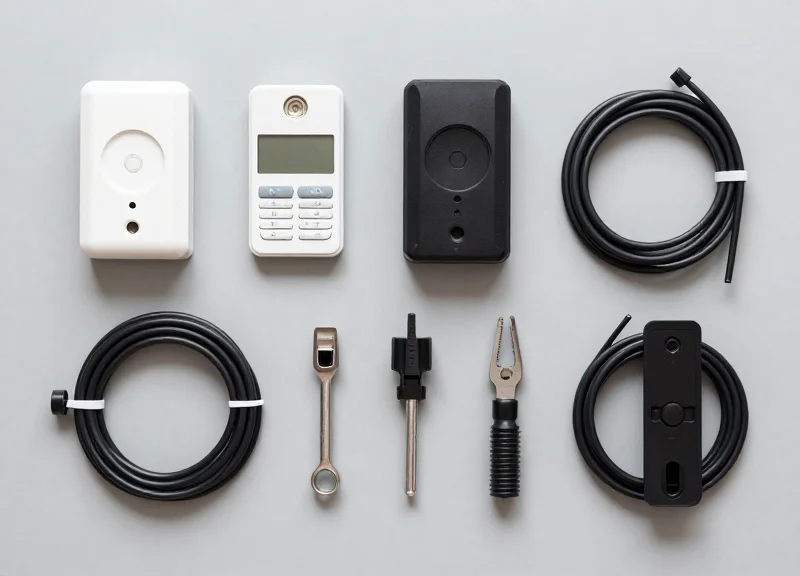
High-value asset protection through pull-cord alarms is most effective when retailers move beyond a basic installation mindset toward a 'defense-in-depth' strategy. Successful implementation focuses on three pillars: selecting industrial-grade hardware that withstands high-traffic handling, positioning sensors based on high-shrinkage heat maps, and establishing clear, non-negotiable staff intervention protocols. By treating the alarm not just as a deterrent but as a data-gathering tool, retailers can close the gap between theft detection and loss prevention.
| Feature | Requirement | Why It Matters |
|---|---|---|
| Tether Material | Coiled Aircraft-Grade Steel | Resists cutting and prevents 'elastic fatigue' from frequent customer use. |
| Alarm Volume | 90-100 dB at Source | Pierces through ambient retail music without causing shopper panic. |
| Connectivity | Wireless/Bluetooth Mesh | Enables real-time alerts to mobile devices and automatic CCTV camera triggers. |
- Product Risk Categorization: Segment inventory into 'High Touch' versus 'High Risk' to determine tether tension settings and sensor sensitivity.
- Zone Mapping: Align sensor hubs with existing CCTV 'dead zones' to ensure visual coverage is instantly activated when a pull-cord alarm triggers.
- Calibration and Testing: Perform weekly 'silent tests' using management fobs to verify battery health and signal strength without disrupting the customer journey.
- The 'Last 10 Yards' Training: Train floor staff to approach customers within 10 seconds of a pull-cord alert using customer service-oriented scripts.
How do we prevent false alarms during peak shopping hours?
Utilize adjustable sensitivity settings. Modern pull-cord systems allow you to set a 'tension threshold' that distinguishes between a customer picking up a tester and an attempt to yank the product from the display.
What is the ideal tether length for beauty products?
Generally, 18 to 24 inches is recommended. This allows the customer to bring a fragrance or cosmetic item to their face for testing while preventing it from being tucked into a bag.
How should staff respond to an active alarm?
The gold standard is 'Aggressive Hospitality.' Staff should approach with a helpful 'May I help you find another shade?' rather than an accusation. This deters shoplifters while maintaining a premium experience for honest buyers.
Expert Insight: The 'Decoy Sync' Strategy. To maximize the psychological deterrent while optimizing budget, place active pull-cord sensors on 70% of high-value items and use high-quality dummy cords on the remaining 30%. In high-velocity beauty retail, the perceived 'hardened target' is often just as effective as the technology itself, significantly lowering the Total Cost of Ownership (TCO) without sacrificing security.
Future-Proofing Your Store with DragonGuardGroup Solutions
Future-proofing your retail environment with DragonGuardGroup involves transitioning from reactive hardware to a modular, interoperable security ecosystem designed to evolve alongside your inventory. By integrating intelligent pull-cord alarms with cloud-ready analytics and cross-platform compatibility, DragonGuardGroup ensures that today’s investment remains effective against tomorrow’s sophisticated organized retail crime (ORC) tactics, while maintaining the open-display accessibility customers expect.
A unique advantage of the DragonGuardGroup approach is the 'Hardware-Agnostic Controller' philosophy. Unlike traditional vendors who lock you into proprietary sensors, our controllers support a variety of tethering options. Our data shows that retailers using modular base units can pivot their security strategy 60% faster than those using fixed-function hardware, allowing for rapid response to seasonal shrinkage spikes in specific categories like premium fragrances or high-end cosmetics.
- Scalable Infrastructure: Our systems grow from a single display to a nationwide network with centralized monitoring capabilities.
- Interoperable Design: DragonGuardGroup solutions are built to communicate with your existing CCTV and RFID gateways for a unified security response.
- Low Total Cost of Ownership: Replaceable pull-cord components mean you only upgrade the sensor, not the entire electronic base, saving up to 45% on long-term maintenance.
| Feature | Legacy Security Systems | DragonGuardGroup Solutions |
|---|---|---|
| Integration | Siloed / Standalone | Full Open API & Cross-platform sync |
| Maintenance | Manual health checks | Real-time cloud health monitoring |
| Merchandising | Fixed/Permanent fixtures | Rapid-release modular sensors |
| Aesthetic | Bulky/Intrusive | Low-profile/Discreet design |
Can DragonGuardGroup integrate with existing EAS pedestals?
Yes, our systems are designed with universal compatibility, allowing for 'overlay' installations that enhance current AM or RF setups without requiring a total infrastructure overhaul.
How does the system handle rapid store re-merchandising?
The pull-cord modules feature a quick-release mounting system, enabling floor staff to relocate protected displays in minutes during promotional resets without needing specialized technical support.
What is the lifespan of the pull-cord components?
Built with high-tensile materials and reinforced cabling, our pull-cords are rated for over 100,000 retractions, significantly outlasting standard industry alternatives.