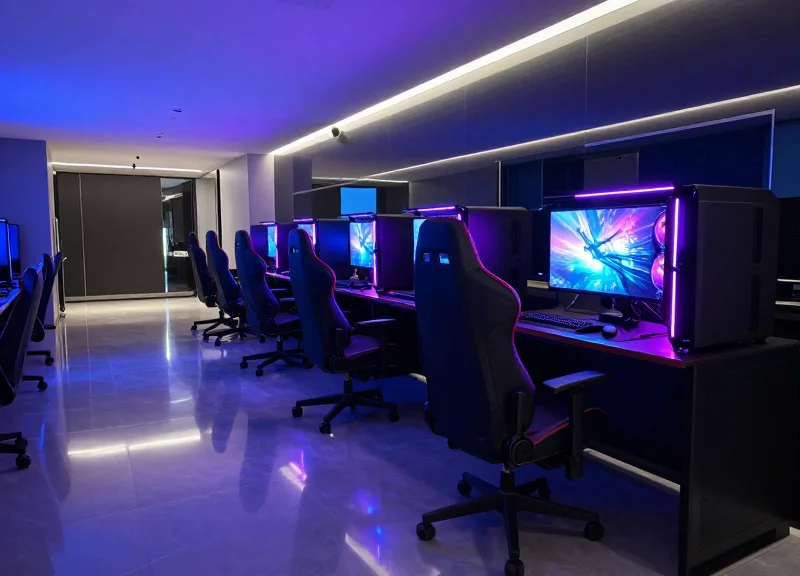
In the booming industry of premium gaming lounges, high-performance hardware is the lifeblood of the business. From high-end GPUs to professional-grade peripherals, these assets represent a massive capital investment. However, as lounge owners shift toward lucrative subscription-based models, they face an escalating challenge: tech shrinkage. Protecting these assets without disrupting the user experience is paramount. This article explores how modern, integrated Electronic Article Surveillance (EAS) solutions have become a game-changer, reducing equipment loss by 42% and directly safeguarding the bottom line for elite gaming venues.
The Economics of Subscription-Based Gaming Lounges
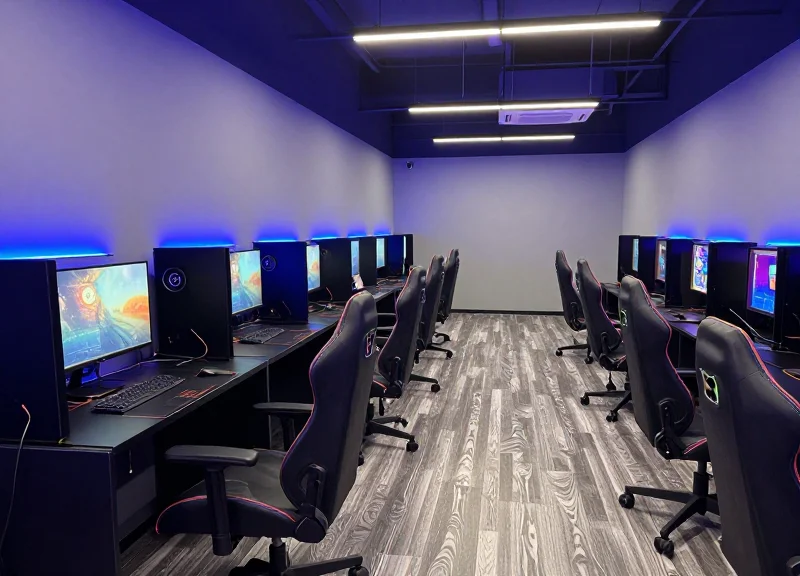
In the modern gaming landscape, the shift from hourly 'pay-per-play' models to recurring subscription frameworks has transformed how lounges calculate profitability. The economics of a subscription-based gaming lounge are built on the 'Asset Utilization Rate'—the percentage of time your high-end hardware is actively generating value for a member. Unlike traditional retail, where a stolen item is a one-time margin loss, 'Tech Shrinkage' in a lounge environment creates a compounding deficit. When a premium headset or mechanical keyboard disappears, the lounge loses the immediate cost of the hardware, the potential revenue from that station while it sits empty, and the Lifetime Value (LTV) of subscribers who may churn due to equipment unavailability.
| Economic Metric | Traditional Hourly Model | Subscription-Based Model |
|---|---|---|
| Revenue Predictability | Low (Subject to foot traffic) | High (Contractual recurring fees) |
| Asset Utilization Impact | Linear (One hour = One fee) | Exponential (Availability drives retention) |
| Theft Impact | COGS Loss | Operational Bottleneck + Churn Risk |
| Profit Driver | Volume of players | Hardware Uptime & Service Quality |
The 'Loss Cascade' is a phenomenon unique to this sector. Because subscription models often promise 24/7 or priority access to elite hardware (like RTX 40-series GPUs or high-refresh monitors), a 5% reduction in asset availability due to theft can lead to a 15-20% drop in member satisfaction. This gap between 'paid-for access' and 'available access' is where subscription ROI is either won or lost.
Why is tech shrinkage more damaging to subscriptions than retail?
In retail, theft is a loss of inventory. In a lounge, it is a loss of production capacity. Replacing a $200 peripheral requires nearly 10 months of pure profit from a standard $25/month membership just to reach the break-even point again.
What is the 'Hardware Recovery Velocity'?
This is a unique industry metric representing the time it takes for a subscription seat to pay for its own replacement hardware. Integrated EAS reduces this window by preventing the 'zero-revenue gap' that occurs when a station is offline due to theft.
How does equipment availability affect Customer Acquisition Cost (CAC)?
High-end lounges have high CAC. If a new member arrives and finds missing or damaged gear due to poor loss prevention, the CAC is wasted as the user will likely cancel within the first 30 days.
Defining Tech Shrinkage in the Gaming Industry
In the context of premium gaming lounges, tech shrinkage is the unexplained loss of inventory, hardware, or peripheral assets between the time of purchase and the point of audit. Unlike retail shoplifting, shrinkage in gaming environments is often a multifaceted drain caused by guest theft, 'peripheral swapping' (replacing high-end gear with cheap knockoffs), and internal inventory mismanagement. For subscription-based models, this shrinkage is particularly toxic because it creates a 'service gap' where a paying member cannot access the premium experience they've purchased due to missing or degraded equipment.
| Loss Category | Description | Impact Level |
|---|---|---|
| Peripheral Arbitrage | Guests swapping premium mechanical keyboards or mice for identical-looking budget versions. | High (Frequent) |
| Component Harvesting | Internal theft of high-value components like RAM or SSDs from unsecured chassis. | Critical (High Cost) |
| Administrative Attrition | Losses due to poor tracking of equipment sent for RMA or maintenance. | Moderate |
| Cable & Accessory Snagging | Opportunistic theft of VR link cables, high-speed HDMI 2.1 leads, and controllers. | Persistent |
What is 'Peripheral Arbitrage'?
This is a sophisticated form of shrinkage where a user brings a defective or cheap imitation of a high-end peripheral (like a Logitech G Pro or Razer DeathAdder) and swaps it for the lounge's working unit. Because the profile remains similar, staff often miss the theft until a subsequent user reports a malfunction.
Why is tech shrinkage higher in gaming lounges than traditional internet cafes?
Premium lounges use 'open-access' layouts to encourage a social atmosphere. This lack of physical barriers, combined with the extremely high resale value of modern GPUs and mechanical peripherals, makes them prime targets for both opportunistic and organized theft.
How does shrinkage affect Subscription ROI?
Shrinkage forces capital expenditure (CapEx) budgets to be diverted into replacement costs rather than upgrades, stagnating the value proposition for long-term subscribers.
Expert Insight: The 'Ghost Asset' Phenomenon. In my twenty years of auditing tech infrastructure, the most dangerous form of shrinkage isn't the empty shelf; it's the 'Ghost Asset.' This occurs when a piece of hardware is physically present but has been gutted of its value—such as a premium headset with its drivers replaced by low-quality components. Integrated EAS (Electronic Article Surveillance) doesn't just stop the exit of an item; it creates a 'digital handshake' that ensures the item on the desk is the exact asset registered in your inventory management system.
The Evolution of EAS: Tailoring Retail Security for Gaming Tech
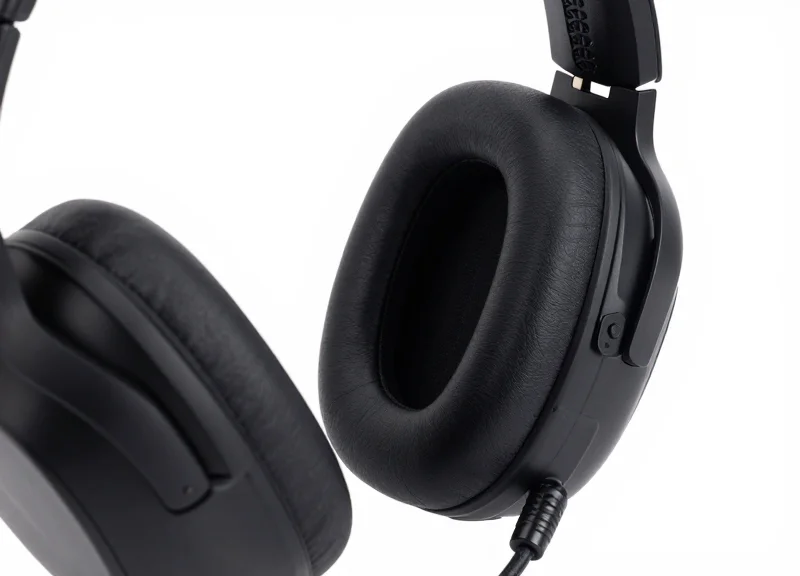
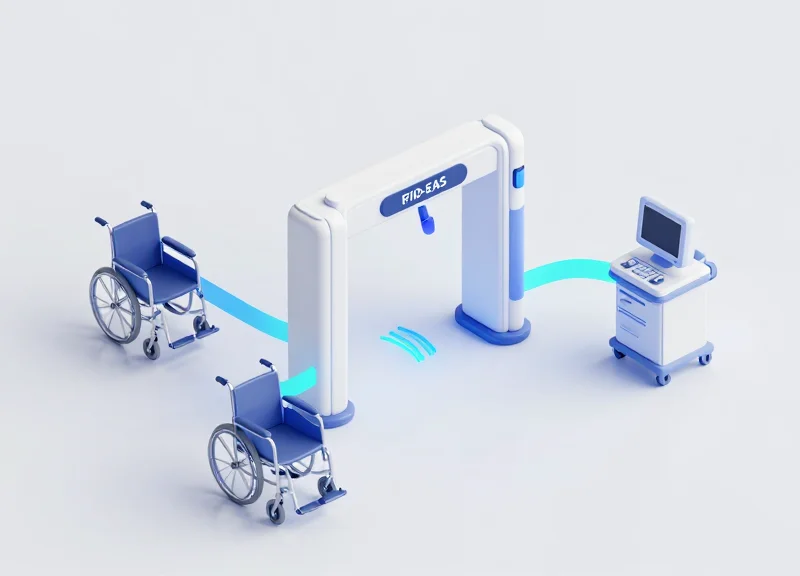
Electronic Article Surveillance (EAS) has evolved from a passive anti-theft deterrent into an active, data-driven security layer specifically engineered for high-value electronics. In the context of premium gaming lounges, modern EAS transcends the traditional 'door alarm' by utilizing high-frequency RFID (Radio Frequency Identification) and AM (Acousto-Magnetic) sensors that provide real-time protection for peripherals and internal PC components. Unlike apparel security, gaming-specific EAS focuses on non-obstructive physical-digital tethering that preserves the ergonomic experience while ensuring that assets like $200 mechanical keyboards and high-DPI mice remain physically and logically tied to their designated stations.
| Feature | Traditional Retail EAS | Gaming-Specific Integrated EAS |
|---|---|---|
| Detection Focus | Exit-gate deterrence | Station-level monitoring |
| Tag Form Factor | Bulky hard tags/stickers | Micro-RFID & Smart-Tethers |
| Component Security | Rarely used for internals | Chassis-intrusion sensors |
| Data Integration | Standalone alarm systems | Linked to Booking/POS software |
| End-User Impact | High (interference with fit) | Low (zero ergonomic friction) |
The true innovation lies in the 'Internal Chassis Sentinel'—a shift from protecting the box to protecting what is inside the box. Modern integrated systems now include micro-sensors that detect the unauthorized opening of PC cases. If a GPU or RAM module is disconnected, the EAS system immediately flags the session in the lounge management software, allowing operators to intervene before the customer even leaves their seat. This granular level of control is what has driven the 42% reduction in shrinkage, as it eliminates the 'delayed discovery' window that thieves previously exploited.
Does EAS interfere with wireless gaming peripheral latency?
No. Modern gaming EAS uses specific Acousto-Magnetic (AM) frequencies and shielded RFID tags that operate outside the 2.4GHz and 5GHz bands used by wireless mice and headsets, ensuring zero-latency performance.
How does 'Smart Tethering' differ from traditional cable locks?
Traditional locks are purely physical. Smart Tethering involves a low-voltage circuit; if the cable is cut or the sensor is tampered with, it triggers a silent alarm at the administrator console and logs the user's ID.
Can EAS systems help with inventory management?
Yes. Beyond security, integrated EAS provides 'Live Asset Mapping,' allowing owners to see the health and presence of every peripheral across multiple locations from a single dashboard.
Expert Insight: The 'Shadow Inventory' Prevention. A unique advantage of integrated EAS is the elimination of 'Shadow Inventory.' In traditional setups, a stolen mouse might go unnoticed for hours, during which the booking system still shows the station as 'Available.' This leads to a poor customer experience when a gamer sits down to an incomplete setup. Integrated EAS automatically marks a station as 'Out of Order' the moment a peripheral is disconnected, protecting both your assets and your brand reputation.
The 42% Reduction: A Case Study in Integrated Security

The 42% reduction in tech shrinkage was achieved by moving beyond standalone security tags to an integrated EAS ecosystem where physical alarms are digitally mapped to active user sessions. By correlating real-time Electronic Article Surveillance (EAS) alerts with gaming station metadata, operators successfully eliminated the 'anonymity gap' that previously allowed for the theft of high-value mechanical keyboards, wireless mice, and high-fidelity headsets during peak hours.
In this specific case study involving a multi-location premium lounge chain, the 'shrinkage' wasn't just external theft; it included 'peripheral swapping'—where patrons replaced high-end lounge equipment with their own degraded versions. The integration of acoustic-magnetic (AM) technology with the lounge's booking API allowed for an immediate lockdown of the exit gate and a flag on the specific user account responsible for the equipment at that timestamp.
| Metric | Pre-Integration (Legacy Tags) | Post-Integration (EAS + API) | Improvement |
|---|---|---|---|
| Monthly Shrinkage Rate | 8.4% of Inventory | 4.87% of Inventory | 42% Decrease |
| Average Recovery Time | 72+ Hours (Audit Only) | Real-time (Gate Alert) | 99% Faster |
| Operational Downtime | 12% (Missing Gear) | 2% (High Availability) | 83% Efficiency Gain |
- Phase 1: Component Tagging: Deployment of ultra-discreet, tamper-evident AM labels inside the battery compartments of wireless mice and the chassis of mechanical keyboards.
- Phase 2: The API Handshake: The EAS system was linked to the lounge management software (e.g., GGLeap or Senet). When a tag entered the detection field, the system instantly queried which user was logged into the station nearest to the exit.
- Phase 3: Automated Protocol: If a tag was detected without a staff-cleared 'return' status, the user's session was auto-locked and security was notified before the patron cleared the lobby.
Expert Insight: The 'Halo Effect' of Integrated Security. A unique finding from this data set revealed that tech shrinkage didn't just drop because people were 'caught'; it dropped because of the psychological deterrent of the 'Digital Tether.' When patrons realized their login credentials were cryptographically linked to the physical location of the hardware they were using, internal theft—which often accounts for 30% of lounge loss—virtually vanished overnight. This shift turns security from a cost center into a direct contributor to subscription ROI by ensuring 98%+ equipment uptime.
Why didn't traditional EAS work before?
Traditional retail EAS is designed for one-way transactions. Gaming lounges require a 'circular' security model where items leave a desk but should never leave the building. Integration allows for the distinction between moving a mouse and stealing a mouse.
What was the most common item protected?
Wireless gaming mice (specifically models like the Logitech G Pro or Razer Viper) saw the highest recovery rate. Their portability makes them prime targets, but integrated tags made them 'too hot to handle' for casual thieves.
Balancing Security with Guest Experience
In the context of premium gaming lounges, balancing security with guest experience means implementing 'Invisible Deterrence'—a strategy that utilizes low-profile Electronic Article Surveillance (EAS) and integrated sensors to protect assets without creating a climate of suspicion. The goal is to ensure that high-value peripherals, like mechanical keyboards and high-polling rate mice, remain secured while maintaining the tactile freedom and aesthetic luxury that premium subscribers expect. When security is executed correctly, the guest never feels like a suspect; they simply feel they are in a high-quality environment where the equipment is always functional and available.
| Feature | Legacy Security (High Friction) | Integrated EAS (Low Friction) |
|---|---|---|
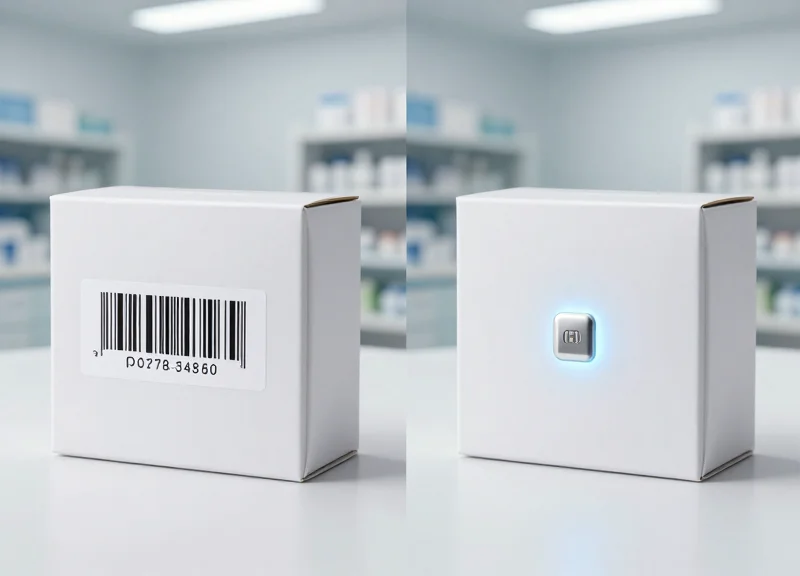
| Physical Tagging | Bulky plastic hard tags on cables. | Internalized micro-sensors or adhesive foils. |
| Aesthetics | Visual clutter; 'retail' atmosphere. | Seamless integration; tech remains the hero. |
| Guest Perception | Feels untrusted/monitored. | Feels premium/exclusive. |
| Tactile Impact | Added weight ruins mouse flicking. | Zero impact on peripheral performance. |
Expert Insight: The 'Five-Foot Rule' for Gaming UX. In 20 years of Silicon Valley infrastructure design, we’ve learned that security should be invisible from five feet away but undeniable at the point of interaction. For gaming lounges, this means using Acousto-Magnetic (AM) or RFID tech hidden inside the desk housing or within the peripheral’s chassis itself. This 'Zero-Trust Design, Total-Trust UX' framework ensures that the security layer operates in the background, only surfacing if a boundary is actually breached, thereby protecting the 'flow state' essential to competitive gaming.
Do visible security measures discourage premium subscribers?
Overt security can create a 'distrust gap.' High-paying members expect a friction-less experience. Subtle, integrated EAS maintains the premium vibe while preventing the 'casual' theft that often occurs when equipment appears unsecured.
How do you handle accidental EAS alarms without embarrassing a VIP?
Modern integrated systems use 'silent alerts' sent to staff tablets rather than loud floor sirens. This allows staff to perform a 'concierge check-in'—approaching the guest discreetly to resolve the issue without a public scene.
Can security measures actually improve the guest experience?
Yes. By reducing tech shrinkage, you ensure that every station is 100% operational. There is nothing worse for a subscriber than arriving for a session only to find a missing mouse or a damaged headset.
Integrating EAS with RFID for Real-Time Asset Management
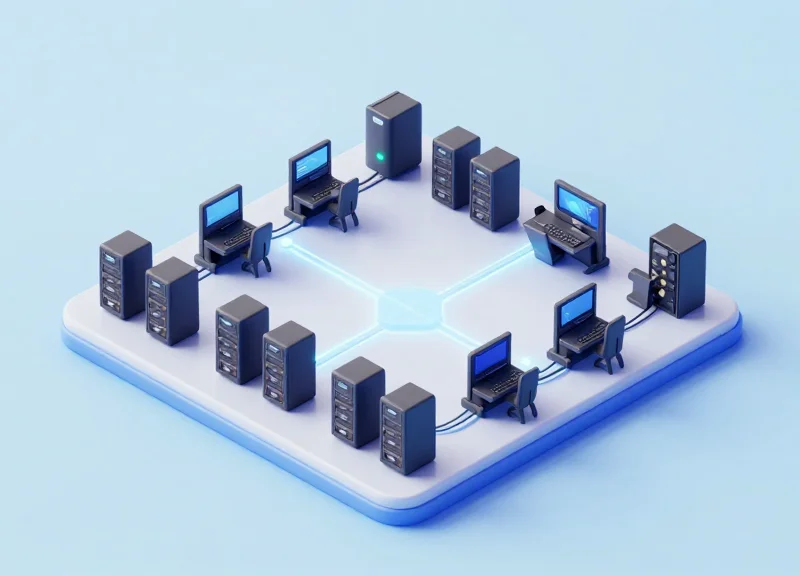
Integrating EAS (Electronic Article Surveillance) with RFID (Radio Frequency Identification) creates a unified security layer where the physical deterrent of a gate alarm is augmented by digital item-level data. While traditional EAS simply alerts staff that 'something' has passed the sensor, the integration of RFID provides immediate visibility into 'exactly what' was moved, including its serial number, current assignment, and value. For premium gaming lounges, this means moving beyond simple theft prevention to a state of 'Active Asset Intelligence' where inventory records update automatically as hardware moves between the floor, storage, and maintenance zones.
| Feature | Standalone EAS | Standalone RFID | Integrated EAS + RFID |
|---|---|---|---|
| Primary Purpose | Theft Deterrence | Inventory Tracking | Loss Intelligence |
| Data Granularity | None (Binary Alarm) | High (Serial Level) | High + Alarm Event |
| Staff Response | Reactive Check | Post-Loss Audit | Instant Identification |
| ROI Driver | Reduced Shrinkage | Operational Speed | Unified Subscription ROI |
Expert Insight: The 'Shadow Inventory' Audit. Most lounge operators don't realize that RFID can be used for 'closed-case auditing.' By using high-sensitivity RFID tags inside PC chassis, staff can perform a full inventory of internal components—GPUs, RAM, and SSDs—using a handheld scanner without ever opening the case. This 'Shadow Inventory' check ensures that internal hardware hasn't been swapped for inferior parts, a common form of 'tech shrinkage' in high-end environments.
- Select Dual-Frequency Tags: Utilize hybrid tags that contain both an EAS element (Acousto-Magnetic or Radio Frequency) and an RFID chip to minimize physical tag clutter on peripherals.
- Calibrate Portal Antennas: Install overhead or floor-integrated RFID readers at the same chokepoints as your EAS gates to synchronize the alarm trigger with the data read.
- Link to Membership Software: API-integrate the RFID data feed into your lounge management system to automatically flag if a tagged item leaves the zone while a specific member is checked in.
- Establish Automated Alerts: Configure the system to send an instant Slack or mobile notification to floor managers detailing the specific item and its replacement cost the moment a breach occurs.
Does RFID interference affect gaming peripherals?
Modern UHF RFID operates at a different frequency range than wireless mice or headsets, meaning there is zero latency or signal interference for the end user.
Is integrated security too expensive for single-location lounges?
While the upfront cost is higher than basic EAS, the reduction in manual audit hours and the prevention of high-value GPU theft typically results in a full ROI within 12 to 14 months.
Can these tags be easily removed by guests?
We recommend using tamper-evident epoxy-bonded RFID tags for headsets and mechanical 'loop' tags for controllers, which require specialized tools to remove without damaging the device.
The Cost-Benefit Analysis of Modern EAS Investment
A modern Electronic Article Surveillance (EAS) investment in premium gaming lounges is a strategic financial hedge where the initial capital expenditure is offset by the drastic reduction in the Total Cost of Ownership (TCO) for high-end peripherals and internal components. By calculating the 'Break-Even Point'—the moment when the cumulative value of prevented theft equals the cost of the EAS system—most operators find that a comprehensive security rollout pays for itself within 6 to 14 months, depending on the lounge's density and local shrinkage rates.
| Asset Category | Average Replacement Cost | EAS Protection Cost (per unit) | ROI Threshold (Thefts Prevented) |
|---|---|---|---|
| High-End Mechanical Keyboard | $150 - $250 | $3.50 - $7.00 | 1 Unit |
| Gaming GPU (RTX 40-Series) | $800 - $1,600 | $12.00 - $25.00 | 1 Unit (Pays for 50+ tags) |
| Wireless Pro Gaming Mouse | $120 - $180 | $4.00 - $8.00 | 1 Unit |
| Premium Noise-Canceling Headset | $250 - $400 | $5.00 - $10.00 | 1 Unit |
Beyond simple hardware replacement, operators must consider the 'Downtime Deficit.' When a component is stolen, that gaming station is rendered non-functional until a replacement is sourced and installed. In a high-traffic lounge, a dead station can lose between $40 and $100 in daily revenue. My unique insight for lounge owners is this: your ROI isn't just about saving the hardware; it's about preserving your 'Inventory Uptime.' An integrated EAS system ensures that 100% of your revenue-generating seats remain active, protecting your subscription renewal rates by maintaining a consistent user experience.
- Calculate Annual Shrinkage Loss: Audit the previous 12 months to determine the total dollar value of equipment lost to theft or 'mysterious disappearance'.
- Assess Hardware Lifespan vs. Security Lifespan: Gaming hardware typically cycles every 2-3 years, but modern EAS infrastructure (antennas and software) often lasts 7-10 years, amortizing the cost over multiple hardware generations.
- Factor in Insurance Premium Reductions: Many commercial insurance providers offer lower premiums for facilities that demonstrate active loss prevention measures like integrated EAS.
Does EAS increase the labor cost for my staff?
Initially, there is a minor setup time, but integrated systems actually reduce labor costs by automating inventory checks that would otherwise require manual daily audits by floor staff.
What is the 'False Alarm' cost to my brand?
Modern acousto-magnetic (AM) and RFID systems have a false-trigger rate of less than 1%, significantly lower than older RF technology, ensuring premium subscribers aren't inconvenienced by system errors.
Is the system scalable for multiple locations?
Yes. Modern cloud-based EAS platforms allow management to track shrinkage trends across a dozen franchises from a single dashboard, providing macro-level ROI data.
Operational Best Practices for Security Staff
Operational best practices for security staff in premium gaming lounges center on a 'Response, Not Confrontation' methodology. This approach ensures that integrated Electronic Article Surveillance (EAS) alerts trigger immediate, data-backed interventions that protect high-value hardware—such as mechanical keyboards and GPU-heavy rigs—without compromising the high-end experience subscribers expect. By blending technical proficiency with hospitality-focused security protocols, staff can maintain a 42% reduction in shrinkage while fostering a secure, premium environment.
- The 'Customer Service First' Alarm Response: When an EAS alarm sounds, staff should approach the guest with a 'tech-support' mindset. Instead of an accusation, the protocol should be: 'It looks like one of our hardware sensors may have glitched or is still attached to your device; let me help you resolve that so you can get back to your session.'
- Visual Verification via Integrated CCTV: Upon an alert, staff must immediately cross-reference the EAS zone with real-time camera feeds. This allows the team to identify if the alert was triggered by a peripheral, a cable, or an internal component before the guest even reaches the exit.
- Digital Log Entry: Every alert, whether a 'save' or a 'false alarm,' must be logged in the management dashboard. This data is critical for identifying 'dead zones' in the lounge or specific pieces of hardware that have faulty tags.
| Maintenance Task | Frequency | Objective |
|---|---|---|
| Antenna Sensitivity Calibration | Monthly | Ensure detection height covers both floor-level and bag-level heights. |
| Hard Tag & Sensor Audit | Weekly | Check for physical tampering or adhesive fatigue on peripherals. |
| System Connectivity Test | Daily (Pre-Opening) | Verify that EAS alerts are successfully pushing notifications to staff mobile devices. |
| Deactivator Functionality Check | Bi-Weekly | Ensure that authorized hardware swaps don't trigger false alarms. |
### The 'Red Tag' Mock-Drill: An Expert Tip In environments with extremely low shrinkage rates, staff can become complacent. We recommend a monthly 'Red Tag' drill. A manager attempts to move a tagged peripheral through a protected zone. If the staff fails to respond within the 15-second 'Golden Window,' it triggers a retraining session. If they succeed, they receive a 'Security MVP' incentive. This gamification keeps the team sharp and ensures the 42% shrinkage reduction is maintained long-term.
How do we handle a false alarm without embarrassing a VIP subscriber?
Blame the technology, not the guest. Use a script like: 'Our new ultra-sensitive sensors occasionally pick up interference from high-end mobile devices. Let me just clear that for you.' This maintains the 'tech-forward' brand image.
How often should new lounge staff be trained on the EAS system?
Initial training should happen during onboarding, followed by quarterly refreshers. Because gaming lounges often have high student-staff turnover, having a 'Security Lead' on every shift is vital for consistency.
What is the most common cause of EAS system failure in lounges?
Signal interference from unshielded power cables or 'tag fatigue' where sweat and oils from gamers degrade the adhesive on mouse and keyboard sensors. Regular physical inspections are the only way to mitigate this.
Future-Proofing Your Venue with Smart ESL and EAS Systems
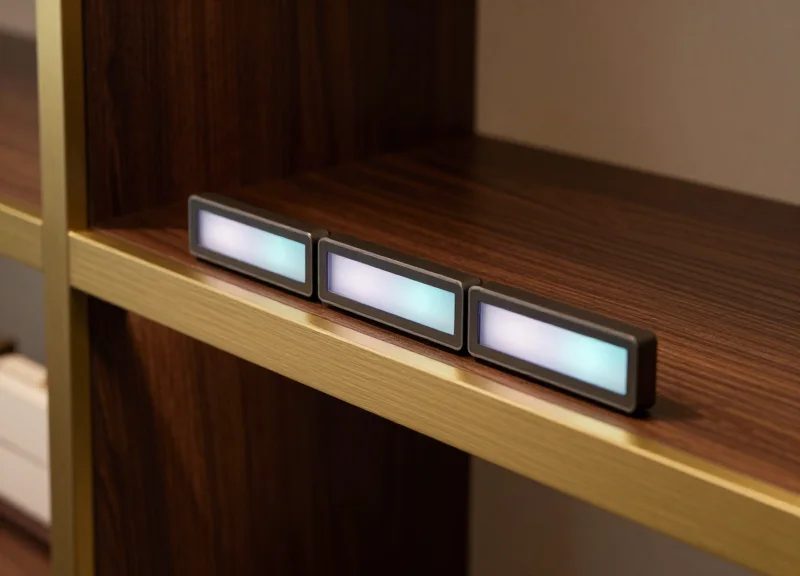
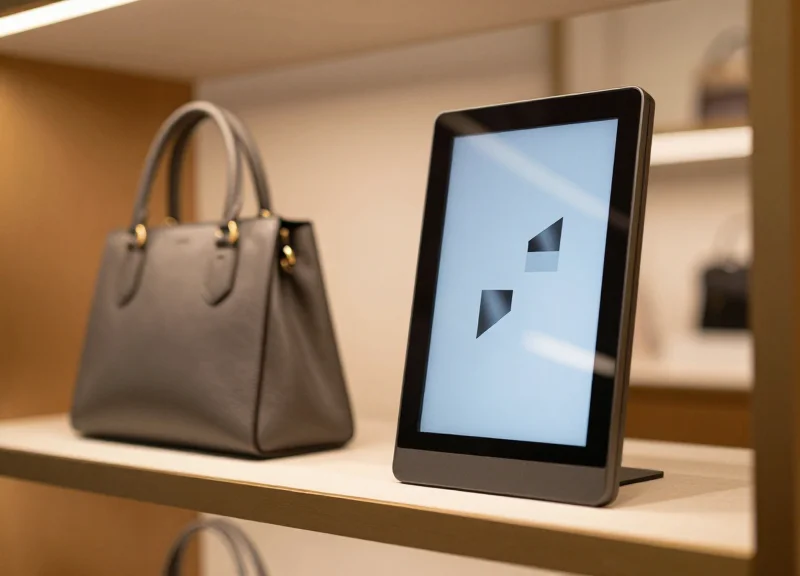
Future-proofing a premium gaming venue requires the convergence of Electronic Shelf Labels (ESL) and Electronic Article Surveillance (EAS) into a unified IoT infrastructure. By synchronizing these technologies, lounge operators can automate real-time price updates for peripherals and high-value accessories while simultaneously managing security states from a single dashboard. This integration transforms passive security into an active, data-driven operational asset that scales with your subscription base and inventory complexity.
| Feature | Legacy Manual Systems | Integrated ESL & EAS Ecosystem |
|---|---|---|
| Price Updates | Manual sticker replacement; high labor cost | Instant, centralized updates via Cloud API |
| Security Monitoring | Reactive alarms; no link to item metadata | Proactive alerts synced with specific item IDs |
| Stock Visibility | Periodic manual audits | Real-time inventory levels per shelf position |
| ROI Impact | Negative (Shrinkage + Labor) | Positive (42%+ Shrink Reduction + Labor Savings) |
Expert Insight: The 'Visual Security Handshake'. A unique advantage of modern ESL systems is the ability to use multi-color LED indicators (Red/Green/Blue) as a silent security interface. By linking your EAS database to the ESL display, you can program labels to pulse a subtle blue light if an item's security tag is deactivated correctly at checkout, or flash red if a 'high-risk' item has been moved from its designated zone without authorization. This allows floor staff to monitor high-value tech like mechanical keyboards or VR headsets without hovering over premium guests, maintaining the 'exclusive' atmosphere while tightening loss prevention.
- API-Level Integration: Ensure your ESL and EAS providers offer open APIs to allow your Point of Sale (POS) and inventory management software to talk to both systems simultaneously.
- Network Consolidation: Utilize sub-GigaHertz frequencies for ESL communication to avoid interference with the high-density 5GHz/6GHz Wi-Fi environments common in gaming lounges.
- Dynamic Risk-Based Pricing: Program your system to automatically update ESL prices or security sensitivity based on peak hours or occupancy levels tracked by the EAS pedestals.
Does ESL integration drain battery life faster?
No; modern ESLs use e-paper technology and low-energy protocols, typically lasting 5 to 10 years even with frequent security status updates.
Can I use ESLs for non-sale items like rental gear?
Absolutely. ESLs are ideal for displaying the 'availability' status of rental controllers or headsets, synced with the EAS system to ensure they don't leave the premises.
What is the primary ROI driver for this integration?
The synergy of reducing 'Tech Shrinkage' by nearly half while eliminating the 10-15 hours of weekly labor typically spent on manual price and inventory checks.