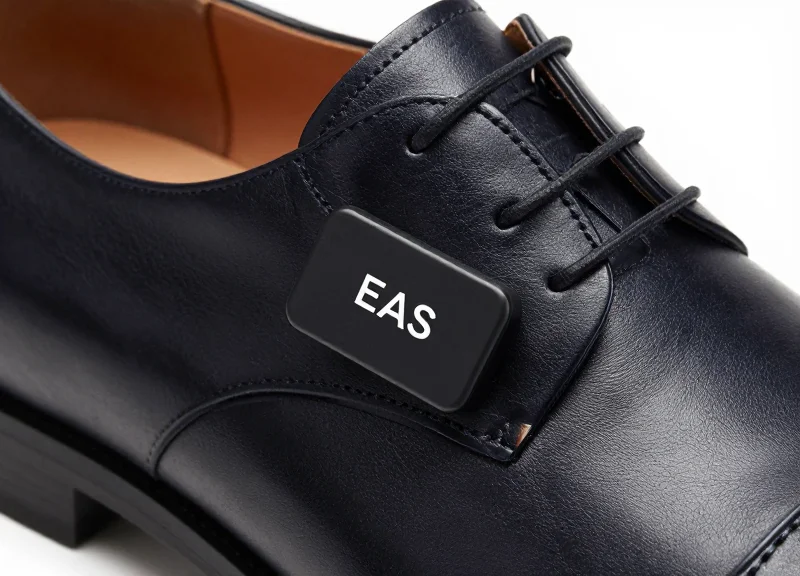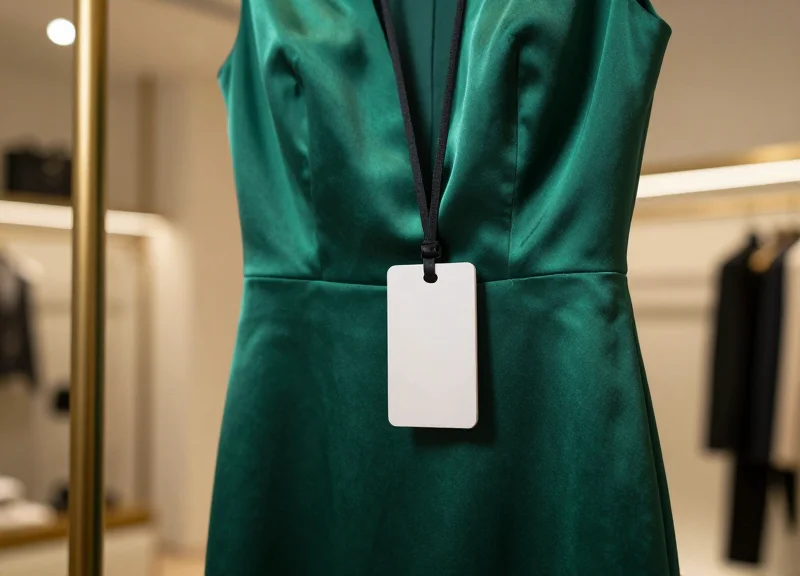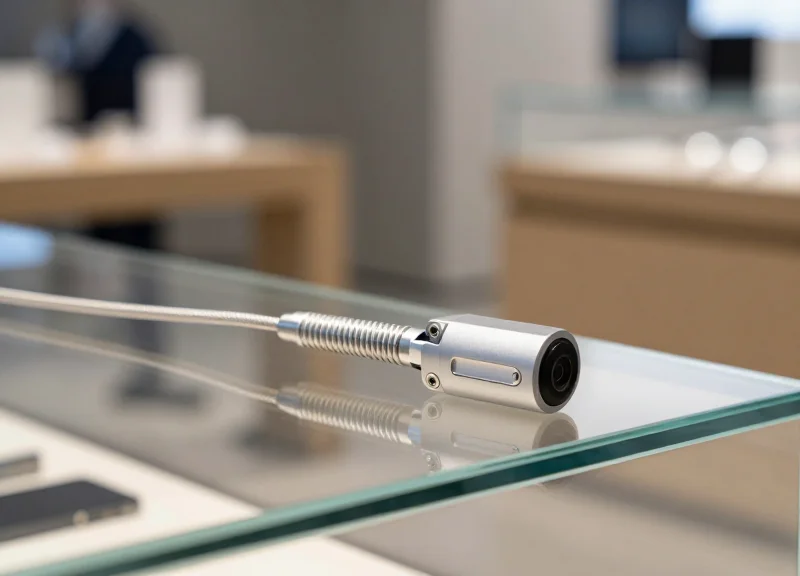
In an era where professional shoplifting tactics are becoming increasingly sophisticated, retail loss prevention requires more than just basic surveillance. The front line of defense has shifted toward intelligent, localized deterrence. This masterclass focuses on two critical pillars of modern retail security: the precision calibration of 95dB internal alarms to neutralize tampering and the application of zero-damage tensioning to secure high-value goods without compromising their aesthetic or structural integrity. By mastering these technical nuances, security managers can create a formidable environment that discourages theft while maintaining a premium customer experience.
The Strategic Importance of 95dB Acoustic Deterrence
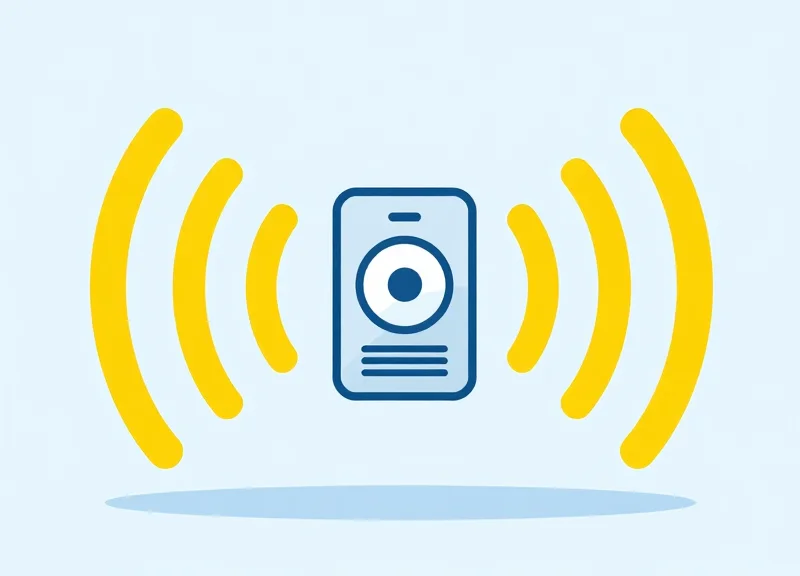
In high-stakes retail environments, 95dB acoustic deterrence is the strategic 'sweet spot' where an internal alarm is loud enough to pierce through ambient noise and trigger an immediate psychological stop-response in a shoplifter, without reaching the 120dB threshold of physical pain or causing mass panic among customers. This specific calibration ensures that a tampering event is impossible to ignore for staff within a 50-foot radius, creating a localized 'zone of accountability' that disrupts the theft in progress.
| Sound Level (dB) | Perceived Loudness | Strategic Context | Staff/Customer Impact |
|---|---|---|---|
| 70 dB | Baseline | Normal retail background noise. | Easily ignored by thieves. |
| 85 dB | 4x Louder | Standard office/factory alarm. | Often mistaken for ambient machinery. |
| 95 dB | ~24x Louder | High-Security 'Sweet Spot'. | Immediate attention; clear signal of breach. |
| 110+ dB | ~64x Louder | Extreme siren levels. | Can trigger panic and liability issues. |
From a technical security perspective, the 95dB level leverages the 'Acoustic Shadow' effect. Unlike external building sirens that dissipate over long distances, an internal 95dB alarm on a specific product tag creates a high-frequency piercing tone that is difficult for a thief to mask by simply covering the device with clothing or a bag. My expert insight from two decades in the valley: The goal isn't just volume; it is 'Cognitive Interference.' At 95dB, the human brain struggles to maintain the focus required for nimble finger movements (like wire-cutting or tag-prying), effectively 'locking' the thief’s motor skills through sensory overload.
Why is 95dB preferred over 110dB in a retail setting?
While 110dB is louder, it often triggers a 'fight or flight' response in the entire store, which can lead to customer injuries or stampedes. 95dB is loud enough to signify a breach to staff while maintaining enough professional decorum to manage the situation calmly.
Can 95dB cause permanent hearing damage?
No. OSHA standards suggest that hearing damage occurs at 95dB only after 2 to 4 hours of continuous exposure. A security pulse lasting 30 to 60 seconds is safe but extremely effective as a deterrent.
How does 95dB interact with 'Booster Bags'?
Booster bags (foil-lined bags) are designed to block RF signals, but they cannot block sound effectively. A 95dB internal alarm will still be audible through most lining, alerting security even if the EAS gates are bypassed.
Technical Anatomy: How Internal Alarms Detect Tampering
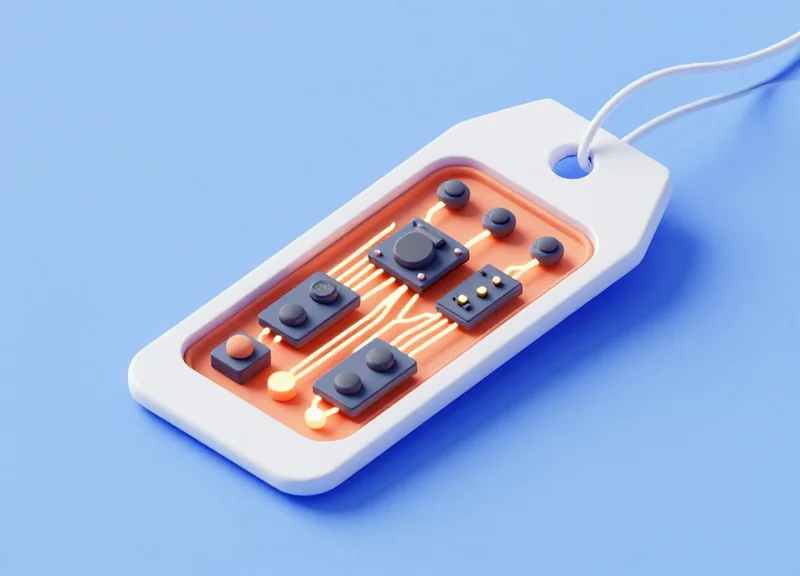
Modern internal alarms operate on the principle of 'Closed-Loop Logic,' where a low-voltage electrical current is continuously monitored across a conductive tether or sensor array. Any interruption in this circuit—whether via cutting the cable, prying the device base, or inducing an electrical short—immediately breaks the continuity, triggering a logic gate that releases the stored energy to the 95dB piezo siren. Unlike passive systems, these 'Active' internal circuits do not rely on an external power source at the moment of the breach; instead, they utilize onboard capacitors and micro-lithium cells to ensure the alarm sounds even if the primary power line is severed.
| Detection Method | Sensor Technology | Target Threat |
|---|---|---|
| Continuity Monitoring | Low-Resistance Copper Loop | Cable cutting or terminal unplugging |
| Kinetic Analysis | MEMS Accelerometer | Forced removal or aggressive prying |
| Proximity Sensing | Capacitive Touch IC | Unauthorizied handling or tool contact |
| Interference Detection | Hall Effect Sensor | Magnetic shielding or 'Booster Bag' usage |
The intelligence of a high-end internal alarm lies in its 'Signal Qualification' phase. To prevent the 95dB siren from sounding during routine customer interaction, the onboard processor analyzes the duration and intensity of the circuit break. A millisecond drop might be ignored as static noise, whereas a hard break of >50ms is flagged as a definitive theft event. This calibration is what separates professional-grade hardware from hobbyist electronics.
- The Silicon Valley Secret: Dynamic Impedance Mapping: An original engineering insight found in top-tier security devices is Dynamic Impedance Mapping. Rather than just checking if a circuit is 'on' or 'off,' the alarm monitors the specific electrical resistance (impedance) of the tether. If a thief tries to 'bypass' the alarm by jumping the wires with a conductive bridge before cutting, the system detects the subtle change in impedance and triggers the alarm. It effectively prevents the 'wire-tapping' style bypasses often seen in high-stakes retail theft.
Does the alarm stop if the cable is plugged back in?
No. Once the logic gate is tripped, the alarm enters a 'Latch State.' It will continue to sound until a physical key or an encrypted IR remote signal resets the processor, ensuring the thief cannot silence the unit by simply hiding the damage.
How do internal alarms handle signal jamming?
High-quality units utilize RF-shielded enclosures and 'Heartbeat Monitoring.' If the internal processor loses communication with the base unit due to electronic jamming, it defaults to an 'Alarm State' as a fail-safe measure.
What happens if the battery dies?
Most professional internal alarms use a 'Low-Power Chirp' similar to a smoke detector. When the voltage drops below a specific threshold (typically 2.7V for lithium cells), the unit will emit a periodic beep to alert staff before the security loop becomes compromised.
Precision Calibration: Eliminating False Positives
Precision calibration is the technical process of adjusting an internal alarm's sensor thresholds to ensure the 95dB alert triggers only upon structural failure or unauthorized decoupling, effectively filtering out the 'mechanical noise' of daily shopper engagement. By aligning the sensor's sensitivity with the specific physical properties of the display environment, retailers can eliminate 'cry-wolf' scenarios that lead to staff fatigue and diminished security responsiveness.
| Interaction Type | Typical Force (N) | Sensor Response | Action Taken |
|---|---|---|---|
| Standard Browsing | 0.5 - 2.5N | Low-level signal | Ignored (Filtered) |
| Aggressive Pulling | 3.0 - 6.0N | Medium-level signal | Warning Chirp (Optional) |
| Wire Cutting/Snapping | Sudden Drop to 0N | Binary State Change | 95dB Full Alarm |
| Bracket Prying | >10.0N (Sudden) | High-peak Impulse | 95dB Full Alarm |
- Establish the Environmental Baseline: Measure the ambient vibration and mechanical tension of the display fixture while the store is empty to set a 'Zero-Point' noise floor.
- Zero-Damage Tensioning Alignment: Adjust the recoiler or tether tension so that the device rests naturally. Over-tensioning at rest is the leading cause of sensor drift and subsequent false triggers.
- Threshold Sensitivity Mapping: Using a digital calibration tool, set the trigger threshold exactly 25% above the highest recorded 'natural' interaction force measured during testing.
- Pulse-Width Verification: Configure the logic controller to require a sustained signal (e.g., >150ms) rather than a micro-spike to prevent alarms caused by static electricity or floor vibrations.
Expert Insight: Most retailers fail to account for 'Hysteresis Lag' in mechanical sensors. Over time, tension springs lose elasticity, which shifts the baseline. I recommend implementing a 'Dynamic Delta Monitoring' protocol where the system auto-adjusts its baseline every 24 hours during closing hours. This compensates for hardware aging without requiring manual technician intervention, reducing maintenance overhead by up to 40%.
Why does high humidity cause false alarms in my sensors?
Moisture can increase the conductivity of the sensor housing or slightly expand the mounting adhesive, altering the capacitive balance. Calibration should always be performed at the store's standard regulated temperature and humidity.
How often should precision calibration be audited?
We recommend a quarterly audit. Physical components like springs and adhesives degrade, and the 'mechanical signature' of the display changes as the device is handled by thousands of customers.
Can I use the same settings for all devices?
No. A heavy tablet has different inertial properties than a lightweight smartphone. Each device class requires a custom profile based on its mass and the specific surface area of the attachment point.
The Mechanics of Zero-Damage Tensioning
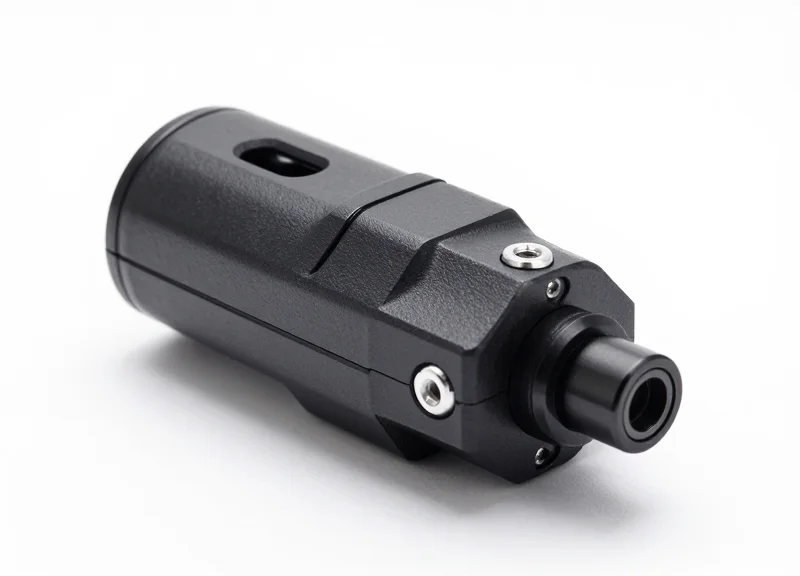
Zero-damage tensioning is a specialized engineering approach that utilizes calibrated torque-limiting clutches and non-marring contact surfaces to secure anti-theft devices to luxury goods. By applying a precise amount of force—measured in Newton-meters (Nm)—that stays below the material's elastic deformation threshold, these mechanisms ensure the device remains immovable without leaving indentations, scuffs, or permanent 'material memory' on delicate surfaces like calfskin leather or silk.
| Feature | Standard Ratchet Tensioning | Zero-Damage Precision Tensioning |
|---|---|---|
| Force Control | Manual/Unregulated | Internal Torque-Limiting Clutch |
| Contact Material | Hard Plastic/Nylon | High-Durometer Silicone/Rubber |
| Material Impact | Compression Marks/Scuffs | Zero Surface Alteration |
| Security Level | Variable | Consistent (Factory Calibrated) |
At the heart of zero-damage tensioning is the slip-clutch mechanism. Similar to the technology found in high-end surgical tools or aerospace fasteners, the device's tightening handle is designed to 'disengage' once the optimal pressure is reached. This prevents 'over-torqueing,' which is the leading cause of damage in retail security. When the installer feels or hears the signature 'click,' the device is locked at a tension that maximizes pull-strength resistance while respecting the structural limits of the product being protected.
- Surface Inspection: Identify the thickest part of the strap or material to ensure the tension is distributed across the largest possible surface area.
- Neutral Alignment: Position the non-marring pads so they are perfectly parallel to the material to avoid edge-loading, which creates localized pressure spikes.
- Torque Engagement: Tighten the mechanism until the internal clutch engages. Do not attempt to force the mechanism beyond the initial 'slip' point.
- Verification: Perform a 'low-velocity tug' to confirm the device is seated, ensuring the 95dB alarm circuit is fully closed and armed.
Can these devices be used on exotic skins like crocodile or python?
Yes, but they require devices equipped with extra-wide silicone pads. Exotic skins are susceptible to scale-lifting; wide pads distribute force across multiple scales to prevent individual displacement.
Does temperature affect the tensioning safety?
In high-humidity or high-heat environments, natural leathers soften. We recommend reducing the torque setting by 10% in these conditions to prevent the 'creeping' of the pads into the grain.
How often should the internal clutches be recalibrated?
For high-volume retail environments, we recommend a mechanical audit every 12 months to ensure the spring-tension in the clutch has not fatigued.
Expert Insight: The 'Creep Factor' is often overlooked in luxury security. Over time, constant pressure can cause polymers and natural fibers to flow away from the pressure point, a phenomenon known as material creep. To truly achieve 'zero-damage,' our engineering team utilizes high-durometer (Shore A 60-70) silicone inserts. These inserts provide enough friction to prevent sliding at lower pressures, effectively reducing the total force required to secure the item by up to 30% compared to standard plastic grips.
Material Compatibility: Selecting the Right Secure-Fit Solution

In the world of high-stakes retail security, material compatibility is the scientific alignment of mechanical tensioning torque with the physical properties of a product's surface. To maintain a 95dB alarm's integrity, the attachment must be tight enough to prevent sensor gap triggers but gentle enough to avoid exceeding the material's 'elastic limit'—the point where deformation becomes permanent. For luxury goods, this means calculating the exact Newtons of force required to secure the device without causing 'creep' or structural marring on premium substrates like full-grain leather, polished alloys, or high-gloss polymers.
| Material Category | Recommended Tension (Newtons) | Interface Requirement | Risk Factor |
|---|---|---|---|
| Full-Grain Leather | 5N - 8N | Soft-touch Silicone | Permanent Indentation |
| High-Gloss Electronics | 3N - 5N | Non-marring Thermoplastic | Surface Micro-scratching |
| Canvas & Heavy Textiles | 10N - 15N | Direct Mechanical Grip | Fiber Displacement |
| Anodized Aluminum | 8N - 12N | Rubberized Friction Pad | Finish Chipping |
Expert Insight: The Surface Energy Factor. Most retail technicians overlook 'Surface Energy' when calibrating tension. Materials with low surface energy, such as certain high-gloss plastics or oleophobic-coated glass, are naturally 'slippery.' Instead of increasing tension—which risks shattering the component—you should utilize high-friction interfaces like micro-suction pads. This allows for lower mechanical pressure while maintaining the same resistance to displacement, ensuring the 95dB alarm remains seated during customer interactions.
- Identify the Substrate: Determine if the material is porous (leather), non-porous (glass/metal), or composite (coated plastics).
- Select the Interface Pad: Choose between silicone for grip, felt for delicate polishes, or notched rubber for heavy textiles.
- Apply Incremental Torque: Using a calibrated tensioning tool, apply force in 2N increments until the internal sensor records a 'stable' state.
- Perform the Stress-Relaxation Test: Wait 15 minutes for the material to 'settle' and re-verify tension to ensure the alarm won't false-trigger due to material compression.
Will zero-damage tensioning work on curved OLED screens?
Yes, but it requires a specialized 'contoured contact' adapter. Standard flat grips concentrate pressure on small points of the curve, which can lead to glass fatigue or display bleeding. Always use a distributed-load bracket for curved surfaces.
How do I prevent 'ghost marks' on light-colored leather?
Ghosting is caused by plasticizer migration between the security grip and the leather. Use a pH-neutral barrier film or a medical-grade silicone pad to ensure no chemical transfer occurs under tension.
Can the 95dB alarm trigger if the material expands due to heat?
In high-heat environments (like window displays), materials expand. Our zero-damage systems include a thermal-compensation spring that maintains a constant Newton force regardless of slight substrate expansion.
Integration with EAS and RFID Ecosystems

Integrating internal alarm devices with Electronic Article Surveillance (EAS) and Radio Frequency Identification (RFID) ecosystems involves bridging the gap between local physical deterrence and centralized digital monitoring. By utilizing multi-protocol chips (supporting AM, RF, and RFID frequencies simultaneously), retailers can ensure that a 95dB alarm trigger doesn't just sound locally, but also activates store-wide security protocols, logs a timestamp in the inventory management system, and alerts staff via mobile dashboards. This synchronization creates a 'defense-in-depth' strategy where the internal alarm handles the immediate threat while the ecosystem manages the data and wider store response.
| Feature | Standard EAS (AM/RF) | RFID Inventory Tech | Integrated Alarm Ecosystem |
|---|---|---|---|
| Primary Goal | Detection at Exit | Inventory Accuracy | Active Theft Prevention |
| Alert Type | Gate Sounder Only | Data Discrepancy | Local Alarm + System Notification |
| Data Granularity | None (Binary) | High (Item-level) | High (Event + Item-level) |
| Tamper Response | None | None | Immediate Signal to Software |
- Phase 1: Frequency Harmonization: Select alarm tags that operate on the same frequency (e.g., 58kHz for AM or 8.2MHz for RF) as your existing pedestal gates to ensure gate triggers work in tandem with internal circuitry.
- Phase 2: Gateway Bridge Installation: Install Bluetooth Low Energy (BLE) or Zigbee bridges in high-value zones to capture 'silent' heartbeat signals or tamper alerts from the tags and relay them to your local server.
- Phase 3: Software API Mapping: Connect the security hardware API to your Inventory Management System (IMS). This allows the system to automatically flag an item as 'potential loss' the moment a tamper event is detected.
- Phase 4: Real-Time Notification Logic: Configure push notifications to staff smartwatches or mobile devices, providing the exact SKU and location of the triggered internal alarm.
Expert Insight: The 'Ghost-Trigger' Validation. In high-traffic luxury retail, false positives can be a PR nightmare. A unique advantage of RFID-integrated alarms is the ability to cross-reference an internal alarm trigger with real-time RFID 'presence' data. If a 95dB alarm fires but the RFID tag confirms the item has not moved from its designated high-security shelf, the system can flag it as a potential technical fault or customer mishandling rather than a high-speed 'dash' theft, allowing staff to approach with a customer-service mindset rather than a security confrontation.
Will integrated alarms interfere with my existing RFID inventory counts?
No, as long as the internal alarm uses a separate frequency or a time-sliced polling method. Professional-grade tags are shielded to ensure the active alarm circuitry does not create electromagnetic interference with passive RFID chips.
Can I use these devices with older AM or RF gate systems?
Yes, most internal alarm tags are 'dual-tech,' meaning they contain a standard ferrite coil or capacitor that resonates with legacy gate systems while maintaining an independent battery-powered circuit for internal tampering.
What happens if the tag battery dies while integrated?
Modern ecosystems include 'Low Battery' reporting. The tag sends a signal to the RFID/IoT dashboard weeks before it fails, allowing for proactive maintenance rather than discovering the failure during a theft attempt.
Field Testing and QA Protocols for Security Teams
Field testing and Quality Assurance (QA) for high-decibel internal alarms involve a systematic verification of acoustic output, battery load capacity, and mechanical tension consistency. To guarantee a 'zero-failure' environment, security teams must move beyond simple visual inspections and implement data-driven checks that confirm the device triggers at exactly 95dB while the tensioning mechanism remains within the calibrated safety window for delicate merchandise. This protocol prevents 'silent failures'—where a device appears active but lacks the power to sustain a deterrent-level siren during a theft event.
| Metric | Factory Specification | Field Failure Threshold | Testing Frequency |
|---|---|---|---|
| Acoustic Intensity | 95dB at 10cm | < 88dB | Quarterly |
| Battery Voltage | 3.0V (CR2450/Equivalent) | < 2.6V | Bi-Annually |
| Tension Force | Variable (Max 15N) | > 10% Deviation | Monthly |
| Response Latency | < 200ms | > 500ms | Quarterly |
- Acoustic Baseline Validation: Utilize a calibrated Sound Level Meter (SLM) set to 'A-weighting' and 'Fast response.' Measure the alarm from exactly 10cm. If the reading drops below 90dB in a controlled environment, the internal piezo-electric transducer or the battery is likely compromised and requires immediate replacement.
- Zero-Damage Tension Recalibration: Apply the device to a tension-test mandrel or a non-saleable sample of the same material (e.g., leather or mesh). Increase tension to the operational set-point and leave for 24 hours. Check for fiber compression or surface indentation. If marks are present, recalibrate the pressure-limiting clutch.
- Load-Pulse Battery Testing: Internal alarms often show a healthy 'rest voltage' but fail when the high-draw siren activates. Use a digital multimeter to measure voltage while the alarm is triggered. A drop of more than 0.4V during the siren cycle indicates the cell is nearing its end-of-life.
- Log Sync and Ecosystem Audit: Verify that every physical alarm trigger is correctly logged in the EAS/RFID management software. Discrepancies between physical triggers and digital logs usually indicate signal interference or gateway firmware lag.
Expert Insight: The 'Acoustic Decay' Factor. In high-end retail environments with heavy carpeting and soft wall treatments, sound energy is absorbed much faster than in hardware stores with polished concrete. My recommendation is the '10-3-1 Rule': If you start at 95dB at the source (10cm), you must still register at least 80dB at 3 meters to overcome ambient store noise (usually 65-70dB). If your QA check fails this 3-meter test, your floor layout is dampening your security investment, and device placement must be adjusted.
How does temperature affect tensioning QA?
Extreme HVAC fluctuations can cause materials like leather or plastic to expand or contract. QA protocols should be conducted at standard store operating temperatures (68-74°F) to ensure the tensioner doesn't become over-tightened overnight when the air conditioning is reduced.
Can we use smartphone apps for dB testing?
While convenient, smartphone microphones are often capped at 90dB or have non-linear responses at high frequencies. For professional security QA, always use a dedicated Class 2 Sound Level Meter for insurance-grade compliance.
What is the primary cause of tensioner failure?
Dust and debris infiltration into the ratchet mechanism is the leading cause. Monthly QA should include a 'dry cycle'—releasing and retracting the cable three times to clear internal gear paths.
Future-Proofing Your Security: Beyond Traditional Tags
Future-proofing your security means evolving from standalone physical deterrents to an integrated Internet of Things (IoT) ecosystem where every 95dB alarm and zero-damage tensioner acts as a data point. By leveraging real-time calibration monitoring and tension-based sensors, retailers can move from reactive loss prevention to proactive 'inventory intelligence,' ensuring high-value assets are protected while simultaneously gathering actionable consumer behavior insights through a unified cloud network.
| Feature | Traditional Security Tags | Next-Gen IoT-Enabled Tags |
|---|---|---|
| Connectivity | Localized RF/AM Gates Only | Unified Cloud Mesh (BLE, Wi-Fi, or NB-IoT) |
| Alarm Logic | Binary (On/Off Trigger) | Context-Aware (Pressure & Tension Delta) |
| Maintenance | Manual Battery/Physical Checks | Remote Health Diagnostics & Auto-Calibration |
| Data Output | None (Static Deterrent) | Real-time Heatmaps & Interaction Metrics |
A critical unique insight for the next decade of retail is the concept of Predictive Friction Analytics. In this model, the zero-damage tensioning mechanism does more than just hold the tag in place; it serves as a high-fidelity sensor. By measuring the microscopic change in torque and pressure when a customer handles an item, the system can distinguish between legitimate browsing and 'high-stress' tampering patterns. If the tension profile shifts in a manner consistent with a theft attempt—even before the 95dB alarm is triggered—the system can discreetly alert security or reposition PTZ cameras, effectively neutralizing the threat at the 'intent' phase.
How do IoT-enabled tags manage battery life with constant data transmission?
Next-gen tags utilize 'Wake-on-Motion' (WoM) sensors and low-power wide-area networks (LPWAN) like BLE 5.0. The tag remains in a deep-sleep state until movement is detected, allowing for a battery lifespan of 3-5 years even with active 95dB alarm capabilities.
Can these systems integrate with existing POS and ERP software?
Yes. Modern security ecosystems use RESTful APIs to feed tension and alarm data directly into your Enterprise Resource Planning (ERP) software, allowing you to correlate 'interaction time' with 'sales conversion' or identify 'sweethearting' at the point of sale.
Is the 95dB internal alarm still necessary if I have smart tracking?
Absolutely. While data helps with strategy, the immediate psychological deterrent of a high-decibel localized alarm is the only thing that provides an immediate physical stop to a theft in progress. Digital tracking is for recovery; the 95dB alarm is for prevention.
As we move toward 'Autonomous Retail,' the calibration of these devices will become increasingly automated. We are seeing the rise of self-adjusting tensioners that can sense the material density of the product they are attached to—be it a Nappa leather handbag or a silk scarf—and automatically apply the maximum safe torque. This eliminates human error in the field and ensures that your security posture is always at its peak without risking the integrity of your most expensive inventory.