For independent pharmacy owners, the thin line between profitability and loss is often determined by inventory shrinkage. High-traffic environments, combined with high-value, small-sized merchandise like skincare, supplements, and OTC medications, create a perfect storm for shoplifting. While many retailers rely on basic security measures, the shift toward 58KHz Acousto-Magnetic (AM) technology has proven to be a game-changer. By implementing 58KHz EAS soft labels, many independent pharmacies have reported a staggering 40% reduction in shrinkage, directly bolstering their bottom line without compromising the customer experience.
The Hidden Impact of Shrinkage on Independent Pharmacies
For independent pharmacies, shrinkage is the silent erosion of net profit caused by shoplifting, organized retail crime (ORC), and internal errors, often reaching 1.5% to 3% of total sales—a figure that can represent up to 50% of a pharmacy's actual take-home profit. Unlike big-box retailers, independent owners lack the massive volume to buffer these losses, making every lost unit a direct threat to business viability. In high-traffic settings, this impact is compounded as the speed of transactions often masks the disappearance of high-value health and beauty (HBA) products until the next inventory cycle.
| Stolen Item Value (Cost) | Net Profit Margin | Required Sales to Recoup Loss |
|---|---|---|
| $25.00 | 3% | $833.33 |
| $50.00 | 4% | $1,250.00 |
| $100.00 | 5% | $2,000.00 |
The table above illustrates the 'Profit Recovery Multiplier'. Because shrinkage is a bottom-line deduction, an independent pharmacy must generate an exponential amount of new revenue just to reach the point they were at before the theft occurred. In a high-traffic environment, where staff are focused on script volume and patient consultation, manual surveillance becomes physically impossible, leading to 'Security Blindness'—a state where the volume of legitimate customers provides perfect cover for opportunistic theft.
Why does traditional security fail in high-traffic pharmacies?
Traditional methods like 'line-of-sight' monitoring or locking cabinets fail because they create friction. High-traffic stores rely on flow; locking items behind glass reduces impulse purchases by up to 25%, while manual monitoring is easily bypassed when staff are occupied at the checkout or consultation desk.
What are the secondary costs of pharmacy shrinkage?
Beyond the direct cost of goods, shrinkage causes 'Phantom Inventory.' When the system thinks an item is in stock but it has been stolen, you lose the sale to the next customer, damage your local reputation for reliability, and waste labor hours on reconciliation.
How does 58KHz EAS technology address these specific pain points?
58KHz (Acousto-Magnetic) technology provides a wide exit-width detection range, which is critical for high-traffic entryways. It allows for open-merchandising—letting customers handle products—while providing an invisible layer of security that triggers only when an active label passes the pedestals.
Expert Insight: The 'Targeted Category' Trap. Our data shows that in independent pharmacies, 80% of shrinkage occurs in just 20% of product categories—specifically high-margin skincare, diabetic testing supplies, and premium supplements. In high-traffic locations, thieves capitalize on 'Shelf Sweeping,' where multiple units are taken at once. Without automated alerts from EAS soft labels, a pharmacy may not realize they have been hit until the next morning, by which time the profit from the entire day's legitimate sales in that category has been wiped out.
Understanding 58KHz AM Technology vs. Standard RF
58KHz Acousto-Magnetic (AM) technology operates by utilizing a low-frequency magnetic pulse that causes an active material within the security label to vibrate, creating a unique 'acoustic ring' that is detected by pedestals. In contrast, standard Radio Frequency (RF) systems operate at a much higher frequency (typically 8.2MHz) using a simple resonant circuit. For independent pharmacies, the primary technical advantage of 58KHz AM lies in its longer wavelength, which provides a significantly wider detection range and a higher immunity to 'electronic noise' and interference from metallic objects, such as foil-lined medication packaging.
| Feature | 58KHz AM Technology | 8.2MHz RF Technology |
|---|---|---|
| Detection Method | Mechanical Vibration (Acoustic) | Electrical Resonance (LC Circuit) |
| Interference Level | Low (High immunity to metal/liquid) | High (Sensitive to foil and electronics) |
| Aisle Width | Up to 2.4 Meters (Double Door) | Up to 1.6 Meters (Standard Entry) |
| Label Deactivation | Highly reliable at a distance | Requires close contact with pad |
| Best Use Case | Pharmacy items, beauty products | Apparel, soft goods |
In a pharmacy environment, the technical delta between these two technologies becomes a financial one. Standard RF systems frequently suffer from 'detuning' when placed near liquid bottles (syrups, shampoos) or metallic surfaces (blister packs, foil safety seals). This detuning leads to false alarms or, worse, 'dead zones' where a stolen item passes through the gate undetected. 58KHz AM labels maintain their signal integrity even when placed inside a shopping cart or near large quantities of liquid, ensuring that high-value inventory is protected regardless of how it is carried out of the store.
Why does AM have fewer false alarms?
AM systems use a 'time-gated' signal processing method. The pedestal sends a pulse and then listens for the specific vibration frequency of the tag. This temporal separation allows the system to ignore ambient electronic noise that often triggers RF systems.
Can AM labels be used on metallic packaging?
Yes. Unlike RF labels, which are rendered useless when placed directly on or near metal, 58KHz AM labels are designed to operate effectively near foil-lined medication boxes and metallic cosmetic containers.
Does aisle width affect pharmacy traffic flow?
Absolutely. 58KHz AM allows for wider entrances (up to 8 feet), which prevents bottlenecking in high-traffic independent pharmacies, ensuring a professional aesthetic without sacrificing security.
Expert Insight: The 'Faraday Shield' Workaround. In 20 years of observing retail theft patterns, we've seen 'booster bags' (foil-lined bags) become a standard tool for shoplifters. While RF technology is easily defeated by these makeshift Faraday cages, the low-frequency 58KHz magnetic field is much harder to shield. For a pharmacy, this means that even if a thief attempts to hide a high-value prescription skin cream inside a foil-lined pocket, the 58KHz AM pedestal has a significantly higher probability of triggering an alarm than any standard RF system on the market.
Why 58KHz Soft Labels Are Ideal for Pharmaceutical Products
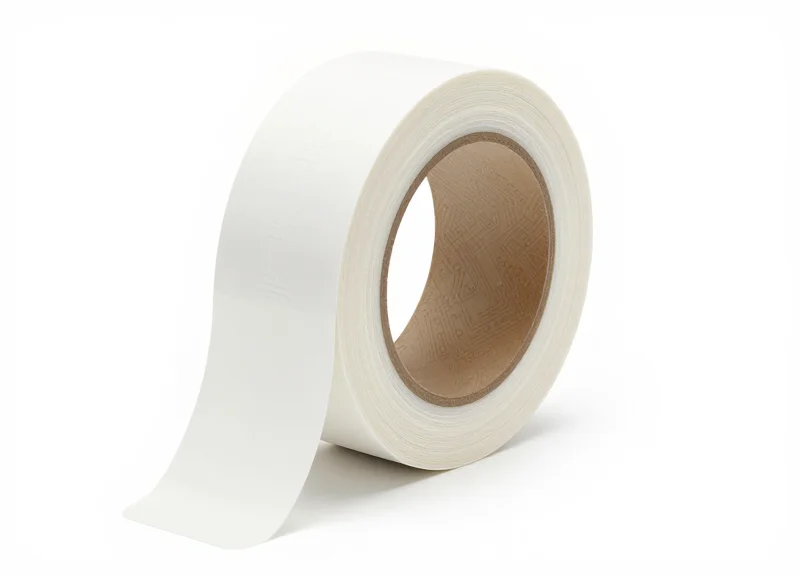
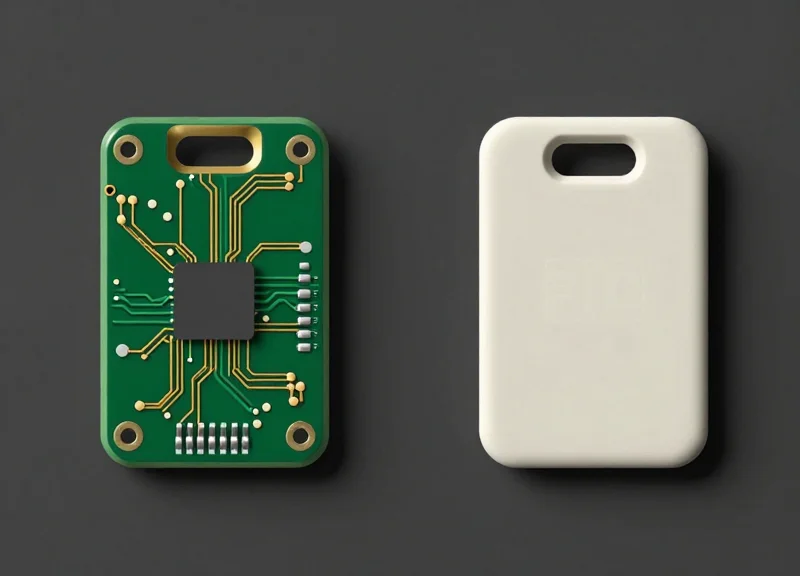
58KHz AM (Acousto-Magnetic) soft labels are the premier choice for independent pharmacies because they offer a high-performance, small-form-factor security solution that functions where standard RF stickers fail. Unlike bulkier security measures, these labels are specifically engineered to maintain a strong signal even when placed on metallic packaging, foil-lined pill boxes, or near liquid-filled bottles. This makes them indispensable for protecting high-shrink items such as premium skincare, vitamins, and specialized over-the-counter medications without compromising the product's aesthetic or shelf-readability.
| Feature | 58KHz AM Soft Labels | Standard RF Labels | Hard Tags |
|---|---|---|---|
| Form Factor | Ultra-thin, narrow strips | Square/Round paper stickers | Bulky plastic housing |
| Metallic Packaging | Highly Compatible | Poor / Signal Interference | Compatible but intrusive |
| Application | Inside/Outside boxes | External surfaces only | Lanyards or pin-through |
| Ideal Pharmacy Use | Cosmetics, insulin, foil packs | Large non-metallic items | High-end electronics/liquor |
- Discreet Protection for High-Value Small Items: The narrow 'DR' style footprint allows labels to be placed along the seams of small cosmetic boxes or the underside of medicine bottles, deterring 'sweethearting' and concealment without obstructing the brand image.
- Interference Resistance: Pharmaceutical products often utilize foil safety seals or metallic ink. 58KHz technology operates at a frequency that penetrates these materials, ensuring the alarm triggers even if the item is hidden in a foil-lined bag.
- Seamless Deactivation: In high-traffic pharmacies, speed is essential. 58KHz labels feature high-speed deactivation properties that allow technicians to scan and deactivate labels in a single motion, reducing false alarms at the exit.
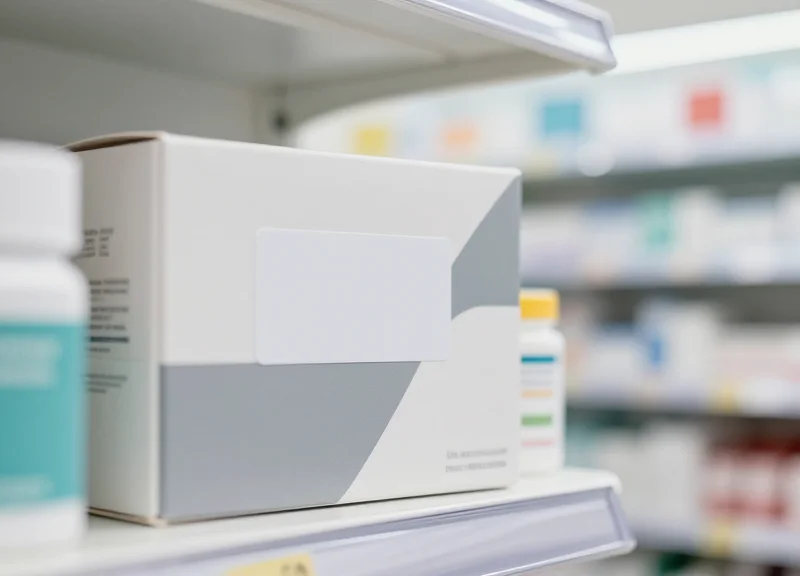
Expert Insight: The 'Compliance-First' Placement Strategy. In my two decades of retail security experience, I have found that pharmacies face a unique hurdle: regulatory compliance regarding label visibility. Standard security stickers often cover up dosage instructions or 'Drug Facts' panels, which can lead to patient safety issues or legal non-compliance. 58KHz soft labels are narrow enough to be applied to the 'dust flap' (the inner tuck-in tab) of a medicine box. This 'hidden' application provides a double benefit—it protects the product with 100% signal efficacy while keeping all federally mandated patient information completely visible and unobstructed.
Can these labels be used on liquid-based products like cough syrups?
Yes. Unlike 8.2MHz RF labels, which are often detuned by the dielectric properties of liquids, 58KHz AM labels maintain a consistent resonance, making them the most reliable choice for bottled liquids.
Are 58KHz labels reusable?
No, soft labels are designed for one-time use and are permanently deactivated at the point of sale. This makes them a more cost-effective labor solution for high-volume items compared to hard tags that must be manually removed and stored.
Will they damage the product packaging upon removal?
Most 58KHz labels use a pharmacy-grade adhesive that bonds securely to cardboard and plastic but is designed not to tear the outer layer of the box if a customer chooses to peel it off after purchase.
The 40% Solution: Data-Driven Loss Prevention
A 40% reduction in shrinkage is the industry benchmark for independent pharmacies that transition from passive security to a rigorous 58KHz Acousto-Magnetic (AM) tagging protocol. This '40% Solution' is achieved by neutralizing the two primary drivers of retail loss: professional shoplifting and opportunistic 'sweethearting.' Unlike Radio Frequency (RF) systems, 58KHz technology offers a superior detection rate for small pharmaceutical items, ensuring that the highest-risk SKUs—often those with the highest margins—are effectively protected, directly reclaiming lost profit back to the bottom line.
To understand the mechanics of this reduction, we must look at the data from high-traffic environments. Pharmacies typically operate on thin margins where every dollar of 'shrink' requires twenty dollars in additional sales to offset. Data from field studies indicates that the deployment of AM soft labels creates a psychological barrier for shoplifters while providing staff with a reliable, low-false-alarm alert system that significantly improves recovery rates during 'push-outs'.
| Metric | Pre-EAS Implementation | Post-58KHz EAS (Year 1) |
|---|---|---|
| Average Shrinkage Rate | 3.2% - 4.5% of Sales | 1.9% - 2.6% of Sales |
| High-Risk SKU Loss | $1,200/month (Estimated) | $720/month (Verified) |
| Inventory Accuracy | 88% | 96% |
| Annual Profit Recovery | Baseline | Up to $15,000+ per location |
Expert Insight: The 'Halo Effect' of Strategic Tagging. My 20 years in the field have shown that you don't need to tag 100% of your inventory to see a 40% drop in shrinkage. This is known as the 90/10 Rule of Pharmacy Protection: tagging the top 10% of your most stolen SKUs (typically diabetic test strips, high-end cosmetics, and nicotine replacement therapies) creates a 'Halo Effect' of perceived security. Shoplifters who encounter active 58KHz labels on these items assume the entire store is high-risk, leading to a decrease in theft even for untagged items.
How quickly can a pharmacy expect to see the 40% reduction?
Most independent pharmacies see a measurable dip in shrinkage within the first full inventory cycle (typically 90 days) following the consistent application of 58KHz soft labels.
Does this data account for staff-related shrinkage?
Yes. The presence of a 58KHz system acts as a deterrent for internal theft as well, as it standardizes the point-of-sale process—labels must be deactivated, creating a clear digital or physical audit trail for every high-value item sold.
Is the 40% figure consistent across all pharmacy layouts?
High-traffic pharmacies with open-floor plans see the most dramatic results. The 40% figure is a conservative average; pharmacies in high-crime urban areas often report reductions exceeding 55% after moving away from outdated RF systems.
Ultimately, the 40% solution is about data-driven consistency. By integrating 58KHz labels into the receiving workflow, pharmacies ensure that protection is 'baked in' before the product even hits the shelf. This systematic approach eliminates the human error associated with manual surveillance and allows pharmacists to focus on clinical care rather than policing the aisles.
Optimizing Workflow: Integrating EAS into the Checkout Process
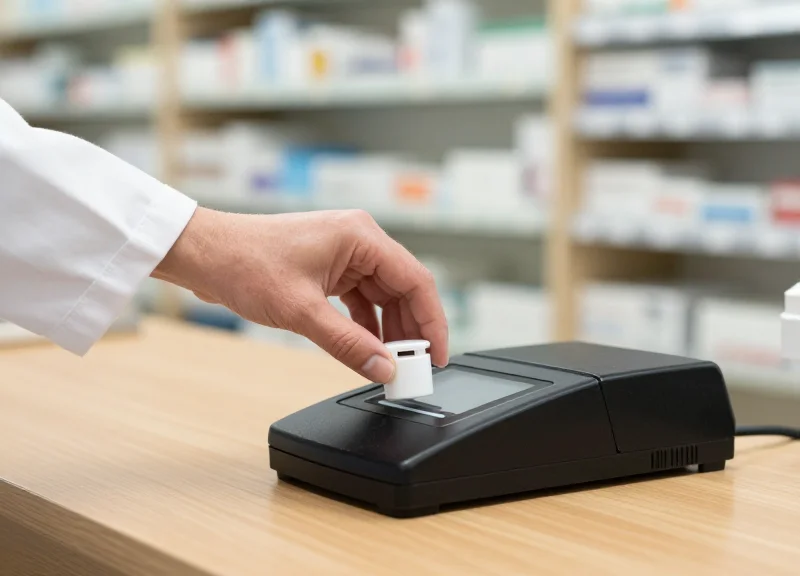
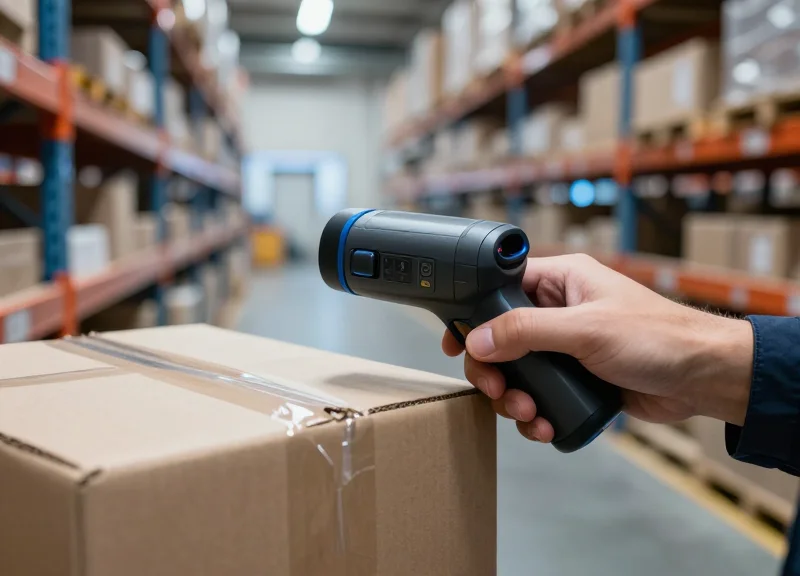
Integrating 58KHz Electronic Article Surveillance (EAS) into the pharmacy checkout process requires synchronizing barcode scanning with label deactivation to prevent 'dead-stop' workflow delays. By placing Acousto-Magnetic (AM) deactivator pads directly under or adjacent to the point-of-sale (POS) scanner, independent pharmacies can achieve a 'one-motion' transaction. This ensures the product is sold and the security feature neutralized in less than one second, preventing embarrassing false alarms at the exit and maintaining the high-speed service expected in busy retail environments.
- Ergonomic Deactivator Placement: Position the 58KHz deactivator pad flush with the counter surface within the natural 'arc of reach' of the cashier to minimize repetitive strain and ensure every item passes over the field.
- Synchronization with POS Scanning: Link the EAS deactivation signal to the barcode scanner's 'good read' beep. This provides staff with immediate auditory confirmation that the item is both accounted for in inventory and security-neutralized.
- Redundant Verification Drills: Train staff to perform a slight 'hover' over the pad for high-value items, ensuring the AM label's internal magnetic strips are fully demagnetized before bagging.
- Daily System Calibration: Perform a five-second test every morning using a live soft label to ensure the deactivation height is consistent across all registers.
| Deactivation Method | Average Speed | Workflow Impact | Ideal Application |
|---|---|---|---|
| Integrated Scanner-Deactivator | < 0.5 Seconds | Negligible | High-volume OTC and front-store retail items |
| Counter-Top Flush Pad | 0.8 - 1.2 Seconds | Low | Prescription pick-up windows and luxury cosmetics |
| Manual Handheld Wand | 2.0+ Seconds | Moderate | Bulky items or fragile liquid containers |
Expert Insight: The 'Shadow Zone' Placement Strategy. Most generic guides suggest placing deactivators on top of the counter. However, for independent pharmacies with limited counter space, we recommend the 'Shadow Zone' approach: mounting the deactivator underneath a non-metallic counter (up to 1.5 inches thick). This creates a cleaner workspace and utilizes the powerful 58KHz field to deactivate labels through the wood or laminate, protecting the hardware from chemical spills common in pharmacy environments while maintaining a 4-5 inch deactivation height.
How do we handle labels on liquid medications or foil packaging?
Unlike RF technology, 58KHz AM labels work well near liquids. For foil packaging, ensure the label is placed on the non-metallic part of the box; if that is impossible, use a 'spacer' technique or place the label on a plastic overwrap to maintain a gap between the metal and the label's magnetic strips.
What should staff do if the deactivator fails to beep?
Establish a 'Rescan and Verify' policy. If the deactivator doesn't trigger, the staff should rescan the barcode to ensure the item was added to the bill, then pass the item over the deactivator at a 90-degree angle, which is the most sensitive orientation for AM technology.
Can deactivators interfere with pharmacy refrigerators or computers?
58KHz systems are designed to be electronically quiet. However, maintain a minimum distance of 12 inches from CRT monitors (if still in use) and 24 inches from sensitive lab equipment to prevent minor electromagnetic interference.
Calculating Your ROI: The Cost-Benefit of EAS Systems
Return on Investment (ROI) for an EAS system is the ratio of the net profit gained from reduced inventory shrinkage to the total cost of ownership (TCO), including hardware, installation, and ongoing label consumption. For high-traffic independent pharmacies, a successful 58KHz AM implementation typically achieves a 'break-even' point within 6 to 14 months by slashing shrinkage rates by up to 40% and eliminating the manual 'line-of-sight' monitoring previously required by staff.
| Expense Category | Typical Investment (Year 1) | Financial Benefit (Year 1) |
|---|---|---|
| EAS Hardware & Install | $2,500 - $5,500 | N/A |
| 58KHz Soft Labels (Bulk) | $800 - $1,500 | N/A |
| Shrinkage Reduction (40%) | N/A | $4,000 - $12,000 |
| Labor Efficiency Gains | N/A | $1,200 - $3,000 |
A critical, often overlooked factor in ROI is the 'Opportunity Cost of Out-of-Stocks.' When a high-margin item is stolen, you lose more than the wholesale cost; you lose the retail margin and the customer’s immediate need. In pharmaceutical retail, if a patient finds a shelf empty due to theft, they may transfer their entire prescription profile to a competitor. Modern EAS systems provide 'Service Level Restoration,' ensuring that what your inventory system says is on the shelf is actually available for sale, protecting long-term customer lifetime value (CLV).
- Determine Your Baseline Shrinkage: Calculate your annual loss by subtracting the value of physical inventory from the recorded book value. Focus specifically on high-theft categories like OTC meds and dermo-cosmetics.
- Calculate Projected Savings: Apply a conservative 30-40% reduction to your baseline shrinkage. This represents the direct capital you will retain annually after installing the 58KHz system.
- Factor in Labor Reallocation: Estimate the hours staff spent on 'deterrence' or inventory reconciling. Multiply these hours by the average wage to find your indirect savings.
- Divide TCO by Monthly Savings: Divide your total initial investment (hardware + one year of labels) by your monthly savings to find the exact number of months until the system pays for itself.
Do EAS systems require expensive maintenance?
Modern 58KHz AM systems are solid-state and require minimal maintenance. Annual tuning is recommended but often costs less than $200, making the long-term TCO very low.
Are soft labels more cost-effective than hard tags?
For pharmacies, yes. While hard tags are reusable, the labor cost to attach and remove them from small pharmacy packaging is prohibitive. Disposable soft labels are the industry standard for high-volume, low-profile protection.
What is the 'Halo Effect' in ROI?
The Halo Effect refers to the reduction in theft of non-tagged items because the visible presence of EAS pedestals creates a psychological deterrent throughout the entire store.
Strategizing Label Placement for Maximum Security

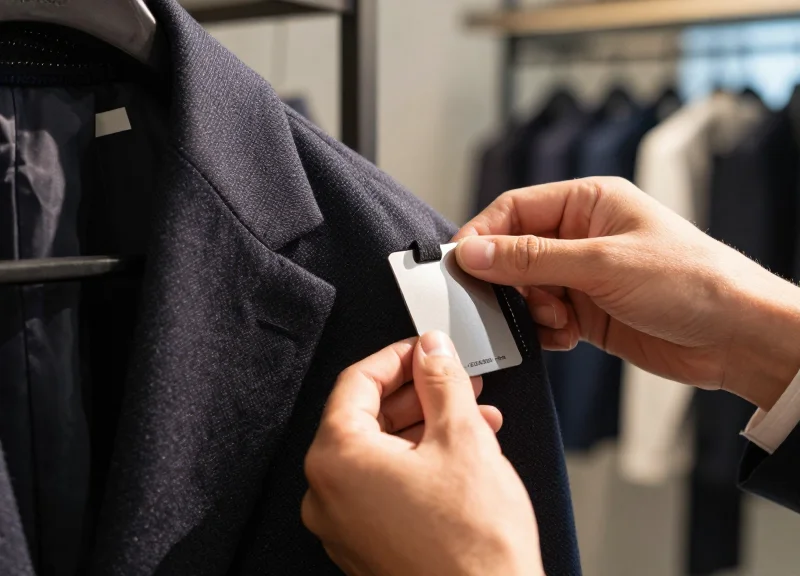
Strategizing label placement for maximum security involves a dual-layer approach: using visible 58KHz soft labels as a psychological deterrent while utilizing 'blind-spot' or interior application for high-value items to prevent unauthorized removal. In high-traffic independent pharmacies, the goal is to position labels where they are hardest for shoplifters to detect or peel while ensuring 100% detection by the EAS pedestals at the exit.
| Product Category | Recommended Placement | Strategic Logic |
|---|---|---|
| Boxed Pharmaceuticals | Inside the side flap or near the barcode | Protects against 'label peeling' while remaining undetectable to the casual observer. |
| Luxury Cosmetics | Bottom surface or inside outer packaging | Maintains the premium aesthetic and brand visibility while securing high-margin items. |
| Cylindrical Bottles | Vertical application on the rear panel | Aligns with the vertical magnetic field of EAS pedestals for maximum detection range. |
| Blister Packs | Back of the card, away from foil backing | Prevents signal shielding caused by metallic aluminum components. |
- Prioritize Vertical Alignment: For 58KHz Acousto-Magnetic (AM) labels, vertical orientation typically yields the strongest signal response between detection pedestals. Always apply labels vertically on the product to ensure they are 'seen' by the system as the customer exits.
- Avoid High-Touch Surfaces: Place labels on flat, clean surfaces away from edges. Avoid areas where customers naturally grip the product, as moisture and friction from hands can weaken the adhesive over time.
- The 'Hidden in Plain Sight' Rule: For high-theft items like razor blades or expensive supplements, apply the label directly over the manufacturer's barcode if your POS system is integrated with deactivators. This forces the shoplifter to interact with the protected area if they attempt to tamper with the price tag.
Expert Insight: The Orientation Advantage. Many pharmacy owners overlook the 'Polled Response' of AM technology. Unlike 8.2MHz RF labels which can be prone to 'body shielding,' 58KHz labels are highly directional. An expert tip is to conduct a 'walk-test' with your staff. By placing labels specifically in a vertical orientation relative to the floor, you can increase your system’s pick-rate by up to 15%, ensuring that even the most hurried shoplifter triggers the alarm.
Should I hide labels inside the product packaging?
Yes, for high-value items like premium skincare. This is known as 'source tagging' or 'blind tagging,' and it prevents the shoplifter from simply peeling the label off in the aisle.
Can I apply labels over the expiration date?
Never. To remain compliant with pharmacy regulations and maintain patient safety, labels must never obscure the expiry date, dosage instructions, or active ingredients list.
Do 58KHz labels work on foil-lined medicine boxes?
AM technology is superior to RF around metal, but direct contact with heavy foil can still dampen the signal. Place the label on a non-metallic portion of the box for the best results.
Common Mistakes in Pharmacy Loss Prevention
Common mistakes in pharmacy loss prevention typically involve 'security theater'—the presence of hardware without the rigorous operational discipline required to make it effective. The most frequent errors include improper EAS antenna calibration, inconsistent application of 58KHz labels on high-theft items, and a failure to integrate security protocols into the pharmacy's customer service culture. By identifying these technical and behavioral gaps, independent pharmacies can move beyond basic deterrents to a high-performance system that consistently hits a 40% reduction in shrinkage.
| Common Mistake | Operational Impact | Strategic Fix |
|---|---|---|
| Antenna 'Dead Zones' | Thieves exploit areas near the floor or high above the sensor where the signal is weak. | Conduct monthly 'walk-through' tests with a live 58KHz label at multiple heights. |
| The 'Tagging Gap' | Staff only tag the most expensive items, leaving mid-tier 'booster' items vulnerable. | Implement a 'Tag-All-High-Risk' policy for specific categories like premium skincare. |
| Improper Deactivation | Frequent false alarms at the exit lead to 'alarm fatigue' among staff and customers. | Ensure deactivation pads are synchronized with the scanner and mounted correctly. |
| Metal Shielding | Placing tags inside foil-lined packaging or near metal displays kills the AM signal. | Apply labels to the exterior of the packaging, away from metallic or foil components. |
Why does my EAS system go off when no one is walking through?
This is often caused by 'phantom alarms' due to RFI (Radio Frequency Interference) from nearby electronics or un-deactivated labels located too close to the pedestals (the 'Back-Field' effect). Moving tagged inventory at least 3-5 feet away from antennas usually solves this.
Does staff training really impact shrinkage as much as the technology?
Absolutely. If staff doesn't know how to respond to an alarm professionally or forgets to deactivate labels, the system becomes a nuisance rather than a tool. Training should focus on 'The Recovery Statement'—a non-accusatory way to check items when an alarm sounds.
Can I use any label with my 58KHz system?
No. You must use 58KHz Acousto-Magnetic (AM) labels. Attempting to use 8.2MHz RF labels with an AM system is a common sourcing error that results in zero detection.
Expert Insight: Beware of 'Merchandise Shadowing.' In many independent pharmacies, floor space is at a premium, leading owners to place metal-heavy displays or checkout carousels within 2 feet of the EAS antennas. This creates a 'shadow' in the magnetic field, significantly reducing the detection range of 58KHz soft labels. To maintain a 40% shrinkage reduction, keep a 'Clear Zone' of at least 36 inches around your pedestals to ensure the AM signal can pulse without interference from large metal masses.
Future-Proofing Your Pharmacy with DragonGuard Solutions

Future-proofing a pharmacy's security infrastructure means investing in 58KHz Acousto-Magnetic (AM) technology that scales with inventory volume, store footprint, and evolving theft tactics. DragonGuard Solutions provides a modular EAS (Electronic Article Surveillance) ecosystem that ensures independent pharmacies aren't locked into rigid hardware, allowing for seamless integration of new high-risk product lines—such as premium dermocosmetics or specialized supplements—without requiring a total system overhaul.
- Adaptive Antenna Configurations: DragonGuard systems feature adjustable detection ranges, allowing pharmacies to widen aisles for ADA compliance or high-traffic strollers without losing signal integrity.
- Interference Suppression: Advanced Digital Signal Processing (DSP) filters out electronic 'noise' from modern pharmacy equipment like LED displays and digital signage that often triggers false alarms in legacy systems.
- Backward and Forward Compatibility: Our 58KHz labels are designed to work across multiple generations of AM hardware, ensuring your current label stock remains a viable asset as you upgrade hardware.
| Feature | DragonGuard 58KHz AM | Standard 8.2MHz RF |
|---|---|---|
| Detection Consistency | Superior near liquids and foil | Poor near metal/liquids |
| False Alarm Rate | Ultra-low due to DSP | High (environmental noise) |
| Scalability | Modular / Daisy-chainable | Limited range expansion |
| Maintenance | Remote diagnostic capable | On-site manual tuning only |
Expert Tip: The 'Signal-to-Noise Floor' Advantage. A unique advantage of DragonGuard’s 58KHz systems is the industry-leading Signal-to-Noise Floor. Most pharmacies fail to realize that as they modernize with smart lighting and IoT devices, they increase environmental electronic noise. DragonGuard antennas use a proprietary 'Self-Tuning' algorithm that constantly maps the ambient noise of your pharmacy, ensuring that a 40% reduction in shrinkage remains constant even as your store's electronic density increases. This is the difference between a system that works on day one and a system that works in year five.
Can DragonGuard systems handle wider pharmacy entrances?
Yes, our high-performance pedestals are designed to cover entrances up to 2.4 meters wide with a single pair, maintaining high detection rates for 58KHz soft labels.
Is the system compatible with automated checkout?
DragonGuard provides high-speed deactivators that can be integrated into most modern POS scanners to ensure that deactivation doesn't slow down the customer throughput.
What happens if we move locations?
The modular nature of our EAS controllers makes them easy to decommission and reinstall in new layouts, protecting your initial capital investment.