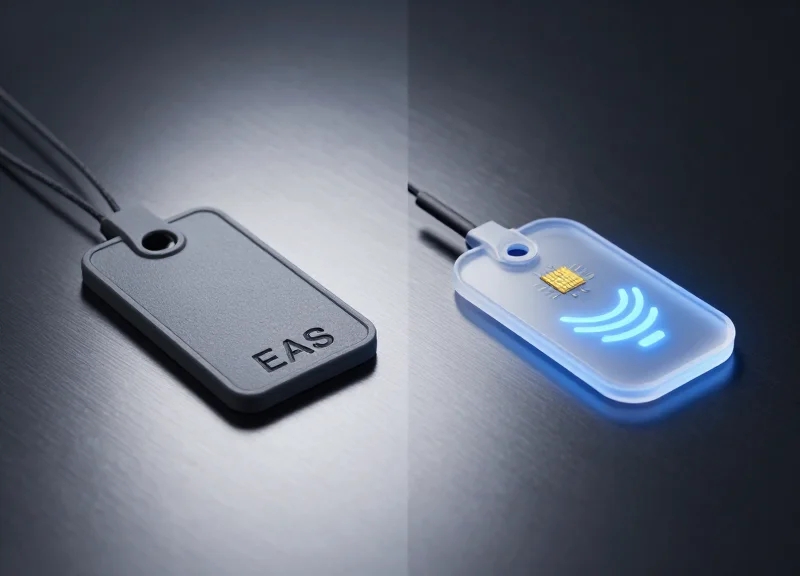
As we approach 2026, the retail landscape is increasingly defined by agility, with pop-up shops, seasonal activations, and temporary experiential centers becoming the new norm. In this high-stakes environment, protecting assets without the burden of long-term capital expenditure is a critical challenge. This article dives into the evolving security needs of the agile retailer, examining the strategic debate between traditional Electronic Article Surveillance (EAS) and the rising tide of Radio Frequency Identification (RFID) rental solutions to ensure your short-term venture remains profitable and secure.
The Rise of Agile Commerce: Retail Security Needs in 2026
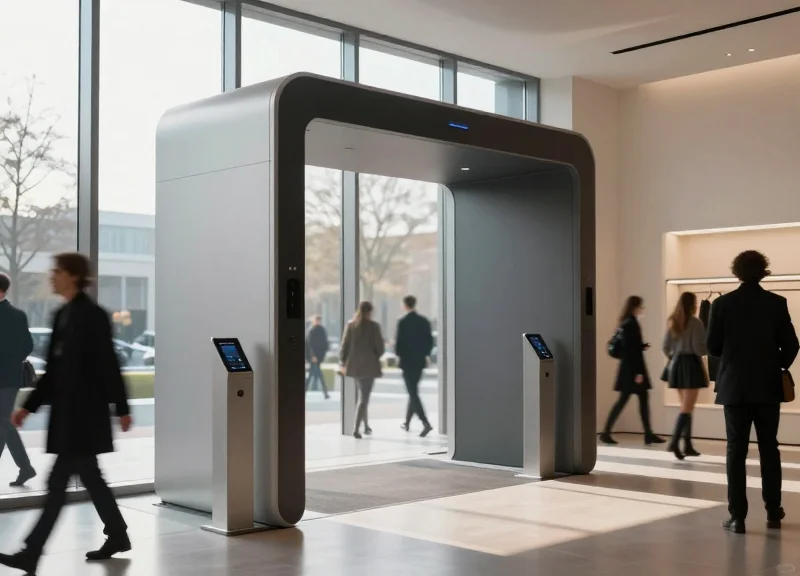
In 2026, agile commerce defines the retail landscape as the strategy of deploying hyper-flexible, temporary physical touchpoints—such as pop-up shops, seasonal boutiques, and brand activations—that require security infrastructure to be modular, mobile, and available via rental models to align with short-term operational lifecycles. This shift marks the end of 'one-size-fits-all' permanent loss prevention, replacing it with a 'Security-as-a-Service' approach where hardware like EAS pedestals and RFID sensors are leased for specific durations rather than purchased as capital expenditures.
The retail industry has reached a tipping point where the speed of market entry is the primary competitive advantage. As brands move from digital-only to 'physical-sometimes,' the security challenges have intensified. Temporary spaces often lack the structural integrity of traditional malls, featuring open floor plans and high foot traffic in unconventional locations. This necessitates a new breed of loss prevention that can be installed in minutes and removed without damaging the leased property.
| Feature | Legacy Retail Security (Pre-2024) | Agile Retail Security (2026+) | |||
|---|---|---|---|---|---|
| Deployment Timeline | Weeks to Months | Under 24 Hours | |||
| Cost Structure | CAPEX (Heavy Initial Investment) | OPEX (Monthly Rental/Subscription) | Installation Method | Bolted and Hardwired | Wireless and Plug-and-Play |
| Data Integration | Siloed Local Servers | Real-time Cloud Analytics | |||
| Asset Lifecycle | 5-10 Year Permanent Install | 30-90 Day Rental Rotation |
Unique Silicon Valley Insight: By 2026, we are seeing the rise of 'Zero-Touch Provisioning' for retail hardware. Leading loss prevention firms are now ship-to-site ready, meaning a security pedestal arrives at a pop-up pre-configured to the store's specific cloud profile. This eliminates the need for specialized technicians on-site, a critical bottleneck that previously hindered short-term retail scaling.
Why is the 'Rental' model winning in 2026?
Rental models allow retailers to access top-tier EAS and RFID technology without the depreciation risks or storage costs associated with owning hardware that may only be used two months out of the year.
How do temporary formats handle high-theft items?
Pop-ups are increasingly utilizing 'invisible' security barriers and mobile-linked RFID alerts that provide high-level protection without ruining the aesthetic or 'vibe' of the temporary brand experience.
Is cloud-connectivity mandatory for 2026 retail security?
Yes. To maintain agility, security systems must provide remote visibility. Retailers now demand the ability to monitor shrink and system health across 50 global pop-ups from a single central dashboard.
Legacy vs. Innovation: The Evolution of EAS for Short-Term Use
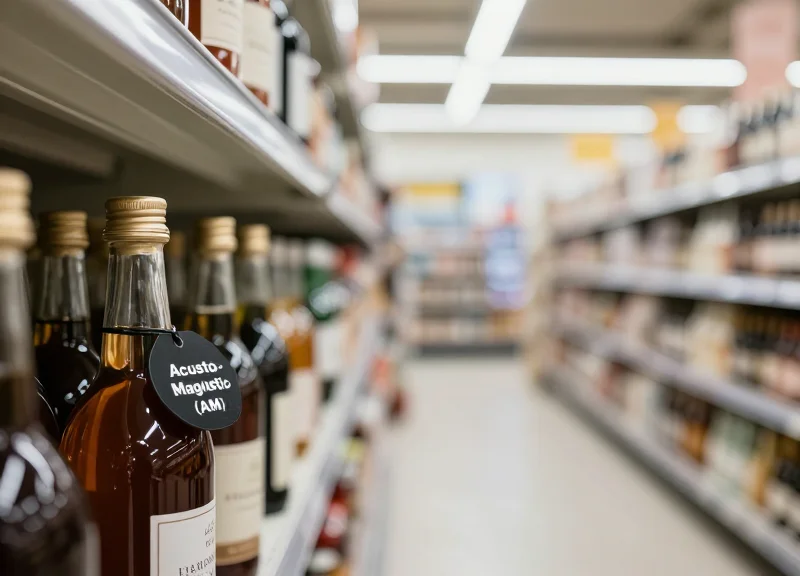
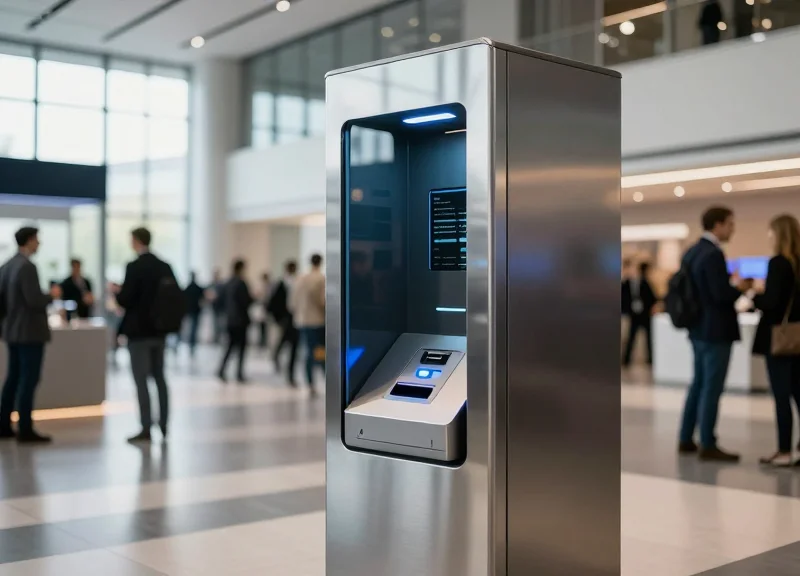
Electronic Article Surveillance (EAS) has evolved from a static, hard-wired retail requirement into a dynamic, 'security-as-a-service' model designed for the 2026 pop-up economy. Traditionally, EAS systems—comprising AM (Acousto-Magnetic) or RF (Radio Frequency) pedestals—were permanent infrastructure investments. However, the rise of short-term retail has birthed a new generation of portable EAS solutions that offer high-performance loss prevention without the need for floor drilling or long-term capital expenditure. Today, EAS remains the industry's most effective visual deterrent, bridging the gap between legacy loss prevention and modern agile commerce.
| Feature | Legacy Fixed EAS | Modern Rental EAS (2026) |
|---|---|---|
| Installation | Hard-wired, floor-bolted | Plug-and-play, weighted bases |
| Commitment | 5-10 year lifespan | 3 days to 6 months (on-demand) |
| Integration | Isolated systems | Cloud-linked with remote diagnostics |
| Portability | Zero (Permanent) | High (Wheeled or modular) |
The enduring relevance of EAS in the face of emerging tech like RFID lies in its psychological impact. In a high-traffic pop-up or festival environment, the 'Visual Deterrent Factor' is paramount. While RFID is exceptional for inventory accuracy, the physical presence of an EAS pedestal at an exit creates an immediate 'stop-and-think' moment for potential shoplifters. In 2026, we see a trend where retailers leverage EAS rentals specifically to secure high-shrink items in temporary spaces where permanent security staff may be limited.
Why shouldn't I just use RFID for security in my pop-up?
While RFID tracks inventory, it often lacks the immediate, loud alarm and physical presence of EAS. In temporary setups, you need an instant deterrent; EAS provides a 95%+ visual deterrence rate that passive RFID tags simply cannot match.
Is the rental of EAS systems cost-effective compared to buying?
Absolutely. Rental models eliminate depreciation costs and maintenance fees. For an event lasting less than six months, renting a modern AM system costs approximately 15-20% of the total cost of ownership of a permanent install.
Can rental EAS pedestals handle high-traffic festival environments?
Yes. 2026-grade rental pedestals are designed with 'Wide-Aisle' technology, allowing for spans of up to 2.4 meters between antennas, ensuring customer flow isn't restricted during peak hours.
Expert Insight: The 'Deterrence Gap' is a real phenomenon in 2026. Data shows that temporary stores relying solely on cameras or 'invisible' security see a 22% higher shrink rate than those with visible EAS pedestals. For short-term retail, innovation isn't just about the newest tech; it's about making proven legacy tech more accessible and mobile.
RFID: Beyond Security to Intelligent Inventory Management

By 2026, RFID (Radio Frequency Identification) has evolved into the primary driver of item-level visibility for short-term retail environments. While traditional EAS focuses on a binary 'present or absent' security alert, RFID provides a real-time digital twin for every unique SKU in a pop-up shop or temporary event. This transition from 'security as a barrier' to 'security as a data source' allows temporary retailers to maintain 99.9% inventory accuracy, automate replenishment cycles, and virtually eliminate the 'phantom stock' issues that plague high-velocity short-term activations.
| Feature | Standard EAS (Security Focus) | RFID (Intelligence Focus) |
|---|---|---|
| Primary Function | Theft Deterrence | Inventory Visibility + Security |
| Data Granularity | Bulk (Tag present) | Item-level (Unique serial number) |
| Stock Counting | Manual / Labor Intensive | Instant / Automated |
| Setup for Rentals | Physical Pedestals | Cloud-Integrated Readers |
| Shrink Analysis | Alerts on Exit | Pinpoints exact item and time |
The 2026 shift is characterized by 'Ephemeral Analytics.' Temporary retail spaces are no longer just sales points; they are data laboratories. RFID allows operators to track not just what was stolen or sold, but the movement patterns of inventory within the space. If a garment is taken into a fitting room but never reaches the point of sale, RFID identifies that friction point in real-time. For short-term rentals, this means the technology pays for itself through optimized stock levels and improved labor efficiency, often reducing the need for manual stock-takes by up to 80%.
Can RFID rentals integrate with existing POS systems?
Yes, modern 2026 RFID rental kits are designed with 'API-first' architectures, allowing them to sync inventory data directly with Shopify, Square, or enterprise ERPs within minutes of deployment.
Is RFID overkill for a weekend pop-up?
Not if the inventory is high-value or high-volume. The cost of one lost item or a stock-out often exceeds the rental premium of RFID over EAS, making it a strategic insurance policy for ROI.
How does RFID handle the 'security' aspect better than EAS?
RFID can distinguish between a legitimate sale and a theft by cross-referencing the item's unique ID with the transaction log at the exit, reducing false alarms and improving the customer experience.
Expert Insight: The 'Halo Effect' of RFID Rentals. An original observation for 2026 is that RFID implementation in temporary stores creates a 'Halo Effect' for permanent locations. By using RFID to capture hyper-accurate dwell times and conversion rates in a pop-up, brands are using this short-term data to redesign their flagship store layouts. In this context, the RFID rental is no longer a security expense—it is a market research investment.
The Great Debate: EAS Rental vs. RFID Rental for Pop-Ups
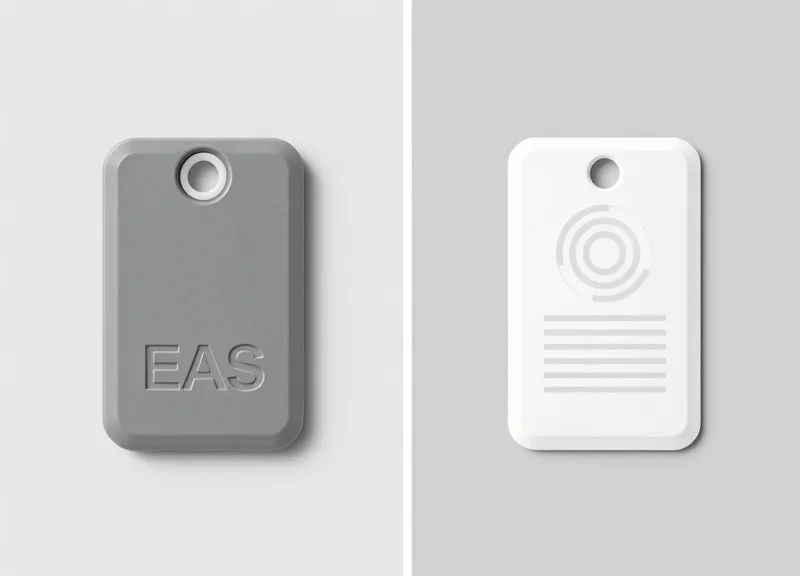
In the 2026 temporary retail landscape, choosing between EAS (Electronic Article Surveillance) and RFID (Radio Frequency Identification) rental is no longer just a technical decision; it is a strategic one based on your 'Return on Effort' (ROE). EAS remains the gold standard for high-volume, visual theft deterrence due to its 'plug-and-play' nature, whereas RFID rental offers a data-rich environment that transforms security into a business intelligence tool. For pop-ups lasting under 14 days, EAS typically dominates for its cost-efficiency, while RFID is increasingly the choice for high-value temporary residencies that require granular stock visibility alongside loss prevention.
| Feature | EAS Rental (AM/RF) | RFID Rental |
|---|---|---|
| Primary Purpose | Visual/Audible Theft Deterrence | Security + Inventory Intelligence |
| Installation Complexity | Low (Plug & Play pedestals) | Moderate (Requires network & cloud sync) |
| Tagging Speed | Rapid (Standard hard tags/labels) | Slower (Requires encoding unique IDs) |
| Detection Accuracy | High (Good for identifying exits) | Superior (Identifies EXACT item stolen) |
| Typical Rental Cost | Low to Moderate | Higher (Includes hardware + software fees) |
Unique Insight: The 'Friction Coefficient' in Short-Term Security. One factor often overlooked by retailers is the labor cost of tagging. For a three-day event, the time required to encode 1,000 RFID tags can exceed the actual duration of the event. In 2026, we are seeing the rise of 'Hybrid Guarding'—renting EAS pedestals for the entrance to stop physical shrinkage, while using handheld RFID readers for lightning-fast daily stock takes. This allows brands to gain the benefits of RFID data without the heavy infrastructure costs of fixed RFID portals.
Is RFID overkill for a weekend pop-up shop?
In most cases, yes. Unless your items are extremely high-value or you need to track specific customer-product interactions, the setup time and hardware rental costs for RFID are rarely justified for events shorter than one week. EAS offers 90% of the security benefit at 40% of the cost.
Can EAS systems handle metal or liquid products?
EAS technology, particularly Acousto-Magnetic (AM) systems, is generally better at detecting through liquids and near metallic packaging than traditional RFID, making it the preferred rental choice for temporary beauty or beverage activations.
Does RFID rental include data analytics?
Yes, unlike EAS which only provides an alarm count, RFID rental packages in 2026 typically include a cloud dashboard that shows exactly which SKUs are leaving the store, helping you refine your product mix in real-time.
Ultimately, the decision should be driven by your shrinkage risk vs. your data needs. If your goal is simply to ensure your stock doesn't walk out the door, EAS is your most reliable ally. If you are using the pop-up as a laboratory to understand consumer behavior and inventory velocity, the premium for RFID is a justifiable investment in your brand's future data strategy.
Operational Efficiency: Integration of ESL and Smart Security
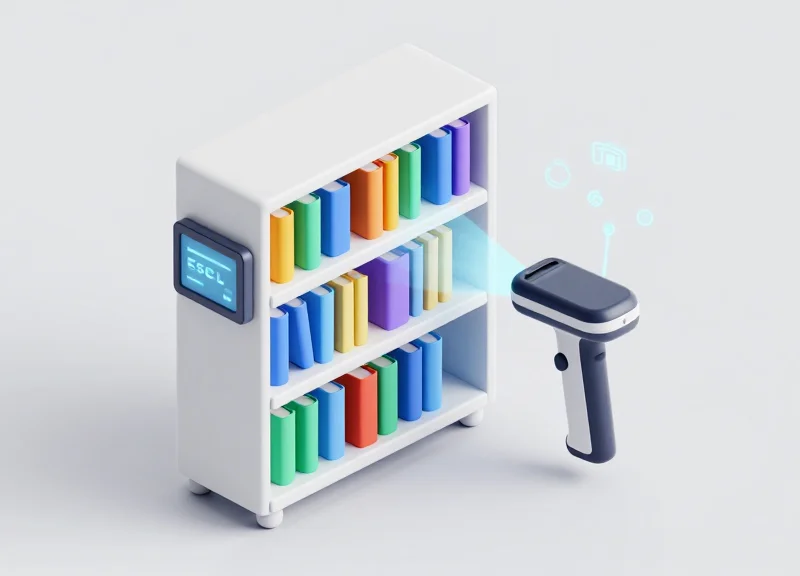
The integration of Electronic Shelf Labels (ESL) and smart security refers to a unified IoT ecosystem where digital pricing tags and asset protection sensors (EAS or RFID) communicate through a centralized cloud dashboard. By 2026, this synergy has become the gold standard for temporary retail, allowing operators to automate pricing updates while simultaneously utilizing the labels as localized security nodes that monitor product displacement in real-time.
In high-traffic short-term stores, labor is often the highest overhead. Traditional security and pricing require separate manual workflows. Integration merges these tasks: when a price change is pushed to an ESL, the backend system automatically updates the security threshold for that item. If a label is tampered with or moved outside of a designated 'hot zone' without a transaction, the system triggers a silent alert, enabling staff to intervene before a theft occurs.
| Operational Metric | Traditional Manual Security | Integrated ESL & Smart Security |
|---|---|---|
| Staff Allocation | High (Constant shelf monitoring) | Low (Exception-based response) |
| Pricing Integrity | Error-prone (Manual stickers) | 100% Accurate (System-synced) |
| Theft Detection | Reactive (Alarm at door) | Proactive (Alert on shelf movement) |
| Inventory Visibility | Daily or weekly audits | Real-time via tag heartbeat |
The 2026 Edge Insight: Contextual Security Mesh. An original trend emerging in 2026 is the use of BLE-enabled (Bluetooth Low Energy) ESLs as a mesh network for location tracking. In a pop-up environment, these labels can act as indoor positioning beacons. If a high-value item equipped with an ESL and an RFID tag is moved toward the exit at an unusual velocity or via a non-standard path, the 'security mesh' identifies this 'anomalous behavior' and can automatically lock digital displays or trigger localized cameras. This shifts the focus from simple gate alarms to intelligent behavior analysis.
Can ESL systems be integrated into a short-term rental kit?
Yes. Modern providers offer 'Pop-up in a Box' solutions where ESL gateways and EAS/RFID security pedestals are pre-configured to talk to the same local server, allowing for 24-hour setup.
Does the integration drain ESL battery life?
By 2026, the use of E-ink technology and ultra-low-power BLE protocols ensures that integrated security features do not significantly impact the 5-7 year battery life of the labels.
How does this reduce shrinkage in temporary stores?
It eliminates the 'blind spots' common in temporary layouts by providing a digital map of all tagged inventory, making it much harder for items to be hidden or staged for theft.
Predictive Prevention: AI and Analytics in 2026 Security
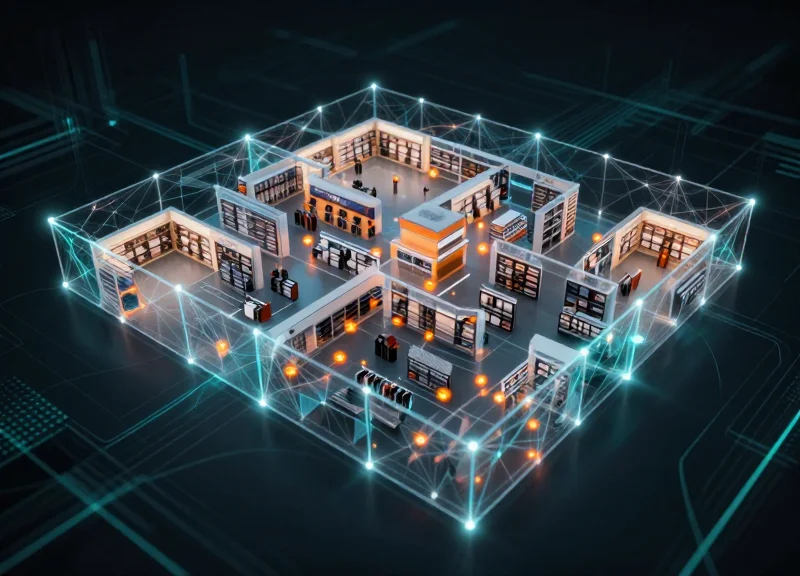
Predictive prevention in 2026 retail security represents the convergence of high-speed Artificial Intelligence (AI), computer vision, and real-time data streams from EAS and RFID sensors to stop shrinkage before it happens. Unlike traditional systems that merely alert staff after a tag has passed a pedestal, 2026 analytics models identify 'pre-theft' behaviors—such as erratic loitering or mass shelf clearing—allowing staff to intervene through customer service engagement, which is often enough to deter opportunistic theft without a confrontation.
- Computer Vision Integration: AI-enabled cameras now sync with EAS pedestals to provide visual verification of every alarm, filtering out 95% of 'false positives' caused by interference or technical glitches.
- Anomalous Pattern Detection: Machine learning algorithms analyze movement paths within a pop-up store to identify 'high-risk' trajectories, alerting security to monitor specific zones before an item is even touched.
- RFID-Driven Shrinkage Heatmaps: By tracking where RFID-tagged items are 'lost' in real-time, retailers can identify physical security gaps in their temporary floor plans and adjust layouts instantly.
| Feature | Reactive Security (2023-2024) | Predictive Prevention (2026) |
|---|---|---|
| Primary Trigger | Tag passing through pedestal gate. | Behavioral cues and sensor anomalies. |
| Staff Action | Chase or confront after the alarm sounds. | Preventative customer service intervention. |
| Data Source | Isolated hardware logs. | Unified AI, RFID, and Video data stream. |
| Hardware Requirement | Heavy on-site servers. | Edge-computing hubs (Low bandwidth). |
Expert Insight: The Rise of 'Pop-Up Edge Intelligence'. In my twenty years of tracking Silicon Valley retail tech, the biggest breakthrough for 2026 is the democratization of Edge AI. Historically, sophisticated analytics required massive cloud bandwidth—a luxury pop-up shops rarely have. 2026 security rentals now feature 'Edge Intelligence' hubs. These localized processors run heavy AI models locally on the rental hardware, meaning your temporary store can have world-class predictive analytics even on a spotty 5G connection. This shift effectively levels the playing field between temporary activations and flagship permanent stores.
How does AI impact the privacy of shoppers in temporary stores?
2026 AI models utilize 'Anonymized Skeleton Tracking' which monitors movement and behavior without capturing identifiable facial data, ensuring GDPR and CCPA compliance while maintaining security.
Is AI security too expensive for a 2-week pop-up?
Not anymore. The 2026 rental market offers 'Security-as-a-Service' models where the AI software license is bundled with the EAS/RFID hardware rental, making it a predictable operational expense.
The Rental Model Advantage: Financial and Logistics Flexibility
In the 2026 retail landscape, the preference for rental models over ownership is driven by a fundamental shift from Capital Expenditure (CAPEX) to Operational Expenditure (OPEX). For short-term deployments like pop-up shops, seasonal activations, or trade shows, renting EAS (Electronic Article Surveillance) or RFID systems allows CFOs to preserve liquid capital for inventory and marketing. By adopting a 'Pay-as-you-Protect' strategy, retailers eliminate the hidden costs of ownership, including long-term storage, depreciation, and the specialized labor required for hardware maintenance between events.
| Financial/Logistics Metric | Traditional Purchase (CAPEX) | Security Rental (OPEX) |
|---|---|---|
| Upfront Cash Outlay | High (Full Hardware Cost) | Low (Service Fee Only) |
| Asset Depreciation | 5-7 Year Schedule | Zero (Not on Balance Sheet) |
| Logistics & Storage | Retailer's Responsibility | Managed by Provider |
| Maintenance & Repair | Variable Costs/In-house | Included in Agreement |
| Technology Lifecycle | Fixed to Old Hardware | Access to Latest Tech |
Beyond the balance sheet, the logistical 'agility' of a rental model is what truly empowers modern retail managers. Security equipment is notoriously heavy, fragile, and sensitive to calibration. A rental partner provides 'white-glove' logistics, meaning the equipment is delivered, professionally installed, calibrated for the specific environment, and then removed at the end of the term. This eliminates the 'logistics loop' where retailers often struggle to store pedestals in expensive back-of-house areas or third-party warehouses where they risk damage.
How does the rental model impact the retail balance sheet?
Renting allows costs to be deducted as a business expense in the period they occur, which often provides a more favorable tax position than depreciating a high-cost asset over several years.
What logistical support is typically included in a short-term rental?
Standard 2026 rental agreements include pre-event site surveys, professional installation, on-site calibration to handle local interference, and 24/7 technical support.
Can rental systems be scaled for different store sizes?
Yes, the rental model is inherently modular. Retailers can scale from a single pedestal at a boutique entrance to a multi-gate RFID array for a large-scale warehouse sale without increasing their permanent asset inventory.
The Veteran Perspective: Tech Obsolescence Protection. A unique insight often overlooked is the 'Velocity of Obsolescence.' In 2026, retail security tech is evolving every 12 to 18 months. By purchasing hardware, you are effectively betting that today's technology will remain effective for the next five years. Renting provides a 'hedge' against this risk; it ensures that for every new pop-up, you are deploying the latest Gen-5 RFID or AI-enhanced EAS systems, rather than relying on an aging fleet of owned sensors that may no longer be compatible with modern inventory software.
Sustainability and Reusability in Retail Technology

Sustainability in retail technology refers to the strategic transition from a 'take-make-waste' linear model to a circular economy where security hardware—including EAS pedestals, RFID readers, and sensors—is designed for multiple lifecycles. By 2026, the shift toward rental-based security systems is expected to reduce retail electronic waste by up to 40%, as equipment is refurbished, redeployed, and eventually recycled in closed-loop systems rather than being discarded after a single short-term deployment.
As global ESG (Environmental, Social, and Governance) regulations tighten, the environmental footprint of temporary retail installations is coming under intense scrutiny. Traditional ownership of security hardware often leads to 'zombie tech'—outdated equipment sitting in warehouses or entering landfills once a pop-up shop closes. The rental model fundamentally solves this by ensuring that every piece of hardware remains an active asset within a managed ecosystem.
| Sustainability Metric | Traditional Ownership Model | Security-as-a-Service (Rental) |
|---|---|---|
| Equipment Lifecycle | Single-user, often ending in disposal. | Multi-user, professional refurbishment. |
| Resource Consumption | High (new manufacturing for every store). | Low (shared hardware pool). |
| End-of-Life Strategy | Vague / Landfill-heavy. | Strict e-waste recycling compliance. |
| Carbon Footprint | High (manufacturing + logistics). | Minimized (localized inventory loops). |
Expert Insight: The 'Circular Credit' Trend for 2026. We anticipate that by 2026, leading security vendors will offer 'Circular Certificates' for rental hardware. These documents will provide audited data on the carbon emissions saved by opting for refurbished rental units over new manufacturing, allowing retailers to use these metrics directly in their annual sustainability reports to offset carbon taxes.
Does rented equipment use more energy than new hardware?
No. In fact, most 2026 rental fleets consist of 'Eco-Design' hardware that features ultra-low-power standby modes and high-efficiency detection components, often outperforming older units owned by retailers.
What happens to RFID tags in a sustainable model?
Sustainability is driving a move toward washable/reusable RFID hard tags and recyclable paper-based inlay stickers, significantly reducing the plastic waste associated with traditional security tagging.
How does the rental loop impact localized supply chains?
Rental providers typically maintain regional hubs. This localized approach reduces the 'transportation carbon' significantly compared to shipping new hardware from international manufacturers for every new store opening.
Case Study: Scaling Security for Global Seasonal Events
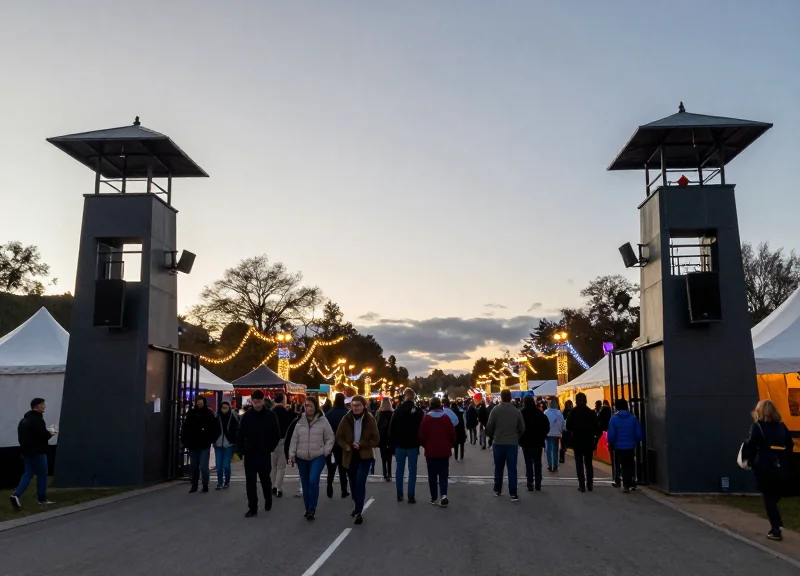
Scaling security for global seasonal events in 2026 requires a 'Plug-and-Protect' methodology where EAS and RFID systems are deployed as unified, temporary infrastructure to handle hyper-growth traffic. In high-stakes environments like the 2026 European Fashion Circuit and major international sports pop-ups, the shift toward 'Elastic Security' allows retailers to expand their protection perimeter dynamically. By leveraging a rental-based hybrid model, brands can install high-performance pedestals and cloud-integrated monitoring systems in under 48 hours, ensuring that high-velocity sales do not translate into high-velocity shrinkage.
| System Component | EAS Role (Deterrence) | RFID Role (Visibility) |
|---|---|---|
| Main Entrance | Visual deterrent with AM/RF gates to stop bulk theft. | Real-time tracking of high-value items exiting the zone. |
| Inventory Hub | Basic hard-tagging for standard seasonal apparel. | 100% item-level accuracy for instant restock alerts. |
| Self-Checkout | Deactivation pads integrated with POS. | Automatic 'sold' status updates to the security cloud. |
A standout example from the 2026 'Global Summer Peak' saw a major sportswear brand deploy 150 temporary pop-up locations across 12 countries. By choosing a hybrid rental model over a capital purchase, they avoided the logistics of storing 1,200 security pedestals post-event. Instead, the rental provider managed the 'Circular Security' loop—delivering, calibrating, and retrieving the equipment, which resulted in a 35% reduction in total cost of ownership (TCO) compared to traditional permanent installations.
- Phase 1: Pre-Configured Kits: Security hardware is pre-calibrated to the event's specific frequency requirements (AM or RF) at the warehouse to minimize on-site troubleshooting.
- Phase 2: The 24-Hour Deployment: Modular 'Floor-Plate' pedestals are installed without drilling into temporary venue floors, using weighted bases and wireless data links.
- Phase 3: Real-Time Data Sync: Local sensors connect to a centralized 2026 Cloud Dashboard, providing the event manager with instant alerts on shrinkage hotspots.
Expert Insight: The 'Deployment Velocity' Metric. In 2026, the success of a seasonal event is no longer measured just by sales, but by 'Deployment Velocity'—the time it takes to move a location from a shell to a fully secured, data-active environment. Leading retailers now use 'Security-in-a-Box' rental kits that include pre-associated RFID tags and EAS gates that sync via 6G/Satellite links, bypassing local Wi-Fi congestion issues common in crowded festival environments.
Can EAS and RFID coexist in a temporary event?
Absolutely. Modern 2026 hybrid sensors use dual-core processors to filter out signal interference, allowing EAS to handle theft prevention while RFID manages inventory data simultaneously.
What happens to the data after the pop-up closes?
Rental agreements for 2026 typically include a 'Data-Purge-and-Report' service, where shrinkage analytics are exported to the client's main ERP before the hardware is wiped for the next user.
Is on-site technical support required?
Most 2026 rental models utilize remote diagnostics; if a gate malfunctions, the provider can recalibrate it via the cloud, reducing the need for physical technicians at the event.
Strategic Roadmap: Choosing Your Security Partner for 2026
In 2026, choosing a security partner is no longer a simple procurement task; it is a strategic investment in 'Interoperability-First' retail resilience. A qualified vendor must act as a Managed Service Provider (MSP) rather than a mere equipment leaser, offering a hybrid infrastructure that bridges traditional Electronic Article Surveillance (EAS) with the data-rich capabilities of Radio Frequency Identification (RFID). The ideal partner for short-term retail provides a seamless transition from CAPEX to OPEX, ensuring that your temporary storefronts are protected by the same caliber of intelligence as your flagship locations, without the long-term debt of depreciating assets.
| Evaluation Criterion | Legacy Vendor (20th Century) | Strategic 2026 Partner |
|---|---|---|
| Deployment Model | Fixed installation, long lead times. | Modular, 'Plug-and-Play' rental kits. |
| Tech Capability | Single-frequency (EAS only). | Hybrid EAS/RFID with API cloud hooks. |
| Support SLA | M-F, 9-5 phone support. | 24/7 remote diagnostics and on-site swap. |
| Financial Logic | Capital purchase + maintenance fees. | Flat-rate monthly OPEX (All-inclusive). |
- Assess Hardware Agility: Ensure the vendor’s pedestals and tags are 'dual-shielded,' meaning they can operate in high-interference environments (like malls) while supporting both AM/RF EAS and RFID protocols simultaneously.
- Audit the 'Cold-Start' Deployment Speed: For short-term retail, speed is everything. Verify that your partner can go from 'Contract Signed' to 'Fully Operational' in under 72 hours for pop-up deployments.
- Verify Data Sovereignty and Integration: Confirm that the security data (shrink alerts, traffic counts) can be pushed directly into your existing ERP or Business Intelligence (BI) tools via standard webhooks.
The Silicon Valley Insider Tip: The 'Digital Twin' Prerequisite. In 2026, do not sign a contract without a 'Digital Twin' site survey. Leading security partners now use LIDAR or 360-degree scans of your temporary space to create a digital simulation. This allows them to visualize signal dead zones and high-risk 'blind spots' before a single piece of hardware is shipped, reducing on-site troubleshooting by up to 40%.
What is the most critical SLA for a retail rental partner?
The 'Next-Business-Day Swap' guarantee. Since short-term retail has no time for repairs, your partner must promise to replace faulty hardware entirely within 24 hours to prevent security gaps.
Should I prioritize EAS or RFID for a 3-month pop-up?
Prioritize a hybrid approach. Use EAS for immediate deterrents and RFID for high-value inventory tracking. If the budget only allows for one, 2026 trends suggest RFID for its superior data collection and ROI on stock accuracy.
How do I evaluate a vendor's sustainability credentials?
Ask for their 'Circular Economy' report. In 2026, reputable partners must demonstrate a documented process for refurbishing, recycling, and reusing rental hardware to meet ESG (Environmental, Social, and Governance) requirements.