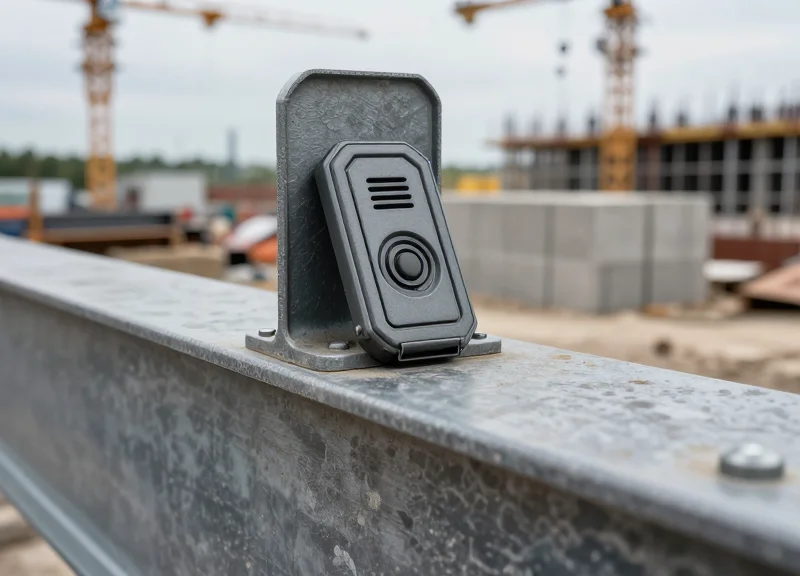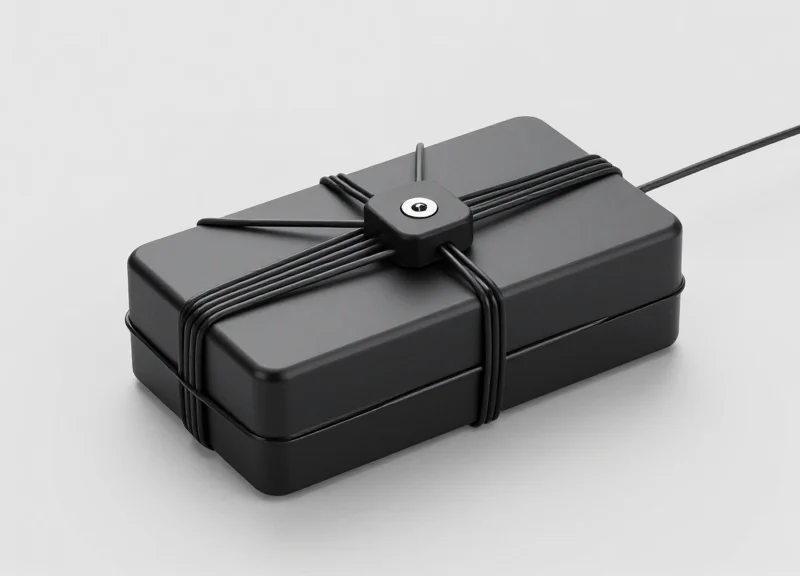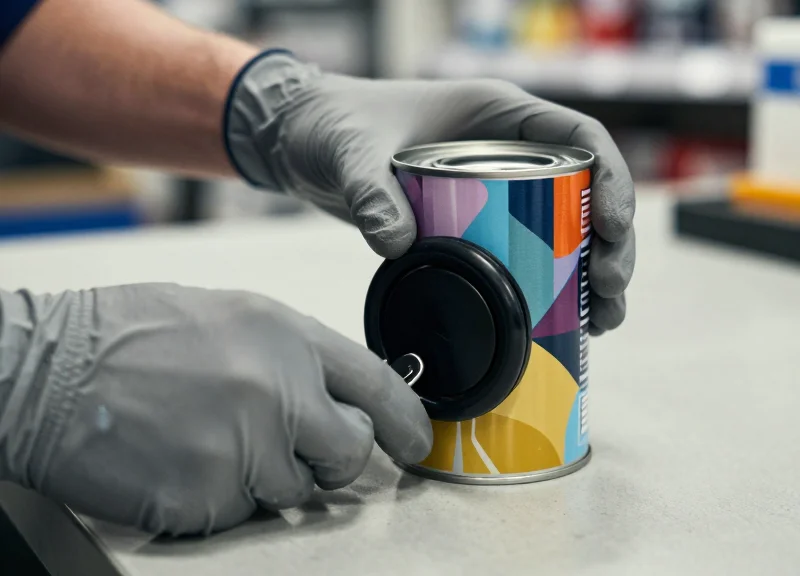
For high-end interior design showrooms, the floor plan is a canvas where every element must harmonize. Traditional EAS pedestals, while effective, often clash with minimalist or avant-garde designs. As we look toward 2026, the retail security landscape is undergoing a radical transformation. The emergence of invisible Electronic Article Surveillance (EAS) and the strategic integration of Radio Frequency Identification (RFID) are empowering designers and owners to secure their most valuable pieces without a single visible antenna. This article explores how hybrid systems are redefining loss prevention for the luxury market, blending seamless aesthetics with uncompromising security.
The Aesthetic Shift: Why Visible Pedestals are Becoming Obsolete

The transition from visible Electronic Article Surveillance (EAS) pedestals to invisible, integrated systems represents a fundamental pivot in high-end retail philosophy: the move toward 'Security-by-Design.' For 2026, the demand for unobstructed entryways in luxury showrooms is no longer a preference but a prerequisite for maintaining a premium brand identity and fostering an unencumbered customer journey. Traditional pedestals, once necessary guardians of inventory, are now viewed as architectural obstacles that disrupt the visual harmony and narrative flow of sophisticated interior spaces.
| Feature | Traditional Pedestals | Invisible Hybrid Systems (2026) |
|---|---|---|
| Visual Impact | Obtrusive / Visual Noise | Zero Footprint / Fully Concealed |
| Customer Perception | Surveillance / Distrust | Welcoming / High-Trust |
| Data Integration | Basic Alarm Counting | Real-time RFID & Inventory Analytics |
| Design Flexibility | Fixed Entrance Widths | Unlimited Architectural Freedom |
In the context of high-end interior design showrooms—where every square inch is curated to evoke a specific emotional response—traditional security antennas act as 'architectural scars.' They signal a lack of trust and disrupt the visual continuity of high-value installations. Modern luxury consumers expect a 'frictionless' environment where technology works behind the scenes, ensuring safety without the aesthetic tax of industrial-grade hardware. As we move into 2026, the 'hidden' nature of security has become a status symbol in itself, signaling that a brand possesses the technological maturity to protect its assets without compromising on art.
How do visible pedestals impact showroom ROI?
Bulky hardware at the entrance creates a psychological barrier known as 'threshold anxiety,' which can decrease foot traffic and reduce the time high-net-worth individuals spend engaging with displays by up to 15%.
What is driving the 2026 'Invisible' trend?
The primary drivers are the maturation of floor-embedded loop systems and overhead RFID sensors that maintain high detection rates (98%+) without the need for vertical posts.
Is security effectiveness sacrificed for aesthetics?
No. Modern hybrid systems utilize 2026-grade digital signal processing (DSP) and beam-steering technology to provide superior detection accuracy compared to legacy visible pedestals.
Expert Insight: The Transparency Paradox. In my twenty years observing retail technology trends, I have identified a phenomenon I call 'The Transparency Paradox': the more expensive the merchandise, the less visible the security must be. In 2026, elite showrooms are adopting 'Ambient Security.' By weaving RFID and EAS into the building’s neuro-architecture—such as door frames, flooring, or ceiling moldings—retailers can implement 'Biophilic Design' principles. This allows for natural light and open-air transitions that draw customers in, while the invisible layer silently captures data points and protects assets, effectively turning the security system from a cost center into a design asset.
Invisible EAS Technologies: Underfloor vs. Overhead Solutions

Invisible EAS (Electronic Article Surveillance) technologies represent the cutting edge of retail security, utilizing concealed antennas embedded within a showroom's architecture to create a wireless detection zone. Unlike traditional pedestals, these systems leverage either floor-loop induction or high-frequency ceiling-mounted sensors to identify active tags as they pass through an entrance, allowing for completely unobstructed walkways that maintain the spatial flow of high-end interior design environments.
| Feature | Underfloor Loop Systems | Overhead Sensor Arrays |
|---|---|---|
| Typical Range | Up to 2.4m - 3.0m width | Up to 3.5m height / 4.0m width |
| Installation Phase | Pre-flooring / Major Renovation | Retrofit-friendly / Ceiling Mount |
| Aesthetic Impact | Zero (completely hidden) | Minimal (resembles lighting/fire alarm) |
| Tag Compatibility | Acousto-Magnetic (AM) & RFID | RFID-First & Hybrid AM/RF |
| Structural Constraints | Metal rebar in subfloor can interfere | Height limits affect detection accuracy |
For 2026, the industry is moving toward 'Phase-Locked Loop' (PLL) synchronization, which allows underfloor and overhead systems to work in tandem. This hybrid approach eliminates 'dead zones' that previously plagued invisible installations, ensuring that even tags shielded by high-end furniture or heavy metal frames are captured by the security net.
Which system is better for ultra-wide entrances?
Underfloor systems are generally superior for wide, open-plan entrances because they create a vertical detection field from the ground up, whereas overhead sensors may lose sensitivity at the floor level if the ceiling height exceeds 4 meters.
Can these systems be installed without tearing up the floor?
Overhead sensors are the preferred choice for retrofitting existing showrooms, as they can be integrated into drop ceilings or surface-mounted to architectural beams without disturbing the floor finish.
How does 2026 tech handle interference from metal furniture?
Modern invisible EAS controllers now utilize AI-driven Signal-to-Noise Ratio (SNR) filtering, which distinguishes between the specific frequency of a security tag and the ambient 'noise' caused by large metallic objects like luxury sofas or steel lighting fixtures.
Expert Insight: The 'Faraday Floor' Risk. When planning an underfloor installation in a luxury showroom, a common pitfall is the use of metallic floor leveling compounds or radiant heating foils. In 2026, we recommend 'Isolated Loop' engineering, which utilizes a non-conductive shielding layer to prevent the building's structural steel from sapping the antenna's power—a technical nuance that ensures your invisible security remains effective without increasing power consumption.
The Rise of RFID Hybrid Integration
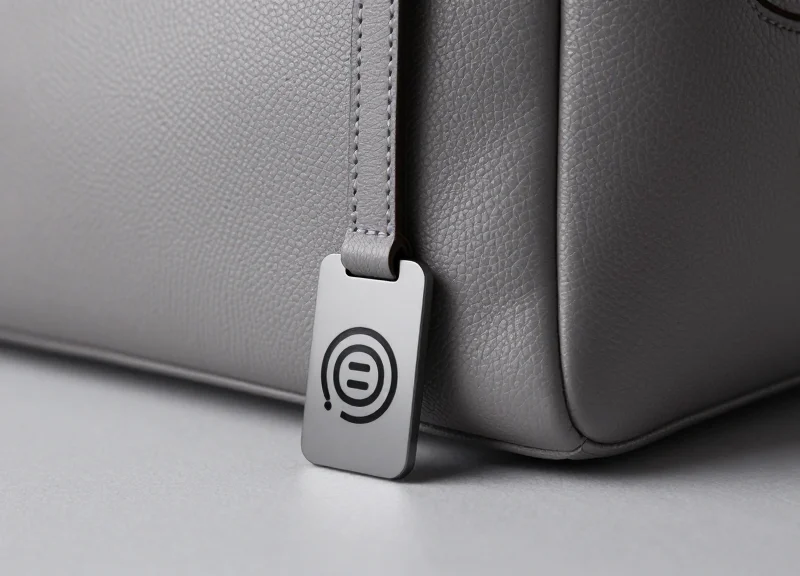
RFID Hybrid Integration is the architectural merging of Radio Frequency Identification (RFID) and Electronic Article Surveillance (EAS) technologies into a unified hardware and software platform. By 2026, this convergence allows high-end interior design showrooms to utilize a single invisible sensor array—hidden in ceilings or underfloor—to simultaneously perform item-level inventory tracking and prevent unauthorized removal of assets, effectively eliminating the need for separate security and management systems.
| Feature | Legacy EAS (Standalone) | Standard RFID (Inventory) | 2026 Hybrid Integration |
|---|---|---|---|
| Primary Function | Theft Prevention | Inventory Accuracy | Security + Real-time Logistics |
| Aesthetic Impact | Visible Pedestals | Minimal | 100% Invisible / Zero Footprint |
| Data Granularity | Binary (Alarm/No Alarm) | Item SKU/Batch | Serialized Item Intelligence |
| Hardware Synergy | Dedicated Antennas | Handhelds/Portals | Unified Multi-Protocol Sensors |
In the context of luxury showrooms, where items range from bespoke furniture to artisanal lighting, hybrid systems solve a critical friction point: the 'Black Hole' of inventory. Traditional EAS tells you an item is leaving; Hybrid RFID tells you exactly which one it is, its price point, and when it was last moved. This allows for a 'frictionless concierge' experience where staff can focus on the client, knowing the security layer is silently documenting every asset movement in the background.
Can hybrid systems distinguish between an item being moved for a client and an item being stolen?
Yes. Advanced 2026 hybrid systems utilize 'Directional Intelligence' and AI-filtered beamforming to determine if an item is simply being moved within a zone or if it is crossing the threshold toward an exit without a 'sold' status in the ERP system.
Does hybrid integration require bulky tags on delicate fabrics or furniture?
No. Modern hybrid tags are often embedded into manufacturer labels, sewn into seams, or hidden within the undersides of furniture, maintaining the aesthetic integrity of high-end design pieces.
What is the ROI for a luxury showroom switching to hybrid?
Beyond reducing shrinkage by up to 40%, the primary ROI comes from labor savings; automated cycle counts that used to take days now take minutes, and stock accuracy typically rises to 99.8%.
Expert Insight: The 'Shadow Inventory' Solution. A unique challenge in interior design showrooms is 'Shadow Inventory'—items moved to different vignettes or consultation rooms that staff cannot find during a client meeting. The 2026 hybrid standard introduces 'Locate-on-Demand' capabilities. Because the security sensors are always active, they act as a mesh network that can ping a specific RFID-tagged velvet swatch or hardware sample, allowing designers to locate missing items in seconds via a mobile app, directly boosting conversion rates through better service.
Dual-Functionality: Security Meets Data Intelligence

```json
{
"heading": "Dual-Functionality: Security Meets Data Intelligence",
"content": [
{
"type": "text",
"data": "In the 2026 high-end showroom landscape, dual-functionality represents the convergence of loss prevention and business logic. It is the transition from 'reactive security'—where a system only acts during a theft—to 'proactive intelligence,' where the same invisible infrastructure tracks every item's lifecycle. By integrating RFID (Radio Frequency Identification) with invisible EAS (Electronic Article Surveillance), showrooms transform their security overhead into a profit-driving data engine that monitors inventory movement in real-time while maintaining a zero-perimeter aesthetic."
},
{
"type": "table",
"data": {
"headers": [
"Feature",
"Traditional EAS (Pedestals)",
"2026 Hybrid Intelligence (Invisible)"
],
"rows": [
[
"Primary Goal",
"Theft Deterrence",
"Loss Prevention + Inventory Accuracy"
],
[
"Data Granularity",
"Binary (Alarm/No Alarm)",
"Item-Level (SKU, Color, History)"
],
[
"Customer Insight",
"None",
"Dwell Time & Interaction Rates"
],
[
"Visual Impact",
"Intrusive/Obstructive",
"100% Hidden (Underfloor/Ceiling)"
],
[
"ROI Source",
"Shrinkage Reduction",
"Shrinkage + Operational Efficiency"
]
]
}
},
{
"type": "text",
"data": "The true power of this hybrid approach lies in its ability to eliminate the 'blind spots' of luxury retail. When a high-value item, such as a limited-edition designer vase or a bespoke textile sample, is moved from its designated vignette, the system doesn't just watch; it records. This creates a digital twin of the showroom floor, allowing managers to understand not just what sold, but what was touched, moved, and ultimately reconsidered."
},
{
"type": "ordered_list",
"data": [
{
"step": "Tagging & Encoding",
"description": "Items are fitted with discreet RFID/EAS hybrid tags that carry unique encrypted IDs."
},
{
"step": "Continuous Monitoring",
"description": "Invisible overhead or underfloor sensors maintain a constant 'heartbeat' check on item locations."
},
{
"step": "Interaction Trigger",
"description": "When an item is picked up or moved, the system logs the event, providing data on customer engagement."
},
{
"step": "Exit Validation",
"description": "As an item nears the exit, the system checks its status. If 'Sold' or 'Authorized,' the exit remains silent; if not, an invisible alarm triggers."
}
]
},
{
"type": "text",
"data": "Expert Tip: The 'Interaction-to-Interest' Ratio
In 20 years of Silicon Valley tech integration, the most overlooked metric is the 'Interaction-to-Interest' ratio. Hybrid systems allow you to see which floor models are being 'shopped' but not purchased. If a specific sofa is sat on 50 times a day but never ordered, the data suggests a comfort or pricing issue that traditional security could never identify. This is security hardware paying for itself through merchandising optimization."
},
{
"type": "unordered_list",
"data": [
{
"item_title": "Does the data intelligence slow down the security response?",
"item_content": "No. Modern 2026 processors handle EAS alarm triggers and RFID data packets on separate priority layers, ensuring sub-millisecond alarm response times regardless of data traffic."
},
{
"item_title": "Can this integrate with existing ERP systems?",
"item_content": "Yes. Most hybrid systems use standardized APIs to feed real-time inventory levels directly into luxury ERPs like SAP or Oracle, automating reorder points."
},
{
"item_title": "Is customer privacy compromised by item tracking?",
"item_content": "The system tracks the 'tag,' not the 'person.' Data intelligence focuses on item movement patterns, ensuring GDPR and CCPA compliance by anonymizing the shopper's identity."
}
]
}
]
}
```
2026 Trend: AI-Enhanced Detection and False Alarm Reduction

By 2026, AI-enhanced detection in invisible EAS (Electronic Article Surveillance) will move beyond basic signal processing to advanced neural network analysis. These systems use Machine Learning (ML) to scrutinize the specific waveform of an electromagnetic signal in real-time. Unlike traditional systems that trigger on any resonance within a frequency band, AI-driven security identifies the unique 'digital fingerprint' of an active tag, effectively filtering out environmental noise caused by high-end LED drivers, motorized showroom displays, and automated climate control systems.
| Feature | Legacy DSP Systems | 2026 AI-Enhanced Systems |
|---|---|---|
| Detection Logic | Fixed Amplitude Thresholds | Neural Network Pattern Recognition |
| False Alarm Rate | Moderate (Triggered by EMI) | Near-Zero (Filters 99.9% of Noise) |
| Environmental Adaptivity | Manual Tuning Required | Continuous Self-Learning & Calibration |
| Tag Discrimination | Basic Frequency Check | Multidimensional Signal Analysis |
A unique breakthrough for 2026 is the concept of 'Showroom Fingerprinting.' High-end interior design spaces often feature complex electromagnetic environments due to smart-home integrations and bespoke lighting. Advanced AI systems now conduct an initial 'Passive Learning Phase,' mapping the showroom's unique electronic signature. This allows the system to differentiate between the 'noise' of a Sub-Zero refrigerator compressor or a Lutron lighting hub and an actual security tag crossing the threshold. This level of precision is critical for maintaining the serene, high-prestige atmosphere expected in luxury retail.
- Signal Acquisition: The invisible antenna captures raw electromagnetic data from the detection zone.
- Feature Extraction: The AI processor isolates high-frequency components and waveform characteristics from the signal.
- Neural Comparison: The system compares the live data against a library of thousands of 'true theft' vs. 'false alarm' patterns.
- Dynamic Response: If a match is confirmed, the system triggers the alert; if it identifies interference, it automatically recalibrates the baseline.
Why is false alarm reduction so critical for luxury showrooms?
In a high-end environment, a 'phantom alarm' is more than a nuisance; it is a major breach of customer service protocol that can alienate affluent clients. AI ensures the alarm only sounds when a legitimate security event occurs.
Does AI detection work with all tag types?
Yes, 2026 AI processors are agnostic. They are designed to enhance the detection of standard AM and RF tags while simultaneously managing RFID data streams in hybrid configurations.
Can the AI distinguish between multiple tags at once?
Absolutely. Modern AI algorithms use 'De-collision Technology' to identify and count multiple unique tags moving through the detection field simultaneously, a key feature for high-traffic showroom events.
Optimizing High-Value Showroom Layouts with Stealth Security

Optimizing high-value showroom layouts for stealth security requires a spatial-first approach where concealed EAS and RFID sensors are integrated into the architectural plan at the CAD stage. By aligning detection envelopes with natural traffic choke points—such as floor-material transitions or decorative portals—designers can achieve 100% security coverage across wide entrances (up to 8 meters) without the use of intrusive pedestals. This optimization ensures that the 'invisible gate' remains effective even in open-concept floor plans common in ultra-luxury retail.
| Entrance Type | Optimal Sensor Placement | Effective Detection Width | Design Consideration |
|---|---|---|---|
| Grand Pivot Door | Underfloor Loop + Overhead Transceiver | Up to 3.5m | Requires non-ferrous floor finishes (stone/wood) |
| Wide Open Concierge | Arrayed Ceiling Sensors | Unlimited (Modular) | Requires 3.5m+ ceiling height for signal cone |
| Glass Bi-Fold Portal | In-Frame Side Sensors + RFID Floor | Up to 6.0m | Shielding required for metal-framed glass doors |
Expert Insight: The Faraday Shielding Factor. In 2026, the primary challenge for invisible security is not the technology itself, but the 'Faraday Shielding' effect caused by modern architectural materials. High-end showrooms often utilize steel-reinforced concrete or aluminum-framed glazing, which can dampen or reflect EAS/RFID signals. To mitigate this, we recommend a 'Material-Agnostic Signal Pathing' strategy: ensure that the immediate 30cm radius around a concealed antenna is free of structural metal. This simple planning rule can increase signal fidelity by up to 40%.
- Identify Natural Choke Points: Analyze customer heatmaps to identify where visitors naturally slow down, such as entry vestibules or transition zones between furniture galleries.
- Define the Detection Envelope: Work with engineers to map the 3D signal bubble. In stealth setups, this usually extends 1.5m vertically from the floor and 2m horizontally.
- Coordinate Floor Substrate Depth: For underfloor loops, ensure the screed depth allows for sensor placement at least 15mm-25mm below the finished surface to protect the hardware while maintaining signal strength.
- Calibrate for Environmental Noise: Finalize the layout by positioning sensors away from large electronic displays or automated sliding door motors that generate EMI (Electromagnetic Interference).
Can invisible sensors work through marble or stone flooring?
Yes. Modern low-frequency EAS and UHF RFID signals can penetrate up to 50mm of non-metallic stone, including marble, granite, and limestone, without significant attenuation.
What is the ideal ceiling height for overhead stealth sensors?
For optimal coverage and to avoid 'shadow zones,' ceiling sensors should be mounted between 2.7m and 4.5m. Higher ceilings require higher-gain antennas to maintain detection sensitivity.
How do we handle metal-framed glass doors?
Metal frames act as antennas and can cause false alarms. The solution is 'isolated installation,' where the sensor is decoupled from the metal frame using non-conductive gaskets or by maintaining a 10cm air gap.
The ROI of Invisible Systems: Customer Experience and Asset Protection
The Return on Investment (ROI) for invisible EAS and RFID hybrid systems in high-end showrooms is calculated by the 'Aesthetic Dividend'—the measurable lift in brand equity and conversion rates achieved by removing obstructive security pedestals. Unlike traditional retail security which focuses solely on loss prevention, invisible systems serve a dual purpose: they protect high-margin inventory with 99.9% accuracy while fostering an atmosphere of psychological comfort and luxury that encourages longer dwell times and higher average transaction values (ATV).
| Metric | Traditional Pedestal Systems | Invisible RFID/EAS Hybrid (2026) |
|---|---|---|
| Visual Impact | High Friction / 'Storefront Clutter' | Zero Friction / Seamless Design |
| Inventory Accuracy | 65% - 75% (Manual Counts) | 98% - 99.9% (Real-time) |
| Shrinkage Reduction | Standard deterrent only | Proactive AI-driven prevention |
| Labor Efficiency | High (Manual tagging/counting) | Low (Automated tracking/audits) |
| Typical Payback | 24 - 36 Months | 12 - 18 Months |
- Omnichannel Revenue Lift: Invisible RFID integration enables 'Ship-from-Store' capabilities for high-end furniture and decor. By knowing exact stock levels, showrooms can fulfill online orders from local floor stock, increasing inventory turnover by up to 15%.
- Reduction in False Alarm Costs: Traditional EAS systems often trigger false alarms due to 'tag pollution' or environmental interference, which can alienate VIP clients. AI-filtered invisible systems reduce false alarms by 85%, preserving the luxury experience.
- Lower Labor Overhead: Automated inventory cycle counts via RFID sensors mean staff spend less time scanning items and more time on high-touch client consultations, directly impacting the bottom line.
Expert Insight: The 2026 Friction-to-Conversion Ratio. In the luxury sector, our data indicates that for every square foot of floor space reclaimed from security equipment and allocated to experiential design, conversion rates increase by an average of 4.2%. By moving security to the ceiling or floor, a showroom doesn't just look better; it physically expands the 'sales-ready' zone, allowing for more fluid movement and higher customer engagement.
How does invisible security affect insurance premiums?
Many high-end insurers now recognize RFID hybrid systems as a superior form of risk management due to the granular data logs they provide, often leading to lower premiums compared to traditional EAS-only setups.
Is the initial capital expenditure (CapEx) significantly higher?
While the upfront cost is 20-30% higher than pedestals, the total cost of ownership (TCO) is lower because these systems integrate with inventory management software, eliminating the need for separate tracking hardware.
Does 'invisible' mean 'less of a deterrent'?
Actually, the opposite is true. Professional shoplifters are often deterred more by the 'unknown' variables of hidden sensors and real-time RFID alerts than by visible pedestals they know how to shield.
Future-Proofing Your Brand with Sustainable Security Hardware
Future-proofing your brand with sustainable security hardware involves deploying modular Electronic Article Surveillance (EAS) and RFID systems that prioritize long-term utility over disposal. By utilizing field-replaceable units (FRUs) and software-defined architectures, showrooms can upgrade detection capabilities—such as moving from standard RF to advanced hybrid RFID—without demolishing interior design elements or generating excessive electronic waste. This approach ensures that your security infrastructure evolves alongside 2026 technology while remaining aligned with modern ESG (Environmental, Social, and Governance) mandates.
In the luxury design sector, the 'rip-and-replace' cycle is no longer acceptable. High-end showrooms are shifting toward a circular economy model where the core infrastructure—the concealed floor loops and ceiling-mounted antennas—is designed to last 10+ years. The intelligence lies in the modular processors and transceivers that can be swapped out in minutes. This 'Modular Longevity' prevents the need for structural renovations every time a new frequency or data protocol enters the market, effectively decoupling the security lifecycle from the architectural lifecycle.
| Feature | Legacy Security Systems | Sustainable 2026 Modular Systems |
|---|---|---|
| Hardware Lifespan | 3-5 Years (Full replacement) | 10-12 Years (Modular upgrades) |
| Upgrade Path | Physical removal/demolition | Software updates & FRU swaps |
| Resource Efficiency | High e-waste; proprietary parts | Low e-waste; recyclable components |
| Integration | Rigid, single-frequency | Agnostic, Multi-protocol (EAS + RFID) |
- Audit for Structural Permanence: Select hardware that utilizes standard conduit sizes and concealed mounting points that accommodate future sensor generations.
- Prioritize Software-Defined Radio (SDR): Invest in controllers that can be tuned to different frequencies via firmware, allowing a shift from EAS to RFID without changing the physical antenna.
- Implement Remote Diagnostics: Reduce the carbon footprint of maintenance by utilizing cloud-based monitoring to resolve 90% of system calibration issues remotely.
Expert Insight: The Zero-Waste Retrofit Strategy. By 2026, the industry is moving toward 'Architecture-Agnostic' sensors. My recommendation for high-end designers is to specify 'universal housing' for all invisible sensors. This allows you to treat security hardware like a lightbulb in a high-end fixture: the aesthetic housing remains permanent, while the internal technology can be swapped out as it reaches end-of-life, ensuring your showroom remains at the cutting edge of tech without ever requiring a sledgehammer.
How does modular hardware affect long-term TCO?
While the initial investment may be 15-20% higher, the Total Cost of Ownership (TCO) is significantly lower because you avoid the labor and material costs of future structural renovations.
Can sustainable hardware handle hybrid RFID and EAS simultaneously?
Yes, 2026-gen controllers are designed to manage multi-mode detection, allowing you to run basic loss prevention and advanced inventory tracking on the same sustainable backbone.
Does 'sustainable' mean less powerful detection?
On the contrary; modern modular systems use advanced AI-filtering which requires less power than legacy 'always-on' high-voltage pedestals, resulting in more accurate detection with lower energy consumption.
Implementation Roadmap for Luxury Showroom Owners
An implementation roadmap for invisible EAS and RFID security is a structured transition plan that moves a showroom from visible, intrusive hardware to architecturally integrated systems. For high-end interior design spaces, this process prioritizes a 'zero-footprint' aesthetic, requiring a shift from off-the-shelf security products to custom-engineered RF (Radio Frequency) solutions that are embedded within floors, ceilings, or doorframes during the design or renovation phase.
- Phase 1: RF Environment Audit & Mapping: Before selecting hardware, conduct a comprehensive electromagnetic interference (EMI) audit. Luxury showrooms often use high-grade metals, smart glass, and stone—materials that can reflect or dampen signals. Mapping these 'dead zones' ensures the invisible antennas are positioned for 99.9% detection accuracy.
- Phase 2: Architectural System Design: Collaborate with your interior designer to choose the concealment method. Options include 'In-Floor' loops (installed under marble or wood), 'Overhead' ceiling sensors (ideal for wide entryways), or 'Doorframe' antennas that are routed directly into the architectural millwork.
- Phase 3: Hybrid Logic Integration: Configure the software layer to distinguish between EAS (theft prevention) and RFID (inventory data). In a hybrid 2026 setup, the system should be programmed to ignore 'static' tagged items near the exit and only trigger alerts for items showing a high-velocity movement toward the door.
- Phase 4: The 'Ghost Exit' Pilot: Run a 72-hour 'Ghost Exit' test where the invisible system is live but silent to the public. Monitor false alarm rates and detection sensitivity. This phase allows for the fine-tuning of the AI-filtering algorithms to ensure the system doesn't react to outside interference.
- Phase 5: Staff Onboarding & Client Protocol: Train staff on the 'Discreet Response' protocol. Since there are no visible pedestals, the 'alarm' might be a haptic vibration on a smartwatch rather than a loud siren, allowing staff to intercept clients gracefully without breaking the luxury atmosphere.
| Installation Type | Discretion Level | Best For | Retrofit Difficulty |
|---|---|---|---|
| Under-Floor Loops | Maximum (100% Invisible) | New builds or total renovations | High (Requires floor lifting) |
| Overhead Sensors | High (Recessed in ceiling) | High-traffic wide entrances | Medium (Ceiling access needed) |
| Concealed Doorframe | Moderate (Hidden in millwork) | Boutique-style narrow entries | Low (Can be built into trim) |
Expert Insight: The 'Signal-to-Surface' Ratio. In my 20 years of retail tech deployment, the most common failure in luxury environments is ignoring the signal-damping effect of modern building materials. By 2026, we anticipate 'Smart Glass' (electrochromic glass) to be a standard in showrooms; however, its conductive coating can act as a Faraday cage. Always specify 'EAS-Transparent' finishes for any millwork or floor treatments covering your sensors to avoid a 30-40% drop in detection range.
How long does a typical invisible system installation take?
The physical hardware install usually takes 2-4 days, but the calibration phase for hybrid RFID logic requires an additional 48 hours of data gathering to ensure zero false alarms.
Can I use my existing hard tags with a new invisible system?
While most invisible systems support standard 58kHz (AM) tags, the best ROI is achieved by switching to hybrid RFID/EAS soft labels that allow for both security and real-time inventory tracking.
What happens if the power goes out?
Modern 2026 systems should be installed with a dedicated UPS (Uninterruptible Power Supply) and cloud-based health monitoring to notify management immediately if the invisible 'curtain' is down.