In industrial landscapes where intense heat and corrosive chemicals are standard operational hazards, conventional tracking solutions quickly fail. For industries like aerospace, automotive painting, and chemical processing, data integrity is non-negotiable despite extreme environmental pressure. This guide provides a deep technical dive into integrating specialized RFID tags that can withstand temperatures exceeding 200°C and resist aggressive solvents, ensuring your assets remain visible and your data stays secure in the harshest conditions on Earth.
The Critical Role of Specialized RFID in Extreme Environments

Specialized RFID technology is the backbone of digital transformation in heavy industry, providing a robust method for data acquisition where traditional labeling and standard RFID tags fail. In environments involving extreme heat (up to 300°C) or corrosive chemical baths, standard tags suffer from delamination, antenna warping, and chip malfunction. Specialized tags utilize advanced materials like polyether ether ketone (PEEK), ceramics, or thermoset resins to encapsulate the internal microchip and antenna, ensuring data remains accessible throughout the entire product lifecycle even under intense physical and chemical stress.
| Environmental Factor | Standard RFID Impact | Specialized RFID Response |
|---|---|---|
| High Temperature | Adhesive melting and chip detachment. | Thermoset encapsulation and heat-stabilized ICs. |
| Chemical Exposure | Corrosion of the antenna and substrate rot. | Inert polymer housing (e.g., PEEK or PPS). |
| Thermal Cycling | Micro-cracks in solder joints due to expansion. | Flexible internal interconnects and matched CTE materials. |
| Physical Pressure | Inlay crushing and signal loss. | High-impact armored casings. |
One original insight often overlooked by integrators is the 'Thermal Expansion Mismatch' (TEM) phenomenon. In standard tags, the rate at which the plastic substrate expands differs significantly from the copper antenna or the silicon chip. In extreme heat, this creates mechanical shear stress that literally rips the chip away from the antenna. Specialized tags solve this by using materials with a Coefficient of Thermal Expansion (CTE) that is matched across all internal components, ensuring the tag expands and contracts as a single, unified unit to prevent internal fractures.
Why can't I just use a high-temperature sticker?
While the adhesive might survive, the internal silicon chip in a standard tag typically has a functional limit of 85°C. Beyond this, the semiconductor logic fails. Specialized tags use industrial-grade ICs designed to withstand much higher storage and operating temperatures.
Does chemical resistance impact read range?
Indirectly, yes. To protect the tag from chemicals, thicker and denser housings are required. This can slightly attenuate the signal, meaning specialized tags require high-sensitivity antennas to maintain a consistent read range compared to thin, unprotected inlays.
Is the cost of specialized tags justified for all assets?
No. Specialized RFID should be reserved for 'Critical Path' assets where a data failure leads to a production halt or safety risk. For non-critical assets outside the 'Hot Zone,' standard tags remain more cost-effective.
Ultimately, the adoption of specialized RFID is about risk mitigation. When an automotive frame goes through an e-coat paint oven at 200°C, or a medical tray enters a high-pressure autoclave, the loss of a single data point can invalidate the entire batch's compliance records. By integrating hardware designed for these specific stressors, organizations transition from 'reactive tracking' to 'proactive process control,' ensuring 100% data visibility regardless of the ambient conditions.
Anatomy of a High-Temperature RFID Tag

A high-temperature, chemical-resistant RFID tag is not merely a 'ruggedized' version of a standard label; it is a precision-engineered instrument designed to maintain electrical connectivity while its physical housing experiences extreme expansion and contraction. At its core, the anatomy consists of a high-persistence integrated circuit (IC), a specialized conductive antenna, and a thermally stable encapsulation material. These components are bonded using advanced adhesives or mechanical interlocks that prevent the 'delamination' and 'trace-snapping' that typically kill standard RFID hardware when temperatures exceed 100°C (212°F).
- The Specialized IC (Integrated Circuit): Unlike consumer-grade chips, these ICs utilize high-retention memory and specialized die-attachment techniques (like gold-to-gold bumping) to ensure the chip remains functional even as the silicon expands. They are often rated for 10+ years of data retention at high ambient heat.
- Optimized Antenna Geometry: Engineered using etched copper, silver-ink screen printing, or wire-wound coils. In high-heat scenarios, the antenna design must account for the changing dielectric constant of the surrounding materials to prevent signal 'detuning'.
- Advanced Substrate and Encapsulation: The outer shell is typically composed of PPS (Polyphenylene Sulfide), PEEK (Polyether Ether Ketone), or specialized Ceramics. These materials provide the chemical 'armor' against acids, alkalis, and high-pressure steam (autoclave conditions).
| Material Class | Temp Limit (Peak) | Chemical Resistance | Primary Use Case |
|---|---|---|---|
| PPS (Polyphenylene Sulfide) | 220°C | Excellent (Solvents/Acids) | Industrial Laundry & Painting |
| PEEK | 260°C | Superior (Corrosive Fluids) | Oil & Gas / Aerospace |
| Ceramic / FR4 | 300°C+ | High (Stable) | Tool Tracking & Heavy Foundry |
Expert Insight: The CTE Matching Secret. The most common failure point for high-temp tags is not the heat itself, but the 'Coefficient of Thermal Expansion' (CTE) mismatch. When the antenna, the chip, and the housing expand at different rates, the solder joints or wire bonds are literally sheared off. Silicon Valley engineers prioritize 'CTE-matched' designs where the internal bonding agents have elastic properties that act as a shock absorber between the rigid chip and the expanding polymer housing.
Why do standard 'Hard Tags' fail in chemical baths?
Standard epoxy fillers often have microscopic pores. Under high pressure or heat, chemicals like sulfuric acid or caustic soda leach through, corroding the antenna traces from the inside out. True chemical-resistant tags use injection-molded, hermetically sealed housings.
Is there a difference between 'Operating' and 'Storage' temperatures?
Yes. Most high-temp tags can survive (Storage) a 250°C paint oven for 30-60 minutes, but they are typically designed to be read (Operating) at lower temperatures to ensure the reader's signal isn't distorted by thermal noise.
Material Science: Selecting Protective Enclosures
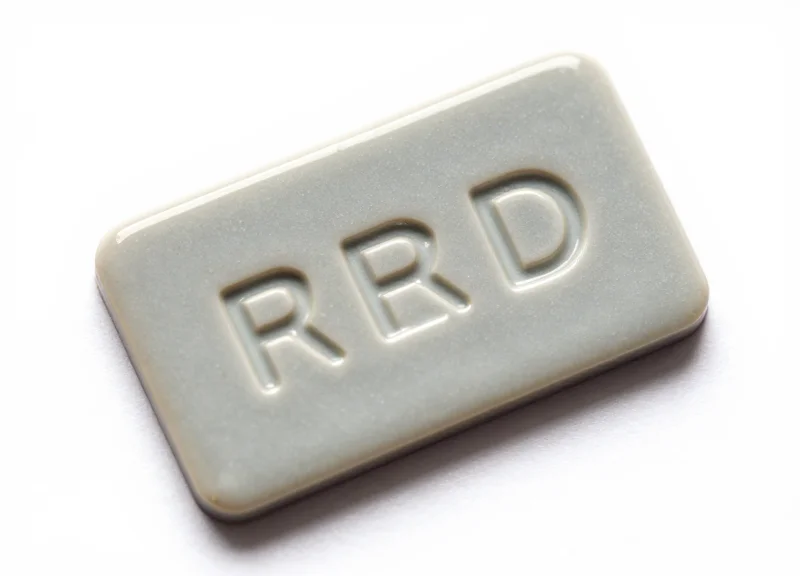
The protective enclosure of a high-temperature RFID tag serves as the primary barrier against thermal degradation and chemical ingress. In high-stakes industrial environments, selecting materials like PEEK, PPS, or Ceramic is not merely about surviving heat; it is about managing the 'Stress Profile' of the deployment. A successful enclosure must maintain its structural integrity while ensuring the internal transponder remains shielded from the Coefficient of Thermal Expansion (CTE) mismatches that often lead to internal mechanical failure during rapid thermal cycling.
| Material Class | Operating Temp | Chemical Profile | Key Advantage |
|---|---|---|---|
| PEEK (Polyether ether ketone) | 250°C to 300°C | Excellent (Acids, Bases, Solvents) | High ductility prevents cracking under mechanical shock. |
| PPS (Polyphenylene sulfide) | 200°C to 240°C | Very High (Except strong oxidizers) | Cost-effective with superior dimensional stability. |
| Ceramic (Alumina-based) | 300°C to 1000°C+ | Absolute Inertness | Zero expansion; ideal for embedding directly in metal. |
Expert Insight: The Danger of 'Chemical Weeping'. While many engineers focus on the melting point of a polymer, the true silent killer in chemical environments is porosity. Under high pressure, caustic vapors can permeate lower-grade resins—a process known as 'weeping'—which leads to the internal corrosion of the antenna traces long before the outer shell shows signs of damage. For long-term reliability in autoclaves or oil-downhole tools, always specify a vacuum-molded or hermetically sealed enclosure to prevent microscopic vapor ingress.
How does thermal expansion affect RFID tag longevity?
When an enclosure and the internal epoxy have different expansion rates, heat cycles create mechanical tension. Over time, this 'thermal tug-of-war' snaps the gold wire bonds connecting the IC to the antenna. Matching the enclosure's CTE to the internal substrate is vital for tags intended for thousands of heat cycles.
Which material is best for acidic environments?
PEEK is the gold standard for acidic resistance. Unlike most plastics, its molecular structure is highly resistant to hydrolysis, making it the preferred choice for chemical processing plants and sterilization chambers where pH levels fluctuate wildly.
Can Ceramic enclosures interfere with RF signals?
Ceramics are dielectric materials, meaning they are generally RF-transparent. However, the high density of certain technical ceramics can slightly shift the resonant frequency of the antenna. Tags using ceramic enclosures must be tuned specifically to account for the material's dielectric constant to maintain optimal read ranges.
Overcoming the Challenges of High-Pressure Integration
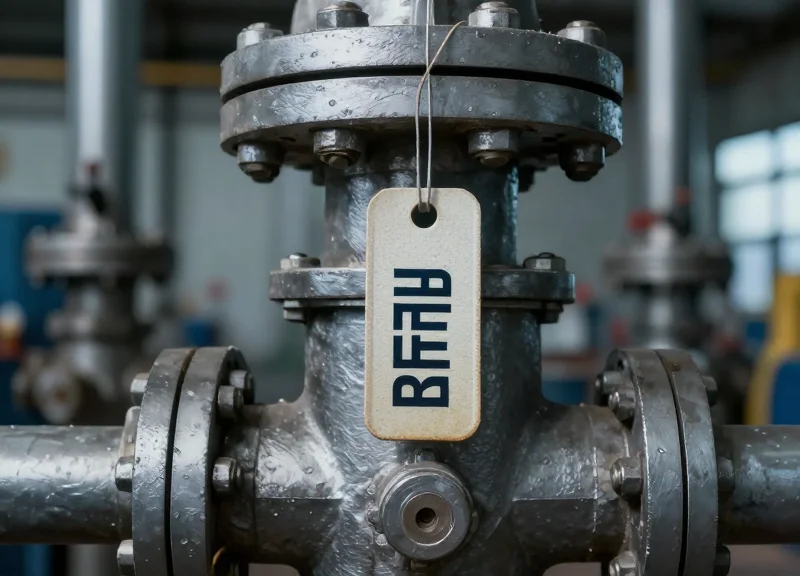
In high-pressure environments—such as composite molding or downhole oil exploration—RFID tags face a dual-threat: mechanical crushing and RF 'detuning.' Beyond simple structural integrity, high pressure compresses the materials surrounding the antenna, increasing their density and altering their dielectric constant. This shift causes the tag's resonance frequency to drift away from the reader's range, leading to signal loss even if the hardware remains physically intact. Overcoming these challenges requires a combination of void-free encapsulation and proactive frequency offset calibration.
| Pressure Range (PSI) | Primary Risk Factor | Recommended Integration Strategy |
|---|---|---|
| 0 - 1,500 | Seal integrity and adhesive failure | Standard ruggedized PEEK housings with high-shear epoxy. |
| 1,500 - 10,000 | Dielectric shifting and signal drift | Frequency-shifted antennas tuned for compressed environments. |
| 10,000+ | Micro-void implosion and IC crushing | Vacuum-degassed potting and solid-state ceramic substrates. |
- Frequency Offset Calibration: Select tags that are 'tuned' to a higher frequency in air so that when the surrounding material compresses under pressure, the frequency shifts down into the optimal 860-960 MHz range.
- Vacuum-Degassed Encapsulation: During integration, potting compounds must be degassed in a vacuum chamber to remove microscopic air bubbles. Under high pressure, these bubbles act as failure points, causing the enclosure to implode and crush the internal chip.
- Strain Relief Geometry: Design the tag cavity with rounded edges to prevent stress concentrations. A rectangular cavity under high pressure creates shear points that can snap a ceramic antenna.
Expert Insight: The 'Void Trap' Phenomenon. Most high-pressure RFID failures aren't caused by the pressure itself, but by trapped air. In a process I call the 'Void Trap,' even a 50-micron air pocket inside an epoxy resin will compress to a fraction of its size at 15,000 PSI. This creates a localized vacuum effect that pulls the resin inward, effectively 'hammering' the silicon die of the RFID chip. Always specify 100% solid-content potting materials with zero VOCs to ensure there is no outgassing during the curing process.
Does pressure affect the RFID read range?
Yes. As the material density increases under pressure, the RF energy is absorbed more readily, often reducing read range by 20-40% depending on the medium.
Which substrate is best for 20,000 PSI environments?
Technical ceramics are superior to plastics as they exhibit negligible compression and maintain a stable dielectric constant under extreme loads.
Can flexible RFID tags be used in high-pressure cycles?
Generally no. Flexible antennas tend to deform permanently under pressure, changing their electrical length and rendering the tag unreadable after the first cycle.
Frequency Considerations: UHF vs. HF in Industrial Settings
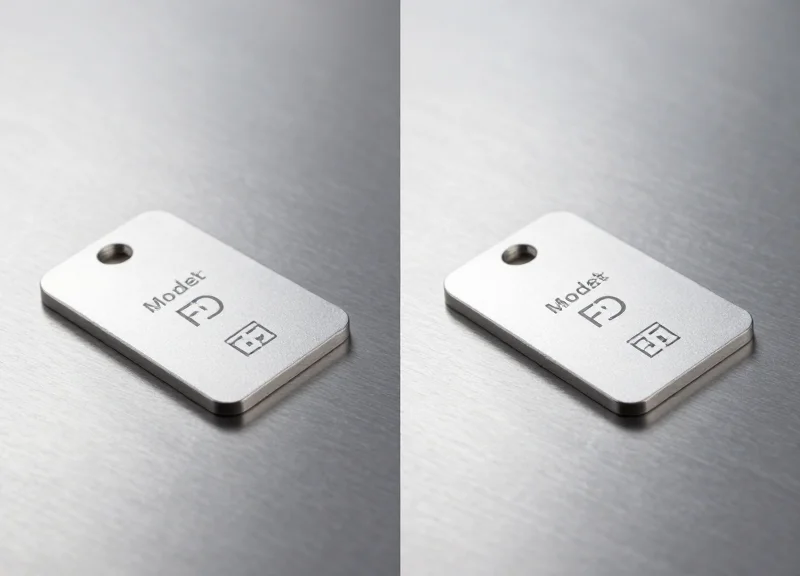
In industrial RFID integration, the choice between Ultra-High Frequency (UHF) and High Frequency (HF) is not merely a matter of read range; it is a strategic decision dictated by the physical properties of the environment. UHF (860-960 MHz) provides long-range capabilities and high data transfer rates, making it ideal for bulk-reading items in large zones. Conversely, HF (13.56 MHz) utilizes magnetic coupling, which offers significantly better penetration through liquids and more stable performance when mounted directly on or near metal surfaces, which are common in chemical processing and high-pressure manufacturing.
| Feature | HF (13.56 MHz) | UHF (860-960 MHz) |
|---|---|---|
| Read Range | Short (up to 30cm) | Long (up to 10m+) |
| Metal Interference | Low (with isolation) | High (requires spacers) |
| Liquid/Chemical Tolerance | Excellent | Poor (signal absorption) |
| Bulk Reading | Limited | Superior (hundreds/sec) |
| Standardization | ISO 15693 / 14443 | EPC Gen2 / ISO 18000-6C |
For high-temperature chemical environments, the 'near-field' nature of HF communication often provides a more robust link. Chemicals, especially those with high ionic conductivity, can act as a shield or absorber for UHF signals. Because HF relies on magnetic induction rather than electric fields, it can 'power through' chemical films or steam that would otherwise attenuate a UHF signal. However, if your application involves tracking assets across a large facility—such as pressurized gas cylinders moving through a yard—UHF is the only viable option, provided the tags are specifically designed with high-dielectric spacers to negate metal interference.
- The Thermal Resonance Drift Phenomenon: An often-overlooked factor in frequency selection is how extreme heat affects the dielectric constant of the tag's encapsulation material (like PEEK or Ceramic). As temperatures rise, the electrical characteristics of the material shift, causing a 'detuning' of the antenna. UHF tags are highly sensitive to this shift; a tag tuned for 915 MHz at room temperature might drift to 910 MHz at 200°C, significantly reducing read range. HF tags, due to their lower frequency and inductive nature, are inherently more stable against thermal-induced frequency drift.
Which frequency should I use for autoclave sterilization?
HF is generally preferred for autoclaves. The presence of high-pressure steam and metallic chambers creates a chaotic RF environment where HF's magnetic coupling provides more reliable, localized data exchange.
Can UHF tags work in chemical immersion?
It depends on the chemical. Non-polar solvents may allow UHF signals to pass, but aqueous solutions or conductive chemicals will absorb the energy. For immersion, HF is the safer technical bet.
Does frequency affect tag lifespan in high heat?
The frequency itself doesn't affect lifespan, but the complexity of the UHF antenna design can make it more susceptible to mechanical failure from thermal expansion compared to the simpler coil structures of HF tags.
Advanced Attachment Techniques for Durability
For high-temperature RFID tags, the attachment method is often the primary point of failure rather than the tag itself. Selecting the right technique requires balancing the Coefficient of Thermal Expansion (CTE) between the tag and the asset, ensuring the bond can withstand rapid temperature shifts and chemical washdowns without delamination. High-grade industrial adhesives, mechanical mounting, and ultrasonic welding represent the core strategies for maintaining a permanent digital link in harsh industrial cycles.
| Attachment Method | Temperature Range | Pros | Cons |
|---|---|---|---|
| Structural Epoxies | -50°C to +250°C | Excellent chemical resistance; uniform stress distribution. | Long cure times; difficult to replace or move. |
| Mechanical (Screws/Rivets) | -200°C to +1000°C+ | Highest physical security; immune to adhesive failure. | Requires drilling; potential for vibration loosening. |
| Ultrasonic Welding | Substrate Dependent | Molecular bond; no foreign materials or chemicals. | Limited to compatible thermoplastic housings. |
| High-Temp VHB Tapes | -40°C to +230°C | Fast application; allows for differential expansion. | Lower shear strength at peak temperatures. |
Expert Tip: When using adhesives in high-heat environments, the 'Bond Line Thickness' is critical. A bond that is too thin may crack during thermal expansion, while one too thick may act as a thermal insulator, causing uneven stress. Aim for a consistent 0.1mm to 0.2mm thickness using glass bead spacers in the epoxy to manage the 'Coefficient of Thermal Expansion (CTE) Mismatch'—a common cause of tag 'popping' in autoclaves.
- Surface De-energization: Clean the substrate with an industrial solvent like Isopropyl Alcohol (IPA) or Heptane to remove machining oils that prevent adhesive wetting.
- Abrasive Pre-treatment: Lightly abrade the surface to increase the surface area for mechanical interlocking of the adhesive.
- Thermal Pre-heating: For certain structural tapes, pre-heating the metal substrate to 40°C improves initial 'tack' and long-term bond strength.
Why do RFID tags fall off during cooling cycles?
This is typically due to CTE mismatch. As the metal asset and the plastic tag cool at different rates, the resulting shear stress breaks the adhesive bond. Using a flexible high-temp adhesive can absorb this movement.
Can I use zip-ties for high-temperature RFID mounting?
Standard nylon ties will fail. If using ties, specify Stainless Steel (316 grade) cable ties, which offer high-temperature and chemical resistance, though they must be tensioned correctly to avoid tag vibration.
Is welding a tag housing safe for the internal chip?
Yes, if using ultrasonic welding. It creates localized heat at the joint interface for milliseconds, keeping the internal RFID inlay well below its thermal degradation threshold.
Standardized Testing and Quality Assurance
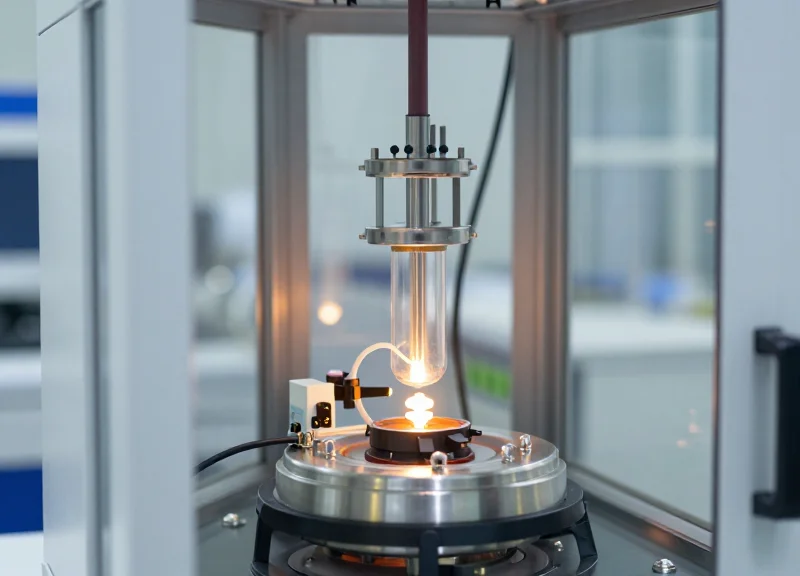
Standardized testing and quality assurance (QA) for high-temperature chemical resistant RFID tags represent the critical transition from laboratory prototypes to field-ready industrial assets. Unlike standard retail tags, these specialized transponders must undergo rigorous validation—such as IP69K ingress protection testing and ISO/IEC 18046-3 performance benchmarks—to ensure that data retention and read ranges remain stable despite repeated exposure to thermal cycling, corrosive solvents, and high-pressure steam cleaning. A robust QA framework minimizes the risk of 'silent failures' where a tag appears physically intact but has suffered internal antenna degradation or chip memory corruption.
| Standard / Test | Primary Focus | Target Environment |
|---|---|---|
| IP69K | High-pressure/Steam Ingress | Food processing, autoclaves, and wash-down zones. |
| ISO/IEC 18000-63 | Air Interface Protocol | Ensuring global interoperability in UHF environments. |
| MIL-STD-810G | Environmental Engineering | Resistance to thermal shock, vibration, and humidity. |
| ATEX / IECEx | Explosive Atmospheres | Oil & Gas or Chemical plants with flammable vapors. |
To truly validate a tag's durability, engineers must go beyond static certifications. The most reliable deployments utilize Accelerated Life Testing (ALT), which compresses years of environmental stress into weeks of laboratory testing. This reveals how the coefficient of thermal expansion (CTE) mismatch between the tag's substrate and its protective encasement might lead to delamination over time.
- Thermal Cycling Stress: Tags are cycled between extreme lows (-40°C) and highs (+250°C) to test the mechanical bond of the antenna to the chip, identifying potential fatigue in solder joints.
- Chemical Immersion Profiles: Simulating 24-hour exposure to sulfuric acid, sodium hydroxide, or hydrocarbons to ensure the outer shell material (like PEEK) does not become brittle or porous.
- Pressure Chamber Validation: Subjecting tags to high-PSI environments to check for structural deformation that could crush the delicate silicon die inside the RFID chip.
Expert Tip: The 'Read-Range Degradation' Metric. A unique insight often overlooked is that a tag doesn't just 'work' or 'fail.' High-stress environments often cause a gradual 10-20% drop in read range before total failure. Your QA protocol should measure the Signal-to-Noise Ratio (SNR) before and after testing; a significant drop in SNR is a leading indicator that the antenna is oxidizing or the dielectric properties of the housing have been compromised.
What is the difference between IP68 and IP69K?
IP68 certifies protection against long-term immersion in water under pressure, while IP69K specifically validates protection against high-temperature (80°C) high-pressure water jets used in heavy-duty cleaning.
How does heat affect data retention?
Industrial-grade RFID chips are rated for higher data retention cycles, but continuous exposure to temperatures above 200°C can eventually lead to 'bit-flip' errors if the chip's non-volatile memory is not specifically hardened for thermal stability.
Is physical inspection enough for QA?
No. Visual inspection cannot detect internal fractures in the micro-bond wires. Functional RF testing using a calibrated gateway is mandatory to confirm electrical integrity.
Strategic Deployment Case Studies
Strategic deployment of high-temperature chemical resistant RFID tags involves the selection and integration of specialized hardware capable of maintaining 100% data accuracy while subjected to extreme thermal cycling and caustic immersion. In sectors like automotive manufacturing and medical processing, these tags serve as the digital backbone for automated tracking where standard labels would disintegrate or fail. Success in these environments is measured not just by tag survival, but by the continuous integrity of the data stream under peak stress conditions.
| Industry | Primary Stressors | Technical Solution | Business Outcome |
|---|---|---|---|
| Automotive | 200°C Curing Ovens, E-Coat Baths | Ceramic-based UHF Tags with High-Temp Adhesive | 100% visibility throughout the paint shop lifecycle |
| Medical | 134°C Steam Sterilization, pH 12 Detergents | PEEK Overmolded Tags with Laser Marking | 50% reduction in instrument loss and manual counting |
| Oil & Gas | 20k PSI Pressure, H2S Corrosive Gas | High-Pressure Encapsulated In-Metal Tags | Real-time monitoring of drill string fatigue and maintenance |
In automotive paint shops, the primary challenge is the Skillet or carrier tracking. Tags must endure the 'Body-in-White' cleaning (acidic/alkaline baths) followed by the high-heat curing ovens. Advanced ceramic tags are often chosen here because their coefficient of thermal expansion matches the metal substrate, preventing the 'pop-off' effect. In medical sterilization, the challenge shifts to repeated steam penetration and chemical erosion. Here, PEEK (Polyether ether ketone) housings provide a biocompatible, chemically inert barrier that survives over 1,000 autoclave cycles without signal degradation.
- Expert Tip: The Thermal Lag Strategy: In many high-heat applications, the RFID chip's internal temperature often lags behind the ambient environment by 15-20% depending on the housing's thermal mass. By precisely calculating this thermal inertia relative to the 'dwell time' in the heat source, engineers can sometimes utilize cost-effective tags that are technically rated just below the peak ambient temperature, provided the core temperature never reaches the T-max. This can reduce hardware costs by 20-30% in large-scale deployments.
How do RFID tags survive high-pressure oil and gas environments?
Downhole tags use specialized epoxy potting and reinforced PEEK or stainless steel housings to resist deformation at pressures exceeding 20,000 PSI, ensuring the internal antenna remains tuned to its resonant frequency.
What is the most common cause of tag failure in medical autoclaves?
It is rarely the heat alone; rather, it is the moisture ingress from high-pressure steam that causes internal short-circuiting. Ensuring an IP69K rating with ultrasonic welding is critical for medical asset longevity.
Future-Proofing Your Industrial Asset Tracking
Future-proofing industrial asset tracking involves implementing a flexible RFID architecture that integrates ISO/IEC 18000-63 (Gen2) compliance with cloud-native data orchestration and hardware designed for thermal tolerances exceeding 250°C. By prioritizing interoperability and modularity, enterprises can transition from simple identification to real-time environmental sensing without overhauling their existing physical infrastructure.
As industrial environments move toward Industry 4.0, the definition of a 'tag' is evolving. We are seeing a shift from static ID carriers to active data-loggers that monitor the integrity of the asset throughout its lifecycle. To future-proof your investment, you must look beyond current temperature requirements and anticipate the next decade of 'Data Liquidity'—the ability for your asset data to flow seamlessly between edge devices, ERP systems, and external supply chain partners.
| Feature | Legacy RFID Approach | Future-Proof RFID Strategy |
|---|---|---|
| Standardization | Proprietary protocols / Single vendor | ISO/IEC 18000-63 (EPC Gen2v2) / Open API |
| Data Capacity | 96-bit EPC only | Extended User Memory + Digital Link support |
| Thermal Margin | Rated exactly for process temp | 20% thermal overhead for high-heat cycles |
| Integration | Siloed on-premise databases | Edge-to-Cloud with MQTT/JSON support |
One original expert insight often overlooked is the 'Cycle Fatigue Coefficient.' While a tag may be rated for 200°C, its ability to survive that temperature for 1,000 cycles versus 10,000 cycles differs wildly. Future-proofing requires selecting tags with advanced ceramic or thermoset polymer encapsulation that prevents micro-cracking during repeated thermal expansion and contraction, effectively doubling the asset's digital lifespan.
- Adopt EPC Gen2v2 for Security: Ensure all hardware supports Gen2v2 protocols, which include cryptographic authentication to prevent cloning and unauthorized data access as assets move through global supply chains.
- Invest in Dual-Frequency Capabilities: Consider tags that combine UHF for long-range logistics with NFC for localized mobile interaction, allowing floor workers to perform audits using standard smartphones.
- Implement Middleware with Edge Logic: Deploy RFID middleware that can filter 'noise' at the edge, only sending relevant state changes (e.g., 'Exit Oven') to the cloud to save bandwidth and reduce latency.
Will future IoT standards make my current tags obsolete?
If you adhere to ISO/IEC standards today, your tags will remain readable. Obsolescence usually happens at the software layer, so ensure your readers support remote firmware updates.
Is it worth paying more for higher temperature ratings now?
Yes. As chemical processes become more efficient, they often run hotter. Having a buffer (e.g., a 250°C tag for a 200°C process) prevents catastrophic failure if process parameters are optimized upward.
How does 5G integration affect RFID tracking?
5G won't replace RFID; it will act as the backhaul. Future-proof readers will use 5G to transmit massive RFID datasets to the cloud in real-time without needing local Wi-Fi.