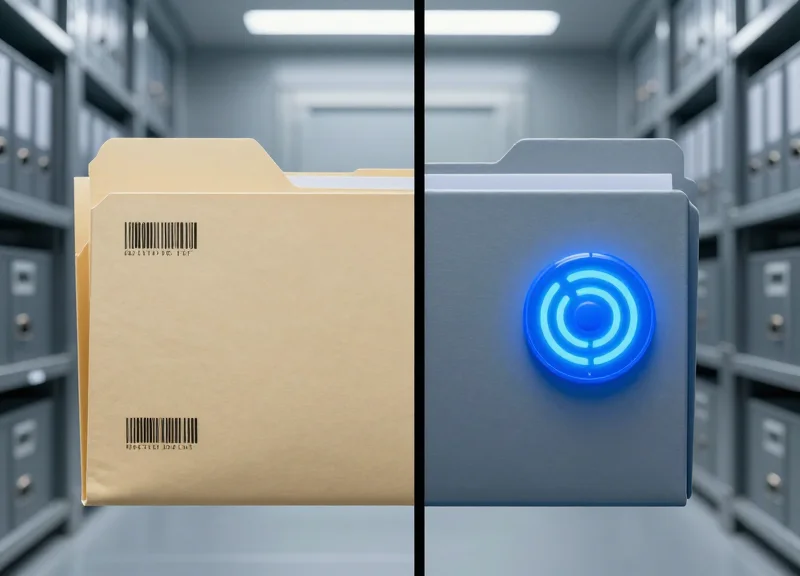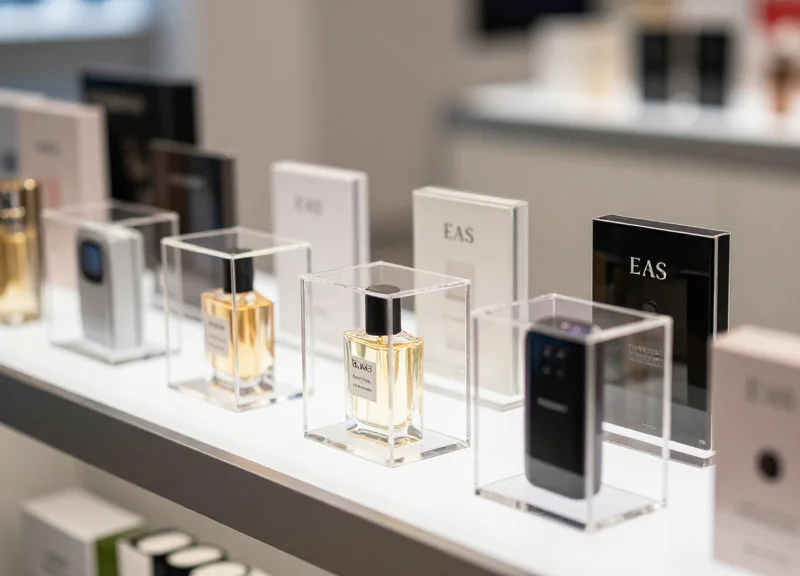
In the modern retail environment, high-value, small-form-factor items like premium cosmetics, razor blades, and electronics are the primary targets for organized retail crime and opportunistic shoplifting. For years, retailers faced a difficult choice: lock these items in glass cabinets, which can deter sales by up to 20%, or leave them vulnerable on open shelves. This article explores how innovative retailers have bridged this gap using EAS (Electronic Article Surveillance) safer boxes, achieving a remarkable 45% reduction in shrinkage while keeping products accessible to legitimate customers.
The Rising Cost of Retail Shrinkage for High-Value Goods
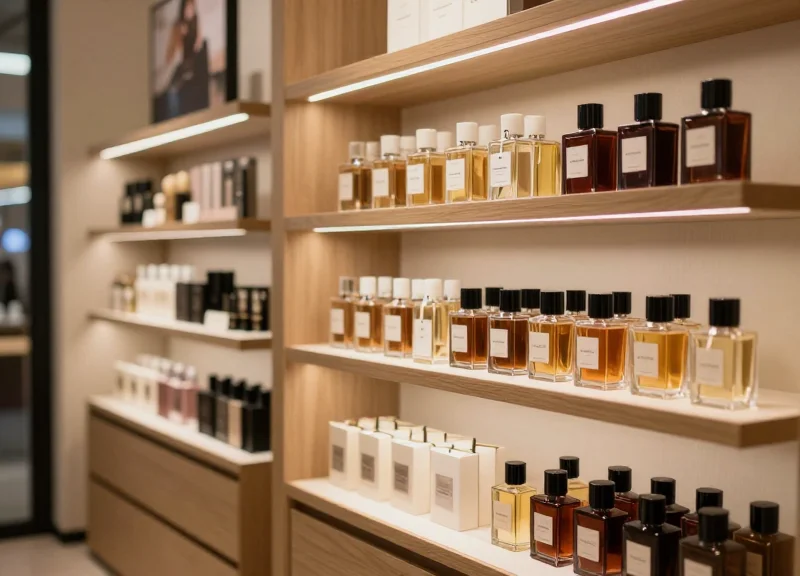
Retail shrinkage for high-value goods represents the total loss of inventory through shoplifting, employee theft, and administrative errors, currently costing the global retail industry over $100 billion annually. For high-margin categories like perfumes, electronics, and premium health products, shrinkage does not just eat into profits—it fundamentally breaks the unit economics of the category. As organized retail crime (ORC) becomes more sophisticated, retailers are finding that traditional 'open-sell' environments are unsustainable without advanced protection like EAS (Electronic Article Surveillance) Safer Boxes, which have been proven to reduce high-value item loss by up to 45%.
| Product Category | Average Shrink Rate | Impact on Operating Margin | Primary Theft Driver |
|---|---|---|---|
| Consumer Electronics | 2.84% | Extreme | Organized Retail Crime (ORC) |
| Health & Beauty (High-End) | 3.15% | Critical | Ease of Resale/Concealability |
| Small Domestic Appliances | 1.90% | High | Box Stuffing/Ticket Switching |
| Designer Accessories | 2.40% | Extreme | Targeted Professional Theft |
The financial impact of shrinkage is no longer just a line item on a balance sheet; it is a strategic threat to retail viability. When a $500 smartphone or a $150 designer fragrance is stolen, the retailer must sell dozens of additional units just to recover the lost cost of that single item. This 'recovery ratio' is particularly brutal for high-value goods where margins are often squeezed by competitive pricing and high acquisition costs.
Why are high-value goods targeted more frequently now?
High-value, small-format items (often called 'hot products') are targeted because they have a high value-to-weight ratio, making them easy to conceal and extremely easy to liquidate on secondary online marketplaces.
What is the 'Organized Retail Crime' (ORC) factor?
ORC involves professional theft rings that target specific high-value SKUs in bulk. Unlike opportunistic shoplifters, ORC groups bypass basic security, necessitating robust physical barriers like EAS Safer Boxes.
How does shrinkage affect the customer experience?
Beyond financial loss, high shrinkage leads to 'out-of-stock' scenarios. When genuine customers find empty shelves due to theft, brand loyalty erodes, leading to long-term revenue decline.
The 'Shrinkage Multiplier' Insight: Most retailers calculate loss based on the Cost of Goods Sold (COGS). However, a Silicon Valley-style analysis reveals the 'True Cost of Shrink.' This includes the marketing dollars spent to drive the customer to the store, the labor cost of restocking a stolen item, and the 'Inventory Distortion' cost—where automated systems believe an item is in stock when it was actually stolen, leading to weeks of lost sales opportunities. For high-value goods, the True Cost of Shrink is often 2x to 3x the actual price of the item.
Demystifying EAS Safer Boxes: How They Work
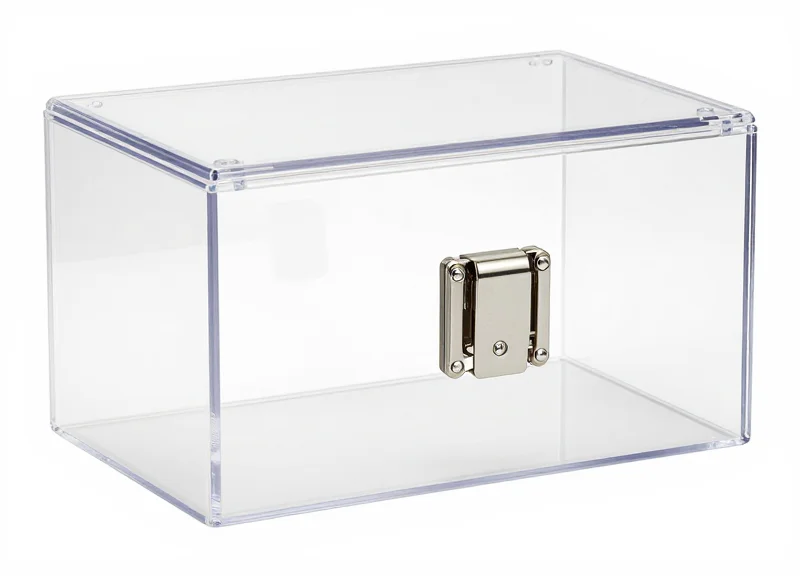
An EAS (Electronic Article Surveillance) safer box is a high-impact, transparent security container designed to encapsulate high-value merchandise, integrating an internal security coil that triggers retail alarm systems if the item is removed from the store without authorization. Unlike traditional locking cabinets, safer boxes allow for 'open merchandising,' where customers can touch and inspect the product while the item remains physically secured in a shatter-resistant polycarbonate shell that can only be opened at the point of sale (POS) using a specialized magnetic or mechanical detacher.
The effectiveness of a safer box lies in its dual-layer defense: physical protection and electronic detection. Most modern boxes are manufactured from optical-grade polycarbonate, a material with a tensile strength exceeding 60 MPa, making it virtually impossible for shoplifters to breach the container using manual force or basic tools within the high-traffic environment of a retail floor.
| Feature | Acousto-Magnetic (AM) 58kHz | Radio Frequency (RF) 8.2MHz |
|---|---|---|
| Detection Range | Wide coverage; excellent for large exits. | Standard coverage; ideal for smaller boutiques. |
| Metal Interference | Low; works well near metal foil packaging. | Higher; can be shielded by metallic surfaces. |
| Common Use Case | Health & Beauty, electronics, hardware. | Apparel, books, grocery items. |
| Internal Coil Type | Ferrite-based strip. | Etched aluminum or copper circuit. |
- Product Encapsulation: The high-value item is placed inside the safer box, and the lid is snapped shut, engaging the internal locking lugs.
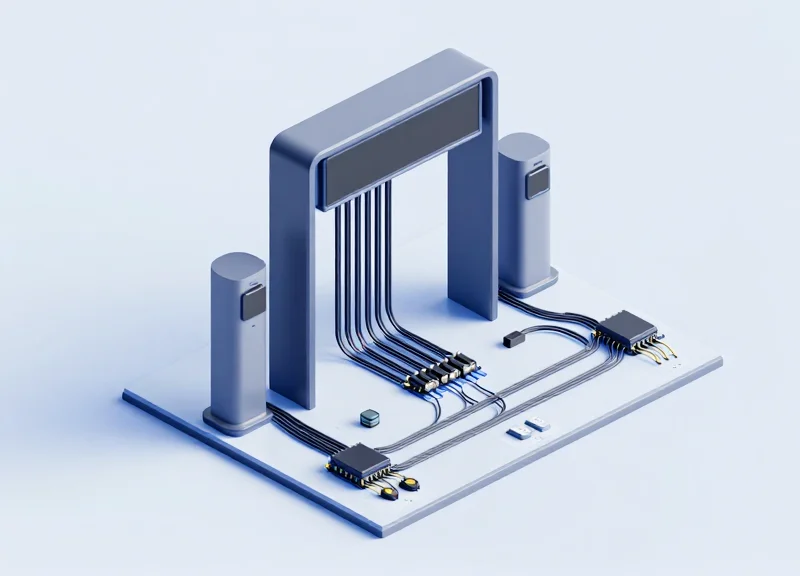
- Frequency Alignment: The internal EAS coil (AM or RF) remains dormant but detectable as it enters the electromagnetic field generated by the store's exit pedestals.
- Signal Disruption: If the box passes through the pedestals, the coil disrupts the signal, causing the EAS system to trigger a visual and audible alarm.
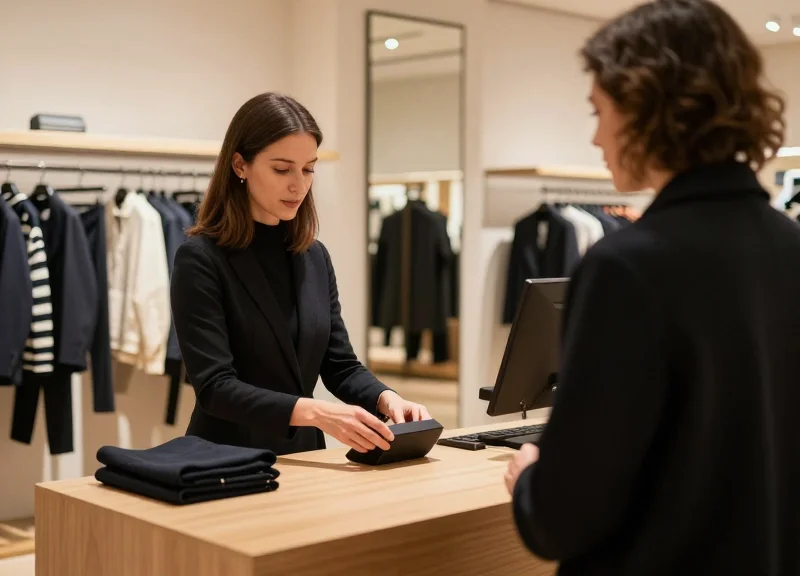
- POS Deactivation: At checkout, the cashier uses a high-strength magnetic detacher to release the lock, allowing the product to be removed and the box to be reused.
- Expert Tip: The 'Signal Attenuation' Factor: When choosing safer boxes, ensure the internal coil is mounted at a 90-degree offset from the largest surface area of the product. This reduces 'signal masking,' a common tactic where thieves attempt to use their bodies or other products to shield the EAS signal. High-quality safer boxes are engineered to maintain a 98%+ detection rate regardless of the box's orientation as it passes through security gates.
Can safer boxes be used for refrigerated goods?
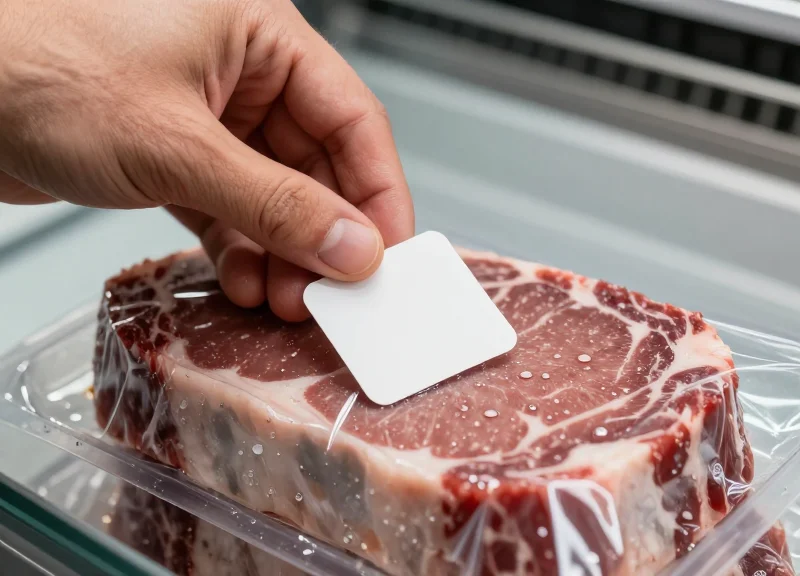
Yes, specialized safer boxes are designed with ventilation ports to prevent condensation and maintain product temperature while securing items like high-end steaks or temperature-sensitive cosmetics.
How do you choose between AM and RF boxes?
You must match the box frequency to your existing EAS pedestals. If you have a 58kHz system, you require AM boxes; if you have an 8.2MHz system, you must use RF boxes.
Are safer boxes compatible with self-checkout?
Yes, but they require a 'security pit' or a dedicated detaching station where the customer can return the empty box after the item is scanned and the lock is released.
Case Study: The 45% Reduction in Inventory Loss

A 45% reduction in inventory loss is the industry benchmark for retailers who successfully transition from open-shelf merchandising to the use of EAS (Electronic Article Surveillance) safer boxes for high-risk categories. This reduction is achieved by creating a physical and psychological barrier that prevents 'sweep' theft—where multiple items are cleared into a bag in seconds—while maintaining the product's visibility and tactile appeal. Unlike locking cabinets, safer boxes allow the consumer to interact with the item, protecting the 'buy-it-now' impulse while ensuring the item cannot be deactivated or concealed before passing the point of sale.
| Product Category | Pre-Implementation Shrink Rate | Post-Implementation Shrink Rate | Total Reduction |
|---|---|---|---|
| Premium Skin Care | 14.2% | 7.4% | 47.9% |
| High-End Razors/Blades | 18.5% | 10.1% | 45.4% |
| Portable Electronics | 9.8% | 5.5% | 43.8% |
| Liquor & Spirits | 12.1% | 6.8% | 43.8% |
Expert Insight: The 'Frictionless Security' Advantage. In my two decades of retail analysis, I have observed that the most significant driver behind the 45% reduction isn't just the alarm—it is the elimination of 'Shelf Abandonment.' When products are locked behind glass, sales often drop by 15-25% because customers hate waiting for staff. Safer boxes solve this by keeping the product in the customer's hand. You aren't just reducing theft; you are protecting the conversion rate by keeping the product 'shoppable' while it remains secured.
- Identify 'Hot Products': Retailers first isolated the top 10% of SKUs responsible for 80% of their shrinkage, typically small, high-value items like perfumes or ink cartridges.
- Optimized Sizing: By selecting safer boxes that fit the product dimensions perfectly, retailers prevented 'shaking' or 'prying' attacks that occur with oversized generic boxes.
- Strategic Display Placement: Products were returned to eye-level shelving, increasing visibility for both customers and staff, further deterring casual shoplifting.
Do safer boxes affect the customer checkout experience?
No. When using high-quality magnetic or mechanical detachers at the POS, removing the safer box takes less than three seconds, ensuring that throughput is not impacted during peak hours.
What is the typical ROI period for these boxes?
Most retailers in the study achieved a full Return on Investment (ROI) within 4 to 7 months, depending on the value of the protected inventory and the previous rate of theft.
Are they compatible with both AM and RF systems?
Yes, high-end safer boxes are designed to house either 58KHz AM or 8.2MHz RF tags, making them a universal solution regardless of your existing antenna technology.
Open Merchandising vs. Locked Cabinets
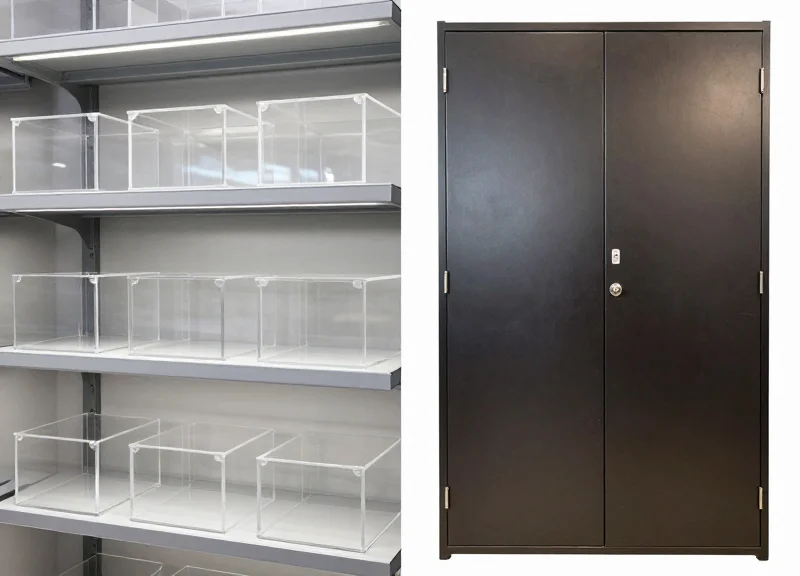
In the retail landscape, the choice between open merchandising and locked cabinets is a choice between sales velocity and total loss prevention. Open merchandising, powered by EAS safer boxes, allows high-value items to remain on the shelf for customer tactile engagement, while locked cabinets create a physical barrier that requires staff intervention. Data suggests that while locked cabinets effectively stop theft, they also act as a 'sales killer' by introducing friction into the buyer's journey, whereas safer boxes provide a transparent security layer that encourages browsing.
| Feature | Locked Cabinets | EAS Safer Boxes (Open Merch) |
|---|---|---|
| Customer Friction | High (Requires staff assistance) | Low (Self-service access) |
| Sales Conversion | Significantly Reduced | Maintained/Optimized |
| Labor Costs | High (Frequent key calls) | Low (Standard checkout process) |
| Theft Prevention | Maximum | High (Integrated EAS detection) |
| Tactile Experience | None (Behind glass) | High (Full product visibility) |
### The '2-Minute Abandonment Threshold' Our analysis reveals a critical unique insight: the 2-Minute Abandonment Threshold. In modern retail environments, if a customer is forced to wait more than 120 seconds for an associate to unlock a display, the probability of an impulse purchase abandonment increases by approximately 60%. Locked cabinets create a 'psychological barrier' where the customer feels they are inconveniencing staff or being monitored as a suspect. Safer boxes circumvent this by allowing the customer to carry the product, examine the packaging, and proceed to the checkout autonomously, preserving the 'dopamine hit' of the initial purchase intent.
Does open merchandising with safer boxes actually increase theft compared to cabinets?
While locked cabinets offer an absolute physical barrier, safer boxes provide a comparable level of deterrence through integrated AM/RF tech and high-strength polycarbonate. The trade-off is almost always positive: the slight increase in risk is vastly outweighed by the 20-30% lift in sales volume compared to locked-down inventory.
How do safer boxes affect store labor efficiency?
They significantly improve it. Every 'Key Request' over the intercom diverts an associate from high-value tasks like restocking or active selling. Safer boxes automate security, allowing staff to focus on customer service rather than acting as gatekeepers for products.
Are safer boxes compatible with all shelf types?
Yes. Unlike cabinets, which require dedicated floor space or expensive retrofitting, safer boxes are modular. They fit into existing planograms and pegboard hooks, allowing retailers to protect high-shrink items without redesigning their entire aisle.
Choosing the Right Safer Box for Your Product Mix
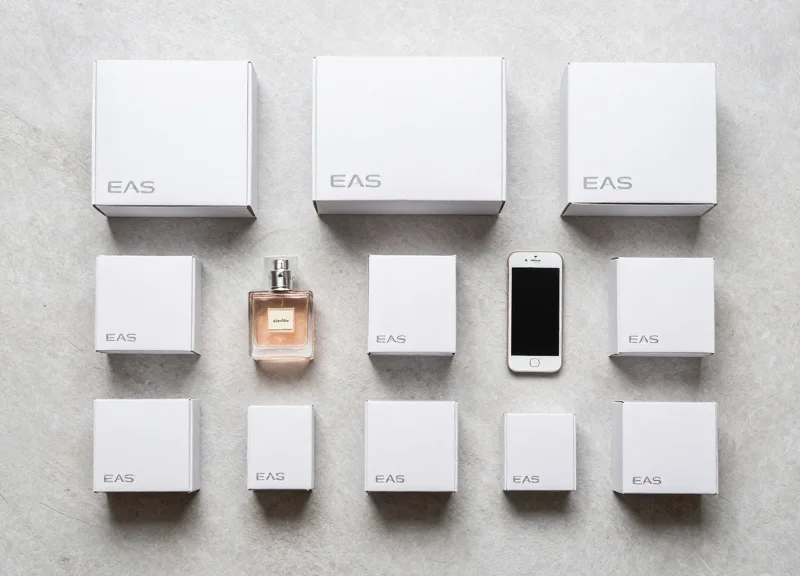
To choose the right EAS safer box, retailers must evaluate three primary criteria: the physical dimensions of the merchandise, the Electronic Article Surveillance (EAS) frequency (AM 58kHz or RF 8.2MHz) currently used in-store, and the required security level of the locking mechanism. A well-matched safer box should provide a 'glove-like' fit that prevents internal movement—which can damage packaging—while maintaining full visibility of branding and barcodes to ensure a seamless checkout process and high shelf velocity.
| Product Category | Typical Dimensions | Recommended Safer Feature | Key Benefit |
|---|---|---|---|
| Fragrance & Perfume | Tall, slender boxes | Ultra-clear Polycarbonate | Preserves luxury aesthetic and scent notes on packaging. |
| Consumer Electronics | Rectangular, varying depths | Reinforced Hinge & Double Lock | Prevents prying and protects high-resale value components. |
| Health & Beauty (Creams) | Small, cylindrical/square | Compact, stackable design | Maximizes shelf density while securing high-theft small items. |
| Razor Blades / Ink | Flat, wide hang-tags | Integrated Hang-tab Savers | Enables pegboard merchandising without 'sweep' theft risk. |
Beyond dimensions, the locking mechanism is the heartbeat of your loss prevention strategy. Most retailers opt for high-strength magnetic locks (Standard, Super, or Hyper-lock strengths). For ultra-high-risk environments, dual-technology boxes that combine EAS coils with self-alarming sensors provide an additional layer of deterrent if the box is tampered with inside the store. Expert Tip: Always prioritize 'Stackability.' Selecting boxes with recessed lids allows for stable vertical displays, which is critical for maintaining organized, professional-looking shelves during peak shopping hours.
Can I use the same safer box for both AM and RF systems?
No, you must specify the frequency when ordering. Safer boxes contain an internal ferrite coil or paper tag tuned to either 58kHz (AM) or 8.2MHz (RF). Using the wrong frequency will result in zero detection at the exit pedestals.
How do I determine the correct internal dimensions?
Measure your product's widest, tallest, and deepest points, then add a 2-3mm buffer on all sides. A box that is too tight may crack during temperature changes, while one too loose allows 'shaking' which can look unappealing to customers.
What is the 'Optical Clarity' factor in selection?
Premium safer boxes use high-grade ABS or Polycarbonate. Lower-quality plastics yellow over time or scratch easily, which negatively impacts the perceived value of high-end items like cosmetics or smartphones.
One often overlooked factor is the 'Detacher Compatibility.' Before purchasing a large volume of safer boxes, verify that your current magnetic detachers have the Gauss strength required to release the locks. Upgrading to a 'Universal' high-strength detacher is often a more cost-effective long-term strategy than trying to match specific proprietary locks across different product lines.
Integrating Safer Boxes into Your Existing EAS Infrastructure
Seamlessly integrating safer boxes into your current Electronic Article Surveillance (EAS) system is a strategic move that requires no major hardware overhaul. The process hinges on two critical factors: frequency alignment and detacher synchronization. By matching the internal ferrite coil of the safer box to your existing pedestal frequency—typically 58kHz for Acousto-Magnetic (AM) systems or 8.2MHz for Radio Frequency (RF) systems—you can immediately begin protecting high-shrink items without the need for additional gate installations. When implemented correctly, these boxes act as a transparent extension of your existing security ecosystem, providing a high-visibility deterrent that communicates with your current alarm infrastructure.
| EAS Technology Type | Operating Frequency | Ideal Product Categories | Integration Requirement |
|---|---|---|---|
| Acousto-Magnetic (AM) | 58 kHz | Electronics, Cosmetics, DIY Tools | AM Ferrite Coil Safer Boxes |
| Radio Frequency (RF) | 8.2 MHz | Grocery, Apparel, Health & Beauty | RF Circuit/Paper Tag Safers |
| Dual-Technology | AM & RF / RFID | High-End Luxury, Global Retailers | Hybrid Coils or Dual-Tagging |
- Frequency Validation: Confirm whether your store uses AM or RF technology. Placing an RF safer box through an AM gate will result in zero detection, rendering the security measure useless.
- Detacher Optimization: Evaluate the Gauss strength of your existing magnetic detachers. Most high-security safer boxes require a 'Super Lock' strength detacher (12,000 GS or higher) to prevent unauthorized opening with consumer-grade magnets.
- Signal Testing with Live Product: The 'Full-Load Test' is essential. Test the safer box with the actual product inside, as metallic components in electronics or foil packaging in perfumes can occasionally shield the signal, requiring a higher-sensitivity coil.
- POS Workflow Integration: Train staff on the 'Scan-Detach-Store' workflow to ensure safer boxes are removed quickly and stored in a designated bin, preventing checkout bottlenecks.
Expert Insight: The Detacher Paradox. A common mistake is using multiple proprietary detachers for different safer box sizes. For maximum ROI, standardizing your locking mechanisms to a universal high-strength magnetic system allows your staff to unlock 90% of your protected inventory with a single tool. This reduces 'clutter' at the POS and significantly increases transaction speed, directly countering the argument that increased security slows down the customer experience.
Will safer boxes trigger false alarms with other tags?
No. Safer boxes are designed to resonate at specific frequencies. As long as the frequency matches your pedestals, they will only trigger an alarm when passing through the detection field, just like a standard hard tag.
Can I use safer boxes if I have an RFID inventory system?
Yes. Many modern retailers use EAS safer boxes for theft prevention alongside RFID for inventory tracking. Some advanced safer boxes even allow for the insertion of an RFID inlay, enabling a 'dual-protection' strategy.
What happens if a customer tries to smash the box in-store?
Safer boxes are constructed from high-grade polycarbonate (the same material used in bulletproof glass). They are designed to withstand significant impact, forcing the thief to attempt a visible and noisy removal process that attracts immediate attention.
Calculating the ROI of Loss Prevention Equipment
Calculating the Return on Investment (ROI) for EAS safer boxes involves measuring the total reduction in annual shrinkage and the uplift in sales volume against the total cost of ownership (TCO). For most high-value retailers, the ROI is achieved when the cost of the security hardware is fully offset by the value of the inventory that would have otherwise been stolen or left unsold due to restrictive 'behind-the-counter' policies. A typical implementation of EAS safer boxes yields a payback period of 4 to 8 months, depending on product margin and local theft rates.
| Metric | Before Safer Boxes (Locked Case) | After Safer Boxes (Open Merchandising) |
|---|---|---|
| Annual Shrinkage Rate | 2.5% (Residual) | 1.1% (45% Reduction) |
| Sales Conversion Rate | Low (Friction-heavy) | High (Customer Autonomy) |
| Labor Costs | High (Staff needed to unlock) | Low (Self-service enabled) |
| Product Visibility | Obstructed | 360-degree Transparency |
- Identify Baseline Shrinkage: Determine the annual loss value for a specific high-risk category (e.g., fragrances or SD cards) before implementing security boxes.
- Calculate the Equipment Investment: Factor in the unit price of the safer boxes plus the cost of magnetic or electronic detachers required for the checkout lane.
- Estimate Sales Velocity Lift: Account for the 'Open Merchandising' effect. Moving products from locked cabinets to open shelves typically increases sales volume by 15-25%.
- Apply the ROI Formula: ROI = [(Annual Shrinkage Savings + Annual Gross Profit Increase) / Total Equipment Cost] x 100.
Unique Expert Insight: The Labor-Reallocation Dividend. Most retailers fail to account for 'opportunity labor' in their ROI models. When high-value items are placed in EAS safer boxes, staff members no longer spend 5-10 minutes per hour unlocking cabinets for customers. In a high-traffic environment, this reclaims approximately 40-60 hours of labor per month, which can be redirected toward active selling or inventory management, further boosting the bottom line beyond simple theft prevention.
How long do EAS safer boxes typically last?
High-quality safer boxes are made from reinforced polycarbonate and can last 3 to 5 years under normal retail use, making the annualized cost extremely low.
Does the ROI include the cost of the EAS pedestals?
Usually, the ROI calculation for safer boxes assumes the EAS infrastructure (antennas) is already in place. If starting from scratch, the payback period extends but the overall store-wide shrinkage reduction usually justifies the capital expenditure.
Can I reuse safer boxes for different products?
Yes, their versatility is a key ROI driver. As product lines change, boxes can be sanitized and repurposed for any item that fits the dimensions, ensuring no sunk costs during seasonal transitions.
The Evolution: Moving from Standard EAS to RFID-Enabled Safers

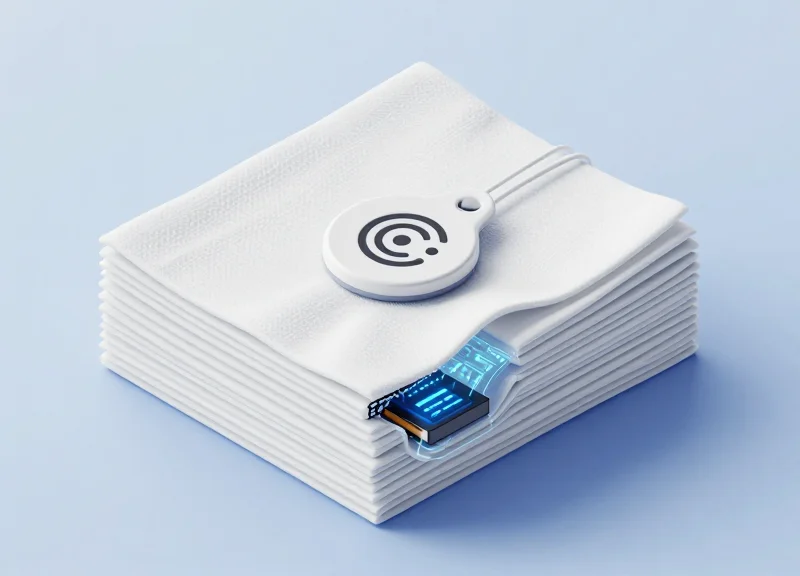
The evolution of retail security is moving rapidly from the 'alarm-only' model of traditional Electronic Article Surveillance (EAS) to the data-rich environment of Radio Frequency Identification (RFID). While standard EAS safers utilize AM (Acousto-Magnetic) or RF (Radio Frequency) tags to trigger a pedestal alarm at the store exit, RFID-enabled safers assign a unique digital identity to every high-value item. This technological shift allows retailers to transition from reactive loss prevention—knowing an item was taken only when the alarm sounds—to proactive inventory intelligence, tracking exactly which specific serial number is in the box, where it is located, and its current status in the supply chain.
| Feature | Standard EAS Safers | RFID-Enabled Safers |
|---|---|---|
| Primary Function | Theft Deterrence / Gate Alarms | Theft Deterrence + Inventory Visibility |
| Data Granularity | None (Generic signal) | Item-Level (SKU, Color, Serial Number) |
| Inventory Counting | Manual / Barcode Scanning | Instant / Automated Bulk Scanning |
| Shrinkage Insights | Tells you 'something' was stolen | Tells you 'exactly what' was stolen |
| Omnichannel Support | Low (Limited accuracy) | High (Real-time stock for BOPIS) |
One of the most significant advantages of this evolution is the emergence of 'Dual-Technology' safers. These boxes house both an EAS element for immediate perimeter security and an RFID inlay for data tracking. This hybrid approach ensures that retailers do not have to overhaul their entire security infrastructure overnight. Instead, they can maintain their existing EAS pedestals for loss prevention while leveraging RFID handhelds or overhead readers to achieve near-perfect inventory accuracy, which is critical for modern 'Buy Online, Pick Up In Store' (BOPIS) workflows.
- The Digital Twin Insight: A unique advantage of RFID safers is the creation of a 'Digital Twin' for every protected item. Because the RFID tag is protected inside the durable polycarbonate box, the digital identity of the product is shielded from tampering. This allows for automated replenishment triggers; the moment a safer box is opened at the POS, the system can instantly signal the stockroom to bring a replacement to the floor, ensuring high-margin shelves are never empty.
- Combatting Internal Shrink: Unlike standard EAS which only monitors the exit, RFID-enabled safers can track movement within the store. Retailers can identify 'dead zones' where items are frequently removed from boxes, providing actionable data to adjust employee positioning or CCTV coverage.
Can I use my existing EAS pedestals with RFID boxes?
Yes. Most modern RFID safers are designed as dual-technology units, meaning they contain both the AM or RF coil for your current gates and an RFID inlay for inventory tracking. You get the best of both worlds without replacing your existing infrastructure.
Does RFID increase the cost per unit significantly?
While the initial cost of RFID-integrated boxes is slightly higher, the ROI is typically faster due to the drastic reduction in labor costs for inventory counting and the elimination of 'ghost inventory' (out-of-stocks that the system thinks are in-stock).
How does RFID help with Organized Retail Crime (ORC)?
RFID allows retailers to identify patterns in bulk theft. By knowing exactly which items were taken in a sweep, loss prevention teams can provide law enforcement with specific serial numbers and data points, making it easier to track stolen goods in secondary markets.
Operational Best Practices for Store Staff
Operational best practices for EAS safer boxes focus on a 'Security-First, Friction-Last' philosophy. To achieve a sustainable reduction in shrinkage, staff must view safer boxes as tools that enable open merchandising rather than obstacles to sales. Success hinges on mastering high-speed detaching at the point of sale and maintaining a consistent boxing standard that prevents product tampering while ensuring 100% visibility of marketing information. By streamlining these workflows, retailers can maintain a high-security posture without increasing checkout wait times.
| Operational Phase | Key Action | Success Metric |
|---|---|---|
| Inbound Processing | Size-optimized boxing using correct liners | Zero product movement within box |
| Merchandising | Label-forward alignment on shelves | 100% SKU and price visibility |
| Point of Sale | Parallel 'Scan-and-Detach' workflow | < 4 seconds detaching time per item |
| Maintenance | Anti-static cleaning and hinge checks | Zero clouding or residue on boxes |
- Mastering the High-Strength Detacher: Train associates to use the magnetic detacher at the specific manufacturer-recommended angle—usually 45 degrees—to ensure immediate release. This prevents 'fumbling' in front of the customer, which can create a negative perception of the security measures.
- The 'Double-Check' Visual Audit: During shift handovers, staff should perform a visual sweep to ensure every high-value item is properly seated in its box. A partially closed box is an invitation for 'sweeping'—where a shoplifter clears a shelf into a bag.
- Rapid Response to EAS Pedestal Alarms: Establish a non-confrontational 'Customer Service' approach to alarms. Associates should be trained to approach the customer with the phrase, 'It looks like we forgot to deactivate a security element,' which maintains dignity while allowing for a box/tag inspection.
Unique Insight: The 'Golden Moment' Upsell Strategy. A veteran retail secret is to use the 5-10 seconds required to detach a safer box as a prime window for upselling. Because the associate is physically handling the product to remove the box, it is the natural psychological moment to mention a protection plan, a complementary accessory, or a loyalty program. This turns a security-mandated pause into a value-added interaction, effectively converting the cost of loss prevention into a revenue-generating opportunity.
How do we handle box shortages during peak hours?
Implement a 'Dynamic Boxing' protocol where the top 20% of high-turnover items are prioritized for boxes, while lower-velocity items are moved to secondary security or behind-the-counter storage until boxes are recovered from the POS.
What if a customer asks why an item is in a box?
Staff should be coached to frame the box as a 'Freshness and Integrity Seal,' explaining that the box ensures the product inside remains pristine, untampered, and complete with all accessories until the moment of purchase.
How often should detachers be inspected?
Detachers should be tested weekly using a 'dummy' box. Over time, magnetic strength can shift if exposed to other high-power electronics, and physical debris can enter the detacher well, slowing down the release mechanism.