Campus stores face unique challenges: high seasonal traffic, a diverse product mix, and the need for open, accessible layouts that foster a welcoming academic environment. As we move toward 2026, the convergence of loss prevention and smart access control is no longer a luxury—it is a strategic necessity. Modern security is no longer just about stopping theft at the door; it is about creating a seamless, data-driven ecosystem where entry management, inventory tracking, and shrink prevention work in harmony. This guide explores the best loss prevention technologies available today and how they integrate with next-generation access controls to future-proof your campus retail operations.
The Evolution of Campus Security: Navigating the 2026 Retail Landscape
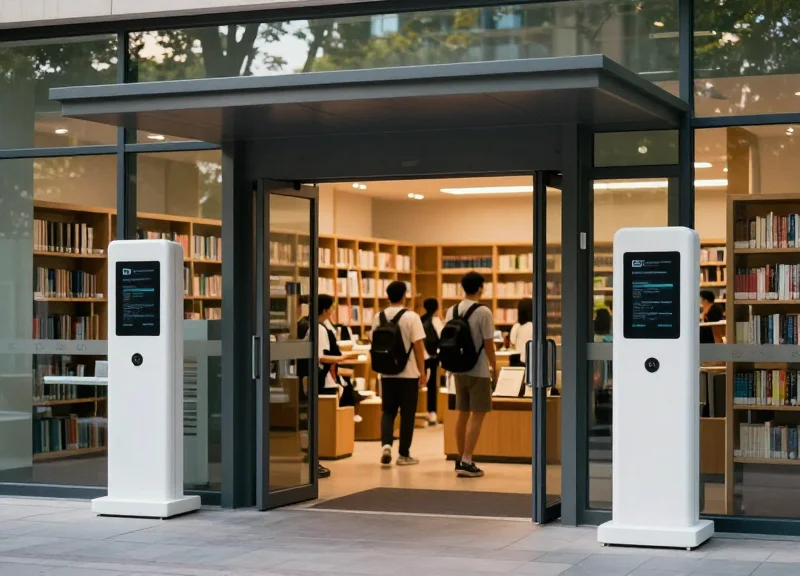
By 2026, campus security has shifted from a reactive 'gate-and-alarm' model to a proactive, 'Unified Commerce Security' ecosystem. This evolution is driven by the transformation of the campus bookstore into a multi-functional tech hub, combining retail, co-working spaces, and 24/7 automated micromarkets. To survive this shift, loss prevention systems must now integrate seamlessly with student digital identities, using Ultra-Wideband (UWB) mobile credentials and AI-driven computer vision to secure high-value inventory without impeding the frictionless experience modern students demand.
| Feature | Legacy Campus Retail (Pre-2022) | Modern Campus Hub (2026) |
|---|---|---|
| Access Control | Physical keys or simple magnetic swipe cards. | Biometric-linked mobile wallets and UWB 'Hands-Free' entry. |
| Loss Prevention | Pedestal-based EAS gates (RF/AM). | Edge-AI cameras and weight-sensing smart shelves. |
| Operational Hours | Strict 9-to-5 staffing requirements. | Hybrid staffing with 24/7 autonomous 'After-Hours' modes. |
| Data Integration | Siloed security footage and POS data. | Unified cloud dashboards linking entry logs to real-time shrink analytics. |
The fundamental challenge of 2026 is the 'Friction Paradox.' Students expect to walk into a store, grab an item, and leave without standing in line, yet this exact behavior mimics traditional shoplifting. The solution lies in 'Identity-Centric Security.' By tying a student's Single Sign-On (SSO) or digital bursar account to their physical presence via smart access controls, the store can create a 'Trusted Zone' where the risk of anonymous theft is virtually eliminated.
- Why are traditional EAS gates becoming obsolete in 2026?: Traditional gates focus on the item leaving the store, whereas 2026 systems focus on the individual's intent. Gates often create physical bottlenecks and false alarms that disrupt the student experience; newer systems use AI vision to track items silently and accurately.
- How does 2026 Smart Access reduce internal 'shrink'?: Internal shrink is mitigated through granular access logs and 'Two-Factor Physical Authentication' (2FPA) for high-value storage areas, ensuring that staff access is always verified by both a mobile credential and a facial recognition match.
- Expert Tip: The 'Digital Tether' Concept: Our unique insight for 2026: Implement a 'Digital Tether' where high-value electronics (laptops/tablets) are paired with the store's internal UWB network. If the item crosses a threshold without an 'Authorized Sale' handshake from the POS, it can be remotely locked or tracked with sub-meter accuracy within the campus mesh network.
Core Components of Modern Loss Prevention: EAS vs. RFID
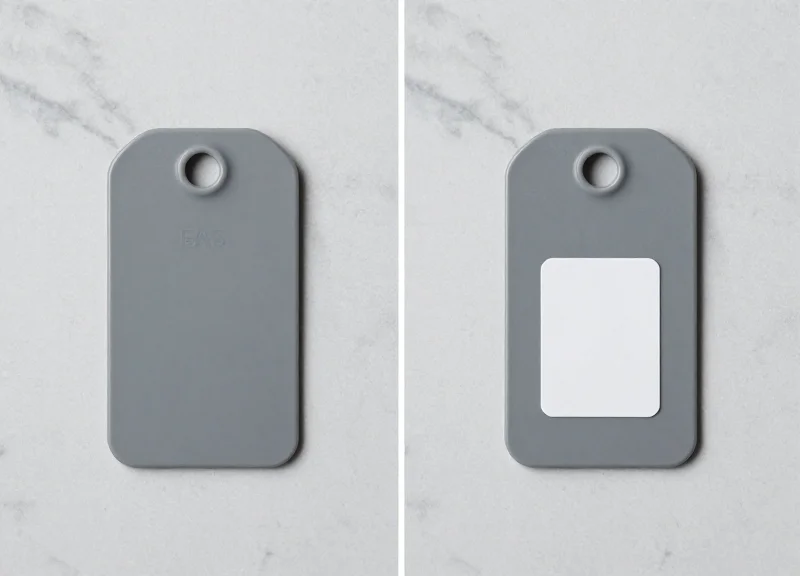
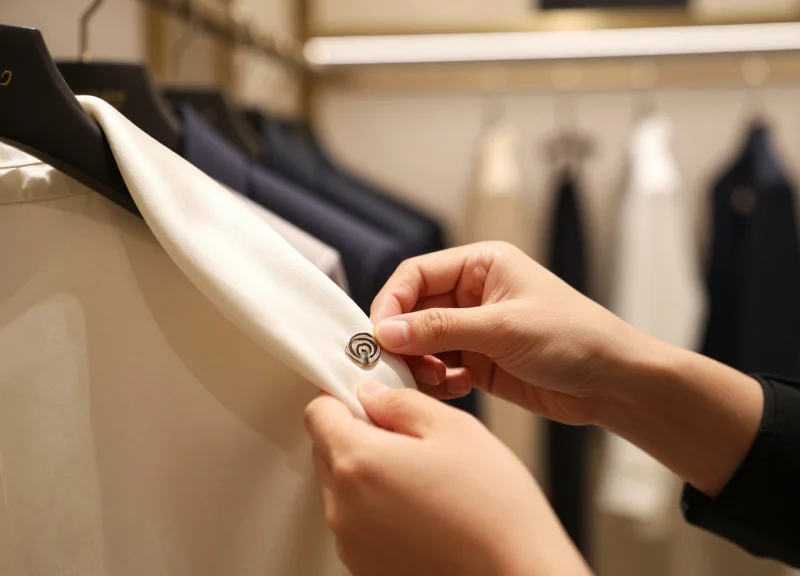
Modern loss prevention in campus stores hinges on two distinct technologies: Electronic Article Surveillance (EAS), which uses sensors to trigger an alarm when an active tag passes through a pedestal, and Radio Frequency Identification (RFID), which utilizes unique serial numbers to track individual item data in real-time. While EAS remains the gold standard for pure theft deterrence, RFID has emerged as the backbone of the '2026 Smart Store' ecosystem, enabling seamless integration with mobile-first access controls and automated inventory reconciliation.
| Feature | EAS (Electronic Article Surveillance) | RFID (Radio Frequency Identification) |
|---|---|---|
| Primary Purpose | Theft Deterrence / Alarm Trigger | Inventory Intelligence / Loss Attribution |
| Item Identification | Generic (Something was taken) | Specific (Item X, SKU Y, Serial Z was taken) |
| Detection Range | 3-6 Feet (Pedestal restricted) | Up to 30 Feet (Long-range overheads) |
| 2026 Integration | Standalone / Analog | Digital / API-driven for Smart Access |
| Cost per Tag | Very Low ($0.02 - $0.05) | Moderate ($0.08 - $0.15) |
The Expert Perspective: The Hybrid-Mesh Strategy. In my 20 years of retail tech evaluation, I have observed that 2026 campus leaders are moving away from 'one-size-fits-all' deployments. The most effective stores are now using a 'Hybrid-Mesh' approach: EAS remains on high-volume, low-cost convenience items (snacks, pens) to keep costs down, while RFID is embedded in high-value campus apparel and electronics. This allows the system to talk directly to student mobile IDs, automatically charging an account or locking a smart exit gate if a high-value item isn't scanned, without the friction of a manual bag check.
Is EAS still relevant for campus stores in 2026?
Yes. EAS is the most cost-effective solution for high-shrink, low-cost inventory. Its physical presence serves as a psychological deterrent that RFID stickers—which can be more discreet—sometimes lack.
How does RFID integrate with Smart Access Controls?
RFID readers at the door can communicate with the store's backend to verify if the specific item ID has been 'marked' as sold. If not, it can trigger a signal to the 2026 smart gate to remain locked or notify campus security via their mobile devices.
Can we upgrade EAS to RFID later?
Many modern pedestals are 'Dual-Tech' ready, meaning you can install EAS today and add RFID modules later without replacing the entire physical infrastructure.
Integrating Smart Access Control with Retail Security Hardware

Integrating smart access control with retail security hardware represents the convergence of software-defined security and physical deterrence. In the 2026 campus retail environment, this involves linking cloud-based identity management systems—utilizing Mobile NFC, Bluetooth Low Energy (BLE), or biometric markers—directly to physical assets like electronic swing gates, smart locks, and high-security turnstiles. This synchronization ensures that only verified students and staff can bypass perimeters, effectively eliminating 'tailgating' and unauthorized after-hours entry while maintaining a frictionless shopping experience.
| Hardware Component | Access Integration Type | Primary Loss Prevention Function |
|---|---|---|
| Smart Swing Gates | NFC/BLE Mobile Credentials | Automated entry/exit control during low-staffing hours. |
| Electrified Magnetic Locks | Palm-Vein Biometrics | Secures high-value tech or 'staff-only' storage zones. |
| AI-Linked Pedestals | API-Triggered Lockdown | Physical barrier activation upon detection of concealed items. |
| Autonomous Smart Lockers | Multi-Factor Auth (MFA) | Prevents theft of online-order pickups in high-traffic areas. |
Expert Insight: The Rise of 'Adaptive Permission Velocity' A unique trend for 2026 is what I call 'Adaptive Permission Velocity.' Unlike static access rules, modern systems now adjust the sensitivity of security hardware based on real-time store data. For example, if the store's AI vision system detects a 'high-threat' movement pattern or a sudden spike in occupancy beyond capacity, the integrated access control system can automatically increase the force required to open gates or require a secondary biometric check at the exit, dynamically hardening the store's perimeter without human intervention.
- Unified API Protocol Selection: Ensure your hardware uses standardized protocols like OSDP (Open Supervised Device Protocol) to allow seamless communication between the reader and the physical controller.
- Biometric & Credential Mapping: Map student ID databases to specific hardware zones, allowing for 'limited-access' tiers where freshmen might only enter general areas while staff access secure inventory.
- Fail-Safe and Fail-Secure Calibration: Configure hardware to unlock during fire emergencies (fail-safe) but remain locked during power outages if secondary authentication is required (fail-secure).
- Visual-Auditory Sync: Link the access event to store lighting and audio; a 'denied access' event should trigger localized lighting changes to alert staff immediately.
Can I use existing student mobile IDs for retail access?
Yes, most 2026 systems are designed to bridge university SIS (Student Information Systems) with retail hardware via secure SDKs, allowing for a single-credential ecosystem.
How do these systems prevent 'tailgating'?
Modern integration uses overhead 3D LiDAR or AI sensors that sync with the gate; if two people pass through on one valid scan, an alert is instantly sent to the loss prevention dashboard.
Is biometric data stored locally on the hardware?
To comply with 2026 privacy regulations, biometrics are typically stored as encrypted mathematical hashes on the student's personal device, not on the store's hardware or servers.
The Rise of AI-Powered Surveillance and Behavioral Analytics

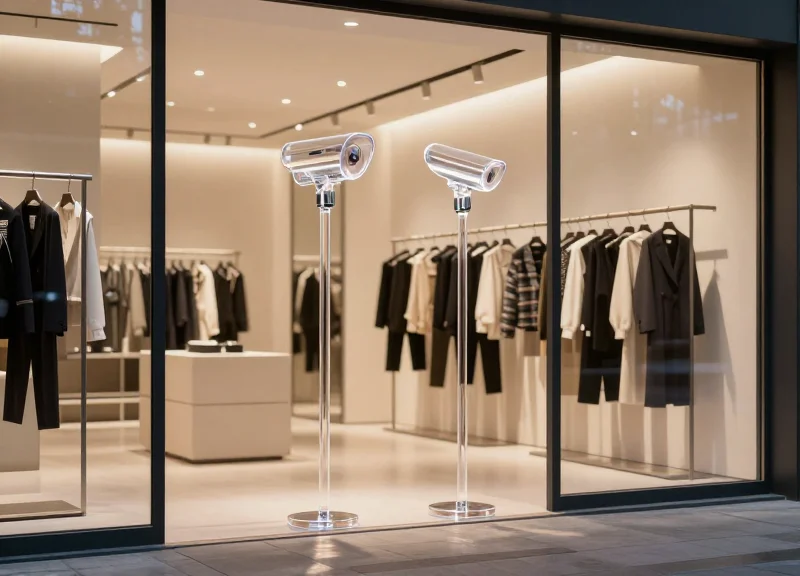
In 2026, AI-powered surveillance has evolved from passive recording to active 'intent recognition.' Unlike traditional CCTV that requires manual review after a loss occurs, these systems use edge-computing and computer vision to analyze human movement patterns in real-time. By identifying specific skeletal movements—such as the 'reaching and concealing' motion or repetitive loitering in high-shrink zones—the system can alert floor staff to provide 'aggressive hospitality' before a theft is even attempted, effectively neutralizing the threat without a confrontation.
| Feature | Legacy CCTV (Pre-2024) | 2026 AI Behavioral Systems |
|---|---|---|
| Primary Function | Forensic Evidence Collection | Predictive Incident Prevention |
| Alert Trigger | Manual / Simple Motion | Behavioral Anomaly Detection |
| Processing | Centralized / Cloud (Lags) | Edge-Based (Real-Time <100ms) |
| Privacy Compliance | High PII Risk | Anonymized Metadata Tracking |
Expert Insight: The 'Privacy-First' Edge. A common misconception is that AI surveillance requires invasive facial recognition. In the 2026 campus environment, the most effective systems utilize 'Skeletal Tracking'—monitoring the geometry of movement rather than the identity of the person. This allows stores to detect suspicious behavior while remaining 100% compliant with FERPA and GDPR, as no biometric identity data is ever stored or transmitted.
- Concealment Detection: Algorithms that recognize the specific physical signature of placing an item into a pocket, backpack, or under clothing, instantly notifying security tablets.
- Dwell Time & Heatmapping: Monitoring how long a person stays in a high-value aisle; excessive dwell time triggers a prompt for staff to check in, which discourages shoplifting.
- Object Left Behind/Removed: Real-time tracking of high-value inventory on shelves; if a high-cost item is removed and the 'buyer' bypasses the POS, an alert is triggered at the smart access gate.
Does AI surveillance increase false alarms?
No. 2026 systems use 'Multi-Sensor Fusion,' cross-referencing visual data with weight sensors on shelves to ensure alerts are only sent when physical movement and inventory changes coincide.
Can these systems work with our existing cameras?
Many modern AI platforms are 'hardware agnostic,' meaning they can be layered onto existing IP camera infrastructure via an AI NVR (Network Video Recorder) or cloud-bridge.
How does this integrate with smart access controls?
If the AI detects a high-probability theft event, it can temporarily 'soft-lock' certain smart exit points or notify the digital credential system to flag the user at the gate.
Enhancing the Student Experience with Seamless ESL and Security Integration
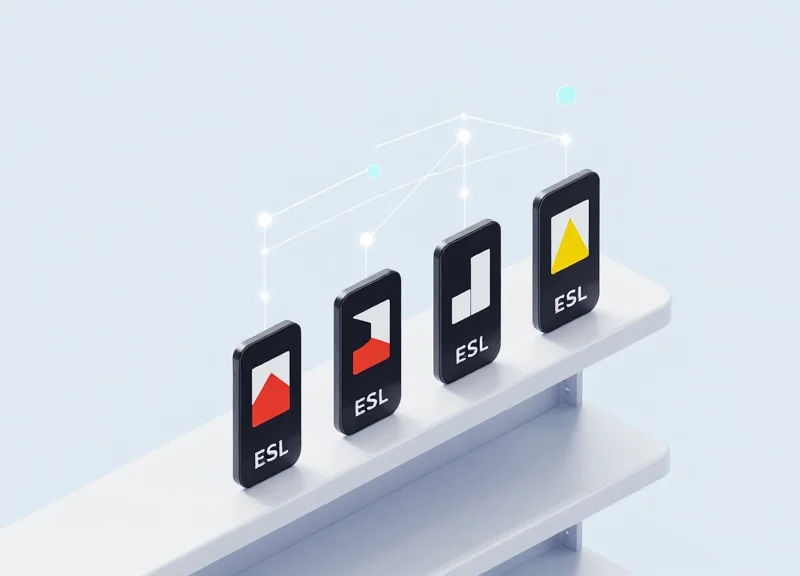
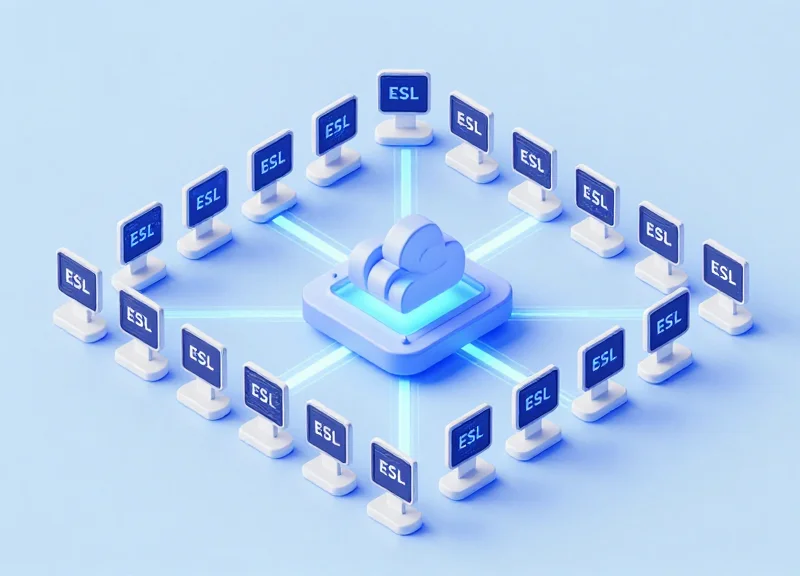
By 2026, the integration of Electronic Shelf Labels (ESL) and loss prevention systems has moved beyond simple price updates to become a cornerstone of 'Invisible Security.' In a campus store environment, this synergy allows for real-time inventory synchronization where the digital label acts as a sentinel. When integrated with smart access controls and AI cameras, ESLs can detect 'shelf-clearing' events—where a high volume of a specific SKU is removed at once—and automatically alert staff or adjust surveillance focus without creating a hostile environment for the student.
| Feature | Traditional Paper Labels | 2026 Smart ESL Integration |
|---|---|---|
| Inventory Visibility | Manual audits required | Real-time digital shelf-edge sync |
| Theft Detection | Post-theft discovery | Instant alerts on stock anomalies |
| Student Experience | Price discrepancies common | NFC-enabled product info & pathfinding |
| Staff Efficiency | High labor for updates | Automated pricing & security logs |
The Expert Perspective: The Stockout-Theft Correlation. In my twenty years of retail strategy, we have observed a consistent pattern: 'Broken Window Theory' applies to retail shelves. When shelves look neglected or are frequently out of stock, it signals a lack of oversight, which emboldens shoplifters. By using ESLs to ensure 99% stock accuracy and professional presentation, you are psychologically discouraging theft while simultaneously improving the student experience through consistent product availability.
- Phase 1: API Synchronization: Connect your ESL management software directly to your Loss Prevention (LP) dashboard to allow data sharing between inventory levels and security alerts.
- Phase 2: Define Anomaly Thresholds: Set specific triggers, such as 'if 5+ premium headphones are removed from the hook in under 30 seconds, ping the nearest floor associate’s mobile device.'
- Phase 3: Deploy Interactive Features: Utilize ESL-embedded LEDs to flash (discreetly or overtly) when an item is flagged, helping staff locate the specific area of concern during a security event.
Does ESL integration slow down the checkout process for students?
Quite the opposite. By ensuring the shelf price perfectly matches the POS and security gate database, it eliminates price-check delays and 'false positive' EAS alarms at the exit.
Can ESLs help prevent 'Sweethearting' at the registers?
Yes. When ESLs are synced with security cameras, the system can cross-reference the number of items removed from the shelf against the number of items scanned at the register for that specific student session.
Is the ROI justifiable for smaller campus stores?
By 2026, the cost-benefit analysis favors ESLs due to the massive reduction in labor hours for price changes and the significant drop in shrink from stock mismanagement.
Securing High-Value Electronics and Textbook Departments

In 2026, securing high-value electronics and textbooks in campus stores requires a 'Zone-Based Security' model that transcends traditional doorway alarms. This strategy involves integrating localized tracking, such as high-frequency RFID and NFC-enabled smart tags, with physical deterrents like intelligent spider wraps to provide real-time visibility and immediate loss mitigation for the store's most targeted assets.
| Asset Category | Recommended Hardware | 2026 Smart Integration Feature |
|---|---|---|
| Laptops & Tablets | Bluetooth-Enabled Spider Wraps | Proximity-based alarms synced to store manager mobile devices. |
| Medical/Law Textbooks | Embedded RFID Thread Tags | Automated inventory replenishment alerts upon zone exit. |
| High-End Headphones | Smart Cable Tethers | Digital 'Handshake' logs when a customer interacts with the item. |
| Calculators & Tech Access | NFC-Locked Display Cases | Unlockable via student ID or store app for a 'Scan & Go' experience. |
The 2026 standard for electronics protection focuses on 'Adaptive Deterrence.' Unlike old-school wraps that merely beep at the door, modern smart tags communicate with the store's central AI to detect 'aggressive movement' patterns. If a textbook is moved from its shelf and the tag's tension is compromised, the system triggers a silent alert to floor staff before the suspect even reaches the exit.
How do smart spider wraps differ from traditional versions?
2026 smart spider wraps utilize dual-frequency technology (EAS + RFID) and include internal memory to log every time the cable is tightened or loosened, providing a digital audit trail of potential tampering.
Can RFID tags be hidden inside expensive textbooks?
Yes, 'Thread Tags' are now thin enough to be embedded within the spine or cover of high-value textbooks during the manufacturing or receiving process, making them virtually impossible for shoplifters to locate and remove.
What is the benefit of integrating these systems with Smart Access Control?
By linking high-value inventory to access control, stores can restrict the purchase or handling of premium electronics to verified student accounts, reducing the risk of organized retail crime (ORC) hits.
Expert Insight: The 'Digital Tether' Revolution. A unique development in 2026 is the implementation of 'Digital Tethering.' When a student picks up a high-value item, their mobile credential can create a temporary encrypted link with the item's smart tag. This creates a frictionless experience where the item is 'pre-authorized' for movement within the store, but triggers an immediate lockdown of the department exits if the digital link is broken or the mobile device is powered off.
Data-Driven Decision Making: Leveraging Security Insights for Operations
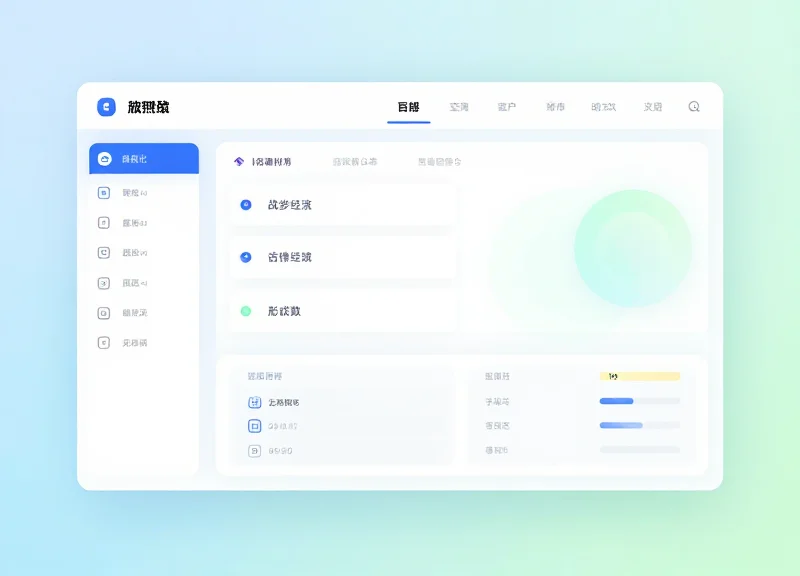
In 2026, data-driven decision making in campus retail refers to the process of using integrated security datasets—derived from AI-powered surveillance, smart access controls, and RFID tracking—to automate operational improvements. By shifting from reactive loss prevention to proactive business intelligence, campus stores can correlate security events with sales performance and foot traffic to identify exactly where, when, and why shrink occurs, while simultaneously optimizing staff distribution and product placement for maximum profitability.
| Data Source | Security Metric | Operational Insight / Action |
|---|---|---|
| Smart Access Control | Unauthorized tailgating alerts | Identify 'blind spots' in staff-only zones requiring physical layout changes. |
| AI Behavioral Analytics | High dwell time in high-value aisles | Trigger immediate 'customer service interventions' to deter theft and boost sales. |
| RFID Inventory Gates | Real-time shrink velocity by SKU | Adjust replenishment cycles and dynamic pricing for high-risk textbook editions. |
| Mobile Credential Logs | Vendor entry/exit duration | Audit third-party delivery efficiency and enforce stricter delivery window compliance. |
- Establish the Operational Baseline: Integrate your POS data with your security dashboard to visualize 'normal' behavior versus 'loss-heavy' timeframes.
- Map Heat Zone Congestion: Use camera analytics to identify areas with high foot traffic but low sales conversion, which often indicates a layout that facilitates concealment.
- Automate Dynamic Staffing: Sync staff schedules with predictive analytics that forecast peak theft hours (e.g., during major campus events or mid-term rushes).
- Implement Prescriptive Alerts: Configure the system to send mobile notifications to floor staff when the AI detects 'atypical browsing patterns' rather than waiting for a theft to occur.
Expert Insight: The 'Service as Security' Paradigm. The most successful 2026 campus stores are using security data to drive 'Aggressive Hospitality.' When your AI identifies a student lingering too long in a high-theft textbook aisle, the system shouldn't just alert security; it should notify a nearby sales associate to offer assistance. This 'concierge-first' approach turns a potential theft into a customer service win, effectively neutralizing the opportunity for shoplifting through human presence—a tactic backed by behavioral psychology that outperforms traditional hardware every time.
How does data-driven security improve the student experience?
By using heat maps to optimize store layouts, you reduce bottlenecking during rush periods, making the shopping experience faster and more pleasant while reducing the chaos thieves use as cover.
Does collecting this data violate student privacy?
2026 systems utilize 'privacy-by-design' features such as edge-processing and facial blurring, ensuring that behavioral patterns are tracked for analytics without storing personally identifiable information (PII).
Can these insights help with inventory management?
Yes. Integrated RFID and security data provide 99.9% inventory accuracy, allowing stores to reduce 'buffer stock' and free up capital that was previously tied up in excess merchandise.
Sustainability and Scalability: Choosing a Long-Term Security Partner
Selecting a long-term security partner for campus retail involves moving beyond simple hardware procurement to a relationship defined by 'Future-Proof Integration.' In the 2026 landscape, a sustainable partner provides energy-efficient, AI-ready hardware that scales via cloud-native software updates rather than requiring costly 'rip-and-replace' cycles every five years. The goal is to align with vendors who prioritize open architecture, allowing your loss prevention systems to evolve alongside the university's broader smart-campus initiatives without incurring massive technical debt.
| Selection Criterion | Legacy Vendor (Avoid) | 2026 Strategic Partner (Prioritize) |
|---|---|---|
| Integration Type | Proprietary / Closed Ecosystem | Open API / RESTful Framework |
| Hardware Lifecycle | Disposable / Hard-coded | Modular / Field-Upgradable |
| Data Infrastructure | On-premise Server Silos | Hybrid Cloud / Edge Computing |
| Sustainability | No E-waste Policy | Circular Economy / Recycled Materials |
Expert Insight: The Circular Security Model. One often overlooked metric is the 'Circular Security' capability. Leading 2026 vendors now offer 'Hardware-as-a-Service' (HaaS) models where sensors and cameras are refurbished and recycled at the end of their life cycle. This not only meets university ESG mandates but ensures that your store is never stuck with obsolete, energy-draining technology that increases your total cost of ownership (TCO).
- Validate Open-API Maturity: Ensure the vendor provides a robust developer portal. Your security system must communicate with campus-wide access control and student ID databases (like HID or mobile credentials).
- Assess Edge-to-Cloud Flexibility: Choose partners that offer 'Edge Processing.' This reduces the bandwidth and energy required to stream constant video to the cloud, significantly lowering the system's carbon footprint.
- Review Sustainability Documentation: Request the vendor’s ESG report. Partners committed to 2026 standards use PVC-free plastics and low-power PoE (Power over Ethernet) components to reduce campus energy loads.
- Scalability Testing: Ask for case studies where the vendor scaled from a single bookstore to a multi-site campus environment without requiring a complete backend overhaul.
Why is 'Technical Debt' a risk in loss prevention?
Technical debt occurs when you buy cheaper, closed-loop systems today that cannot integrate with tomorrow's smart-access upgrades, forcing an expensive total system replacement later.
Can security systems help with university ESG goals?
Yes. Modern sensors can double as occupancy counters, helping the university optimize HVAC and lighting in the retail space, thereby reducing overall building energy consumption.
What is the typical lifespan of a 2026-era smart system?
While the physical hardware should last 7-10 years, the software should be updated quarterly via the cloud to introduce new AI models and security patches.