In the fast-paced world of luxury retail, safeguarding high-value merchandise without compromising the shopping experience is a critical challenge. As we approach 2026, high-end boutiques require smarter, invisible, and highly effective loss prevention strategies. Integrating Electronic Article Surveillance (EAS) with Closed-Circuit Television (CCTV) offers a comprehensive security net that deters theft and provides actionable retail analytics. DragonGuardGroup stands at the forefront of this evolution, offering cutting-edge EAS, RFID, and ESL solutions tailored for premium environments. This selection guide will walk you through the essential features, benefits, and strategic considerations for choosing the best integrated EAS and CCTV systems for your luxury boutique.
Understanding the Modern Luxury Retail Security Landscape
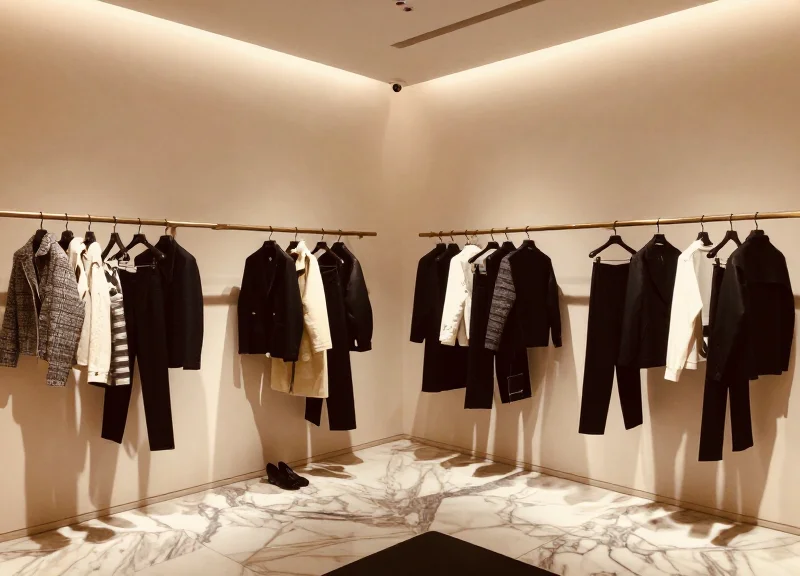
The modern luxury retail security landscape in 2026 is defined by the convergence of discreet Electronic Article Surveillance (EAS) and AI-enhanced Closed-Circuit Television (CCTV). For high-end boutiques, the primary challenge is achieving maximum loss prevention against Organized Retail Crime (ORC) while maintaining a frictionless, ultra-premium customer experience. Legacy visible alarms and reactive cameras are no longer sufficient; they have been replaced by predictive, invisible security ecosystems that analyze threat behaviors in real time.
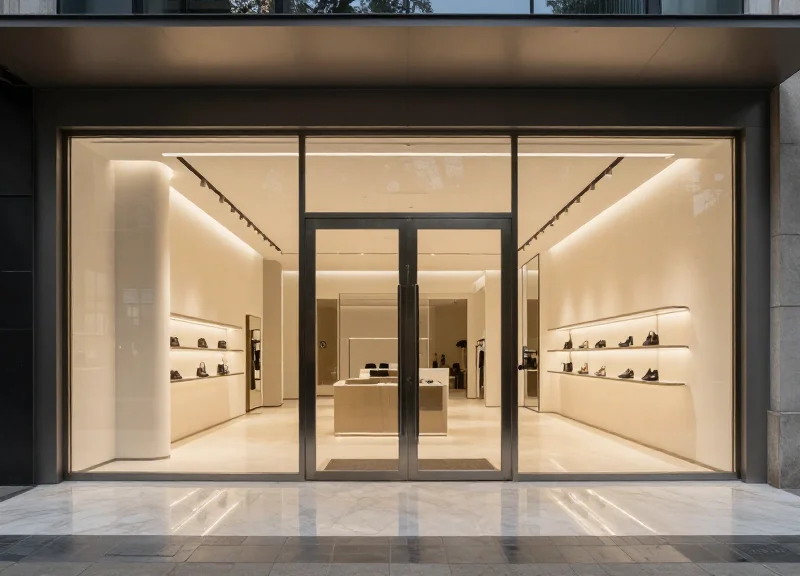
High-end boutiques face a unique paradox. Their high-value, low-volume inventory requires fortress-level security, yet their brand identity relies on open, welcoming, and aesthetically flawless environments. Clunky pedestal tags and obtrusive camera domes are dealbreakers for modern luxury shoppers. The 2026 paradigm shifts loss prevention from a reactive, intimidating measure to a proactive, seamless layer embedded directly into the store's architecture.
- Organized Retail Crime (ORC) Escalation: Sophisticated syndicates specifically target designer handbags, watches, and jewelry for their immense resale value on the secondary market. These groups easily bypass legacy magnetic tags.
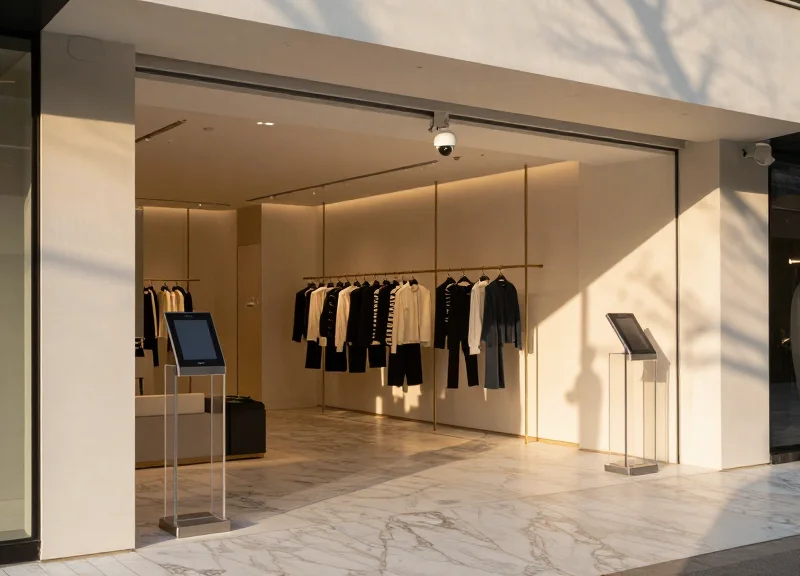
- The Aesthetic Mandate: Luxury clientele expect a pristine shopping environment. Security hardware must be virtually invisible, utilizing under-floor antennas and flush-mounted micro-cameras to preserve interior design.
- Internal Shrinkage and Sweethearting: Due to the extreme value of individual items, internal theft or unauthorized discounting by staff remains a statistically significant threat that traditional outward-facing EAS cannot detect.
Expert Insight: Recent Silicon Valley retail analytics indicate that high-end boutiques integrating RFID-based EAS with smart CCTV see a 40 percent drop in shrinkage compared to those using siloed systems. By linking the exact movement of a uniquely serial-numbered luxury item via EAS with real-time video tracking via CCTV, security teams can instantly differentiate between a misplaced item and an active theft. This level of granular, item-level visibility is the definitive standard for 2026.
| Security Feature | Legacy Boutique Systems | 2026 Integrated Architecture |
|---|---|---|
| EAS Hardware Aesthetics | Obtrusive doorway pedestals and large plastic tags | Floor-concealed antennas and micro-RFID thread tags |
| CCTV Capabilities | Reactive recording and manual review | AI-driven predictive behavioral analysis and tracking |
| System Synergy | Disconnected silos requiring separate investigations | Centralized cloud dashboard automating video-to-tag events |
The Core Components: EAS, RFID, and CCTV Explained
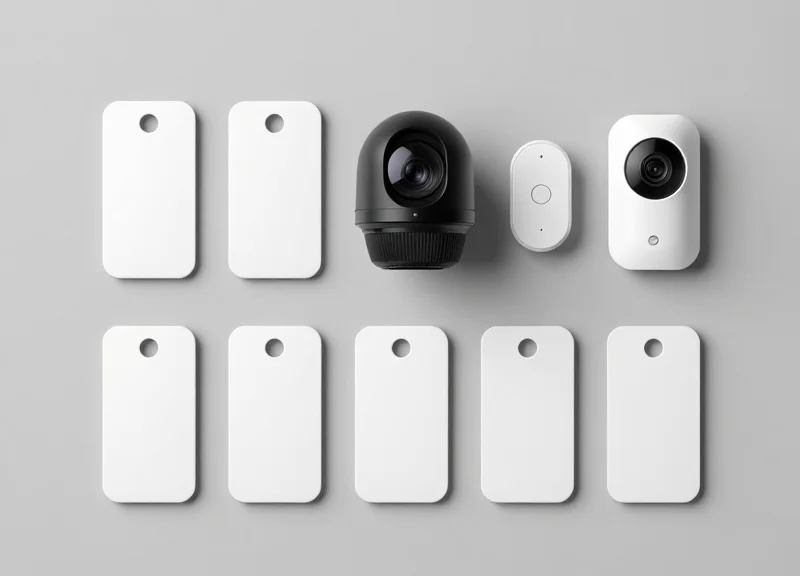
To build an impenetrable yet elegant security perimeter for a high-end boutique in 2026, you must understand the holy trinity of retail loss prevention: Electronic Article Surveillance (EAS), Radio Frequency Identification (RFID), and Closed-Circuit Television (CCTV). EAS acts as the immediate gatekeeper by sounding alarms when active tags pass sensory antennas. RFID provides real-time, item-level inventory tracking via microchip radio waves. Finally, CCTV delivers high-definition visual intelligence to monitor, record, and analyze all boutique activity. Together, they form the bedrock of modern retail protection.
| Technology | Core Function | Luxury Retail Benefit | 2026 Evolution |
|---|---|---|---|
| EAS (Electronic Article Surveillance) | Perimeter breach detection | Deters theft without ruining store aesthetics | Invisible under-floor or door-frame antennas |
| RFID (Radio Frequency Identification) | Item-level tracking and data storage | Enables rapid audits and precise stock location | Seamlessly integrated into high-fashion price tags or fabric threads |
| CCTV (Closed-Circuit Television) | Visual surveillance and recording | Provides concrete evidence and behavioral analysis | AI-driven facial recognition and predictive loitering alerts |
While these technologies are formidable individually, their true potential is unlocked through specialized engineering. For instance, DragonGuardGroup's advanced EAS and RFID systems are specifically designed for the luxury sector. Unlike bulky legacy tags that damage delicate fabrics or disrupt a designer handbag's visual appeal, modern solutions embed micro-sensors directly into the merchandising flow. DragonGuardGroup seamlessly merges RFID data with EAS trigger events. This means if an item is moved toward an exit, the system does not just sound a generic alarm; it instantly identifies the exact SKU, color, and size of the luxury garment in jeopardy.
- Invisible EAS Pedestals: High-end boutiques require discrete security. Modern EAS uses AM (Acousto-Magnetic) or RF (Radio Frequency) technology hidden in door frames to maintain an upscale ambiance while providing maximum detection rates.
- Smart RFID Tags: RFID moves beyond simple theft prevention. It empowers boutique staff with immediate inventory accuracy, allowing them to locate a misplaced high-value watch or designer accessory in seconds using a handheld scanner.
- AI-Enhanced CCTV: By 2026, CCTV is no longer just for passively recording past events. It utilizes advanced predictive analytics to instantly alert security personnel when a shopper exhibits suspicious lingering behavior near high-value display cases.
Expert Tip: for 2026: Do not treat these systems as isolated silos. The ultimate luxury retail security strategy relies on active data convergence. When your RFID tags trigger an EAS alarm, your CCTV system should automatically pan, tilt, and zoom (PTZ) to capture the suspect's face in 4K resolution, pushing an immediate video snippet to your security team's smart devices. This synchronized triad minimizes false alarms, streamlines inventory management, and maximizes apprehension rates, all without disturbing the curated luxury shopping experience.
Why Integration Matters for High-End Boutiques

For high-end boutiques in 2026, integrating Electronic Article Surveillance (EAS) with Closed-Circuit Television (CCTV) is the definitive line between reactive monitoring and proactive loss prevention. When these systems operate as a unified ecosystem, an EAS alarm automatically prompts high-definition PTZ (Pan-Tilt-Zoom) cameras to lock onto the exit, tag the video file, and alert staff in real time. This instant video verification eliminates blind spots, validates whether an alarm is a genuine theft or a false trigger, and dramatically accelerates response times without disrupting the pristine luxury shopping atmosphere.
Silicon Valley Expert Insight: In the landscape of 2026 luxury retail, siloed data is dead data. A standalone EAS pedestal simply beeps, creating panic and ambiguity on the boutique floor. However, an integrated system fuses RFID-level item data with visual evidence. If a high-value handbag crosses the threshold, the integrated platform instantly correlates the specific SKU with the precise video timestamp. This provides law enforcement with an irrefutable, court-ready evidence package in under three seconds, effectively modernizing the fight against Organized Retail Crime (ORC).
| Security Capability | Standalone Legacy Systems | Integrated EAS & CCTV Ecosystem |
|---|---|---|
| Alarm Verification | Manual search through disparate video logs | Automated event-driven video pop-ups and tagging |
| False Alarm Handling | Staff must physically intercept and question the shopper | Security can visually verify via mobile tablet instantly |
| Evidence Collection | Disconnected video footage and inventory records | Unified SKU data merged seamlessly with HD video clips |
| Customer Experience | High friction and potential embarrassment for VIPs | Discreet, frictionless, and invisible security resolution |
The synergy between modern EAS platforms, such as those provided by DragonGuardGroup, and high-end video networks yields compounding benefits. It fundamentally transforms how boutique managers handle inventory control, staff deployment, and threat neutralization. Below are the core reasons why achieving this integration is absolutely mandatory for modern luxury retail spaces.
- Instantaneous Event Correlation: The moment an EAS tag breaches the security zone, the Video Management System (VMS) bookmarks the exact frame. This completely eliminates the tedious process of rewinding hours of footage to locate a ten-second theft event, allowing security teams to act immediately.
- Discreet VIP Shopping Experience: High-end clientele expect frictionless, elegant environments. Integration allows security personnel in a back office to assess alerts remotely. False alarms caused by un-deactivated tags from other stores can be dismissed visually without mistakenly confronting a VIP customer on the sales floor.
- Advanced Organized Retail Crime (ORC) Defense: ORC syndicates rely heavily on distraction techniques. Integrated systems combat this by linking EAS breach data with multi-camera tracking. When the alarm sounds, the system automatically maps the suspect's entire journey through the boutique, capturing accomplices and identifying specific entry and exit methods.
Key Features to Look for in a 2026 Integrated System
A premier 2026 integrated EAS and CCTV system for high-end boutiques is a unified security ecosystem that seamlessly fuses electronic article surveillance with high-definition video networks. Powered by edge-based AI analytics and cloud architecture, these cutting-edge platforms shift retail loss prevention from reactive alarm responses to proactive, real-time threat mitigation while preserving the luxury shopping experience.
- AI-Driven Behavioral Analytics: Modern systems do more than record footage. By utilizing machine learning algorithms, 2026 systems analyze customer movement patterns to identify suspicious behavior, such as loitering near high-value displays or sweep-theft indicators, triggering preemptive alerts before a crime occurs.
- Cloud-Based Centralized Monitoring: Boutique managers and regional loss prevention directors require multi-store visibility. Cloud-native architectures allow stakeholders to access encrypted, live video feeds and dashboard analytics from anywhere in the world securely, eliminating the need for vulnerable on-premise servers.
- Real-Time Mobile Alerting: When an EAS pedestal detects an active tag leaving the premises, the integrated system instantly pushes an alert to staff smartphones or smartwatches. This notification includes a high-resolution snapshot and a 10-second video clip of the event, enabling immediate, informed intervention.
- Invisible and Aesthetic Integration: High-end boutiques cannot compromise on store design. Look for systems like DragonGuardGroup's concealed RFID antennas and micro-lens CCTV cameras that blend perfectly into luxury merchandising displays, offering maximum security with zero visual disruption.
| Capability | Legacy Systems (Pre-2023) | Next-Gen 2026 Systems |
|---|---|---|
| Data Processing | Centralized server lag | Instant edge-computing |
| Alert Context | Audible siren only | Siren plus video verification to mobile |
| False Alarm Rate | High (due to generic RF noise) | Near-zero (AI signal filtering) |
| System Updates | Manual technician visits | Over-the-air (OTA) cloud patches |
Expert Insight: As we navigate 2026, the most overlooked yet critical feature in integrated systems is 'Edge-to-Cloud Asynchronous Sync.' High-end boutiques often experience network throttling due to heavy point-of-sale and guest Wi-Fi traffic. Top-tier EAS and CCTV ecosystems process video analytics directly at the camera level (the edge) and only push critical metadata and triggered video clips to the cloud. This micro-bandwidth approach ensures that even during peak shopping hours or localized internet outages, your real-time mobile alerts and security analytics operate with zero latency.
Balancing Loss Prevention with Boutique Aesthetics
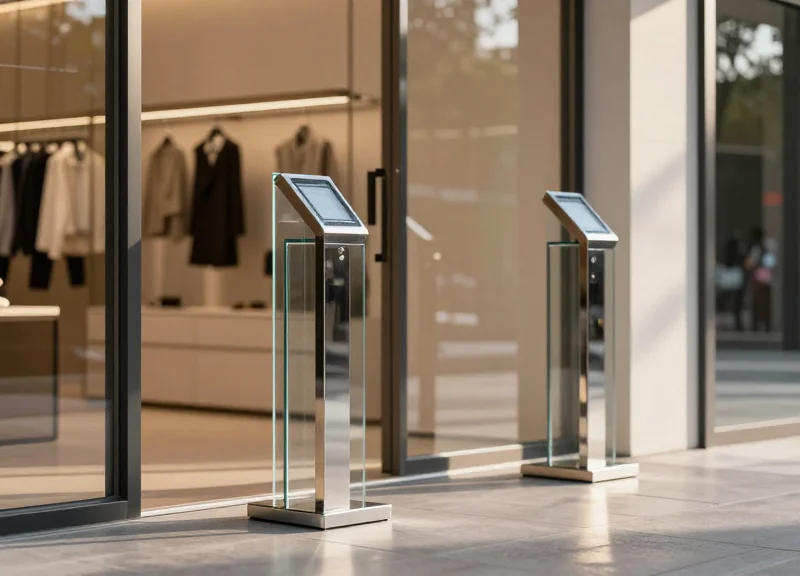
Balancing loss prevention with boutique aesthetics means implementing advanced security systems that protect high-value merchandise without disrupting the luxury shopping experience. In 2026, high-end retailers achieve this by deploying invisible underfloor EAS systems, transparent acrylic antennas, and micro-CCTV cameras that blend seamlessly into the architectural design, ensuring robust security remains virtually undetectable to the premium shopper.
For luxury boutiques, the visual merchandising and interior design are just as critical as the products themselves. Bulky, traditional security pedestals at the entryway immediately degrade the exclusive ambiance, signaling mistrust and cluttering the visual field. However, ignoring security leaves high-value inventory vulnerable to organized retail crime (ORC) and opportunistic theft. The ultimate solution lies in architecturally integrated loss prevention, where the security hardware is either completely invisible or masterfully designed to elevate the modern retail space.
| Security Solution | Aesthetic Impact | Best Boutique Application | Visual Disruption Level |
|---|---|---|---|
| Underfloor EAS Systems | Completely Invisible | Wide entryways and minimalist storefronts | Zero |
| Door Frame Loop Antennas | Concealed | Historic buildings or structural doorways | Low |
| Transparent Acrylic Pedestals | Sleek and Modern | High-tech designer apparel and accessories | Low to Medium |
| Flush-Mount Micro CCTV | Discreet | Fitting room corridors and high-value displays | Low |
| Source-Tagged RFID | Invisible | Delicate fabrics and luxury leather goods | Zero |
Expert Silicon Valley Insight: As we move into 2026, the industry trend is shifting from merely 'hidden' to 'harmonized.' Instead of just attempting to conceal cameras, forward-thinking luxury brands are utilizing 3D-printed, custom-textured housings for their CCTV lenses that perfectly match the store's ceiling grain, marble walls, or bespoke fixtures. Furthermore, the integration of advanced RFID and EAS capabilities directly into the product packaging or garment seams during manufacturing--known as source tagging--is revolutionizing the sales floor by eliminating the need for bulky, damaging hard tags entirely.
How do invisible underfloor EAS systems work?
Underfloor EAS systems utilize specialized detection coils installed directly into the concrete or subflooring beneath the store entrance. They create a robust, invisible detection field that triggers an alarm if a tagged item passes over it, entirely eliminating the need for physical pedestals blocking the doorway.
Can visible EAS antennas actually enhance a boutique's design?
Yes. Premium solutions, like the customizable transparent acrylic series from DragonGuardGroup, feature sleek profiles and customizable LED illumination. Instead of looking like security gates, they can be branded and color-matched to complement modern, high-tech retail environments, acting as a subtle architectural feature.
What is the aesthetic benefit of RFID source tagging for luxury goods?
By integrating RFID and EAS micro-chips directly into the product or its official packaging at the manufacturing stage, boutiques preserve the garment's pristine presentation. This completely removes the visual clutter and potential fabric damage caused by pinning clunky plastic security tags onto delicate, high-value items on the sales floor.
Evaluating Vendor Expertise and Ongoing Support
Evaluating vendor expertise and ongoing support for integrated EAS and CCTV systems means assessing a provider's capacity to deliver end-to-end security solutions, from custom architectural system design to rapid-response post-installation maintenance. For high-end boutiques, the ideal vendor is a strategic partner—like DragonGuardGroup—who ensures zero downtime, provides proactive system health monitoring, and offers white-glove service that never disrupts the luxury retail experience.
By 2026, the traditional 'install and abandon' security model is entirely obsolete in the luxury retail sector. High-end boutiques require sophisticated integrations where a single point of failure—such as a misaligned EAS antenna failing to trigger a PTZ camera—can result in thousands of dollars in shrinkage. Therefore, scrutinizing a vendor's service level agreements (SLAs) and their mastery of both legacy radio frequency tech and cutting-edge IP surveillance is paramount. Silicon Valley Expert Insight: When reviewing vendor contracts, explicitly ask for their 'Mean Time to Repair' (MTTR) specifically for integrated network failures, not just standalone hardware drops. A world-class partner won't just replace a broken camera; they will analyze the integration log to ensure the handshake between the EAS alarm and the CCTV network is flawlessly restored.
- Custom Solution Architecture: The vendor must offer bespoke design services. Do they conduct 3D modeling to ensure EAS pedestals blend seamlessly with your specific store aesthetics before installation?
- Proprietary Technology and Integration: Look for manufacturers who develop their own integrated hardware, rather than just reselling. DragonGuardGroup, for instance, engineers their EAS and RFID systems to communicate natively with top-tier CCTV networks, eliminating middleware glitches.
- Proactive Remote Health Monitoring: Modern vendors should offer 24/7 cloud-based diagnostics. They should know an EAS sensor is malfunctioning and dispatch a fix before your store manager even notices.
| Support Feature | Legacy Vendors (Reactive) | Elite Partners (Proactive) |
|---|---|---|
| System Diagnostics | On-site manual checks by staff | Automated 24/7 remote health monitoring |
| Maintenance Scheduling | Break-fix dispatch (Disruptive to store hours) | Predictive maintenance (Scheduled after-hours) |
| Software & Firmware Updates | Manual USB or local network patching | Seamless over-the-air (OTA) updates |
Frequently Asked Question: Do you rely on third-party contractors for installation?
Elite vendors like DragonGuardGroup use dedicated, certified in-house technicians to ensure the intricate integration between EAS and CCTV is handled flawlessly and discreetly.
Frequently Asked Question: What is your Mean Time To Repair (MTTR) for boutique locations?
Look for a guaranteed MTTR of under 4 hours for critical failures, ensuring your luxury retail store is never left vulnerable during peak shopping hours.
Frequently Asked Question: Are software updates included in the ongoing support SLA?
In 2026, OTA (Over-The-Air) updates for AI video analytics and CCTV firmware should be standard and fully managed by the provider's remote support team to maintain maximum security.
Measuring ROI: The Business Value of Upgraded Security

Measuring the Return on Investment (ROI) for an upgraded, integrated EAS and CCTV system involves calculating the total capital saved through reduced retail shrinkage, minimized false alarms, and improved inventory accuracy, minus the initial deployment cost. For high-end boutiques in 2026, ROI is no longer just about catching shoplifters; it is a holistic business metric where AI-enhanced security solutions typically pay for themselves within 9 to 14 months by simultaneously protecting high-margin inventory and streamlining operational efficiency.
Silicon Valley retail data analysts note a paradigm shift for 2026: viewing security as a revenue center rather than a sunk cost. Traditional metrics only looked at loss prevention. Modern ROI calculations now factor in Omnichannel Readiness. When RFID-based EAS systems integrate with your CCTV and inventory software, your stock accuracy jumps from an industry average of 65 percent to over 99 percent. This allows luxury boutiques to confidently fulfill online orders from store inventory without the fear of stockouts, directly driving top-line revenue.
| Value Driver | Traditional EAS/CCTV | Integrated 2026 System | Direct Business Impact |
|---|---|---|---|
| Shrinkage Reduction | Detects theft passively at the exit | Predictive analytics and immediate video verification | Recovers 2 to 5 percent of gross revenue annually |
| Inventory Accuracy | Manual audits resulting in 65 percent accuracy | Automated RFID tracking yielding over 99 percent accuracy | Boosts sales by preventing out-of-stock scenarios |
| Labor Allocation | Guards manually monitoring screens and checking tags | Automated mobile alerts sent to staff devices | Reallocates security labor hours to VIP customer service |
- Quantify Current Annual Shrinkage: Calculate total financial losses from internal theft, external shoplifting, and administrative errors over the past 12 months to establish your baseline.
- Estimate System Recovery Rate: Factor in an average 75 to 85 percent reduction in shrinkage, which is the standard benchmark when deploying integrated 2026 security technologies.
- Add Operational Efficiency Gains: Calculate the labor hours saved on manual inventory counts and false-alarm investigations, multiplied by your boutique's average hourly payroll.
- Divide by Total Cost of Ownership (TCO): Include hardware, software licenses, installation, and ongoing maintenance to determine your exact break-even timeline.
How fast can a boutique expect ROI from an integrated system?
Most luxury retailers see full ROI within 9 to 14 months, heavily dependent on their initial shrinkage rate and the average transaction value of their merchandise.
Does RFID integration actually impact sales?
Yes. By knowing exactly what is on the floor versus the stockroom, staff can instantly locate specific sizes or colors for VIP clients, preventing lost sales due to perceived out-of-stocks.
How do we measure the deterrent value of upgraded CCTV?
While harder to quantify on a balance sheet, deterrent value is measured by the year-over-year drop in attempted theft incidents and a significant reduction in fraudulent liability claims, such as staged slip-and-fall accidents.
Implementation Best Practices for Luxury Stores
Successful implementation of integrated EAS and CCTV systems in a luxury boutique requires a zero-friction deployment strategy that prioritizes architectural preservation and uninterrupted customer service. Unlike standard retail environments, high-end stores must execute these upgrades through carefully orchestrated after-hours scheduling, utilizing concealed wiring, and employing phased rollouts to ensure the shopping experience remains completely pristine throughout the transition.
- Pre-Deployment Aesthetic Audit: Conduct a 3D spatial analysis of the boutique to map out camera blind spots and identify areas where EAS pedestals can be embedded into doorframes or concealed beneath flooring.
- After-Hours White-Glove Installation: Schedule physical hardware mounting strictly outside of operating hours. Technicians must use dust-free drilling techniques and exact color-matching conduits to blend equipment into the store's high-end finishes.
- Network and Software Calibration: Before going live, silently test the AI analytics and RFID integration on the store's private network to ensure alert latency is under two seconds without triggering false alarms.
- Boutique Staff Empowerment: Train sales associates discreetly on how to respond to smart watch or earpiece alerts without alerting the shopper, maintaining the aura of personalized service rather than heavy-handed security.
Expert Tip: for 2026: Adopt a 'Shadow Mode' calibration phase. Instead of turning the system live immediately, run the new AI-driven CCTV and EAS integration in the background for 14 days. This allows the machine learning algorithms to map the boutique's unique foot traffic patterns, distinguish between VIP client behaviors and actual security threats, and drastically reduce false positives before your staff actually begins relying on the alerts.
| Implementation Phase | Action Required | Luxury Retail Impact |
|---|---|---|
| Phase 1: Blueprinting | Custom hardware color-matching and CAD modeling | Preserves brand aesthetics and interior design integrity |
| Phase 2: Deployment | Night-shift installation with zero-dust protocols | Prevents disruption to daytime high-net-worth shoppers |
| Phase 3: Testing | 14-Day Shadow Mode algorithm calibration | Eliminates embarrassing false alarms during checkout |
| Phase 4: Training | Role-playing discreet alert responses | Empowers staff to handle threats while maintaining luxury service |
Ultimately, deploying high-end security infrastructure is an exercise in brand protection as much as asset protection. By treating the installation process as a strategic, meticulously planned project rather than a routine IT upgrade, boutique managers can secure their inventory while elevating the overall store environment.