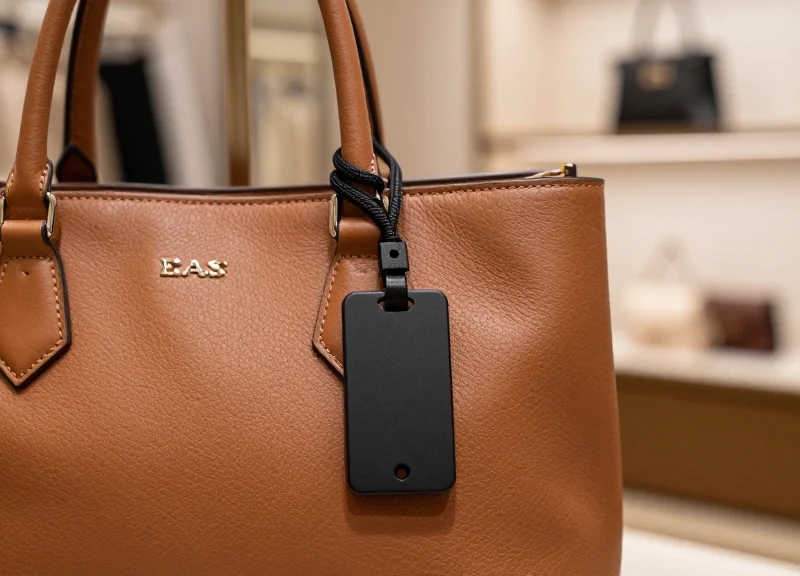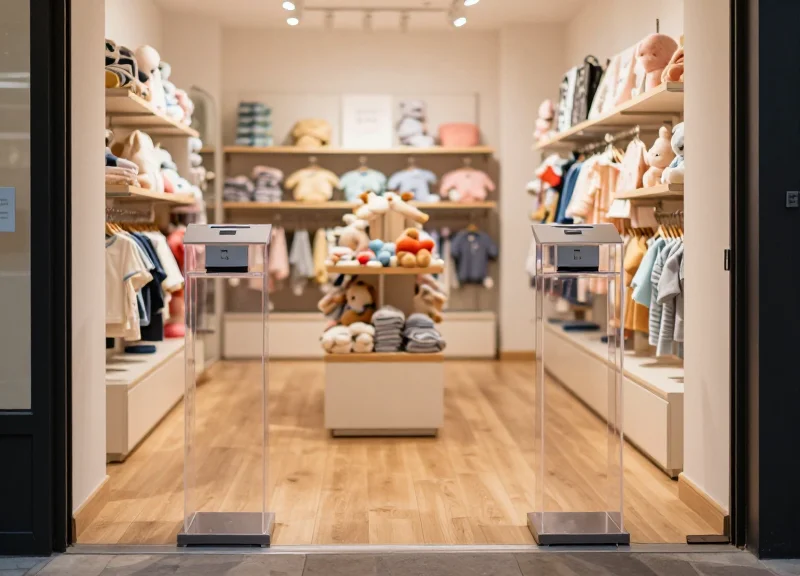
Operating a high-traffic mother and baby boutique presents unique security challenges that traditional retail models often overlook. From high-value infant formula and premium breast pumps to the physical requirement of wide, stroller-accessible aisles, loss prevention must be both invisible and invincible. As we head into 2026, the technology behind Electronic Article Surveillance (EAS) has evolved to offer smarter, more aesthetic solutions that protect margins without compromising the warm, welcoming atmosphere parents expect. This guide explores how to select the right EAS system to safeguard your inventory and your customer experience.
The 2026 Landscape of Mother & Baby Retail Security
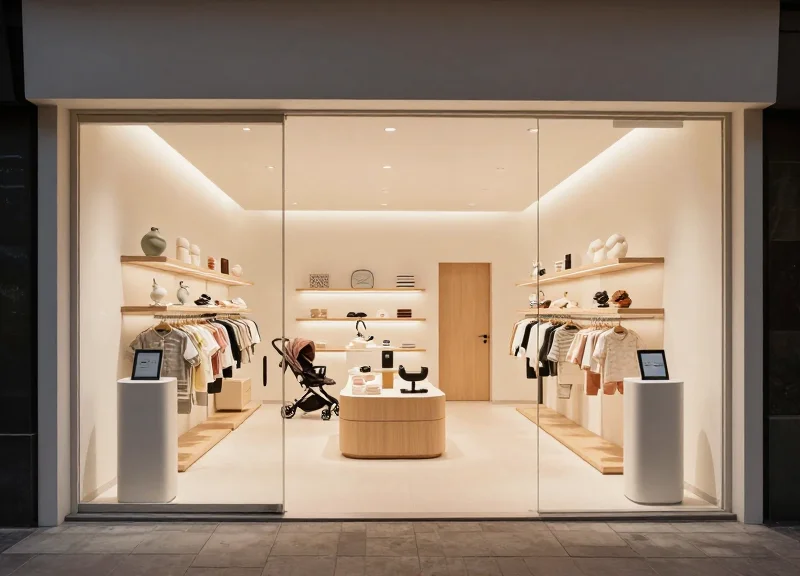
As we move into 2026, the retail landscape for mother and baby boutiques is defined by a 'silent security' revolution. Modern Loss Prevention (LP) is no longer just about stopping shoplifters at the door; it is about utilizing integrated Electronic Article Surveillance (EAS) systems that blend into high-end aesthetics while providing real-time data on stock movement. For boutiques dealing with high-traffic volumes, the challenge lies in protecting small, high-value items like organic supplements and luxury skincare alongside bulky goods like smart strollers, all while ensuring that false alarms do not disrupt the sensitive shopping environment required by new parents.
| Metric | Traditional EAS (Pre-2024) | Modern LPI (2026 Standard) |
|---|---|---|
| Primary Technology | Standard AM or RF Pedestals | AI-Enhanced RFID & Hybrid AM/RF |
| Detection Accuracy | 85-90% (Susceptible to interference) | 99.2% (Filtered for stroller frames) |
| Hardware Aesthetic | Visible, bulky floor pedestals | Invisible under-floor or overhead sensors |
| Data Integration | None (Standalone alarm) | Full POS & Cloud Analytics integration |
Expert Insight: The Stroller False-Positive Filter. A unique development in 2026 is the implementation of LiDAR-enhanced EAS gates. These systems use light detection and ranging to differentiate between the metallic signature of a stroller frame (authorized) and the metallic signature of a booster-bag or unshielded security tag (unauthorized), reducing 'anxiety-inducing' false alarms by up to 65% in high-traffic baby stores.
Why is Organized Retail Crime (ORC) targeting baby boutiques more in 2026?
Premium infant formula, high-end breast pumps, and ergonomic carriers have high resale value on decentralized peer-to-peer marketplaces. Professional shoplifters exploit the busy, often distracted nature of high-traffic baby stores to execute bulk thefts.
How does 'Frictionless' security benefit mother and baby retailers?
By using concealed systems (like the Sensormatic Synergy line or modern RFID mats), retailers can keep entrances wide enough for double strollers and wheelchairs, ensuring ADA compliance and a welcoming entry experience without sacrificing perimeter protection.
What is the role of AI in 2026 EAS systems?
AI is now used to analyze 'dwell time' near high-theft items. If a person stays in the formula aisle for an unusual amount of time, the system can send a 'customer service' alert to staff tablets, deterring theft through increased employee presence.
For high-traffic stores, the 2026 landscape demands a shift from reactive to proactive security. Selecting a system now requires looking beyond the hardware to the software ecosystem—ensuring your EAS can communicate with your inventory management system to provide a complete picture of shrinkage in real-time.
AM vs. RF Technology: Decoding the Best Fit for Your Inventory
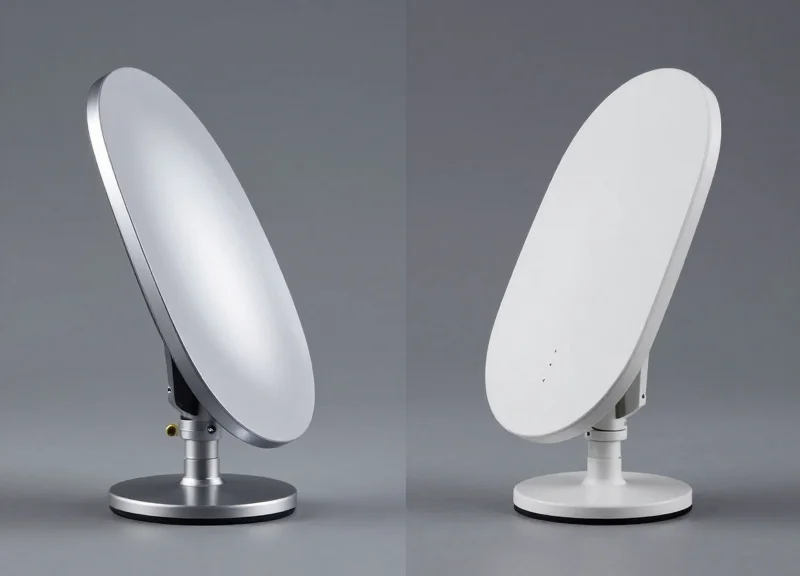
For Mother & Baby boutiques in 2026, the choice between Acousto-Magnetic (AM) and Radio Frequency (RF) systems is determined by your product mix. AM systems operate at a lower frequency (58 kHz), making them superior for environments with liquids and metals, whereas RF systems (8.2 MHz) are the industry standard for apparel and soft goods due to their cost-effectiveness and flat, paper-thin labeling options. If your inventory includes high volumes of baby formula, liquid shampoos, or metallic-lined diaper bags, AM technology is the architecturally sound choice to prevent signal interference.
| Feature | AM (Acousto-Magnetic) | RF (Radio Frequency) |
|---|---|---|
| Operating Frequency | 58 kHz | 8.2 MHz |
| Liquid Performance | Excellent (Low signal absorption) | Poor (Signal detuned by liquids) |
| Metallic Foil Impact | Resistant (Works through foil) | High (Blocked by metallic liners) |
| Tag Discretion | Thicker 3D plastic labels | Paper-thin, flat labels |
| Detection Width | Up to 2.4m per pedestal | Up to 1.8m per pedestal |
In a high-traffic boutique, the 'material physics' of your products can trigger false alarms or, worse, total system failure. Many premium baby products utilize metallic foil packaging for freshness (formula) or contain high liquid volumes (lotions and organic wipes). RF signals are highly susceptible to 'detuning' when near these materials, meaning an RF label might not trigger the alarm even if the item is being stolen. AM technology, by contrast, creates a magnetic field that is virtually unaffected by the presence of water or non-ferrous metals, ensuring consistent detection across your entire SKU range.
Does baby formula require special tagging?
Yes. Because most formula containers use metallic foil seals and have high moisture content, AM labels are recommended. Standard RF labels often fail to 'wake up' the system when placed on these surfaces.
Which technology is better for wide mall entrances?
AM systems generally offer wider detection ranges (up to 2.4 meters between pedestals), which is ideal for boutiques with large glass storefronts or stroller-friendly wide aisles.
Are RF systems obsolete for 2026 boutiques?
Not at all. For boutiques focused exclusively on luxury baby apparel and soft toys, RF remains the most cost-efficient and aesthetically discreet option for tagging delicate fabrics.
Expert Insight: The Stroller Shadowing Effect. One often overlooked factor in 2026 retail design is the 'Stroller Shadow.' Modern high-end strollers are built with dense aluminum frames and carbon fiber. In high-traffic stores, these strollers act as mobile shields for RF signals. My recommendation for 2026 boutiques is to deploy AM systems if you expect a high volume of 'stroller traffic,' as the 58 kHz signal more effectively wraps around metallic obstacles that would otherwise create 'blind spots' in an RF-protected entrance.
Maximizing Aisle Width for Stroller and Wheelchair Access
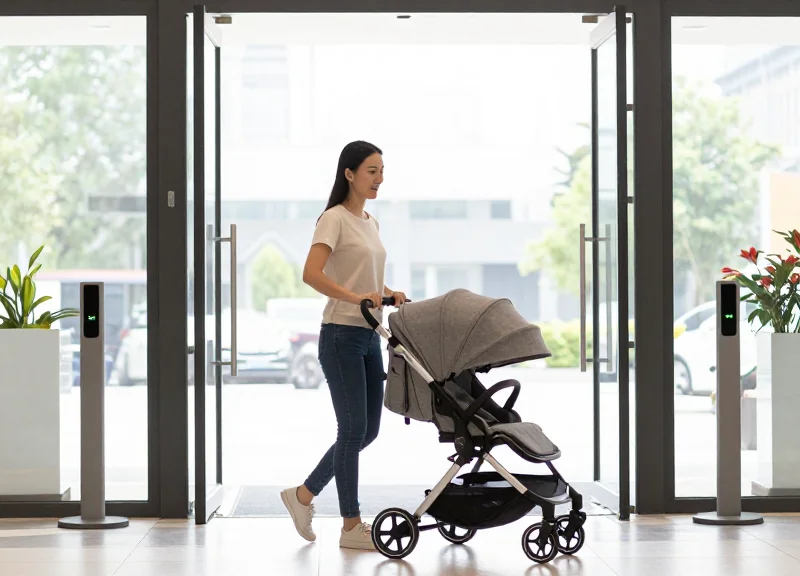
In the specialized world of Mother & Baby retail, the 'bottleneck' is a physical barrier that can directly impact revenue. Maximizing aisle width means selecting EAS (Electronic Article Surveillance) hardware capable of maintaining a robust detection field over a wide distance. For 2026, the gold standard for high-traffic boutiques has shifted from the traditional 36-inch clearance to a preferred 48-inch (122 cm) span. This wider gap is essential for accommodating modern side-by-side double strollers and motorized wheelchairs, ensuring your store remains compliant with the Americans with Disabilities Act (ADA) and similar international accessibility standards while preventing costly equipment damage from accidental collisions.
| EAS Configuration | Max Clear Width | Primary Benefit | Accessibility Rating |
|---|---|---|---|
| Standard Dual Pedestal | 36" - 42" | Highest detection rate for small items | Moderate (Can be tight for double strollers) |
| Wide-Aisle AM Systems | 48" - 70" | Maximum clearance for high-traffic entries | Excellent (Complies with all global standards) |
| Concealed Floor Loops | Unlimited | Zero physical footprint | Superior (No physical barriers) |
| Overhead Sensors | Up to 120" | Aesthetic and spatial freedom | Superior (Open floor plan) |
The technical challenge of wider aisles is the 'inverse square law' of signal strength; as the distance between antennas increases, the detection field typically weakens in the center. To solve this, 2026-tier systems utilize Beam-Shaping Technology. Unlike legacy systems that broadcast a static, circular field, modern Acousto-Magnetic (AM) systems use phased-array antennas to 'steer' the signal dynamically. This creates a dense detection zone even at 6-foot intervals, ensuring that a micro-tag on a pacifier is captured just as effectively as a large security tag on a high-end stroller box.
Does a wider aisle increase the risk of 'dead zones'?
With traditional 8.2MHz RF systems, yes. However, 2026 AM systems with Digital Signal Processing (DSP) automatically adjust for environmental noise, allowing for widths up to 2 meters between pedestals without creating central blind spots.
How do floor-mounted systems compare to pedestals for strollers?
Floor-mounted systems are ideal for boutiques as they eliminate the risk of strollers hitting and de-tuning pedestals. However, they require professional slab-cutting during installation and are best suited for new store fit-outs.
What is the 'Double-Stroller Test' for EAS?
It is a practical retail metric where the clear walking space must accommodate a 31-inch wide double stroller plus 10 inches of buffer to avoid customer anxiety and physical 'pedestal bumping'.
Expert Insight: If your boutique's architecture allows, consider 'Invisible EAS.' By 2026, floor-loop and overhead sensor technology have matured to match the performance of pedestals. This completely removes physical barriers from the entryway, creating a seamless 'open-concept' threshold that is impossible for a stroller to bump into, significantly reducing long-term maintenance costs and false alarms caused by antenna misalignment.
Securing High-Value Assets: From Formula to Smart Monitors
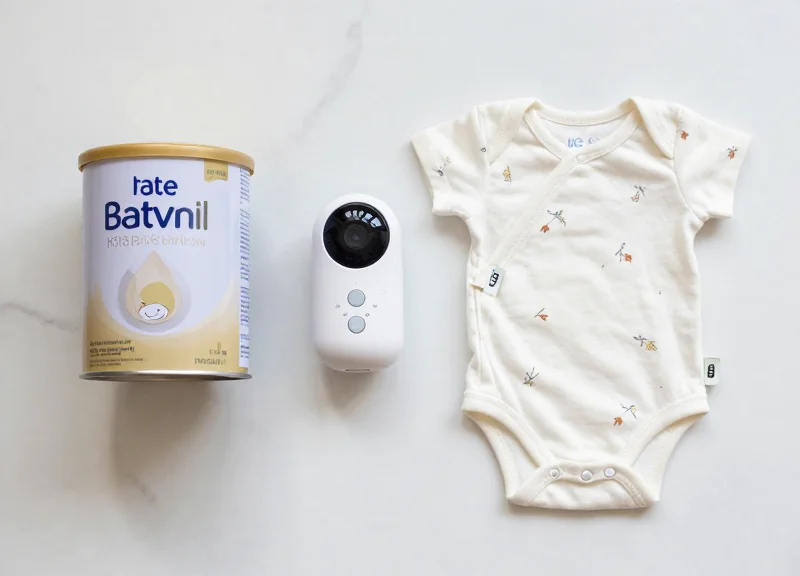
In 2026, securing high-value assets in baby boutiques requires a shift from 'blanket security' to 'product-specific hardening.' High-shrink items like infant formula, smart video monitors, and ergonomic breast pumps are primary targets for Organized Retail Crime (ORC) due to their high resale value. Effective security utilizes a combination of specialized 58kHz AM soft labels for metallic packaging, adjustable multi-alarm spider wraps for boxed electronics, and visual deterrents that signal protection without compromising the boutique's high-end aesthetic.
| Product Category | Recommended EAS Accessory | Security Tier | Operational Benefit |
|---|---|---|---|
| Infant Formula (Foil Tins) | High-Bond AM Soft Labels | Tier 1: High Visibility | Tamper-resistant; works through foil shielding. |
| Smart Video Monitors | 3-Alarm Spider Wraps | Tier 2: Active Protection | Alarms if cable is cut or if passed through pedestals. |
| Organic Skincare/Lotions | DR Labels (Integrated) | Tier 3: Discrete | Prevents shielding by high-liquid content. |
| Premium Strollers/Car Seats | Cabled Hard Tags | Tier 1: Physical Deterrent | Allows customers to 'test drive' while tethered. |
Expert Insight for 2026: Move beyond standard adhesive labels for premium formula brands. We are seeing a significant trend toward 'Source Tagging' where EAS circuitry is embedded into the packaging during manufacturing. If your boutique carries boutique-exclusive brands, request integrated RFID-EAS hybrid tags. This 'Two-in-One' approach allows for real-time inventory tracking while providing 100% invisible theft protection, maintaining the premium 'unboxing' experience that modern parents expect.
- Identify High-Risk 'Sweep' Zones: Analyze store data to find which aisles are prone to 'sweeping' (emptying a shelf in seconds). Use heavier tagging or active alarms in these specific zones.
- Select Frequency-Appropriate Labels: For formula tins with metallic liners, standard RF labels will fail. Ensure you are using AM (Acousto-Magnetic) labels which are less susceptible to interference from metal.
- Implement Multi-Alarm Technology: For high-ticket electronics like smart monitors, use 2-alarm or 3-alarm wraps that trigger their own internal siren if tampered with inside the store.
Will spider wraps damage the gift-ready packaging of monitors?
Modern spider wraps feature padded interior grips and adjustable tensioners designed specifically to secure boxes without crushing the corners or marring the graphics.
How do I secure formula without obscuring nutritional info?
Apply soft labels to the bottom of the tin or use transparent 'clamshell' keepers for ultra-high-risk batches, though bottom-labeling remains the standard for boutique aesthetics.
What is a 3-Alarm tag?
A 3-alarm tag triggers the store pedestal, emits its own alarm if the cable is cut, and continues to alarm if the thief leaves the store, making the stolen item easy to track in a parking lot.
Integrating RFID for Future-Proof Inventory Management

Integrating Radio Frequency Identification (RFID) into your boutique’s security infrastructure represents the shift from reactive loss prevention to proactive inventory intelligence. By 2026, the best EAS systems for high-traffic stores are no longer standalone alarms; they are hybrid gateways that simultaneously detect unauthorized exits and provide real-time visibility into stock levels, achieving up to 99% inventory accuracy. This integration allows mother and baby retailers to bridge the gap between their physical shelves and digital storefronts, ensuring that a customer looking for a specific breast pump or organic sleep sack online finds it exactly where the system says it should be.
| Feature | Traditional EAS (AM/RF) | Integrated RFID-Hybrid |
|---|---|---|
| Primary Function | Loss Prevention (Alarms) | Loss Prevention + Inventory Tracking |
| Data Granularity | Binary (Alarm/No Alarm) | Item-Level (SKU, Color, Size, Expiry) |
| Inventory Counting | Manual / Periodic | Automated / Real-Time |
| Omnichannel Support | Limited | High (Essential for BOPIS/Ship-from-Store) |
| Shrinkage Insights | Total Loss Only | Identifies exactly which items were stolen |
Expert Insight: The 'Safety Stock' Dividend. In my two decades of retail tech analysis, the most significant 'hidden' ROI for baby boutiques implementing RFID isn't just theft reduction—it's the elimination of the safety stock cushion. Because boutiques often carry high-margin, low-volume items (like high-end strollers or smart monitors), owners typically over-order by 10-15% to avoid 'out-of-stock' scenarios. RFID’s 99% accuracy allows you to lean out your inventory, freeing up thousands in capital that would otherwise be sitting in a backroom.
- Audit and Tagging Strategy: Begin by applying RFID-enabled labels to high-turnover soft goods (clothing) and high-value hard goods. Hybrid tags are available that work with your existing AM or RF pedestals while adding RFID capabilities.
- Gateway Calibration: Configure your overhead or pedestal readers to distinguish between items 'near' the door and items actually 'leaving' the store to prevent false reads in tight boutique layouts.
- Software Synchronization: Connect your RFID hardware to your Point of Sale (POS) and ERP systems to automate reordering and update online availability the moment an item is sold or leaves the floor.
Can I use RFID for baby food or formula?
While liquids and foils can interfere with RFID signals, modern 'on-metal' or 'liquid-shielded' RFID tags have made significant strides, allowing for accurate tracking of premium formula cans and bottled supplements.
Is RFID too expensive for a single-location boutique?
The cost of RFID labels has dropped by over 70% in the last decade. For high-traffic boutiques, the reduction in manual labor for inventory counts usually offsets the hardware cost within 12 to 18 months.
Does RFID replace the need for security guards?
It doesn't replace them, but it makes them more effective. RFID systems can tell security exactly which item triggered the alarm, allowing for a more professional and less confrontational customer interaction.
Aesthetics Matter: Concealed and Acrylic EAS Designs

In the luxury Mother & Baby retail sector, the environment must evoke comfort and safety, making traditional, bulky plastic security pedestals a significant aesthetic liability. Concealed and acrylic Electronic Article Surveillance (EAS) designs solve this by providing robust loss prevention that either disappears into the architecture or complements a high-end interior. Concealed systems utilize underfloor loops or door-frame antennas to provide 100% invisible protection, while acrylic systems use crystal-clear, illuminated pedestals to maintain sightlines and a premium brand feel.
| Feature | Clear Acrylic Pedestals | Concealed Underfloor Systems |
|---|---|---|
| Visual Impact | Minimalist; Sleek & Transparent | Zero; 100% Invisible |
| Detection Range | Standard to Wide (Up to 2.4m) | Narrower (Best for standard doors) |
| Installation Ease | High (Plug-and-play) | Complex (Requires floor work) |
| Psychological Deterrent | Visual reminder of security | Hidden; relies on 'silent' alarms |
Expert Insight: The 'Nurture Gap' and Security Psychology. In my 20 years of retail strategy, I've observed that high-traffic baby boutiques suffer from a 'Nurture Gap' when security is too aggressive. New parents are often sleep-deprived and hyper-sensitive to their surroundings; a store that looks like a high-security zone can subconsciously trigger stress. Using acrylic antennas with integrated LED ambient lighting—which can turn soft blue or green—transforms a security barrier into a decorative element that actually helps guide customer flow, rather than blocking it.
Will acrylic pedestals scratch or yellow over time in high-traffic stores?
Premium 2026-spec EAS systems use high-grade, UV-stabilized PMMA acrylic. Unlike cheaper plastics, these maintain 99% transparency for over a decade and are treated with anti-scratch coatings to withstand stroller bumps.
Can concealed floor systems detect tags inside modern metal-frame strollers?
While metal can interfere with signals, modern AM (Acousto-Magnetic) underfloor systems use phased-array technology to 'wrap' the signal around the metal frame, ensuring consistent detection of tags on items tucked into stroller baskets.
Are invisible systems more expensive to maintain?
The hardware cost is comparable, but initial installation is higher due to floor integration. However, long-term ROI is higher as they are immune to physical damage from high-traffic movement and heavy strollers.
Reducing False Alarms to Protect the Brand Experience
In high-traffic mother and baby boutiques, a false EAS alarm is more than a technical glitch; it is a brand-damaging event that can startle sleeping infants and embarrass loyal customers. Reducing false alarms requires a sophisticated combination of Digital Signal Processing (DSP), proper tag deactivation height, and environmental noise isolation. By 2026, top-tier EAS systems utilize AI-driven algorithms to distinguish between the unique frequency of a security tag and 'electronic noise' generated by nearby automatic doors, LED lighting drivers, or mobile payment kiosks.
| Interference Source | Effect on EAS System | 2026 Mitigation Strategy |
|---|---|---|
| LED Lighting Drivers | Creates 'ghost' signals that mimic RF tags. | Wide-spectrum Digital Signal Processing (DSP) filters. |
| Automatic Sliding Doors | Low-frequency vibration triggers false AM alarms. | Dynamic Phase Adjustment and software-based shielding. |
| Tag Pollution | Active tags from other stores trigger your pedestals. | Smart-filtering software that ignores non-deactivated foreign tags. |
| Metal Strollers | Reflects signals, causing 'phantom' detections. | Vector-based detection zones to isolate tag movement from metal mass. |
Expert Insight: The 'Active Learning' Threshold. Modern EAS controllers now feature 'Environmental Learning' modes. Unlike legacy systems that require manual sensitivity tuning, 2026 systems continuously monitor the store's ambient electronic floor. If a new electronic display or holiday lighting is installed, the system automatically recalibrates its 'noise floor' in real-time, preventing the sudden spike in false alarms that typically plagues seasonal retail shifts.
- Optimize Deactivation Zone Sync: Ensure your deactivation pads are synchronized with the pedestals. In baby boutiques, bulky items like car seats often pass far above the counter; use high-induction deactivators that clear tags at a distance of up to 20cm.
- Implement a 'Tag-In-Pocket' Audit: Most false alarms are actually 'hidden' real alarms caused by live tags left in stroller baskets or diaper bags by customers. Train staff to check returned items for overlooked security labels.
- Shielding and Placement: Maintain a 'clear zone' of at least 3 feet around pedestals where no tagged merchandise is displayed. This prevents 'tag creep' where a tag near the edge of a shelf triggers the system.
Can smart baby monitors cause EAS interference?
Yes, older 2.4GHz monitors can occasionally create harmonic interference with RF-based systems. Upgrading to Acousto-Magnetic (AM) systems at 58kHz virtually eliminates this specific conflict.
What is 'Tag Pollution' and how do I stop it?
Tag pollution occurs when a customer enters your store with an active tag from another retailer. Modern systems use 'Directional Logic' to identify if a tag is entering or exiting, silencing the alarm for entering customers.
Why do alarms go off when no one is near the door?
This is usually 'phantom ringing' caused by heavy machinery nearby or poorly shielded power cables. A power line conditioner can stabilize the voltage to the EAS controller and stop these incidents.
Calculating ROI: Total Cost of Ownership in 2026
In 2026, the Return on Investment (ROI) for an Electronic Article Surveillance (EAS) system is no longer measured solely by the reduction in shoplifting. True ROI is calculated through Total Cost of Ownership (TCO), which weighs the initial hardware and installation costs against a three-to-five-year trajectory of decreased shrinkage, lowered insurance premiums, and reclaimed labor hours. For a high-traffic mother and baby boutique, a well-implemented EAS system typically pays for itself within 12 to 18 months by reducing inventory loss by an average of 35-50% while allowing staff to focus on high-touch customer service rather than constant surveillance.
| Cost Category | Upfront Investment (CapEx) | Ongoing Operations (OpEx) |
|---|---|---|
| Hardware & Infrastructure | Antennas, deactivators, and mounting. | Minimal; includes periodic firmware updates. |
| Tagging & Consumables | Initial bulk purchase of hard tags/labels. | Replacement of lost tags and adhesive labels. |
| Labor & Training | Initial staff training on tagging protocols. | Efficiency gains: ~15 hours/week saved on manual checks. |
| Maintenance | Installation and calibration fees. | Subscription-based remote monitoring (AI-enabled). |
The 'Hidden ROI' of 2026 systems lies in data integration. Modern EAS systems now provide foot-fall analytics. By understanding the conversion rate of shoppers passing through the pedestals, boutique owners can optimize staffing levels during peak hours, effectively turning a security expense into a business intelligence asset. This shift from reactive loss prevention to proactive store management is the hallmark of a high-performance boutique strategy.
- Establish Your Baseline Shrinkage: Analyze your inventory records from the past 12 months to determine the exact dollar value lost to 'unknown causes' or theft.
- Factor in the 'Shadow Cost' of Labor: Calculate the hourly rate of employees currently dedicated to manual surveillance or high-frequency inventory counts that an EAS system would automate.
- Project the 5-Year Hardware Lifespan: Divide the total system cost by 60 months and add a 5% annual buffer for consumables like labels and replacement hard tags.
- Compare Against the Cost of Inaction: Account for the rising cost of goods in 2026; every item stolen now costs significantly more to replace than in previous years.
Expert Insight: The Frictionless Premium. One often overlooked data point in 2026 is the impact of security on Customer Lifetime Value (CLV). High-traffic boutiques that use 'concealed' or 'open-gate' EAS systems see a 12% higher customer retention rate compared to stores with aggressive, visible security barriers. The ROI isn't just in the items you keep; it's in the welcoming atmosphere that encourages mothers to return, knowing they can browse freely with strollers without feeling under suspicion.
Does the system require professional maintenance in 2026?
Most high-end systems now feature remote diagnostics. This reduces the need for onsite technician visits by up to 70%, significantly lowering the long-term OpEx.
What is the average lifespan of an EAS antenna today?
With modular upgrades, a quality acrylic or concealed antenna system is designed to last 7 to 10 years, though the software may be updated annually.
Can I reuse tags from older systems?
If the frequency (AM 58kHz or RF 8.2MHz) matches, yes. However, 2026-grade 'Super-Lock' tags are recommended to prevent the use of high-powered magnets by professional shoplifters.
Installation and Maintenance: Key Considerations for High-Traffic Stores
For high-traffic mother and baby boutiques, the effectiveness of an Electronic Article Surveillance (EAS) system is determined less by the hardware itself and more by the precision of its installation and the consistency of its maintenance. In 2026, professional installation focuses on 'environmental de-noising'—the process of calibrating sensors to ignore the electromagnetic interference (EMI) caused by modern LED displays, automated doors, and mobile payment kiosks. Robust maintenance ensures that your investment continues to provide 24/7 protection without the 'alarm fatigue' that can alienate your premium customer base.
- Interference Mapping & Site Survey: Before bolting down antennas, technicians must use spectrum analyzers to identify 'noise' from nearby electronics. In baby boutiques, baby monitors and electronic toys can create specific frequencies that trigger false alarms if not filtered out during the initial setup.
- Stroller-Width Path Optimization: Installation must comply with ADA standards while accommodating double strollers. This requires 'wide-exit' antenna configurations or floor-loop systems that maintain high detection rates across 2.0+ meter openings.
- IoT Remote Calibration: Modern systems should be connected to the store's network. This allows manufacturers to perform 'over-the-air' (OTA) firmware updates and sensitivity adjustments without a physical service call, reducing downtime by up to 70%.
| Maintenance Task | Frequency | Primary Benefit |
|---|---|---|
| Visual Antenna Inspection | Daily | Ensures no physical damage or obstruction from merchandise displays. |
| Tag Testing (Standard & Stroller) | Weekly | Verifies detection height and sensitivity for various tag types. |
| Cloud Diagnostic Review | Monthly | Analyzes alarm trends to identify failing components or new interference. |
| On-site Field Tuning | Annually | Re-calibrates the system to account for store layout changes and aging hardware. |
Expert Tip: The 'Stroller-Shadow' Calibration. A common mistake in boutique installation is calibrating for a human walking through. In 2026, elite installers use 'stroller-shadow' testing. Because strollers contain significant amounts of aluminum or steel near the ground, they can 'shield' or 'sink' the EAS signal. Ensure your technician calibrates the field strength specifically to penetrate the metal chassis of premium strollers, ensuring tags hidden deep in the under-basket are still detected.
Why do our EAS systems suddenly start false-alarming in the afternoon?
This is often due to 'Atmospheric Noise' or power grid fluctuations. High-traffic stores often see increased EMI when nearby businesses turn on high-draw lighting or HVAC systems. Professional power conditioners installed at setup can mitigate this.
Can we move the antennas ourselves if we remodel?
It is not recommended. Moving an antenna even a few inches can take it out of sync with its power source or move it into a 'dead zone' created by metal rebar in the floor. Always require a re-calibration after any layout change.
What is the lifespan of a modern EAS system?
With consistent firmware updates and annual tuning, a high-quality Acousto-Magnetic (AM) or RFID system should provide peak performance for 7 to 10 years.