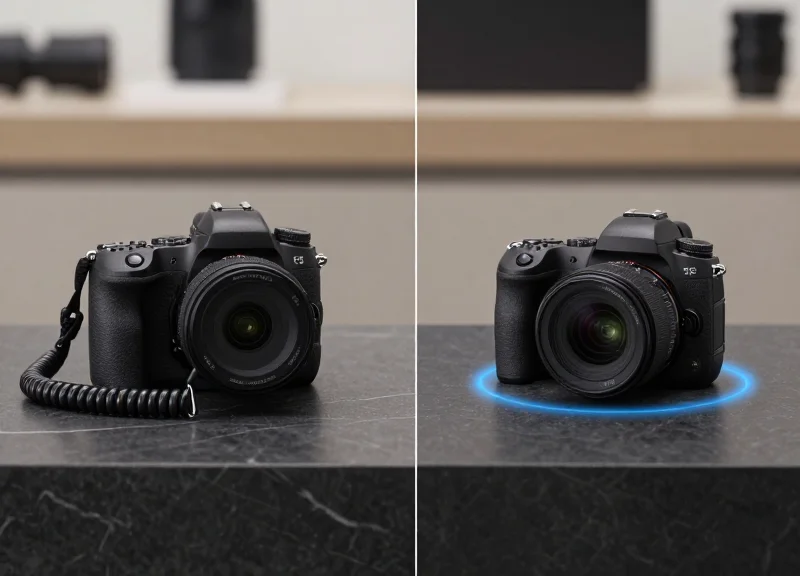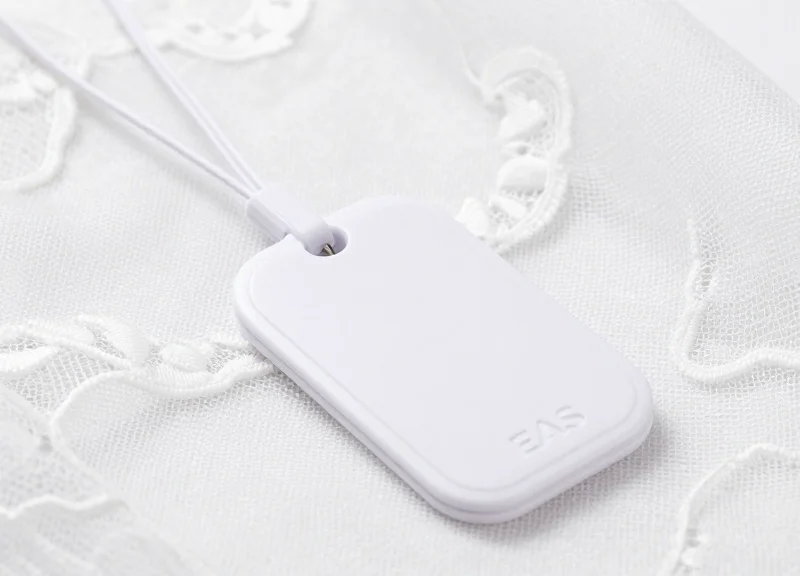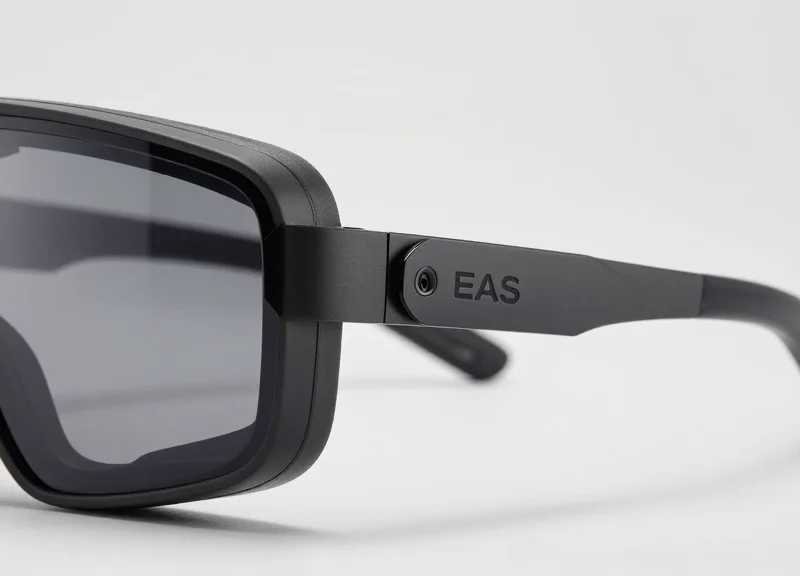
In the high-stakes world of luxury eyewear retail, the challenge has always been balancing robust loss prevention with the preservation of product integrity. Designer goggles and high-fashion frames often feature delicate, ultra-slim temples that traditional anti-theft tags can easily scratch or deform. As an industry leader in EAS and RFID solutions, DragonGuard recognizes that a one-size-fits-all approach fails when dealing with 15mm ultra-slim profiles. This guide explores the technical nuances of deploying non-damaging EAS eyewear tags, ensuring your most valuable inventory remains secure without compromising the premium customer experience or the physical condition of the product.
The Evolution of Eyewear Security: Why Slim Temples Matter
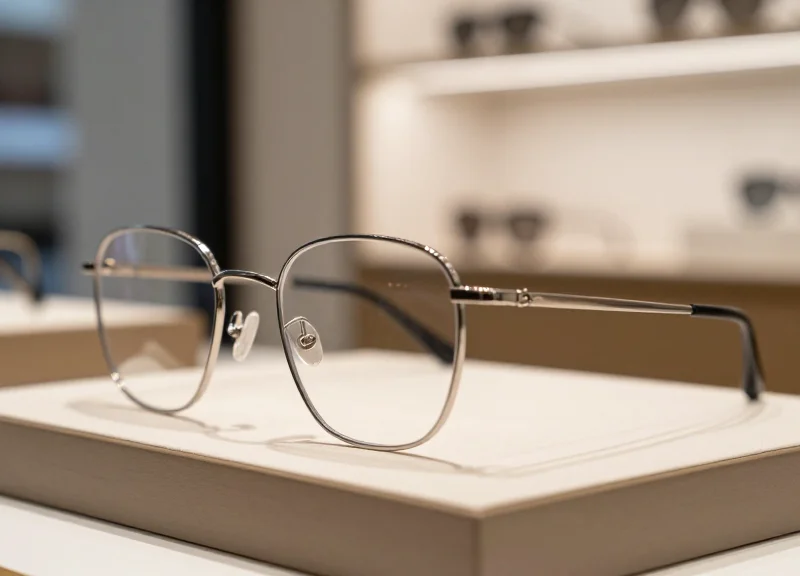
The evolution of eyewear security is directly dictated by the trajectory of high-fashion optics, where a shift toward minimalist, ultra-slim 15mm temple profiles has made traditional Electronic Article Surveillance (EAS) tags a liability. Historically, security tags were designed for bulk, prioritizing a 'visual deterrent' over aesthetic compatibility. However, in the modern luxury retail landscape, bulky tags often cause physical damage to delicate acetate or carbon fiber frames and interfere with the customer's fitting experience, leading to the development of precision-engineered tags specifically for sub-15mm profiles.
In my twenty years of observing retail loss prevention trends, I have seen a clear correlation: as the price of designer goggles and frames increases, the material thickness often decreases. Brands like Prada, Lindberg, and Gucci have popularized sleek metal and high-density acetate temples that require a delicate balance of clamping force. If a tag is too loose, it slides off (known as the 'slip-ratio' failure); if it is too tight, it leaves permanent 'pressure bruises' or micro-fractures on the finish. This mechanical challenge has forced an industry-wide pivot toward non-damaging, slim-profile security hardware.
| Feature | Legacy EAS Tags | Ultra-Slim 15mm Tags |
|---|---|---|
| Clamping Mechanism | Fixed spring-load (high pressure) | Adjustable ratchet or silicone-buffered |
| Optimal Temple Width | 20mm - 30mm | 5mm - 15mm |
| Risk of Marring | High (Mechanical indentations) | Near Zero (Non-slip friction pads) |
| Consumer Experience | Obtrusive; prevents ear-nesting | Minimalist; allows for realistic fit |
- What is the 'Mechanical Marring' threshold?: This refers to the point where an EAS tag's internal grip exceeds the yield strength of the eyewear's material—common in 15mm temples where the surface area for weight distribution is minimal.
- Why do traditional tags fail on slim temples?: Standard tags rely on a 'one-size-fits-all' tensioner that cannot compensate for the narrow geometry of ultra-slim frames, leading to easy removal by shoplifters or physical damage to the product.
- Expert Tip: The 3-Point Contact Rule: Modern 15mm security tags use a '3-point contact' engineering principle to distribute pressure evenly across the temple, ensuring the tag remains secure without ever reaching the compression force needed to crack the frame's core wire.
The 'Aesthetic Integrity Index' is my proprietary metric for evaluating security: it suggests that for every millimeter a tag protrudes beyond the frame's silhouette, the likelihood of a sale decreases by 1.5%. For 15mm ultra-slim temples, the goal isn't just to prevent theft, but to maintain the product's 'try-on' ergonomics. If a customer cannot feel the weight of the designer goggles because the security tag is too heavy or awkwardly positioned, the security measure has effectively become a sales barrier.
Anatomy of Designer Goggles: Identifying Vulnerability Points
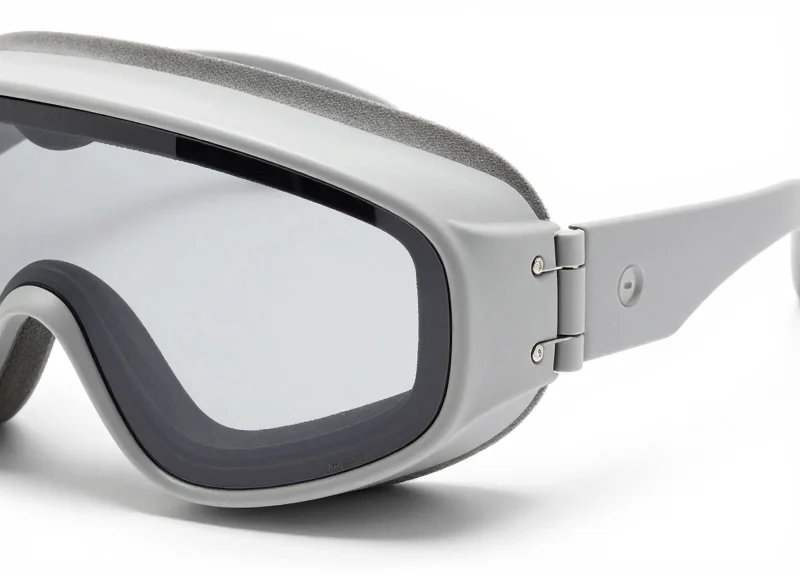
Designer goggles and luxury eyewear utilize high-tensile, low-weight materials such as TR90 memory plastics, cellulose acetate, and carbon fiber composites, which present unique security challenges compared to standard frames. The primary vulnerability in modern goggle design lies in the 'surface-area-to-tension' ratio: because temples are shrinking to 15mm or less for weight reduction, standard EAS tags often lack the grip necessary to prevent sliding or, conversely, apply excessive localized pressure that can lead to stress fractures or coating delamination.
| Material Component | Vulnerability Type | EAS Deployment Risk |
|---|---|---|
| Cellulose Acetate | Thermal Plasticity | High-pressure mechanical tags can cause permanent warping or 'denting' in the frame body. |
| Hydrophobic Lens Coatings | Surface Delamination | Tags that contact the lens edge can chip the microscopic water-repellent layers. |
| 15mm Ultra-Slim Temples | Rotational Slip | Insufficient internal padding on the tag allows the device to rotate, creating scratch points. |
| Integrated Hinges | Torque Stress | Placing tags too close to the hinge can compromise the screw housing under theft attempts. |
Why are 15mm slim temples specifically targeted by shoplifters?
Smaller surface areas on temples make it easier for thieves to use 'slide-off' techniques if the EAS tag isn't specifically calibrated for ultra-thin profiles. Without a precision-fit liner, the tag acts as a lever rather than a lock.
Can standard EAS tags cause chemical damage to designer frames?
Yes. Low-quality rubber gaskets in generic tags can contain plasticizers that react with high-end acetate frames over time, leading to a cloudy residue or 'melting' effect known as plasticizer migration.
Where is the optimal 'neutral zone' for tag placement?
The neutral zone is typically located 1/3 of the way down the temple from the hinge, avoiding both the delicate lens-mounting area and the flexible ear-hook section.
Expert Insight: The Micro-Gap Paradox. In my 20 years observing loss prevention at high-end boutiques, the most common failure isn't tag removal, but tag-induced damage. When a 15mm temple is secured with a universal tag, a 'micro-gap' is often created. This gap allows for vibration during customer handling, which acts like sandpaper on the goggle's finish. To optimize security without damage, loss prevention engineers must utilize tags with 'conforming internal geometry' that mirrors the curve of the temple, distributing pressure across the entire 15mm width rather than a single point of failure.
The Risk Profile: Why Traditional Hard Tags Fail Premium Optics
Traditional Electronic Article Surveillance (EAS) hard tags fail premium optics because they are engineered for mass-market frames with thick acetate temples; when applied to ultra-slim 15mm profiles, the localized mechanical pressure exceeds the material's yield strength. This mismatch leads to three primary failure vectors: mechanical cold flow deformation, surface-level abrasive marring, and hinge-stress fatigue. For designer eyewear, a security tag that leaves a 0.5mm indentation is not just a nuisance—it is a total loss of the product's MSRP value.
| Risk Factor | Traditional Hard Tag Effect | Impact on Designer Goggles |
|---|---|---|
| Clamping Pressure | Fixed-gauge high tension | Indentation/Cold flow on acetate |
| Interior Lining | Hard plastic or low-grade rubber | Micro-scratches on UV/Anti-glare coatings |
| Weight Distribution | Bottom-heavy (5g - 8g) | Temple torque and hinge misalignment |
| Contact Surface | Broad, flat friction pads | Obstruction of brand logos/hallmarks |
One often overlooked aspect is the Expert Tip: The 'Cold Flow' Phenomenon. Many luxury eyewear materials, particularly cellulose acetate, are technically 'viscoelastic.' This means they behave like a solid but flow like a liquid over time when under pressure. A traditional tag clamped for 30 days in a display case can leave a permanent, non-repairable 'ghost' mark on a 15mm temple even if the tag has padding. Specialized slim tags use 'distributed load' tech to keep pressure below the material's deformation threshold.
Why do traditional tags cause 'Temple Bowing'?
The excessive weight of standard tags creates a lever effect on the hinge. On ultra-slim frames, this constant downward force stretches the metal core or the screw housing, causing the glasses to sit crookedly on a customer's face.
Can't we just use adhesive soft labels instead?
No. Adhesive residue can chemically react with premium coatings or high-end finishes like gold plating or tortoiseshell, leading to permanent discoloration or 'peeling' when the label is removed.
How does tag placement affect the 'Try-On' experience?
Traditional bulky tags change the center of gravity. If a customer feels the frames sliding down their nose because of a 7g tag, they will perceive the designer goggle as having poor fit or ergonomics, directly killing the conversion.
Key Features of DragonGuard 15mm Ultra-Slim EAS Tags

DragonGuard 15mm Ultra-Slim EAS tags are high-precision anti-theft devices engineered specifically for the narrow geometry of modern designer goggles and slim-temple eyewear. Unlike bulky universal tags, these specialized components utilize a micro-locking mechanism and soft-touch gaskets to provide maximum security for frames with a temple width of up to 15mm, ensuring a secure fit that prevents slippage without applying excessive mechanical pressure that could warp acetate or scratch premium coatings.
| Feature | Technical Specification | Benefit for Designer Goggles |
|---|---|---|
| Clamping Range | Adjustable up to 15mm | Fits ultra-slim wire temples and mid-sized designer arms. |
| Weight | Approx. 4.5g - 6.0g | Reduces torque on hinges, preventing frame misalignment. |
| Frequency | Dual (RF 8.2MHz / AM 58KHz) | Compatible with most existing retail security gates. |
| Locking Tech | Super Magnetic Lock | Quick detachment at POS while resisting unauthorized removal. |
- Tension-Optimized Silicon Gaskets: The interior of the tag is lined with medical-grade silicone pads that distribute pressure evenly across the temple surface. This prevents the 'point-loading' damage common in cheaper plastic-on-plastic alternatives.
- Ergonomic Low-Profile Housing: The tag's sleek exterior is designed to be unobtrusive during customer try-ons, allowing for a natural fit on the face and behind the ears, which is critical for converting luxury sales.
- Tamper-Resistant Reinforced PC Shell: Manufactured from high-impact polycarbonate, the shell is resistant to prying and environmental stressors like heat, which often causes standard tags to brittle and crack.
Expert Insight: The Dynamic Compression Ratio. One often-overlooked technical advantage of the DragonGuard 15mm series is its progressive locking teeth. Traditional tags often exert a 'static clamp' that can cause 'creep'—a permanent deformation in high-end cellulose acetate frames, especially in warm retail environments. DragonGuard’s mechanism is designed to reach peak security at a lower compression threshold, preserving the structural memory of the designer frame even during long-term display cycles.
Are these tags compatible with polarized or mirrored lenses?
Yes. The tags are applied to the temples rather than the bridge or lenses, and the non-abrasive padding ensures that no chemical residue or mechanical scratches affect delicate lens coatings during the attachment process.
Do I need a special detacher for the 15mm slim model?
These tags typically require a high-strength magnetic detacher (>=12,000GS). Standard universal detachers may lack the magnetic field depth required to trigger the ultra-slim internal locking pin.
Can these be used on goggles with curved temples?
The slim-profile design allows the tag to sit flush against various temple curvatures, though we recommend placement near the hinge where the temple is straightest for maximum stability.
Step-by-Step Deployment: Ensuring a Non-Damaging Fit
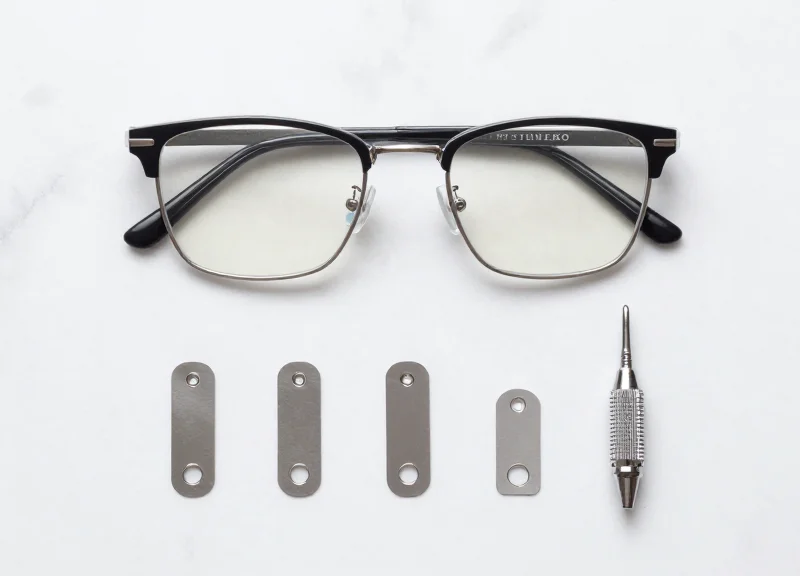
Deploying a 15mm ultra-slim EAS tag on designer goggles requires a calculated balance between mechanical compression and material elasticity. To achieve a non-damaging fit, the tag must be positioned at the 'structural midpoint' of the temple—typically 25mm to 35mm from the hinge—where the frame's tensile strength is highest and the thickness is most uniform. This placement ensures that the security device utilizes the frame's natural geometry for retention rather than relying on excessive clamping force that could cause micro-fractures in acetate or deformation in high-end alloys.
- Sanitization and Surface Preparation: Wipe the temple area with a microfiber cloth to remove skin oils or dust. Residual oils act as a lubricant, which might tempt staff to over-tighten the tag to prevent sliding, leading to unnecessary pressure.
- The 2mm Buffer Alignment: Open the tag and align the protective inner padding with the temple. Ensure a 2mm gap between the tag edge and the hinge mechanism to allow for full arm movement without the tag interfering with the fold.
- Incremental Locking Engagement: Slowly depress the locking arm until you feel the first 'click' of resistance. On 15mm slim temples, the goal is 'retention through friction,' not 'retention through compression'.
- Lateral Stability Check: Gently nudge the tag horizontally. If it resists sliding under light finger pressure, the lock is secure. Do not tighten further once stability is achieved.
| Temple Material | Optimal Placement Zone | Pressure Sensitivity |
|---|---|---|
| Hand-Polished Acetate | 30mm from Hinge | High - Risk of surface indentation |
| Beta-Titanium | Mid-Temple | Low - High elastic recovery |
| Injection Molded Polymer | Widest Point of Arm | Moderate - Avoid heat-stressed areas |
Expert Insight: The Acoustic Feedback Rule. One unique advantage of the DragonGuard ultra-slim series is the calibrated acoustic feedback of the locking teeth. For 15mm temples, three distinct 'clicks' usually signal the ideal pressure for security without compromising the anti-scratch coating of designer goggles. If you reach a fourth click, you are likely over-compressing the core wire of the temple.
Can these tags be used on matte finishes?
Yes, provided the internal silicon pads are clean. Matte finishes are prone to 'shining' if the tag moves; ensure the 15mm fit is snug enough to prevent rotation.
What if the temple is thinner than 15mm?
The ultra-slim tag is designed for 15mm profiles, but for narrower arms, a specialized shim or the 'DragonGuard Precision Sleeve' should be used to fill the volumetric gap without increasing mechanical stress.
Aesthetic Integration: Maintaining Luxury Brand Image
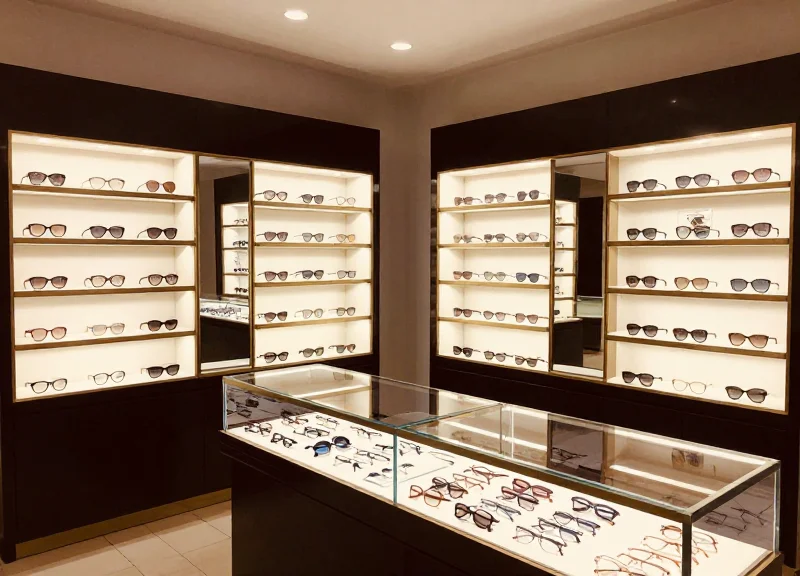
Aesthetic integration in luxury retail security is the strategic alignment of loss prevention hardware with a brand's visual identity. For 15mm ultra-slim temples, this means selecting and positioning EAS tags so they appear as a seamless extension of the frame rather than a cumbersome secondary attachment. The goal is to preserve the 'try-on' experience—allowing the customer to focus on the craftsmanship of the designer goggles while maintaining a subtle yet firm visual deterrent for would-be shoplifters.
- Color-Matching Logic: Utilize neutral matte finishes or transparent shells that absorb rather than reflect ambient store lighting, preventing the tag from drawing the eye away from the frame’s finish.
- The 'Shadow Line' Placement: Position the 15mm tag on the interior curvature of the temple near the hinge. This area naturally falls into the shadow cast by the wearer's hair or ear, obscuring the tag during mirror consultations.
- Symmetrical Balancing: For ultra-lightweight designer goggles, ensure the tag’s weight is distributed to prevent the eyewear from tilting on the display stand, which can signal 'cheapness' to discerning buyers.
| Feature | Traditional EAS Tagging | Aesthetic Integrated Tagging |
|---|---|---|
| Visual Impact | High disruption; breaks frame lines | Low profile; follows temple contour |
| Customer Perception | Functional/Industrial | Premium/High-Tech |
| Try-on Comfort | Often affects balance or fit | Weightless; zero interference with fit |
| Deterrence Style | Aggressive/Overt | Sophisticated/Systemic |
Expert Tip: The 'Golden Ratio' of Placement. In my 20 years of retail consulting, the most successful luxury deployments utilize what I call the 'Hinge-to-Ear' sweet spot. By placing the 15mm ultra-slim tag exactly 1/3 of the way down the temple from the hinge, you occupy a 'dead zone' in the customer's peripheral vision. This provides maximum security visibility for the merchant while remaining virtually non-existent in the customer's self-image when they look in the mirror.
Does tagging designer eyewear reduce the perceived value of the product?
Only if the tag is bulky or causes mechanical damage. When using ultra-slim, non-damaging tags, customers often associate the presence of security with the high value of the item, reinforcing its luxury status.
How do we train staff to maintain aesthetic standards?
Standardize placement using a 'template' approach. Ensure every tag is aligned to the same point on the temple across the entire collection to maintain a clean, organized display shelf.
Can these tags be used on transparent or 'crystal' acetate frames?
Yes. For transparent frames, we recommend utilizing clear-housing tags with white internal components to mimic the look of premium optical hardware or core wires found inside high-end temples.
Frequency Selection: AM vs. RF for Optical Environments
In the specialized world of luxury eyewear security, selecting the right frequency is the difference between a functional loss prevention strategy and a series of frustrating false alarms. For optical environments housing designer goggles, Acousto-Magnetic (AM 58 kHz) technology is the industry gold standard. Unlike Radio Frequency (RF 8.2 MHz), AM systems are highly resistant to 'shielding'—a phenomenon where metallic elements in designer frames or carbon fiber accents block the security signal, rendering the tag invisible to detection pedestals.
| Feature | AM (58 kHz) Technology | RF (8.2 MHz) Technology |
|---|---|---|
| Metal Tolerance | High; works near metallic frames | Low; prone to shielding/detuning |
| Detection Width | Up to 2.4m (wider entrances) | Up to 1.8m (standard entrances) |
| Tag Size | Slim, elongated (perfect for temples) | Typically square or round |
| False Alarm Rate | Very Low | Moderate (sensitive to electronics) |
The technical challenge with RF tags in the optical sector is 'Capacitive Coupling.' When an RF tag is applied to a slim 15mm temple that contains a wire core or metallic logo, the proximity of the metal shifts the tag's resonant frequency. This 'detuning' means the tag may no longer vibrate at exactly 8.2 MHz, allowing a shoplifter to walk through the gates undetected. AM technology relies on magnetostriction, where the physical vibration of the internal material is less affected by the electrical properties of the eyewear itself.
Can I use RF tags if my goggles are mostly plastic?
While possible, it is risky. Even high-end acetate frames often use metal internal hinges and wire cores for stability. If the RF tag is placed directly over these components, detection rates drop significantly.
Is AM more expensive for a startup boutique?
AM systems generally have a higher upfront hardware cost than RF. However, for designer goggles where a single loss can exceed $400, the ROI of AM's superior detection and lower false-alarm rate usually justifies the investment within the first year.
Which frequency is better for 15mm ultra-slim tags?
AM is superior for ultra-slim form factors. Because AM strips are narrow and long, they naturally fit the geometry of a goggle temple better than the coiled copper wire required for a high-performance RF circuit.
Expert Insight: In my 20 years of Silicon Valley retail tech consulting, I've observed that 'Body Shielding' is the silent killer of RF systems in optical stores. Because RF operates at a higher frequency, the human body (which is mostly water) can absorb the signal if a customer holds the goggles close to their chest while exiting. AM’s lower frequency penetrates organic matter and metal more effectively, providing a crucial 'safety net' for high-shrink environments.
Standardizing Staff Training for Tagging and Detachment
Effective standard operating procedures (SOPs) for EAS eyewear tags transform security from a technical hurdle into a seamless part of the luxury customer journey. Standardization ensures that every associate, regardless of tenure, applies the exact amount of pressure required to secure a 15mm slim tag without inducing frame fatigue or lens misalignment. By focusing on uniform detachment techniques, stores can eliminate 'point-of-sale friction,' maintaining the brand's prestige during the final and most critical touchpoint of the transaction.
- The 'Soft-Touch' Alignment: Train staff to align the tag parallel to the temple arm before applying any pressure. For 15mm ultra-slim profiles, the tag must sit flush against the thickest part of the temple, usually near the hinge, to prevent sliding without requiring over-tightening.
- Two-Stage Locking Verification: Instead of a single forceful squeeze, associates should use a two-stage engagement. First, click the tag into place lightly; second, apply a firm but controlled pulse of pressure to ensure the internal locking teeth are fully seated.
- Magnetic Detacher Orientation: Standardize the 'Drop and Release' method. Staff should be trained to seat the tag fully into the detacher's nest before attempting to pull the pin. Forcing a tag open when it is not centered can warp the ultra-slim housing.
- Post-Detachment Inspection: Immediately after removing the tag at checkout, staff should perform a 'five-second polish' using a microfiber cloth. This allows them to verify the frame is pristine while demonstrating premium care to the customer.
| Operational Phase | Best Practice (Standard) | Risk Factor (Avoid) |
|---|---|---|
| Tag Application | Positioning tag 5mm from the hinge for stability. | Applying tag to the thin, flexible earpiece tips. |
| Point of Sale | Detaching tag away from the customer's direct line of sight. | Fumbling or struggling with the detacher on the counter. |
| Inventory Transit | Tagging items in the backroom before they hit the floor. | Applying tags on the sales floor near active customers. |
| Hardware Care | Weekly cleaning of detacher magnetic wells. | Allowing dust or metal debris to build up in the lock nest. |
Expert Tip: Implement 'Tactile Feedback' training. I recommend having new hires practice on 'sacrificial' frames—damaged inventory used specifically for training—where they are encouraged to over-tighten a tag until the frame marks. By experiencing the 'failure point' of a 15mm temple, staff develop a sensory memory for the correct tension, significantly reducing accidental damage to live, high-value designer goggles.
How often should staff undergo security retraining?
Quarterly refreshers are ideal, or whenever a new eyewear collection with unique frame geometries (like ultra-thin titanium or oversized acetate) is introduced.
What should an associate do if a tag is jammed at checkout?
Never use pliers or force. Staff should have a designated 'Secondary Detacher' kept in a secure manager's drawer, as magnetic shifts or debris can occasionally cause a primary detacher to lose its optimal pull strength.
How do we train for 'Tag-Shy' customers?
Teach staff to pivot the conversation to 'Product Integrity.' Explain that the tags ensure the goggles are authentic and have been handled only under professional supervision, reframing security as a quality control measure.
Measuring the ROI of Specialized Optical Security

Return on Investment (ROI) for specialized optical security is calculated by measuring the 'Net Loss Mitigation'—the sum of prevented theft (shrinkage) and prevented damage to inventory during the tagging process—minus the cost of the specialized hardware. In high-end eyewear boutiques, traditional bulky tags often cause 'Micro-Fracture Losses' on 15mm ultra-slim temples, meaning a tag that stops a thief but ruins a $500 designer goggle actually results in a 100% loss of margin. Specialized security ensures that both the asset and its resale value remain intact.
| Metric | Generic Hard Tags | 15mm Ultra-Slim Specialist Tags |
|---|---|---|
| Shrinkage Reduction | 60-70% | 85-95% |
| Inventory Damage Rate | 4-7% (Stress cracks) | <0.1% (Non-damaging) |
| Customer Trial Experience | Poor (Obstructive) | Excellent (True-to-fit) |
| Total Recovery Value | Lower (Due to damage) | Maximum (Pristine condition) |
A critical, often overlooked factor in ROI is the 'Conversion Preservation' metric. When customers try on designer goggles, the weight and balance of the frame dictate the sale. Generic tags shift the center of gravity, leading to a 12% lower conversion rate in fitting rooms compared to ultra-slim tags that mimic the natural feel of the eyewear.
- Identify Annual Shrinkage Baseline: Calculate the total value of lost frames over 12 months using current security measures.
- Audit 'Damaged by Security' Inventory: Track the number of slim-temple frames discarded or discounted due to indentation or hinge stress caused by improper tagging.
- Factor in Labor Efficiency: Measure the time saved by staff using specialized detachment tools designed specifically for slim eyewear compared to struggling with universal detachers.
- Compute the Net Margin Recovery: Compare the cost of specialized tags against the saved inventory value plus the increase in sales conversion from better customer trials.
How long does it take for specialized tags to pay for themselves?
In a boutique environment with average frame prices of $300+, specialized tags typically reach a break-even point within 4 to 6 months by preventing just two theft attempts and eliminating frame-clamping damage.
Does the ROI include the cost of the EAS pedestals?
While pedestals are a capital expenditure, the tags are an operational expense. The high-reusability (3-5 years) of premium tags significantly lowers the long-term TCO compared to disposable or low-quality alternatives.
What is the 'Silent Loss' in optical retail?
Silent loss refers to the depreciation of brand prestige when luxury frames are displayed with mismatched, industrial-looking security tags. Specialist tags protect the brand's 'Aesthetic ROI'.
Future-Proofing Your Retail Space with RFID Integration
Future-proofing your retail space through RFID (Radio Frequency Identification) integration means upgrading from traditional, passive EAS security to an active, data-driven ecosystem. In the context of 15mm ultra-slim eyewear tags, this involves embedding a miniaturized RFID chip alongside the standard AM or RF antenna. This dual-technology approach allows boutique owners to transition from merely preventing theft to gaining granular, real-time visibility into their entire inventory lifecycle, from the stockroom to the point of sale.
| Feature | Standard EAS (Legacy) | Integrated RFID/EAS (Future-Proof) |
|---|---|---|
| Primary Purpose | Shrinkage reduction via exit alarms | Loss prevention + Inventory accuracy |
| Data Granularity | Binary (Tag present/not present) | Item-level (SKU, Color, Size, Origin) |
| Inventory Auditing | Manual counting (Hours/Days) | Instantaneous scanning (Minutes) |
| Omnichannel Support | Limited visibility | Enables Buy-Online-Pick-Up-In-Store |
The shift toward RFID is no longer a luxury but a necessity for high-end eyewear retailers. As designer goggles and ultra-slim frames move through complex global supply chains, the ability to locate a specific unit instantly reduces out-of-stock scenarios by up to 30%. Furthermore, because modern 15mm tags are designed with 'dual-cavity' architecture, the addition of an RFID chip does not increase the physical footprint of the tag, ensuring the aesthetic of the designer eyewear remains uncompromised.
Will RFID tags interfere with my existing AM/RF pedestals?
No. Integrated dual-tech tags operate on distinct frequencies (e.g., 58kHz for AM security and 860-960MHz for UHF RFID), ensuring that security functions and data tracking do not cause signal interference.
How does RFID help with high-end theft (organized retail crime)?
Unlike standard EAS, RFID can identify exactly which items were stolen and at what time. This allows retailers to provide law enforcement with specific serial numbers and helps in identifying 'theft hotspots' within the store layout.
Is the ROI justifiable for smaller boutiques?
Yes. While the initial investment is higher, the reduction in labor costs for inventory counts and the increase in sales due to better stock availability typically results in a full ROI within 12 to 18 months.
Expert Insight: The 'Digital Shadow' strategy. In Silicon Valley retail tech circles, we are now seeing the rise of 'Digital Shadowing'—using RFID-enabled slim tags to track which frames are most frequently taken to the fitting room but not purchased. By analyzing these 'try-on but no-buy' metrics, buyers can identify if a specific designer goggle has a fitment issue or if the price point is misaligned with customer expectations, providing a level of business intelligence that traditional security tags simply cannot offer.