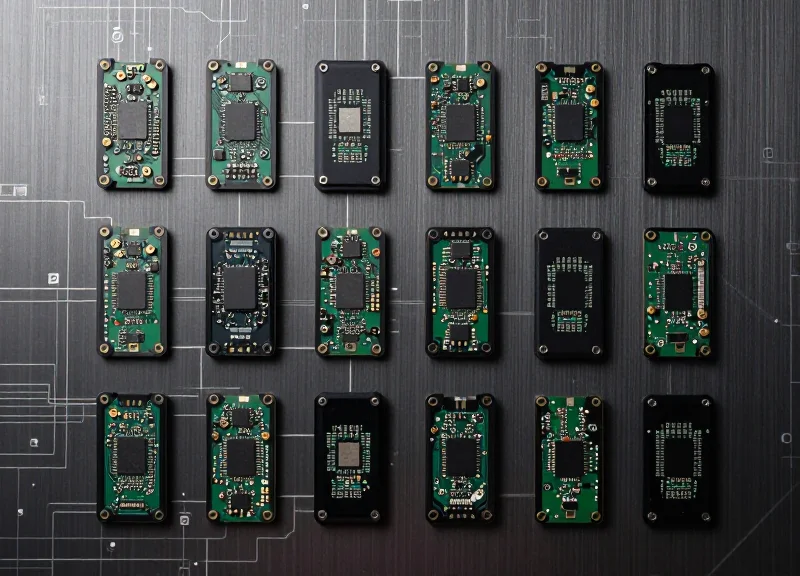
In the high-stakes world of retail, the balance between inventory security and product integrity is delicate. High-value categories like luxury apparel, premium spirits, and cutting-edge electronics require protection that doesn't compromise their aesthetic or functional value. Standard security pins can leave permanent holes in silk, while traditional adhesives can ruin electronics packaging. This guide explores the technical nuances of non-damaging tagging solutions, ensuring your loss prevention strategy enhances rather than hinders the customer experience and product resale value.
The Evolution of Retail Loss Prevention: Prioritizing Product Integrity
The evolution of retail loss prevention (LP) represents a paradigm shift from 'passive deterrence' to 'active integrity management.' Historically, security tags were designed solely to stop theft, often at the expense of the product’s physical appearance. Today, mastering multi-category protection requires a technical approach where the security device is invisible to the consumer's aesthetic experience but invincible against theft, ensuring that alcohol labels, luxury fabrics, and electronic surfaces remain in mint condition for the final sale.
In the high-stakes world of retail, the 'cost of security' is no longer just the price of the tag; it is the potential loss of product value caused by the tag itself. For decades, retailers accepted 'collateral damage'—pinholes in silk, adhesive residue on vintage wine bottles, or crushed corners on high-end electronics packaging. As secondary markets and luxury resale platforms (like The RealReal or StockX) have matured, the physical integrity of a product is now directly tied to its liquidity. A security solution that damages the item it protects is, in modern terms, a failure of the LP strategy.
| Feature | Legacy Loss Prevention | Modern Product Integrity LP |
|---|---|---|
| Primary Goal | Shrinkage Reduction | Total Asset Value Preservation |
| Attachment Method | Puncture/Heavy Adhesive | Non-Invasive/Clamping/Magnetic |
| Consumer Impact | Visual Friction/Damage | Seamless Brand Experience |
| Category Focus | One-size-fits-all | Material-specific Engineering |
Expert Insight: The RVP Metric. As a veteran of Silicon Valley’s retail-tech intersection, I advocate for measuring 'Residual Value Preservation' (RVP). This metric calculates the percentage of inventory that retains 100% of its MSRP value after security hardware removal. If your tagging system causes even a 2% depreciation in visual quality, you are effectively paying a hidden tax on your own security. High-integrity tagging systems utilize specialized polymers and calibrated tension to ensure that the moment a tag is removed, no trace of its existence remains.
Why is 'non-damaging' tagging critical for electronics?
Electronics often rely on their original packaging for resale value. Traditional spider wraps can 'bite' into cardboard. Modern solutions use padded contact points to distribute pressure evenly, preventing structural deformation of the box.
How does integrity management apply to high-end alcohol?
For rare spirits, the label is the certificate of authenticity. Non-damaging bottle collars use lined interiors to prevent friction-based scuffing or adhesive tearing of the paper labels during transport or handling.
Does non-damaging mean less secure?
No. Modern engineering allows for high-strength locking mechanisms (like S3 or Infini-lock technology) that provide superior pull-strength without requiring aggressive attachment methods that pierce or mar materials.
Technical Mechanics of Non-Damaging Tags: Beyond the Standard Pin
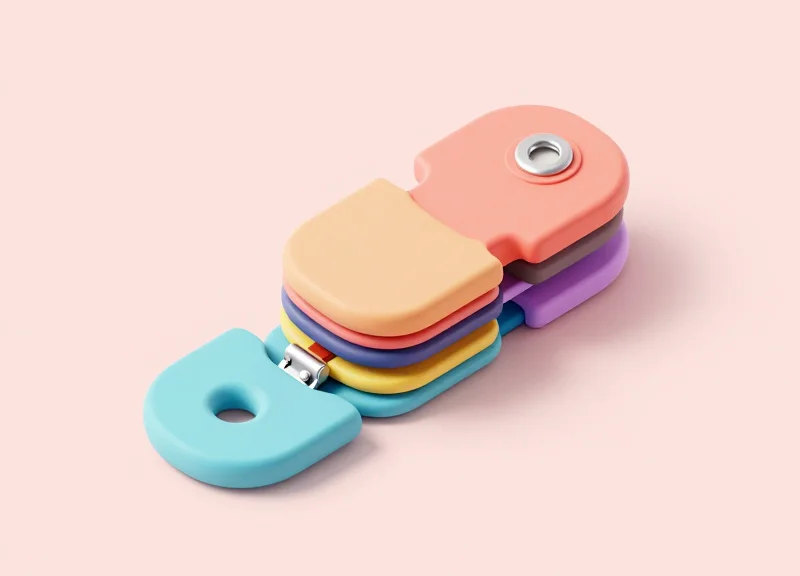
Non-damaging tagging mechanics utilize a combination of force distribution, high-strength magnetic clutches, and material-safe friction grips to secure merchandise without the use of traditional invasive pins. By shifting the security burden from fabric-piercing needles to adjustable tension straps and 'clamshell' enclosures, modern Loss Prevention (LP) hardware protects delicate materials like silk, high-performance electronics, and glass bottles while maintaining the product's aesthetic integrity and resale value.
| Mechanism | Primary Principle | Target Category | Damage Prevention Tech |
|---|---|---|---|
| Magnetic Clutch | Gauss-driven locking | Luxury Apparel | Surface-contact clamping |
| TPU Strap (Lanyard) | Tensile Friction | Alcohol / Bottled Goods | Non-abrasive polymer lining |
| Mechanical Ratchet | Graduated Compression | Boxed Electronics | Wide-area pressure padding |
| Adhesive-Free Sensors | Conformable Geometry | Beauty & Fragrance | Suction-based retention |
The physics of non-damaging tagging revolves around the concept of Surface Area vs. Point Pressure. A traditional security pin concentrates 100% of its force on a microscopic 1mm point, which can cause 'fiber displacement' or permanent punctures. In contrast, non-damaging tags employ 'Parallel-Clamping' motions. This engineering choice ensures that pressure is distributed evenly across a larger surface area, often cushioned by medical-grade Thermoplastic Polyurethane (TPU). This material choice is critical; unlike standard rubber, high-grade TPU does not undergo 'plasticizer migration,' the chemical process that causes tags to stick to or stain leather and synthetic finishes over time.
- Expert Tip: The 15,000 Gauss Threshold: When selecting magnetic non-damaging tags, ensure they utilize N52-grade Neodymium magnets with a minimum of 15,000 Gauss (Super-Lock). This high magnetic density allows for a smaller, lighter tag footprint that reduces 'garment drag,' preventing the weight of the tag itself from stretching out delicate necklines or shoulder seams.
- Mechanical Synergy in Bottle Security: For alcohol protection, look for 'Double-Wrap' lanyard mechanics. This design uses a core of aircraft-grade stainless steel cable encased in a soft-touch jacket, preventing metal-on-glass friction which can cause micro-fractures in premium crystal bottles.
Do non-damaging tags provide the same level of security as pins?
Yes. While they avoid piercing the material, the locking strength of a high-quality magnetic clutch (often exceeding 50kg of pull force) is equivalent to or greater than standard pin-based systems.
Can these tags be used on high-moisture items like chilled wine?
Technical-grade non-damaging tags use corrosion-resistant internal springs and hydrophobic TPU coatings specifically designed to maintain grip even when condensation forms on the product surface.
How do they avoid leaving 'ghosting' marks on leather?
By using pH-neutral materials and avoiding chemical adhesives, these tags prevent the 'ghosting' or 'shading' that occurs when residues react with the tanning agents in leather or suede.
Securing High-End Apparel: Strategies for Silk, Suede, and Delicate Synthetics

Securing high-end apparel requires a 'zero-impact' methodology where loss prevention hardware provides maximum security without causing fiber distortion, snags, or permanent punctures. For delicate materials like silk, suede, and high-gauge synthetics, the standard retail pin is often too abrasive; instead, professional solutions utilize ultra-fine, micron-polished pins (often <0.6mm in diameter) and lanyard-based tethering. These systems are designed to displace rather than sever textile fibers, ensuring the garment remains in pristine, sellable condition after the security device is removed.
| Fabric Type | Primary Risk | Recommended Security Hardware | Application Method |
|---|---|---|---|
| Silk & Satin | Thread pulling/Snagging | Ultra-Fine Smooth Pin Tags | Insert through existing seam allowance |
| Suede & Leather | Permanent Puncture Marks | Nylon-Coated Lanyards | Loop through eyelets or buttonholes |
| Delicate Synthetics | Heat-friction melting | Magnetic Clutch Ink Tags | Smooth-pin insertion at reinforced hems |
| Fine Knitwear | Stretching/Hole expansion | Lightweight Mini-Tags | Placement at shoulder seams |
A critical technical distinction in luxury protection is the use of 'Fiber-Displacing' geometry. Unlike standard conical pins that have microscopic burrs capable of catching on delicate weaves, high-end pins undergo a multi-stage polishing process to achieve a mirror finish. When these pins pass through a silk weave, they push the threads aside. Upon removal, the memory of the fabric allows the fibers to return to their original position, effectively 'healing' the entry point. This is often paired with magnetic clutch mechanisms that provide a high pull-strength without requiring the mechanical 'bite' that can bruise leathers or suedes.
- Identify the Structural Anchor: Locate a seam, buttonhole, or reinforced hem. For silk, the inner seam allowance is the safest insertion point to hide the entry mark.
- Select the Appropriate Pin Gauge: Use a 0.5mm to 0.6mm 'smooth' pin. Avoid 'grooved' pins on delicates as the grooves can catch on fine filaments during removal.
- Engage the Lanyard for Piercing-Free Security: For items like handbags or leather jackets where any puncture is permanent, thread a soft-touch, nylon-coated lanyard through a strap or eyelet and lock it into the tag body.
- Verify Ink Deterrent Safety: If using ink tags, ensure they feature a dual-vial pressurized system that only triggers upon aggressive tampering, preventing accidental leaks on high-value inventory.
Can I use standard security tags on silk?
It is not recommended. Standard pins often have a diameter of 0.8mm or larger and may contain microscopic imperfections that snag silk filaments, causing irreversible runs.
How do lanyards prevent theft effectively?
Lanyards made of multi-strand aircraft cable are nearly impossible to cut with standard scissors. They offer the highest security for leather and suede by avoiding fabric penetration entirely.
Do magnetic clutches damage delicate fabrics?
No, the magnetic clutch is internal to the tag. The damage usually comes from the pin or the weight of the tag. Use lightweight 'mini' tags for thin synthetics to prevent fabric sagging.
Expert Tip: To ensure 100% safety on ultra-high-value items, implement the 'Seam-Only' rule. Instruct staff to only ever insert pins through the intersection of two seams. This area has the highest density of thread and structural reinforcement, which prevents the pin from shifting and creating a larger hole during customer handling.
Alcohol Protection: Bottle Wraps and Collar Tags for Premium Spirits
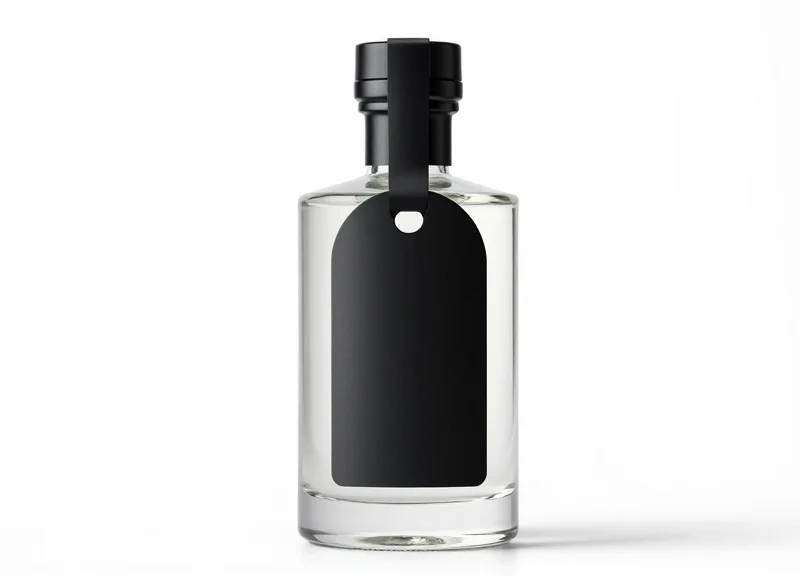
Alcohol protection in retail focuses on two primary mechanical solutions: Bottle Wraps and Collar Tags. These devices utilize a non-invasive locking architecture to secure premium spirits without the use of adhesives or pins. Bottle wraps use high-tensile strength aircraft cables to form a secure lattice around the vessel, while collar tags (or cap locks) clamp onto the neck below the ridge. Both systems are engineered to prevent the removal of the cap or the concealment of the bottle while maintaining the integrity of the manufacturer's seal, tax stamps, and decorative labels.
| Feature | Bottle Wraps (Spider Tags) | Collar Tags (Cap Locks) |
|---|---|---|
| Primary Use Case | Boxed spirits and oversized bottles | Standard neck wine and liquor bottles |
| Mechanism | Expandable 4-way wire lattice | Rigid polycarbonate clamp |
| Protection Level | High (Tamper-evident cables) | Extreme (Total cap enclosure) |
| Visual Impact | Medium - Obscures some branding | Low - Discrete neck placement |
Expert Insight: The Torque-Limit Factor. One of the most common mistakes in spirits security is 'over-tensioning' bottle wraps, which can crush the cardboard gift tubes or tear foil labels. Premium solutions now incorporate Tension-Limiting Ratchet Systems. Similar to a torque wrench, these mechanisms click or slip once the optimal pressure is reached, ensuring the device is tight enough to prevent slippage but not so tight that it deforms the collectible packaging or compromises the bottle's pressure seal.
- Select the Correct Gasket Material: Ensure collar tags feature a TPE (Thermoplastic Elastomer) inner lining. This soft-touch material provides the necessary friction to prevent rotation while acting as a cushion against the glass to prevent micro-scratches.
- Verify Seal Clearance: Measure the distance between the bottle ridge and the top of the cap. The collar must sit flush below the ridge without exerting upward pressure on the cork or screw cap, which could cause slow oxygen leaks.
- Implement Dual-Frequency Tech: For high-shrinkage areas, use wraps that support both AM (Acousto-Magnetic) and RF (Radio Frequency) to ensure compatibility with all gate systems while providing internal alarming if the cables are cut.
Do bottle wraps damage the decorative foil on wine bottles?
When applied correctly using a tension-limited ratchet, the wires sit on the glass or the shoulder of the bottle, avoiding the delicate foil neck entirely.
Can these tags be used on chilled or refrigerated products?
Yes, but it is critical to use polycarbonate-based tags that do not become brittle in cold temperatures. Look for 'Grade A' plastics that maintain impact resistance down to 0°C.
Will collar tags obstruct the customer's ability to read the vintage or label?
Modern collar tags are designed with a slim profile that sits exclusively on the neck, leaving the main body label and the back information panel 100% visible for the consumer.
Electronics and Gadgets: Protecting Tech with Residue-Free Solutions

Protecting electronics requires a dual-track security strategy: securing the physical device on display and safeguarding the boxed inventory. Modern residue-free solutions utilize advanced silicone elastomers and low-surface-energy (LSE) adhesives that provide high shear strength to prevent theft while ensuring zero chemical bonding with glossy, laminated, or metallic tech packaging. This 'zero-trace' approach is critical for electronics, where damage to the box or chassis can reduce the product's resale value by up to 25%.
| Security Type | Mechanism | Best Use Case | Residue Risk |
|---|---|---|---|
| Silicone-Bonded Sensors | Suction-based elastomer pads | Live smartphones and tablets | None (Washable/Reusable) |
| Non-Reactive RF Labels | LSE adhesive backing | Shrink-wrapped software/accessories | Negligible (Peel-clean) |
| Mechanical Alarming Cradles | Pressure-fit clamps | Laptops and Gaming Consoles | Zero (No adhesive used) |
| Fiber-Optic Loops | Light-continuity circuit | High-end headphones/cameras | Zero (Physical tether) |
The challenge with premium electronics is the 'Out-of-Box Experience' (OOBE). Traditional hot-melt adhesives can migrate into the fibers of high-density paperboard used by brands like Apple or Samsung, causing 'fiber tear' upon removal. To avoid this, technical teams should specify sensors that use cross-linked acrylic adhesives or static-cling interfaces. These materials create a mechanical bond rather than a chemical one, allowing the security element to be popped off with a specialized removal tool without leaving a ghosting effect on the substrate.
- Surface Preparation: Clean the device or box surface with a 70% Isopropyl Alcohol wipe to remove skin oils, which can degrade residue-free adhesives over time.
- Interface Layering: For ultra-fragile packaging, apply a clear, non-adhesive static-cling PET film to the box first, then place the security sensor on top of the film.
- Controlled Removal: Use a specialized polymer wedge or 'fishing line' technique to break the vacuum seal of the sensor rather than pulling vertically, which prevents box deformation.
Expert Insight: In my 20 years of retail tech consulting, I’ve found that the biggest mistake is 'Adhesive Aging.' Even 'residue-free' tags can become permanent if left under high-intensity showroom UV lights for more than 120 days. To maintain 100% clean removal, implement a '90-day rotation' policy for display units where sensors are refreshed to prevent the adhesive from reaching a fully cured state.
Will residue-free sensors work on textured matte finishes?
Yes, but they require a higher-tack silicone pad. Texture reduces the surface area for bonding, so a thicker, conformable elastomer is necessary to fill the microscopic gaps.
Can I reuse residue-free adhesive pads?
Standard acrylic-based residue-free tags are single-use. However, silicone-based 'sticky' sensors can be rejuvenated by washing them with mild soap and water to remove dust.
Do these tags interfere with wireless charging or NFC?
Strategic placement is key. Always avoid placing sensors directly over the Qi charging coil or NFC antenna to ensure customers can still test those features in-store.
RFID vs. EAS: Choosing the Right Frequency for Diverse Inventory
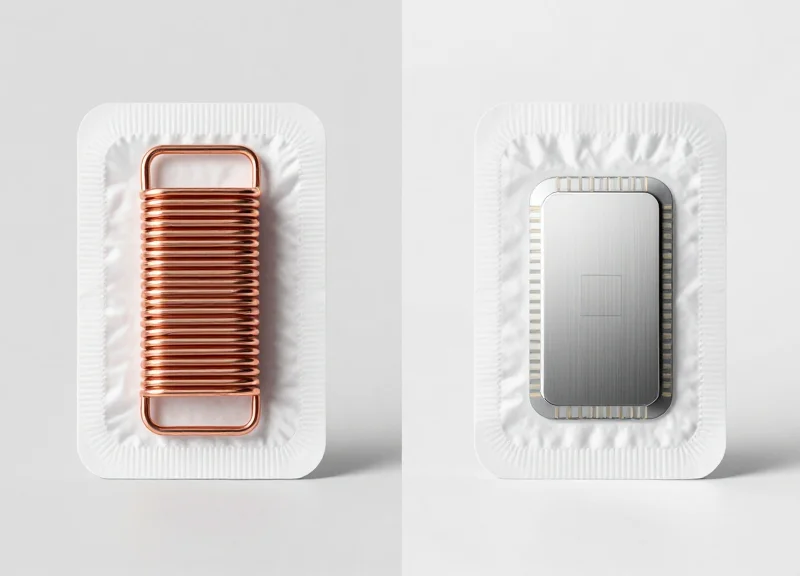
Choosing between Radio Frequency Identification (RFID) and Electronic Article Surveillance (EAS) is a strategic decision that hinges on whether your priority is strictly loss prevention or full inventory lifecycle visibility. While EAS (operating at 8.2MHz RF or 58kHz AM) is designed solely to trigger alarms at exits, RFID (operating at 860-960MHz UHF) provides a unique digital identity for every item. For a multi-category retailer, the choice is governed by the 'Material-Frequency Compatibility' rule: EAS is often more resilient near liquids (alcohol), whereas RFID is vastly superior for high-volume replenishment categories like apparel.
| Feature | EAS (RF/AM) | RFID (UHF) |
|---|---|---|
| Primary Purpose | Theft Deterrence Only | Inventory Accuracy + Security |
| Data Capacity | 1-bit (On/Off) | 96-bit to 512-bit (Unique ID) |
| Detection Range | Up to 2.0 meters | Up to 12.0 meters |
| Bulk Reading | No (Single alarm) | Yes (Hundreds of items/sec) |
| Liquid/Metal Performance | High Stability | Requires specialized 'on-metal' or 'flag' tags |
The Expert's 'Dual-Layer' Insight: Most retailers view this as an 'either/or' scenario, but the most profitable multi-category operations utilize a Hybrid Frequency Strategy. By embedding a passive RFID inlay within an AM-EAS hard tag, you achieve 'The Golden Mean': the AM signal punches through the moisture in premium spirits and the foil-lined packaging of high-end electronics, while the RFID component allows for instantaneous stock-taking of the apparel floor without touching a single hanger.
- Apparel Application: RFID is the clear winner. The ability to perform a full store inventory in minutes ensures that sizes are always in stock, which typically yields a 3-5% sales lift that far outweighs the higher tag cost.
- Alcohol Application: Acousto-Magnetic (AM) EAS at 58kHz is the gold standard here. Unlike RFID, which can be 'detuned' by the dielectric constant of liquid, AM signals travel through glass and liquid more reliably for exit-gate security.
- Electronics Application: EAS soft tags are cost-effective for box security, but for high-value gadgets, RFID provides 'Chain of Custody' tracking from the warehouse to the shelf, preventing internal shrink.
Can RFID replace EAS entirely for security?
Yes, but it requires a 'dense reader' environment. Because RFID tags can be shielded by hands or metal-lined bags more easily than AM tags, rely on RFID for security only if your exit pedestals are calibrated for high-sensitivity burst reading.
Is there a frequency interference risk with mixed inventory?
Generally no. EAS (kHz/MHz) and RFID (UHF) operate on vastly different bands. However, be cautious of 'tag pollution' where old tags from suppliers cause false alarms; ensure your deactivators are compatible with your specific tag resonance.
Which is more cost-effective for small boutiques?
RF-EAS (8.2MHz) remains the most budget-friendly entry point for basic theft protection. Move to RFID only when the cost of 'out-of-stock' events exceeds the cost of the hardware implementation.
Implementation Best Practices: Training Staff for Safe Tag Application
Operational excellence in loss prevention is achieved when staff treat security hardware not as a secondary task, but as a critical touchpoint for product quality control. Safe tag application requires a 'Preservation-First' mindset, where the mechanical placement of EAS or RFID tags is executed to maximize deterrence while strictly adhering to the material limitations of the substrate, whether it be a 15-denier silk blouse or a vintage bottle of single malt Scotch.
- The Seam-Alignment Protocol for Apparel: Instruct staff to never pierce the body of a fabric. Pins must always pass through a reinforced structural seam or a factory-provided care label. This prevents 'pin-hole memory' in synthetics and avoids tearing the delicate weave of high-end natural fibers.
- The 'Two-Finger' Tension Rule for Bottle Wraps: When applying wire-wrap or collar tags to alcohol, ensure the cable is snug enough to prevent slipping but loose enough to slide two fingers underneath. Over-tightening can crack wax seals or cause micro-fractures in the glass neck of pressurized sparkling wines.
- Surface De-Energizing for Electronics: Before applying adhesive soft tags to tech packaging, staff should use a lint-free cloth to remove surface oils. When removing display sensors, the 'Slow-Peel' technique at a 45-degree angle prevents lifting the decorative laminate off the box.
| Category | Common Application Error | Corrective Best Practice |
|---|---|---|
| Apparel | Pinning through center of chest | Pinning through armpit seam or waistband |
| Alcohol | Tightening wire over the label | Positioning wire on the neck/shoulder only |
| Electronics | Placing tags over technical specs | Applying tags to the bottom or blank side panels |
Expert Tip: The 'Audible Click' Verification. A unique insight for floor managers is to train staff to listen for the specific mechanical 'double-click' of high-end magnetic clutches. A single click often indicates a false lock, which is the leading cause of tags falling off or being easily pried by shoplifters. Training by sound, rather than just sight, significantly reduces human error in high-traffic environments.
What is the best way to train staff on new tag types?
Use 'Sacrificial Samples'—damaged or old stock that staff can practice tagging and detaching repeatedly until they master the pressure required without fear of ruining sellable inventory.
How often should staff training be refreshed?
Conduct a 'Spot-Check Audit' quarterly. Select 10 tagged items from the floor and inspect for pin placement and label integrity to identify any drifting from the standard SOP.
What should a staff member do if a tag causes visible damage?
Immediately mark the item as 'Damaged in Process' (DIP) and document the tag type and location. Analyzing these reports helps determine if the hardware choice is inappropriate for that specific material.
The Economics of Security: ROI of Reducing Damaged Goods
The ROI of non-damaging security tagging is calculated by measuring the intersection of 'Shrinkage Reduction' and 'Margin Preservation.' While traditional loss prevention focuses solely on preventing theft, the economics of modern retail require accounting for 'Protection-Induced Markdowns'—the lost revenue when security devices puncture delicate fabrics, tear luxury labels, or leave adhesive residue on high-end electronics. By shifting to non-damaging hardware, retailers can reclaim 2% to 5% of their net margin previously lost to damaged goods sold at clearance or written off entirely.
| Financial Metric | Legacy Pin Tags | Precision Non-Damaging Solutions |
|---|---|---|
| Average Product Damage Rate | 3.5% - 6% (Fabric tears/Pin holes) | < 0.2% (Magnetic Clamps/Lanyards) |
| Typical Price Markdown | 30% - 50% (Clearance Rack) | 0% (Full Retail Value) |
| Labor Cost (Application) | Low (Standard speed) | Medium (Requires specific calibration) |
| Net Margin Impact | Significant erosion via 'hidden shrink' | Optimized via inventory integrity |
Expert Tip: The '3:1 Markdown Rule'. For every dollar of retail value lost to a puncture or adhesive stain caused by a security tag, a retailer typically loses three dollars in potential gross margin. This is because damaged items sit on the floor longer, consume valuable display space, and ultimately require aggressive clearance cycles that diminish the brand's premium positioning. Investing in superior tagging hardware is not an expense; it is a margin recovery strategy.
How does non-damaging tagging affect brand equity?
Customers shopping for premium alcohol or apparel expect perfection. A torn label on a $200 bottle of Scotch or a pinhole in a silk blouse signals a lack of care, causing the customer to devalue the brand and seek discounts.
Is the higher cost of soft-touch tags justified?
Yes. While soft-touch tags and residue-free sensors have a 15-25% higher upfront cost, they pay for themselves within one inventory cycle by eliminating the 'dead stock' created by damaged premium goods.
What is the secondary ROI of residue-free electronics tagging?
It significantly increases the resale or 'open-box' value. If a floor model needs to be sold, a pristine finish allows for a 10-15% higher price point than a unit with visible adhesive scarring.
Future Trends: Digital Twinning and Invisible Security Markers

The future of retail security lies in the convergence of physical protection and digital intelligence, moving away from bulky hardware toward seamless, data-driven ecosystems. Digital twinning involves creating a virtual replica of a physical product—such as a specific bottle of vintage wine or a high-end smartphone—that tracks its movement and status in real-time across the supply chain. Complementing this are invisible security markers, including DNA-based inks and microscopic fluorescent particles, which allow for forensic-level authentication and loss prevention without compromising the product's aesthetic or physical integrity.
| Technology | Primary Application | Key Advantage |
|---|---|---|
| Digital Twinning | High-value Electronics & Spirits | Real-time visibility and lifecycle tracking via blockchain. |
| DNA Tagging | Luxury Apparel & Fine Wine | Virtually impossible to replicate or remove; forensic proof. |
| Invisible UV Markers | General Apparel & Boxed Tech | Discrete branding and anti-counterfeiting with zero visual impact. |
| Integrated Source Tagging | Multi-category high-volume items | Security embedded during manufacturing to eliminate labor costs. |
Expert Insight: The Rise of 'Ambient Security' - As a 20-year veteran of Silicon Valley’s tech-retail intersection, I predict the shift from 'active' security (which requires a customer to interact with a tag) to 'ambient' security. This involves sensors embedded in the store environment that recognize the 'digital twin' of a product as it moves. By 2030, the concept of a 'security gate' will likely be obsolete, replaced by floor-to-ceiling sensor arrays that identify unpurchased items leaving the premises via their molecular or digital signatures, significantly reducing friction in the customer journey.
How does digital twinning prevent theft?
By creating a unique digital identity for every individual unit, retailers can verify if a specific item has been legitimately sold. If an item is flagged as 'stolen' in its digital twin record, it becomes unsellable on secondary markets and cannot be activated (in the case of electronics).
Are invisible markers safe for consumer products?
Yes. Modern forensic markers like synthetic DNA or food-grade fluorescent inks are non-toxic and hypoallergenic, making them safe for apparel fabrics and even the primary packaging of alcoholic beverages.
What is the ROI of switching to invisible tagging?
While the initial implementation cost is higher than plastic EAS tags, the ROI comes from a 90% reduction in protection-related product damage, lower labor costs through source tagging, and the ability to fight organized retail crime via forensic evidence.