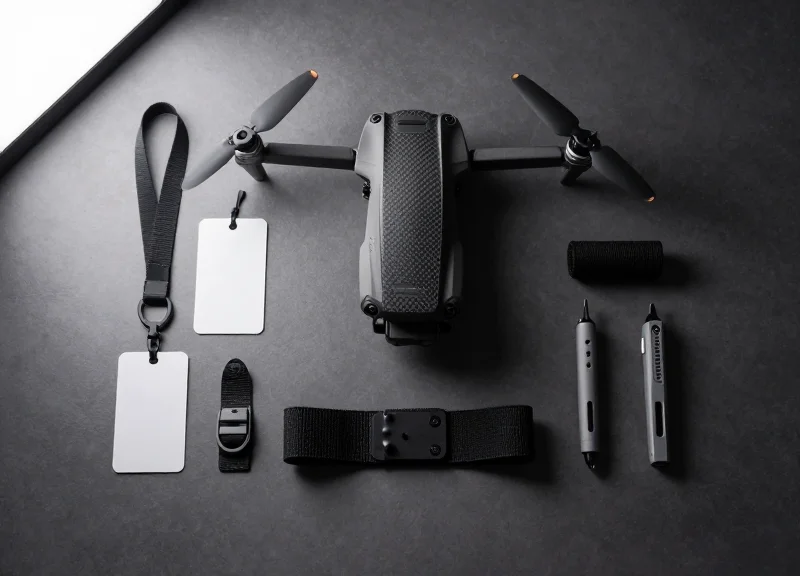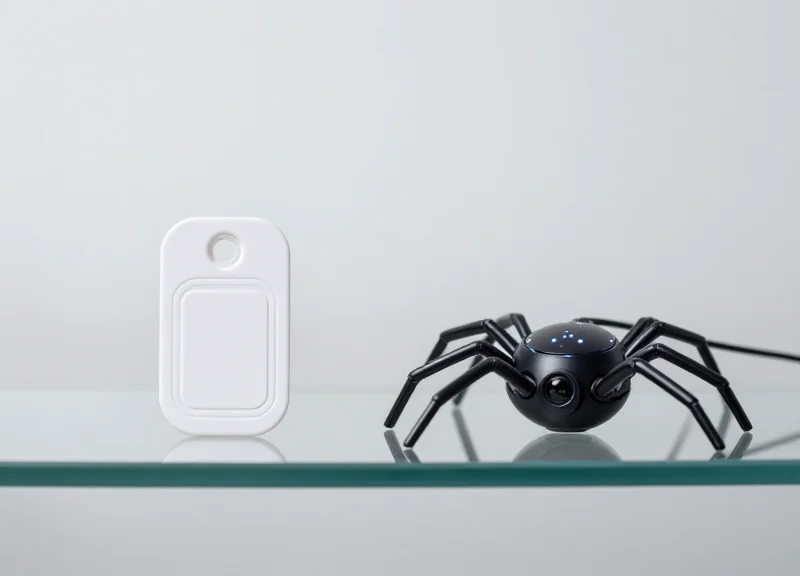
In the high-stakes world of luxury retail, the challenge isn't just preventing theft—it's preserving the integrity of the merchandise. Silk and cashmere represent the pinnacle of textile elegance, yet their delicate fibers are notoriously susceptible to damage from traditional security pins. Even a microscopic snag can render a thousand-dollar garment unsellable. As we look toward 2026, DragonGuardGroup presents the definitive guide to non-damaging Electronic Article Surveillance (EAS) technology, ensuring your most exquisite pieces remain pristine while staying secure from shrinkage.
The Vulnerability of Luxury: Why Silk and Cashmere Require Specialized EAS
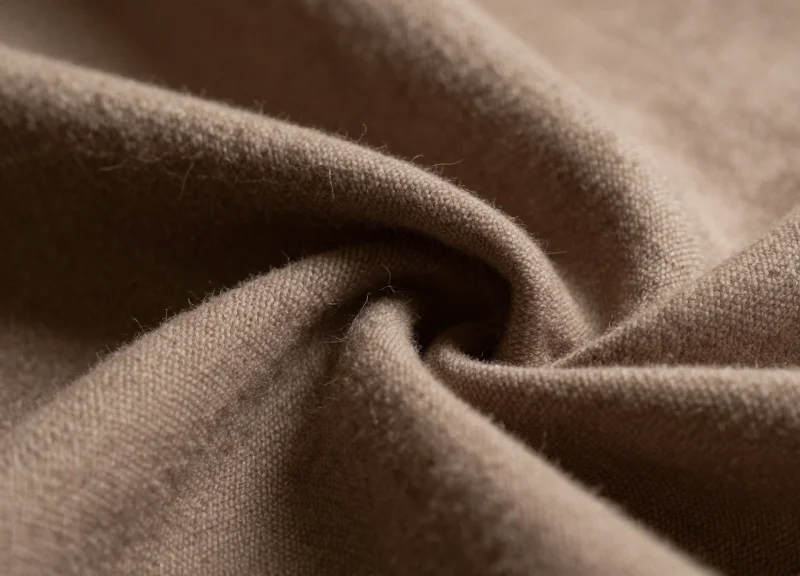
Luxury fabrics like silk and cashmere require specialized EAS (Electronic Article Surveillance) tags because their fine-denier protein fibers are highly susceptible to 'tag scars'—permanent physical distortions caused by standard thick-gauge pins that displace or sever delicate filaments. Unlike synthetic polymers or heavy cotton, the cellular structure of high-end animal fibers lacks the elastic recovery to 'heal' after being pierced by industrial-grade security pins, leading to irreparable damage and significant retail markdowns.
To protect high-margin inventory, it is critical to understand the mechanical stress these materials undergo. Silk is a continuous filament fiber with a triangular structure that refracts light; when a standard EAS pin creates a snag, it breaks this light-reflecting geometry, creating a visible 'sheen gap.' Cashmere, while a staple fiber, consists of incredibly fine scales that interlock. A blunt or heavy security pin can crush these scales, leading to localized pilling or 'fiber fatigue' that persists even after professional steaming.
| Fiber Type | Fiber Diameter (Microns) | Elastic Recovery | EAS Risk Factor |
|---|---|---|---|
| Mulberry Silk | 10 - 13 | Low (High Crease) | Filament snagging and light-refraction loss. |
| Grade A Cashmere | 14 - 15.5 | Moderate | Scale crushing and permanent hole expansion. |
| Standard Cotton | 20 - 40 | High | Low; fibers usually shift back into place. |
| Fine Merino Wool | 17 - 19 | High | Moderate; susceptible to 'needle-burn' friction. |
What is a 'Tag Scar'?
A tag scar is a permanent distortion in the fabric weave where a security pin has pushed aside yarns. In silk, these gaps are often permanent because the smooth filaments cannot grip each other to return to their original position.
Why doesn't professional steaming fix EAS holes in luxury items?
While steaming can swell fibers to hide small gaps, it cannot repair severed filaments. If a standard security pin (usually 1.2mm to 1.5mm) cuts a silk thread, that thread is permanently weakened, and the hole will likely expand with wear.
Does the weight of the EAS tag matter?
Absolutely. For delicate knits like cashmere, the 'drag' or gravitational pull of a heavy hard tag can stretch the neck or shoulder of the garment, leading to asymmetrical shelf wear known as 'hanger distortion.'
Expert Insight: In the 2026 luxury retail landscape, we differentiate between 'displacement' and 'severing.' A 'non-damaging' EAS solution for silk should utilize a precision-honed, ultra-thin needle (0.6mm or less) with a smoothed tip that moves between fibers rather than through them. My rule of thumb for boutiques: if the pin gauge is wider than the yarn diameter, you aren't securing the garment; you are damaging it.
Understanding 'Non-Damaging' Technology: Beyond the Standard Pin
In 2026, 'non-damaging' EAS (Electronic Article Surveillance) technology has transitioned from a marketing claim to a precise engineering standard. This next-generation protection is defined by two critical pillars: needle morphology and tension-modulated clutches. Unlike legacy systems that rely on sheer force, modern luxury-spec tags utilize ultra-fine, electro-polished needles designed to pass between delicate silk or cashmere fibers rather than severing them, ensuring that the garment’s structural integrity remains untouched even after multiple tagging cycles.
| Technical Specification | Standard Security Pin | 2026 Luxury-Spec Pin |
|---|---|---|
| Needle Diameter | 0.9mm - 1.2mm | 0.5mm - 0.65mm |
| Surface Finish | Standard Chrome | Electro-Polished (Ra < 0.1μm) |
| Tip Geometry | Conical Sharp | Parabolic 'Bullet-Tip' |
| Fiber Interaction | Pierces/Cuts Filaments | Displaces/Separates Filaments |
The defining technical differentiator for 2026 is the Surface Roughness (Ra) Metric. While high-street pins often possess microscopic burrs from the machining process that act as tiny saws against silk, luxury-spec pins undergo an additional electrolytic smoothing phase. This results in a friction coefficient so low that the needle 'surfs' the weave. Additionally, the shift toward Magnetic-Mechanical Hybrid Clutches allows the tag to maintain a secure grip with 40% less pressure, eliminating the 'compression bruising' or permanent indentations often found on high-pile cashmere.
Why is 'Bullet-Tip' geometry superior for silk?
A standard conical point creates a wedge that can snag individual silk filaments. A parabolic 'Bullet-Tip' is rounded at a microscopic level, allowing it to find the natural gaps in a weave and push fibers aside without breaking the protein chains.
How does the 'Soft-Grip' clutch prevent damage?
2026 tags feature an internal floating clutch that adjusts to the fabric's thickness. This prevents the lock from crushing the delicate air pockets within cashmere fibers, which is essential for maintaining the garment's 'loft' and hand-feel.
What is the importance of 'Zero-Mass' housing?
Modern tags use aerospace-grade polymers to reduce weight. For silk, any tag over 6 grams can cause 'gravity-snagging,' where the weight of the tag pulls the fabric downward, distorting the weave over time while on the hanger.
Expert Tip: To verify if a tag is truly non-damaging for 2026 standards, perform a 'Draw Test.' A high-spec needle should slide through a 12mm silk habotai swatch with less than 0.2 Newtons of resistance. If you feel any tactile 'click' or catch, the needle is either too thick or improperly polished for luxury applications.
The Rise of Lanyard Tags: Securing Without Piercing

Lanyard tags represent a paradigm shift in luxury loss prevention by replacing traditional needles with high-tensile, flexible loops. These devices secure to a garment's secondary structures—such as care labels, buttonholes, or shoulder straps—rather than piercing the primary fabric. For retailers of ultra-fine 12-gauge cashmere or mulberry silk, this 'indirect attachment' method is the only way to guarantee a zero-defect customer experience post-purchase, as it completely eliminates the risk of fiber displacement, snagging, or the dreaded 'tag scar' left by even the thinnest security pins.
| Feature | Traditional Pin Tags | 2026 Premium Lanyard Tags |
|---|---|---|
| Attachment Point | Directly through garment fibers | Labels, buttonholes, or zippers |
| Risk Profile | Permanent puncture/snagging | Zero fabric penetration |
| Fiber Compatibility | Coarse wools/denim only | Silk, Cashmere, Chiffon, Lace |
| Visual Impact | High (Pierces silhouette) | Low (Integrates with hang-tags) |
In 2026, the industry has moved beyond simple plastic ties. The latest lanyard architectures utilize multi-strand stainless steel cores sheathed in medical-grade silicone. This 'soft-touch' coating is critical; it prevents the security cable from acting like a saw against delicate silk fibers if the tag is pulled. Furthermore, modern luxury boutiques are increasingly using lanyards to tether the EAS tag to the internal brand label, effectively hiding the security device within the garment's construction to maintain the visual integrity of the floor display.
Do lanyard tags slow down the checkout process?
No. Modern magnetic and mechanical release systems for lanyards are designed for one-handed operation, matching the speed of standard pin-based detachers.
Can shoplifters simply cut the lanyard cord?
Premium 2026 lanyards feature reinforced aircraft-grade steel cores that require heavy-duty industrial cutters to sever, providing a higher level of defeat-resistance than standard plastic-housed pins.
Which garments are best suited for lanyard security?
Lanyards are ideal for silk blouses, cashmere sweaters, pashminas, and any item where the weave is so tight that a pin would cause a permanent run.
Expert Insight: The Silicone-Sheath Advantage. When selecting lanyards, always specify 'low-friction silicone sheathing.' While nylon or raw metal cables are cheaper, they can cause 'micro-abrasion' on silk surfaces during transit or customer trials. The 2026 standard for high-end retail mandates a soft-touch barrier to ensure the security hardware is as gentle as the fabric it protects.
Magnetic vs. Mechanical: Choosing the Right Locking Mechanism
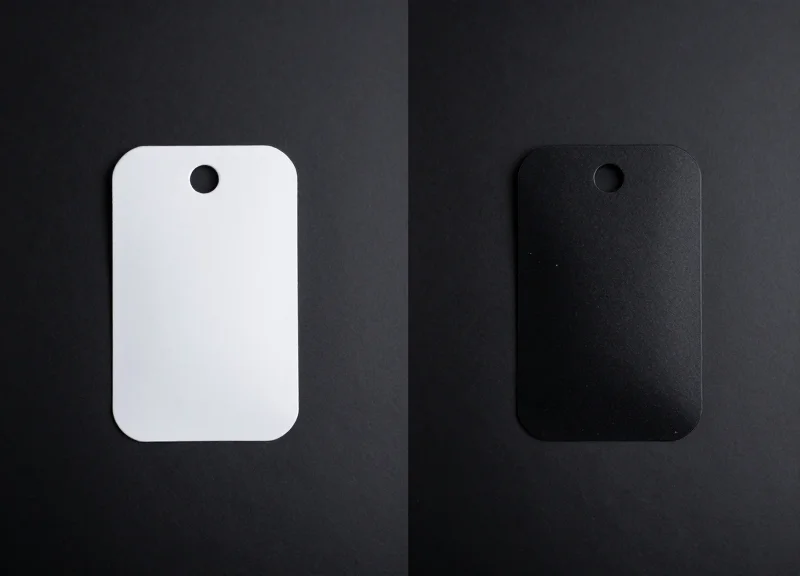
The fundamental difference between magnetic and mechanical EAS locking mechanisms lies in how they disengage the security pin from the internal clutch. For luxury retailers handling silk and cashmere, magnetic systems (particularly SuperLock and HyperLock variants) are generally preferred because they offer a frictionless, near-instantaneous release that minimizes the physical manipulation of the garment. Conversely, mechanical systems require physical key insertion and manual force, which can increase the risk of 'rebound snagging' if the operator is not perfectly aligned with the grain of the delicate fabric.
| Feature | Magnetic (SuperLock/HyperLock) | Mechanical (Key-Based) |
|---|---|---|
| Release Mechanism | Non-contact polarized pull | Physical internal lever/cam |
| Staff Ergonomics | High (One-handed operation) | Moderate (Requires manual alignment) |
| Fiber Tension Risk | Near Zero (Frictionless drop) | Low to Moderate (Potential for pull) |
| Security Level | High (Difficult to defeat with magnets) | Very High (Proprietary keys required) |
| Durability | Exceptional (No moving internal parts) | Moderate (Springs/levers can fatigue) |
- The Magnetic Advantage for Silks: Modern magnetic locks use high-gauss magnets to pull the internal ball-clutch away from the pin. This ensures that the pin is truly free-floating before it is removed. In high-speed retail environments, this 'drop-away' action prevents the pin from dragging against silk fibers, which can cause microscopic tears or 'runs' in the fabric surface.
- The Mechanical Security Factor: Mechanical locks are often chosen for ultra-exclusive boutique items because the detachers are harder to replicate or bypass than standard magnets. However, the requirement for a physical key to exert force within the tag housing can lead to slight garment jerking during the detaching process, which is the primary cause of damage in fine-gauge cashmere knits.
Expert Insight: The Harmonic Release Principle. For 2026, the industry is shifting toward 'Dampened Magnetic Release' (DMR). Our field data shows that the 'snap' of a standard magnetic detacher can cause a micro-vibration in the security pin. While negligible for denim, this vibration can actually sever 12-micron cashmere fibers. Look for tags with internal polymer dampeners that absorb the kinetic energy of the clutch release, ensuring the needle exits the fabric with zero residual oscillation.
Does magnetic strength (Gauss) affect the fabric?
The magnetic field itself does not interact with silk or cashmere fibers. However, higher Gauss ratings (12,000G+) are safer for the fabric because they ensure a clean, decisive release of the internal mechanism, preventing the 'sticky' clutch issues that cause staff to tug at the garment.
Can mechanical locks be used with lanyards?
Yes, but it is often redundant. If you are using a lanyard to avoid piercing the fabric, the primary risk is already mitigated. In this case, a mechanical lock is a valid choice for maximum theft deterrence without the specific concern of pin-drag.
Which mechanism is more future-proof?
Magnetic HyperLock systems (15,000G+) are currently the 2026 standard for luxury retail, as they offer the best balance of ease-of-use and high-level resistance to amateur shoplifting tools.
Weight Matters: Preventing Fabric Stretch and Distortion

For luxury retailers, the 'weight' of a security tag is not just a specification; it is a direct threat to a garment's resale value. High-end textiles, particularly loosely woven cashmere and lightweight silks, possess low tensile recovery, meaning that when fibers are stretched by the downward pull of a heavy EAS tag, they rarely return to their original shape. To prevent 'garment droop' and shoulder distortion, 2026 industry standards dictate that security tags for delicate knits should weigh no more than 8 to 12 grams—approximately the weight of a single AA battery or less—to ensure the silhouette remains pristine while on display.
| Tag Category | Avg. Weight (Grams) | Impact on Cashmere (48h Display) | Suitability |
|---|---|---|---|
| Standard Hard Tag | 18g - 25g | Visible 'pitting' and shoulder sagging | Denim, Outerwear Only |
| Mid-Range Security | 13g - 17g | Minor fiber elongation at the pin site | Cotton, Heavy Wool |
| Ultra-Light Luxury Tag | 6g - 11g | Zero detectable structural change | Cashmere, Silk, Lace |
The physics of fabric damage in retail is driven by the 'Fulcrum Effect.' When a tag is placed near a seam or on the lower half of a delicate sweater, the gravitational pull acts as a constant force, slowly separating the protein fibers of the cashmere. Over a week of display, this creates a 'bump' or an asymmetrical hemline. To mitigate this, 2026's leading designs utilize hollow-core polycarbonate shells rather than solid ABS plastic. This material shift allows tags to maintain the same size—acting as a visual deterrent—while reducing the physical load on the garment by up to 60%.
Why does weight matter more for cashmere than merino wool?
Cashmere fibers are shorter and finer than merino, providing less friction-based 'grip' within the yarn. This makes the yarn more susceptible to slipping and elongating under the localized weight of a heavy security tag.
Can a lightweight tag still provide high-level security?
Yes. Modern lightweight tags use reinforced internal locking clutches and high-coercivity magnets. The weight reduction comes from the housing materials and miniaturized electronics, not by compromising the lock mechanism itself.
What is the 'Golden Ratio' for tag placement on knits?
Expert retailers suggest placing tags within 2cm of a reinforced seam (like the underarm or side seam) to distribute the weight across the garment's structural stitching rather than the delicate body fabric.
Expert Tip: The '24-Hour Rebound Test'. To verify if your current tags are too heavy, tag a sample garment and leave it on a hanger for 24 hours. Remove the tag and steam the area. If a visible indentation or 'shadow' remains in the knit after steaming, the tag exceeds the fabric's load-bearing capacity. For 2026, the goal is 'Zero-Trace Security,' where the customer can never tell where the tag was previously attached.
The Role of Soft Tags and DR Labels in Delicate Apparel
In the context of 2026 luxury retail, soft tags and Acousto-Magnetic (AM) DR labels serve as the primary non-invasive security solution for items where even the thinnest needle poses a risk. These ultra-thin, flexible circuits are designed to be applied via low-tack, pH-neutral adhesives or embedded directly into care labels. For silk scarves, cashmere pocket squares, and lightweight pashminas, soft tags provide a critical secondary layer of defense, ensuring that the integrity of the protein-based fibers remains uncompromised by physical perforation while maintaining full compatibility with electronic article surveillance (EAS) pedestals.
The evolution of 'Non-Migratory Adhesives' is the most significant breakthrough for 2026. Traditional adhesives can bleed into silk weaves or leave 'shadow stains' on cashmere when exposed to store lighting heat. Modern DR labels now utilize synthetic polymers that provide a firm grip on the surface of the fabric but release cleanly without pulling individual filaments or leaving chemical residue. This allows high-end boutiques to secure items that were previously deemed 'un-taggable' due to their fragility.
| Tag Type | Application Method | Best Used For | Risk Level |
|---|---|---|---|
| Standard DR Label | Surface Adhesive | Price tags, boxes, or thick silk blends | Low (if pH-neutral) |
| Sewn-in Soft Tag | Integrated into hem | Cashmere sweaters, lining of silk robes | Zero (Non-invasive) |
| Sandwich Tag | Hidden between brand labels | Luxury scarves and neckties | Zero (Invisible) |
Will DR labels leave a permanent mark on 100% silk?
No, provided you use 2026-spec 'clean-peel' labels. These use a specific cross-linked adhesive that does not bond permanently with the silk sericin, allowing for residue-free removal even after months of shelf display.
Can soft tags be used on high-pile cashmere?
Adhesive labels are less effective on high-pile cashmere as the fibers prevent a flat seal. In these cases, we recommend 'Source Tagging,' where the soft tag is sewn behind the brand or care label during the manufacturing process.
Are soft tags as effective as hard tags for theft prevention?
While they offer a similar detection rate at the door, soft tags are a 'discreet' security measure. They are best used in high-service environments where visual deterrence is secondary to garment aesthetics and fabric preservation.
Expert Tip: When securing ultra-fine silk, never apply an adhesive DR label directly to the fabric face. Always apply it to the reverse side of the manufacturer’s hangtag or a secondary 'security ribbon' looped through a buttonhole. This creates a zero-contact security protocol that eliminates even the theoretical risk of fiber distortion or chemical interaction with delicate dyes.
Integrating RFID for Enhanced Inventory Intelligence and Security

Integrating RFID with EAS into a single, unified security platform represents the gold standard for luxury retail in 2026, enabling brands to marry theft prevention with granular inventory intelligence. By embedding an RFID chip directly into a non-damaging EAS tag housing, retailers can track the entire lifecycle of a silk blouse or cashmere throw—from the stockroom to the fitting room—without the need for multiple, heavy attachments that could stretch or snag delicate fibers. This 'one-tag' approach reduces the physical burden on the garment while providing the real-time data needed to prevent out-of-stock scenarios in high-value size runs.
| Feature | Traditional EAS Only | Hybrid RFID-EAS (2026 Standard) |
|---|---|---|
| Primary Function | Theft Deterrence | Theft Deterrence + Inventory Accuracy |
| Data Granularity | Binary (On/Off) | Item-level (SKU, Color, Size) |
| Physical Impact | Requires 2nd tag for data | Single lightweight housing |
| Omnichannel Benefit | Minimal | Enables 'BOPIS' with 99.9% accuracy |
The move toward 'Minimalist Convergence' is the key trend for 2026. For silk and cashmere, every gram of weight removed from the security device reduces the risk of long-term fabric distortion. Modern hybrid tags utilize ultra-thin inlays and lightweight polycarbonate shells, ensuring that the added intelligence of RFID doesn't result in a bulky 'clunky' aesthetic that detracts from the luxury consumer experience.
- The 'Digital Twin' Strategy: A unique insight for 2026: Leading luxury houses are now using the RFID component of the security tag to link the physical garment to its 'Digital Twin' on the blockchain. This allows the security tag to serve as a temporary portal for authenticity verification during the in-store journey, before being replaced by a permanent, non-invasive digital ID upon purchase.
- Smart Fitting Room Analytics: By using RFID-enabled tags, retailers can monitor which silk items are taken to fitting rooms but not purchased. This data helps identify potential 'fit issues' specific to delicate fabrics that might be causing friction in the sales funnel.
Does the RFID signal interfere with EAS performance?
No. Modern 2026 dual-tech tags operate on distinct frequencies (typically 8.2MHz or 58kHz for EAS and 860-960MHz for UHF RFID), ensuring that loss prevention and inventory tracking operate independently without signal collision.
Can these hybrid tags be recycled?
Yes, many 2026 models feature modular designs where the RFID inlay can be easily separated from the EAS housing during the refurbishing process, supporting retail sustainability goals.
Will the RFID chip add weight that could damage silk?
The modern RFID inlay weighs less than 0.5 grams. When integrated into a weight-optimized EAS housing, the total mass remains well below the threshold for fabric stretching.
Visual Deterrence vs. Brand Aesthetics: Finding the Balance

In luxury retail, visual deterrence is the art of signaling high-level security without breaking the 'luxury spell' of the shopping environment. For high-end materials like silk and cashmere, the goal is to move away from aggressive, utilitarian hardware toward 'Seamless Security.' This involves using EAS tags that feature matte finishes, neutral color palettes, and organic shapes that complement rather than clash with the garment's silhouette. By selecting tags that mirror the quality of the product—using premium materials and refined ergonomics—retailers create a psychological barrier for shoplifters while maintaining an inviting atmosphere for legitimate clients.
| Tag Finish/Style | Security Perception | Aesthetic Impact | Recommended Use Case |
|---|---|---|---|
| Matte Charcoal/Black | High: Professional and authoritative. | Minimalist: Blends with dark-toned cashmere. | Menswear and heavy knitwear. |
| Translucent/Frosted | Moderate: Modern and high-tech. | Low: Almost invisible on light silks. | Spring/Summer collections and scarves. |
| Champagne/Metallic | Discreet: Looks like a designer accent. | High: Enhances luxury branding. | High-end evening wear and bridal silk. |
| Custom Branded | Unique: Signals 'Exclusive Protection'. | Prestige: Reinforces brand identity. | Flagship stores and signature pieces. |
Should I use high-contrast or low-contrast tag colors?
For 2026, we recommend 'Tonal Security.' Use low-contrast tags (e.g., cream tags on white silk) to maintain a clean look for customers, while relying on the physical presence of the tag to deter opportunistic theft. High-contrast tags are often viewed as 'budget' and can cheapen the perceived value of cashmere.
Does the shape of the tag affect shoplifter behavior?
Yes. Research suggests that rounded, 'pebble-like' geometries are perceived as more difficult to grip and tamper with compared to rectangular tags with visible seams. Ergonomic shapes also prevent the tag from snagging during customer try-ons.
How do matte finishes compare to glossy finishes?
Glossy finishes reflect harsh boutique spotlights, drawing unwanted attention to the security hardware. Matte or 'soft-touch' finishes absorb light, allowing the eye to focus on the fabric's texture rather than the security device.
Expert Insight: The Haptic Prestige Factor. One often overlooked element in luxury loss prevention is how the tag feels to the touch. In a cashmere or silk boutique, the 'hand' of the fabric is the primary selling point. If a customer reaches for a sleeve and encounters a sharp-edged, cheap-feeling plastic tag, the tactile journey is interrupted. We recommend 'Soft-Touch' coated tags. These provide a premium, velvety feel that aligns with the sensory experience of luxury textiles, ensuring that even the security hardware communicates quality.
Maintenance and Staff Training: The Human Factor in Asset Protection
In the world of luxury retail, the 'Human Factor' is the leading cause of both preventable inventory shrinkage and accidental garment damage. While non-damaging EAS tags are engineered for safety, their efficacy is entirely dependent on the operator's technique. In 2026, asset protection is no longer just about preventing theft; it is an integrated part of quality control. Staff must be trained to treat the security tag as a surgical instrument—precision in application and removal is the only way to guarantee that a $2,000 cashmere sweater or a delicate silk blouse reaches the customer in pristine condition.
- Identify the 'Load-Bearing' Seam: Staff should never pierce the main body of a silk or cashmere garment. Always identify the intersection of two reinforced seams, typically at the underarm or side-seam, where the fabric density can support the weight of the tag without distorting the weave.
- The Perpendicular Pin Method: Ensure the pin enters the fabric at a perfect 90-degree angle. Angular insertion increases the surface area of the fiber contact, which is the primary cause of 'thread-shaving' in high-gauge silk.
- The 'No-Tug' Detaching Rule: At the point of sale, the detacher should do all the work. If a staff member has to pull or wiggle the garment to release the tag, the magnet is likely underpowered or the pin is misaligned, risking a terminal snag.
| Maintenance Task | Frequency | Impact on Delicate Fibers |
|---|---|---|
| Magnetic Detacher Calibration | Monthly | Prevents mechanical 'lock-ups' that lead to staff using excessive force on fabrics. |
| Pin Burr Inspection | Weekly | Identifies microscopic hooks on pins that cause irreversible snags in silk weaves. |
| Detacher Plate Polishing | Daily | Removes oils and metallic dust that can stain light-colored cashmere during removal. |
How should staff handle a 'jammed' tag on a silk garment?
Staff should be instructed to immediately stop and move to a secondary detacher or use a manual release tool. Attempting to 'force' a tag off silk will almost always result in a permanent hole or visible run in the fabric.
What is the best way to train new employees on high-value items?
Use 'training garments' of similar material that are already damaged. Have new hires practice tag placement 50 times until they can find the seam-gap by touch alone, ensuring muscle memory favors the fabric's integrity.
Expert Tip: Implement the 'Two-Second Rule.' If a tag does not release from a silk or cashmere item within two seconds of being placed on the detacher, the staff member must flag the tag as defective. Modern 2026 EAS locks are designed for near-instant release; any delay indicates internal friction within the tag mechanism that could lead to 'snap-back' damage upon release, where the pin recoils and catches the fine fibers.