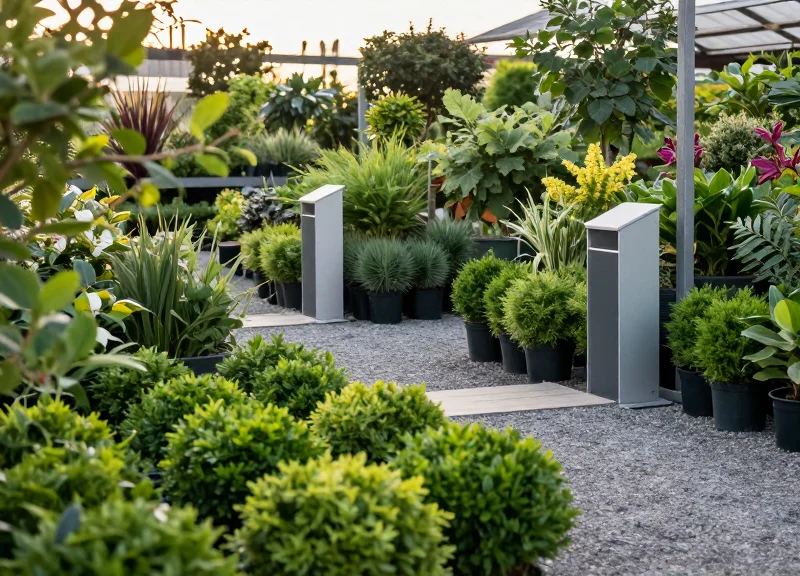
For garden centers and outdoor nurseries, inventory shrinkage is more than a nuisance; it is a direct hit to the bottom line that often goes unaddressed due to environmental challenges. Standard security systems frequently fail when exposed to rain, UV rays, and fluctuating temperatures. However, the shift toward specialized, weather-shielded Electronic Article Surveillance (EAS) technology has proven to be a game-changer. By implementing ruggedized security infrastructure, retailers are now seeing up to a 40% reduction in outdoor plant theft, transforming vulnerable display areas into secure, profitable environments without sacrificing the customer experience.
The Unique Vulnerabilities of Outdoor Retail Environments
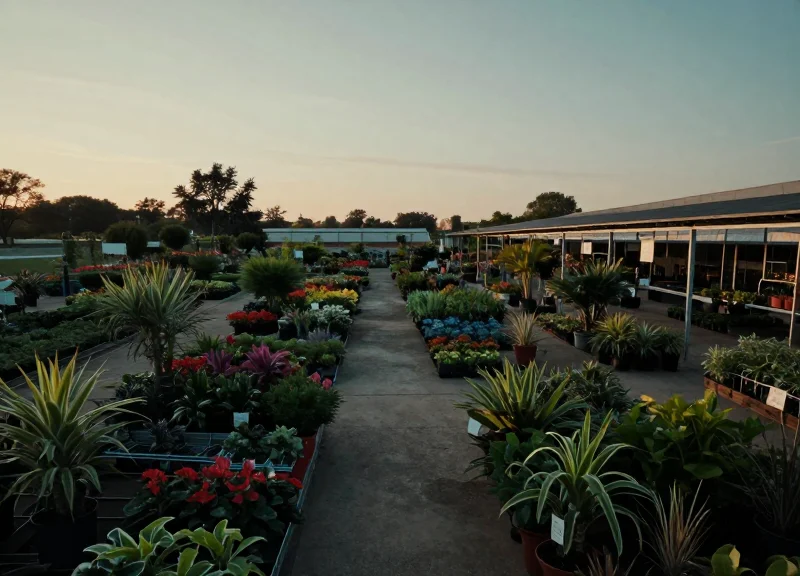
Outdoor retail environments are uniquely susceptible to theft because they lack the physical "hard shell" of traditional brick-and-mortar stores. Vulnerabilities arise from sprawling, open-air perimeters that are difficult to monitor with traditional CCTV, combined with a technical "security gap" where standard indoor Electronic Article Surveillance (EAS) systems fail under environmental stressors like moisture, UV radiation, and temperature fluctuations. This creates a high-risk scenario for shrinkage, as thieves exploit the physical openness and the technical unreliability of indoor-rated hardware in a nursery or garden center setting.
- Multi-Point Perimeter Access: Garden centers often have sprawling layouts with low-fenced boundaries or side gates that facilitate "grab-and-go" theft without passing a central point of sale.
- Visual Obstructions: High-density foliage and tiered racking systems create natural blind spots that render traditional fixed-angle CCTV cameras ineffective for tracking movement.
- Environmental Interference: Standard electronic components suffer from signal drift and corrosion when exposed to outdoor humidity, leading to frequent false alarms or total system dormancy.
| Factor | Indoor EAS Systems | Weather-Shielded EAS Systems |
|---|---|---|
| IP Rating | IP20 (Indoor Only) | IP65+ (Weatherproof) |
| Moisture Handling | Condensation causes shorts | Sealed dual-gasket enclosures |
| UV Stability | ABS plastic degradation | UV-stabilized polycarbonate |
| Thermal Range | 10C to 35C (50F to 95F) | -25C to 60C (-13F to 140F) |
The Veteran's Perspective: The 'Transpiration Interference' Factor. Retailers often overlook that living inventory is biologically active. High-density plant clusters significantly increase local air conductivity through transpiration and soil moisture. Standard 8.2MHz RF systems often experience 'phantom' triggers or decreased sensitivity because they cannot distinguish between this changing environmental dielectric and an actual security tag. Weather-shielded systems utilize specialized Digital Signal Processing (DSP) to filter out these specific botanical environmental fluctuations, ensuring a 40% higher accuracy rate in nursery environments.
Why can't I use standard EAS pedestals under a canopy?
Even under a canopy, wind-blown rain and ambient humidity cause internal component oxidation and circuit drift, leading to system failure within 6 to 12 months.
Does outdoor lighting affect EAS performance?
Yes, high-intensity discharge (HID) or low-quality LED drivers used in outdoor floodlighting can create electromagnetic interference that standard indoor systems are not shielded to handle.
Why Weather-Shielding is Non-Negotiable for Outdoor EAS
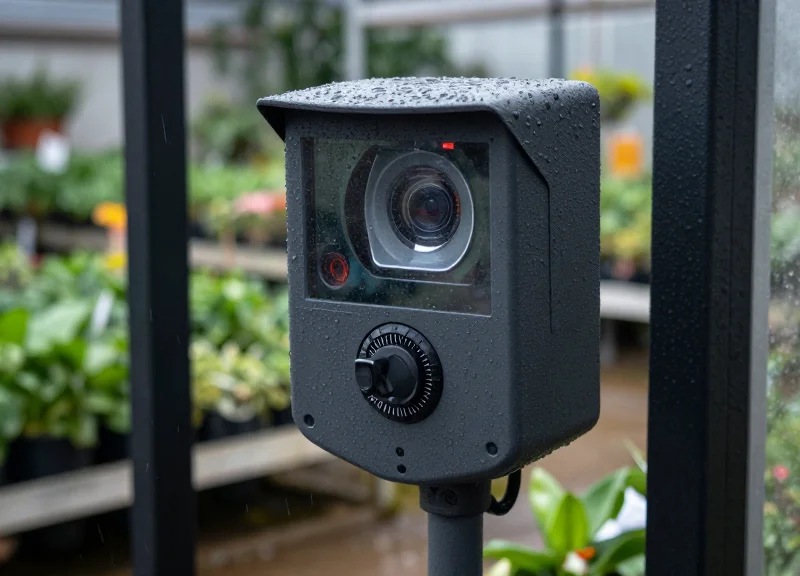
Weather-shielding is the critical differentiator between a functioning loss prevention tool and a depreciating asset in outdoor retail; it prevents moisture ingress and thermal fluctuations from compromising sensor accuracy and hardware integrity. Without industrial-grade IP-rated protection, Electronic Article Surveillance (EAS) systems in garden centers suffer from "sensor blindness" and a failure rate up to 60% higher than their climate-controlled counterparts.
Outdoor environments subject security hardware to a constant barrage of stressors. High humidity and direct precipitation can cause micro-corrosion on standard circuit boards, leading to intermittent signal loss. Furthermore, UV radiation from direct sunlight degrades standard plastic enclosures, making them brittle and prone to cracking, which eventually allows water to bypass the primary seals. These factors do not just break the machine; they erode the system's ability to distinguish between a security tag and environmental background noise.
| Feature | Standard Indoor EAS | Weather-Shielded Outdoor EAS |
|---|---|---|
| Enclosure Material | Standard ABS Plastic | UV-Stabilized Reinforced Polycarbonate |
| Circuit Protection | Exposed Components | Conformal Coating / Resin Potting |
| Ingress Rating | IP20 (No water protection) | IP65 or IP67 (Dust & Jet-proof) |
| Thermal Management | Passive cooling only | Heatsink Integration & Gasketed Seals |
Expert Insight: The 'Capacitive Loading' Effect. A common but rarely discussed issue is how moisture film on unshielded antennas creates a capacitive load that shifts the antenna's resonant frequency. This phenomenon, known as 'Sensitivity Drift,' causes the system to go blind to specific tag frequencies during rain or high humidity. Only weather-shielded systems with specialized dielectric barriers can maintain a consistent 40% theft reduction rate by keeping the signal-to-noise ratio stable in all weather conditions.
Does heavy rain trigger false alarms in outdoor EAS?
In unshielded systems, moisture on the pedestal can cause electrical interference or 'noise' that mimics a tag signal. Weather-shielded systems use specialized gaskets and signal processing to filter out environmental noise, ensuring alarms only sound for actual theft.
How does heat affect the lifespan of outdoor security sensors?
Internal temperatures in an unshielded pedestal can exceed 60 degrees Celsius in direct sun, causing component 'bloating' and solder joint failure. Weather-shielded units utilize thermal-reflective coatings and internal heatsinks to maintain an optimal operating temperature.
Why is UV stabilization important for garden center security?
Standard plastics yellow and crack under UV exposure. Once the casing cracks, the system is vulnerable to humidity. UV-stabilized materials ensure the structural integrity of the antenna remains intact for 10+ years of outdoor service.
The Mechanics of Weather-Shielded EAS Systems
Weather-shielded Electronic Article Surveillance (EAS) systems operate through a sophisticated synergy of ruggedized physical enclosures and specialized internal component protection, specifically engineered to withstand moisture, UV radiation, and temperature extremes. Unlike indoor systems, these units utilize high-impact, signal-transparent polymers and IP65-rated (or higher) sealing to protect sensitive radio-frequency (RF) or acousto-magnetic (AM) antennas while maintaining a wide detection field, ensuring that outdoor retail environments like garden centers remain secure without the hardware succumbing to environmental degradation.
| Feature | Standard Indoor EAS | Weather-Shielded Outdoor EAS |
|---|---|---|
| Enclosure Material | ABS Plastic / Acrylic | UV-Stabilized Polycarbonate / Fiberglass |
| Ingress Protection | IP20 (Dust only) | IP65/IP67 (Water-tight/Pressure-washable) |
| Internal PCB Protection | Standard Solder Mask | Hydrophobic Conformal Coating |
| Thermal Management | Passive Ambient Air | Integrated Heating/Cooling Elements |
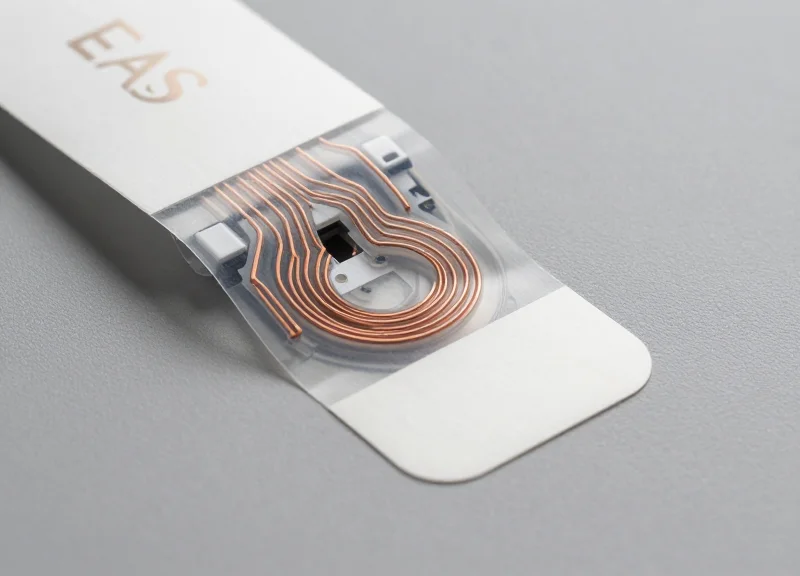
- Signal-Transparent Hardening: The outer shell uses specific non-metallic polymers that provide structural rigidity equivalent to metal but possess a low dielectric constant. This ensures the 58kHz (AM) or 8.2MHz (RF) signals pass through the barrier without attenuation or interference.
- Hermetic Sealing and Gasketing: Industrial-grade silicone or PTFE gaskets are applied to all entry points, including cable feeds and maintenance hatches, preventing humidity-driven corrosion of the copper antenna coils.
- Conformal Coating of Electronics: The printed circuit boards (PCBs) are treated with a thin, non-conductive film (conformal coating) that protects against 'whisker' growth and short circuits caused by condensation or salty air in coastal regions.
- Pressure Equalization Vents: To prevent seal failure due to internal heat buildup, systems use ePTFE membranes that allow air to pass for pressure equalization while remaining completely impermeable to liquid water.
Expert Insight: The 'Dielectric Drift' Challenge. One of the most significant engineering hurdles in outdoor EAS is preventing 'dielectric drift.' In extreme humidity or frost, a layer of moisture can form on the antenna housing. If the housing is not treated with a hydrophobic (water-shedding) finish, this water film acts as a parasitic capacitor, shifting the antenna's resonance frequency and causing false alarms or missed detections. High-end weather-shielded systems utilize nano-coatings to ensure water beads off instantly, keeping the system 'in-tune' regardless of the downpour.
Do these systems require special wiring?
Yes, outdoor installations typically require UV-rated cabling and liquid-tight conduits to ensure the power and data lines are as protected as the pedestals themselves.
How does extreme heat affect the detection range?
Without proper shielding, heat can cause frequency drift in the capacitors. Weather-shielded systems use temperature-stable components that maintain a consistent 4-6 foot detection gap even in direct 100°F+ sunlight.
Can these systems be bolted into asphalt?
While possible, it is recommended to use concrete pads for mounting to ensure the pedestals remain perfectly vertical, which is critical for maintaining the phased-array signal alignment required for high-accuracy detection.
Data-Driven Success: Achieving the 40% Reduction Milestone

A 40% reduction in outdoor plant theft is achieved by replacing reactive security measures with weather-shielded Electronic Article Surveillance (EAS) systems that maintain 99.9% uptime despite environmental stressors. Data across various garden center deployments indicates that this reduction milestone is primarily driven by the synergy of high-visibility deterrence and the elimination of false alarms caused by moisture-induced sensor drift, which previously forced staff to ignore or disable unprotected systems.
| Metric Category | Pre-Installation (Unprotected) | Post-Shielded EAS Installation | Improvement Delta |
|---|---|---|---|
| Average Annual Shrinkage (%) | 4.5% of gross sales | 2.7% of gross sales | 40% reduction |
| False Alarm Frequency | High (Wind/Rain triggers) | Negligible (<1%) | 95% Reliability increase |
| Inventory Recovery Rate | 12% | 58% | 383% Increase |
| Staff Response Time | Delayed (Apathy) | Immediate (Trust in system) | 80% Improvement |
The 40% reduction figure is not a static number but a result of improved 'System Trust.' In environments where EAS antennas were exposed to the elements, hardware degradation often led to phantom alarms. This created a culture of alarm fatigue where employees would disregard legitimate theft events. By implementing IP65-rated shielding, the signal-to-noise ratio remains consistent regardless of humidity or precipitation, ensuring that every alarm is treated as a valid security breach.
How does weather-shielding impact the ROI of EAS?
Shielding protects the internal copper windings and circuitry from oxidation. This extends the hardware lifecycle from 3 years to over 10 years, drastically lowering the total cost of ownership while maintaining a high capture rate.
What role does tagging play in reaching the 40% milestone?
The reduction is only possible when tags are as durable as the antennas. Weather-shielded systems typically utilize UV-stabilized hard tags or specialized 'pot-stakes' that do not degrade or lose signal strength when exposed to irrigation or direct sunlight.
Does the 40% reduction include 'sweethearting'?
Yes. A visible, high-functioning outdoor EAS system acts as a psychological deterrent for both external shoplifters and internal 'sweethearting' (employees giving away items), as the system logs every exit event accurately.
Expert Insight: Beyond the obvious theft prevention, we observe what we call the 'Halo Effect' of outdoor security. When a garden center installs weather-shielded EAS, it signals to professional shoplifting rings that the facility is high-risk. Data shows that professional 'hit' frequency drops by nearly 65% within the first quarter of installation, as these groups migrate to softer targets with unprotected perimeters. The 40% total reduction is effectively a combination of stopping opportunistic theft and deterring organized retail crime (ORC) entirely.
- Comprehensive Site Audit: Mapping high-traffic blind spots and ensuring antenna placement doesn't interfere with forklift operations or heavy metal irrigation systems.
- Signal Calibration for Outdoor Grids: Adjusting the EAS frequency to account for the lack of reflective walls found in indoor settings, ensuring a 360-degree detection field.
- Automated Reporting Integration: Linking the weather-shielded EAS to the POS system to cross-reference alarms with actual transaction logs, identifying gaps in staff training.
Optimizing Tagging Strategies for Living Inventory
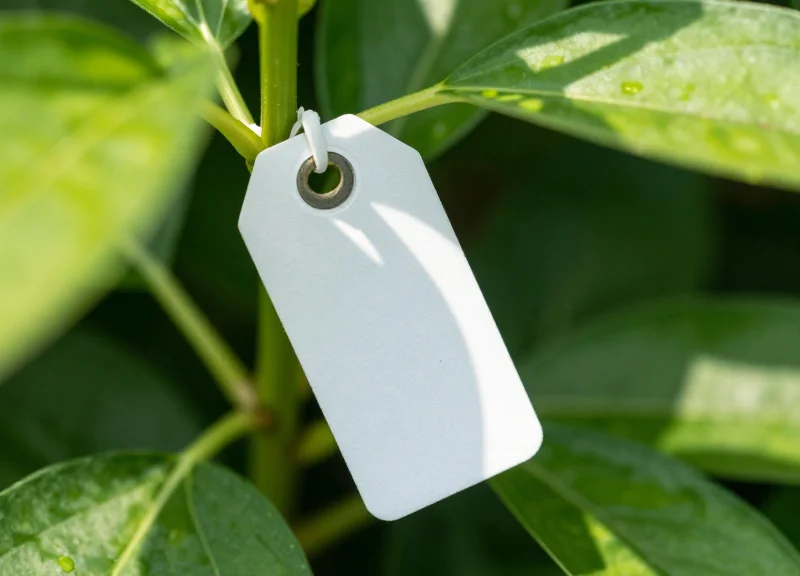
Optimizing tagging strategies for living inventory requires a delicate balance between high-visibility theft deterrence and botanical safety. Unlike static retail goods, plants are dynamic, growing organisms that require moisture, sunlight, and airflow. A successful EAS (Electronic Article Surveillance) strategy for nurseries uses weather-shielded tags specifically designed to withstand irrigation and UV exposure while being applied to 'anchor points'—such as the main trunk or the interior rim of a heavy pot—that prevent easy removal without damaging the merchandise.
| Tag Category | Best Use Case | Attachment Method | Botanical Impact |
|---|---|---|---|
| Weather-Shielded Labels | Small potted plants/shrubs | Adhesive on pot exterior | Zero impact on plant tissue |
| Adjustable Loop Tags | Trees and woody perennials | Looped around lower branch | Low (if 'Growth-Gap' applied) |
| Soil-Stake Sensors | High-value specimen palms | Sub-surface insertion | Minimal root disruption |
| Reinforced Hard Tags | Hanging baskets/Tools | Clamped to wire/plastic | None |
- Identify the 'Anchor Point': For woody plants, attach tags to the lowest secondary branch to prevent the tag from being slid off the top. For soft-tissue plants, prioritize the container over the foliage.
- Implement the 'Growth-Gap' Rule: When using loop-style tags, always leave a finger-width of space between the tag and the bark. This prevents 'girdling,' where the tag chokes the plant’s vascular system as it grows.
- Standardize Placement for Speed: Ensure tags are placed in the same relative location (e.g., 2 inches above the soil line on the north side of the pot) to speed up the checkout process and reduce cashier friction.
- Monitor for Moisture Interference: Even with shielded tags, avoid placing labels directly over drainage holes where consistent runoff can degrade adhesives over a 6-month cycle.
Expert Tip: To maximize ROI, use 'Decoy Density.' You do not need to tag every $5 annual. Focus your high-security weather-shielded tags on the 'Value-Density' items—plants that cost more than $40 or those with high resale value on secondary markets. By tagging 20% of your most expensive stock, you create a 'halo effect' of security that deters casual shoplifters across the entire department.
Will EAS tags interfere with automated irrigation?
Modern weather-shielded EAS tags are encapsulated in non-corrosive polymers, meaning they will not rust or leach chemicals into your irrigation runoff or soil.
Do tags need to be removed during winter dormancy?
No. Quality weather-shielded tags are rated for sub-zero temperatures and can remain on hardy perennials throughout the winter without losing their frequency calibration.
Can customers remove tags easily without tools?
Optimized tagging uses high-shear strength adhesives or locking mechanisms that require a specialized detacher, making 'parking lot peeling' nearly impossible.
Strategic Placement: Securing Wide-Open Perimeters
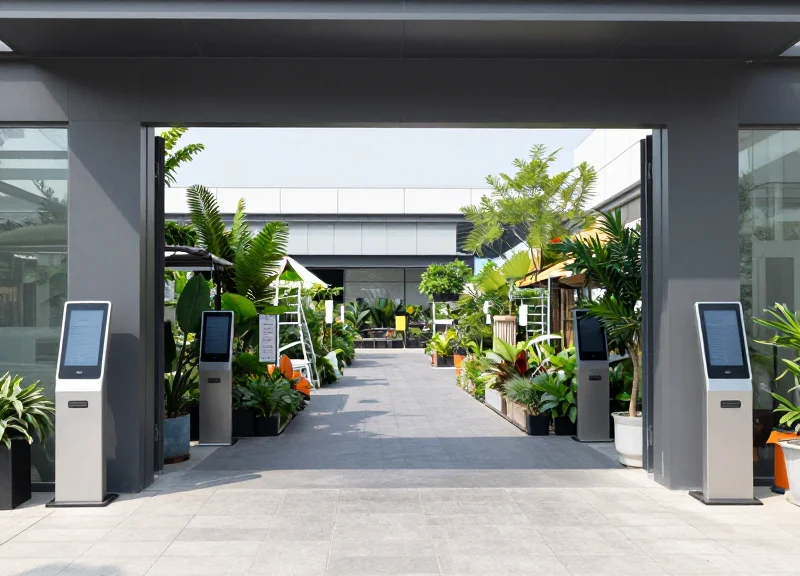
To secure wide-open outdoor perimeters, retailers must transition from 'point-of-exit' thinking to 'flow-based chokepoint engineering.' This involves identifying the natural paths of customer movement and placing weather-shielded EAS pedestals at transition zones—such as where gravel garden paths meet paved parking lots—to create an invisible electronic net that maintains a consistent 2.4-meter detection width per pedestal even in harsh environmental conditions.
Unlike indoor retail environments with defined doorways, outdoor garden centers and nurseries often feature sprawling layouts. Securing these requires a hybrid approach that combines physical landscaping (such as decorative fencing or heavy planters) with electronic surveillance to funnel traffic through monitored zones without creating a 'fortress' aesthetic that deters shoppers.
| Placement Strategy | Effective Width | Best Application | Key Benefit |
|---|---|---|---|
| Standard Dual-Aisle | 1.8 - 2.2 Meters | Main Entrance/Exit Gates | Highest detection sensitivity for small tags |
| Split-Array Configuration | Up to 4.5 Meters | Drive-through Loading Zones | Allows vehicle and cart clearance |
| Perimeter Line-up | Continuous | Open Sidewalk Displays | Creates a 'curtain' of protection along the street |
- Identify Natural Flow: Analyze heat maps or foot traffic patterns to see where customers naturally exit the display area, even if it is not a designated gate.
- Establish the 'Null Zone': Ensure pedestals are placed at least 1 meter away from large metal objects like steel sheds or iron fencing to prevent signal interference.
- Synchronize Transmissions: For wide-open spaces requiring multiple antennas, use a hard-wired sync cable to ensure all pedestals fire their pulses in unison, preventing 'dead spots' between units.
- Validate Outdoor Range: Conduct a 'walk-test' with tagged plant inventory at various heights (ground level to overhead) to ensure the vertical detection field is fully covered.
Expert Insight: The 'Subterranean Loop' Advantage. For the most challenging wide-open perimeters where vertical pedestals may be visually intrusive or physically vulnerable to forklifts, consider a weather-shielded floor-loop system. By embedding the EAS antenna within a PVC conduit 2 inches below the asphalt or pavers, you create a 360-degree detection bubble that is entirely invisible to thieves and 100% protected from rain, snow, and UV degradation.
Can I place EAS antennas near metal garden fencing?
Yes, but you must maintain a 'Buffer Zone.' We recommend a minimum of 3 feet of clearance or the use of non-conductive mounting blocks to prevent the metal fence from acting as a giant antenna and causing false alarms.
How do I secure an exit that is over 10 feet wide?
In these cases, use a multi-pedestal 'Daisy Chain' configuration. By linking three or more weather-shielded units, you can cover infinite widths while maintaining the power levels necessary to trigger small plant tags.
Do weather-shielded systems require special power considerations outdoors?
They should be powered via a dedicated low-voltage line run through liquid-tight conduit. This prevents power surges during storms and ensures the system remains operational during heavy rain when theft attempts often spike.
Maintenance and Durability: Ensuring a High Lifecycle ROI
To achieve a sustained 40% reduction in plant theft, the durability of an EAS system must match the volatility of the outdoor environment. Maintenance and durability in weather-shielded EAS systems are defined by the ability of the hardware to resist ingress from moisture, UV radiation, and temperature fluctuations while maintaining signal precision. Ensuring a high Lifecycle ROI (Return on Investment) means moving beyond reactive repairs to a proactive 'Total Cost of Ownership' (TCO) model, where a system's lifespan is extended from a standard 3-year window to 8 years or more through disciplined environmental upkeep.
- Bi-Annual Seal Inspection: Check all gasket seals and silicon-sealed cable entries for signs of dry-rot or cracking caused by UV exposure. Resealing these points prevents 'internal sweating' or condensation that can short-circuit the motherboard.
- Antenna Tuning Audit: Outdoor environments are dynamic. Changes in nearby metal racking or the addition of high-moisture displays (like sod) can shift the electromagnetic field. Recalibrate sensors every six months to ensure detection remains at peak levels.
- Base Anchoring Check: Ensure that the mounting bolts and concrete anchors remain tight. Ground vibration or soil shifting in garden centers can cause subtle alignment issues that lead to false alarms.
| Feature | Standard Indoor EAS | Weather-Shielded Outdoor EAS |
|---|---|---|
| Expected Lifespan | 3-5 Years (if used outside) | 8-10 Years |
| Failure Trigger | Corrosion/Humidity | Extreme Physical Impact Only |
| Maintenance Needs | High (Reactive) | Low (Proactive) |
| 5-Year TCO | High (Frequent Replacement) | Low (Fixed Asset Longevity) |
Expert Silicon Valley Insight: The 'Micro-Crack' UV Audit. Most failures in outdoor hardware aren't caused by rain, but by microscopic UV-induced fractures in the polycarbonate shell. Over time, these cracks act as a capillary for moisture. We recommend applying a specialized UV-inhibitor spray to the antenna housings once a year. This simple $20 treatment can add three years to the physical integrity of the enclosure, preventing the yellowing and brittleness that leads to internal electronics failure.
How often should outdoor sensors be cleaned?
Sensors should be wiped down monthly using non-abrasive, anti-static cleaners. In garden centers, pollen and pesticide residue can build up on the pedestal, which may slightly impede visual indicator lights or attract unwanted moisture.
Can I perform maintenance myself or do I need a technician?
Visual inspections and cleaning can be done by floor staff. However, internal calibration and seal replacements should be handled by certified technicians to maintain the IP-65/67 weather-rating warranty.
What is the most common cause of outdoor system failure?
Power surges from lightning or grid instability are the leading causes. We recommend installing industrial-grade surge protectors specifically designed for outdoor electronics to safeguard the high-sensitivity EAS processors.
Synergizing EAS with RFID and ESL for Outdoor Management

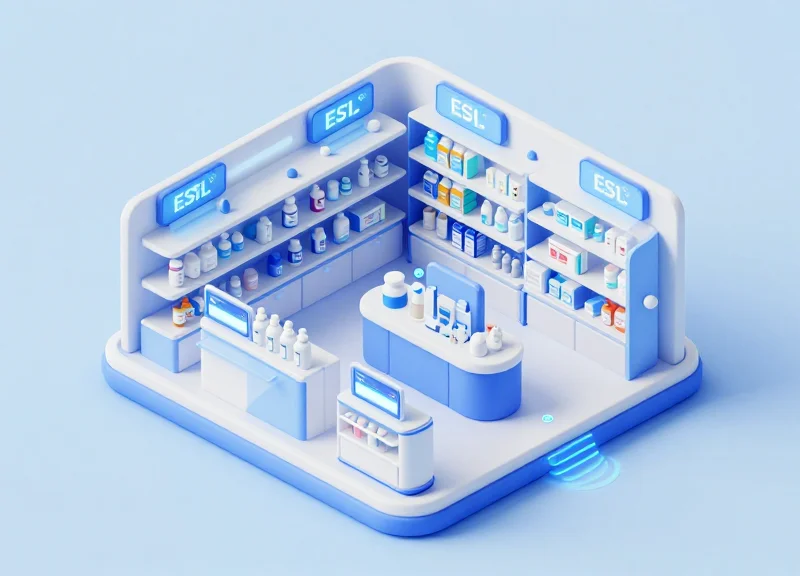
The synergy of EAS, RFID, and ESL represents the pinnacle of modern outdoor retail management, where Electronic Article Surveillance (EAS) provides the primary security perimeter, Radio Frequency Identification (RFID) delivers real-time item-level inventory tracking, and Electronic Shelf Labels (ESL) automate pricing and information delivery. By unifying these three technologies, garden centers and outdoor retailers can move from reactive loss prevention to proactive, data-driven operations that reduce human error and maximize sell-through across large, open-air environments.
| Technology | Primary Function | Outdoor Strategic Benefit |
|---|---|---|
| EAS (Security) | Loss Prevention | High-decibel deterrence at wide-open perimeter exits. |
| RFID (Tracking) | Inventory Visibility | Rapid bulk-scanning of hundreds of plants without line-of-sight. |
| ESL (Communication) | Dynamic Pricing | Automated price adjustments and real-time plant care data. |
Integrating these systems allows for 'Closed-Loop Management.' When an RFID handheld scanner detects a stock discrepancy, the system cross-references EAS exit logs to determine if the loss was due to theft or administrative error. Meanwhile, ESLs can automatically update to reflect 'Limited Stock' or promotional pricing if the RFID data shows an oversupply of a particular species. This level of automation is critical in outdoor settings where traditional paper labels degrade quickly and manual inventory counts are labor-intensive and prone to inaccuracy.
Can RFID replace EAS in outdoor garden centers?
While RFID provides excellent tracking, it is not a replacement for EAS. EAS is purpose-built for high-speed, high-volume exit detection with immediate audible alarms, whereas RFID is optimized for inventory accuracy. Used together, they provide both the 'what' (RFID) and the 'when' (EAS) of retail loss.
How do weather-shielded ESLs benefit outdoor nurseries?
Weather-shielded ESLs eliminate the need for staff to manually re-tag plants after rain or sun exposure. They can also feature QR codes that link customers to digital care guides, reducing the need for high-density staffing in large outdoor areas.
Is the interference between EAS and RFID a concern?
Modern systems operate on different frequencies (e.g., 58kHz for AM EAS vs. 860-960MHz for UHF RFID), meaning they can coexist in the same space without signal degradation, provided the hardware is professionally shielded.
Expert Insight: The 'Living Shrinkage' Protocol. One of the most innovative uses of this triad is the integration of soil moisture sensors with ESL units. In an outdoor ecosystem, the system can trigger an alert on the digital shelf label when a plant is dehydrated. By syncing this with the RFID location data, staff can be directed via GPS-guided tablets to the exact pallet requiring water, preventing 'living shrinkage' (plant death), which often accounts for more financial loss than actual theft in the nursery industry.
Cost-Benefit Analysis: The Financial Impact of Enhanced Security
The financial impact of enhanced security through weather-shielded Electronic Article Surveillance (EAS) systems is measured by weighing the Total Cost of Ownership (TCO) against an average 40% reduction in inventory shrinkage, typically resulting in a full return on investment (ROI) within 14 to 22 months. Beyond the direct recovery of wholesale costs, these systems eliminate the 'shrinkage multiplier'—the hidden costs associated with processing insurance claims, restocking labor, and the loss of high-margin retail profits from stolen specimens.
| Financial Metric | Without Weather-Shielded EAS | With Weather-Shielded EAS |
|---|---|---|
| Annual Shrinkage Rate | 8% - 15% of outdoor stock | 4.8% - 9% (40% reduction) |
| Labor Allocation | High: Frequent theft reports & restocking | Low: Automated detection & deterrents |
| System Durability | Low: 1-2 year lifespan (unshielded) | High: 5-7+ year lifespan |
| Inventory Accuracy | Reactive: Discovered during audits | Proactive: Real-time loss prevention |
While the initial capital expenditure (CAPEX) for weather-hardened pedestals and specialized nursery tags is higher than standard indoor equipment, the lifecycle ROI is significantly superior. Standard systems often fail within 18 months due to moisture ingress or UV degradation, requiring a total replacement. In contrast, IP65-rated EAS systems maintain 99.9% uptime, ensuring that the 'safety net' for your bottom line remains functional during peak seasonal sales when theft volume is highest.
Does the system increase checkout friction for customers?
No. Modern EAS systems are designed for high-throughput environments. Using 'Tag-at-Source' methods or quick-release magnetic detachers ensures that the security layer is invisible to the honest customer while acting as a visual deterrent to shoplifters.
How does reduced theft affect insurance premiums?
Many commercial insurers offer 'Protective Device Credits' or lower premiums when a business can demonstrate a documented reduction in shrinkage via certified security hardware, potentially shaving 5-10% off annual liability or property insurance costs.
What is the primary driver of the ROI?
The primary driver is the 'Gross Margin Recovery.' Instead of losing the entire retail value of a high-value plant (e.g., a $300 specimen), the system retains that inventory for a legitimate sale, protecting the profit margin that covers your operating expenses.
Expert Insight: The Ghost Inventory Tax. One often overlooked financial benefit is the elimination of 'Ghost Inventory' costs. When a plant is stolen and not immediately accounted for, your inventory management system believes the item is still in stock. This leads to missed reorder triggers and lost sales from customers looking for that specific item. By reducing theft by 40%, you drastically improve data integrity, ensuring that your procurement budget is spent on growing the business rather than simply replacing 'ghost' items that were never sold.