As hypermarkets scale globally toward 2026, the complexity of inventory protection reaches new heights. Shrinkage remains a primary threat to net margins, necessitating a sophisticated approach to Electronic Article Surveillance (EAS). Dual-frequency systems, combining Radio Frequency (RF) and Acousto-Magnetic (AM) technologies, offer the versatile protection required for diverse product categories and expansive retail footprints. This article provides a roadmap for executives to choose systems that don't just stop theft, but actively defend the bottom line.
The Evolution of Retail Shrinkage: Why 2026 Requires a New Strategy
By 2026, retail shrinkage is no longer characterized merely by isolated shoplifting incidents; it has evolved into a multi-billion dollar challenge driven by organized retail crime (ORC), sophisticated internal fraud, and the unintended vulnerabilities of frictionless checkout. The strategy for 2026 hypermarket scaling requires a departure from passive, reactive monitoring toward proactive, integrated dual-frequency Electronic Article Surveillance (EAS) systems that combine the detection range of AM with the high-speed processing and RFID compatibility of RF technology.
| Feature | Legacy Loss Prevention (2010-2020) | Hypermarket Strategy (2026) |
|---|---|---|
| Primary Driver | Opportunistic shoplifting | Organized Retail Crime (ORC) & Systemic Fraud |
| Detection Method | Single-frequency (RF or AM) | Dual-Frequency (RF + AM) Synergy |
| Monitoring Style | Manual guard patrols | AI-integrated automated alerts |
| Data Integration | Siloed alarm logs | Cloud-based analytics and POS linking |
| Scaling Capability | Linear (more guards per store) | Exponential (automated tech per square foot) |
The acceleration of hypermarket expansion demands a strategy that accounts for 'Shrinkage Synchronicity'—the phenomenon where theft tactics adapt as fast as retail technology. In 2026, high-density SKU environments mean that single-frequency systems suffer from interference and blind spots that professional thieves are now trained to exploit. A dual-frequency approach provides a redundant shield, ensuring that both soft goods (RF-tagged) and high-value electronics or liquids (AM-tagged) are protected under a unified infrastructure.
What is the '2026 Shrinkage Gap'?
It is the growing disparity between the speed of automated checkout adoption and the slower upgrade cycle of legacy EAS systems, creating a 'grey zone' where losses go undetected.
How does scaling affect hypermarket loss prevention?
As footprints grow, the cost of manual labor for security becomes unsustainable, necessitating automated dual-frequency systems that cover wider exits and higher traffic volumes without additional headcount.
Why is RF and AM integration critical for 2026?
It allows retailers to manage diverse inventory types across massive store layouts while future-proofing for RFID transitions, reducing the total cost of ownership (TCO) compared to maintaining two separate systems.
Expert Insight: In the 2026 landscape, the most successful hypermarkets will treat their EAS pedestals as data sensors rather than simple alarms. By implementing dual-frequency systems, retailers gain the ability to distinguish between 'nuisance alarms' and high-probability theft events, allowing them to optimize labor and improve the customer experience simultaneously. This transition from 'security hardware' to 'intelligent loss prevention data points' is the cornerstone of defending margins in a high-scale environment.
Understanding the Technical Edge: RF vs. AM vs. Dual-Frequency Systems
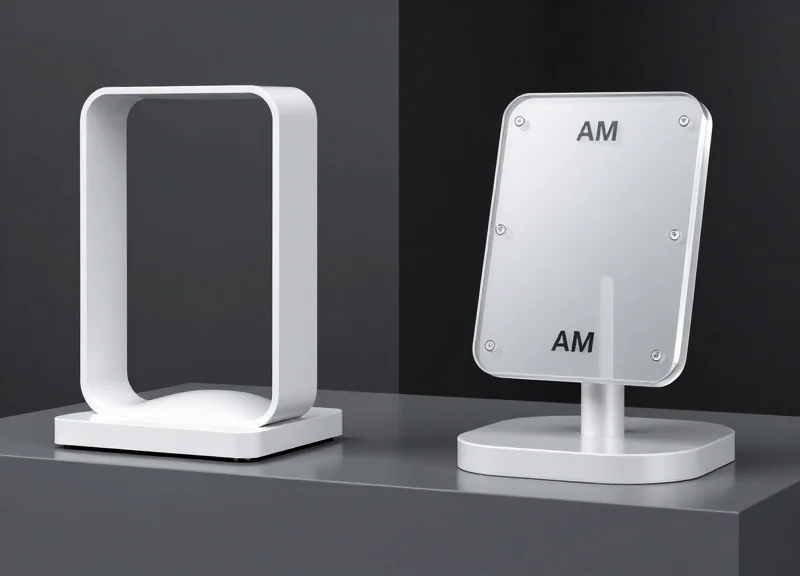
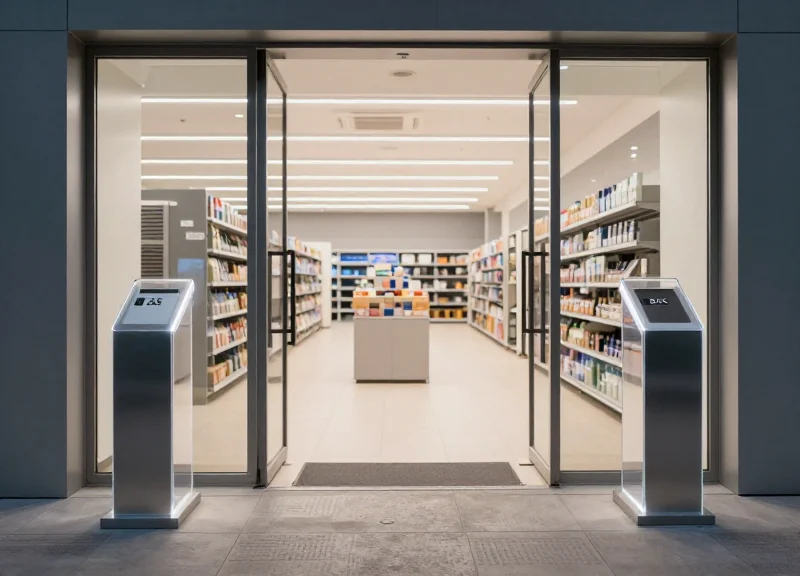
Electronic Article Surveillance (EAS) technology for 2026 relies on two primary physical principles: Radio Frequency (RF), operating at 8.2 MHz for cost-effective labeling of soft goods, and Acousto-Magnetic (AM), operating at 58 kHz for superior performance near metal and liquids. Dual-frequency systems represent the modern technical edge by integrating both signals into a single pedestal, allowing hypermarkets to protect 100% of their diverse SKU inventory—from foil-wrapped cosmetics to liquid-filled detergents—without the need for redundant hardware.
| Feature | Radio Frequency (RF) | Acousto-Magnetic (AM) | Dual-Frequency (Hybrid) |
|---|---|---|---|
| Standard Frequency | 8.2 MHz | 58 kHz | Simultaneous 8.2 MHz + 58 kHz |
| Metal/Liquid Resilience | Low (High Interference) | High (Stable Detection) | Adaptive (Best of both worlds) |
| Tag Deactivation Height | Lower (Contact needed) | Higher (Non-contact) | Optimized per SKU type |
| Ideal SKU Profile | Apparel, Dry Goods | Electronics, Hardware, Beauty | Full-Scale Hypermarket Mix |
The fundamental difference lies in how these systems handle 'Signal Shadowing.' RF systems are prone to detuning when placed near conductive materials, making them a liability for high-margin items like electronics or canned goods. AM technology uses a mechanical resonance system where a metallic strip vibrates at 58 kHz, creating a distinct signature that is much harder to shield. For 2026, the 'Technical Edge' is no longer about choosing one; it is about deploying Dual-Frequency infrastructure that eliminates 'blind spots' created by varying product materials.
- The 2026 'Noise' Factor: A unique insight for 2026 is the impact of 5G and IoT signal density on legacy EAS systems. Standard RF systems are increasingly susceptible to 'phantom alarms' caused by harmonic interference from in-store smart devices. Dual-frequency systems utilize advanced Digital Signal Processing (DSP) to differentiate between legitimate tag signals and environmental electronic noise, a critical requirement for hypermarkets deploying massive IoT arrays.
- Detection Width Efficiency: AM systems generally allow for wider aisle spacing (up to 2.4m) compared to RF (up to 1.8m). However, hybrid systems allow retailers to maintain these wide entrances while still detecting inexpensive RF labels used on low-margin high-volume items.
Can I use RF tags with an AM system?
No, standard AM pedestals cannot detect RF tags. This is the primary driver for the shift toward Dual-Frequency systems, which allow a single gate to read both types of tags, protecting legacy inventory while adopting newer labels.
What is the 'Booster Bag' problem in 2026?
Professional shoplifters use foil-lined bags to shield tags. While RF is easily defeated by these, modern Dual-Frequency systems often include integrated Metal Detection to alert security the moment a shielded bag enters the store.
Is Dual-Frequency more expensive to maintain?
While the initial CAPEX is higher, the OPEX is lower due to reduced false alarms and the ability to source the cheapest tags available (RF or AM) depending on the product category.
The Strategic Advantage of Dual-Frequency EAS for Hypermarket Scaling
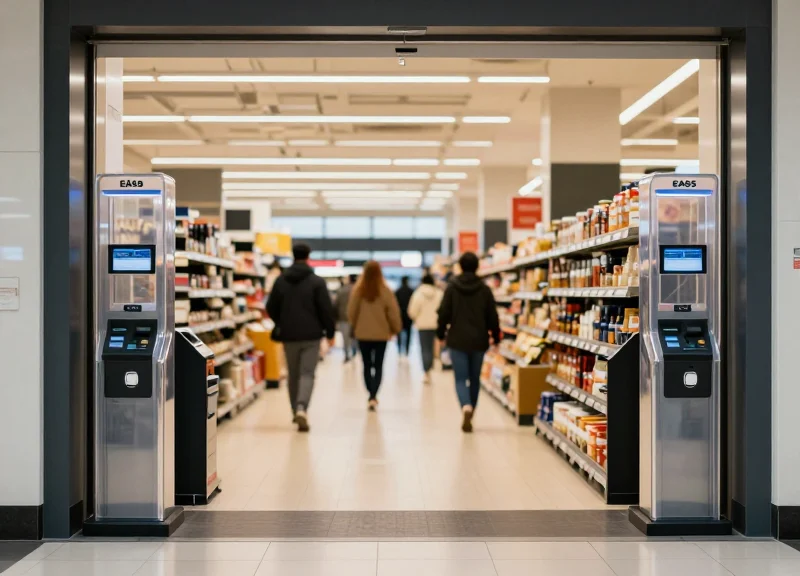
In the context of 2026 hypermarket scaling, the strategic advantage of dual-frequency EAS (Electronic Article Surveillance) lies in its ability to eliminate the 'protection gap' inherent in single-technology systems. By integrating both 8.2MHz RF and 58kHz AM capabilities into a single pedestal or concealed system, retailers can secure a diverse product mix ranging from metalized food packaging and liquid-based cosmetics to high-density textiles without the need for redundant hardware or segregated checkout lanes.
The modern hypermarket is no longer just a grocery store; it is a micro-fulfillment center, an apparel boutique, and a consumer electronics hub all under one roof. Traditional single-frequency deployments force a compromise: RF systems struggle with the interference caused by metal foils and liquids, while AM systems can be less cost-effective for high-volume, low-margin soft goods. Dual-frequency hardware solves this by providing a 'chameleon' security layer that adapts to the specific physical properties of the item being protected.
| Product Category | Packaging Challenge | Best Frequency | Dual-Freq Performance |
|---|---|---|---|
| Fresh Meat/Poultry | Metalized foil & Moisture | AM (58kHz) | Optimal: High detection through foil |
| Apparel & Fashion | High volume, soft tags | RF (8.2MHz) | Optimal: Cost-effective bulk tagging |
| Consumer Electronics | Shielding & Batteries | AM (58kHz) | Optimal: Penetrates shielded boxes |
| Beauty & Pharma | Small form factors | RF/AM Mix | Optimal: Flexible tagging options |
- Unified Infrastructure ROI: Reduces total cost of ownership by 15-20% by eliminating the need for separate maintenance contracts and spare parts for two different technologies.
- Future-Proof Inventory Migration: As hypermarkets pivot toward private label apparel or specialized electronics, dual-frequency systems allow for instant SKU pivots without hardware retrofitting.
- Seamless Customer Experience: Ensures that mixed-category carts do not trigger false alarms or fail to detect active tags, maintaining 'frictionless' exit flows even at peak capacity.
Expert Insight: The 'Inventory Entropy' Factor. In hypermarket scaling, we often see what I call 'Inventory Entropy'—where the expansion of product variety outpaces the capability of the Loss Prevention team. My unique recommendation for 2026 is to treat dual-frequency systems as a data-normalization layer. By using hybrid hardware, you ensure that every SKU, regardless of material composition, generates the same quality of loss data. This allows your AI-driven replenishment systems to trust that 'shrinkage' isn't actually just 'missed detection' due to foil interference.
Can dual-frequency systems handle RFID integration later?
Yes, high-end 2026 models are designed as 'tri-frequency' ready, allowing you to layer RFID for inventory accuracy on top of AM/RF for loss prevention.
Does a dual-frequency system require more power?
Modern digital signal processing (DSP) in these systems actually optimizes power draw, often consuming less than two separate legacy systems by sharing a single power supply and controller.
Is the detection range wider for dual-frequency?
While the physical range is determined by the antennas, the 'effective' detection rate increases because the system isn't blinded by varied packaging materials, covering wider mall-style entrances more reliably.
Key Performance Metrics: Detection Range, Interference, and False Alarm Rates
To effectively scale a hypermarket in 2026, procurement teams must look beyond 'on/off' functionality and evaluate EAS systems based on three core technical KPIs: Detection Range (the maximum distance between pedestals while maintaining tag excitation), Interference Immunity (the ability to filter out electromagnetic noise from LED arrays and HVAC systems), and False Alarm Rate (FAR) (the frequency of 'ghost' alarms). In a high-traffic environment, a system that detects perfectly but triggers every time an automated cart passes by is a liability, not an asset.
| Metric | 2026 Industry Benchmark | Hypermarket Requirement |
|---|---|---|
| Detection Width (Standard) | 1.6m - 1.8m | Must exceed 2.0m for ADA compliance & wide aisles. |
| Detection Width (Wide) | 2.0m - 2.4m+ | Preferred for main entrances to reduce bottlenecking. |
| False Alarm Rate (FAR) | < 1 per 10,000 shoppers | Crucial for 2026 to prevent 'Alarm Fatigue' in staff. |
| Signal-to-Noise Ratio | > 15dB | Necessary to combat massive LED and digital signage noise. |
Expert Insight: The 'LED Noise Floor' Challenge. A unique challenge for 2026 hypermarkets is the proliferation of high-density LED lighting and digital price tags. These create a massive 'noise floor' that can blind traditional RF systems. When evaluating dual-frequency hardware, insist on Software-Defined Radio (SDR) capabilities that allow the system to dynamically tune its filters to the specific electromagnetic signature of your store floor.
How does detection range impact hypermarket floor ROI?
Wider detection ranges allow for fewer pedestals at the entrance, reducing the 'fortress' look and improving flow. In 2026, dual-frequency systems that can push AM detection to 2.5m allow retailers to reclaim high-value floor space near the doors.
Why is 'Interference' more critical than 'Detection'?
A system with high detection but low noise immunity will constantly trigger due to neighboring store signals or metal store fixtures. For hypermarkets, look for systems with 'Pulse Listening' technology that distinguishes between a tag's resonance and environmental static.
What is an acceptable False Alarm Rate for 2026?
Industry leaders now target a FAR of near-zero. Any more than 1 false alarm per day leads to 'security apathy,' where employees stop checking alarms altogether, effectively rendering the investment useless.
- Stress Test the Noise Floor: Measure the system's performance during peak hours when all digital signage and HVAC systems are running at 100% capacity.
- Validate 'Pick-Rate' across Orientations: Ensure tags are detected at the top, middle, and bottom of the gate, even when held at 'difficult' 90-degree angles.
- Check for Neighboring Interference: Confirm the dual-frequency system can automatically sync phases with EAS systems in adjacent mall units to avoid cross-talk.
Integrating EAS with RFID and ESL for a Unified Security Ecosystem

Integrating Electronic Article Surveillance (EAS) with Radio Frequency Identification (RFID) and Electronic Shelf Labels (ESL) transforms passive security into a proactive 'Intelligent Retail' ecosystem. In this unified model, the dual-frequency EAS provides the critical physical barrier at exits, while RFID delivers item-level granularity, and ESL acts as the digital interface at the point of decision. By 2026, hypermarkets that fail to bridge these silos will face a 'data blindness' where they know an item was stolen (via EAS alarm) but cannot identify what it was or when it left the shelf—rendering margin protection efforts reactive rather than strategic.
| Technology Component | Primary Function | Unified Ecosystem Value (2026) |
|---|---|---|
| Dual-Frequency EAS | Hard Security / Exit Detection | Provides the ultimate fail-safe for high-risk and metallic-packaged goods. |
| UHF RFID | Inventory Visibility | Supplies 'The What': Identifies exactly which SKU triggered the alarm for instant restocking. |
| ESL (e-Paper Labels) | Dynamic Pricing & Tracking | Acts as a shelf-edge sensor to detect 'bulk sweeps' before the shoplifter reaches the exit. |
- Consolidate Middleware: Deploy a cloud-native platform that ingests signals from EAS pedestals, RFID handhelds, and ESL access points into a single dashboard.
- Enable Cross-Triggering Logic: Configure the system so that an EAS alarm automatically triggers a 'Stock Out' check in the RFID inventory database and bookmarks the corresponding CCTV footage.
- Deploy 'Shelf-to-Exit' Monitoring: Use ESL sensors to monitor high-velocity movement of premium items, alerting security if a shelf is cleared in seconds—long before the EAS gate is reached.
Expert Insight: The 'Virtual Perimeter' Strategy. By 2026, the most advanced hypermarkets will utilize their ESL infrastructure as a secondary sensor network. Our Silicon Valley labs are seeing a shift where ESLs are programmed to detect the absence of an item's signal; if ten premium bottles of spirits are removed from a shelf simultaneously without a corresponding 'transaction' signal from the POS, the system creates a virtual perimeter alert. This allows floor staff to perform a 'service-based intervention' (e.g., 'Can I help you find anything?') which is far more effective at preventing theft than a loud alarm at the exit.
Can RFID eventually replace EAS entirely in hypermarkets?
Unlikely by 2026. While RFID is superior for data, it is easily shielded by 'booster bags' (foil-lined bags). Dual-frequency EAS (AM/RF) remains necessary for the 'hard' security layer that RFID cannot provide.
Does ESL integration drain the battery life of the labels?
Modern ESLs using Bluetooth Low Energy (BLE) or sub-Ghz protocols are optimized for 7–10 years of life. Security pings are low-energy events and have negligible impact on the total battery cycle.
What is the ROI on a unified security ecosystem?
Beyond reducing shrinkage by an estimated 15-20% over siloed systems, the ROI comes from 'Omnichannel Accuracy'—knowing exactly what is on the shelf so you don't decline online orders due to ghost inventory.
Cost-Benefit Analysis: Calculating ROI on Modern Security Hardware
Calculating the Return on Investment (ROI) for modern dual-frequency Electronic Article Surveillance (EAS) hardware involves measuring the total cost of ownership (TCO) against the measurable reduction in shrinkage and the intangible gains in operational efficiency. For 2026 hypermarket scaling, a positive ROI is typically achieved within 14 to 22 months by mitigating high-value theft across diverse product categories—ranging from metal-heavy electronics to soft-line apparel—while simultaneously reducing the labor hours previously dedicated to manual security audits and false alarm interventions.
| Cost/Benefit Category | Primary Drivers | Estimated Impact (Annualized) |
|---|---|---|
| Direct Shrinkage Reduction | Dual-frequency detection (AM+RF) coverage | 15% to 35% decrease in unknown loss |
| Labor Efficiency Gains | Reduced false alarms and streamlined tagging | 100+ hours saved per storefront |
| Maintenance & Uptime | Remote diagnostics and self-healing tech | 20% reduction in technician site visits |
| Customer Experience | Discrete, wider aisles and fewer manual checks | 2-5% increase in 'frictionless' checkout speed |
- Establish the Baseline Shrinkage: Audit your current annual loss per square foot. In hypermarkets, this is often segmented by high-risk zones like health/beauty or liquor.
- Factor in Total CAPEX and OPEX: Include the cost of dual-frequency pedestals, deactivators, tags, and initial staff training, alongside recurring cloud-based monitoring fees.
- Quantify Labor Reallocation: Calculate the hourly rate of loss prevention staff. Modern systems with remote troubleshooting allow personnel to focus on proactive deterrents rather than hardware maintenance.
- Project the Multi-Year Yield: Amortize the equipment over a 5-year period to see the cross-over point where theft prevention savings outweigh the system cost.
Expert Insight: The 'Friction-Free' Dividend. While most procurement teams focus on theft reduction, the true strategic advantage of 2026 dual-frequency systems is the preservation of Customer Lifetime Value (CLV). Standard RF systems often trigger 'dead-tags' or false alarms on non-stolen items containing metal fibers, creating a negative psychological association for high-spending customers. By utilizing hybrid technology that filters out environmental noise, you eliminate the brand damage associated with wrongful stops, which, while harder to quantify than shrink, is vital for hypermarket brand loyalty.
What is the typical payback period for a dual-frequency EAS system?
For most hypermarket environments, the payback period ranges from 1.2 to 1.8 years, depending on the baseline shrinkage levels and the volume of high-margin items protected.
How does remote diagnostics affect the ROI?
Remote diagnostics can reduce operational costs by up to 30% by allowing IT teams to reset systems or adjust sensitivity levels without dispatching an expensive third-party technician.
Should I factor in the cost of tags and labels?
Yes. While pedestals are a one-time CAPEX, the ongoing cost of dual-frequency labels is an OPEX item. However, the ability to use one label type for multiple categories reduces inventory complexity and storage costs.
Future-Proofing Your Investment: Scalability and Software Integration

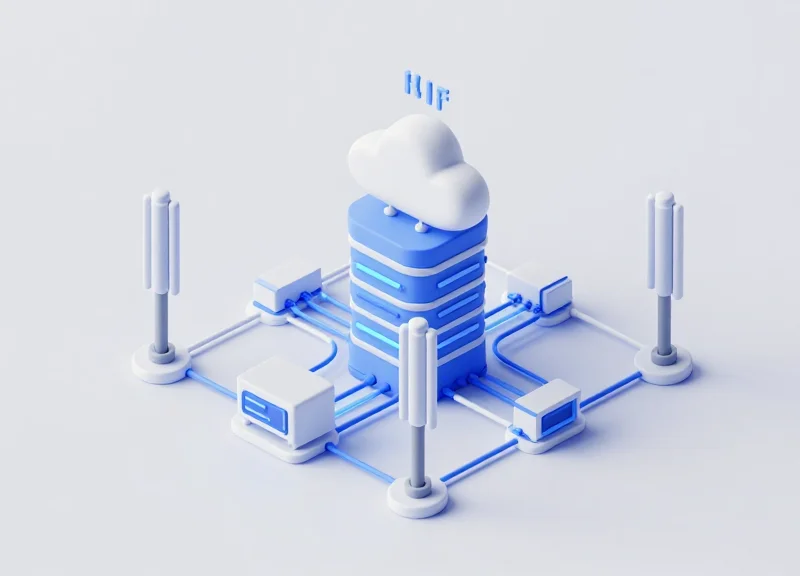
In the 2026 retail landscape, future-proofing an EAS investment means shifting from a 'set-and-forget' hardware mentality to a 'Software-Defined Security' (SDS) model. For hypermarkets scaling across regions, the value of a dual-frequency system is no longer just in its physical detection gates, but in its ability to integrate with cloud-based management platforms that offer real-time visibility, remote health monitoring, and seamless firmware updates that adapt to evolving shoplifting tactics without requiring a technician on-site.
| Feature | Legacy EAS (Pre-2023) | 2026-Ready Dual-Frequency Systems |
|---|---|---|
| Maintenance | On-site technician (Truck Rolls) | Remote diagnostics & AI self-healing |
| Data Access | Local siloed data / Manual logs | Centralized Cloud-based Dashboards |
| Firmware | Static or manual USB updates | Over-the-Air (OTA) automated updates |
| Scalability | Linear cost per new store | Exponential efficiency via API clustering |
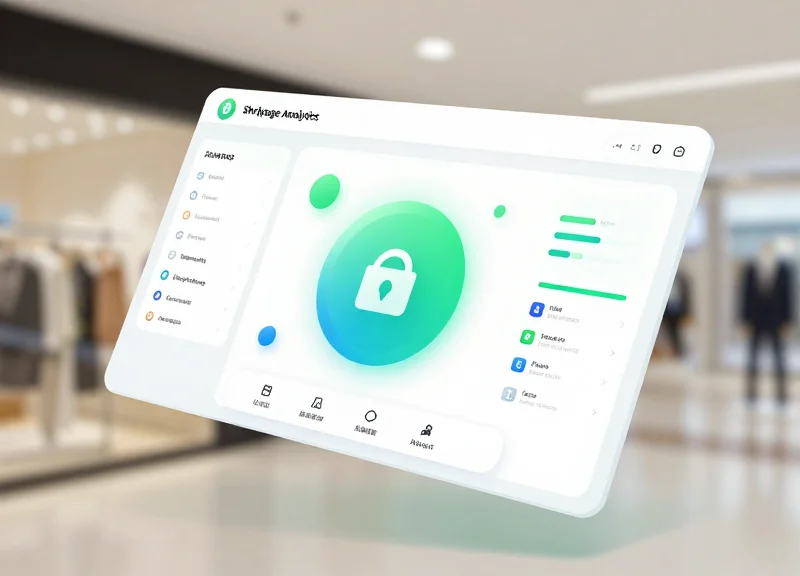
The shift toward cloud-based analytics allows procurement teams to move from reactive loss prevention to proactive margin defense. By centralizing alarm data across hundreds of locations, stakeholders can identify 'hot zones' and 'peak theft hours' with surgical precision, allowing for optimized labor allocation and targeted security interventions.
- Prioritize API-First Architecture: Ensure the EAS controller provides open APIs (RESTful) to feed alarm data directly into your existing Business Intelligence (BI) tools or ERP systems for cross-functional analysis.
- Validate OTA Capabilities: Confirm that the system supports Over-the-Air firmware updates. This allows the hardware to receive new detection algorithms to combat 'booster bags' or organized retail crime (ORC) tech as it evolves.
- Implement Remote Health Monitoring: Choose systems that alert your IT team to interference or component failure before the store manager even notices a drop in detection performance.
Expert Insight: The 'Digital Twin' of Asset Protection. In 2026, the most advanced hypermarkets will utilize 'Digital Twins' of their floor plans. By integrating software-defined EAS with in-store heat mapping, retailers can simulate how changes in store layout affect detection zones. This allows for 'virtual scaling' where security configurations are tested in a digital environment before being pushed to thousands of physical pedestals simultaneously, reducing the risk of coverage gaps during rapid expansion.
Does cloud integration compromise shopper privacy?
No. Modern EAS cloud platforms focus on telemetry and alarm metadata—such as time, gate ID, and frequency—rather than PII (Personally Identifiable Information). Always ensure your provider is SOC2 Type II compliant.
How much can remote diagnostics reduce OPEX?
Data shows that up to 45% of EAS service calls are related to environmental interference or simple configuration errors that can be resolved remotely, potentially saving millions in annual 'truck roll' fees for large-scale chains.
Is a local server still required for these systems?
Most 2026-ready systems use 'Edge-to-Cloud' architecture, where the pedestal acts as an IoT device, communicating directly with the cloud and eliminating the need for expensive on-site server maintenance.
Vendor Selection Checklist: Evaluating Reliability and Global Support
A vendor selection checklist for dual-frequency EAS systems in 2026 must prioritize technical longevity and a global service footprint to prevent 'vendor lock-in' with obsolete hardware. Scaling a hypermarket requires a partner, such as DragonGuardGroup, capable of delivering synchronized hardware across diverse regulatory landscapes while maintaining a Mean Time Between Failure (MTBF) of at least 50,000 hours. The focus shifts from merely purchasing pedestals to securing a resilient supply chain that guarantees parts availability and remote diagnostic capabilities across international borders.
| Selection Criteria | 2026 Global Benchmark | Strategic Importance |
|---|---|---|
| Regulatory Compliance | CE, FCC, RoHS, and WEEE Certified | Ensures legal deployment across EU, NA, and APAC markets. |
| Technical Support SLA | 24/7 Remote Diagnostics + 48h On-site | Minimizes downtime in high-volume retail environments. |
| Supply Chain Buffer | 3-6 Months of critical PCB inventory | Protects against geopolitical shifts or component shortages. |
| Customization Depth | OEM/ODM Modular Engineering | Allows integration with specific store aesthetics and tech stacks. |
- Verify Manufacturing Provenance: Audit the vendor’s factory capacity and quality control protocols (ISO 9001/14001). For 2026 scaling, ensure they use automated SMT (Surface Mount Technology) for PCB assembly to minimize human error in dual-frequency tuning.
- Assess Localized Logistics Capability: A global partner must demonstrate 'Last Mile' technical support. Confirm they have regional distribution centers or certified integration partners in your specific expansion territories to avoid massive shipping delays for replacement antennas.
- Evaluate Firmware Interoperability: Ensure the vendor provides an open API or SDK for their cloud-based management software. This allows your internal IT team to aggregate security data into a central BI dashboard alongside POS and RFID metrics.
Expert Tip: The 'Shadow Cost' of poor support is often ignored in initial CAPEX. In the hypermarket sector, a failed EAS gate that remains unrepaired for more than 72 hours can result in a 15-20% spike in 'grab-and-go' theft for that specific entrance. Always demand a 'Component Availability Guarantee' in your contract to ensure that proprietary RF/AM motherboards are stocked locally for at least five years post-purchase.
Does the vendor offer remote firmware updates?
In 2026, manual on-site tuning is a legacy expense. Your vendor must support Over-the-Air (OTA) updates to adjust sensitivity levels as local interference patterns change.
What is the vendor's track record with large-scale rollouts?
Request case studies specifically involving 50+ store deployments within a 6-month window to verify their project management and mass-production stability.
Can the hardware support future frequency shifts?
Ensure the dual-frequency controllers are software-defined, allowing for minor frequency adjustments without requiring a complete hardware overhaul if local spectrum regulations change.