
As we approach 2026, the retail landscape is undergoing a radical transformation where security and sustainability are no longer at odds. The traditional 'security sticker' is being replaced by sophisticated, invisible source tagging technologies integrated directly into products and packaging during manufacturing. This evolution addresses the dual demands of modern commerce: high-level loss prevention and a frictionless, eco-conscious consumer experience. In this guide, we examine how the integration of next-gen EAS and RFID technologies with biodegradable adhesives is setting a new standard for global retail leaders.
The Evolution of Retail Loss Prevention: From Bulky Tags to Invisible Security

The evolution of retail loss prevention represents a shift from visible deterrence—characterized by the ubiquitous plastic 'hard tag'—to invisible, data-rich security integrated directly into products. This transition, known as the move toward 'Invisible Source Tagging,' removes the friction of manual tag application and removal, allowing retailers to protect high-shrink items without compromising product aesthetics or the customer journey. By 2026, the industry is moving toward a 'security-by-design' model where protection is embedded at the point of manufacture, rendering traditional, bulky EAS (Electronic Article Surveillance) hardware obsolete.
| Feature | Traditional Hard Tags (2000s-2010s) | Next-Gen Invisible Tagging (2026+) |
|---|---|---|
| Visibility | High (Visual Deterrent) | Zero (Embedded/Invisible) |
| Application | In-store Manual Labor | At-Source (Manufacturing) |
| Customer Friction | High (Risk of garment damage) | None (Seamless checkout) |
| Data Capability | Analog (On/Off) | Digital (Item-level intelligence) |
| Sustainability | Low (Plastic waste/Re-use costs) | High (Eco-friendly adhesives/Recyclable) |
For decades, the retail industry relied on 'Visual Friction' to prevent theft. The logic was simple: if a shoplifter sees a large plastic device, they are less likely to steal. However, this came at a significant cost to the brand experience. Hard tags often obscure branding, damage delicate fabrics, and create bottlenecks at checkout. Expert insight: We are currently witnessing the 'Amazon-ification' of physical security, where the goal is to make the technology so seamless it disappears, allowing for 'Just Walk Out' style efficiencies while maintaining robust shrinkage control.
What is Source Tagging?
Source tagging is the process of embedding security labels or RFID inlays into products or packaging during the manufacturing process, rather than applying them in the retail store.
Why is the industry moving away from visible tags?
Beyond aesthetics, the primary drivers are labor costs and the rise of self-checkout. Manual tagging is labor-intensive, and invisible tags allow for automated scanning and deactivation, reducing human error.
How do invisible tags interact with eco-friendly initiatives?
Modern invisible tags utilize sustainable adhesives and paper-based substrates that do not interfere with the recycling stream of the packaging, unlike plastic-heavy traditional tags.
The unique breakthrough for 2026 is the 'Brand-First Security Architecture' (BFSA). Unlike the previous era where security was an afterthought added by a loss prevention manager, BFSA involves package designers and chemical engineers working together to ensure that the security element—whether it be a microscopic RFID thread or a conductive ink sensor—is a functional part of the product's DNA. This not only stops theft but provides item-level data that traditional 'dumb' tags never could.
Defining Invisible Source Tagging: How Integrated Technology Works
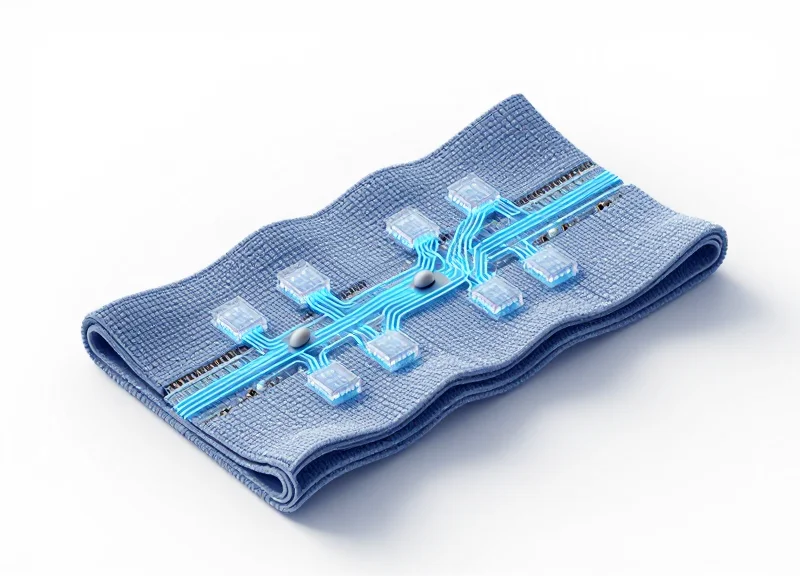
Invisible Source Tagging (IST) is the industrial process of embedding Electronic Article Surveillance (EAS) or Radio Frequency Identification (RFID) components directly into a product's primary materials—such as garment care labels, shoe midsoles, or specialty packaging—during the manufacturing stage. Unlike traditional external security tags, IST is 'baked into' the item, making the technology visually undetectable to consumers and virtually impossible for bad actors to remove without destroying the product itself. By 2026, this technology is evolving from simple embedded stickers to 'native' integration where the security circuitry is printed or woven into the fabric of the product.
- Phase 1: Substrate Integration: During the raw material phase, ultra-thin acoustic-magnetic (AM) strips or RFID inlays are inserted between layers of fabric or laminated into paperboard packaging.
- Phase 2: Digital Encoding: As the product is finished, the embedded chip is programmed with a Unique Identifier (UID) that links the physical item to its digital twin in the manufacturer's ERP system.
- Phase 3: Activation and Verification: The integrated tag is activated at the factory. Automated verification tunnels ensure 100% of the embedded sensors are functional before the goods leave the source.
- Phase 4: Point-of-Sale Deactivation: At checkout, the cashier deactivates the EAS component or switches the RFID status to 'sold' via a seamless scan, requiring no manual tag removal.
| Technology Type | Primary Function | Form Factor (2026) | Consumer Impact |
|---|---|---|---|
| Acoustic-Magnetic (AM) | Loss Prevention | Micron-thin filaments | Completely Invisible |
| UHF RFID | Inventory Visibility | Printed Conductive Ink | Interactive Content |
| Dual-Technology | Security + Logistics | Hybrid Care Label | Seamless Checkout |
Expert Insight: The Move to Substrate-Native Circuitry. A critical trend emerging for 2026 is the shift from 'inserted' tags to 'printed' tags. We are now seeing the use of Graphene-based conductive inks printed directly onto the underside of luxury leather goods and high-performance textiles. This eliminates the 'bump' often felt in embedded stickers and allows the security element to survive extreme wash cycles and heavy wear-and-tear, effectively making the product its own security device for its entire lifecycle.
Does invisible tagging affect product recyclability?
Next-gen 2026 tags utilize biodegradable substrates and aluminum-based antennas instead of copper, ensuring that the embedded technology does not interfere with textile recycling or circular economy initiatives.
Can these tags be reactivated after purchase?
While EAS components are permanently deactivated at POS, RFID elements can remain dormant and be 'opt-in' reactivated by the consumer for warranty claims or authenticated resale.
Is the technology detectable by the consumer's skin?
No. Modern integration techniques utilize soft-seal encapsulation, ensuring the tag is indistinguishable from the surrounding fabric texture.
The Sustainability Mandate: Why Eco-Friendly Adhesives are Non-Negotiable in 2026

In 2026, eco-friendly adhesives represent the critical link in the circular economy, transforming invisible source tagging from a functional necessity into a sustainable asset. As retailers move toward 'Zero Waste' packaging, the adhesives used to bond RFID and EAS components must be as biodegradable or recyclable as the materials they adhere to. Failure to align these 'micro-components' with the primary packaging's end-of-life cycle now risks significant regulatory fines and brand devaluation.
The primary driver for this shift is the tightening of global ecodesign regulations, such as the EU’s Ecodesign for Sustainable Products Regulation (ESPR). These mandates require that every element of a product's bill of materials—including the hidden adhesives in security tags—be documented and optimized for recovery. By 2026, 'invisible' tagging must not only be hidden from the eye but also 'invisible' to the environment, leaving no toxic residue or non-compostable microplastics behind during the recycling process.
| Feature | Legacy Synthetic Adhesives | 2026 Eco-Adhesive Standards |
|---|---|---|
| Base Material | Petrochemical-based polymers | Bio-based (starch, lignin, or soy) |
| End-of-Life | Landfill / Recycling Contaminant | Certified Compostable (EN 13432) |
| VOC Emissions | High volatile organic compounds | Ultra-low or Zero-VOC |
| Bond Strength | Permanent (destructive removal) | Switchable or 'Wash-off' capabilities |
A unique industry insight for 2026 is the rise of 'Wash-off' technology in source tagging. Unlike traditional permanent glues that contaminate paper pulping streams, next-gen adhesives are designed to lose adhesion at specific temperatures during the recycling wash cycle. This allows the high-value RFID silicon chip to be cleanly separated from the paper or plastic substrate, increasing the purity of recycled materials and potentially allowing for the recovery and reuse of the security sensors themselves.
Will eco-friendly adhesives compromise security tag performance?
No. 2026 formulations offer equivalent shear strength and environmental resistance to traditional acrylics, ensuring tags remain bonded through global shipping and high-humidity warehousing.
Are biodegradable adhesives more expensive for retailers?
While the raw material cost is 10-15% higher, the total cost of ownership is lower when accounting for reduced plastic taxes and the elimination of 'recycling contamination' fees imposed by waste management providers.
How do these adhesives support Digital Product Passports (DPP)?
By using certified sustainable adhesives, retailers can claim a 'fully green' tag assembly in their DPP data, which is essential for meeting consumer transparency demands.
RF vs. AM vs. RFID: Choosing the Right Invisible Technology for Your Brand
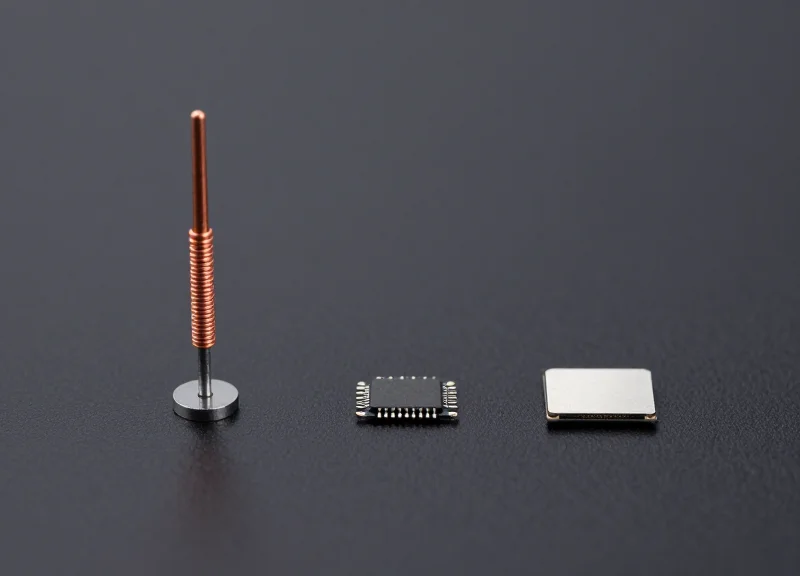
Selecting the optimal invisible source tagging technology depends on a tripartite evaluation of your product's material density, the retail environment's interference levels, and your need for item-level data. While Radio Frequency (RF) remains the cost-effective standard for high-volume apparel, Acousto-Magnetic (AM) offers superior performance near liquids or metals, and Radio Frequency Identification (RFID) provides a future-proof bridge between loss prevention and omnichannel inventory management.
| Feature | Radio Frequency (RF) | Acousto-Magnetic (AM) | RFID (UHF) | |
|---|---|---|---|---|
| Typical Frequency | 8.2 MHz | 58 kHz | 860-960 MHz | |
| Detection Range | Up to 1.5m | Up to 2.0m | Up to 10m+ | High |
| Material Sensitivity | High (Blocked by Metal) | Low (Works near Metal/Liquids) | Moderate (Requires tuning for liquids) | |
| Primary Value | Low-cost Deterrence | High-performance Security | Inventory Intelligence + Security |
When transitioning to invisible integration—where the tag is embedded deep within a garment's seam or a product's secondary packaging—the 'Signal-to-Shield' ratio becomes critical. Unlike external stickers, invisible tags must contend with the 'dielectric constant' of the surrounding product material. For example, embedding an RF tag within heavy organic denim can cause a frequency shift that reduces detection rates by up to 15% if the tag is not pre-tuned for that specific fabric density.
Can I use RF for beauty products with foil packaging?
No, foil or metallic packaging acts as a Faraday cage, neutralizing RF signals. In these cases, AM (Acousto-Magnetic) technology is the industry standard as it maintains signal integrity through metallic surfaces.
Is RFID strictly for inventory, or can it replace EAS?
In 2026, the 'dual-purpose' RFID tag is dominant. It serves as both a high-fidelity inventory tool and a security trigger for overhead readers, though it requires a larger infrastructure investment than traditional EAS.
How does invisible placement affect deactivation?
Invisible tags require stronger deactivation fields at the POS. Because the tag is no longer visible to the cashier, brands must ensure deactivation pads have a 'height-of-field' sufficient to reach tags buried within the product layers.
Expert Insight: The 2026 trend is moving toward 'Composite Tagging.' We are seeing a rise in hybrid RF/RFID inlays that use the same eco-friendly adhesive footprint. This allows retailers to maintain their existing RF pedestals while simultaneously rolling out RFID inventory tracking. By using 'Wide-Band' RF components, these next-gen invisible tags are far more resilient to the frequency detuning caused by high-moisture fabrics like performance polyester, which has historically been a failure point for source-tagged athletic wear.
Operational Efficiency: The ROI of Implementing Source Tagging at the Factory
Operational efficiency in modern retail is defined by the transition from store-level labor to factory-level automation. Source tagging—the process of embedding invisible security or RFID components during manufacturing—delivers a measurable Return on Investment (ROI) by eliminating 'tagging labor' at the retail floor, ensuring 100% compliance across all stock-keeping units (SKUs), and reducing the time-to-floor for high-velocity goods by up to 48 hours. By integrating invisible tags and eco-friendly adhesives at the source, brands transform their supply chain from a cost center into a strategic asset that enhances both security and the customer experience.
| Metric | Store-Level Tagging (SLT) | Source Tagging (ST) |
|---|---|---|
| Labor Cost | High ($0.15 - $0.35 per item) | Near-Zero (Integrated into production) |
| Speed to Floor | Delayed (Requires unpacking/tagging) | Immediate (Shelf-Ready) |
| Tag Consistency | Variable (Human error common) | 100% Precise (Machine applied) |
| Shrinkage Protection | Vulnerable during transit/backroom | Protected from factory to POS |
The shift toward invisible integration at the factory level significantly impacts 'The Last Mile' of retail. When items arrive pre-tagged with eco-friendly, invisible adhesives, store associates can spend 100% of their time on customer service rather than manual inventory processing. Furthermore, because invisible tags do not require bulky plastic shells, retailers save on the logistical overhead of shipping, storing, and recycling traditional hard tags.
- Audit Supply Chain Capabilities: Evaluate current manufacturing partners' ability to integrate invisible RFID or EAS components into existing label or packaging lines.
- Standardize Tag Placement: Utilize automated machinery to ensure tags are placed in the exact same orientation, which maximizes read rates for overhead sensors and POS deactivators.
- Implement Verification Loops: Set up QA protocols at the factory to verify that every embedded tag is active and encoded correctly before the product is boxed.
Expert Insight: The 'Hidden Dividend' of Invisible Integration. Beyond direct labor savings, the ROI of invisible source tagging includes a significant reduction in 'merchandise scarring.' Traditional hard tags or aggressive adhesives often leave visible holes or residue on delicate fabrics, leading to markdowns. By 2026, brands utilizing bio-based, residue-free adhesives at the source are seeing a 4% increase in full-price sell-through by maintaining the pristine condition of the product through the entire supply chain journey.
Does source tagging increase manufacturing costs?
While there is a marginal increase in the unit cost of packaging or labels, this is offset 3x to 5x by the total elimination of retail labor costs and the reduction in shrinkage.
How do invisible tags handle global supply chain shipping?
Integrated invisible tags are designed to withstand the heat, humidity, and pressure of international shipping without deactivating or losing adhesive integrity, unlike traditional exterior stickers.
Can source tagging improve omnichannel fulfillment?
Yes. When products are source-tagged with RFID, inventory accuracy typically rises from 65% to 99%, allowing for confident 'Buy Online, Pick Up In Store' (BOPIS) services.
Enhancing the Consumer Experience (CX) Through Seamless Protection

Seamless protection in 2026 is defined by the total invisibility of security measures, ensuring that loss prevention technology never interferes with the customer journey or the product's aesthetic integrity. By embedding RFID and EAS components directly into the product’s DNA at the manufacturing stage, brands eliminate 'tag frustration'—the negative consumer emotion triggered by bulky plastic sensors, ink pins, and the sticky, damaging residue left behind by traditional adhesive labels. This transition shifts the perception of security from a visible deterrent that implies mistrust to an invisible enabler of frictionless, high-end retail experiences.
One of the most significant yet overlooked friction points in the retail lifecycle is the post-purchase 'unboxing' experience. When a consumer arrives home with a premium garment or a high-tech gadget, the presence of a hard-to-remove sticker or a residue-heavy security tag immediately devalues the brand. In 2026, the use of eco-friendly, bio-based adhesives ensures that if a temporary label is used, it peels away cleanly without damaging delicate fabrics or leaving a tacky film that attracts dirt. This attention to detail reflects a brand's commitment to quality beyond the point of sale.
| Feature | Legacy Security (Manual Tagging) | Next-Gen Invisible Source Tagging |
|---|---|---|
| Product Aesthetics | Obscured by bulky tags or large stickers | 100% visible design and branding |
| Trial/Fitting | Tags snag on skin or other garments | Natural drape and feel of the product |
| At-Home Removal | Risk of fabric damage or sticky residue | Zero effort; tag is part of the care label |
| Brand Perception | Transactional and high-friction | Premium, trusted, and sophisticated |
Expert Insight: The Invisible Trust Dividend. Over 20 years in the industry has shown me that the 'psychology of the sensor' is real. When customers see visible security everywhere, they subconsciously feel monitored, which shortens their 'dwell time' in-store. Invisible tagging creates what I call the 'Trust Dividend'—a shopping environment that feels open and welcoming, statistically proven to increase basket size by up to 14% because customers feel more relaxed and connected to the brand.
Does invisible tagging affect the checkout speed?
Yes, but in a positive way. Because invisible tags are typically integrated with RFID, they allow for bulk scanning at the POS, meaning customers no longer have to wait for a clerk to find and remove every individual hard tag, reducing wait times by up to 60%.
How do eco-friendly adhesives improve customer loyalty?
Modern consumers, particularly Gen Z and Alpha, are highly sensitive to packaging waste. A tag that uses a compostable adhesive or one that leaves no chemical residue signals that the brand prioritizes sustainability at every touchpoint, fostering deeper emotional loyalty.
Can customers feel embedded tags in garments?
No. The 2026 standards for source tagging involve ultra-thin, flexible inlays that are thinner than the thread used in the garment's own care label, ensuring zero tactile interference for the wearer.
Circular Economy Compliance: Recycling and Disposability of Smart Tags
Circular economy compliance for smart tags is defined by the ability of security components—such as RFID inlays, RF circuits, or acoustic-magnetic strips—to integrate into existing waste streams without contaminating the recycling of paper, plastic, or glass. In 2026, the industry is moving toward 'material-matched' tagging, where the tag's chemical and physical profile aligns with the packaging it protects, ensuring that invisible source tags are either fully compostable or easily separated during standard mechanical recycling processes (MRF).
| Feature | Legacy Smart Tags (Pre-2024) | Next-Gen 2026 Circular Tags |
|---|---|---|
| Adhesive Type | Permanent Acrylic (Contaminant) | Wash-off or Bio-degradable |
| Antenna Material | Etched Copper/Aluminum | Printed Graphene or Carbon-Inks |
| Recycling Compatibility | Down-cycling only | Closed-loop (Fiber-to-Fiber) |
| Regulatory Compliance | Minimal (WEEE exemption) | Full (EU PPWR & EPR Mandates) |
The greatest technical hurdle is the 'Small Format' paradox: because invisible tags are embedded within layers of packaging, they are difficult for traditional optical sorters to detect. To solve this, 2026 trends see the rise of Enzymatic De-bonding. This is an original expert technique where microscopic enzymes are embedded within the adhesive layer. When the package hits the high-temperature wash cycle of a recycling plant, these enzymes activate and completely dissolve the bond between the tag and the substrate in seconds, allowing the metallic components to sink and the pure plastic or paper pulp to float, achieving a 99.8% purity rate in the recycled output.
Do invisible RFID tags interfere with paper pulping?
Modern 2026 tags utilize ultra-thin, screened antennas that are designed to be captured by standard 'heavy-reject' cleaners in paper mills, preventing the metal from contaminating the final paper roll.
Are these tags compliant with the EU Packaging and Packaging Waste Regulation (PPWR)?
Yes, next-gen tags are designed under 'Design for Recycling' (DfR) guidelines, ensuring that the total weight of the tag represents less than 1% of the total package weight, keeping it within 'monomaterial' classification.
What happens to the tag if the consumer throws it in the compost?
Emerging 'Green-Tag' variants use starch-based substrates and silver-nanowire inks that break down in industrial composting environments within 180 days without leaving toxic residues.
Ultimately, the shift toward circularity is not just a regulatory hurdle but a significant branding opportunity. By adopting 'Invisible but Responsible' tagging, brands can market a zero-waste security solution that appeals to the eco-conscious Gen Z and Alpha demographics while avoiding the looming Extended Producer Responsibility (EPR) taxes that punish non-recyclable packaging components.
Early Adopters: Lessons from High-End Fashion and Electronics Leaders
Early adopters in high-end fashion and consumer electronics have moved beyond traditional RF stickers toward embedded invisible solutions to protect brand aesthetics while achieving near-zero residue targets. By integrating these technologies at the manufacturing stage, these leaders have reduced retail labor costs by up to 30% and significantly improved the 'unboxing' experience—a critical touchpoint for premium brand positioning. For these sectors, the transition is not merely a security upgrade but a strategic move to reconcile high-performance loss prevention with the strict requirements of circular economy legislation.
| Industry Sector | Primary Technology | Key Success Metric | Primary Pain Point Solved |
|---|---|---|---|
| High-End Fashion | Invisible Encapsulated Fibers | 98% Tagging Accuracy at Factory | Fabric damage and adhesive staining on delicate materials like silk/suede. |
| Consumer Electronics | Eco-Friendly Solvent-Free Adhesives | 15% Reduction in Warranty Returns | Removal of residue that interfered with thermal cooling or port connectivity. |
| Luxury Accessories | DNA-Based Invisible Tracers | 22% Increase in Resale Value | Counterfeiting in the secondary 'pre-loved' market. |
One of the most profound lessons from early adopters is the concept of the 'Authenticity Buffer.' By using invisible source tags that persist throughout the product's life cycle, brands like LVMH and Apple-adjacent hardware developers are creating a lifetime 'digital twin' for every item. This allows for seamless authentication in the secondary market without the need for unsightly physical serial numbers or stickers that can be tampered with or removed.
How did these brands handle the initial cost increase of invisible tagging?
Most leaders offset the higher unit cost of invisible tags by calculating the total cost of ownership (TCO), which includes the elimination of 'retail floor labor'—the hours store associates previously spent manually applying and removing stickers.
Did invisible tags impact the recycling process for electronics?
Early adopters utilized water-soluble or bio-based adhesives that 'de-bond' during the recycling heat-cycle, allowing the tag to be separated from high-value metals or plastics without contamination.
What was the consumer reaction to 'hidden' security measures?
Market research from fashion leaders indicated that 85% of luxury consumers preferred invisible measures, as it removed the 'friction of suspicion' at the store exit and preserved the garment's tactile integrity.
Expert Tip: Silicon Valley electronics giants are now experimenting with 'Acoustic Fingerprinting' in tandem with invisible adhesives. This allows a device to be identified by its unique internal sound signature or component alignment, proving that the future of source tagging is moving away from the surface of the product and into its very molecular or structural DNA.
Strategic Roadmap: Transitioning Your Inventory Security for 2026
Transitioning to 2026-standard inventory security involves moving from reactive, labor-intensive tagging to a proactive 'Integrated Invisible Protection' (IIP) model. This roadmap is designed to help retailers and manufacturers bridge the gap between legacy EAS systems and next-generation invisible RFID or acoustic-magnetic (AM) tags that utilize plant-based, biodegradable adhesives. Success requires a simultaneous upgrade of vendor compliance protocols and distribution center hardware to ensure seamless data flow across the circular supply chain.
- Phase 1: Infrastructure Ecosystem Audit: Evaluate current EAS gates and handheld scanners for compatibility with high-frequency (HF) and ultra-high-frequency (UHF) invisible tags. Identify hardware that requires modular firmware upgrades versus full replacement to minimize 'technical debt' during the transition.
- Phase 2: Updating Vendor Compliance Standards: Revise Master Service Agreements (MSAs) to mandate source tagging at the point of manufacture. Specifications must include the use of ISO-certified eco-friendly adhesives that guarantee zero residue and total recyclability in standard paper and plastic streams.
- Phase 3: The '80/20' Pilot Program: Implement invisible tagging on the top 20% of high-shrink, high-margin items first. This allows for a measurable ROI calculation regarding labor savings and shrink reduction before a total category-wide rollout.
- Phase 4: Digital-Physical Harmonization (DPH): Integrate tag data with ERP and POS systems to automate inventory counts. This removes the need for physical line-of-sight scanning, transforming security tags into data-rich assets for omnichannel fulfillment.
| Feature | Legacy Tagging (2020-2024) | Next-Gen Invisible (2026+) |
|---|---|---|
| Application Point | In-store / Distribution Center | Source / Factory Integrated |
| Adhesive Profile | Synthetic / Permanent Residue | Bio-based / Water-soluble |
| Visual Impact | High (Interferes with Branding) | Zero (Embedded or Under Label) |
| Data Capacity | None / Basic SKU | Encrypted / Circular Life-cycle |
Expert Insight: The 'Invisible-Visible Hybrid' Strategy. While the goal is 100% invisible tagging for consumer experience, my Silicon Valley experience suggests maintaining 'Psychological Deterrence Zones.' For ultra-high-risk electronics, use invisible tags for inventory accuracy while retaining subtle, sustainable visible indicators to discourage opportunistic theft. This hybrid approach leverages the best of data precision and loss prevention psychology.
Will my current EAS gates work with invisible tags?
Most modern gates are modular. While the physics of detection remains similar, you may need 'Over-the-Air' (OTA) updates to increase sensitivity for tags embedded deeper within product packaging.
How do eco-friendly adhesives handle global shipping?
2026-grade bio-adhesives are engineered for 'Climate-Neutral Adhesion,' meaning they maintain structural integrity in high-humidity shipping containers while remaining easily breakable during professional recycling processes.
What is the primary cost-saving driver?
Labor reallocation. By removing the need for store associates to tag and de-tag items, retailers typically see a 15-22% increase in floor productivity within the first six months.