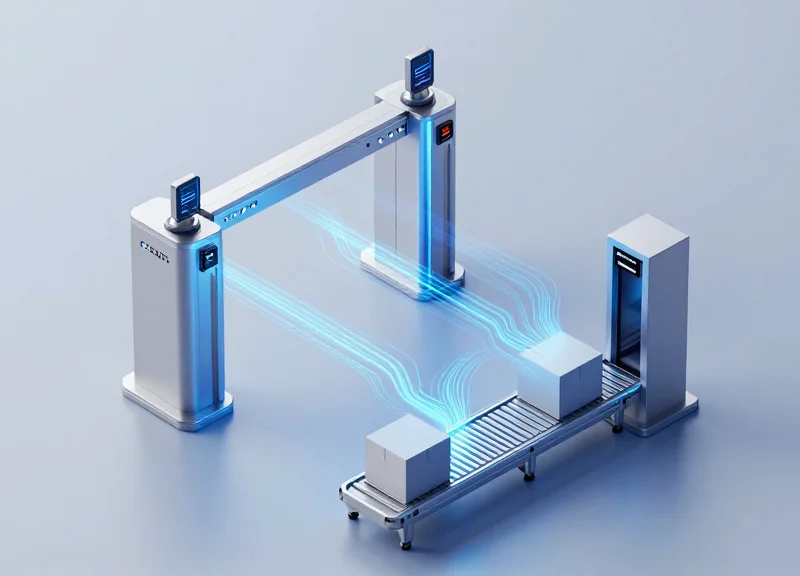
The Mother & Baby retail sector is navigating a pivotal transformation where security meets data-driven efficiency. By 2026, the traditional security pedestal will no longer be seen as a standalone deterrent but as a critical node in a larger, invisible data ecosystem. As retailers face rising shrink and the demand for seamless omnichannel experiences, the integration of Radio Frequency Identification (RFID) and Electronic Article Surveillance (EAS) is emerging as the gold standard. This article dives into the future of retail security, focusing on how these technologies protect high-value nursery goods while empowering store owners with unprecedented operational insights.
The Strategic Shift: Why 'Beyond the Pedestal' Matters in 2026

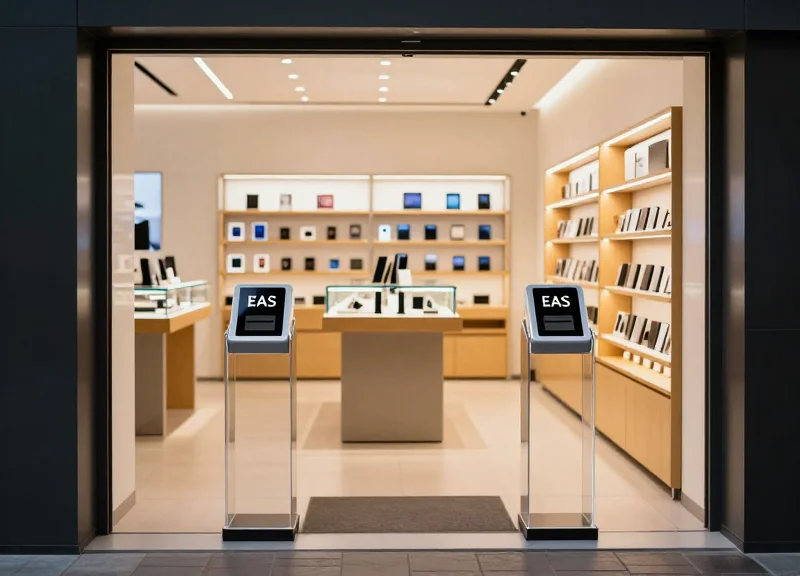
In 2026, 'Beyond the Pedestal' represents a fundamental shift in retail strategy where Electronic Article Surveillance (EAS) evolves from a standalone security gate into a component of a wide-area RFID ecosystem. For Mother & Baby retailers, this means moving away from bulky, intimidating hardware at the entrance toward 'invisible' security and high-fidelity inventory intelligence. The shift is driven by the need to eliminate checkout friction and provide 99.9% stock accuracy for mission-critical items like infant formula and car seats, where out-of-stocks aren't just a missed sale, but a major disruption for a parent in need.
The traditional pedestal-centric model focuses exclusively on loss prevention at the exit. However, the 2026 ecosystem leverages overhead RFID sensors and integrated EAS/RFID hybrid systems to track item movement throughout the entire store. This transition allows retailers to identify 'sweethearting' at the POS, monitor high-theft zones in real-time without physical barriers, and ensure that the omnichannel 'Buy Online, Pick Up In-Store' (BOPIS) experience is never compromised by phantom inventory.
| Feature | Traditional Pedestal Model (Pre-2024) | Integrated Ecosystem (2026 Trend) |
|---|---|---|
| Primary Goal | Shrinkage Reduction | Unified Commerce Intelligence |
| Hardware Aesthetic | Visible, Intrusive Gates | Concealed or Design-Integrated Sensors |
| Data Granularity | Binary (Alarm / No Alarm) | Item-level DNA (What, When, How) |
| Customer Experience | Friction at Entrance/Exit | Seamless, Open-Store Environment |
| Inventory Utility | None (Security only) | Real-time replenishment & cycle counting |
Why is 'invisible' security crucial for Mother & Baby stores?
Parents navigating stores with strollers and toddlers find traditional pedestals physically restrictive. Moving 'beyond the pedestal' with overhead or under-floor RFID sensors creates an open, welcoming environment that reduces anxiety and improves brand loyalty.
How does RFID integration impact the bottom line in 2026?
Beyond reducing shrink, it eliminates 'stock-outs' by providing real-time visibility. In the baby sector, where specific brand loyalty (e.g., for formula or diapers) is high, ensuring that item is on the shelf is the single biggest driver of recurring revenue.
Does this shift replace EAS entirely?
No. It integrates EAS functionality into the RFID layer. This 'Hybrid' approach ensures that retailers can still deter theft while gaining the operational data that traditional EAS lacks.
Expert Insight: The 'Nurture-Centric' Security Metric. By 2026, the industry's leading KPIs will shift from simple 'Shrinkage %' to 'Safe-Sale Velocity.' This unique metric measures how quickly high-value, high-theft items (like breast pumps or organic monitors) move through the store without triggering false alarms. In the Mother & Baby sector, a false alarm is a psychological deterrent that can drive a sleep-deprived parent to e-commerce competitors permanently. The strategic shift is about protecting the customer relationship as much as protecting the merchandise.
Dual-Technology Integration: The Convergence of EAS and RFID

Dual-technology integration is the strategic merging of Electronic Article Surveillance (EAS) for loss prevention and Radio Frequency Identification (RFID) for item-level visibility into a single hardware and software ecosystem. By 2026, this convergence allows Mother & Baby retailers to transition from 'reactive security'—where a pedestal simply alarms—to 'intelligent attribution,' where the system identifies exactly which SKU triggered an alert. This unified shield minimizes false alarms, streamlines inventory replenishment, and provides the granular data necessary to combat Organized Retail Crime (ORC) in high-value categories like breast pumps and premium infant formula.
| Feature | Legacy EAS (AM/RF) | Standalone RFID | Integrated Dual-Tech (2026) |
|---|---|---|---|
| Primary Goal | Theft Deterrence | Inventory Accuracy | Total Retail Intelligence |
| Data Granularity | None (Binary Alarm) | High (Item-Level SKU) | Real-time Shrink Attribution |
| Detection Range | Wide Gates | Variable/Sensitive | Optimized Hybrid Zones |
| Mother & Baby Benefit | Basic formula protection | Stockout prevention | Grey market & theft tracking |
### The 'Digital Birth Certificate' Insight In the high-stakes Mother & Baby sector, product integrity is as important as availability. A unique expert insight for 2026 is the use of integrated tags as a 'Digital Birth Certificate.' By encoding manufacture dates and batch numbers into the RFID component of a dual-tech tag, retailers can prevent the return of expired formula or recalled car seats that were acquired through illicit channels. This integration doesn't just stop theft; it protects the brand's safety reputation by ensuring only verified, in-system inventory moves through the checkout or return desk.
- Source Tagging Strategy: Apply hybrid EAS/RFID tags at the point of manufacture to ensure 100% protection and visibility before the product even hits the distribution center.
- Point-of-Exit Intelligence: Deploy pedestals that filter out 'stationery tags' (items near the door) and only trigger alarms for active movement, reducing customer friction.
- Cloud-Based Shrink Analytics: Sync exit data with inventory software to automatically flag missing items for immediate reordering, ensuring the shelf is never empty for the next parent.
Can RFID eventually replace EAS in Mother & Baby retail?
While RFID is superior for data, EAS (specifically Acousto-Magnetic technology) remains more reliable for protecting liquid-heavy items like liquid formula or metal-heavy strollers. A dual-tech approach is the 2026 gold standard because it compensates for the physical limitations of RF signals around liquids and metals.
Does this integration impact the 'BOPIS' workflow?
Yes, significantly. Integrated systems allow staff to pick 'Buy Online, Pickup In-Store' orders with 99% accuracy, while the EAS component ensures that these high-value items are not intercepted or 'lost' during the staging process.
Protecting the Most Vulnerable Inventory: Milk Powder and Nutrition

In the 2026 retail landscape, protecting milk powder and specialized nutrition products moves beyond 'lock and key' methods to item-level intelligence. By utilizing discreet, tamper-evident dual-frequency tags—combining EAS for immediate theft detection and RFID for granular inventory tracking—retailers can remove high-value tins from locked cabinets and return them to open shelving. This 'Invisible Shield' approach uses micro-thin sensors that do not obscure nutritional information or branding, ensuring that the most vulnerable and high-shrink category in Mother & Baby retail is both accessible to legitimate parents and impenetrable to organized retail crime (ORC) syndicates.
| Security Metric | Legacy Method (Locked Cabinets) | Next-Gen Approach (RFID/EAS) |
|---|---|---|
| Customer Experience | High Friction / Staff Dependent | Frictionless / Self-Service |
| Inventory Accuracy | 65-75% (Periodic Audits) | 99.9% (Real-time Visibility) |
| Shrink Management | Reactive (Alarms at Exit) | Proactive (Shelf-level Alerts) |
| Expiry Tracking | Manual / Labor Intensive | Automated FEFO Alerts |
Beyond theft prevention, the integration of RFID with 'First-Expiry, First-Out' (FEFO) logic represents a major shift. For nutrition products, where safety is paramount, RFID allows inventory systems to automatically alert staff when specific batches of formula are nearing their expiration dates. This ensures that customers always receive the freshest product while significantly reducing markdowns and retail waste.
Are RFID tags safe for food-grade nutrition packaging?
Yes, passive RFID tags used in 2026 are non-ionizing and do not emit heat or radiation, making them perfectly safe for use on milk powder tins and supplement bottles without compromising the contents.
How do discreet tags stop organized retail crime (ORC)?
Unlike bulky hard tags, discreet RFID labels are difficult to identify and remove quickly. They also allow for 'bulk-exit' detection, where the system identifies multiple high-value items leaving the store simultaneously without a transaction.
Will these tags interfere with metal packaging?
Modern 2026 'on-metal' RFID technology uses specialized spacers or flag-tag designs to ensure 100% readability and signal strength, even on metallic formula containers.
Expert Tip: Implement the 'Provenance Protocol.' By 2026, the RFID chip in milk powder will act as a digital 'Birth Certificate' for the product. Retailers can use this data to provide customers with proof of a continuous cold chain and storage integrity, significantly boosting brand trust for premium organic nutrition lines.
Invisible Security: The Rise of Concealed Floor and Overhead Systems
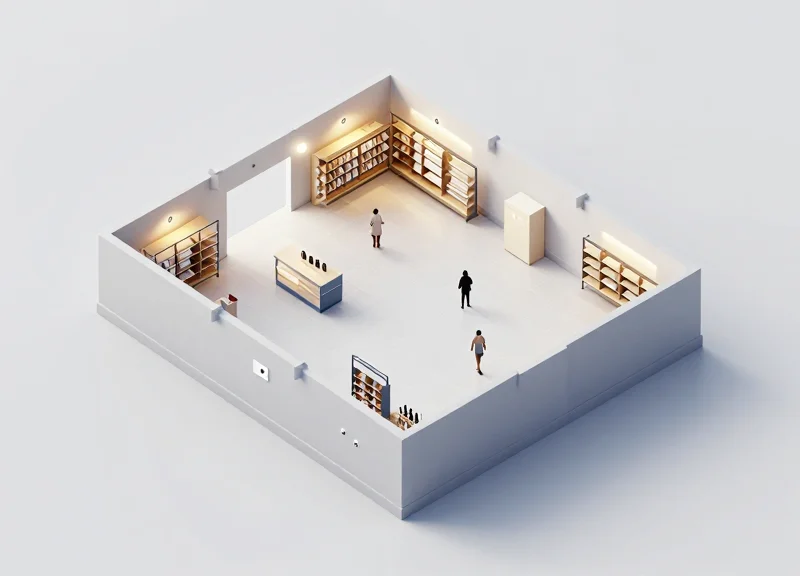
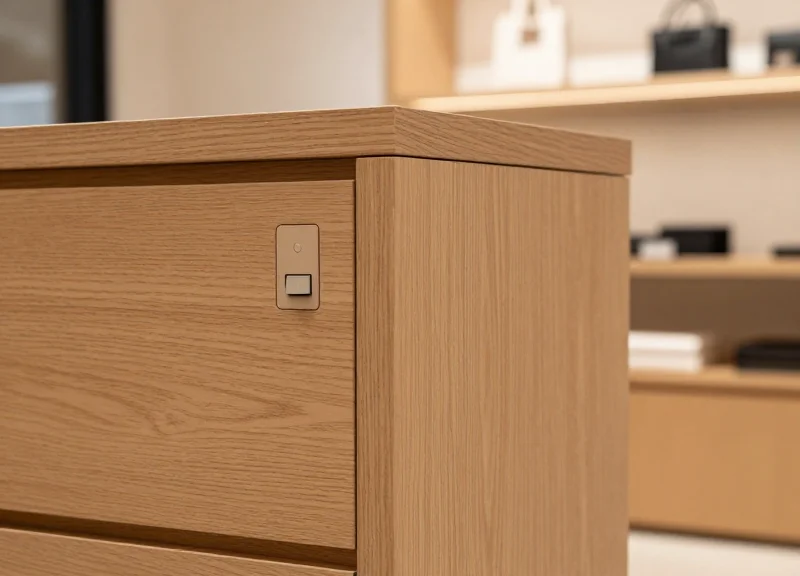
Invisible security refers to the strategic integration of RFID and Acousto-Magnetic (AM) antennas within the store’s architecture—specifically embedded under the floor or mounted above the ceiling. By 2026, these systems are set to replace the traditional 'pedestal' gate, offering Mother & Baby retailers a way to secure high-value inventory like strollers, monitors, and breast pumps without creating a fortress-like atmosphere that can intimidate new parents. These systems utilize advanced digital signal processing to create a detection 'curtain' that identifies unauthorized tag movements while remaining completely hidden from the consumer's view.
| Feature | Concealed Floor Systems | Overhead RFID/EAS | Traditional Pedestals |
|---|---|---|---|
| Visual Impact | Zero (100% Invisible) | Minimal (Ceiling Mounted) | High (Bulky Barriers) |
| Stroller Access | Unobstructed (Wide Entry) | Unobstructed (Wide Entry) | Restricted (Narrow Lanes) |
| Detection Range | Up to 2.5 meters | Up to 4+ meters | Standard 1.2 - 1.8 meters |
| Primary Benefit | Design Freedom | Wide Coverage | Visual Deterrence |
The shift toward invisible systems in the Mother & Baby sector is driven by the 'Stroller Friction' factor. Standard pedestals often create narrow pinch points at entrances that are difficult to navigate with double strollers or bulky travel systems. By moving the antennas into the floor or ceiling, retailers can expand their entrance width significantly, often up to 6 meters or more, facilitating a welcoming, 'open-door' policy that is psychologically more inviting for families. Furthermore, 2026 technology has solved the historical 'metal interference' issue, allowing floor systems to function reliably even in buildings with heavy rebar or metal floor pans.
Can concealed systems detect tags through strollers?
Yes, modern 2026-gen floor loops and overhead sensors use multi-directional 3D detection fields that penetrate the metal frames of strollers and shopping carts to identify tags hidden in lower storage baskets.
Is the installation invasive for existing stores?
Floor systems typically require a shallow trench or can be laid under floor tiles during a refresh, while overhead systems are much easier to retrofit by mounting them to the ceiling grid.
How do these systems handle 'false alarms' near the entrance?
Advanced RFID algorithms distinguish between tags 'near' the exit and tags actually 'leaving' the store by analyzing the vector and speed of the signal movement.
Expert Insight: The 'Aesthetic-Security Paradox' is being resolved by the 2026 trend of 'Ambient Protection.' Our data suggests that premium baby boutiques adopting invisible security see a 14% higher conversion rate among first-time visitors compared to stores with visible pedestals. The removal of the physical barrier reduces the 'theft-suspect' psychological trigger, fostering an environment of trust and luxury. However, a pro tip for retailers: because you lose the visual deterrent of the pedestal, you must pair invisible systems with clear 'Secure Store' signage or digital shelf edge alerts to remind potential shoplifters that the location is high-tech monitored.
Real-Time Inventory Accuracy: The Pulse of Omnichannel Retail

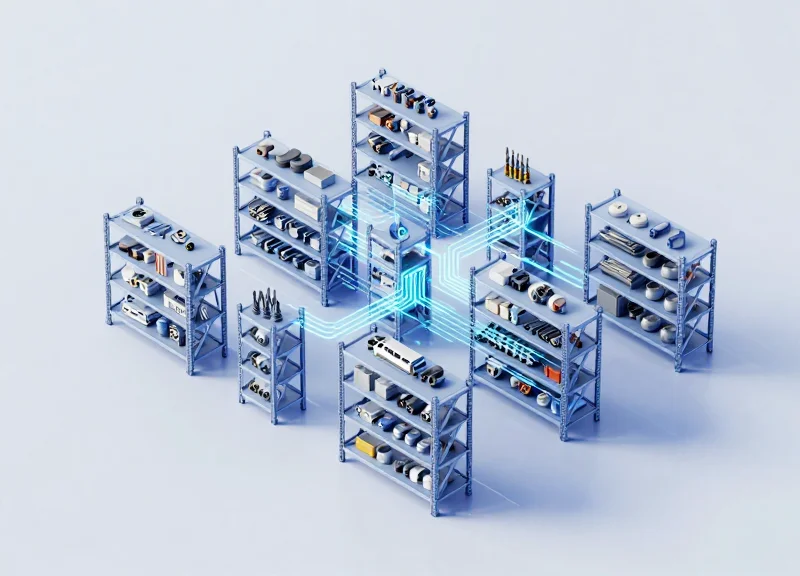
In the 2026 retail landscape, real-time inventory accuracy refers to the ability of a Mother & Baby ecosystem to maintain 99% stock precision at the item level across all physical and digital touchpoints. Unlike traditional manual cycles that leave retailers with an average accuracy of only 65%, RFID-integrated systems eliminate 'phantom inventory'—items that appear in the system but aren't on the shelf—thereby enabling reliable omnichannel services like Buy Online, Pick Up In Store (BOPIS) and Curbside Pickup.
| Metric | Traditional Manual Inventory | RFID-Enabled Ecosystem (2026) |
|---|---|---|
| Inventory Accuracy | 60% - 70% | 98% - 99.5% |
| Stock-Out Rates | High (8% - 12%) | Low (< 2%) |
| BOPIS Fulfillment Time | 2 - 4 Hours | 15 - 30 Minutes |
| Labor Requirement | High (Manual Counts) | Low (Automated Sensing) |
For a parent dealing with a midnight diaper shortage or an urgent need for a specific infant formula, 'Out of Stock' is not just an inconvenience; it is a failure of brand trust. By leveraging RFID as the 'pulse' of the store, retailers can guarantee that when a mother sees '1 unit available' on her smartphone, that item is physically present and reserved the moment she clicks purchase. This level of reliability is the only way to compete with pure-play e-commerce giants while leveraging the physical store's greatest asset: proximity.
- Source Tagging Integration: Implementing RFID at the point of manufacture for high-velocity goods like diapers and wipes to ensure tracking begins the moment they enter the supply chain.
- Continuous Cycle Counting: Utilizing overhead RFID sensors to perform 'invisible' stock counts every hour, rather than monthly manual audits.
- Unified Commerce Synchronization: Linking the RFID data stream directly to the POS and E-commerce engine to prevent overselling during peak shopping hours.
Expert Insight: The 'Safety Buffer' Reduction. Traditional retailers carry 15-20% excess 'safety stock' to compensate for inventory data errors. My 20-year recommendation for 2026 is to use RFID-driven precision to slash this buffer to 5%. This reclaims trapped capital and floor space, allowing Mother & Baby retailers to expand high-margin 'Experience Zones' like nursing lounges or stroller test tracks without losing sales volume.
How does RFID prevent 'BOPIS' cancellations?
By providing a real-time view of exact stock levels, the system prevents the online store from accepting an order for an item that was just sold to a walk-in customer five minutes prior.
Does this require a complete POS overhaul?
Not necessarily. Most modern RFID middle-ware layers can bridge the gap between existing legacy POS systems and your digital storefront to provide the necessary data visibility.
Is the investment worth it for low-cost items like pacifiers?
Yes, because the value isn't just in the item cost, but in the 'Basket Value.' If a parent can't get the pacifier they need via BOPIS, they will likely buy their entire $200 weekly grocery or baby supply list from a competitor who can.
Smart Fitting Rooms and Play Zones: Enhancing the Parental Experience
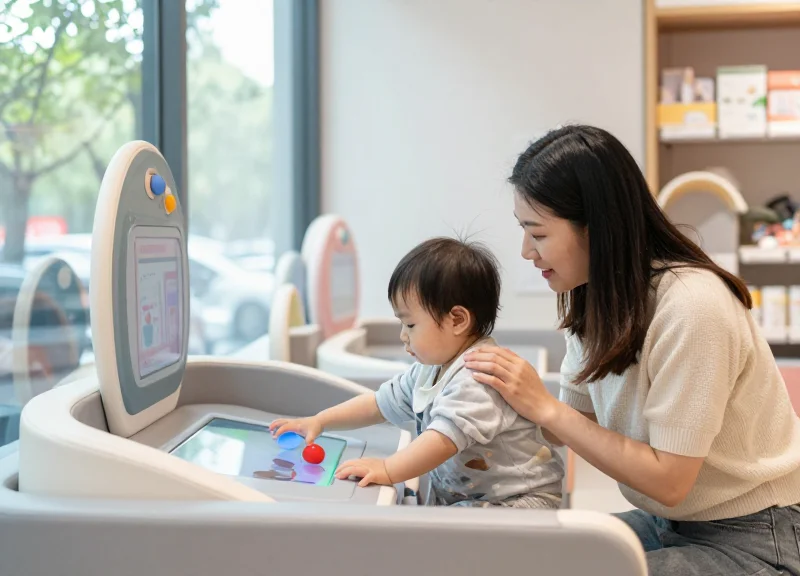
By 2026, the mother and baby retail experience will transition from transactional to experiential through the deployment of RFID-enabled 'Smart Hubs.' Smart fitting rooms utilize item-level RFID tags to recognize products brought into the stall, instantly displaying fabric composition, safety certifications, and available sizes on an interactive mirror. Simultaneously, RFID-integrated play zones allow children to interact with tagged toys that trigger educational content on digital displays, keeping children engaged while providing parents the mental bandwidth to finalize purchasing decisions.
- Frictionless Upselling: When a parent brings a crib sheet into the fitting area, the RFID system suggests matching sleep sacks or nursery decor currently in stock.
- On-Demand Assistance: A 'Request Assistance' feature on the smart mirror alerts staff via wearables, specifying exactly which SKU and size the parent needs, eliminating the need to leave a child unattended.
- Safety Transparency: Instantly display Oeko-Tex certifications or organic material origins by simply holding an item near the RFID sensor.
| Feature | Traditional Experience | 2026 RFID-Enabled Experience |
|---|---|---|
| Product Info | Searching for small-print labels | Instant digital display of all specs |
| Sizing Check | Leaving the room to find a floor associate | Real-time inventory check via smart mirror |
| Child Engagement | Unstructured play with static toys | Interactive RFID-triggered digital storytelling |
| Cross-Selling | Generic floor displays | AI-driven personal recommendations based on cart content |
Expert Insight: The 'Invisible Concierge' Philosophy. In the mother and baby segment, the goal of RFID shouldn't be high-pressure sales, but 'Cognitive Load Reduction.' By 2026, leading retailers will use RFID dwell-time data in fitting rooms to identify 'struggle points'—if a parent spends ten minutes with a complex stroller system and leaves, the system triggers a personalized follow-up with a video tutorial link, bridging the gap between physical frustration and digital support.
How does RFID in fitting rooms respect privacy?
Smart mirrors utilize RFID sensors to detect tags, not cameras. No visual data is recorded, ensuring 100% privacy while providing 100% metadata accuracy.
Can play zones track which toys are most popular?
Yes. RFID sensors in play zones track which toys are picked up most frequently and for how long, providing retailers with invaluable 'heat map' data on product interest before a purchase is even made.
Does this technology require high-speed store Wi-Fi?
While helpful, 2026 systems often use Edge computing to process RFID data locally, ensuring the smart mirror remains responsive even during peak traffic hours when Wi-Fi may lag.
Data-Driven Loss Prevention: Identifying Internal and External Shrink
Data-driven loss prevention in the 2026 retail landscape is the process of synthesizing item-level RFID tracking with Electronic Article Surveillance (EAS) alerts and Point-of-Sale (POS) data to pinpoint the exact nature of inventory loss. Unlike traditional systems that merely sound an alarm, this integrated approach allows retailers to differentiate between external theft (shoplifting), internal shrink (employee theft or 'sweet-hearting'), and administrative errors (inaccurate receiving or mislabeled stock) by analyzing the 'digital footprint' of every missing unit.
| Shrink Type | Data Signal | Typical Mother & Baby Category | Strategic Response |
|---|---|---|---|
| External Theft | EAS alarm triggered without a corresponding POS transaction ID. | High-end Breast Pumps & Baby Monitors | Deploy concealed overhead EAS and real-time security alerts. |
| Internal Shrink | Inventory 'disappears' from backroom RFID scans without passing the sales floor. | Bulk Diapers & Consumables | Improve employee access logs and backroom RFID cycle counting. |
| Administrative Error | Discrepancy between ASN (Advance Shipping Notice) and physical RFID inbound scan. | Apparel & Accessories | Automate receiving protocols and vendor compliance audits. |
- Phase 1: Real-Time Correlation: The system matches every EAS alarm event to the nearest RFID-tagged item, identifying exactly what left the store and when.
- Phase 2: POS Cross-Referencing: The analytics engine checks if the identified item was paid for within a 5-minute window of the exit event.
- Phase 3: Pattern Recognition: AI algorithms identify recurring loss patterns, such as 'Tuesday morning stroller thefts' or specific high-risk zones near the nursery furniture section.
Expert Tip: The Ghost Stock Signal. By 2026, leading retailers are using RFID to detect 'staged' items. In the mother and baby sector, shoplifters often hide high-value items (like organic formula) inside lower-cost items (like diaper pails) or move them to 'dead zones' for later retrieval. If the RFID system detects a premium item lingering in a low-traffic department for over 24 hours, it triggers a 'Ghost Stock' alert for staff to investigate before the theft occurs.
Can data-driven LP reduce false alarms?
Yes. By cross-referencing RFID tags with 'Paid' status at the POS, the system can distinguish between a customer with an uncleared tag and a genuine theft attempt, reducing friction for parents.
How does this help with organized retail crime (ORC)?
The system tracks the velocity of loss. If 20 canisters of milk powder leave the shelf simultaneously and pass the exit, the system identifies this as a bulk theft (ORC) rather than individual shoplifting, alerting law enforcement immediately with a full digital manifest.
Does this impact employee privacy?
The focus is on inventory movement rather than surveillance. By highlighting process gaps—such as items not being scanned during receiving—the data protects employees from false accusations by identifying system failures.
Operational Efficiency: Reducing Labor Strain for Store Staff
Operational efficiency in the 2026 Mother & Baby retail landscape is defined by the reduction of 'low-value labor' through integrated RFID and EAS technology. By automating manual cycle counts, error-prone inventory logging, and individual item scanning at checkout, retailers can reclaim hundreds of staff hours monthly. This shift allows employees to move away from the backroom and onto the sales floor, where their expertise is most needed to guide parents through complex purchasing decisions for high-stakes items like car seats and nursery monitors.
| Retail Task | Traditional Manual Method | 2026 RFID-Integrated Method |
|---|---|---|
| Inventory Cycle Count | 8-12 hours (Monthly/Quarterly) | 15-20 minutes (Daily/Weekly) |
| Point of Sale (POS) | Line-of-sight barcode scanning | Bulk basket scanning (Instant) |
| Stock Replenishment | Visual floor checks for gaps | Real-time alerts via mobile apps |
| Loss Prevention | Manual tag detaching at desk | Automated RFID-EAS deactivation |
The High-Touch Shift: From Stocking to Consulting. In the Mother & Baby sector, customers are rarely looking for a 'grab-and-go' experience for big-ticket items. They are looking for reassurance and technical knowledge. When RFID handles the 'invisible' tasks—like ensuring the blue version of a specific pacifier is actually in the drawer—staff members are liberated from search-fatigue. This cognitive offloading is crucial; a less-stressed staff member provides better empathy and service to a tired, stressed parent.
How does RFID integration improve staff retention?
By eliminating the most monotonous and physically taxing parts of the job, such as manual inventory counting and hunting for misplaced items, job satisfaction increases. In 2026, tech-enabled stores report 20-30% higher employee retention rates.
Does automated checkout increase the risk of errors?
Actually, it decreases them. Integrated RFID systems read every tag in a basket simultaneously, eliminating 'missed scans' or 'double scans' common with traditional barcodes, ensuring the transaction is 100% accurate every time.
How do staff manage 'Click and Collect' more efficiently?
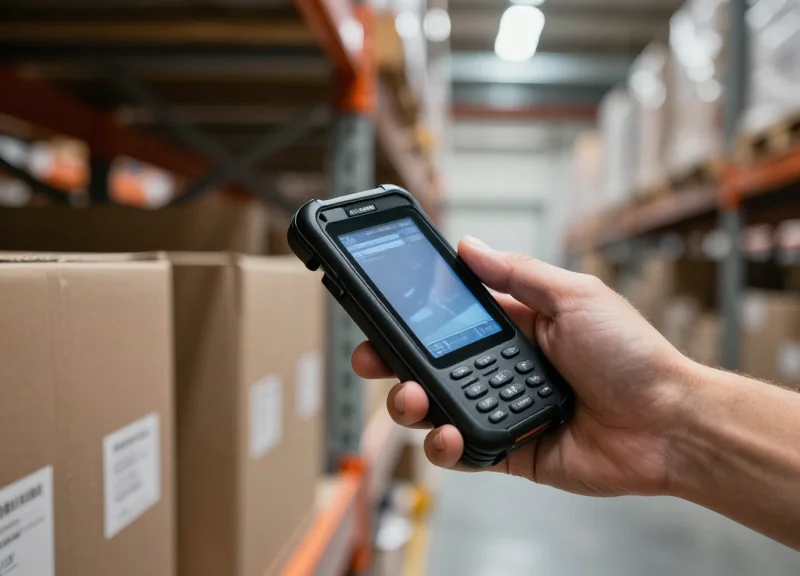
RFID handhelds act like a Geiger counter, 'pinging' the specific location of an item in the backroom or on a crowded shelf, reducing the time to fulfill a BOPIS (Buy Online, Pick Up In Store) order from minutes to seconds.
Expert Insight: The 2026 'Proximity Alert' Trend. A unique competitive advantage emerging in 2026 is the use of 'Proximity Engagement Alerts.' By integrating RFID with staff wearables, the system can detect when a customer has spent more than 120 seconds interacting with a high-value item, such as a smart stroller or a breast pump display. The system sends a subtle haptic notification to the nearest staff member's smartwatch, enabling them to offer assistance exactly when the customer is most likely to have questions, effectively turning 'passive browsing' into 'active conversion' without the need for intrusive patrolling.
The ROI of Integrated Ecosystems: Long-Term Value and Sustainability
The Return on Investment (ROI) for an integrated RFID and EAS ecosystem in 2026 is no longer measured solely by theft reduction; it is calculated through the synergy of inventory precision, labor reallocation, and the elimination of redundant hardware. For a typical Mother & Baby retailer, the transition from standalone Electronic Article Surveillance (EAS) to a unified RFID-based intelligence platform yields a break-even point within 14 to 18 months, primarily driven by a 25-30% reduction in out-of-stock scenarios and a 40% decrease in manual cycle-count labor costs.
| Metric | Traditional EAS (Legacy) | Integrated RFID-EAS (2026 Standard) |
|---|---|---|
| Inventory Accuracy | 65% - 75% | 98% - 99.5% |
| Shrinkage Control | Reactive / Alarm-based | Predictive / Item-level visibility |
| Labor Requirement | High (Manual tagging/counting) | Low (Automated at source/point-of-sale) |
| Sustainability Impact | High waste (Single-use tags) | Circular (Reusable/Recyclable digital IDs) |
Sustainability is the silent driver of value in 2026. By integrating RFID, retailers can drastically reduce 'buffer stock'—the excess inventory typically held to compensate for poor data accuracy. For Mother & Baby brands, this means a smaller carbon footprint through reduced manufacturing and logistics, aligning with the increasingly eco-conscious values of Gen Z and Millennial parents. Furthermore, unified systems require fewer physical pedestals and cabling, reducing the total cost of ownership (TCO) over a 5-year hardware lifecycle.
Does integrating RFID-EAS require a total store overhaul?
No. In 2026, most platforms use 'Hybrid Overlay' technology, allowing retailers to keep existing EAS hardware while upgrading to RFID-capable sensors and software, phasing out legacy tech as budgets allow.
How does this system impact the resale or 'Circular' baby market?
The integrated RFID tag serves as a permanent digital birth certificate for high-value items like strollers, facilitating easy authentication for brand-led buy-back or trade-in programs.
What is the primary driver of the 14-month ROI?
The largest contributor is the 'Omnichannel Lift'—the ability to fulfill online orders from store stock with 100% confidence, preventing lost sales from parents who need items immediately.
Unique Expert Insight: The 'ESG-Data Dividend' — By 2026, advanced RFID-EAS ecosystems will allow retailers to claim carbon credits by proving a verified 15% reduction in over-manufacturing. In the Mother & Baby sector, where product life cycles are short, this data-driven sustainability becomes a tradable financial asset, effectively subsidizing the initial cost of the technology hardware.