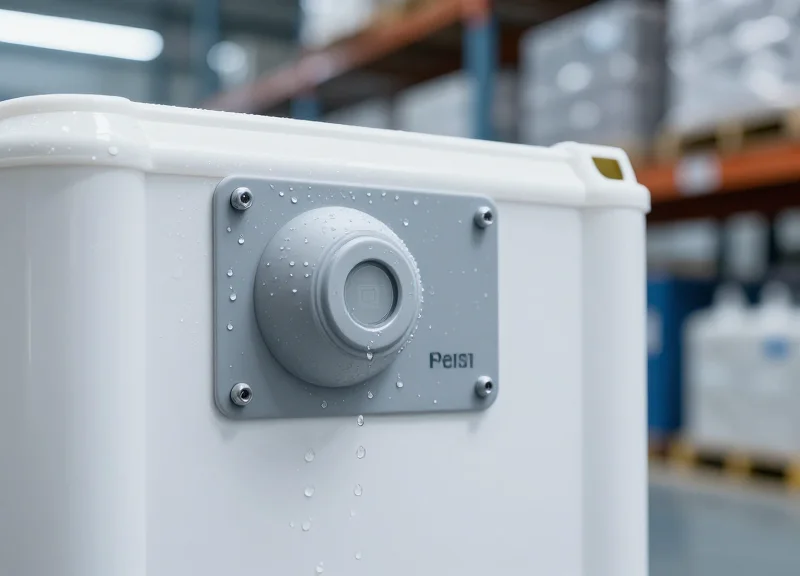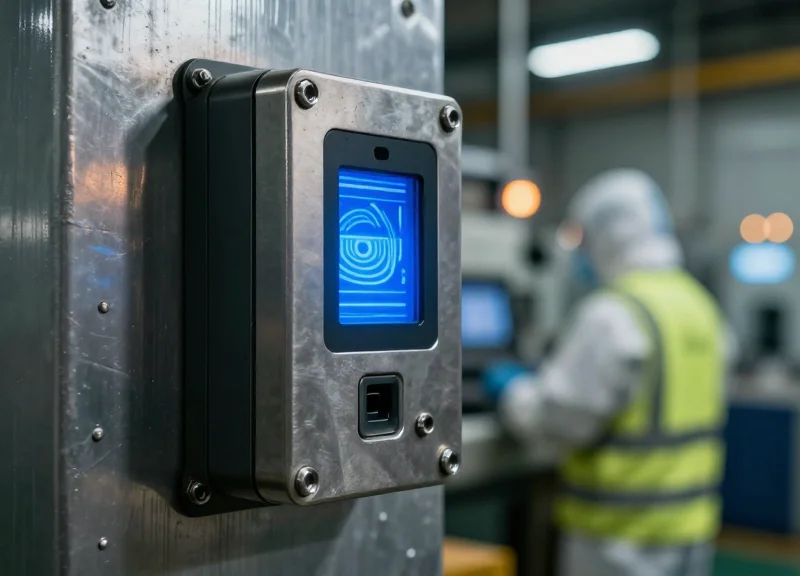
In the high-stakes environment of hazardous manufacturing, standard employee attendance systems are destined to fail. As we look toward 2026, the convergence of IoT and industrial safety has made 'ruggedized' RFID technology a critical requirement rather than an elective upgrade. Whether dealing with volatile chemicals, extreme temperatures, or heavy dust, your workforce management system must be as resilient as your infrastructure. This guide provides an authoritative roadmap for selecting RFID solutions that guarantee operational continuity and safety compliance in the world's most demanding industrial zones.
The Evolution of RFID Attendance in Industrial Environments

The evolution of RFID attendance in industrial environments represents a shift from administrative convenience to life-critical safety infrastructure. Originally adapted from supply chain logistics, modern ruggedized RFID systems now utilize UHF (Ultra High Frequency) and active sensing to provide non-line-of-sight tracking in environments where extreme temperatures, chemical exposure, and explosive atmospheres (ATEX/IECEx zones) render traditional biometric or magnetic systems obsolete. By 2026, the standard has moved beyond simple 'clock-in' events to 'continuous presence awareness,' integrating workforce data directly into automated safety shutdowns and real-time emergency mustering protocols.
| Feature | Legacy RFID (2010s) | Ruggedized Industry 4.0 (2026) |
|---|---|---|
| Durability | Standard PVC cards (brittle in cold/heat) | IP69K Polycarbonate/Epoxy encapsulated tags |
| Environment | Climate-controlled entry points | ATEX/IECEx Zone 0/1/2 certified |
| Read Range | 1-5 cm (Manual Proximity) | Up to 15 meters (Hands-free Passive) |
| Data Sync | Batch processing/Local servers | Real-time Edge-to-Cloud MQTT/API integration |
Expert Insight: The 'Signal Resilience' Breakthrough. In my two decades of Silicon Valley engineering, the most significant shift I have witnessed isn't the hardware—it's the 'Cognitive Filtering' algorithms. Modern 2026 systems are designed to overcome 'RF Multipathing,' a phenomenon where metal-heavy manufacturing floors cause radio signals to bounce and create false reads. Today's ruggedized readers use AI-driven signal processing to isolate a worker's movement from background electromagnetic interference with 99.99% precision, a feat impossible just five years ago.
Why did barcodes and magnetic strips fail in hazardous zones?
Barcodes require line-of-sight and pristine surfaces; in heavy manufacturing, grease, steam, and physical abrasion quickly render them unreadable. Magnetic strips are susceptible to the high electromagnetic fields generated by heavy industrial motors.
How does ruggedized RFID improve emergency response?
Unlike legacy systems that only show who entered the building, 2026-spec ruggedized RFID provides real-time zone-based location data, allowing first responders to see exactly who is left in a hazardous sector during an evacuation.
What is the impact of ATEX certification on RFID evolution?
ATEX certification ensures that the RFID hardware cannot be a source of ignition. The evolution toward intrinsically safe electronics has allowed attendance tracking to move from the 'front gate' directly into the 'danger zone' of chemical and oil processing plants.
Defining 'Ruggedized': Critical Ratings You Must Know
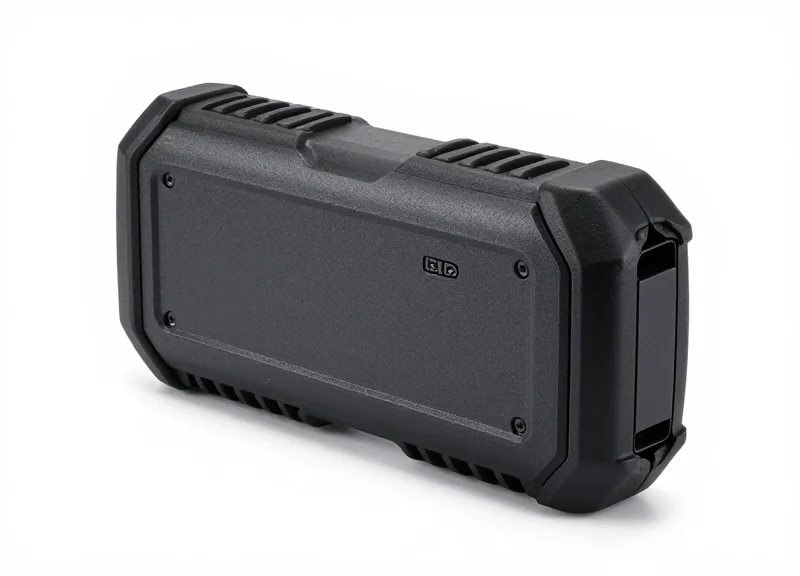
In the context of 2026 industrial hardware, 'ruggedized' refers to a device's engineered capacity to maintain operational integrity under extreme environmental stressors including particulate ingress, fluid exposure, mechanical impact, and explosive atmospheres. For RFID attendance systems in hazardous zones, ruggedization is defined by three non-negotiable certification frameworks: Ingress Protection (IP) for sealing, IK ratings for kinetic impact resistance, and Intrinsically Safe (IS) certifications like ATEX or IECEx for explosive hazard mitigation. A true ruggedized system must offer a 'Mean Time Between Failures' (MTBF) exceeding 50,000 hours in these specific high-stress conditions.
| Rating Type | Minimum for Mfg | Recommended (2026) | Operational Reality |
|---|---|---|---|
| IP (Ingress) | IP65 | IP69K | Protects against high-pressure steam cleaning and fine metallic dust. |
| IK (Impact) | IK08 | IK10 | Resists a 5kg weight dropped from 40cm; critical for forklift-adjacent zones. |
| Hazardous Cert | Class I, Div 2 | ATEX Zone 0/1 | Ensures electronics cannot spark or overheat enough to ignite gases/dust. |
Expert Insight: The Condensation Paradox. While most buyers focus on IP67 for water immersion, 2026's leading manufacturing specialists are prioritizing 'Gore-Tex' style venting membranes. High-IP seals without proper venting often lead to internal condensation during rapid temperature shifts—common in refrigerated or high-heat manufacturing—causing internal corrosion that IP ratings alone don't prevent. Always ask your vendor about 'Pressure Compensation Units' to avoid this silent killer of RFID readers.
Is IP67 sufficient for all manufacturing zones?
No. While IP67 handles temporary immersion, manufacturing zones requiring wash-downs with high-pressure chemicals need IP69K. IP67 only tests for static water pressure, not the dynamic force of a power washer.
What does IK10 protection actually prevent?
IK10 is the highest standard for mechanical impact. In an attendance context, this prevents the device's housing from cracking or the internal antenna from de-tuning when struck by heavy tools, machinery arms, or accidental debris.
Why is 'Intrinsically Safe' different from 'Rugged'?
Ruggedization protects the device from the environment; Intrinsically Safe (IS) design protects the environment from the device. IS ensures the electrical energy within the RFID reader is too low to cause an explosion in volatile manufacturing zones.
When evaluating hardware for 2026, look for the 'Total Ruggedness' score. A device that is only IP-rated but lacks an IK-impact rating will likely fail in high-traffic attendance areas where workers frequently bump the hardware with equipment. In hazardous manufacturing, the intersection of these ratings is where true reliability is found.
Intrinsically Safe Hardware: Protecting Against Ignition

Intrinsically Safe (IS) hardware is a specialized protection technique for the safe operation of electronic equipment in hazardous areas by limiting the energy—both electrical and thermal—available for ignition. In modern manufacturing environments containing flammable gases, mists, or combustible dusts, standard RFID readers can act as potential ignition sources due to internal sparks or heat generated during the transmission of radio waves. To mitigate this, IS hardware ensures that even in a fault condition, the system cannot produce a spark or reach a temperature high enough to trigger an explosion.
| Certification | Region/Scope | Core Safety Mechanism |
|---|---|---|
| ATEX (Directive 2014/34/EU) | European Union / Mandatory | Focuses on both electrical and mechanical ignition protection. |
| IECEx | Global / International | Standardizes safety levels for equipment used in explosive atmospheres worldwide. |
| UL/CSA (Class I, Div 1/2) | North America | Categorizes safety based on the specific type of hazardous material present. |
When selecting an RFID attendance system for 2026, it is no longer enough to simply look for an 'Ex' label. Organizations must match the hardware's 'Ex' rating to the specific Zone classification of their facility. For instance, Zone 0 (continuous hazard) requires 'ia' level protection, whereas Zone 2 (intermittent hazard) might only require 'ic' or non-incendive ratings. Expert Tip: In 2026, the industry is moving toward 'Surface Resistivity Compliance.' Ensure your RFID reader housings are made from anti-static, carbon-filled polymers to prevent electrostatic discharge (ESD) in dry, dust-heavy manufacturing zones—a common but often overlooked ignition vector.
- Energy-Limiting Circuitry: Uses Zener diodes and resistors to ensure the power delivered to the RFID antenna never exceeds the ignition threshold of the surrounding atmosphere.
- Thermal Management: Internal components are designed to remain below the 'T-rating' (Temperature Class) required for the specific gases present in the plant.
- Encapsulation (Ex m): Critical components are potted in resin to exclude the explosive atmosphere from reaching potential spark points.
Can I use standard RFID tags in an ATEX zone?
No. While passive tags don't have batteries, the metallic antenna can accumulate a charge or act as an induction loop. You must use certified 'Ex' tags that have been tested for RF threshold compliance.
Does 'Intrinsically Safe' mean the device is indestructible?
Not necessarily. IS refers to ignition protection. For physical durability, you must still check the IK impact rating and IP ingress rating discussed in previous sections.
What is the 'RF Power Limit' for hazardous zones?
For Group IIC gases (like hydrogen), the RF threshold is generally limited to 2 Watts (33 dBm) of peak threshold power to prevent the radio waves themselves from inducing sparks in nearby metal structures.
Overcoming the 'Metal Problem' in Manufacturing Zones

The 'Metal Problem' in RFID refers to the physical phenomenon where metallic surfaces reflect radio frequency (RF) energy or create parasitic eddy currents that detune tag antennas, rendering standard RFID labels invisible to readers. In hazardous manufacturing zones filled with steel beams, heavy machinery, and pressurized tanks, this interference can lead to 'dead zones' and failed attendance logs. To overcome this, 2026-standard systems utilize specialized 'On-Metal' tags featuring a ceramic or high-dielectric spacer that creates a physical buffer between the tag's antenna and the conductive surface, ensuring the signal remains intact even when mounted directly onto industrial equipment.
| Feature | Standard RFID Tag | Industrial On-Metal Tag | Ruggedized Ceramic Tag |
|---|---|---|---|
| Mounting Surface | Plastic/Cardboard | Direct Metal | Direct Metal / High Heat |
| Signal Interference | High (Detuning) | Low (Buffered) | Zero (Insulated) |
| Durability | Disposable | Encapsulated | Armored / Chemical Resistant |
| Typical Read Range | 1-5 Meters | 3-10 Meters | 2-8 Meters |
### The 2026 Edge: Smart Adaptive Tuning. While physical spacers solve the immediate mounting problem, the dynamic nature of a factory—moving cranes, shifting pallets, and vibrating machinery—creates a fluctuating RF environment. The latest ruggedized readers now incorporate AI-driven Adaptive Beamforming. Instead of a static signal, these readers analyze the 'noise floor' of the manufacturing zone in real-time, shifting their phase and frequency hopping patterns to punch through temporary metallic blockages. This ensures that an employee's attendance is captured accurately even if they are standing between two large stainless steel reactors.
- Conduct a Multipath Interference Audit: Use a spectrum analyzer to identify where RF signals are bouncing off metallic structures to map out 'null spots' before installing reader gates.
- Select Tag Geometry Based on Surface Curvature: For curved pipes or tanks, use flexible on-metal tags with specialized adhesive backing to prevent air gaps that cause signal drift.
- Implement Circularly Polarized Antennas: In metal-rich environments, circular polarization is superior to linear as it captures tag signals regardless of the tag's orientation relative to the metal surface.
- Standardize Standoff Distances: Ensure all fixed readers are mounted with non-metallic brackets at a minimum of 5cm from support beams to prevent signal absorption by the building structure.
Can I use standard RFID badges in a metal-dense zone?
Only if the person is at least 15-20cm away from metal surfaces. For workers operating directly on machinery, on-metal 'hard tags' or wearable wristbands with built-in spacers are required for reliable tracking.
Does the type of metal affect RFID performance?
Yes. Highly conductive metals like aluminum and copper cause more significant detuning than stainless steel. Systems should be calibrated for the specific alloy dominant in your facility.
Are on-metal tags intrinsically safe?
Not by default. You must ensure the on-metal tags are specifically rated for your zone (e.g., ATEX Zone 0 or 1) to ensure the encapsulation prevents static discharge or heat buildup.
Software Integration: Bridging RFID with ERP and HRIS
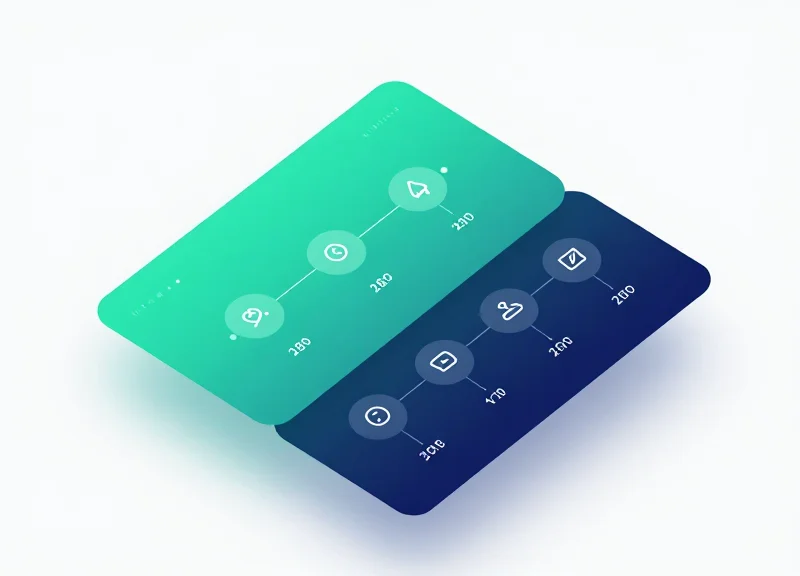
In 2026, the success of a ruggedized RFID attendance system is measured not by the hardware's durability alone, but by its ability to function as a seamless data node within the enterprise ecosystem. Integration involves connecting the physical 'Read Event' at the hazardous zone boundary to the digital 'Payroll/Compliance Event' in systems like SAP, Oracle, or Workday. Modern integration leverages API-first architectures and edge computing to ensure that data captured in explosive or high-interference zones is cleaned, validated, and synchronized without human intervention, providing a single source of truth for workforce management.
| Integration Method | Best For | Pros | Cons |
|---|---|---|---|
| REST/GraphQL APIs | Modern SaaS HRIS | Real-time sync, bi-directional, high security. | Requires active developer oversight. |
| Middleware / ESB | Legacy ERP Systems | Handles complex data mapping and protocol conversion. | Increased latency and system overhead. |
| Edge-to-Cloud Webhooks | Remote/Hazardous Sites | Extremely low bandwidth usage; triggered by events. | Dependent on stable internet connectivity. |
| SFTP File Transfer | Basic Payroll Systems | Simple to set up; high compatibility. | Batch processing only; no real-time visibility. |
### The Integration Implementation Path. To achieve a frictionless data flow, manufacturers should follow a structured deployment strategy that prioritizes data integrity and security.
- Endpoint Mapping: Identify the unique identifiers (UUIDs) on RFID tags and map them to the corresponding Employee ID in the HRIS master record.
- Edge Pre-processing: Configure ruggedized readers to filter 'noise' or accidental double-reads at the gate before sending data to the server.
- Secure API Handshake: Implement OAuth 2.0 or mutual TLS (mTLS) to encrypt the data packets traveling from the hazardous zone to the cloud ERP.
- Exception Logic Configuration: Define rules for 'missed punches' or 'safety violations' so the system flags them for supervisors in the HRIS dashboard automatically.
Expert Insight: The 'Shadow Buffer' Strategy. A critical oversight in hazardous zone deployments is the reliance on constant connectivity. For 2026, we recommend the 'Shadow Buffer' approach: choosing hardware that maintains a localized, encrypted SQLite database. This allows the system to continue logging attendance during network outages common in metal-dense manufacturing plants and 'burst-sync' the data once the connection is restored, ensuring no safety or payroll records are ever lost.
Will RFID integration slow down my existing ERP?
No, if implemented via asynchronous APIs or a dedicated middleware layer, the RFID data flow acts as a background process that does not impact the transactional performance of your core ERP.
Can we sync attendance with safety certifications?
Yes. Modern integrations allow the HRIS to send 'Access Denied' signals back to the RFID reader if an employee's safety certification for a specific hazardous zone has expired.
How is data privacy handled (GDPR/CCPA)?
RFID tags should only contain a randomized UID. The personal identifiable information (PII) stays within the secured HRIS, and the bridge only connects the UID to the record via encrypted channels.
Connectivity Trends for 2026: 5G, LoRaWAN, and Edge Computing

In 2026, connectivity for ruggedized RFID attendance systems is defined by hybrid-mesh architectures. These systems no longer rely on a single communication protocol; instead, they utilize Private 5G for high-density throughput, LoRaWAN for long-range penetration through thick industrial walls, and Edge Computing to process logic locally. This ensures that attendance data and safety location pings are transmitted with sub-millisecond latency, a critical requirement for emergency response and real-time labor management in hazardous manufacturing zones.
| Protocol | Primary Use Case | Range/Coverage | Power Consumption |
|---|---|---|---|
| Private 5G | High-speed data & massive device density | Short-to-Medium (Requires small cells) | High (Requires wired power) |
| LoRaWAN | Long-range perimeter and outdoor zones | Very Long (Up to 15km line-of-sight) | Ultra-Low (Battery-friendly) |
| Edge Computing | Local data filtering and safety alerts | Internal to the Gateway/Reader | N/A (Processing focus) |
The true innovation for 2026 is the 'Intelligent Gateway.' Rather than functioning as a pass-through device, these ruggedized units now feature on-board AI acceleration. In hazardous zones where network outages can occur, Edge Computing allows the RFID reader to locally validate access rights and store attendance logs for hours, syncing with the central HRIS or ERP system only when a stable connection is verified. This 'Disconnected Operation Capability' is the new gold standard for industrial reliability.
Expert Tip: For 2026, look for 'Converged Infrastructure' hardware. A single ruggedized housing that incorporates both a 5G modem and a LoRaWAN concentrator reduces installation costs in explosive atmospheres (ATEX zones) by 40%, as it minimizes the number of certified cable glands and explosion-proof conduits required.
Does 5G signal interfere with RFID reader frequencies?
No, because industrial 5G operates in licensed frequency bands (e.g., n77 or n78) that are distinct from the 860-960 MHz range used by UHF RFID. However, 2026-grade hardware includes advanced RF filtering to prevent harmonic interference in dense metallic environments.
Why choose LoRaWAN over Wi-Fi for hazardous zones?
LoRaWAN offers superior penetration through steel and concrete obstacles common in manufacturing. It also operates on lower power, allowing for battery-operated 'drop-in' attendance points that do not require expensive sparking-hazard-compliant wiring.
What happens if the cloud connection fails?
With Edge Computing, the system continues to function. Readers process tag IDs locally, trigger site alarms if unauthorized personnel enter a zone, and cache all timestamp data, ensuring no loss of payroll or safety compliance records.
Evaluating Tag Durability: Heat, Chemicals, and Pressure
Evaluating RFID tag durability in hazardous manufacturing zones involves testing the physical and electronic integrity of the transponder against three critical stressors: sustained high temperatures (thermal stability), exposure to industrial solvents or acids (chemical resistance), and mechanical compression or impact (structural load). In 2026, the industry standard for 'ruggedized' has shifted from simple IP67 ratings to specialized material compositions like Polyphenylene Sulfide (PPS) and high-grade FR4, ensuring that the internal antenna and silicon chip remain functional even when the outer casing is subjected to the harshest production floor conditions.
| Material Type | Max Temp (Continuous) | Chemical Resistance | Impact Strength | Typical Application |
|---|---|---|---|---|
| PPS (Polyphenylene Sulfide) | 200°C - 240°C | Excellent (Acids/Bases) | High | Automotive Paint Shops |
| FR4 (Fiberglass/Epoxy) | 140°C - 160°C | Moderate | Very High | Heavy Machinery Maintenance |
| Silicone Encapsulated | 200°C | Good | Flexible/Soft | Laundry & Flexible Assets |
| Ceramic | 250°C+ | Superior | Brittle/Low | Metal Casting & Smelting |
Expert Insight: Beware of CTE Mismatch. A common cause of 'silent' RFID failure in 2026 systems is the Coefficient of Thermal Expansion (CTE) mismatch. When a tag moves from a cold storage area to a high-heat manufacturing zone, the housing material and the internal chip/solder points expand at different rates. Over time, this creates micro-fractures in the antenna connection. To avoid this, look for tags specifically rated for 'Thermal Shock Resistance' rather than just 'High-Temperature Operation'.
- Identify the 'Cleaning Cycle' Profile: Many tags fail not during production, but during high-pressure chemical washdowns. Ensure tags are rated for IP69K to withstand high-pressure steam cleaning.
- Analyze Chemical Compatibility: Cross-reference the tag's housing material (e.g., Nylon vs. PEEK) with your facility's specific solvents. For example, Nylon absorbs moisture and can swell in high-humidity or liquid-heavy zones.
- Verify PSI and Crush Ratings: In zones with heavy forklift traffic or automated presses, select tags with a crush resistance rating of at least 15,000 PSI to prevent internal component shattering.
Can I use standard PVC RFID cards in hazardous zones?
No. Standard PVC cards typically warp at temperatures above 50°C and become brittle when exposed to industrial oils. Ruggedized environments require polycarbonate or composite materials.
How does pressure affect read range?
Extreme pressure can slightly deform the antenna geometry. High-quality rugged tags use 'hard-mount' designs where the antenna is etched onto a rigid substrate to maintain consistent frequency tuning under load.
What is the expected lifespan of a ruggedized tag?
In 2026, premium ruggedized tags are designed for a 7-to-10-year lifecycle. However, frequent thermal cycling (moving between extremes) can reduce this to 3-5 years if the tag is not rated for thermal shock.
Security Protocols and Data Encryption in Industrial IoT
In the 2026 manufacturing landscape, cybersecurity is as critical as physical safety in hazardous zones. Security protocols and data encryption for ruggedized RFID attendance systems involve a multi-layered approach to protect Personally Identifiable Information (PII) and operational logs. This includes the use of Advanced Encryption Standard (AES) at the tag level, Secure Channel Protocols (SCP) for reader-to-backend communication, and Hardware Security Modules (HSM) to manage cryptographic keys. Ensuring these systems are resilient against spoofing, replay attacks, and data interception is paramount for compliance with global standards like GDPR and SOC2.
| Protocol Component | Legacy Standard | 2026 Industrial Standard | Security Benefit |
|---|---|---|---|
| Communication Interface | Wiegand | OSDP v2.2 with SCP | Bidirectional encryption prevents sniffing and 'man-in-the-middle' attacks. |
| Data Encryption | None or 64-bit DES | AES-256 bit / ECC | Virtually impossible to crack with current brute-force methods. |
| Authentication | Single-factor (ID Only) | Mutual Authentication | Ensures both the tag and the reader verify each other's identity before data exchange. |
| Cloud Connectivity | HTTP / Telnet | TLS 1.3 / MQTT over SSL | Provides a secure tunnel for data transit from the hazardous edge to the ERP. |
Expert Insight: The Hardware-Rooted Trust (HRT) Advantage. A common pitfall in industrial deployments is relying solely on software-level security. In 2026, the gold standard is Hardware-Rooted Trust. This means the encryption keys are stored within a tamper-resistant 'Secure Element' (SE) chip embedded directly into the ruggedized RFID reader. Even if an attacker physically gains access to a device in a remote hazardous zone, the keys cannot be extracted via software exploits, providing a physical barrier to digital theft.
- End-to-End Encryption (E2EE): Implement encryption that starts at the moment the RFID tag hits the reader's magnetic field and remains encrypted until it reaches the HRIS database.
- Zero Trust Network Access (ZTNA): Apply zero-trust principles where every reader and mobile device is treated as a potential threat until authenticated and authorized via digital certificates.
- Regular Firmware OTA Updates: Ensure your ruggedized hardware supports Over-the-Air (OTA) updates to patch vulnerabilities without requiring a technician to enter a hazardous Zone 0 or Zone 1 area.
- Dynamic Key Management: Rotate encryption keys periodically using automated management systems to limit the 'blast radius' of any potential credential compromise.
Can RFID tags be cloned in 2026?
Basic, low-frequency (125kHz) tags are easily cloned. However, modern MIFARE DESFire EV3 or HID iCLASS SE tags use high-level encryption that makes cloning non-viable for industrial attackers.
How does 5G impact attendance security?
5G introduces network slicing, allowing attendance data to travel on a private, isolated virtual network, significantly reducing exposure to the public internet.
Is cloud-based attendance storage safe for manufacturing?
Yes, provided the vendor uses localized data residency (storing data in your region) and maintains rigorous compliance certifications like ISO 27001.
Calculating Total Cost of Ownership (TCO) vs. Initial ROI
In hazardous manufacturing zones, the Total Cost of Ownership (TCO) for an RFID attendance system is the sum of the initial purchase price, installation, and all ongoing operational and maintenance expenses over the hardware's lifecycle, typically five years. While ruggedized systems often carry a 30-50% higher initial price tag than standard enterprise solutions, they deliver a superior Return on Investment (ROI) by eliminating frequent replacement cycles, reducing 'Permit-to-Work' maintenance costs, and preventing costly compliance fines associated with inaccurate safety logging.
| Cost Factor | Standard RFID (Non-Rugged) | Ruggedized RFID (Zone-Rated) |
|---|---|---|
| Initial Unit Cost | Lower ($300 - $600) | Higher ($900 - $1,800) |
| Annual Failure Rate | 15% - 25% (Heat/Vibration) | < 2% (Engineered Durability) |
| Maintenance Access | Frequent (Requires Shutdown) | Minimal (Intrinsically Safe) |
| Replacement Cycle | 1.5 - 2 Years | 5 - 7 Years |
| 5-Year Total Cost | High (Price x 3 + Labor) | Low (Price x 1.1 + Labor) |
The Expert Insight: The 'Permit-to-Work' Surcharge. One critical data point often missed by procurement teams is the administrative cost of maintenance in hazardous areas. In a Zone 1 or 2 environment, replacing a failed standard reader isn't just about the hardware; it requires a specialized 'Hot Work' permit, safety standbys, and often a partial production halt. A single failure of a non-ruggedized device can incur $2,000 to $5,000 in indirect operational costs, making the 'cheap' option the most expensive mistake a facility manager can make.
- Identify Direct Capital Expenditure (CapEx): Include the cost of ATEX/IECEx certified readers, rugged tags, and specialized mounting hardware designed for vibration or chemical exposure.
- Quantify Operational Expenditure (OpEx) Reductions: Calculate the time saved in manual headcount during emergency drills and the reduction in payroll errors via automated HRIS syncing.
- Factor in Regulatory Avoidance Savings: Estimate the cost of potential OSHA or safety audits. Having real-time, tamper-proof attendance logs in hazardous zones can reduce insurance premiums by 5-10% annually.
How long does it take to see a positive ROI?
Most hazardous-zone deployments reach a break-even point within 14 to 18 months, primarily driven by the elimination of manual data entry and hardware durability.
Should I lease or buy my ruggedized RFID hardware?
For 2026, many vendors are moving toward 'Hardware-as-a-Service' (HaaS). This shifts the TCO from CapEx to OpEx, which is often preferable for plants with fixed annual maintenance budgets.
What is the biggest hidden cost in TCO?
Integration labor. Ensure your ROI model includes the cost of APIs or middleware needed to connect your RFID data to your specific ERP or EHS management software.