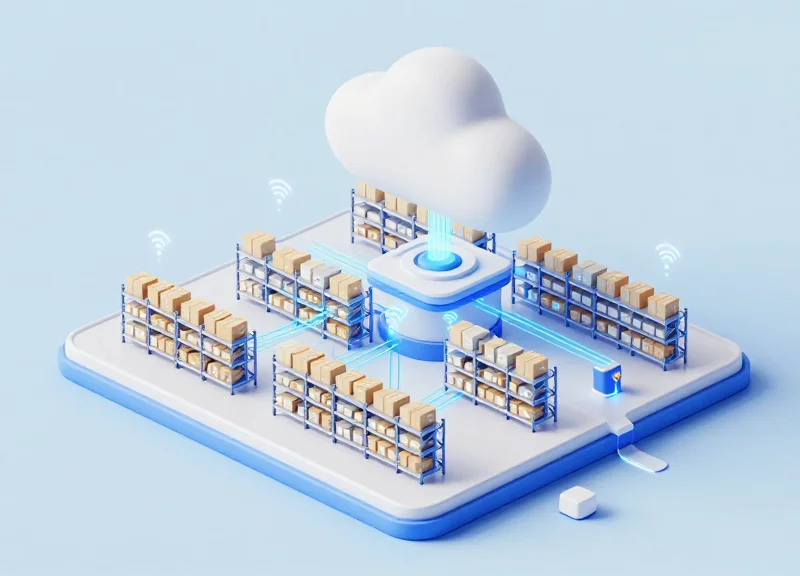
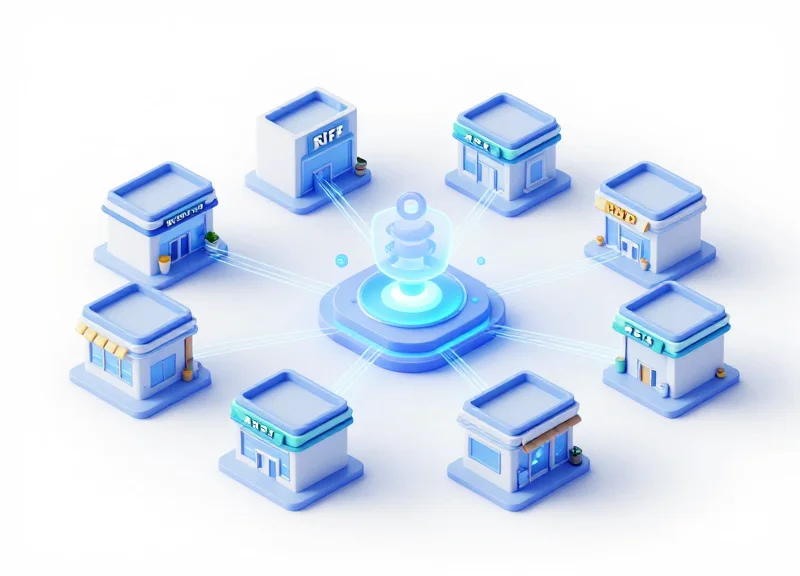
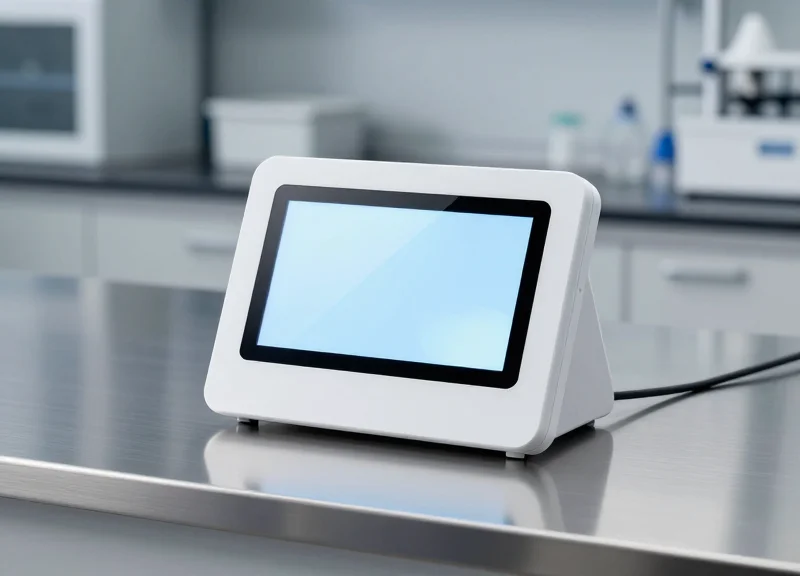
As we head into 2026, the retail sector is no longer just about selling products; it is about managing data in real-time. Electronic Shelf Label (ESL) systems have evolved from simple price displays into sophisticated tracking and engagement hubs. However, the 'best' system is not universal. For a high-end luxury boutique, the priority might be minimalist aesthetics and brand story integration, whereas an electronics superstore requires massive throughput, high-speed updates, and rugged durability. This guide breaks down the critical trade-offs decision-makers must consider to future-proof their operations.
The 2026 ESL Landscape: Beyond Simple Price Tags

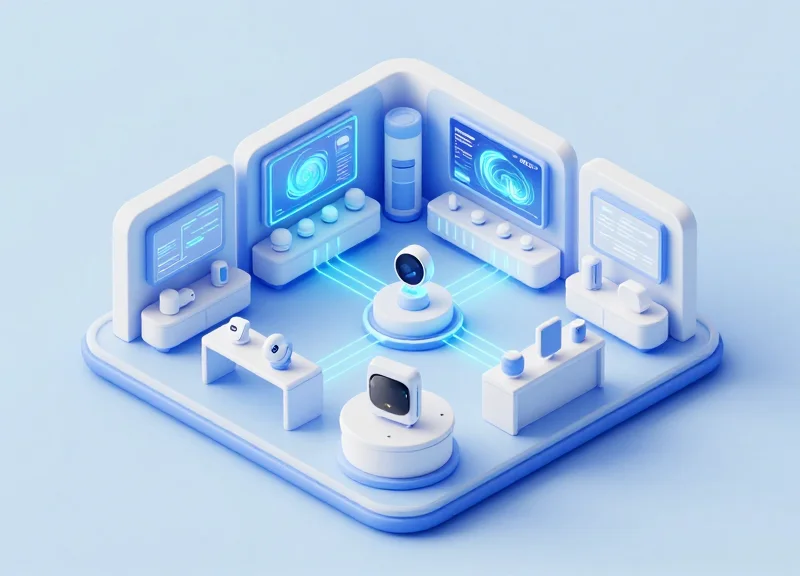
By 2026, Electronic Shelf Labels (ESL) are no longer mere digital price tags; they have become the fundamental edge-computing nodes of the modern retail ecosystem. Leveraging the widespread adoption of Bluetooth 6.0 and the maturity of ultra-low-power e-paper displays, these devices serve as bidirectional communication hubs. They integrate real-time inventory tracking, environmental sensing, and hyper-local customer engagement into a single, energy-efficient form factor that bridges the gap between digital data and physical storefronts.
| Feature | Legacy ESL (Pre-2023) | Modern ESL (2026) |
|---|---|---|
| Connectivity | Proprietary RF / Infrared | Bluetooth 6.0 / Matter / WiFi-HaLow |
| Display Tech | B&W or 3-Color E-ink | Full-color Advanced E-paper (ACeP) |
| Battery Life | 3-5 Years (Static) | 10+ Years (Sensor-active) |
| Intelligence | Passive receiver | Edge processing / AI sensor fusion |
- Bluetooth 6.0 & Channel Sounding: The 2026 standard enables sub-meter localization accuracy, allowing labels to act as high-precision beacons for both staff picking and customer wayfinding.
- Energy Harvesting Integration: Modern labels utilize ambient indoor light harvesting, virtually eliminating the need for battery replacements and reducing the carbon footprint of massive deployments.
- Active Inventory Sensing: Labels now include integrated proximity sensors and computer vision hooks to detect 'out-of-stock' or 'misplaced item' scenarios automatically.
Expert Insight: The Shift to 'Contextual Commerce' A unique development in 2026 is the use of 'Bluetooth Channel Sounding' within ESL systems. Unlike previous RSSI-based tracking, which was prone to interference, modern ESLs use phase-based distance measurement. This means a boutique can track exactly which shelf a VIP customer is hovering over with 10cm accuracy, triggering personalized offers to their smartphone instantly. In an electronics superstore, this same tech allows for automated shelf-space auditing without manual scans, representing a 40% reduction in labor overhead compared to 2024 standards.
Why is Bluetooth 6.0 critical for 2026 retail?
It provides the high-security, low-latency framework required for synchronous price updates across thousands of items while supporting high-precision location services.
Are these systems compatible with older POS software?
Most 2026 ESL platforms use standardized APIs and Matter-over-Thread protocols, making them hardware-agnostic and easier to integrate with legacy ERP systems than previous generations.
How do full-color e-paper displays affect battery life?
While color requires more energy to refresh, the transition to IGZO backplanes and better waveforms means these labels still maintain a 10-year lifespan under typical update frequencies.
Luxury Boutiques: Prioritizing Brand Image and Customer Experience

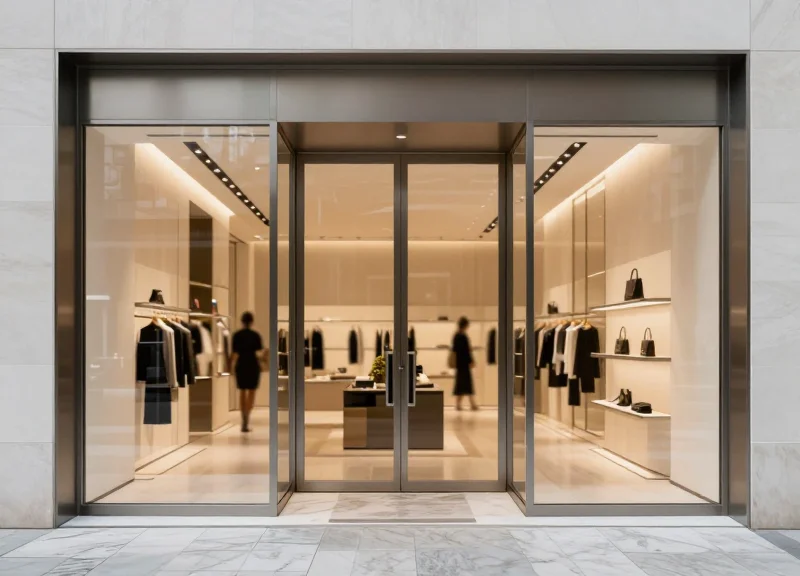
For luxury boutiques, the Electronic Shelf Label (ESL) is no longer a utility; it is a design element. By 2026, the transition toward 'invisible technology' means these devices must blend seamlessly with high-end interiors while providing rich, multi-color E-paper displays—specifically 7-color or full-color ACeP (Advanced Color ePaper)—that mimic the appearance of premium printed cardstock. The objective is to eliminate the 'digital' look of the tag, replacing industrial plastic with materials like brushed champagne gold, matte black aluminum, or even sustainably sourced wood veneers.
| Feature | Mass Market ESL | Luxury Boutique ESL |
|---|---|---|
| Display Tech | 3-Color (Red/Black/White) | Full-Color ACeP / High-PPI Gallery |
| Frame Material | Industrial Grade Polycarbonate | Anodized Aluminum, Glass, or Custom Leather |
| Interaction | NFC for Price Check | Haptic Feedback & UWB Clienteling |
| Refresh Rate | Low (Battery Optimized) | Partial Refresh (High Speed for Storytelling) |
Expert Insight: The Digital Scarcity Signaling Strategy. In 2026, leading luxury brands are moving away from showing 'Sale' prices on ESLs. Instead, they use Ultra-Wideband (UWB) tracking to detect when a VIP customer is near a specific item. The ESL then shifts from a static price display to a 'Digital Scarcity' signal—displaying messages like '1 of 5 globally' or 'Bespoke item for this location.' This turns the ESL into a real-time exclusivity meter, driving urgency without the perceived 'cheapness' of a discount tag.
How do luxury ESLs handle branding consistency?
Modern 2026 ESL systems allow for remote font-injection, meaning boutiques can use their proprietary brand typography directly on the labels, ensuring that the digital display matches the brand's physical identity exactly.
Can ESLs improve the personalized shopping experience?
Yes. By integrating with the boutique's CRM, an ESL can display a personalized greeting or specific 'reserved for' message when a recognized client approaches an item they previously viewed online.
Do digital tags distract from the high-end product?
No, because 2026 luxury units use anti-glare, non-emissive glass. Unlike tablets or OLED screens, these labels do not emit light, ensuring they look like traditional paper even under the harsh spotlighting common in jewelry and fashion displays.
Furthermore, the tracking capabilities of these high-end systems go beyond inventory management. Integrated Bluetooth 6.0 sensors within the ESL track dwell time—how long a customer stands in front of a specific handbag or watch. This data allows boutique managers to optimize floor layouts and identify which 'hero' products are attracting interest but failing to convert, providing a layer of heat-mapping intelligence that was previously impossible in physical retail.
Electronics Superstores: High-Speed Dynamics and Data Density

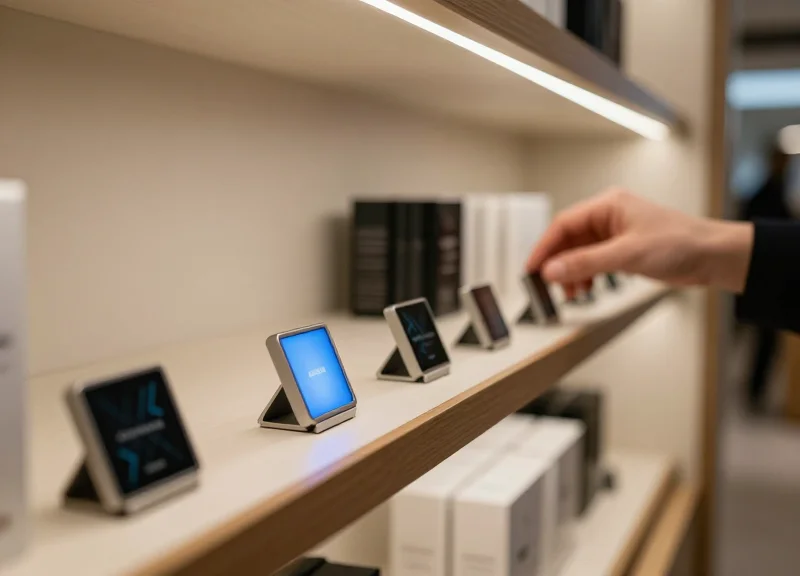
In 2026, electronics superstores prioritize ESL (Electronic Shelf Label) systems featuring high-throughput sub-GHz or Bluetooth 6.0 protocols capable of processing 50,000+ SKU updates per hour. Unlike luxury retail, the priority here is data throughput and update velocity, ensuring that floor prices maintain 1:1 parity with volatile online marketplaces and 'flash sale' triggers. These environments demand high-density displays that can render complex technical specifications—such as CPU clock speeds, RAM types, and energy ratings—without sacrificing readability or battery longevity.
The technical challenge in a superstore environment is the 'signal noise' generated by thousands of consumer electronic devices. To counter this, 2026-grade ESL systems utilize advanced interference avoidance and multi-gateway mesh architectures. This ensures that a price update for a flagship smartphone propagates across 500 locations in seconds, not minutes, providing a competitive edge against e-commerce giants.
| Feature | Standard ESL Requirement | Electronics Superstore Spec (2026) |
|---|---|---|
| Update Frequency | 1-2 times per day | Real-time / Instantaneous |
| Data Density | Price & SKU only | Full Technical Spec Sheets + QR |
| Network Protocol | Standard Zigbee / IR | Bluetooth 6.0 / High-Speed Sub-GHz |
| Screen Resolution | 100-140 DPI | 200+ DPI (for small-text specs) |
Expert Insight: The 'Ghost Update' Risk. In high-density environments, a common failure point is the 'Ghost Update,' where a label fails to refresh due to packet collision, leading to price discrepancies and consumer distrust. In 2026, top-tier superstores are moving toward Bi-Directional Acknowledgement (BDA). This protocol requires the label to send a cryptographic handshake back to the ERP system confirming the physical pixels have changed, an essential feature for compliance in high-volume consumer electronics.
How do these labels handle battery life with frequent updates?
Modern superstore ESLs use energy-harvesting backplanes and 'Partial Refresh' technology, which only updates specific price digits rather than the whole screen, extending battery life to 7-10 years despite high activity.
Can these systems integrate with dynamic pricing AI?
Yes, the 2026 standard involves direct API hooks between the ESL gateway and AI-driven pricing engines, allowing the store to automatically match competitor prices within 30 seconds of an online change.
Is Bluetooth 6.0 necessary for all stores?
While not strictly necessary for boutiques, it is critical for superstores because of 'Channel Sounding' capabilities, which allow staff to locate a specific misplaced high-value item (like a specialized GPU) within centimeters.
Connectivity Trade-offs: Sub-GHz vs. BLE vs. Private Protocols

In 2026, selecting an ESL connectivity protocol is no longer just about battery life; it is about 'spectral resilience' in an environment crowded by Wi-Fi 7, 6G signals, and consumer wearables. While Sub-GHz offers unparalleled penetration and zero interference with 2.4GHz bands, making it the bedrock for massive electronics superstores, Bluetooth Low Energy (BLE) 6.0 has become the gold standard for luxury boutiques due to its native smartphone integration and high-precision 'Channel Sounding' for indoor positioning.
| Feature | Sub-GHz (433/868/915 MHz) | BLE 6.0 (2.4 GHz) | Private High-Speed (Proprietary) |
|---|---|---|---|
| Interference Resilience | Excellent (Bypasses 2.4GHz) | Moderate (Advanced Hopping) | Variable (Protocol Dependent) |
| Update Speed | Slow/Steady | Moderate/Fast | Extreme (Proprietary Bursts) |
| Customer Interaction | Limited (Requires Bridge) | Native (Direct to Smartphone) | None (Closed Ecosystem) |
| Ideal Environment | Electronics Superstores | Luxury Boutiques/Showrooms | Dynamic Flash-Sale Hubs |
For Electronics Superstores, the primary challenge is the 'Noise Floor.' With thousands of active devices and shielding from metal shelving, Sub-GHz protocols are the strategic choice. They operate on lower frequencies that wrap around obstacles and avoid the 2.4GHz congestion entirely. However, for a Luxury Boutique, the goal is often 'Clienteling.' BLE 6.0 allows a customer's phone to detect when they are standing in front of a specific watch or handbag, triggering a personalized story or a private discount directly on the digital tag through the store's app.
Why is 'Channel Sounding' a game-changer for luxury retail in 2026?
Introduced in the latest Bluetooth standards, Channel Sounding allows for centimeter-level distance measurement between the ESL and a smartphone without the high power drain of Ultra-Wideband (UWB). This enables boutiques to offer 'proximity-based storytelling' where the ESL display changes as the customer approaches.
Can Sub-GHz handle the data density of a 50,000 SKU superstore?
Yes, but it requires a 'Star-of-Stars' topology. Modern 2026 Sub-GHz gateways utilize AI-driven scheduling to prevent packet collisions, though they lack the high-bandwidth capabilities of 2.4GHz proprietary systems used for real-time video streaming to tags.
What is the 'Proprietary Trap' in 2026?
Private protocols often offer the fastest update speeds (useful for high-frequency price changes), but they lock retailers into a single vendor's ecosystem, making it difficult to integrate third-party inventory sensors or cameras later.
Expert Insight: By 2026, we are seeing the rise of 'Hybrid-Stack' ESLs. My recommendation for high-stakes retail is a dual-radio tag that uses Sub-GHz for reliable backbone price updates and BLE for customer-facing interactivity. This 'Insurance Policy' approach ensures that even if a local Wi-Fi network is compromised or saturated, the store’s pricing integrity remains 100% accurate while still allowing for modern marketing engagement.
The Synergy of ESL, RFID, and EAS for Inventory Accuracy

In 2026, the gold standard for retail operations is no longer siloed technology but a unified 'sensing layer' where Electronic Shelf Labels (ESL), Radio Frequency Identification (RFID), and Electronic Article Surveillance (EAS) function as a single nervous system. By synchronizing these three technologies, retailers can achieve 99% inventory accuracy and reduce shrinkage by up to 40%. The ESL acts as the customer-facing interface, RFID provides the real-time location and identity of every SKU, and EAS serves as the digital gatekeeper, ensuring that inventory movements are authorized and documented.
| Technology | Primary Role | Strategic Value in 2026 | Best for... |
|---|---|---|---|
| ESL | Dynamic Pricing & Interaction | Visual verification of stock levels and NFC customer engagement. | High-turnover electronics |
| RFID | Unit-Level Tracking | Real-time cycle counting without line-of-sight requirements. | Luxury boutique stockrooms |
| EAS | Loss Prevention | Integrated alarms that trigger cloud-based 'missing item' alerts. | High-value small electronics |
Expert Insight: The Rise of 'Hybrid Tags' in 2026. A significant shift we are seeing in the Silicon Valley retail tech stack is the move toward hybrid tags. Instead of separate ESL and RFID deployments, leading luxury boutiques are now utilizing ESLs with embedded UHF RFID inlays. This allows the shelf itself to 'audit' the product resting in front of it. If an RFID-tagged luxury watch is removed, the ESL immediately detects the change in the local signal field and can trigger a silent alert or a personalized 'product video' on a nearby screen, turning security into a marketing opportunity.
- Automated Reordering: When RFID sensors detect that stock on the floor has dropped below a threshold, the ESL automatically updates to show 'Low Stock' to customers while simultaneously firing a restock request to the warehouse.
- Frictionless Loss Prevention: EAS gates integrated with RFID readers can identify exactly which SKU is leaving the store. If the item hasn't been flagged as 'sold' in the POS, the ESL on the empty shelf can be automatically set to 'Out of Stock' to prevent phantom inventory errors.
- Dynamic Markdown Logic: For electronics with short lifecycles, the system uses RFID age data to trigger ESL price drops for older floor models, ensuring inventory turns over before it becomes obsolete.
Can RFID signals interfere with ESL wireless protocols?
No, if designed correctly. Modern ESLs typically operate on Sub-GHz or BLE 6.0, while UHF RFID operates in the 860-960 MHz range. Strategic frequency planning ensures they complement rather than crowd each other.
Is this setup too expensive for smaller luxury boutiques?
While the initial Capex is higher, the ROI is found in 'Hidden Inventory' recovery. Most boutiques find that they have 10-15% more stock than they realized, which was simply misplaced—this tech makes that capital liquid again.
How does this improve the electronics superstore experience?
It eliminates the 'check the back' frustration. Customers can see on the ESL exactly how many units are available, verified by the real-time RFID count, which builds immediate trust.
Battery Life and Sustainability: The Long-Term Cost Perspective
In 2026, the Total Cost of Ownership (TCO) for ESL systems is no longer dictated by hardware acquisition costs but by battery maintenance cycles and environmental compliance. Battery life typically ranges from 5 to 15 years, determined by update frequency, display size, and wireless protocol efficiency. For luxury retailers, longevity is maximized through low-frequency updates, while electronics superstores face shorter cycles due to high-density data refreshes. Sustainability has transitioned from a PR talking point to a financial necessity, as new carbon-border taxes and waste-management regulations penalize retailers using non-recyclable or short-lived hardware.
| Retail Profile | Typical Update Frequency | Expected Battery Life | Maintenance Strategy |
|---|---|---|---|
| Luxury Boutique | 1-2 times per week | 12 - 15 Years | Set-and-forget; proactive replacement based on age. |
| Electronics Superstore | 10-50 times per day | 4 - 6 Years | Predictive AI analytics for staggered replacement. |
| High-Frequency Promo Zone | 100+ times per day | 2 - 3 Years | External power rails or energy harvesting modules. |
An emerging trend for 2026 is the adoption of 'Ambient Energy Harvesting.' Unlike traditional lithium-cell tags, these advanced ESLs utilize indoor photovoltaic cells to trickle-charge a supercapacitor, theoretically extending the device's life indefinitely in well-lit environments. This is particularly transformative for electronics superstores where the overhead lighting provides a constant energy source, effectively decoupling operational costs from battery degradation. Unique Insight: By 2026, the 'Circular Score' of an ESL—a metric measuring ease of disassembly and component reusability—will be a standard requirement for EU-based retailers to qualify for green tax credits, making modular tag designs significantly more cost-effective than sealed units.
Does the display type affect battery life?
Yes. Bistable E-ink displays only consume power when the image changes. In contrast, LCD or high-refresh-rate color screens require constant power, making E-ink the superior choice for sustainability.
How does 2026 legislation impact ESL disposal?
New 'Right to Repair' and battery directive updates require retailers to ensure at least 80% of ESL components are recyclable. Failing to use certified sustainable vendors can lead to significant 'Electronic Waste' fines.
Can software optimization extend battery life?
Absolutely. Modern ESL controllers use 'delta-updates,' where only the changed pixels are refreshed, and adaptive sleep cycles to reduce wireless radio usage by up to 40%.
Integration with Omnichannel Retail Systems

In the 2026 retail landscape, the Electronic Shelf Label (ESL) is no longer a static display but a dynamic edge-point of the brand's digital ecosystem. Integration with omnichannel systems refers to the seamless synchronization of data between your Enterprise Resource Planning (ERP), E-commerce platforms, and physical shelf displays. This ensures that a price adjustment made on a web portal or mobile app is reflected on the physical shelf in real-time, eliminating 'price friction' and maintaining customer trust across all sales channels.
| Feature | Luxury Boutique Priority | Electronics Superstore Priority |
|---|---|---|
| Data Sync Latency | Moderate: Consistency over speed. | Critical: Real-time updates for flash sales. |
| Integration Core | PIM (Product Information Management) | ERP & Dynamic Pricing Engines |
| Omnichannel Trigger | Personalized QR/Clienteling links. | Stock availability & BOPIS alerts. |
| API Architecture | RESTful for ease of bespoke UI. | gRPC or WebSockets for high-throughput. |
Expert Insight for 2026: The 'Shadow Latency' Trap. While many vendors promise 'instant' updates, the real bottleneck is often not the wireless protocol but the 'middleware' processing time between the ERP and the ESL gateway. For 2026, we recommend an Event-Driven Architecture (EDA). Instead of the ESL system 'polling' the database for changes (which creates lag), the ERP 'pushes' events to the labels the millisecond a change is authorized. This reduces 'Shadow Latency'—the window where a customer might see a cheaper price on their phone than on your shelf—down to less than 15 seconds.
- Unified API Layer: Utilize a headless commerce approach where the ESL system consumes the same API endpoints as the web storefront to ensure a 'Single Source of Truth'.
- Conflict Resolution Logic: Implement rules to handle edge cases, such as preventing a price increase while a customer has a 'Price Lock' voucher active in their digital wallet.
- Automated Proof-of-Display: Ensure the system provides a feedback loop confirming the label has actually updated, which is vital for compliance in highly regulated electronic markets.
Can my existing legacy ERP support 2026 ESL tracking?
Most legacy systems require a modern middleware layer (like an Integration Platform as a Service, or iPaaS) to translate batch data into the real-time streams required by high-performance ESL systems.
How does integration impact store-to-door fulfillment?
Deep integration allows the ESL to flash LEDs (pick-to-light) when an online order is placed, reducing picking errors in electronics superstores by up to 40%.
Is cloud or on-premise integration better for 2026?
Hybrid is the standard. Cloud handles the global pricing logic and analytics, while local 'Edge' gateways ensure the store remains operational even during an internet outage.
Security and System Resilience: Protecting Digital Assets
In 2026, ESL security and system resilience are defined by the ability to defend the retail edge against both digital price manipulation and physical hardware theft. As Electronic Shelf Labels (ESLs) transition from simple displays to active IoT nodes, resilience involves maintaining 99.9% uptime through redundant gateway architectures while securing the data link layer with AES-128 or AES-256 encryption. For luxury boutiques, the focus is on protecting brand integrity from malicious price changes, whereas electronics superstores prioritize preventing physical tag 'shrinkage' and ensuring network stability amidst massive device densities.
| Security Metric | Luxury Boutique Priority | Electronics Superstore Priority |
|---|---|---|
| Primary Threat | Brand Sabotage / Price Spoofing | Physical Theft / Signal Jamming |
| Physical Security | Hidden or Integrated Mounting | High-Strength Mechanical Locks |
| Data Encryption | End-to-End (E2EE) Cloud-to-Tag | Localized Gateway Encryption |
| Resilience Model | High-Fidelity Update Verification | Self-Healing Mesh Redundancy |
A critical, often overlooked component of ESL resilience is 'Zero-Trust Retail Architecture.' This approach assumes that any device on the store floor is a potential point of entry. By 2026, leading systems utilize hardware-based 'Secure Elements' (SE) within each label to store cryptographic keys, ensuring that even if a label is physically disassembled, the network credentials remain inaccessible. Furthermore, 'Price-Hijack Detection' algorithms now monitor for anomalous update patterns, instantly flagging unauthorized changes before they reach the consumer's eyes.
How do you prevent 'Ghost Labels' from entering the network?
Modern systems use hardware fingerprinting and unique device IDs registered at the factory. Any label not pre-authenticated in the centralized ERP/IMS whitelist is automatically denied access to the communication gateway.
What physical measures prevent theft in high-traffic stores?
Electronics superstores typically employ specialized rail-locking systems that require proprietary magnetic or mechanical keys for removal. Some 2026 models also include 'Active Anti-Theft' sensors that trigger the store's EAS (Electronic Article Surveillance) alarm if a label is moved outside a geofenced zone.
Can ESL systems be used to bridge into the corporate network?
To prevent lateral movement, ESL networks should be strictly isolated on a separate VLAN with its own dedicated firewall. Gateways act as hardened proxies, ensuring no direct IP-to-IP communication occurs between a shelf label and the store's main database.
Expert Insight: The 'Digital-Physical Handshake' Strategy. A unique trend for 2026 is the implementation of 'Device Tethering' via BLE (Bluetooth Low Energy). When a high-value item (like a luxury watch or a high-end GPU) is moved, its assigned ESL remains digitally tethered to it. If the distance between the product's RFID tag and the ESL exceeds a specific threshold, the ESL flashes a high-visibility alert and notifies security, effectively turning the label into an active guardian of the merchandise.
ROI Analysis: Measuring Success in Different Retail Verticals
Return on Investment (ROI) for Electronic Shelf Label (ESL) tracking systems in 2026 is no longer calculated solely on the savings of paper and ink; it is measured by the delta in operational agility and 'Staff Value Add.' For electronics superstores, ROI is driven by high-velocity price synchronization and labor reallocation, while luxury boutiques find success in 'Aesthetic Continuity' and the elimination of price-check friction that often disrupts high-ticket sales. A comprehensive ROI analysis must account for Total Cost of Ownership (TCO) against dynamic margin recovery and reduced inventory shrinkage.
| Metric Category | Electronics Superstore (Volume-Driven) | Luxury Boutique (Experience-Driven) |
|---|---|---|
| Primary KPI | Labor Hours Saved (Price Updates) | Customer Engagement Time (Staff Availability) |
| Margin Impact | Dynamic Pricing Agility (Intraday) | Error Reduction in Multi-currency/VAT |
| Break-even Target | 14-22 Months | 24-36 Months |
| Indirect Benefit | Reduced OOS (Out of Stock) Events | Brand Perception & Premium Tech Feel |
- Phase 1: Quantify Baseline Labor Burn: Calculate the current man-hours spent manually updating prices and performing inventory counts. In electronics, this is typically 15-30 hours per week per location.
- Phase 2: Estimate Margin Recovery: Analyze 'lost opportunity' costs where prices were not lowered fast enough to beat a competitor or raised fast enough to cover wholesale cost spikes.
- Phase 3: Apply the Service-to-Sale Multiplier: For luxury, estimate the value of redirected staff time. If a sales associate spends 10% more time on the floor instead of updating tags, calculate the 10% lift in high-margin conversion rates.
Unique Insight: The 'Halo ROI' of Asset Utilization. By 2026, the most successful retailers are using ESL location data to optimize store layouts in real-time. By tracking which ESL-equipped products are moved but not purchased (using integrated BLE or IR sensors), stores can calculate a 'Frustration Index.' If a high-end camera or a designer bag is frequently relocated but rarely sold, the system flags a potential disconnect between price and physical placement, allowing for corrective action before the quarterly P&L is impacted.
How does ESL impact 'Shrink' ROI?
Integrated ESL systems with RFID or BLE tracking can alert security when a high-value item (like a GPU or luxury watch) is moved from its geofenced shelf area without a corresponding POS transaction, directly reducing theft-related losses.
Can I justify ESL in a boutique with only 500 SKUs?
Yes, but the ROI is found in 'Price Integrity.' Luxury customers are highly sensitive to price discrepancies. A single pricing error on a $5,000 item can destroy brand trust, which is far costlier than the hardware investment.
What are the hidden costs in the ROI calculation?
The most common overlooked costs include API integration maintenance, specialized staff training for the software backend, and the long-term cost of battery replacement cycles for high-update frequency displays.