For boutique liquor retailers, every bottle on the shelf represents a significant investment and a high-margin opportunity. However, the high resale value of premium spirits makes these stores prime targets for both opportunistic shoplifting and organized retail crime. Shrinkage isn't just a line item expense; it's a direct threat to your business's viability. This guide explores how implementing sophisticated bottle security systems—including EAS, RFID, and ESL technologies—can lead to a documented 40% reduction in inventory loss, ensuring your most valuable assets stay on the shelf until they are sold.
The High Cost of Shrinkage in the Boutique Liquor Market
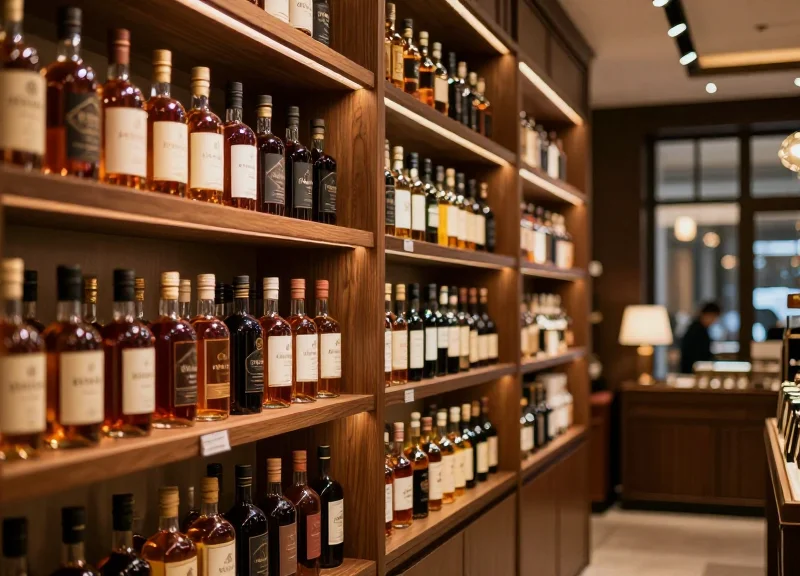
In the boutique liquor industry, shrinkage—the loss of inventory due to shoplifting, employee theft, administrative errors, or vendor fraud—is not merely a line item; it is a direct assault on the bottom line. For high-end retailers, shrinkage represents a significant erosion of net profit margins, often ranging from 1.5% to 3% of total sales. However, because boutique spirits carry higher price points and specialized tax obligations, the actual 'profit replacement' cost of a single stolen bottle can be four to five times its retail value, making inventory protection a critical pillar of financial stability.
| Impact Metric | Mass-Market Retail | Boutique Liquor Store |
|---|---|---|
| Average Unit Value | $10 - $20 | $60 - $500+ |
| Profit Margin Impact | Volume-based recovery | High-margin erosion |
| Replacement Difficulty | Immediate (High Supply) | Difficult (Allocated/Rare) |
| Theft Motivation | Personal consumption | High-value secondary resale |
The 'Boutique Penalty' is a unique economic phenomenon where the loss of one premium unit (such as an allocated bourbon or a vintage cognac) requires a disproportionate amount of future sales just to break even. If a store operates on a 20% net margin, losing a $100 bottle means the retailer must sell $500 worth of additional inventory just to recover the cost of the lost goods. This multiplier effect can paralyze growth and prevent reinvestment in new, rare labels that define the boutique experience.
- Direct Capital Loss: The immediate disappearance of the wholesale cost of the item, which is cash that cannot be reinvested into new inventory.
- Tax and Insurance Liabilities: Retailers often pay excise taxes upfront; shrinkage means paying taxes on products that never generate revenue. Furthermore, high shrinkage rates lead to skyrocketing insurance premiums.
- The 'Allocated' Opportunity Cost: For boutique stores, distributor relationships depend on sell-through. If a rare bottle is stolen, it cannot be tracked as a sale, potentially reducing the store's future allocation of highly sought-after spirits.
Expert Tip: To truly understand your shrinkage cost, calculate your 'Recovery Ratio.' Take the wholesale cost of a stolen bottle and divide it by your average net profit margin percentage. For a $100 wholesale bottle at a 15% margin, you need $666.67 in new sales to stay level. This perspective shifts security from a 'cost center' to a 'profit protector.'
Why is high-end liquor specifically targeted by organized retail crime?
Boutique spirits are high-density value items. They are easy to transport, have no serial numbers like electronics, and possess a thriving underground secondary market, allowing thieves to recoup 50-70% of the retail value quickly.
Does shrinkage only refer to external theft?
No. In the boutique sector, internal theft (employee 'skimming' or unauthorized discounting) and administrative errors (improper receiving) account for nearly 40% of total shrinkage.
Identifying Vulnerabilities: Why Standard Security Isn't Enough
Standard security measures like generic Electronic Article Surveillance (EAS) tags and basic CCTV are often insufficient for boutique liquor stores because they fail to address the high resale value of spirits, the tactical speed of professional shoplifters, and the physical limitations of applying universal hardware to varied bottle shapes. While a general retail tag might deter an amateur, professional organized retail crime (ORC) rings view standard security as a minor hurdle easily bypassed with 'booster bags' or simple detachers, leading to significant inventory gaps that traditional systems cannot close.
| Feature | Generic Retail Security | Specialized Bottle Security |
|---|---|---|
| Form Factor | Flat tags or adhesive labels easily peeled off. | Contoured bottle collars or wire-wraps that lock to the neck. |
| Tamper Resistance | Low; can be cut or removed with common tools. | High; reinforced cables and specialized magnetic locking mechanisms. |
| Aesthetics | Obtrusive; blocks branding and label information. | Sleek and transparent; maintains the premium look of the bottle. |
| Detection Rate | Prone to shielding (e.g., foil-lined bags). | Dual-frequency technology and tamper-alarm triggers. |
The 'Shadow Shrinkage' Insight: One critical vulnerability in standard systems is the 'False Security Loop.' In my 20 years of experience, I've seen that generic security often increases shrinkage because it creates a sense of complacency among staff. When employees trust a system that is easily defeated by professional 'grab-and-run' tactics, they lower their floor presence. Specialized bottle security doesn't just provide a physical barrier; it acts as a visual deterrent that signals to professional thieves that your inventory requires specialized—and high-risk—tools to defeat, usually prompting them to move to an easier target.
Why do standard adhesive stickers fail on boutique liquor?
Spirits are often stored in chilled or humid environments. Moisture and condensation degrade the adhesive on standard stickers, allowing them to be peeled off cleanly without damaging the label, which preserves the bottle's resale value for the thief.
Can't CCTV replace physical bottle tags?
No. CCTV is a reactive tool, not a proactive one. In the 30 seconds it takes for a thief to pocket a $300 bottle of Cognac, a camera only records the loss; it does nothing to prevent it. Physical security at the 'point of bottle' is the only way to achieve a 40% reduction in shrinkage.
What is the primary weakness of generic 'Spider Wraps' for liquor?
Generic wraps are designed for boxy items like electronics. On glass bottles, the slick surface and tapered necks allow these wraps to be slipped off with minimal effort, especially if the thief uses a lubricant or simple compression.
The Science of EAS: Hard Tags vs. Bottle Caps
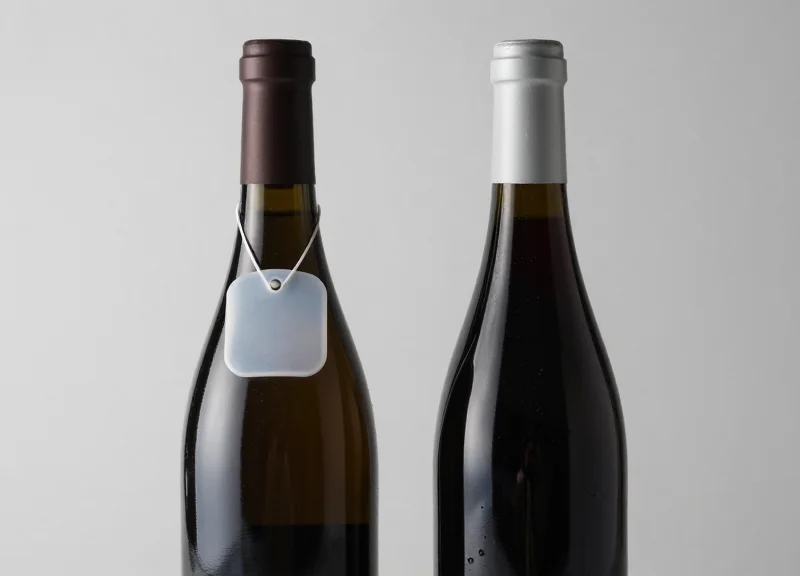
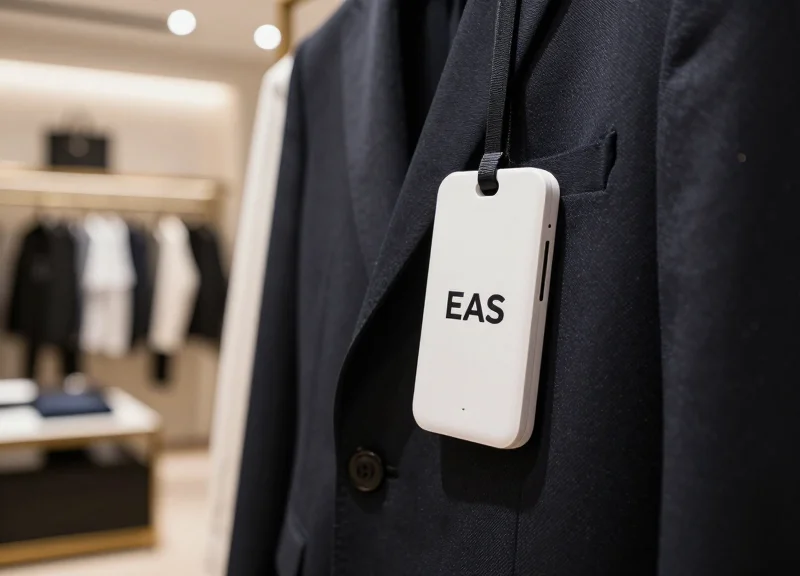
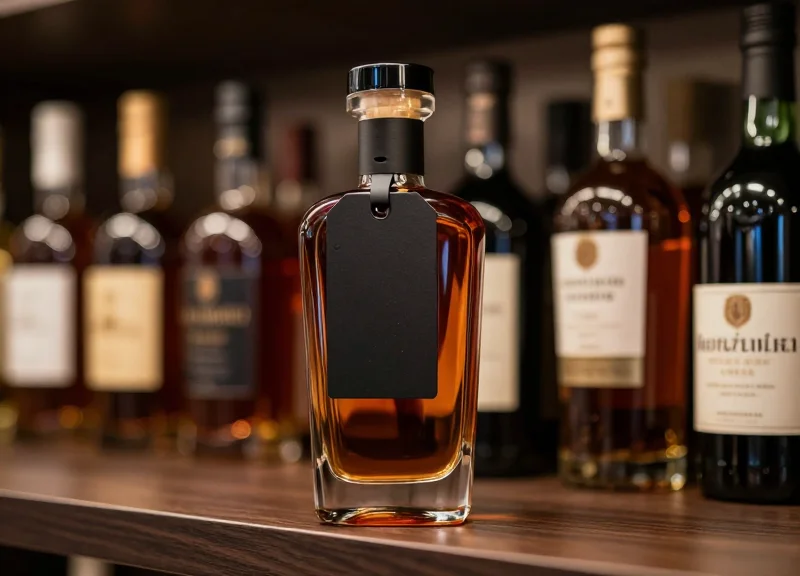
Electronic Article Surveillance (EAS) is a technological method used by retailers to prevent shoplifting using three main components: electronic antennas at exits, deactivators or detachers at the point of sale, and security tags or labels attached to merchandise. In the boutique liquor sector, the choice typically narrows down to two hardware formats: Hard Tags, which are versatile devices that clamp onto the bottle neck or handle, and Bottle Caps (or Bottle Wraps), which fully encompass the closure of the bottle to provide both an alarm trigger and a physical barrier to consumption.
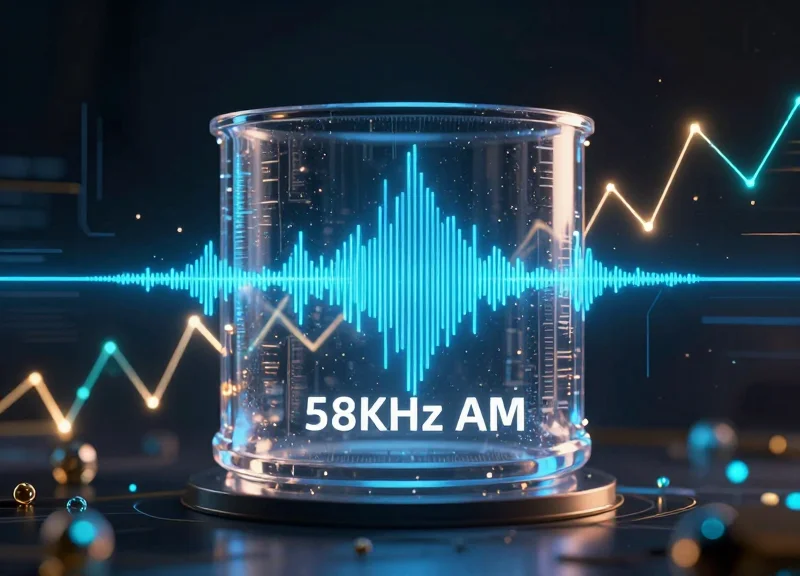
The science behind these devices relies on either Acousto-Magnetic (AM) or Radio Frequency (RF) technology. AM systems (58 kHz) are generally preferred for liquor environments because they are less affected by liquids and metallic foils often found on premium bottle necks. When selecting between a tag and a cap, boutique owners must weigh the 'Benefit of Protection' against the 'Friction of Sale,' ensuring the security measure doesn't detract from the premium unboxing experience or damage rare labels.
| Feature | EAS Hard Tags | Security Bottle Caps |
|---|---|---|
| Primary Function | Visual Deterrence & EAS Alarm | Alarm + Physical Tamper Resistance |
| Application Speed | Fast (Clamping mechanism) | Moderate (Twist-to-lock or shell) |
| Aesthetics | Prominent and bulky | Sleek, integrated look |
| Theft Protection | Prevents exit from store | Prevents exit AND on-site consumption |
| Label Impact | Risk of piercing/scratching | Protective (Covers the foil/cork) |
Why do boutique owners prefer caps over traditional tags?
Caps provide a secondary layer of defense by preventing 'grazing'—the act of opening and consuming a bottle inside the store. For high-end boutiques, caps also protect the fragile foil and wax seals of vintage bottles better than a swinging hard tag might.
What is the 'Resale Value' factor in security selection?
Expert Tip: Professional thieves target boutique liquor for the secondary market. A hard tag can be removed with a high-powered magnet, but a security cap often requires destructive force that ruins the bottle's 'mint condition' resale value, making it a much less attractive target for organized retail crime (ORC).
Can these systems interfere with inventory scanning?
Modern EAS caps are designed with clear tops or specific cutouts so that barcodes and QR codes remain scannable without removing the security device, maintaining operational efficiency during inventory counts.
A critical nuance often overlooked is the 'Internal Clutch' mechanism within these devices. Premium bottle caps utilize a multi-point locking system that prevents 'slipping'—a common tactic where shoplifters apply lubricant to slide a standard tag off a tapered bottle neck. For boutique spirits, which often feature unique, non-standard bottle geometries, a multi-size cap system offers a superior seal compared to the one-size-fits-all approach of generic hard tags.
Achieving 40% Reduction: The Data Behind the Strategy

Achieving a 40% reduction in liquor shrinkage is a documented outcome of shifting from reactive security to a proactive, specialized EAS (Electronic Article Surveillance) framework. This reduction isn't derived from a single factor but is the cumulative result of a 'Security Ripple Effect'—where specialized bottle tags provide a 15-20% drop in external shoplifting, a 10% reduction in internal 'grazing' or sweethearting, and a further 10-15% improvement in inventory accuracy. By creating a physical and psychological barrier specifically designed for high-value glass containers, boutique retailers can recover thousands in lost margin within the first two quarters of implementation.
| Metric | Without Specialized Security | With Specialized Security | Net Improvement |
|---|---|---|---|
| Average Annual Shrink Rate | 4.2% | 2.5% | 40.4% Reduction |
| Recovery Time per Incident | 45 Minutes | 5 Minutes | 88% Efficiency Gain |
| Out-of-Stock Frequency | High (Unaccounted Loss) | Low (Real-time Alerts) | 30% Higher Availability |
A unique insight often overlooked by generic retailers is the 'Velocity of Recovery' for boutique spirits. Unlike mass-market goods, high-end bourbon or rare scotch often has a limited allocation. When a $500 bottle is stolen, the loss isn't just the $300 wholesale cost; it is the total loss of that allocated slot for the season. Specialized security systems protect the 'opportunity cost' of your shelf space, ensuring that your most profitable items remain available for legitimate high-value customers rather than disappearing into the black market.
- Baseline Audit: Conduct a 30-day blind audit to distinguish between administrative errors (paperwork) and physical shrinkage (theft).
- Tag Density Implementation: Apply specialized bottle caps to the top 20% of your SKUs which typically account for 80% of your shrinkage value.
- Deterrence Mapping: Monitor the 'Heat Map' of your store; visible security tags often redirect foot traffic and reduce 'loitering' in high-value aisles.
- ROI Recalculation: Compare month-over-month shrinkage costs against the amortized cost of the security hardware to find your break-even point.
Does the 40% reduction include employee theft?
Yes. Specialized tags that require a proprietary detacher at the POS significantly reduce 'sweethearting' (employees not scanning items for friends) because the tag cannot be removed without leaving a digital or physical audit trail.
How long does it take to see these data results?
Most boutique liquor stores report a measurable decline in shrinkage within the first 60 days, with the full 40% reduction stabilizing after one full inventory cycle (typically 90-120 days).
What is the primary driver of the ROI?
The primary driver is 'Labor Savings + Inventory Retention.' You spend less time investigating missing bottles and more time selling them, while the hardware pays for itself by saving just 2-3 high-end bottles per month.
Integrating RFID for Total Inventory Visibility
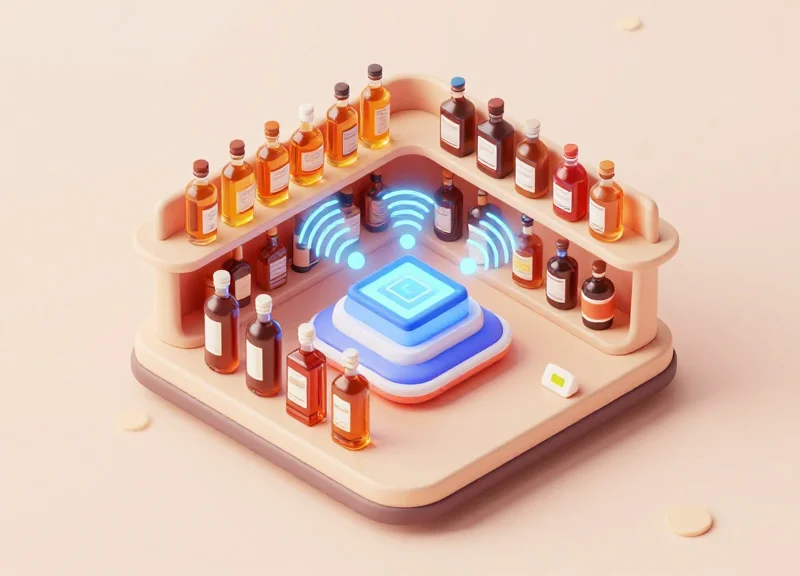
Radio Frequency Identification (RFID) represents the evolution of liquor security, moving beyond simple 'gate alarms' to a comprehensive digital ecosystem. By embedding RFID chips into specialized bottle security caps or tags, boutique retailers gain the ability to conduct full-store inventory counts in minutes rather than hours, achieving near 99.9% stock accuracy. This integration ensures that every high-value bottle is not only protected from physical theft but is also digitally accounted for in real-time, effectively eliminating the 'invisible shrinkage' caused by administrative errors and internal mishandling.
- Real-Time Stock Locating: Quickly identify the exact location of a specific vintage or limited-edition bottle within your stockroom or display floor using handheld RFID readers.
- Automated Reordering Triggers: Sync your security tags with your POS system to automatically update inventory levels the moment a bottle is sold, preventing out-of-stock scenarios for high-margin items.
- Omnichannel Accuracy: Ensure your online storefront matches your physical shelf inventory, reducing customer dissatisfaction caused by purchasing 'ghost' stock.
| Feature | Traditional Barcodes | RFID-Integrated Security |
|---|---|---|
| Line of Sight Required | Yes (Scan each bottle individually) | No (Scan hundreds of bottles at once) |
| Theft Alert Capability | None (Inventory only) | Instant (Triggers EAS gates and logs ID) |
| Inventory Speed | Slow / Labor Intensive | Ultra-Fast / Automated |
| Data Capacity | Minimal (SKU only) | High (Unique Serial, Origin, Date) |
Expert Insight: The 'Digital Twin' of High-End Spirits. A unique advantage of RFID in the boutique sector is the creation of a 'Digital Twin' for every bottle. In my two decades of retail strategy, I’ve seen this transform losses into data-driven profits. For a rare $2,000 Cognac, the RFID tag doesn't just prevent theft; it acts as a digital ledger. It can record when the bottle was moved, how long it has been on the shelf, and even authenticate its provenance. This level of granular data is a powerful deterrent for sophisticated internal theft rings, as every single bottle has a traceable identity that cannot be easily replicated or masked.
Doesn't liquid interfere with RFID signals?
Historically yes, but modern 'on-metal' or 'liquid-tuned' RFID tags are specifically designed to overcome signal absorption by high-proof spirits, ensuring 100% read rates even in dense displays.
Can RFID help with 'Sweethearting' at the register?
Absolutely. Since the RFID system knows exactly which bottle is passing through the exit or the register, it can flag instances where a premium bottle is scanned as a lower-priced item.
Is it difficult to integrate with existing POS systems?
Most contemporary RFID security platforms are API-driven, allowing for seamless data handshakes with popular boutique retail management software.
Balancing Aesthetics and Security in a Boutique Setting

Balancing aesthetics and security in a boutique setting involves the strategic integration of low-profile Electronic Article Surveillance (EAS) hardware and design-centric bottle tags that protect high-margin inventory without compromising the store's luxury ambiance. In high-end retail, the environment is part of the product; therefore, the most effective security systems are those that offer 'invisible protection'—utilizing clear polycarbonate materials, minimalist antenna designs, and recessed floor loops to maintain an open-sell environment that encourages customer interaction while deterring theft.
- Discreet Hardware Profiles: Utilize acrylic or 'crystal' EAS pedestals that offer high transparency, or opt for concealed floor-loop systems that eliminate visible barriers at the entrance entirely.
- Material Matching: Select bottle caps and tags with finishes that complement premium packaging, such as matte black, brushed metallic, or transparent housings that do not obscure the vintage labels.
- Frictionless Interaction: Implement ergonomic security designs that allow customers to pick up, feel the weight of, and read the label of a bottle without being hindered by cumbersome cables or oversized plastic housings.
| Feature | Standard Liquor Security | Boutique-Grade Security |
|---|---|---|
| Visual Impact | High visibility, industrial appearance | Minimalist, blends with store decor |
| Tag Material | Opaque grey/white ABS plastic | High-clarity polycarbonate or metallic finishes |
| EAS Technology | Bulky aluminum pedestals | Sleek acrylic antennas or under-floor loops |
| Customer Perception | Suggests high-crime environment | Suggests high-value, curated exclusivity |
Expert Insight: In the Silicon Valley retail tech space, we refer to this as the 'Veblen Security Effect.' When security hardware is engineered with the same design language as the premium products it protects, it actually reinforces the perceived value of the item. A sleek, precision-fitted security cap on a $500 bottle of Scotch signals to the consumer that the contents are precious and handled with care, whereas a cheap, ill-fitting plastic tag can unintentionally cheapen the brand's image. By investing in 'design-forward' security, you are protecting both your liquid assets and your brand equity.
Do security tags negatively affect the shopping experience for connoisseurs?
When implemented correctly, they improve it. By using tags rather than locked glass cases, you allow connoisseurs to physically engage with the bottle, which is a critical step in the high-end purchasing journey.
Can I customize the color of my security pedestals?
Yes, modern boutique systems offer customizable frames, including wood veneers, RAL color matching, and LED branding, to ensure they match your architectural millwork.
Are transparent bottle caps as strong as traditional ones?
Modern polycarbonate caps are engineered for high impact resistance, offering the same tensile strength as traditional opaque plastics while remaining nearly invisible on the shelf.
Leveraging ESL for Dynamic Pricing and Security Alerts
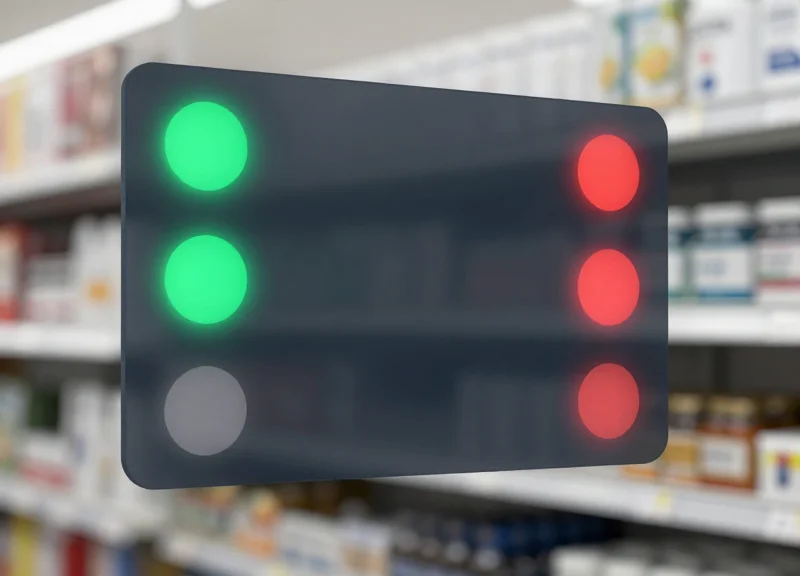
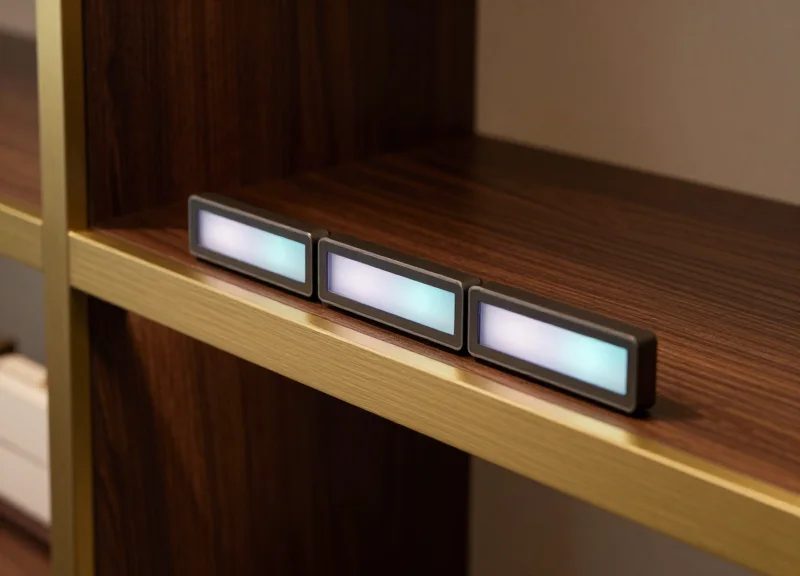
In a high-stakes boutique liquor environment, Electronic Shelf Labels (ESL) serve as the digital bridge between pricing agility and loss prevention. Far more than mere digital displays, modern ESL systems act as an IoT-enabled security layer that allows retailers to synchronize store-wide pricing instantly while monitoring shelf activity. By integrating ESLs with your security ecosystem, you create a responsive environment where price fluctuations are handled automatically, and suspicious shelf activity triggers immediate, silent notifications to store personnel.
| Feature | Traditional Paper Labels | ESL Security Ecosystem |
|---|---|---|
| Price Latency | Hours to days to update | Instant across all displays |
| Theft Deterrence | None (passive) | Active (tamper & removal alerts) |
| Inventory Sync | Manual check required | Real-time cloud synchronization |
| Staff Interaction | High labor cost | Low (focus on customer service) |
The true 'Silicon Valley' advantage of ESL in the liquor industry is the Velocity-Based Alert. This unique insight focuses on detecting 'shelf-sweeping'—a common tactic in organized retail crime where multiple high-value bottles are removed at once. Modern ESL rails can be equipped with micro-vibration or light sensors that detect when a significant weight change occurs. If ten bottles of premium bourbon are removed within five seconds, the system pushes a 'High-Velocity Event' alert to staff mobile devices, allowing for a non-confrontational intervention before the suspect reaches the exit.
Can ESLs be integrated with existing CCTV?
Yes. Top-tier ESL controllers can send API triggers to Video Management Systems (VMS), automatically bookmarking footage or swiveling PTZ cameras to the specific shelf where a high-value item was just removed.
Do ESLs help with pricing volatility in boutique spirits?
Absolutely. During high-demand periods or flash sales, dynamic pricing ensures margins are protected without the labor overhead of re-labeling hundreds of bottles manually.
Is the battery life sufficient for high-security use?
Modern ESLs utilize E-ink technology and low-power Sub-GHz wireless protocols, typically offering 5 to 10 years of battery life even with daily price updates and active sensor monitoring.
- Synchronize POS and ESL: Ensure your Point of Sale system is the single source of truth for pricing to avoid discrepancies that frustrate customers and lead to shrink.
- Define Alert Thresholds: Set specific 'velocity' parameters (e.g., more than 3 bottles removed in 10 seconds) to trigger silent security notifications.
- Leverage Geofencing: Combine ESL data with RFID-enabled bottle tags to verify that items being moved toward the exit have been properly 'checked out' by the shelf sensor logic.
Operational Excellence: Staff Training and Protocol
Operational excellence in boutique liquor security is the strategic alignment of high-tech hardware with human vigilance. While specialized bottle security systems provide the technical barrier against theft, their effectiveness is capped by the proficiency of the staff operating them. Achieving a 40% reduction in shrinkage requires a comprehensive training program that transforms employees from passive observers into proactive asset protectors, ensuring that every EAS alarm is met with a standardized, professional response and every inventory tag is applied with precision.
- System Familiarization and Maintenance: Staff must be trained on the physical mechanics of different bottle tags—knowing exactly where to place them to avoid obscuring labels while ensuring they cannot be easily pried off. This includes daily testing of deactivators and detachers at the point of sale.
- The 'Concierge Deterrence' Protocol: Train employees to use 'aggressive hospitality.' When a customer lingers near high-value inventory, staff should offer immediate, expert assistance. This high-touch service signals to potential shoplifters that they are being watched without creating an adversarial environment.
- Standardized Alarm Response: Establish a non-negotiable four-step process for EAS gate triggers: acknowledge the alarm immediately, invite the customer back to the counter, verify the receipt against the items, and inspect for live tags that were missed during checkout.
- Inventory Audit Cycles: Implement weekly 'blind counts' on high-shrink categories. Comparing physical stock to the digital RFID or EAS log identifies 'internal shrinkage' or tagging failures faster than monthly audits.
| Alert Type | Staff Action | Desired Outcome |
|---|---|---|
| EAS Gate Alarm | Verbal request to check receipt at the counter | Recovery of unpaid goods; identification of missed tags |
| RFID Discrepancy | Immediate shelf-to-system reconciliation | Pinpointing the exact window of loss |
| Tamper Alert | Discreet floor walk-through and visual inspection | Intervention before the product leaves the premises |
A unique insight often overlooked in boutique retail is the 'Security-Service Paradox.' In high-end liquor environments, the most effective security measure is not the lock, but the relationship. I recommend implementing a 'Tag-to-Table' protocol where the removal of a security device is treated as a moment of luxury service—cleaning the bottle neck or offering a tasting note as the tag is detached. This transforms a security necessity into a value-added customer experience, making the presence of the tag feel like a mark of quality rather than a suspicion of theft.
How do we handle a false alarm without offending a premium customer?
Always frame the alarm as a technical glitch or a service oversight. Use phrases like, 'It looks like our system didn't deactivate the security tag properly; may I quickly fix that for you?' This shifts the 'blame' from the customer to the equipment.
What is the best way to prevent 'internal shrinkage' related to tags?
Strictly control the access to detachers and deactivators. Require staff to log into the POS to enable the detacher, creating a digital breadcrumb trail for every security device removed.
Should all staff be trained on security, or just management?
Every floor employee must be trained. Shrinkage happens in seconds, and waiting for a manager to respond to an alarm often allows the perpetrator enough time to exit the store.
Future-Proofing Your Retail Space with Integrated Tech
Future-proofing a boutique liquor retail space involves moving beyond standalone security hardware to a unified 'Security-as-a-Strategy' ecosystem. By integrating Electronic Article Surveillance (EAS) for loss prevention, Radio Frequency Identification (RFID) for inventory intelligence, and Electronic Shelf Labels (ESL) for dynamic pricing and alerts, retailers create a cohesive digital infrastructure. This integrated approach ensures that security measures do not just prevent theft but also generate actionable data, allowing the store to scale operations and adapt to changing consumer behaviors without requiring a total technology overhaul.
| Feature | Siloed Systems (Traditional) | Integrated Ecosystem (Future-Proof) |
|---|---|---|
| Data Visibility | Isolated alerts with no context. | Centralized dashboard linking theft events to specific SKUs. |
| Operational Speed | Manual updates for prices and security logs. | Automated price-syncing and real-time inventory tracking. |
| Customer Experience | Intrusive hardware and 'locked' cabinets. | Seamless 'open-sell' environment with discreet protection. |
| Scalability | Requires new hardware for every store change. | Software-defined updates for new security protocols. |
The true power of integration lies in the 'Security-to-Sales Flywheel.' When your EAS gates talk to your RFID database, a security alarm does not just signify a potential theft; it identifies exactly which bottle of 25-year-old Scotch was moved, triggers a camera snapshot of the exit, and instantly updates your inventory count. This level of granularity eliminates the 'phantom inventory' problem that plagues many boutique retailers, ensuring that high-value products are always in stock and protected by a digital safety net.
- Consolidate to a Single API Platform: Avoid vendor lock-in by selecting security hardware that utilizes open APIs, allowing your EAS and RFID data to flow directly into your existing POS and ERP systems.
- Implement 'Edge' Analytics: Use smart sensors at the shelf level (via ESL) that detect unusual dwelling patterns or mass-product removal before the customer even reaches the exit.
- Deploy Cloud-Based Management: Shift security management to the cloud to allow remote monitoring of multiple boutique locations, enabling real-time response to shrinkage trends across the entire brand.
Expert Tip: To maximize ROI, leverage your integrated tech for 'Context-Aware Alerts.' For example, if an ESL detects a price change on a premium gin, the integrated RFID system can automatically prioritize monitoring of that specific SKU, as price drops often correlate with higher foot traffic and increased theft risk. This predictive security model is what separates modern boutiques from legacy retailers.
Is it expensive to integrate existing EAS with new RFID systems?
Not necessarily. Modern 'dual-technology' pedestals are designed to house both EAS and RFID antennas, allowing you to upgrade your software capabilities without replacing your physical exit gates.
How does ESL improve store security specifically?
ESLs can be equipped with 'stock-out' sensors and NFC capabilities. If a high-value bottle is removed from a shelf unexpectedly, the ESL can trigger a silent alert to staff mobile devices for a proactive service check.
Does an integrated system require a dedicated IT team?
No. Most modern integrated retail platforms are offered as 'Software-as-a-Service' (SaaS), where the provider manages the backend complexity, leaving your staff to focus on customer service and sales.