Electronics buy-back shops face a unique security challenge: fragmented inventory. Unlike traditional retail with uniform packaging, buy-back centers handle diverse, high-value gadgets often stripped of original boxes. As we look toward 2026, standard anti-theft measures are no longer sufficient to protect margins in a high-turnover environment. You need specialized EAS (Electronic Article Surveillance) systems designed for the agility and value density of used tech. This guide explores how to secure your investment while maintaining a seamless, open-shopping experience for your customers.
The Fragmented Inventory Challenge in Buy-Back Retail

Fragmented inventory in the electronics buy-back sector refers to the operational difficulty of securing a diverse, non-standardized collection of used gadgets that lack original manufacturer packaging, uniform dimensions, or consistent attachment points for security tags. Unlike traditional big-box retailers that receive shipments of uniform boxes, buy-back shops manage a 'heterogeneous stock'—a mix of iPhones, Android tablets, specialized laptops, and wearables in various states of repair. This lack of uniformity creates a 'Security Gap' where traditional, rigid EAS (Electronic Article Surveillance) solutions fail to provide comprehensive coverage without interfering with the customer's ability to inspect the device's physical condition.
| Risk Factor | Standard Retail Electronics | Buy-Back Fragmented Inventory | |||
|---|---|---|---|---|---|
| Packaging | Factory-sealed boxes with internal sensors | Unboxed, loose devices with no outer shell | |||
| Stock Uniformity | High (thousands of identical SKUs) | Low (unique conditions and varied models) | Resale Liquidity | High (new) | Extreme (high demand for untraceable parts) |
| Security Attachment | Standardized box wraps or hard tags | Requires versatile, non-damaging tethering |
The specific vulnerability of electronics buy-back shops stems from the high 'Black Market Liquidity' of the products. Small-form electronics like smartphones and smartwatches are essentially 'hard currency' for organized retail crime (ORC) groups. Because these items are already pre-owned, they are harder to track via serial numbers once they exit the store, making them a preferred target over new, boxed inventory that might contain internal GPS trackers or activation locks from the manufacturer.
- The SKU-to-Sensor Ratio Insight: A key metric for 2026 is the SKU-to-Sensor Ratio. In fragmented retail, you cannot rely on a single tag type. Shops must maintain a 3:1 ratio of diverse sensor types (e.g., flexible lanyards, adhesive micro-sensors, and adjustable clamps) to ensure that even the most unusually shaped gadgets are secured without damaging the screen or body, which would decrease their resale value.
- Why are unboxed gadgets higher risk?: Unboxed gadgets are higher risk because they lack the physical bulk of packaging, making them easier to conceal in clothing or bags. Furthermore, the absence of a box means there is no 'sacrificial barrier' to hide an EAS tag, forcing the security device to be attached directly to the product itself.
- How does inventory diversity affect EAS effectiveness?: Diversity in inventory leads to 'protection fatigue,' where staff may skip securing difficult-to-tag items. This creates 'weak links' in the showroom that shoplifters are trained to identify instantly.
Expert Tip: In 2026, the most successful buy-back operations are moving away from 'blind' EAS systems toward 'Context-Aware' sensors. Because your inventory is fragmented, your security must be adaptive—prioritizing the 'Protection Density' of the item based on its current market value rather than a fixed store-wide policy.
AM vs. RF Technology: Which Wins for Electronics?

For electronics buy-back shops, the choice between Acousto-Magnetic (AM) and Radio Frequency (RF) technology is decided by physics: AM technology (58 kHz) is the superior choice for electronics because its lower-frequency magnetic signal can penetrate metal-heavy devices like smartphones and laptops, whereas RF signals (8.2 MHz) are easily blocked or 'detuned' by conductive materials. In a fragmented inventory environment where gadgets are often unboxed or held in metal-lined cases, AM systems provide the necessary detection depth and stability to prevent both theft and embarrassing false alarms.
| Feature | AM (Acousto-Magnetic) | RF (Radio Frequency) |
|---|---|---|
| Operating Frequency | 58 kHz (Low) | 8.2 MHz (High) |
| Metal Interference | High Resistance (Best for Gadgets) | High Sensitivity (Shielding Issues) |
| Tag Deactivation | Distance Deactivation Possible | Contact Deactivation Required |
| Typical Use Case | Electronics, Hardware, Fragrances | Apparel, Soft Goods, Groceries |
| System Cost | Higher Initial Investment | Lower Initial Investment |
### The Silicon Valley Insight: The 'Faraday Shielding' Escalation As a 20-year veteran of the tech industry, I’ve observed an often-overlooked trend: modern electronics are increasingly designed with internal EMI (Electromagnetic Interference) shielding to support high-speed 5G and Wi-Fi 6E/7 signals. This internal shielding acts as a miniature 'Faraday Cage.' In 2026, standard RF tags are virtually invisible to sensors when placed on high-end smartphones because the device's own chassis absorbs the 8.2 MHz energy. AM systems, which rely on magnetostriction, are significantly less affected by this internal shielding, making them the only future-proof option for shops buying back flagship-tier devices.
Why does RF struggle with buy-back inventory?
RF technology relies on an LC (Inductor-Capacitor) circuit that is easily detuned when it comes into contact with metal. Since buy-back shops handle raw, unboxed electronics, the tag often sits directly against a metal housing, rendering the RF pedestal unable to 'see' the tag.
Is AM worth the higher price point?
Yes. While AM systems typically cost 20-30% more than RF, the 'shrink' (theft) reduction in electronics is significantly higher. A single missed detection of a used MacBook can erase the cost savings of a cheaper RF system.
Can I mix AM and RF systems?
Generally, no. The two technologies operate on completely different frequencies and are not cross-compatible. You must commit to one ecosystem for your pedestals, tags, and deactivators.
Ultimately, if your inventory consists of fragmented, high-value gadgets, the reliability of AM is non-negotiable. RF may suffice for a clothing boutique, but in the high-stakes world of electronics resale, the signal stability of Acousto-Magnetic pedestals is what protects your bottom line.
Hybrid RFID/EAS Systems: The 2026 Standard
A Hybrid RFID/EAS system is a dual-purpose security framework that combines the long-range identification capabilities of Radio Frequency Identification (RFID) with the immediate theft-deterrence of Electronic Article Surveillance (EAS). By 2026, this technology has become the industry standard for electronics buy-back shops because it solves the 'blind spot' problem: traditional systems tell you that something was stolen, but hybrid systems tell you exactly which refurbished iPhone 15 Pro or MacBook Air left the building, including its serial number and buy-back history.
| Feature | Traditional EAS (AM/RF) | Hybrid RFID/EAS |
|---|---|---|
| Primary Function | Theft Deterrence Only | Security + Item-Level Tracking |
| Inventory Accuracy | Manual / Low | Automated / 99.9% Real-time |
| Alarm Intelligence | Generic 'Beep' | Specific Item Identification |
| Buy-back Integration | None | Links tag to trade-in record |
### Why Fragmented Inventory Demands Hybrid Logic Buy-back shops deal with 'fragmented inventory'—a mix of loose devices, varying conditions, and lack of original packaging. Traditional hard tags are often too bulky for a naked smartphone screen, and adhesive labels are easily peeled off. Hybrid systems in 2026 utilize 'Smart-Shield' nano-tags that are tamper-evident and virtually impossible to shield with common aluminum foil (the 'booster bag' method). This ensures that even the most high-risk, unboxed gadgets remain protected from the moment they are appraised to the moment they are sold.
- Automated Trade-in Cataloging: As soon as a device is purchased from a customer, an RFID-enabled security tag is applied. This instantly syncs the device’s diagnostic health and IMEI to the store's digital inventory without manual data entry.
- The 'Smart Exit' Protocol: Hybrid pedestals can distinguish between a sold item (where the RFID 'sold' bit is flipped) and a stolen item, reducing embarrassing false alarms for legitimate customers.
- Rapid Cycle Counting: Shop owners can perform a full inventory count of 500+ unique electronics in under 60 seconds using a handheld RFID reader, ensuring that 'internal shrinkage' is detected immediately.
Expert Insight: The 'Diagnostic Link' Advantage In 2026, the most successful buy-back chains are using the Hybrid RFID tag as a 'digital passport.' By encoding the device's battery health and grading (A/B/C) directly onto the security tag's memory, staff can use a mobile reader to show customers specs without even powering on the device. This reduces handling risks and increases buyer confidence, effectively turning your security investment into a sales enablement tool.
Is Hybrid RFID/EAS more expensive to maintain?
While the initial hardware cost is 20-30% higher than standalone EAS, the reduction in labor hours for inventory counting and the 40% decrease in 'unknown' shrinkage typically result in a full ROI within 14 months for high-volume electronics shops.
Do RFID signals interfere with sensitive electronics?
No. Modern 2026 hybrid systems operate on passive UHF (Ultra-High Frequency) for tracking and specific AM frequencies for security that are specifically tuned to avoid interference with the internal components or wireless signals of smartphones and tablets.
Specialized Tagging Solutions for Non-Boxed Items
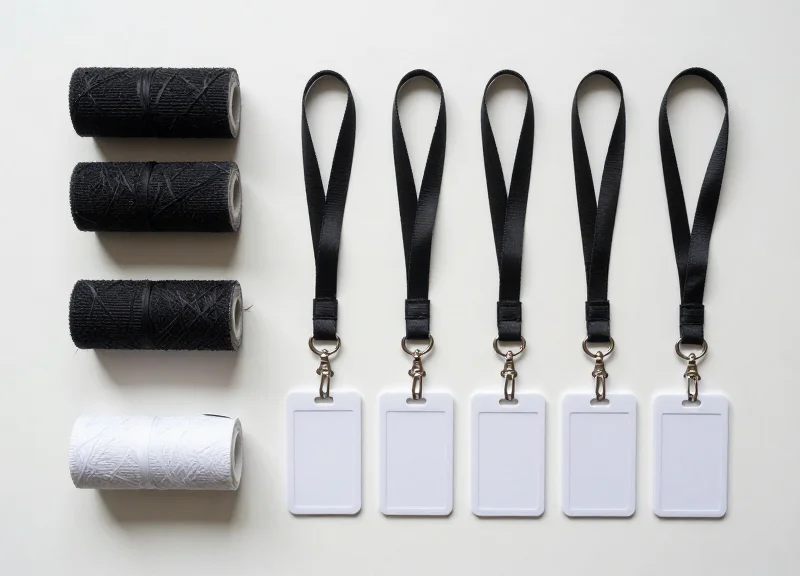
Specialized tagging solutions for non-boxed items are advanced EAS (Electronic Article Surveillance) hardware components designed to secure high-value electronics that lack original packaging. In the 2026 buy-back market, these solutions focus on 'form-factor adaptability,' utilizing reinforced steel lanyards, multi-grip spider wraps, and non-marring adhesive sensors that provide maximum theft deterrence without damaging the device's physical condition or resale value.
For electronics buy-back shops, the 'out-of-box' nature of inventory creates a unique vulnerability. Traditional hard tags designed for apparel are often too bulky or invasive for a naked smartphone or tablet. As we move into 2026, the industry has pivoted toward materials that prioritize 'The Residue-Zero Mandate.' This means security devices must now provide a physical lock that is iron-clad against shoplifters but leaves no chemical or mechanical trace once removed by staff, preserving the 'Grade-A' cosmetic status essential for high-margin resale.
| Tag Type | Best Application | Security Level | 2026 Feature |
|---|---|---|---|
| Multi-Grip Spider Wraps | Open-box Consoles / Laptops | Maximum | Self-tightening haptic locks |
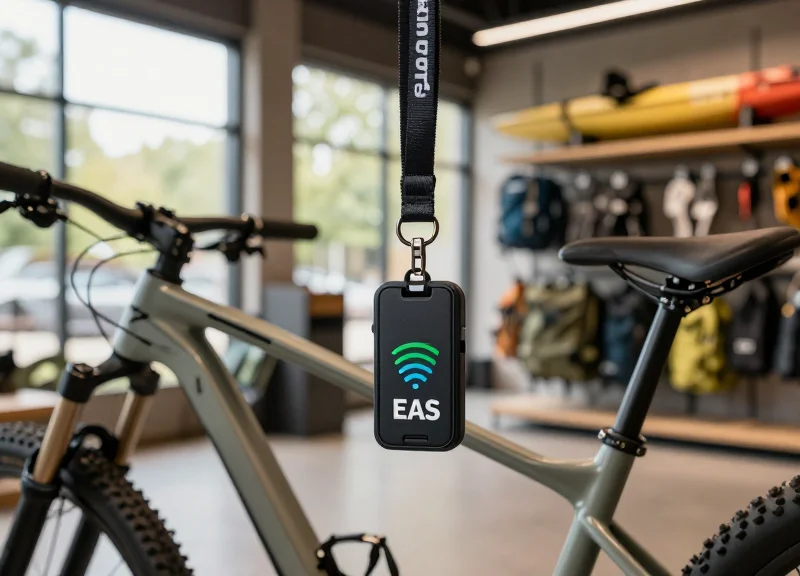
| Reinforced Lanyards | Digital Cameras / Handhelds | High | Cut-resistant polymer coating |
| Bio-Polymer Adhesive Labels | Smartphones / Small Tablets | Medium-High | Non-marring 'Gecko' adhesion |
| Optical Fiber Loops | High-end Headphones | Maximum | Instant alarm on signal loss |
Expert Insight: By 2026, the standard for buy-back security has shifted toward 'Active-Engagement Tags.' Unlike passive tags that only trigger an alarm at the door, these specialized devices utilize micro-sensors that emit a localized 95dB chirp the moment the tether is cut or the adhesive is tampered with, providing an immediate deterrent before the suspect even reaches the exit.
- Assess Device Contact Points: Identify the most secure attachment area that does not obstruct the screen or functional buttons, ensuring the buyer can still inspect the device.
- Select the Appropriate Tension: For spider wraps, use haptic-feedback tools to ensure the cables are tight enough to prevent slipping but not so tight that they crush delicate LED screens.
- Verify Signal Integrity: Test the tagged device near your AM or RF pedestals to ensure that the internal metal components of the unboxed electronic aren't 'shielding' the tag's signal.
Will adhesive tags leave sticky residue on refurbished iPhones?
No. 2026-gen labels use synthetic bio-polymers that create a vacuum bond rather than a chemical one, allowing for a clean peel without the need for solvents.
Can spider wraps be used on tablets without original boxes?
Yes, current 'Small-Format' spider wraps feature adjustable 4-way cabling specifically designed to grip the corners of unboxed tablets securely.
Are lanyards easy for shoplifters to cut with portable tools?
Modern lanyards are reinforced with aircraft-grade steel cores and wrapped in specialized fibers that dull traditional wire cutters, requiring heavy industrial tools to breach.
Integrating EAS with Electronic Shelf Labels (ESL)
In 2026, the integration of Electronic Article Surveillance (EAS) with Electronic Shelf Labels (ESL) represents the pinnacle of operational efficiency for electronics buy-back shops. This synergy allows for a 'Unified Asset Profile' where a device's security status, inventory data, and live market price are managed through a single software interface. By linking the ESL to the security tag, any price update triggered by market volatility—standard in the used smartphone and laptop sector—automatically adjusts the item's security priority in the store's backend system, ensuring high-value assets receive the highest level of monitoring without manual staff intervention.
| Feature | Legacy Manual Pricing | Integrated EAS/ESL (2026 Standard) |
|---|---|---|
| Price Accuracy | High error rate; lag time | Instantaneous across all displays |
| Security Scaling | Static; independent of value | Dynamic; increases alert sensitivity for high-value items |
| Labor Requirement | 4-8 hours/week for retagging | Zero manual labor for price/security syncing |
| Audit Trail | Paper-based or manual logs | Real-time digital breadcrumbs for every item |
Expert Insight: The 'Value-to-Risk' Threshold. An advanced technique utilized by Silicon Valley-backed retailers is the automated 'Value-to-Risk' threshold. When a buy-back shop's pricing algorithm increases a refurbished iPhone’s price above a specific threshold (e.g., $500), the integrated system can automatically activate an additional secondary security layer, such as triggering a nearby CCTV camera to prioritize that specific display zone. This moves security from a reactive 'beep at the door' model to a proactive, data-driven strategy.
- Establish a Unified API Bridge: Connect your inventory management software (IMS) to both the ESL controller and the EAS management console to ensure data flows bidirectionally.
- Hardware Pairing via NFC: Use handheld scanners to pair the unique ID of the electronic shelf label with the specific EAS tag attached to the device.
- Configure Dynamic Alert Logic: Set rules that define how the EAS system should react based on ESL data (e.g., if price > $400, enable 'High-Sensitivity' zone alerts).
- Deploy ESL-Tag Hybrids: Utilize 2026-era specialized tags that physically house the ESL within the security wrap to prevent 'tag-switching' fraud.
Do ESLs replace the need for traditional EAS tags?
No. While ESLs provide the digital display and data connection, they typically lack the high-decibel onboard alarms or the specific magnetic/RF coils required for gate detection. They must work in tandem.
How does this integration prevent 'Price Switching'?
In an integrated system, if a customer removes an ESL from a cheap item and places it near a high-end item, the mismatch between the EAS tag's ID and the ESL's location triggers an immediate silent alert to staff.
What is the impact on battery life for these devices?
Modern 2026 systems use BLE (Bluetooth Low Energy) or specialized Infrared protocols that allow for constant sync with a 5-to-10-year battery life, even with daily price and security status updates.
AI-Enhanced Surveillance and Behavioral Analytics

In 2026, AI-enhanced surveillance for electronics buy-back shops has shifted from simple video recording to 'predictive deterrence.' Unlike traditional CCTV that only provides evidence after a crime, modern AI behavioral analytics use computer vision to monitor the interaction between customers and fragmented inventory in real-time. By analyzing skeletal movements and 'dwell-time' anomalies, these systems can identify high-probability theft indicators—such as the specific ergonomic posture used to conceal a tablet or the rapid 'sweeping' of shelves—triggering silent alerts to staff seconds before an item is pocketed.
- Micro-Gesture Recognition: AI models now track 'micro-movements,' such as the 'elbow flare' associated with tucking an unboxed smartphone into a waistband or the nervous peripheral scanning typical of 'boosters' (professional shoplifters).
- Dwell-Time Heatmapping: The system distinguishes between a genuine customer comparing specs on two MacBooks and a suspect lingering near a high-value display while waiting for a staff distraction.
- Object-Person Linkage: Advanced algorithms 'link' a specific piece of inventory to a person's hand. If the item disappears from the camera's view without passing through a Geofenced POS zone, the system flags the anomaly immediately.
| Feature | Legacy Systems (Pre-2024) | 2026 AI-Enhanced Systems |
|---|---|---|
| Detection Focus | Motion in restricted zones | Behavioral intent and skeletal posture |
| Response Time | Reactive (Post-event review) | Proactive (Real-time staff alerts) |
| Inventory Integration | None (Isolated silos) | Deep-synced with EAS and RFID metadata |
| False Alarms | High (Shadows, pets, staff) | Ultra-Low (Edge AI filtering) |
Expert Insight: The 'Micro-Movement Signature' A unique trend we are seeing in Silicon Valley's retail-tech labs is the 'Micro-Movement Signature.' In buy-back shops, inventory is often unboxed and heterogeneous, making standard 'object detection' difficult. The 2026 breakthrough is focusing on the human, not just the device. If a person’s hand speed increases by more than 40% while in a blind spot, or if they break 'socially normative' browsing patterns, the AI assigns a risk score. My tip: Look for systems that offer 'Edge Processing.' This ensures the AI analysis happens locally on the camera, reducing latency and ensuring you catch the thief before they reach the door.
Is AI surveillance legal under new privacy laws?
Yes, 2026 systems utilize 'Anonymized Skeleton Tracking' which monitors behavior without storing facial biometric data, ensuring compliance with evolving GDPR and US state-level privacy mandates.
Does this replace traditional EAS tags?
No. It acts as a 'Force Multiplier.' While EAS tags protect the physical item, AI surveillance provides the context, allowing your team to intercept suspects before the EAS alarm even triggers.
Optimizing Shop Layout for Maximum Detection

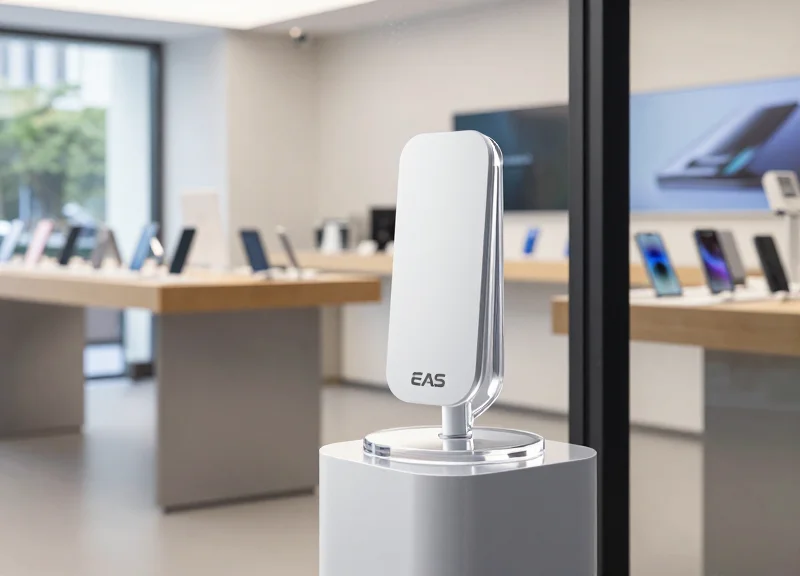
To achieve maximum detection in a 2026 electronics buy-back environment, shop layout optimization must focus on the 'Detection Field Integrity.' This is the process of positioning EAS antennas and pedestals to create a seamless electronic gate while mitigating the 'Signal Shadow' effect caused by high-density metal inventory like laptops and smartphones. An optimized layout ensures that even the smallest fragment of inventory—such as a single high-value processor or an unboxed GPU—triggers the alarm before it leaves the store perimeter.
| Layout Zone | Strategic Placement | Interference Risk Factors |
|---|---|---|
| Primary Entrance | Pedestals spaced 1.2m to 1.8m apart. | Automatic sliding doors and metal door frames. |
| Buy-Back Counter | Deactivators placed 15cm from POS hardware. | Electromagnetic noise from testing equipment. |
| High-Value Display | Discrete overhead beam sensors. | Metal shelving acting as a Faraday cage. |
| Testing Station | Minimum 3m distance from EAS gates. | Power supply units and high-frequency noise. |
- The 3-Foot Buffer Rule: In electronics shops, 'Tag Pollution' is a common issue. Ensure no tagged inventory—even fragmented parts—is stored within 3 feet of the EAS pedestals to prevent phantom alarms and signal saturation.
- Antenna Beam-Forming Calibration: Utilize 2026-gen software to steer the detection beam away from the interior of the store and toward the exit, preventing 'back-field' detections where an item inside the store triggers an alarm.
- Cross-Talk Mitigation: If using multiple gates in a small storefront, ensure all systems are hardwired for synchronization to prevent frequency 'beating' which drastically reduces detection sensitivity.
Expert Tip: The 'Shadow Effect' is your biggest enemy. In 2026, we are seeing a shift toward 'Acousto-Magnetic (AM) Floor Loops' for fragmented inventory shops. Unlike traditional pedestals, floor loops detect tags hidden at any angle, even if they are shielded by the thief's body or a metal-lined bag, because the signal originates from beneath the feet rather than the sides.
Why does my EAS system beep when no one is passing through?
This is often 'Ghosting' caused by RFI (Radio Frequency Interference) from poorly shielded power adapters or proximity to large metal racks that reflect the antenna's own signal back to itself.
Can I hide EAS antennas behind drywall or branding panels?
Yes, but avoid metallic paints or foils on the panels. For best results in 2026, use fiberglass or PVC-based covers that allow RF/AM waves to pass through without attenuation.
How does fragmented inventory affect detection height?
Small parts are often carried low in pockets. Optimize your pedestals by focusing the 'Sweet Spot' of the detection coil at knee-to-waist height rather than head height.
Calculating ROI: Beyond Simple Theft Prevention
In 2026, the Return on Investment (ROI) for an Electronic Article Surveillance (EAS) system in the electronics buy-back sector is calculated by the 'Total Value Added' (TVA) formula, which combines direct shrink reduction with operational labor savings, insurance premium discounts, and the secondary market premium gained from verified asset integrity. For high-velocity buy-back shops, the system typically pays for itself within 14 to 18 months by transforming security hardware into a data-gathering asset that streamlines the intake-to-resale pipeline.
| ROI Factor | Traditional Metric | 2026 Holistic Impact |
|---|---|---|
| Shrinkage | Value of stolen goods | Reduced 'protective' markdowns on open-box items |
| Labor Efficiency | Security guard costs | 40% faster cycle counts via RFID-integrated EAS |
| Insurance | Fixed annual premiums | Tiered discounts for real-time loss-prevention data |
| Asset Resale | Standard market price | 5-8% price premium for 'Verified Secure' inventory |
The 'Certification Premium' Insight: A unique ROI driver in 2026 is the ability to use EAS and RFID tracking history as a 'Digital Birth Certificate' for used devices. By proving a device was tagged, tracked, and secured from the moment of buy-back to the moment of resale, shops can offer higher confidence to B2B wholesalers. This verified chain-of-custody reduces the 'risk discount' usually applied to fragmented inventory, effectively increasing your gross margin on every unit sold.
- Operational Streamlining: Modern EAS systems eliminate the need for manual 'double-checking' of high-value bins. Automated detection at transition points (e.g., from the testing lab to the showroom) updates inventory status without human intervention.
- Insurance Premium Mitigation: Leading underwriters now offer 'Performance-Based Premiums.' By sharing anonymized EAS alarm data and recovery rates, buy-back shops can negotiate lower deductibles and annual rates.
- Enhanced Consumer Confidence: Visible, high-tech security signals to legitimate sellers that your shop is a professional enterprise, attracting higher-quality inventory and deterring the 'fencing' of stolen goods which can lead to legal liabilities.
How does EAS impact labor costs in a small shop?
By automating the monitoring of fragmented inventory, staff can focus on device testing and customer appraisals rather than hovering over display cases, typically saving 10-15 hours of labor per week.
Can EAS data help with inventory planning?
Yes. 2026 systems track 'dwell time' near pedestals. If certain items are frequently moved toward the door but not sold, it identifies specific vulnerabilities or layout issues that need correction.
Is the ROI higher for specific types of electronics?
The ROI is highest for mid-tier smartphones and high-end gaming handhelds, where the 'theft-to-resale' window for criminals is shortest and the protection value is most critical.
The Human Element: Staff Training for 2026
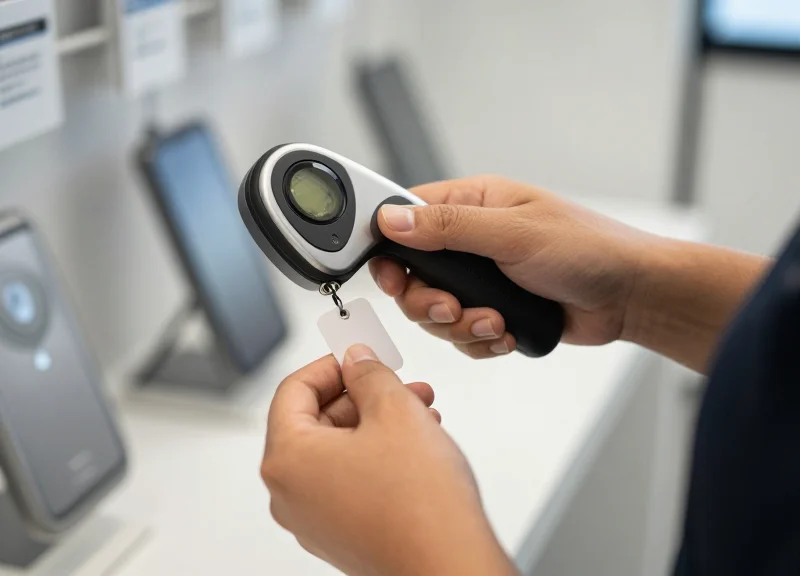
In 2026, the most sophisticated EAS hardware is only as effective as the team operating it. Staff training for electronics buy-back shops must evolve beyond 'watching the door' to a sophisticated model of 'Active Security Hospitality.' This involves training employees to manage fragmented, unboxed inventory by integrating security protocols directly into the customer service workflow—ensuring that every high-value device is tagged the moment a transaction is finalized, while using behavioral cues to deter theft before an alarm ever sounds.
| Training Module | Key Objective | 2026 Toolset |
|---|---|---|
| The 'First Five' Rule | Engage every customer within 5 seconds to eliminate anonymity. | Augmented Reality (AR) HUDs for floor traffic |
| Rapid Tagging Workflow | Applying specialized EAS labels to trade-ins instantly. | Mobile RFID/EAS handheld encoders |
| De-escalation Tech | Handling false alarms with grace and professionalism. | Smart-watch notification sync |
| AI-Behavioral Synergy | Responding to AI alerts regarding suspicious dwell times. | Integrated POS/CCTV Dashboards |
Expert Insight: The 'Appraisal Buffer Zone' Strategy. Unlike traditional retail, buy-back shops face a unique vulnerability: the moment a customer hands over a device for appraisal. Our 2026 recommendation is the 'Immediate Asset Initialization' protocol. Train staff to apply a temporary, non-residue EAS 'flight tag' the moment the device hits the counter. This prevents 'snatch-and-run' thefts during the valuation process—a rising trend in fragmented inventory environments where the item is technically not yet store property but is at high risk.
How should staff react when an EAS alarm triggers in 2026?
Shift from an 'accustory' stance to a 'service' stance. Staff should be trained to say, 'It looks like we forgot to deactivate a security sensor on your item; may I assist you with that?' This maintains the brand's premium feel while still allowing a full inspection of the goods.
How do we prevent 'tag-switching' on fragmented electronics?
Implement dual-factor verification. Training should include a requirement to cross-reference the EAS tag ID with the unique IMEI or serial number logged in the POS during the buy-back session.
Is 'blind-spot' patrolling still necessary with AI surveillance?
Yes. While AI identifies patterns, physical presence remains the strongest deterrent. Train staff on 'Zonal Ownership,' where they are responsible for the physical security and presentation of specific high-value categories (e.g., Gaming Handhelds or Premium Laptops).
- Identify Vulnerability: Review store footage monthly to identify where staff are most distracted during high-traffic buy-back hours.
- Simulated 'Red Teaming': Conduct monthly theft simulations where a third party attempts to remove unboxed inventory using common 2026 bypass methods.
- Certification: Require all staff to pass an 'EAS Proficiency Certification' focusing on the application of specialized tags for fragile electronics.