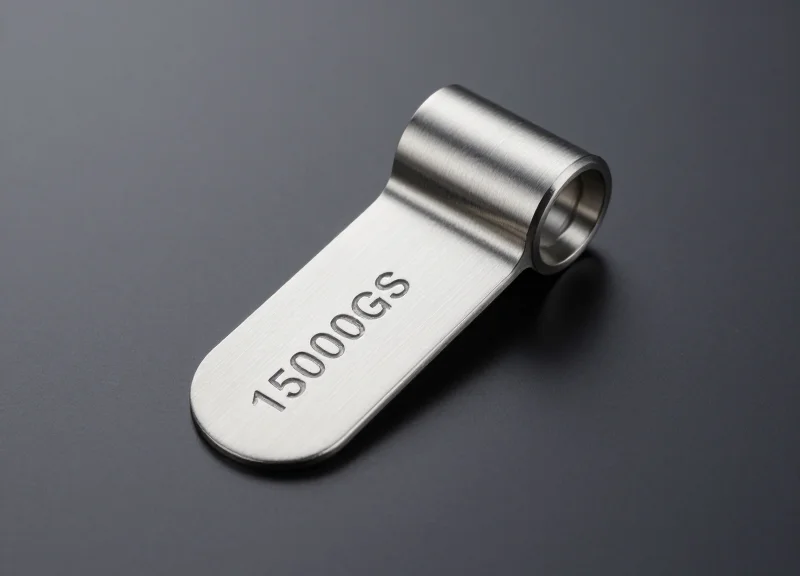
In the rapidly evolving landscape of high-end retail, designer boutiques face a dual challenge: maintaining an impeccable aesthetic while defending against increasingly sophisticated theft tactics. As we move into 2026, the 15,000GS (Gauss) high-strength magnetic detacher has emerged as the essential tool for professional loss prevention. These powerful devices are engineered to unlock heavy-duty security tags that standard magnets cannot touch, providing a critical line of defense for luxury goods. This guide provides an authoritative look at selecting the right high-strength detachers to ensure your boutique remains secure, efficient, and profitable.
The Science of 15,000GS: Why Gauss Rating Matters

A 15,000GS (Gauss) rating defines the magnetic flux density necessary to reliably disengage 'Ultra-Strong' Electronic Article Surveillance (EAS) security tags commonly used in luxury designer boutiques. This specific strength is the industry benchmark because it provides the precise magnetic pull required to compress high-tension internal springs and release locking ball clutches within the tag housing, ensuring a seamless, non-destructive removal process that standard magnets cannot replicate.
In the context of 2026 retail technology, Gauss is more than just a number; it is a measure of operational efficiency. As high-end brands adopt more sophisticated 'hard tags' to combat professional shoplifting tools, the internal resistance of these tags has increased. A 15,000GS detacher utilizes premium Neodymium (NdFeB) cores to create a concentrated magnetic field that penetrates the tag's plastic casing with enough force to manipulate the internal steel mechanism without requiring physical leverage that could damage delicate luxury fabrics.
| Magnetic Rating | Security Level | Common Tag Types | Boutique Application |
|---|---|---|---|
| 5,000 - 8,000 GS | Standard | Small Square Tags, Pencil Tags | Not Recommended: High failure rate |
| 10,000 - 12,000 GS | Super Strength | Golf Tags, Standard Bottle Tags | Secondary: Risk of 'sticking' pins |
| 15,000 - 16,000 GS | Ultra Strength | Designer Ink Tags, Multi-clutch Tags | Primary: Essential for 2026 standards |
Does a higher Gauss rating damage credit cards or electronics?
While 15,000GS is powerful, the magnetic field is highly directional (concentrated at the core). As long as staff are trained to keep the detacher away from POS terminals and customer wallets (typically 12+ inches), there is no risk of accidental degaussing.
Why can't I just use a standard 10,000GS magnet?
Modern high-security tags utilize 'Hyper-Lock' mechanisms. A 10,000GS magnet may only partially move the locking pin, causing the tag to jam. This often results in staff 'tugging' at the garment, which can tear fibers in silk, lace, or fine wool.
Is the Gauss rating permanent?
High-quality N52 Neodymium magnets lose less than 1% of their flux density every 10 years, making a 15,000GS detacher a permanent infrastructure investment for your boutique.
Unique Industry Insight: The 'Magnetic Fatigue' Factor. In my two decades of consulting for high-end retailers, I have observed that boutiques often overlook the 'coercivity' of the magnetic core. Cheap detachers may claim 15,000GS but use low-grade sintered material that suffers from 'Flux Decay' when exposed to the high-heat cycles of modern retail HVAC systems. To ensure your security investment lasts through 2030, verify that your detacher uses N52-grade magnets with a high Curie temperature rating, ensuring the 15,000GS strength remains constant regardless of the store environment.
Combatting Professional Shoplifting with High-Strength Magnets

In the 2026 retail landscape, 15,000GS high-strength magnetic detachers are no longer just operational tools; they are strategic assets in the fight against Organized Retail Crime (ORC). These devices provide the specific magnetic flux density required to release 'Hyper-Security' clutches—tags designed with internal locking mechanisms that remain completely immobile when exposed to the 5,000-8,000GS magnets commonly found in the illicit market. By deploying 15,000GS hardware, designer boutiques ensure that only authorized, industrial-grade force can decouple high-value inventory, effectively neutralizing the low-to-mid-tier illicit detachers used by professional shoplifters.
| Threat Level | Typical Tool Used | Counter-Measure Requirement | Effectiveness of 15,000GS |
|---|---|---|---|
| Casual Shoplifting | Small Neodymium Magnets | Basic Tag Security | 100% - Tag will not budge |
| Organized Retail Crime | Illegal 10,000GS Handhelds | High-Tension Clutches | High - Requires exact alignment |
| Professional 'Boosters' | Booster Bags + Hooks | 15,000GS + EAS Detection | Maximum - Total physical lock |
Beyond simple decoupling, 15,000GS units are specifically engineered to defeat 'Booster Bags'—foil-lined bags used to bypass EAS pedestals. When paired with high-coercivity tags, these detachers allow boutiques to use larger, more complex ink-and-pin combinations that are physically impossible to hide or manipulate within a standard booster bag. The sheer weight and magnetic resistance of these specialized tags require the 15,000GS benchmark to function efficiently at the Point of Sale (POS) without damaging delicate designer fabrics.
How do professional thieves bypass standard magnetic detachers?
Professional shoplifters often use 'super-magnets' purchased online that range from 8,000 to 12,000GS. If a boutique uses tags compatible with these lower strengths, the thief can de-tag items in the dressing room. Moving to a 15,000GS ecosystem forces the use of tags that these portable illicit magnets simply cannot open.
Why is the 'Designer Boutique' setting particularly vulnerable?
Low foot traffic and high-value-per-item ratios allow thieves to spend more time attempting to shield or manipulate tags. A 15,000GS system utilizes high-security pins that are physically harder to cut with wire snips, forcing the thief to attempt 'smash and grab' tactics which are easier for security personnel to detect.
Can these magnets interfere with other boutique technology?
While powerful, 15,000GS detachers are designed with focused magnetic fields. In 2026, premium models feature 'Active Shielding' to prevent interference with RFID inventory systems or customer credit cards, provided they are mounted correctly.
Expert Tip: Implement 'Magnetic Integrity Audits.' In my 20 years of retail security consulting, I've found that ORC groups often test a store's security by attempting to 'pulse' a tag with a handheld magnet. If you upgrade to 15,000GS, ensure your staff is trained to recognize 'failed decoupling' sounds—if a tag is clicking but not releasing, it may indicate a shoplifter has previously attempted to jam the mechanism with an inferior magnet, providing a clear signal of targeted activity.
Critical Design Features for Boutique Environments
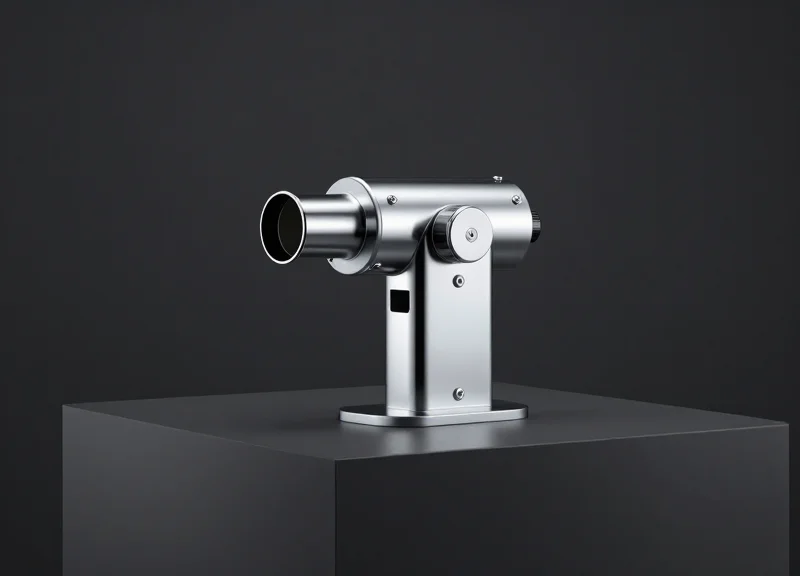
In luxury retail, the critical design features of a 15,000GS magnetic detacher prioritize seamless aesthetic integration and tactile ergonomics. To maintain a high-end brand image, these devices must balance industrial-grade magnetic flux with premium finishes like brushed aluminum or matte PVD coatings. This ensures the hardware disappears into the point-of-sale (POS) architecture while providing instantaneous, reliable tag release for a frictionless checkout experience that matches the brand's prestige.
| Mounting Style | Visual Profile | Installation Complexity | Best Use Case |
|---|---|---|---|
| Flush-Mount | Zero profile (Hidden) | High - Requires counter cutout | Minimalist Marble or Quartz counters |
| Surface-Mount | Exposed (Visible) | Low - Bolt-on installation | Retrofitting existing boutique fixtures |
| Recessed Pedestal | Low profile (Partial) | Medium - Partial cutout | High-volume luxury accessory counters |
- Material Selection: In 2026, the shift from cheap ABS plastics to anodized aerospace-grade aluminum or zinc alloys is essential for boutiques. These materials offer the durability to withstand 15,000GS internal pressure without cracking while complementing high-end store fixtures.
- Ergonomic Canting: Top-tier detachers now feature a 15-to-20 degree ergonomic tilt. This reduces wrist strain for sales associates during high-frequency un-tagging sessions and ensures the tag is positioned at the optimal focal point of the magnetic field.
- Integrated Security Locks: To prevent internal theft, premium detachers include internal locking mechanisms (either mechanical keys or RFID-enabled locks) to disable the magnet during non-business hours.
Expert Tip: The Haptic Signature and Flux Shielding. As boutiques move toward tablet-based POS systems, the most overlooked feature is Directional Flux Shielding. A 15,000GS magnet can disrupt nearby digital screens or interfere with contactless payment terminals. Select a detacher with a lead or mu-metal shielded base that focuses the 15,000GS pull vertically toward the tag rather than allowing it to bleed laterally into your expensive POS hardware.
Will a 15,000GS magnet damage customer credit cards?
Modern EMV (chip) cards are resistant, but traditional magnetic stripe cards can be erased if placed directly on the detacher. Design your POS layout to keep the bagging area at least 12 inches away from the detacher site.
Can these detachers be custom branded?
Yes, many high-end manufacturers offer laser-etched logos on the top surface. This subtle branding reinforces the bespoke nature of the boutique environment even at the security checkpoint.
Does the finish affect the magnetic strength?
No, the external housing finish (e.g., gold-plating or matte black) is purely aesthetic and does not interfere with the 15,000GS core magnetic flux density.
Material Excellence: Neodymium vs. Standard Alloys
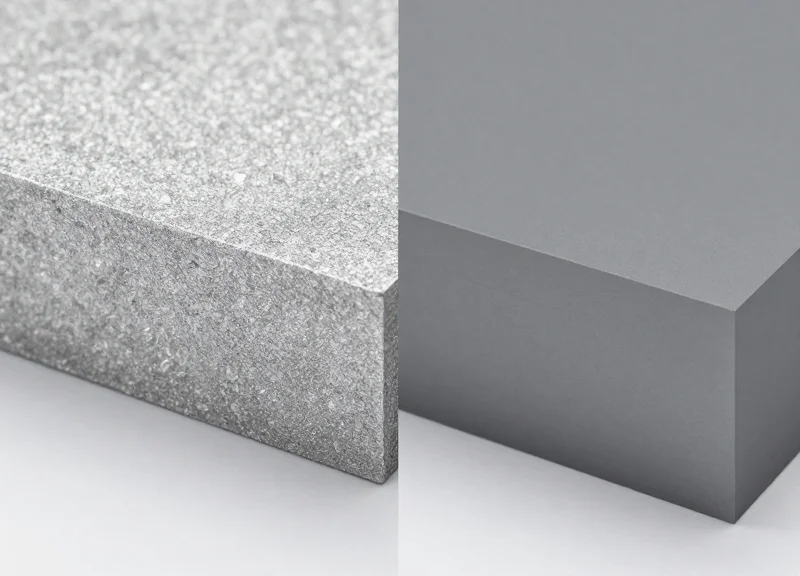
In the world of high-security retail, the '15,000GS' rating is only as reliable as the material generating the field. While standard alloys like Ferrite or Alnico were once the industry norm, modern 15,000GS high-strength detachers exclusively utilize Neodymium Iron Boron (NdFeB), often referred to as 'Rare Earth' magnets. The primary difference lies in Energy Product (BHmax): Neodymium provides nearly 18 times the magnetic energy per unit volume compared to standard ferrite, allowing for a compact, sleek aesthetic that fits seamlessly into high-end boutique counters without sacrificing the raw power needed to release complex locking mechanisms.
| Feature | Neodymium (N52/N54) | Standard Ferrite Alloys | Alnico Alloys |
|---|---|---|---|
| Magnetic Flux Density | Extremely High (Up to 15,000GS+) | Low (Max 4,000GS) | Medium (Up to 8,000GS) |
| Size-to-Power Ratio | Compact / Minimalist | Bulky / Heavy | Moderate / Long |
| Longevity (Stability) | 1% loss every 100 years | Significant 'Magnetic Fatigue' | Susceptible to Demagnetization |
| 2026 Boutique Standard | Required for Designer Tags | Obsolescent | Specialty Use Only |
Expert Insight: The 'Magnetic Fatigue' Factor. A common pitfall for boutique managers is purchasing 'generic' high-strength detachers that use lower-grade N35 neodymium or repurposed alloys. In a high-traffic environment where the detacher is used hundreds of times a day, lower-grade materials suffer from mechanical shock and temperature-induced 'magnetic fatigue.' By 2026, the gold standard for designer retail is the N54-grade core, which maintains 99% of its 15,000GS rating even after a decade of intensive use. Choosing a high-coercivity material ensures that your investment won't fail to open a 'SuperTag' during a busy holiday rush.
Does the exterior casing affect the magnetic strength?
No, the casing is typically high-grade aluminum or stainless steel, which is non-magnetic. Its purpose is to protect the brittle Neodymium core from physical impact, which can cause internal cracking and loss of field focus.
Why is Neodymium preferred for 15,000GS ratings specifically?
To reach 15,000GS with standard alloys, the detacher would need to be the size of a microwave. Neodymium's high energy density allows this power to be packed into a unit no larger than a coffee mug, essential for minimalist boutique designs.
Can these magnets be 'drained' by electronics?
While they won't be drained, Neodymium is highly sensitive to heat. High-quality 2026-spec detachers include thermal-stabilized coatings to ensure that proximity to under-counter electronics or heating systems doesn't degrade the magnetic field.
Universal Compatibility: Matching Tags to Your Detacher
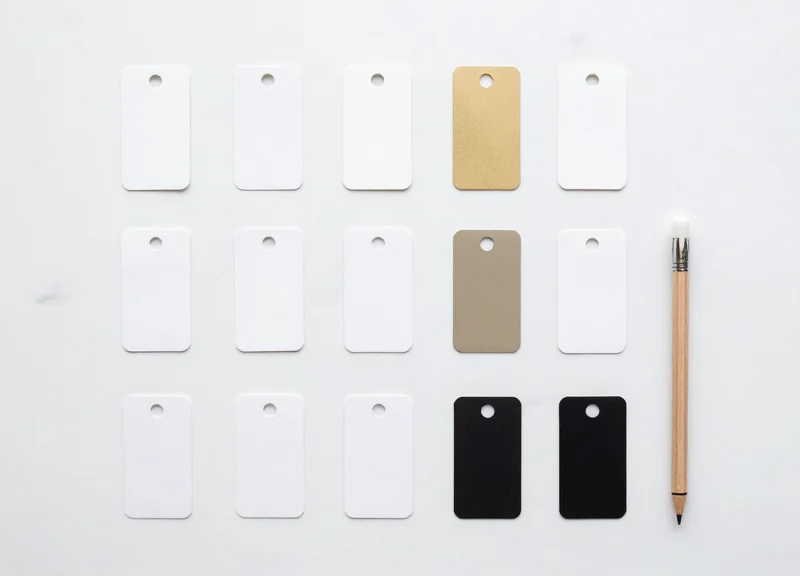
Universal compatibility in the context of a 15,000GS detacher refers to its ability to release the internal locking clutches of standard, super, and hyper-security EAS (Electronic Article Surveillance) hard tags. While a 15,000GS rating provides the necessary magnetic flux density to retract high-tension springs, true compatibility is also determined by the physical interface between the tag’s housing and the detacher’s nesting surface. For designer boutiques, this means ensuring that the detacher can accommodate a diverse range of form factors, from sleek pencil tags to bulky ink-filled security canisters, without requiring multiple specialized tools.
| Tag Type | Locking Mechanism | 15,000GS Compatibility | Boutique Application |
|---|---|---|---|
| Pencil/Mini Tags | Standard Magnetic | Optimal (Instant Release) | Lingerie, Lightweight Silks |
| Golf/Dome Tags | Super Clutch | Optimal (Deep Nesting Required) | Outerwear, Heavy Denims |
| Ink/Benefit Tags | Hyper-Security Magnetic | Highly Compatible | High-Margin Leather Goods |
| Spider Wraps | Multi-strand Magnetic | Compatible (Standard Key) | Boxed Accessories, Tech |
Expert Insight: The 'Air Gap' Performance Drop. A common misconception in boutique retail is that magnetic strength is the only variable. In reality, the inverse square law of magnetism dictates that even a 1mm 'air gap' caused by an ill-fitting tag housing can reduce the effective pull on the internal clutch by up to 30%. When selecting a 15,000GS unit, ensure the 'well' or 'nest' of the detacher is wide enough to allow the tag to sit flush against the core. This is why high-end 2026 models feature a flared rim design to accommodate modern, ergonomic tag shapes.
- Identify the Clutch Rating: Determine if your existing tags are 'Standard', 'Super', or 'Hyper' security. A 15,000GS detacher is backward compatible with all three, but physical dimensions vary.
- Verify Tag Geometry: Ensure the 'golf' or 'dome' tags in your inventory match the concave curvature of the detacher's surface to eliminate the magnetic air gap.
- Check Pin Alignment: For ink tags specifically, ensure the detacher allows the tag to sit at the correct angle so the pin is pulled straight out, preventing ink leaks or garment snags.
Will a 15,000GS detacher work with both AM and RF tags?
Yes. Magnetic detachers are frequency-agnostic. They interact only with the mechanical lock inside the tag, regardless of whether the tag operates on 58kHz (AM) or 8.2MHz (RF).
Can I use this detacher for designer optical tags?
Most optical (eyewear) tags use a specialized mechanical or lower-strength magnetic lock. While 15,000GS will unlock them, a specialized optical detacher is often preferred for ergonomic reasons.
Does the 15,000GS magnet damage 'Smart Tags' or RFID chips?
No. Modern RFID and NFC chips used in luxury inventory tracking are resistant to static magnetic fields. However, avoid placing credit cards or magnetic stripe gift cards directly on the detacher surface.
Security Protocols: Securing the Detacher Itself
A high-strength 15,000GS detacher is a double-edged sword: while it is the only tool capable of opening reinforced 'SuperTags' and professional-grade security pins, it becomes a major liability if stolen or used by unauthorized personnel. In a boutique setting, securing the detacher involves 'hardening' the Point of Sale (POS) through permanent mechanical fastening, the installation of lockable security shields, and the integration of electronic monitoring to ensure that the device used to protect your inventory does not become an instrument for organized retail crime.
- Permanent Counter-Top Bolt-Down: Utilize industrial-grade M8 bolts to secure the detacher through the counter-top. A 15,000GS magnet is heavy and provides high leverage; simple adhesive strips are insufficient and can be pried off with basic tools.
- Lockable Security Lids: Install a specialized locking cover (often referred to as a 'detacher hood') when the register is unattended. This prevents unauthorized individuals from reaching over the counter to quickly detach a tag while staff are distracted.
- Dead-Zone Positioning: Place the detacher at a depth of at least 15 inches from the customer-facing edge of the counter. This creates a physical buffer that prevents 'reach-over' theft attempts common in high-traffic boutiques.
- Biometric or RFID Access Control: For 2026 luxury standards, implement smart detacher covers that only retract upon a successful staff biometric scan or RFID badge tap, creating a digital audit trail for every item detached.
| Mounting Method | Security Level | Boutique Aesthetic Impact | Best Use Case |
|---|---|---|---|
| Under-Counter Recessed | Maximum | Seamless / Hidden | High-end luxury where minimalism is key. |
| Flush Surface Mount | High | Clean / Professional | Standard designer boutiques with heavy tag volume. |
| Steel Cable Tether | Moderate | Visible / Cluttered | Pop-up shops or temporary luxury kiosks. |
Expert Tip: Implement a 'Magnet Audit' protocol. Because 15,000GS magnets can interfere with magnetic stripe cards and certain electronics, boutique managers should use Gauss meters quarterly to ensure the magnetic field hasn't drifted due to structural damage and that the mounting hardware remains tamper-evident. If a detacher shows signs of scratches around the base, it often indicates a 'prying' attempt by internal or external actors.
Can shoplifters use their own magnets against our detacher?
Professional shoplifters often carry smaller 'S3' magnets. By securing your 15,000GS unit in a recessed mount, you prevent them from using their smaller magnets to 'boost' the field or manipulate the locking mechanism of your tags.
What is the 'Two-Person Rule' for detacher maintenance?
Never allow a single employee or third-party technician to install or move a detacher alone. Security protocols should require a manager's presence to ensure the unit isn't swapped for a dummy device or weakened during maintenance.
How do we secure detachers during non-business hours?
If the detacher is not bolted down, it must be stored in a GSA-rated safe overnight. If bolted, the locking lid must be engaged and the POS area must be covered by 24/7 high-definition CCTV with motion alerts.
Integrating with RFID and ESL Ecosystems

In the 2026 retail landscape, a 15,000GS magnetic detacher is no longer a standalone tool; it is a vital node in an integrated 'Smart-Store' ecosystem. Effective integration means that when a high-strength magnet releases a hard tag, the event is synchronized with Radio Frequency Identification (RFID) systems for real-time inventory updates and Electronic Shelf Labeling (ESL) for automated stock-level displays. This synergy ensures that the physical act of detaching security hardware simultaneously triggers a digital 'sold' status, reducing 'phantom inventory' and streamlining the luxury boutique checkout experience.
| Feature | Legacy Detacher | 2026 Integrated Detacher |
|---|---|---|
| Data Connectivity | None (Mechanical) | Bluetooth Low Energy (BLE) / Wi-Fi |
| Inventory Sync | Manual POS Entry | Automated RFID 'Detached' Event |
| ESL Interaction | None | Triggers 'Low Stock' alert on shelf |
| Security Log | None | Time-stamped user ID & tag count |
Expert Insight: The 'Magnetic Shadow' Risk on ESL Hardware. One unique challenge for designer boutiques in 2026 is the proximity of 15,000GS magnets to e-ink Electronic Shelf Labels. While Neodymium magnets are essential for detaching tags, their high flux density can cause permanent 'ghosting' or screen crystallization on nearby ESLs if the checkout counter isn't professionally shielded. We recommend a minimum 30cm 'Neutral Zone' between the detacher mount and any ESL-enabled accessory displays to maintain hardware longevity.
- Step 1: Dual-Technology Tagging: Utilize hard tags that house both an EAS ferrite core (for the 15,000GS lock) and an RFID inlay. This allows the detacher to solve the physical security requirement while the RFID gate handles the data.
- Step 2: POS API Handshaking: Ensure your smart detacher is linked to the Point of Sale. When the detacher is activated, the API should cross-reference the RFID tag ID to confirm the item has been scanned for payment.
- Step 3: Automated Restock Alerts: Configure the ecosystem so that detaching a high-value item (e.g., a limited-edition handbag) sends an immediate pulse to the ESL system to update 'only 1 left' displays.
Will a 15,000GS magnet corrupt RFID tags?
No. RFID inlays are memory-based and do not use magnetic storage; however, the physical metal of the detacher can cause signal 'detuning' if the tag is read while sitting directly on the magnet.
Can smart detachers detect 'booster bags'?
While the magnet itself cannot, integrated smart detachers often include sensors that detect nearby RFI (Radio Frequency Interference) common with professional shoplifting kits.
Do I need a special license for networked detachers?
Most 2026 systems operate on standard IoT protocols (MQTT or Matter), but you will likely need a software subscription from your EAS provider to manage the data dashboard.
Maintenance and Longevity for 2026 and Beyond
To ensure a 15,000GS high-strength magnetic detacher maintains its peak performance over a 10-year lifecycle, retailers must prioritize 'Magnetic Hygiene' and thermal protection. While the Neodymium (NdFeB) core is technically a permanent magnet with a natural decay rate of less than 1% per decade, its real-world longevity is dictated by physical housing integrity and the prevention of heat-induced demagnetization. In a designer boutique setting, maintenance is not just about functionality; it is about preserving the aesthetic finish of the hardware to match the luxury environment.
| Maintenance Task | Frequency | Purpose |
|---|---|---|
| Micro-Ferrous Dust Removal | Weekly | Prevents abrasive scratching of expensive designer tags. |
| Housing Integrity Check | Monthly | Ensures the mounting screws or adhesive haven't loosened under high-volume use. |
| Thermal Audit | Quarterly | Confirms the unit is not exposed to localized heat from display lighting (>80°C). |
| Pull-Strength Verification | Annually | Uses a calibrated test tag to ensure the flux density remains at 15,000GS. |
- Clean with Non-Polar Solvents: Use microfiber cloths with isopropyl alcohol (70%) to remove skin oils and adhesives. Avoid bleach or ammonia-based cleaners which can corrode the chrome or brushed-steel plating of premium detachers.
- Debris Extraction: Because 15,000GS magnets attract microscopic iron particles from the environment, use a piece of adhesive tape to 'lift' fine metallic dust out of the detacher's recessed well.
- Mounting Stabilization: High-strength magnets exert significant 'kickback' force when tags are pulled away. Check that the under-counter bolts are tight to prevent the unit from vibrating loose over time.
Expert Tip: Be aware of the 'Curie Temperature' threshold. High-performance Neodymium magnets used in 15,000GS units are sensitive to heat. If your boutique uses high-wattage halogen display lamps near the POS, the localized temperature can rise significantly. If the magnet reaches 80°C (176°F), it can suffer irreversible loss of magnetic flux. Always position your detacher at least 12 inches away from any concentrated heat sources to ensure it lasts until the 2030s.
Will the magnet lose its power if I drop it?
Rare-earth magnets are brittle. A heavy impact can cause internal fractures that disrupt the magnetic circuit, potentially dropping the effective Gauss rating instantly.
Can I polish the surface if it gets scratched?
Yes, for stainless steel or chrome-finished detachers, a standard metal polish is safe. However, do not use electric buffing wheels as the friction heat can damage the internal magnet.
Why is my detacher suddenly 'weak' on certain tags?
This is rarely the magnet failing; it is usually 'magnetic contamination.' Check the well for a stuck needle, staple, or metallic sliver that is creating a gap between the magnet and the tag's internal clutch.
Cost-Value Analysis for High-End Retailers
For designer boutiques, the cost-value analysis of 15,000GS high-strength magnetic detachers centers on the 'Protection-to-Loss Ratio.' Unlike standard retail environments, a single stolen luxury item can represent a loss of thousands of dollars, making the initial investment in superior magnetic force a self-funding security measure. By 2026 standards, a 15,000GS unit is no longer a luxury but a baseline requirement to counteract sophisticated organized retail crime (ORC) tools that easily bypass lower-rated 8,000GS or 10,000GS magnets.
| Feature Metric | Standard Magnet (8,000-10,000GS) | Premium 15,000GS Detacher |
|---|---|---|
| Upfront Unit Cost | $45 - $80 | $150 - $280 |
| Theft Mitigation Rate | Low (Susceptible to portable magnets) | High (Resists standard consumer magnets) |
| Avg. Checkout Time | 4-7 Seconds (Potential retries) | 1-2 Seconds (Instant release) |
| Est. ROI Period | 12-18 Months | 3-5 Months (Based on luxury price points) |
Expert Insight: The 'Hidden' ROI of Fabric Integrity. A critical factor often overlooked by procurement teams is the cost of damaged inventory. High-end materials like silk, suede, and ultra-fine wool are frequently damaged when staff struggle with underpowered detachers, leading to 'accidental shrinkage.' The 15,000GS detacher ensures a clean, one-click release that preserves the structural integrity of the garment, effectively saving the store from marking down damaged goods.
- Identify Vulnerable Inventory: Audit your highest-margin items to determine which security tags require the highest magnetic pull to open, specifically looking for 'Super-Lock' or proprietary luxury tags.
- Calculate the 'One-Item Offset': Determine how many units of a high-value SKU must be saved from theft to cover the cost of upgrading all checkout stations to 15,000GS hardware.
- Assess Labor Efficiency: Factor in the reduction in labor hours. In high-volume boutiques, a 3-second faster detachment per item adds up to dozens of hours of reclaimed 'selling time' for associates annually.
Is the 15,000GS magnet too expensive for a small boutique?
While the unit cost is higher, the 'Total Cost of Ownership' is lower because these units are built with higher-grade neodymium which resists demagnetization over a 10-year lifecycle better than cheaper alternatives.
Does a stronger magnet increase the risk of credit card damage?
Modern 15,000GS units are designed with directional shielding. When properly flush-mounted into a counter, the magnetic field is directed upward toward the tag, minimizing peripheral interference with customer payment cards.
Can I use 15,000GS detachers with older tags?
Yes, they are backwards compatible. The higher GS rating simply provides more 'headroom,' ensuring even aged or slightly jammed tag springs are forced open reliably.