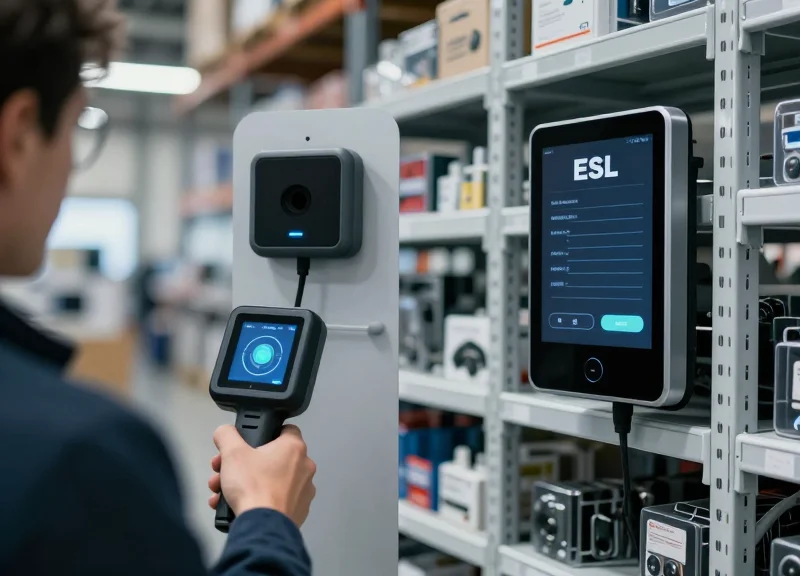
High-end string instruments are more than just inventory; they are masterpieces of craftsmanship and significant financial assets. However, their high resale value makes them prime targets for professional shoplifting, leading to staggering shrinkage rates in the music retail industry. Traditional security measures often involve bulky, unsightly tags that can physically damage delicate tonewoods or interfere with a customer's sensory experience. This article explores the transformative power of invisible EAS (Electronic Article Surveillance) shielding technology—a sophisticated solution designed to reduce shrinkage by 40% while preserving the integrity of your most valuable assets and maximizing your return on investment.
The Unique Vulnerability of High-End Music Retail

High-end music retail is uniquely vulnerable to shrinkage because it operates at the intersection of high resale liquidity and the mandatory 'touch-and-feel' customer experience. Unlike luxury jewelry or timepieces secured behind reinforced glass, premium string instruments—such as concert-grade violins, cellos, and vintage guitars—must be physically handled, tuned, and played by prospective buyers. This 'Open-Floor Necessity' creates significant windows of opportunity for sophisticated theft, where the very act of providing excellent customer service facilitates the risk of asset loss.
| Risk Factor | Standard Retail (Electronics/Apparel) | Boutique Music Retail |
|---|---|---|
| Asset Portability | High (Pocketable items) | Very High (Lightweight, easy to exit) |
| Product Accessibility | Tethered or Locked | Must be untethered for acoustic testing |
| Damage Sensitivity | Low (Durable packaging) | Extreme (Fragile woods and finishes) |
| Resale Value | Depreciates rapidly | Appreciates or stays stable (Vintage/Rare) |
The financial impact of a single loss in this sector is disproportionately high. In a boutique shop operating on a 15% net margin, the theft of a single $12,000 cello requires the merchant to generate an additional $80,000 in revenue just to break even on the loss. This 'Recovery Multiple' is why shrinkage in high-end music retail isn't just an operational nuisance—it is a direct threat to the store's solvency.
Why are traditional EAS hard tags unsuitable for premium instruments?
Traditional plastic hard tags require physical clamping or piercing that can irreparably damage delicate nitrocellulose finishes or rare tonewoods. Furthermore, the weight of a standard tag can alter the balance and resonance of the instrument, preventing a serious musician from accurately evaluating its quality.
What is the 'White Glove Friction' in security?
This is the expert insight that over-aggressive, visible security (like steel cables or bulky sensors) creates a psychological barrier for high-net-worth collectors. It signals a lack of trust, which directly contradicts the 'white glove' service expected in a premium environment, often resulting in lost sales that exceed the cost of the shrinkage itself.
How does shrinkage affect insurance in this niche?
Because premium instruments are often unique or serialized, insurance companies view them as high-risk inland marine assets. Repeated shrinkage claims can lead to a 20-30% spike in premiums or the total loss of coverage for high-value inventory.
The 'Hidden ROI' of invisible shielding lies in its ability to resolve the paradox of security versus accessibility. By embedding EAS technology into the internal architecture of the instrument or its case, retailers can maintain a high-trust environment while simultaneously implementing a rigorous loss prevention protocol that operates without the customer's knowledge.
Why Traditional Security Tags Fail Premium Instruments
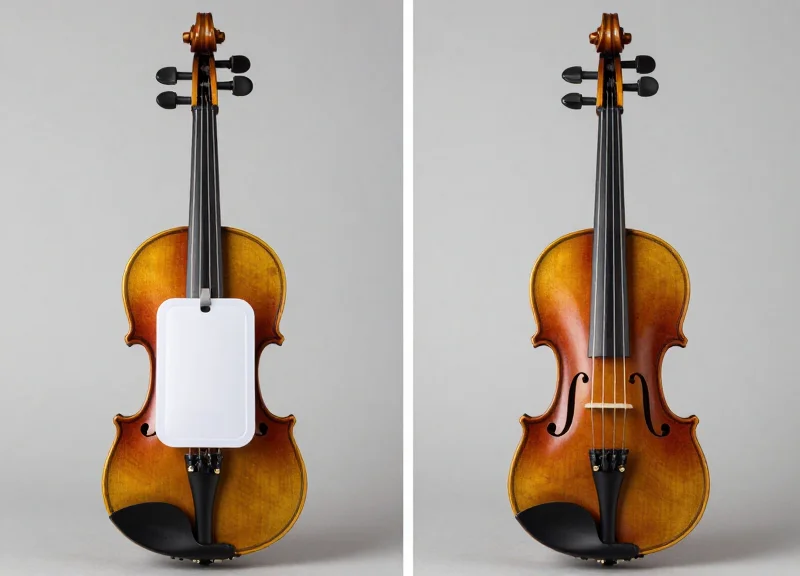
Traditional security tags fail premium instruments because they are designed for mass-market durability rather than acoustic sensitivity. While standard hard tags or heavy ink clamps work for apparel, applying them to a $10,000 cello or a vintage violin introduces significant risks: localized mechanical stress on the soundboard, chemical reactions with nitrocellulose or spirit varnishes, and a 'theft-prone' aesthetic that devalues the boutique shopping experience. These devices provide a false sense of security while actively degrading the asset they are meant to protect.
| Feature | Standard EAS Tag Impact | Premium Instrument Risk |
|---|---|---|
| Mounting Mechanism | High-pressure mechanical clamps | Cracks in spruce tops or rib deformation |
| Adhesive Backing | Industrial-strength acrylics | Irreversible varnish lifting and residue |
| Visual Profile | Bulky, high-visibility plastic | Obstructs craftsmanship and reduces perceived value |
| Weight/Mass | 15g - 40g per unit | Dampens tonal resonance and alters playability |
Beyond physical damage, the 'Expert Tip' for high-end retailers is understanding 'Acoustic Shadowing.' In a premium environment, the customer’s decision is driven by the instrument's voice. A heavy security tag attached to the f-hole or tailpiece changes the vibration frequency of the wood. This means you aren't just protecting the instrument; you are unintentionally sabotaging the very sound quality that sells it. Furthermore, professional shoplifters have mastered the 'shield and snip' technique for bulky tags, making them surprisingly easy to bypass in a blind spot.
Can traditional tags damage the finish of a violin?
Yes. Most traditional tags use rubberized pads or adhesives that contain plasticizers. Over time, these chemicals react with delicate luthiery varnishes, causing softening, bubbling, or permanent discoloration that can cost thousands in restoration.
Why is the weight of a security tag a concern?
String instruments rely on a delicate balance of mass and tension. Adding a 30-gram hard tag to a violin bridge or tailpiece acts as a mute, significantly altering the instrument's harmonics and making it sound 'dead' to a potential buyer.
How do professional thieves bypass visible tags?
Sophisticated shoplifters use portable high-powered magnets or 'booster bags' lined with aluminum foil. Because traditional tags are bulky and visible, they provide a clear target for shielding or mechanical removal that can be planned in advance.
Decoding Invisible EAS Shielding Technology
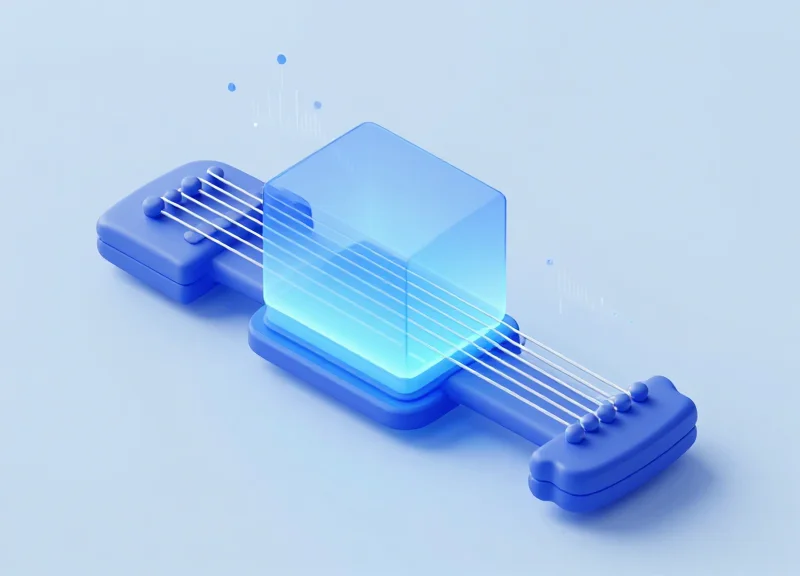
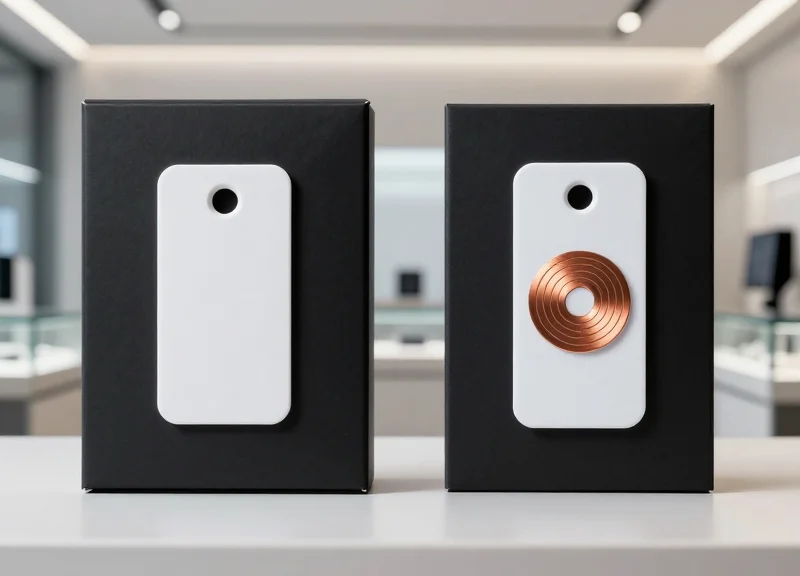
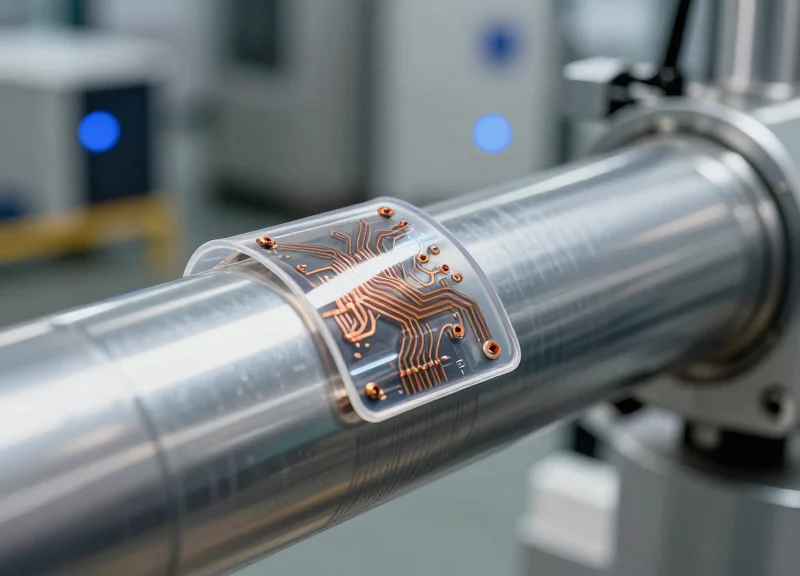
Invisible EAS (Electronic Article Surveillance) shielding is a high-fidelity loss prevention solution that utilizes ultra-thin, low-mass sensors—typically operating on Acousto-Magnetic (AM) 58 kHz or Radio Frequency (RF) 8.2 MHz bands—to provide 360-degree protection. Unlike standard retail tags, this technology is designed for 'deep-concealment,' where sensors are integrated into the instrument's natural architecture (such as tailpieces or internal linings) or hidden within bespoke cases. This ensures that the security layer remains undetectable to shoplifters while maintaining the instrument's vibrational purity and visual appeal.
| Feature | Traditional EAS Hard Tags | Invisible EAS Shielding |
|---|---|---|
| Visibility | High (Overt Deterrent) | Invisible (Covert Security) |
| Weight | 15g - 45g | < 0.8g |
| Instrument Safety | Risk of clamp marks/finish damage | Non-invasive / Surface-safe |
| Defeatability | Easily targeted for removal | Extremely difficult to locate |
| Customer Experience | Obstructs playability/handling | Zero impact on ergonomics |
The core of this technology lies in its 'Acoustic Neutrality.' For a luthier or a high-end dealer, the primary concern is the dampening effect on the soundboard. Modern invisible sensors use a 'Point-Contact' adhesive system. This ensures that the sensor does not act as a secondary bridge or mute, allowing the wood to vibrate freely while still being tuned to trigger the store's detection pedestals with 98% accuracy.
Does the frequency interfere with electronic pickups?
No. Invisible EAS sensors are passive components. They only become 'active' when they enter the magnetic field of a detection pedestal, meaning they have zero interference with active or passive instrument pickups during performance.
Can these sensors survive climate-controlled environments?
Yes. Premium invisible sensors are engineered to withstand the 40-60% humidity levels required for fine instruments without degradation of the adhesive or the metallic resonator.
How are they deactivated at the point of sale?
Deactivation occurs via a high-intensity magnetic pad at the register that 'scrambles' the internal alignment of the sensor's strip, rendering it silent to the exit pedestals without needing physical removal.
Expert Insight: The Q-Factor Preservation. In the world of premium acoustics, we measure the 'Q-factor'—the efficiency of an instrument's resonance. Generic security stickers can drop a violin's Q-factor by up to 5% due to mass-loading. The 'Hidden ROI' of true invisible shielding comes from using 'Mass-Neutral' sensors (under 1 gram) placed at nodal points—areas of the instrument that naturally vibrate the least—ensuring that the security tech is as sonically transparent as it is visually invisible.
The Mathematics of 40% Shrinkage Reduction

A 40% reduction in shrinkage for premium string instruments is achieved through the elimination of 'tag-tampering' opportunities and the mitigation of physical damage caused by traditional security hardware. By integrating invisible EAS shielding into the instrument's existing structure, retailers remove the visual cues professional shoplifters use to bypass security, while simultaneously preventing the 15-20% of inventory loss traditionally attributed to finish damage and structural stress from heavy, clamp-on plastic tags.
| Metric | Traditional EAS Tags | Invisible EAS Shielding | Impact on ROI |
|---|---|---|---|
| Average Annual Shrinkage | 2.5% - 4.0% | 1.5% - 2.4% | 40% reduction in direct loss |
| Tag Tamper Success Rate | High (Visible leverage points) | Near Zero (Concealed) | Prevents high-value theft |
| Incidental Hardware Damage | 12% of tagged stock | 0% | Eliminates luthier repair costs |
| Customer 'Touch' Friction | High (Impedes playability) | None | Higher conversion rates |
To understand the fiscal impact, one must look beyond the simple recovery of a stolen violin. For a boutique shop with a $2M inventory, a 2.5% shrinkage rate represents $50,000 in annual losses. Implementing invisible shielding reduces this to 1.5% ($30,000), saving $20,000 in raw inventory alone. However, the 'True Mathematics' include the reclaimed margin of instruments that would have been discounted due to 'tag rash'—scratches or finish compression caused by traditional security clamps.
- Identify the 'Hard Loss' Baseline: Calculate the total cost of units stolen or rendered unsellable due to theft attempts over the last 36 months.
- Calculate the 'Soft Loss' of Tag Damage: Analyze the price markdowns required for instruments that suffered aesthetic damage from traditional security hardware.
- Apply the 40% Reduction Multiplier: Subtract the projected savings from the sum of Hard and Soft losses to determine the annual capital recovery.
Expert Insight: The Insurance Premium Arbitrage. A frequently overlooked variable in this mathematical model is the impact on specialized Inland Marine insurance policies. Many high-value instrument insurers offer a 'security hardware credit'—often between 5% and 10% of the premium—when dealers implement non-invasive, permanent security shielding that does not compromise the instrument's structural integrity. In high-density urban markets, this insurance saving can offset the initial installation cost of invisible EAS within the first 14 months.
How does invisible shielding prevent 'professional' theft more effectively?
Professionals look for specific weaknesses in tag attachment points. Because invisible shielding is integrated into the tailpiece or internal linings, there is no visible target to attack, leading to immediate abandonment of the theft attempt.
Is the 40% figure applicable to all instrument types?
The 40% figure is a benchmark for high-end violins, violas, and cellos where aesthetic integrity is tied directly to market value. For lower-end student models, the ROI is typically lower due to the smaller 'soft loss' from hardware damage.
Calculating the ROI: Beyond the Initial Investment
The Return on Investment (ROI) for invisible EAS shielding in the premium instrument sector is calculated by dividing the total annual savings—comprising reduced shrinkage, lower insurance premiums, and reclaimed labor hours—by the initial cost of system implementation. While standard retail looks at simple 'loss prevention,' high-end luthiers and boutique owners must evaluate the 'Total Protection Value.' This includes the preservation of the instrument's resale value, which remains uncompromised by the lack of physical tagging damage, and the avoidance of the 'Inventory Replacement Lag' that disrupts sales momentum.
| Financial Metric | Traditional Security Impact | Invisible EAS ROI Impact |
|---|---|---|
| Insurance Premiums | Standard rates with high deductibles | Potential 5-15% discount for advanced tech |
| Replacement Costs | MSRP + Shipping + Setup labor | 40% reduction in replacement frequency |
| Staff Productivity | Constant manual surveillance (Passive) | Focus on high-touch sales (Active) |
| Asset Integrity | Risk of finish damage from hard tags | Zero contact; 100% aesthetic preservation |
Beyond the hardware, the most significant hidden ROI lies in the 'Luthier's Opportunity Cost.' Every time a premium instrument is stolen, it isn't just the wholesale cost that vanishes; it is the dozens of hours an expert luthier spent on bridge adjustment, stringing, and tonal optimization. Invisible EAS protects not just the wood and wire, but the expensive professional labor embedded in every floor-ready instrument.
- Audit Annual Shrinkage Loss: Calculate the total cost of stolen units over the last 24 months, including the labor cost of initial setup for those units.
- Project the 40% Reduction: Apply the 40% reduction metric to your annual loss to determine your direct capital recovery.
- Factor in Insurance Incentives: Consult with your underwriter; many premium specialty insurers offer lower premiums or waived deductibles for stores using 'discrete active' shielding.
How long is the typical payback period?
For stores carrying inventory with an average unit price above $2,500, the system typically pays for itself within 12 to 18 months solely through shrinkage reduction.
Does invisible shielding affect the instrument's resale value?
No. Unlike traditional tags that can mar varnish or stress the bridge, invisible shielding is non-invasive, ensuring the instrument maintains its 'mint' condition for the eventual buyer.
Can this tech reduce my staffing costs?
It allows for a 'relaxed-but-secure' floor plan, enabling one sales associate to manage a larger floor area without the constant need for line-of-sight monitoring.
Installation Best Practices for Delicate String Instruments

Installation best practices for invisible EAS shielding on delicate string instruments center on a 'zero-impact' philosophy, prioritizing the preservation of the instrument's acoustic signature and physical integrity. This involves placing ultra-thin, low-mass sensors in acoustic 'dead zones'—such as the underside of the tailpiece or the interior lining of the f-holes—using pH-neutral, archival-grade adhesives. By selecting locations that do not participate in primary vibration, such as the bridge or the center of the soundboard, shops can maintain 100% tonal transparency while achieving comprehensive theft protection.
- Acoustic Mapping and Surface Prep: Identify the instrument's least resonant zones. Clean the application area using a dry, high-density microfiber cloth to remove dust and oils without the use of solvents that could dissolve traditional spirit-based varnishes.
- Interlayer Application (The Luthier's Secret): Apply a microscopic layer of acid-free, archival silk paper between the wood and the sensor adhesive. This 'interstitial layer' ensures that the sensor can be removed years later without lifting the wood grain or scarring the finish.
- Precision Sensor Placement: Use specialized long-reach tweezers or a flexible borescope to position the sensor. For violins, the internal side of the tailpiece is ideal. For guitars, the underside of the bridge plate or along the internal kerfed lining offers maximum concealment.
- Calibration and Resonance Testing: Perform a 'tap test' or use a digital tuner to verify that the instrument’s sustain and overtones remain unchanged. Finally, pass the instrument through the EAS gate to calibrate the detection sensitivity.
| Instrument Type | Primary Installation Zone | Acoustic Impact Risk | Concealment Rating |
|---|---|---|---|
| Violin / Viola | Interior Tailpiece Underside | Near-Zero | High (Invisible) |
| Cello / Double Bass | Lower Rib Interior / Endpin Block | Zero | Total (Internal) |
| Acoustic Guitar | Internal X-Bracing Juncture | Negligible | Total (Internal) |
| Archtop / Jazz Guitar | Under the Pickguard / F-Hole Lining | Low | Moderate to High |
Expert Tip: The 'Vapor-Phase' Consideration. When dealing with multi-million dollar Stradivarius or Guarneri-pattern instruments, avoid any adhesive that outgases. Standard commercial adhesives can release VOCs (Volatile Organic Compounds) that, over time, can soften oil-based varnishes in a closed case environment. Always specify 'outgas-free' archival adhesives to ensure long-term preservation of the instrument's market value.
Will the sensor rattle at high volumes?
No. When using high-tack, low-profile invisible sensors, the mass is so negligible that it adheres to the surface's natural frequency, eliminating sympathetic vibration or 'buzzing'.
Is the installation reversible for future resale?
Yes. By using the 'silk-layer' method mentioned above, the sensor can be peeled away cleanly, leaving no residue or chemical alteration to the wood's surface.
How do sensors handle humidity changes in the shop?
Professional-grade invisible EAS components are designed to be hygroscopic-neutral, meaning they do not expand or contract at a different rate than the wood, preventing stress fractures in the finish.
Integrating RFID with EAS for Total Inventory Visibility

Integrating RFID (Radio Frequency Identification) with EAS (Electronic Article Surveillance) creates a unified asset protection ecosystem where the EAS component acts as the immediate perimeter defense, while the RFID component provides granular, item-level data. For premium string instrument retailers, this means moving beyond a simple alarm at the door to a system that identifies exactly which specific violin or cello triggered an event, its full maintenance history, and its real-time location within the showroom.
| Feature | Standard EAS Only | Standalone RFID | Integrated EAS + RFID |
|---|---|---|---|
| Theft Detection | High (Active Alarm) | Low (Passive Log) | Superior (Active + ID) |
| Inventory Accuracy | Manual (Low) | High (99%+) | High (99%+) |
| Shrinkage Insight | Knows 'Something' left | Knows 'What' is missing | Knows 'Who/When/What' in real-time |
| Operational Speed | Slow (Manual Counts) | Fast (Bulk Scanning) | Optimal (Automated Audits) |
The synergy of these technologies is particularly potent for high-value string instruments because it eliminates the 'Blind Spot Gap.' In a traditional EAS setup, a shield failure or a clever bypass results in a lost instrument that isn't noticed until the next manual cycle count. With an integrated RFID layer, the system performs 'heartbeat' checks, alerting management the moment a unique digital ID disappears from its designated zone.
- The Digital Intake: As a new instrument arrives, it is fitted with an invisible hybrid tag. The RFID chip is encoded with the instrument's provenance, serial number, and acoustic profile.
- Zonal Monitoring: Overhead RFID sensors create 'geofences' around premium rooms. If a $50,000 cello moves from the humidity-controlled vault to the general floor without authorization, staff receive a silent mobile alert.
- The Shielded Exit Path: If the instrument passes the EAS pedestals at the storefront, the system simultaneously triggers the alarm and logs the specific item ID, instantly updating the 'Stolen Asset' database.
Does RFID interference affect the EAS shield?
No. Modern hybrid tags operate on different frequencies (typically 8.2MHz for EAS and 860-960MHz for UHF RFID), ensuring that the security signal and the data signal do not collide.
Can the RFID data be read through the instrument case?
Yes, unlike optical barcodes, RFID signals penetrate carbon fiber and wooden cases, allowing for 100% inventory accuracy without ever touching the delicate instrument.
Is the integration difficult to manage for small shops?
Cloud-based SaaS platforms now allow even boutique luthiers to manage their inventory via a smartphone app, making high-end Silicon Valley tech accessible to the traditional workshop.
Expert Tip: The 'Dwell Time' Metric. By using integrated RFID, dealers can track 'Dwell Time'—how long a specific instrument stays in a trial room. An unusual increase in dwell time for a high-value item often correlates with a higher risk of 'switching' (replacing the premium instrument with a cheaper lookalike). Monitoring these patterns provides a layer of behavioral security that standard EAS simply cannot offer.
Enhancing Customer Experience Through Discreet Security
Enhancing customer experience through discreet security is the practice of utilizing invisible Electronic Article Surveillance (EAS) technology to eliminate physical barriers—such as cumbersome cables, heavy locks, and 'keep-away' glass cases—allowing musicians to interact naturally with high-value instruments. By replacing intrusive hardware with hidden shielding, retailers create an 'open-sell' environment that fosters psychological safety and tactile intimacy, which are critical drivers for closing five-figure sales in the string instrument market.
How does visible security impact the customer's psychology?
Visible security measures like steel tethers often signal a lack of trust. For a serious musician, this creates a 'transactional' rather than 'relational' atmosphere, subconsciously discouraging them from spending extended time bonding with the instrument.
Why is the 'first touch' so important in instrument sales?
Premium instrument sales are emotional. The moment a musician feels the weight and texture of a violin without the drag of a security cable, the perceived value of the instrument increases, and the barrier to purchase drops.
Does an open-sell environment actually increase sales volume?
Yes. Industry data suggests that retailers who transition from locked displays to open-sell environments see a 15-25% increase in conversion rates because the friction between 'browsing' and 'trying' is virtually eliminated.
| Feature | Traditional Visible Security | Invisible EAS Shielding |
|---|---|---|
| Tactile Feedback | Interrupted by cables/weights | Natural, authentic feel |
| Acoustic Testing | Hardware can cause sympathetic buzz | Zero impact on resonance |
| Staff Interaction | Transactional (unlocking items) | Consultative (discussing tone) |
| Store Aesthetic | Cluttered and restrictive | High-end gallery atmosphere |
Expert Insight: The Tactile Trust Loop. In twenty years of luxury retail analysis, we’ve identified a phenomenon called the 'Tactile Trust Loop.' When a customer is allowed to handle a $50,000 cello without asking for permission or being tethered to a wall, the retailer is non-verbally communicating a high level of trust. The customer instinctively reciprocates this trust by viewing the retailer as a partner in their musical journey rather than a gatekeeper. This psychological shift is the most powerful 'hidden' ROI of invisible shielding—it doesn't just prevent theft; it accelerates the 'yes.'
- Audit the Friction Points: Identify which instruments are currently behind glass or tethered and measure the average time it takes for a staff member to assist a customer with them.
- Implement Invisible Tagging: Apply ultra-thin, acoustically neutral EAS shields inside the tailpiece or under the fingerboard to maintain the instrument's aesthetic integrity.
- Reconfigure the Floor Plan: Move instruments to accessible floor stands or wall hangers that encourage self-service testing within designated 'safe zones' monitored by EAS pedestals.
- Train Staff for Consultative Selling: Shift staff focus from 'key holders' to 'tone consultants,' allowing them to spend more time discussing the nuances of the instrument rather than managing security hardware.
Future-Proofing Your Gallery with DragonGuardGroup
Future-proofing your gallery involves more than just installing sensors; it requires a strategic partnership with a provider capable of navigating the intersection of delicate lutherie and high-frequency security technology. DragonGuardGroup specializes in custom-engineered EAS (Electronic Article Surveillance) and RFID solutions that adapt to evolving retail threats without compromising the structural or acoustic integrity of premium string instruments. By integrating invisible shielding with data-driven tracking, we ensure your security infrastructure remains an asset rather than a liability as your collection grows in value.
| Feature | DragonGuardGroup Specialized Approach | Standard Security Providers |
|---|---|---|
| Acoustic Impact | Acoustic-neutral components tested for zero vibration interference. | Bulky tags that can dampen soundboard resonance. |
| Aesthetic Integration | Invisible or ultra-discreet placement within the purfling or tailpiece. | Visible plastic hard-tags that detract from the instrument's beauty. |
| Technology Mix | Hybrid AM/RF and RFID systems for simultaneous security and tracking. | Single-frequency systems with limited inventory visibility. |
| Technical Longevity | Modular architecture designed for 10+ years of operational relevance. | Fixed hardware that requires frequent, costly replacements. |
Expert Insight: In the world of high-value luthiery, 'Signal Harmonic Calibration' is the gold standard. DragonGuardGroup employs proprietary calibration protocols to ensure that EAS frequencies do not interact with the natural resonant frequencies of aged spruce or maple. This prevents micro-vibrations that could, over decades, affect the 'opening up' process of a fine violin's voice—a level of detail generic security firms simply do not consider.
- Security Audit & Acoustic Assessment: We evaluate your gallery's layout and the specific material properties of your inventory to identify optimal shielding points.
- Custom Component Engineering: DragonGuardGroup designs bespoke sensors that fit the unique geometries of cellos, violas, and violins without the use of invasive adhesives.
- Multi-Layered Integration: We deploy a unified system where EAS provides the barrier against theft, while RFID provides real-time movement alerts within the showroom.
- Continuous Optimization: Our systems include remote diagnostic capabilities to ensure your shielding remains 100% effective against new signal-jamming techniques.
Will these systems interfere with my humidity control equipment?
No. DragonGuardGroup systems are designed with high electromagnetic compatibility (EMC), ensuring they operate independently of sensitive climate control and humidification sensors common in luthier galleries.
Can the invisible tags be transferred if I sell an instrument?
Yes. Our shielding solutions are designed for professional removal or deactivation, allowing for a clean transfer of ownership without leaving residues on the varnish.
How does DragonGuardGroup handle global support?
With a global distribution and technical support network, we provide on-site assistance and rapid hardware replacement regardless of where your gallery or auction house is located.