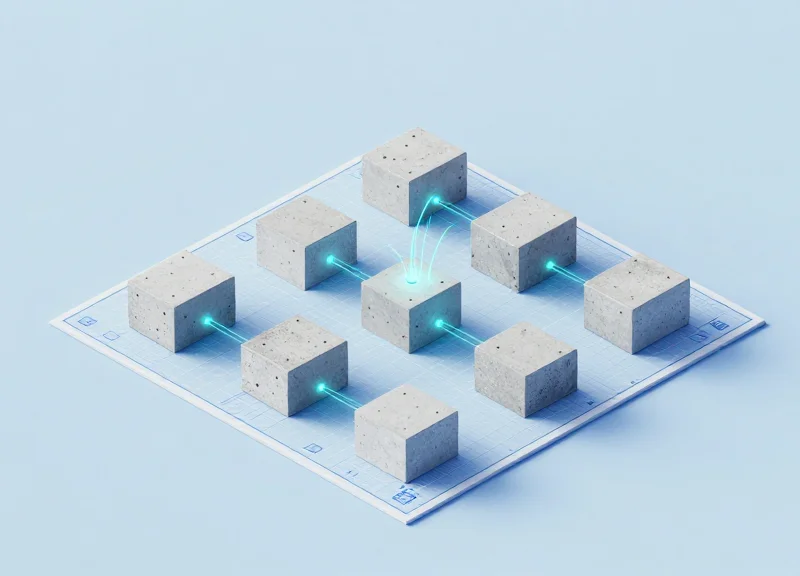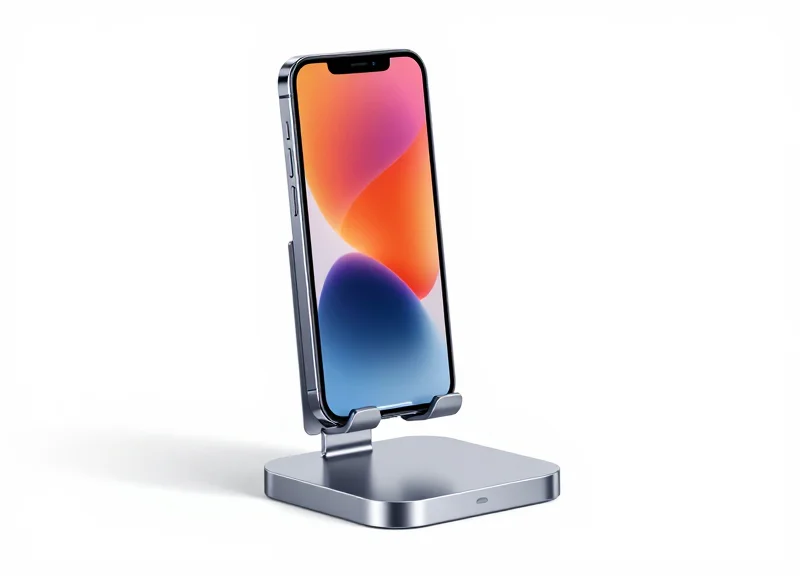
In the rapidly evolving retail landscape of 2026, balancing high-security protection with an immersive customer experience is more critical than ever. As smartphones and e-readers become more sophisticated and valuable, retailers must transition from basic locks to intelligent security display stands. At DragonGuardGroup, we understand that the right display stand does more than prevent theft; it enhances product interaction and drives sales. This guide explores the five essential criteria you need to consider to future-proof your retail security strategy and protect your bottom line.
The Evolution of Retail Security: Trends for 2026

By 2026, the evolution of retail security for high-value electronics like smartphones and e-readers is defined by the transition from "mechanical lockdown" to "intelligent connectivity." Traditional heavy-duty cables are being replaced by high-tensile, ultra-thin fiber optics and wireless alarm sensors that allow customers to experience the weight, texture, and ergonomics of a device without compromising the store's safety. The goal for modern retailers is no longer just to prevent theft, but to facilitate an unhindered tactile interaction that converts browsers into buyers.
| Feature | 2020 Standard | 2026 Evolution |
|---|---|---|
| Primary Barrier | Thick Steel Coiled Cables | Ultra-Thin Fiber/Wireless Tethers |
| Monitoring | Localized Audible Sirens | Cloud-Integrated AI Analytics |
| Power Management | Standard Charging Ports | Smart PD (Power Delivery) Hubs |
| Customer Friction | High (Limited Movement) | Low (Immersive Interaction) |
Retailers are moving away from passive stands toward proactive security ecosystems. In the 2026 landscape, a security stand is a sophisticated data node. These units now track 'lift-to-dwell' ratios—the time a customer spends holding a device—providing valuable marketing analytics while simultaneously performing real-time health checks on the device's software and battery status.
Why are mechanical-only locks becoming obsolete?
Mechanical locks create high friction for the user and fail to protect against sophisticated theft tools. Modern thieves can bypass basic physical locks faster than digital alerts can trigger.
What is AI-Triggered Security?
These systems use sensor fusion to detect suspicious handling patterns—such as rapid tugging or shielding—to trigger silent alerts to floor staff before a theft is even attempted.
How does sustainability impact 2026 security hardware?
Leading manufacturers are adopting modular designs, allowing retailers to swap out only the charging head or the alarm module rather than replacing the entire metal stand, significantly reducing e-waste.
Expert Tip: The 'Invisible Friction' Doctrine. My two decades in Silicon Valley marketing and retail tech show that the most successful 2026 strategies focus on psychological decoupling. This means implementing security that recognizes a genuine customer via motion patterns and allows a full range of movement, but utilizes a 'dynamic resistance' motor that hard-locks only when it detects the high-velocity trajectory of a snatch-and-run. If the customer never feels the security system, they are 40% more likely to reach the point of purchase.
Criterion 1: Seamless Integration of Mechanical and Electronic Alarms
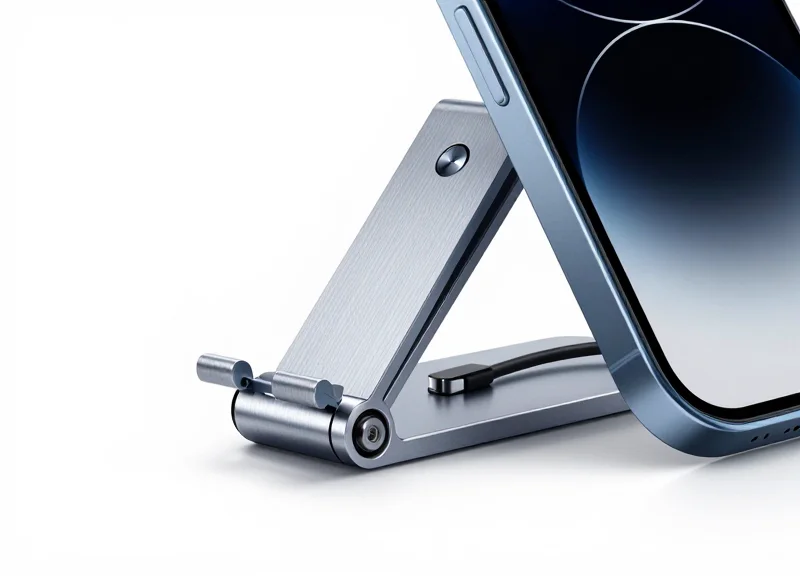
In 2026, the best security display stands utilize a hybrid protection architecture that fuses robust mechanical locking mechanisms with ultra-responsive electronic sensors into a single, cohesive unit. This integration ensures that even if a physical tether is compromised, a secondary electronic alarm is triggered instantly, providing a fail-safe environment for high-value smartphones and e-readers. The goal is no longer just to prevent theft, but to create a 'responsive deterrent' that communicates security through both physical resistance and active digital monitoring.
| Feature | Mechanical Only | Electronic Only | Integrated Hybrid (2026 Standard) |
|---|---|---|---|
| Primary Defense | Steel cables/brackets | Charging port sensors | Steel-core power cables + multi-point sensors |
| Theft Response | Physical resistance only | Audible siren only | Siren + Physical Lock + Remote Notification |
| Customer Experience | Heavy and restrictive | Free-form but high risk | Balanced 'weightless' feel with active tether |
True seamlessness means the electronic alarm is aware of the mechanical state. Modern stands now feature Dynamic Tension Monitoring (DTM). This 2026 innovation allows the stand to distinguish between a customer naturally pulling the device to eye level and a sudden, high-velocity jerk indicative of a 'grab-and-run' attempt. By synchronizing the physical tension of the recoiler with the sensitivity of the electronic sensor, retailers can drastically reduce false alarms while maintaining a high security posture.
Why is 'seamless integration' better than using two separate systems?
Using separate mechanical locks and electronic alarms often leads to 'alarm fatigue' due to lack of communication between components. An integrated system uses a single motherboard to process data from both physical tethers and power sensors, ensuring that the alarm only sounds during legitimate security breaches.
Does the mechanical component affect the device's charging speed?
In top-tier 2026 stands, the mechanical cable also serves as the high-speed data and power conduit. This 'single-cable' design ensures the device remains fully charged and updated without the clutter of additional security wires.
Can these integrated systems be managed remotely?
Yes. Integrated stands typically connect to a centralized retail IoT hub, allowing managers to arm, disarm, or adjust sensitivity levels for both mechanical and electronic components via a single dashboard.
Expert Tip for 2026: Look for stands that offer 'Haptic Warning Feedback.' Before a full-scale audible alarm is triggered, the stand can provide a gentle mechanical vibration to the device if the user reaches the end of the cable's range. This 'soft' mechanical-electronic interaction improves user experience by preventing accidental alarm triggers.
Criterion 2: Cross-Device Compatibility and Universal Charging
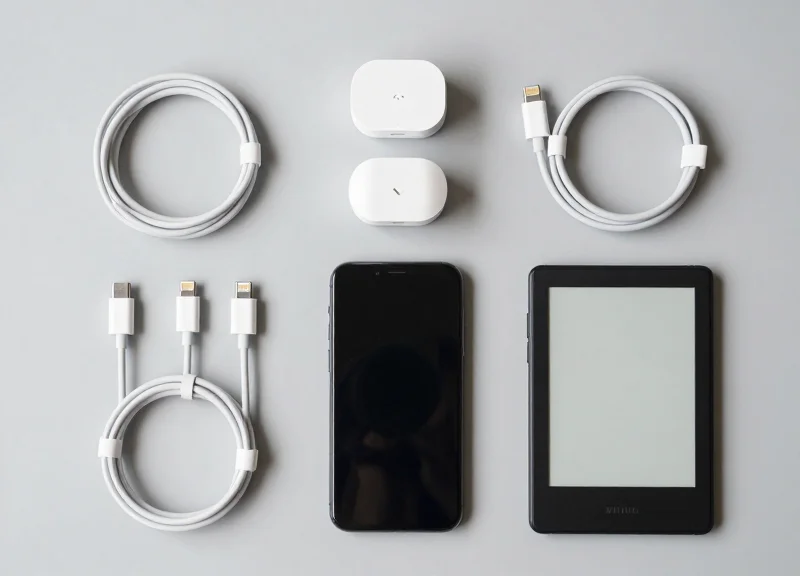
In 2026, the hallmark of an elite security display stand is Agnostic Infrastructure. This means a single hardware investment must seamlessly accommodate the physical and electrical requirements of diverse device categories—including flagship smartphones, foldable screens, and large-format e-readers. To achieve this, modern stands utilize adjustable mechanical grips and standardized electronic interfaces (primarily USB-C PD) that detect and deliver the precise voltage required for each specific device. This flexibility eliminates the need to replace entire security arrays every time a new product generation is launched, significantly lowering the total cost of ownership (TCO) for retailers.
| Feature | Legacy Security Stands | 2026 Standard Requirements |
|---|---|---|
| Charging Protocol | Fixed 5V/1A or 2A (Slow) | Dynamic USB-C Power Delivery (PD) 3.1 |
| Connector Types | Proprietary or fixed cables | Modular, swappable magnetic connectors |
| Device Fitment | Model-specific cradles | Universal micro-adjustable mounting |
| Power Monitoring | None (Continuous trickle) | Smart Power Orchestration (Avoids battery swelling) |
Expert Insight: The 'Zombie Device' Problem. A unique challenge in 2026 is managing the power-hungry background processes of modern demo units. Many traditional security stands provide enough power to charge a dormant device, but not enough to keep a 'Live Demo' unit running while it performs high-brightness video loops and background software updates. If your stand doesn't support at least 20W-30W Power Delivery, you risk 'Zombie Devices'—units that are physically secure but have dead batteries, rendering the customer experience useless. Always verify that the stand's internal power supply can handle the peak load of multiple connected devices simultaneously.
Can a single stand really support both a smartphone and a 10-inch e-reader?
Yes, provided the stand features an open-frame design with adjustable 'wings' or a magnetic mounting plate. The primary constraint is weight and balance; ensure the stand's base is weighted to prevent tipping when larger e-readers are interacted with.
Why is 'Universal Charging' important if everything is moving to USB-C?
While the physical port is standardizing, the internal handshake (Power Delivery) is not. A stand with universal charging intelligence negotiates with the device's chipset to prevent overheating and battery degradation, which is critical for units that remain plugged in 24/7.
What happens when a device manufacturer changes the port location?
Look for stands with 'pigtail' or 'tethered' sensor cables rather than fixed docks. This allows you to plug into ports on the bottom, side, or top of a device without needing to remount the entire security base.
Criterion 3: User Experience (UX) and Product Accessibility
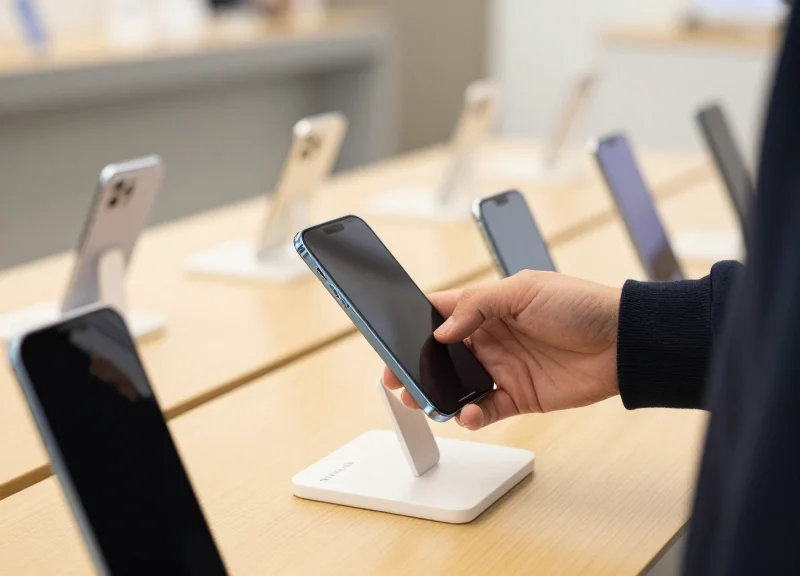
In the 2026 retail landscape, the 'open display' philosophy has evolved from a luxury to a requirement. User Experience (UX) in security stands refers to the ability of a customer to interact with a smartphone or e-reader as if it were unattached, allowing for a realistic assessment of weight, balance, and hand-feel. Effective accessibility ensures that the security hardware—specifically the recoilers and sensors—provides minimal resistance, enabling a frictionless path from curiosity to purchase.
- Zero-Drag Recoilers: High-quality stands utilize constant-force springs that provide a smooth, even pull, preventing the 'snapping' sensation that can make premium devices feel tethered and cheap.
- Haptic Authenticity: The stand must allow the user to experience the device's true center of gravity. Sensors should be low-profile enough that they don't interfere with the user's natural grip.
- True-Rotation Bases: 360-degree rotation is essential for smartphones to test both portrait and landscape modes, particularly for gaming and video playback demonstrations.
| Feature | Legacy Security (Pre-2024) | 2026 UX-Optimized Security |
|---|---|---|
| Cable Resistance | High/Variable tension | Ultra-low 'Invisible' tension |
| Device Interaction | Limited to 30-40cm reach | Extended reach with magnetic docking |
| Sensor Profile | Bulky, obstructs cameras | Micro-sensors with 'Hidden' wiring |
Expert Insight: The 'Goldilocks' Pull-Force Metric. In my two decades of retail strategy, I've seen brands lose millions because of 'cord-shyness.' For 2026, the industry standard for premium smartphones is a pull force of less than 0.5 Newtons. Anything higher creates a psychological barrier where the customer feels they are 'borrowing' the device rather than 'owning' it. If the cable fights the customer, you’ve already lost the sale.
How does 'Open Display' impact conversion rates?
Studies show that customers who can hold a device for more than 30 seconds without physical obstruction are 40% more likely to proceed to checkout.
Are these stands ADA compliant?
Modern stands for 2026 are designed with height-adjustable mounts and extended cable reach to ensure accessibility for customers in wheelchairs or with limited mobility.
Does the cable length matter for E-readers?
Yes. E-readers require longer cables (minimum 90cm) to allow users to simulate a reading posture, which is often further from the display shelf than smartphone usage.
Criterion 4: Smart Integration with RFID and ESL Systems

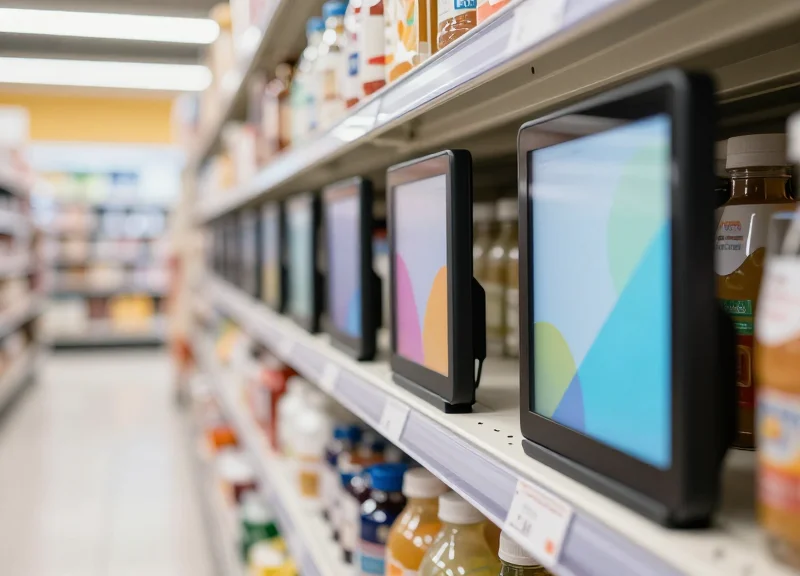
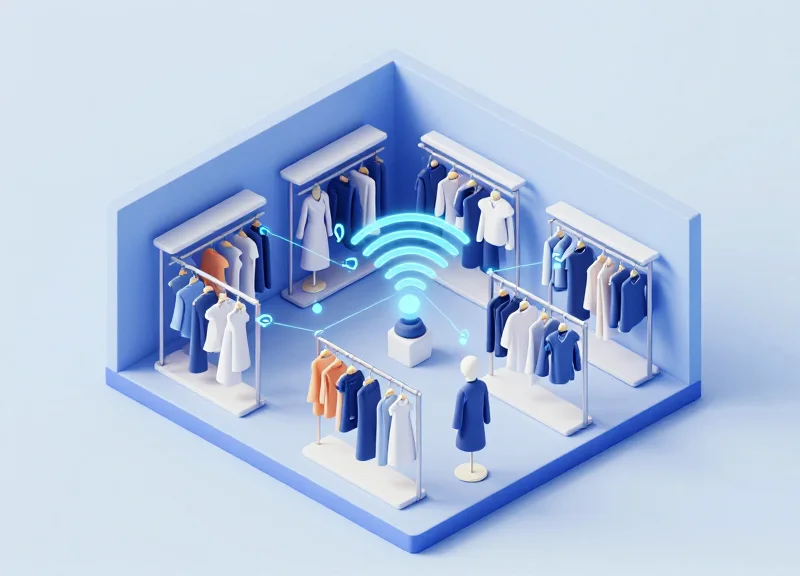
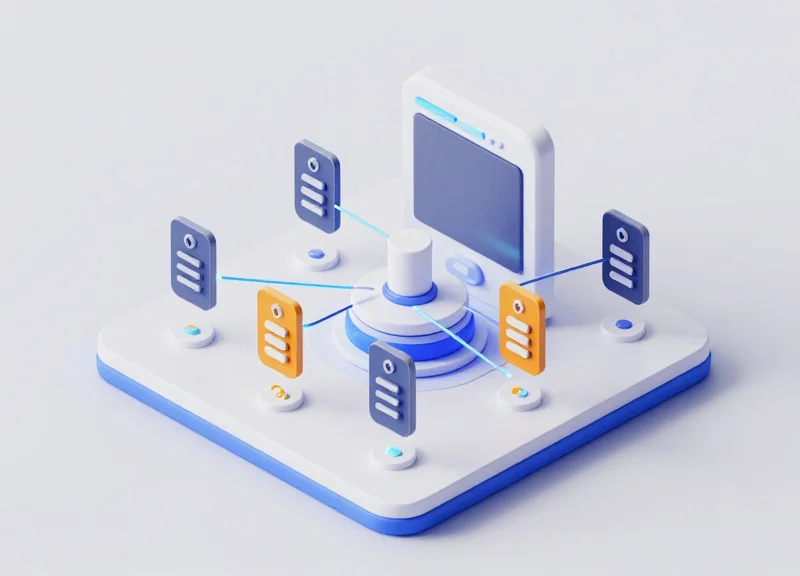
In the 2026 retail landscape, the best security display stands for smartphones and e-readers are no longer isolated hardware; they are intelligent nodes within a Unified Retail Ecosystem. Smart integration allows the stand to communicate directly with Radio Frequency Identification (RFID) for real-time inventory tracking and Electronic Shelf Labels (ESL) for dynamic pricing and promotion. This synergy ensures that when a device is removed from a stand—whether for a customer trial or a theft attempt—the store's central management system is updated instantly, bridging the gap between physical security and digital asset management.
| Feature | Traditional Security Stands | 2026 Smart Integrated Stands |
|---|---|---|
| Data Connectivity | None (Standalone Alarm) | Wireless (BLE, Zigbee, or Thread) |
| Inventory Sync | Manual Stock Counts | Real-time RFID Asset Tracking |
| Price Management | Paper Labels / Independent ESL | Automated Stand-to-ESL Sync |
| Theft Response | Local Audible Siren Only | Silent RFID Alerts to Staff Wearables |
Expert Insight: The 'Shadow Alert' Protocol. A unique trend for 2026 is the implementation of 'Shadow Alerts.' Instead of an immediate loud siren that disrupts the shopping experience, smart stands detect high-risk handling and trigger a silent RFID ping to the nearest staff member's smartwatch. Simultaneously, the connected ESL can change its display to offer a 'Special Assistance' message or a QR code, subtly letting the potential thief know they are being monitored while providing a high-touch service opportunity for genuine customers.
- Identify Communication Protocols: Ensure the stand supports common smart retail protocols like Zigbee or Bluetooth Low Energy (BLE) to talk to existing ESL gateways.
- Verify RFID Shielding: Check that the mechanical structure of the stand does not interfere with RFID signals, allowing the device's internal tag to be read clearly by ceiling sensors.
- API Accessibility: Select stands from manufacturers that provide open APIs, allowing your IT team to link security events (like a power-cut alarm) to inventory software.
Will RFID integration drain the smartphone battery faster?
No. Modern 2026 stands use passive RFID tags or ultra-low-power active tags that have zero impact on the displayed device's battery health.
Can ESLs be mounted directly on the security stand?
Yes, the most advanced 2026 models feature 'Click-and-Sync' slots where an ESL can be snapped onto the base, automatically pairing the price tag with the specific serial number of the secured device.
What happens if the store Wi-Fi goes down?
Leading systems use Mesh Networking. If the central hub fails, the stand and the ESL maintain a local connection to ensure security and pricing integrity remain intact.
Criterion 5: Aesthetic Minimalism and Brand Alignment
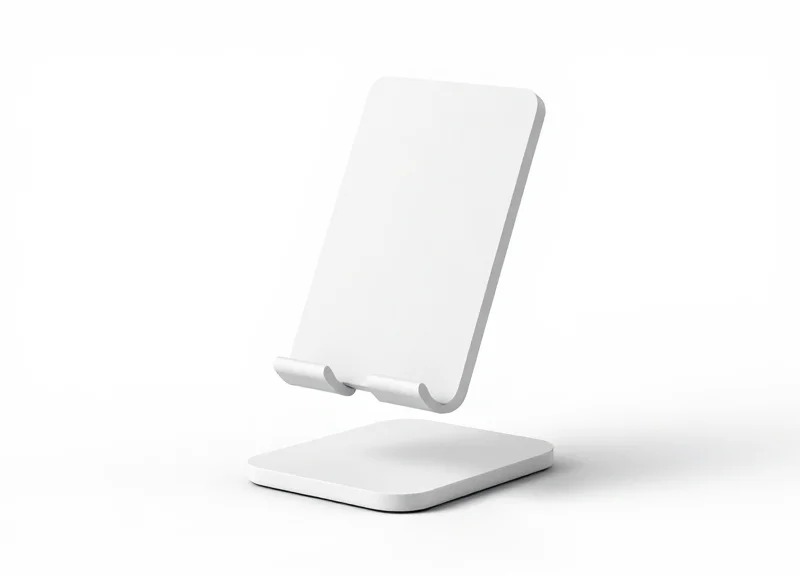
By 2026, the benchmark for premium retail security is defined by the reduction of 'visual friction.' Aesthetic minimalism in security stands involves choosing hardware that acts as a silent extension of the smartphone or e-reader itself, rather than a bulky deterrent. This means prioritizing ultra-low-profile bases, concealed cabling, and material finishes—such as anodized aluminum or brushed steel—that mirror the industrial design of the flagship devices they protect. When security hardware aligns with your brand's visual identity, it removes the psychological barrier between the customer and the product, fostering a sense of trust and premium value.
- Zero-Visibility Cable Management: Modern stands must utilize 'through-the-counter' or internal routing to ensure no unsightly wires distract from the device's silhouette.
- Material Synchronicity: Selection should favor materials like polycarbonate or aircraft-grade alloys that match the haptic quality of modern electronics.
- Proportional Scaling: Stands should offer different cradle sizes or adjustable grips to ensure a small e-reader doesn't look overwhelmed by its security mount.
- Color Neutrality & Customization: Standardized palettes (Matte Black, Arctic White, Silver) are essential for blending into diverse retail environments.
| Feature | Legacy Security (Pre-2024) | Aesthetic Security (2026+) |
|---|---|---|
| Form Factor | Bulky, heavy-duty clamps | Slim, 'floating' display mounts |
| Wiring | Coiled external cables | Hidden or retractable ultra-thin sensors |
| Brand Impact | High friction; 'locked-down' feel | Zero friction; enhances device prestige |
| Customer Interaction | Distracting and restrictive | Intuitive and immersive |
Expert Insight: The 'Halo Effect' of Hardware. In our experience at the intersection of retail tech and marketing, the stand is never just a stand; it is a subconscious signal of the product's worth. If a $1,500 foldable smartphone is mounted on a plastic, rattling security base, the customer's perceived value of that phone drops instantly. By 2026, successful retailers will treat security stands as 'merchandising furniture.' Our data suggests that minimalist displays can increase customer dwell time by up to 22% compared to traditional, high-friction security setups.
Why is 'visual friction' a concern for e-readers specifically?
E-readers are lifestyle products meant to mimic the comfort of paper. A bulky security stand breaks that immersion, making it harder for the user to imagine using the device in their daily life.
Does minimalism mean the stand is less secure?
Not at all. The 2026 generation of stands uses high-tensile internal steel cores and advanced adhesives that provide superior break-strength while maintaining a much smaller footprint than older models.
How can I ensure my stands align with a customized brand launch?
Look for manufacturers offering modular 'skins' or interchangeable base covers that allow you to update the color or texture of your security hardware without replacing the entire system.
Total Cost of Ownership: Beyond the Initial Price Tag
Total Cost of Ownership (TCO) for security display stands in 2026 is defined as the sum of initial procurement costs plus the cumulative expenses of installation, technical labor, maintenance, and the potential revenue loss caused by device downtime or theft. Unlike simple purchase price, TCO accounts for the longevity of the hardware—typically three to five years for premium models versus twelve months for budget alternatives—and the efficiency gains realized through reduced false alarms and modular component replacement. High-quality stands are an investment in operational stability, ensuring that premium electronics remain charged, secure, and ready for customer interaction without constant manual intervention.
| Expense Category | Generic Budget Stands | Premium 2026 Solutions |
|---|---|---|
| Upfront Unit Price (CAPEX) | Low ($45 - $75) | Moderate ($130 - $195) |
| Projected Lifespan | 12 - 18 Months | 48 - 60+ Months |
| Cable Durability | Standard PVC (High wear) | Reinforced Steel/Aramid Fiber |
| Annual Maintenance Labor | Moderate to High | Near Zero (Self-Diagnostic) |
| Replacement Part Availability | Limited / Discontinued | Guaranteed 5-Year Support |
The 'Hidden Labor Friction' Factor: In my twenty years of Silicon Valley experience, the most overlooked TCO factor is what I call Friction-Induced Sales Loss. When security stands are difficult to reset or frequently trigger false alarms, retail staff subconsciously avoid the display area to avoid the annoyance. A 2026 retail study suggests that for every false alarm triggered, customer engagement in that specific zone drops by 22 percent for the following hour. A premium stand with high-fidelity sensors and AI-driven false-alarm suppression doesn't just save on hardware; it protects your conversion rate and ensures your staff focuses on selling rather than troubleshooting.
Why is modularity important for TCO?
Modularity allows retailers to swap out individual components, such as changing a Lightning connector for a USB-C or future wireless charging puck, without replacing the entire security base. This extends the product lifecycle and reduces environmental waste and replacement costs.
How does smart charging reduce long-term costs?
Modern stands utilize smart-charging cycles that prevent battery bloat in floor models by managing heat and power delivery. Since the cost of a high-end smartphone far exceeds the cost of a stand, protecting the internal device battery is a critical component of the TCO calculation.
What is the impact of false alarms on ROI?
False alarms create a 'boy who cried wolf' scenario where staff become desensitized to actual theft risks. Additionally, the loud noise disrupts the premium shopping experience, leading to a measurable drop in customer dwell time and brand perception.
Future-Proofing Your Store with DragonGuardGroup
Future-proofing your retail space with DragonGuardGroup involves deploying an 'Intelligent Security Ecosystem' that combines high-tensile physical theft prevention with integrated RFID and EAS sensors, allowing retailers to transition from passive loss prevention to active, data-driven inventory management. In the 2026 landscape, a display stand is no longer just a holder; it is a node in your store's digital network that monitors device health, customer engagement, and security integrity in real-time.
| Feature | Industry Standard (2024) | DragonGuardGroup 2026-Ready |
|---|---|---|
| Charging Compatibility | Standard USB-A / Basic USB-C | Smart Power Delivery (PD 3.1) with Auto-Negotiation |
| Security Integration | Standalone Alarms | Hybrid EAS/RFID Cloud-Synced System |
| Modularity | Fixed Cable Designs | Swappable 'Click-In' Magnetic & Mechanical Ports |
| Data Analytics | None / Offline Only | Real-time Dwell Time & Interaction Tracking |
One unique insight that sets DragonGuardGroup apart for 2026 is their 'Adaptive Security Logic' (ASL). Unlike traditional stands that offer a binary on/off alarm, ASL systems can adjust alarm sensitivity and volume based on real-time store variables like foot traffic density or staff proximity. During peak hours, the system can switch to a 'high-awareness' mode that triggers pre-alarms—short, subtle beeps—to deter professional shoplifters before a full breach occurs, effectively using psychology alongside technology to reduce shrinkage.
Can DragonGuardGroup stands be integrated with existing ESL systems?
Yes, the latest 2026 series is designed with open API protocols specifically for synchronization with Electronic Shelf Labels (ESL), ensuring that security alerts and pricing updates occur within the same software environment.
How does the modular design contribute to long-term ROI?
Because the core stand base is decoupled from the specific charging head (Lightning, USB-C, or proprietary), you only need to replace the inexpensive cable component when new device generations are released, rather than replacing the entire security display.
Does RFID integration require a complete store overhaul?
No. DragonGuardGroup offers hybrid modules that work with existing AM or RF pedestals while adding RFID capabilities at the display level, allowing for a phased transition to full RFID inventory tracking.