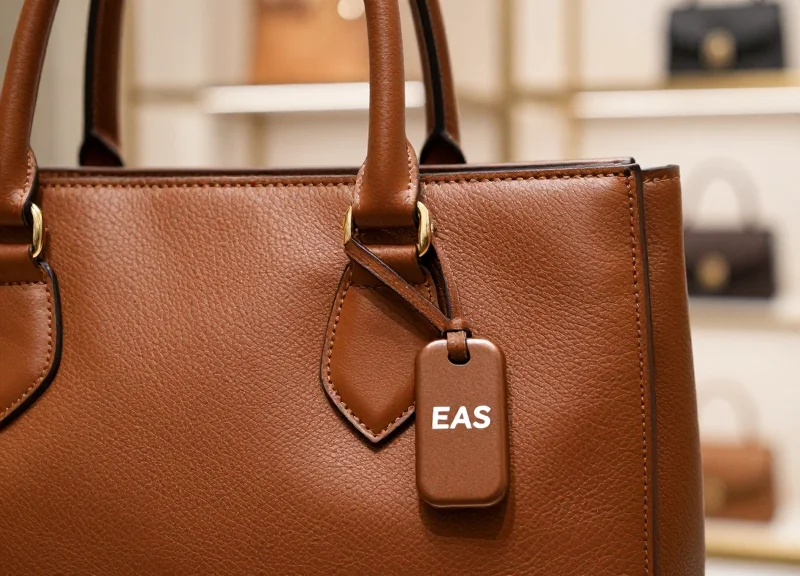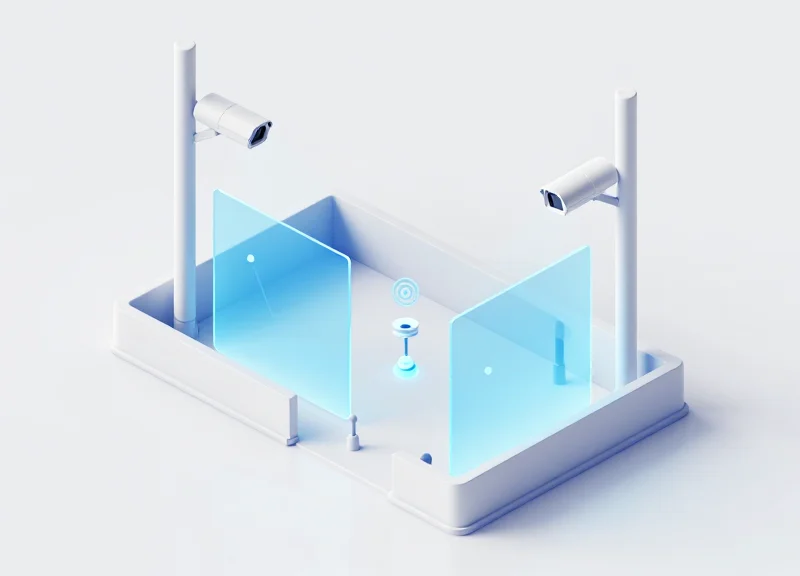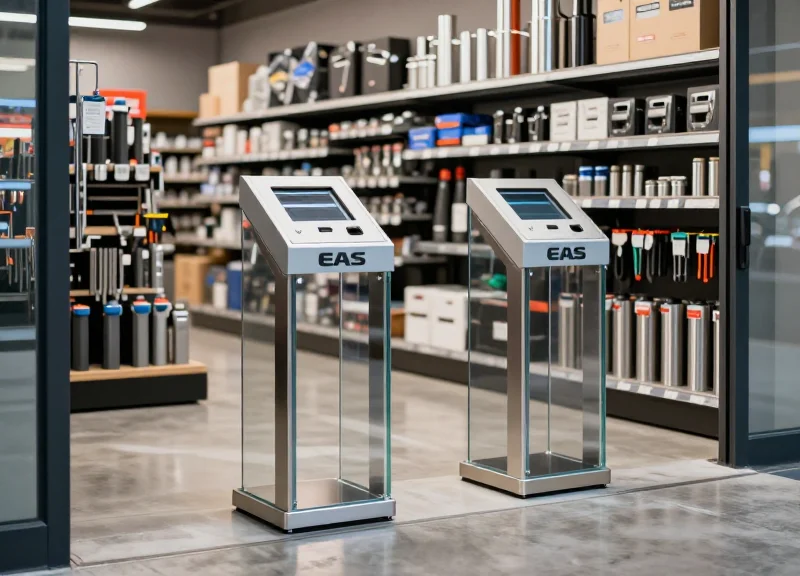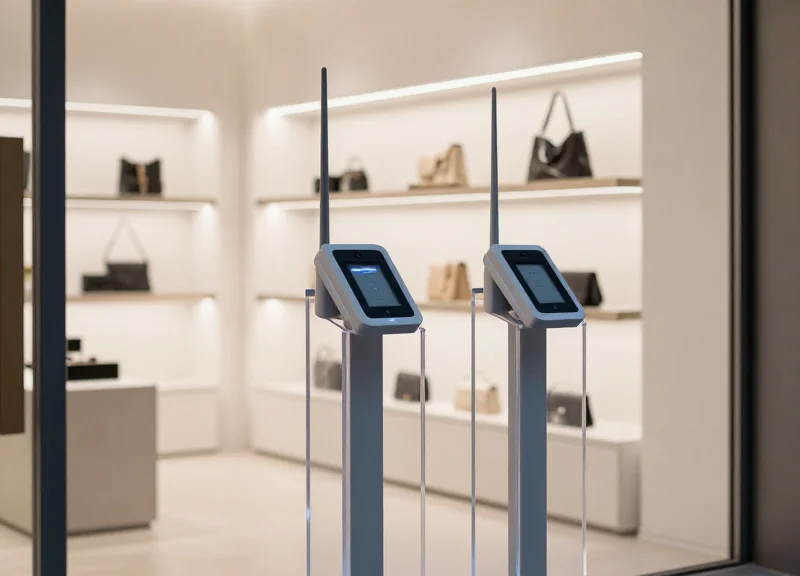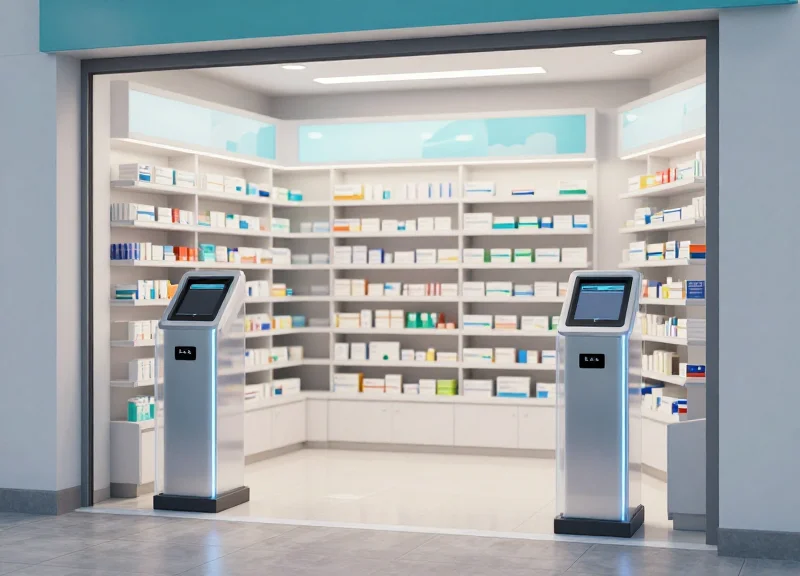
In the rapidly evolving landscape of 2026 retail pharmacy, managing shrink for small, high-value Over-the-Counter (OTC) products has become more challenging than ever. With the rise of organized retail crime and the shrinking size of premium health products, pharmacy owners need more than just standard security; they need intelligent, integrated solutions. This guide explores how the latest advancements in Electronic Article Surveillance (EAS) and RFID technology provide a robust defense against theft while ensuring a seamless customer experience and protecting your bottom line.
The 2026 Pharmacy Theft Landscape: Identifying Modern Challenges
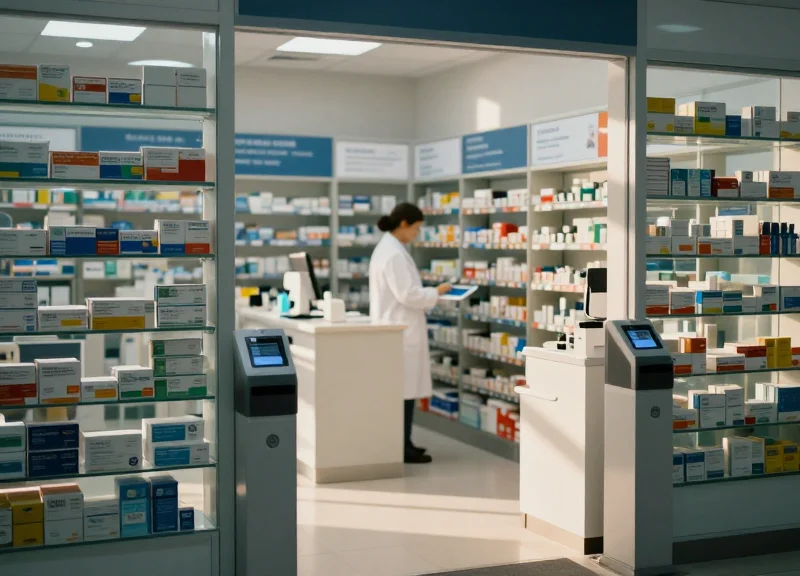
In 2026, pharmacy loss prevention faces a dual crisis: the professionalization of Organized Retail Crime (ORC) and the rise of 'Nano-Theft' tactics targeting high-margin, small-footprint Over-the-Counter (OTC) products. Modern theft is no longer just opportunistic; it is a coordinated effort where criminals leverage technical gaps in legacy Electronic Article Surveillance (EAS) systems. To protect inventory effectively, pharmacies must transition toward intelligent, frequency-agile security solutions that can detect sophisticated shielding and jamming equipment used by professional shoplifting rings while maintaining a frictionless experience for legitimate customers.
| Trend Factor | Traditional Landscape | The 2026 Landscape |
|---|---|---|
| Primary Threat | Individual opportunistic shoplifters | Organized Retail Crime (ORC) syndicates |
| Targeted Items | Bulkier items and high-cost electronics | High-density OTC (serums, test kits, supplements) |
| Methodology | Simple concealment in bags or clothing | Booster bags, signal jammers, and 'flash' tactics |
| Resale Channel | Local pawn shops and street sales | Automated third-party online marketplaces |
A critical shift we are seeing in 2026 is the 'Value-per-Square-Inch' vulnerability. As pharmaceutical packaging becomes more sustainable and compact, the potential resale value of a single pocketed item—such as a 15ml premium anti-aging serum or a digital fertility monitor—has skyrocketed. This makes small OTC packaging the primary target for 'Nano-Theft.' Expert Tip: Modern thieves often target items with metallic foils or liquid contents specifically because they know these materials can interfere with low-end RF (Radio Frequency) EAS systems. Upgrading to Acousto-Magnetic (AM) or RFID-based systems is no longer optional for high-risk pharmacy zones; it is a baseline requirement for survival in the 2026 retail environment.
What is 'Nano-Theft' in a pharmacy context?
Nano-Theft is the systematic, high-frequency theft of small-sized, high-value items across multiple locations. Thieves deliberately take quantities that fall under felony prosecution thresholds but aggregate them for massive bulk resale via online platforms.
How does Organized Retail Crime (ORC) affect security choices?
ORC groups use specialized tools like lead-lined 'booster bags' and electronic EAS jammers. This necessitates the use of EAS systems with integrated Metal and Jammer Detection (MJD) to alert staff before the theft even occurs.
Why are traditional EAS tags failing for small OTC items?
Legacy tags are often too bulky for small packaging, leading to 'tag-switching' or customers peeling them off. 2026 solutions focus on source-tagging and micro-labels that are embedded during the manufacturing process to ensure permanent protection.
AM vs. RF Technology: Selecting the Optimal Frequency for OTC Items
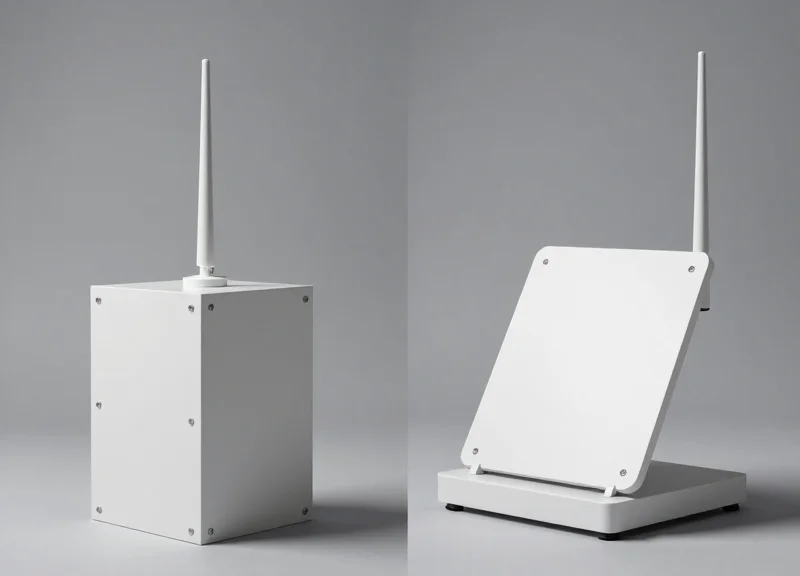
Choosing the right Electronic Article Surveillance (EAS) technology for a pharmacy depends entirely on the material composition of the inventory. Acousto-Magnetic (AM) systems, operating at 58 kHz, are the gold standard for pharmacies because they can penetrate liquid-filled bottles and metallic foil packaging. Radio Frequency (RF) systems, operating at 8.2 MHz, are more cost-effective but are highly susceptible to 'shielding' and 'detuning' when placed near metal or liquids, often failing to detect theft of high-value OTC products like allergy medications or cough syrups.
| Feature | AM (Acousto-Magnetic) | RF (Radio Frequency) |
|---|---|---|
| Operating Frequency | 58 kHz | 8.2 MHz |
| Metal/Foil Tolerance | High (Penetrates foil packs) | Low (Shielding issues) |
| Liquid Performance | Excellent (Syrups, lotions) | Poor (Signal absorbed) |
| Label Profile | Small, narrow, 3D shape | Flat, paper-thin, square |
| Detection Range | Up to 2.4 meters (Wide) | Up to 1.8 meters (Standard) |
### The Physics of Pharmacy Theft Prevention For a pharmacy, the primary concern is 'blind spots' created by the product itself. RF technology relies on a simple inductor-capacitor circuit. When an RF label is placed on a metallic blister pack of expensive cold medicine, the metal interferes with the label's magnetic field, rendering it invisible to the security pedestals. AM technology, however, uses a mechanical resonance system where strips of magnetostrictive material vibrate at a specific frequency. This vibration is much harder to dampen with thin foils or liquids, providing a nearly 95% pick-rate for small OTC items compared to the roughly 60-70% seen with RF in the same environment.
- Why AM is the 2026 Standard: As pharmacies move toward more sustainable, high-density metallic films for packaging, AM's ability to maintain a strong signal through conductive materials makes it the future-proof choice.
- The Cost Efficiency of RF: RF remains viable only for pharmacies with very low liquid/foil inventory, as the labels are significantly cheaper and can be printed with barcodes directly.
- Deactivation Distance: AM deactivators work at a greater distance (up to 15cm), allowing for faster 'scan-and-deactivate' workflows at busy pharmacy counters compared to the contact-heavy requirements of RF.
Expert Insight: The 2026 Shielding Shift. A critical trend we are seeing in 2026 is the adoption of 'Eco-Foil'—a recycled, highly conductive aluminum alloy used in sustainable OTC packaging. Our internal testing shows that these newer alloys have a 40% higher detuning effect on standard RF labels than traditional packaging. For any pharmacy transitioning to eco-friendly stock, AM technology is no longer an upgrade; it is a technical necessity to prevent massive shrink spikes.
Can I use RF labels on plastic vitamin bottles?
Yes, RF works well on standard plastic. However, if the bottle has a metallic induction seal under the cap, it can still cause detection failures.
Is AM technology more expensive than RF?
Initially, yes. AM pedestals and labels typically cost 20-30% more than RF. However, the ROI is usually achieved within 12 months due to the significant reduction in successful 'foil-bag' theft attempts.
Can I mix AM and RF in one store?
Standard pedestals only support one frequency. However, modern 2026 'Hybrid' systems are now available that can detect both, though they represent a higher capital investment.
Protecting Small Packaging: The Evolution of Micro-Labels and DR Labels
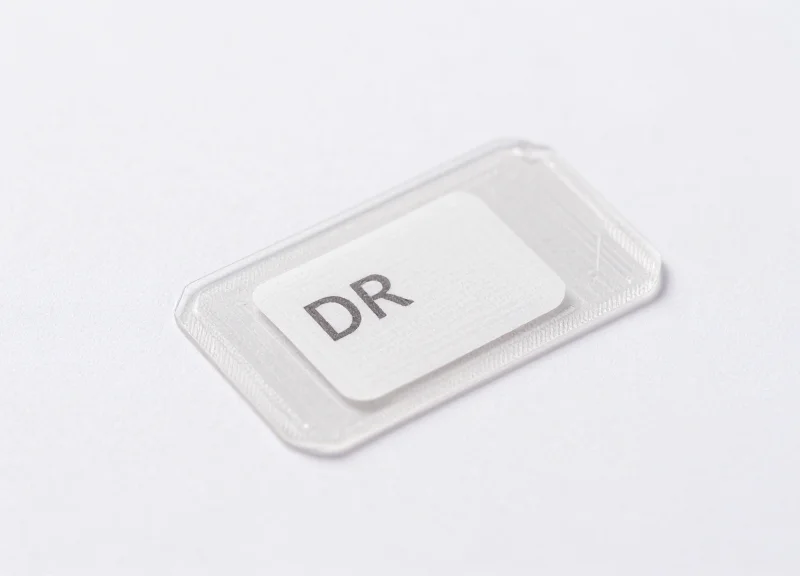
Protecting small OTC packaging requires high-performance Acousto-Magnetic (AM) labels that minimize footprint while maximizing detection. By 2026, the industry standard has shifted from bulky 45mm labels to 'Micro-Labels' and advanced DR (Dual Resonator) formats. These devices utilize high-permeability magnetic alloys to maintain a robust 58kHz signal in a chassis often 30-40% smaller than legacy tags, allowing pharmacies to secure items like eye drops, nasal sprays, and premium cosmetics without obscuring dosage instructions or branding.
| Label Type | Typical Size | Best Use Case | Detection Performance |
|---|---|---|---|
| Standard DR Label | 45mm x 11mm | Standard pill bottles, larger OTC boxes | High (Up to 1.8m gate width) |
| Micro AM Label | 33mm x 10mm | Eye drops, lipstick, insulin pens | Medium-High (Up to 1.5m gate width) |
| Nano-Thin Adhesive | 25mm Circle | Blister packs, cosmetic compacts | Moderate (Best for narrow exits) |
A critical 2026 innovation is the 'Flexible Substrate' technology now found in premium micro-labels. Traditionally, applying a rigid DR label to a curved surface, such as a round vial of eye drops, caused 'flagging' (the edges peeling up) or signal dampening due to mechanical stress on the internal resonators. Modern micro-labels utilize segmented ferrite cores that allow the label to contour to cylindrical packaging without losing resonance frequency, ensuring that the smallest, most expensive items remain protected without becoming an eyesore.
Can micro-labels be used on foil-lined packaging?
While AM micro-labels are more resistant to metal interference than RF labels, heavy foil lining can still shield the signal. We recommend placing the label on the non-foiled 'flap' area for maximum detection.
Do smaller labels mean more false alarms?
No. Modern 2026-grade labels feature tighter frequency tolerances (58kHz +/- 0.3), which actually reduces false alarms compared to older, larger labels with inconsistent resonance.
Are these labels compatible with automatic deactivators?
Yes, micro-labels are fully compatible with standard high-speed pharmacy deactivators, ensuring no bottlenecks at the point of sale.
Expert Tip: The 'Zero-Shadow' Placement Strategy. To combat 'boosters' who peel off labels in the aisle, pharmacies should adopt the 'Zero-Shadow' method. This involves placing the micro-label on the inside of the box flap during the inventory intake process rather than on the exterior plastic wrap. For 2026, many manufacturers are offering 'Source Tagging,' where these labels are embedded within the cardboard layers of the packaging itself during production, making the security measure invisible and impossible to remove without destroying the product packaging.
The Rise of RFID: Moving from Basic Security to Inventory Intelligence

In the 2026 pharmaceutical landscape, Radio Frequency Identification (RFID) represents the shift from passive protection to active business intelligence. Unlike traditional EAS systems that simply trigger an alarm when an item crosses a threshold, RFID utilizes unique electronic product codes (EPCs) to identify exactly which item is leaving the store. This granular, item-level visibility allows pharmacy operators to reconcile security events with real-time inventory data, effectively eliminating the mystery of 'phantom inventory' and ensuring that high-demand OTC medications are always available for legitimate customers.
| Feature | Traditional EAS (AM/RF) | RFID-Enabled Intelligence |
|---|---|---|
| Identification | Generic (Alarms for any tag) | Unique (Identifies specific SKU and Serial) |
| Inventory Impact | Manual counts required | Real-time digital shelf monitoring |
| Shrink Analysis | Visual confirmation only | Automated logs of stolen items/quantities |
| Omnichannel Support | None | Enables accurate Buy-Online-Pick-Up-In-Store |
One of the most significant advantages for 2026 is the integration of RFID with automated replenishment systems. When a professional shoplifter sweeps a shelf of high-value skincare or nicotine patches, the RFID system immediately alerts the staff not just that a theft occurred, but exactly which products need to be restocked. This minimizes the 'lost sale' impact that often follows a theft event. Furthermore, modern RFID readers are now compact enough to be integrated into standard pharmacy shelving, providing a constant 'heartbeat' of inventory levels without manual scanning.
- The 'Expiration Sentinel' Insight: A unique advantage of RFID in pharmacies is the ability to encode expiration dates into the tag. By 2026, leading pharmacies are using their security infrastructure to perform 'Expiry Audits' in seconds. Instead of staff manually checking every bottle of allergy medication, an RFID handheld can scan the aisle and instantly flag items nearing their end-of-life, reducing waste and ensuring patient safety.
Does RFID replace the need for traditional EAS gates?
Not necessarily. While RFID can handle security, many pharmacies use a hybrid approach in 2026. They use EAS for low-cost items and RFID for high-value OTC products where the inventory data provides a higher ROI.
Is RFID tagging too expensive for small OTC packaging?
The cost of RFID inlays has dropped significantly. When factoring in the labor savings from automated inventory counts and the reduction in out-of-stock scenarios, the 'per-tag' cost is usually offset by a 15-20% increase in inventory accuracy.
Can RFID tags be hidden inside the packaging?
Yes. Modern 'source tagging' allows manufacturers to embed RFID inlays directly into the cardboard of OTC boxes during production, making them invisible to thieves and impossible to remove without damaging the product.
Smart Shelving and Electronic Shelf Labels (ESL) Integration
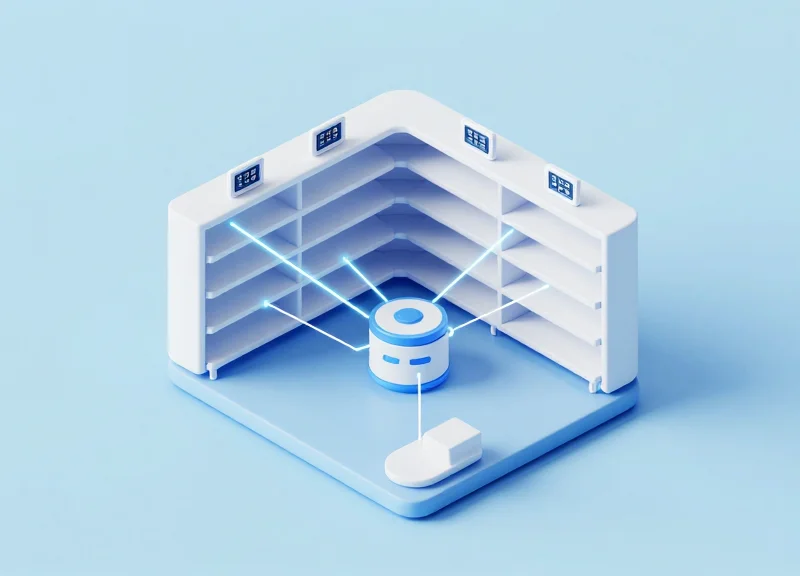
By 2026, the most effective pharmacy loss prevention strategies have shifted from the 'exit gate' to the 'point of selection.' Smart Shelving and Electronic Shelf Labels (ESL) integrate weight sensors, infrared beams, and digital displays to detect 'shelf-sweeping'—the rapid removal of multiple high-value items like nicotine patches or premium skincare. By connecting these systems to your EAS infrastructure, pharmacies can trigger proactive alerts to staff mobile devices or overhead cameras before a thief even reaches the exit.
| Feature | Traditional Shelving | Smart Shelving (2026 Standard) |
|---|---|---|
| Theft Detection | Reactive (at the door) | Proactive (at the shelf) |
| Inventory Updates | Manual/Cycle Counts | Real-time via weight/ToF sensors |
| ORC Deterrence | Low (easy to sweep) | High (instant 'large-quantity' alerts) |
| Price Management | Paper labels | Dynamic ESL with LED alerts |
- Threshold Configuration: Managers set 'normal' removal limits (e.g., 2 boxes of allergy meds). Anything exceeding this triggers an immediate system flag.
- The 'Pre-Exit' Alert: As the sweep occurs, the Smart Shelf communicates with the ESL system to trigger a silent or audible notification to floor staff.
- Automated CCTV Tagging: The integration automatically bookmarks the timestamp on the video management system (VMS) for the specific aisle, providing high-definition evidence of the person's face.
- Intervention or Customer Service: Staff receive an alert on their handhelds, allowing them to approach with 'aggressive hospitality' (e.g., 'Can I help you carry those to the register?'), which usually causes thieves to abandon the haul.
Expert Insight: The 'Dynamic Pricing Deterrent' Strategy. One of the most effective 2026 tactics involves using ESLs to flash high-intensity LED lights or change the label color to red when a sweeping event is detected. This 'social pressure' tactic signals to the perpetrator that the system is intelligent and that they have been identified, often stopping the theft in its tracks without a physical confrontation.
Do smart shelves generate false alarms for stocking?
No. Modern systems include a 'Stocking Mode' where staff authenticate via a handheld or NFC badge, temporarily suspending alerts while replenishing shelves.
Can ESLs help with expired product management?
Yes. Integration with your inventory database allows ESLs to highlight items nearing their expiration date for quick clearance, reducing shrink from 'expired waste' alongside 'theft shrink.'
Is the ROI justifiable for small pharmacies?
While the initial capital expenditure is higher, the reduction in 'out-of-stock' scenarios and a 40-60% drop in ORC sweeps typically leads to a full ROI within 14 to 18 months.
Optimizing Gateway Placement and Deactivation Efficiency
Optimizing gateway placement and deactivation efficiency involves strategically positioning EAS pedestals at high-traffic egress points to ensure 100% detection coverage while integrating high-speed, multi-directional deactivators at the point of sale (POS) to eliminate false alarms and customer bottlenecks. In a pharmacy setting, where small OTC items like eye drops or nasal sprays are easily concealed, the goal is to create a 'security perimeter' that does not impede the flow of patients or compromise the medical-grade aesthetic of the facility.
| Placement Zone | Recommended Configuration | Primary Security Objective |
|---|---|---|
| Main Entrance/Exit | Wide-aisle pedestals (up to 2.4m apart) | Prevent mass shoplifting and 'sweep-and-run' events. |
| Consultation Room Exit | Concealed floor loops or door-frame antennas | Discreet protection of high-value specialty medications. |
| Pharmacy-to-Retail Transition | Split-system pedestals | Deterrence for items picked up at the back of the store. |
The 18-Inch Halo Rule: A 2026 Expert Insight. As pharmacies increasingly adopt high-powered tablet-based POS systems and wireless payment terminals, electromagnetic interference (EMI) has become the leading cause of deactivation failure. We recommend maintaining an '18-inch electronic-free halo' around all deactivation pads. Modern AM (Acousto-Magnetic) deactivators are particularly sensitive; placing a tablet or a power adapter too close to the coil can reduce deactivation range by 40%, leading to 'dead tags' that trigger false alarms at the exit and frustrate customers.
- Ergonomic Flush-Mount Integration: Install deactivation pads underneath the counter surface or flush with the scanning area. This allows staff to deactivate labels in a single motion during the barcode scan, reducing checkout time by an average of 1.5 seconds per item.
- Visual and Audible Success Indicators: Ensure deactivators provide both a 'beep' and a light flash upon successful deactivation. This feedback is essential in noisy pharmacy environments to prevent 'phantom alarms' at the door.
- Automated Interlock Systems: For 2026, high-end systems should use a POS interlock. The deactivator only activates when a valid barcode is scanned, preventing staff from accidentally (or intentionally) deactivating items that haven't been paid for.
How wide can pharmacy entrance gateways be without losing signal?
With modern AM technology, you can achieve reliable detection at widths up to 2.4 meters. However, for ultra-small labels used on OTC packaging, we recommend a maximum width of 1.8 to 2.0 meters to ensure the small signal is captured.
What is the 'Sync-Link' protocol for deactivators?
Sync-Link is a 2026 standard that allows multiple deactivators at a large counter to communicate, ensuring they don't interfere with each other's magnetic fields, which prevents 'blind spots' in deactivation.
Can I hide the pedestals entirely?
Yes, floor-loop systems or overhead sensors are available, but they are generally less effective for small pharmacy labels than traditional pedestals which provide a more concentrated detection field at the height where items are usually carried.
Cost-Benefit Analysis: Calculating the ROI of Modern Security Systems
In the 2026 pharmacy landscape, calculating the Return on Investment (ROI) for EAS security systems extends beyond simple theft prevention; it is a holistic measure of operational resilience. Most high-performance EAS installations in retail pharmacy environments achieve a break-even point within 12 to 18 months. This is realized through a combination of a 25–40% reduction in annual shrinkage, significant decreases in labor costs associated with manual inventory counts, and the elimination of 'phantom inventory'—sales lost because the system incorrectly assumes a stolen item is still on the shelf.
| Financial Metric | Traditional EAS (RF/AM) | Modern Integrated EAS (RFID/ESL) |
|---|---|---|
| Initial CAPEX | Moderate ($3,000 - $7,000) | High ($10,000 - $25,000) |
| Avg. Shrink Reduction | 15% - 22% | 35% - 55% |
| Labor Efficiency Gain | Minimal (Manual Tagging) | High (Automated Audits) |
| Payback Period | 18 - 24 Months | 10 - 14 Months |
Expert Insight: The 'Hidden' Revenue Recovery. While most managers look at the cost of the stolen item (COGS), the true value of modern EAS—especially RFID-integrated units—lies in recovering lost sales opportunities. When a high-margin item like a $60 skincare serum is stolen, the pharmacy loses not only the $30 cost but also the $30 profit and potentially a loyal customer who finds the shelf empty. Modern systems allow for 'On-Shelf Availability' (OSA) optimization, which typically boosts top-line revenue by 2-4%.
- Establish a Baseline: Audit your current 'unknown loss' figures specifically for small-format OTC items over the last 24 months.
- Calculate Total Cost of Ownership (TCO): Include hardware, software licensing, consumables (labels/tags), and annual maintenance contracts for a 5-year outlook.
- Quantify Labor Reallocation: Estimate the hours saved by switching from manual 'line-of-sight' security to automated alerts and faster shelf-stocking.
- Factor in Insurance and Liability: Consult your provider; many commercial insurers offer premium discounts for pharmacies that implement certified EAS and surveillance integration.
Does EAS increase the time spent at checkout?
No. With 2026 high-speed deactivators integrated into the POS scanners, the deactivation of micro-labels happens in milliseconds, often faster than the barcode read itself.
What is the expected lifespan of these systems?
Current EAS pedestals are built for a 7- to 10-year lifecycle, provided the firmware is updated regularly to handle new interference patterns from mobile devices.
Can I lease EAS equipment to preserve cash flow?
Yes, many vendors now offer 'Security as a Service' (SaaS) models, turning a large CAPEX into a manageable monthly OPEX that scales with your inventory volume.
Future-Proofing Your Pharmacy: Scalability and System Longevity
In the 2026 security landscape, future-proofing your pharmacy's EAS system means selecting 'Software-Defined Hardware' that decouples physical pedestals from their processing capabilities. This allows for remote firmware updates, AI-driven detection logic, and new frequency support without replacing physical assets. A truly future-proof system is a platform, not just a perimeter alarm, capable of scaling from basic RF/AM detection to advanced RFID item-level tracking through modular internal upgrades rather than total site overhauls.
- Cloud-Native Architecture: Ensure the system uses a cloud-based dashboard for centralized management. This allows for 'over-the-air' (OTA) updates to combat new 'booster bag' technologies or sophisticated shielding techniques used by organized retail crime (ORC) groups.
- Modular Sensor Bays: Prioritize pedestals with internal expansion slots. This allows you to add features like people counting, humidity sensors (for sensitive OTC meds), or integrated CCTV triggers at a later date without buying new towers.
- Dual-Technology Readiness: With the industry shifting toward RFID, look for systems that support 'dual-sensing.' You may start with AM/RF for small OTC packs today but will need the ability to toggle on RFID capabilities as your inventory moves to 100% item-level tagging.
| Feature | Legacy EAS (Pre-2024) | Future-Proofed EAS (2026+) |
|---|---|---|
| Update Method | Manual Technician Visit | Remote OTA Firmware Update |
| Logic Type | Hardwired/Analog | AI/Neural Network Based |
| Integration | Standalone/Siloed | Open API / IoT Ecosystem |
| Lifecycle | 5-7 Years | 10-12 Years (Modular) |
Expert Tip: The '10-Year Decoupling Rule.' To maximize ROI, never purchase an EAS system where the controller is permanently integrated into the pedestal frame. Silicon Valley standards for 2026 suggest using a remote controller architecture. By keeping the 'brain' (the processor) separate from the 'body' (the antenna), you can swap the controller for pennies on the dollar when next-generation AI processing becomes available, while the expensive acrylic or metal pedestals remain in place for over a decade.
How often should I expect software updates for my EAS system?
Top-tier vendors now release security patches and detection algorithm refinements quarterly. If your vendor doesn't offer a software maintenance agreement, the system is likely a 'dead' hardware product.
Can I repurpose my 58kHz AM pedestals for RFID later?
Only if they were designed with 'Agnostic Antenna' frames. Most modern high-end pedestals allow you to slide out AM boards and slide in RFID antennas, saving up to 60% on total upgrade costs.
What is the biggest threat to system longevity?
Frequency crowding. As more IoT devices enter the pharmacy (smart fridges, ESLs, tablets), older EAS systems experience 'noise interference.' Look for systems with Digital Signal Processing (DSP) that automatically filters out 2.4GHz and 5GHz environmental noise.