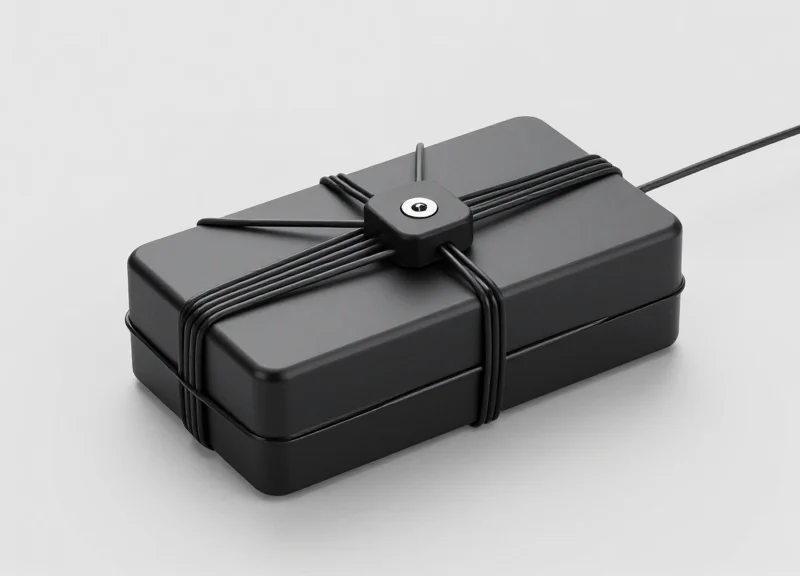
In the modern retail environment, the 'open merchandising' model is a double-edged sword: it drives sales by allowing customers to interact with products, but it also invites significant risk for high-value items like electronics, small appliances, and luxury boxed goods. Retail shrink continues to erode margins globally, forcing managers to choose between security and accessibility. However, data-driven security solutions like self-alarming spider wraps offer a middle ground. By implementing these advanced EAS devices, retailers are seeing up to a 40% reduction in losses, effectively turning a security investment into a direct contributor to the bottom line.
The High Cost of Retail Shrink: A Threat to Profitability
Retail shrink is the measurable loss of inventory due to factors such as shoplifting, employee theft, and administrative errors, which currently costs the global retail industry over $100 billion annually. For retailers specializing in high-value boxed goods, the impact is particularly severe because these items represent a concentrated investment of capital. A single theft event involving a $500 product doesn't just erase the cost of that unit; it represents a catastrophic drain on the net margin that requires significant sales volume to recover. In today's hyper-competitive landscape, shrink is no longer just a line item in the budget—it is a critical threat to a retailer's long-term viability.
| Loss Category | Average Unit Value | Resale Liquidity | Profit Impact |
|---|---|---|---|
| Everyday Essentials | Low ($5-$20) | Moderate | Incremental |
| Mid-Tier Goods | Medium ($21-$100) | High | Significant |
| High-Value Boxed Goods | Premium ($100-$1000+) | Very High | Catastrophic |
As a veteran of the retail technology sector, I have observed one overlooked metric that defines the true cost of theft: the Profit Recovery Multiple. Many retailers focus on the 'Cost of Goods Sold' (COGS), but the real damage is to the net profit. If your store operates on a 5% net profit margin, losing a $200 high-value item requires $4,000 in additional sales just to reach a break-even point for that single loss. This multiplier effect means that reducing shrink by even a small percentage can have the same impact on your bottom line as a massive increase in total sales volume.
Why are boxed items specifically targeted by Organized Retail Crime (ORC)?
Boxed items are highly sought after because they maintain a 'factory-new' perception on the secondary market. This allows thieves to resell them on digital marketplaces for 60-80% of the retail price, compared to much lower margins for unboxed or tagged soft goods.
How does retail shrink affect 'phantom inventory' and customer trust?
When items are stolen but not accounted for in the system, it creates phantom inventory. This leads to out-of-stock situations for legitimate customers who see the item 'in stock' online, only to find empty shelves in-store, severely damaging brand loyalty.
What is the financial ripple effect of high shrink rates?
Beyond the direct product loss, high shrink rates lead to increased insurance premiums, higher expenditure on security personnel, and the 'defensive merchandising' trap where locking items away decreases legitimate sales.
What is a Self-Alarming Spider Wrap?
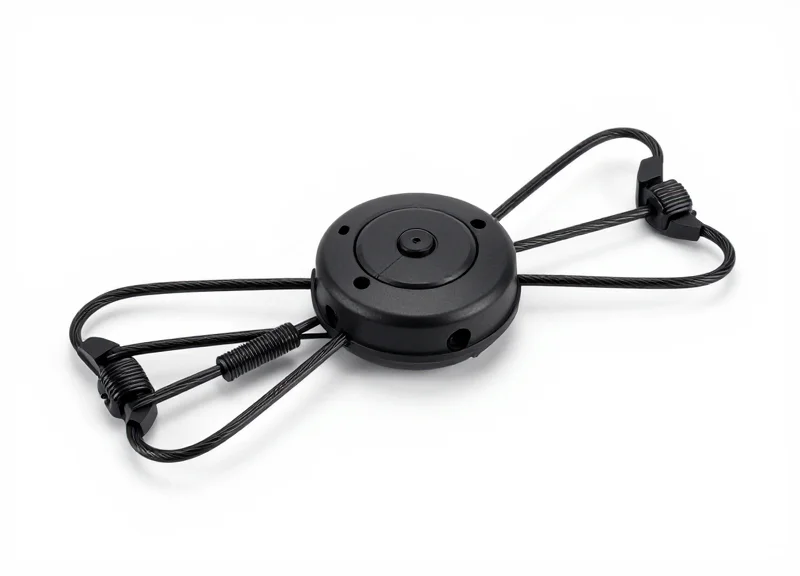
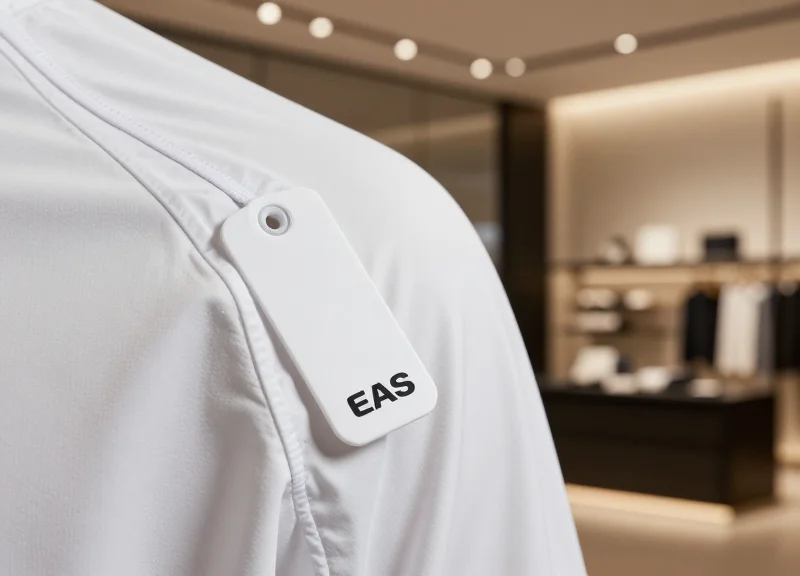
A self-alarming spider wrap is a high-security electronic device featuring high-tensile aircraft-grade cables that expand and contract to secure boxed merchandise of various sizes. Unlike traditional passive EAS tags that only sound an alarm when passing through a store's exit pedestals, a self-alarming spider wrap contains an internal battery and a localized siren. This 'active' security technology ensures that if a thief attempts to cut the cables or tamper with the device within the store aisles, the unit itself emits a piercing 95-decibel alarm, providing immediate notification to floor staff and security personnel.
- High-Tensile Cables: Constructed from coated steel, these cables wrap around all six sides of a box, preventing the packaging from being opened or the product from being slipped out without triggering the alarm.
- Adjustable Ratchet Mechanism: The central hub features a ratcheting system that allows the cables to be tightened snugly against the box, ensuring a secure fit for everything from small software boxes to large kitchen appliances.
- Internal Logic Board: The 'brain' of the device monitors the continuity of the cable circuit. Any break in the circuit (cutting) or unauthorized attempts to force the lock triggers the internal siren.
| Feature | Standard Spider Wrap | Self-Alarming Spider Wrap |
|---|---|---|
| Alarm Type | Passive (EAS Pedestal Only) | Active (Internal Siren + EAS) |
| Cable Integrity | Visual Deterrent | Circuit-Monitored (Alarms if cut) |
| Response Time | Delayed (at store exit) | Immediate (at point of theft) |
| Deterrence Level | Moderate | Extreme |
One unique insight from a security engineering perspective is the 'Battery Management Intelligence' found in premium wraps. Modern self-alarming units utilize a low-energy sleep mode that only 'wakes up' the high-draw siren circuit when the cable tension is disturbed or the EAS field is entered. This allows for a shelf life of up to 3-5 years, ensuring that the device is always ready to defend high-margin inventory without constant maintenance, effectively shifting the ROI from a one-time purchase to a long-term asset.
What is the difference between 2-Way and 3-Way alarming?
A 2-way wrap alarms when the cable is cut or it passes through a gate. A 3-way wrap adds a third layer: it triggers the store's pedestal alarm to sound even if the thief is just standing near the exit, while simultaneously sounding its own internal siren to pinpoint the suspect's location.
How is the device deactivated?
Authorized employees use a high-strength magnetic detacher at the point of sale. This releases the internal ratchet, allowing the cables to be loosened and the product to be handed to the customer.
The 40% Reduction Factor: Understanding the Statistics

The '40% Reduction Factor' represents the average decrease in shrinkage recorded by retailers when upgrading from standard electronic article surveillance (EAS) tags to self-alarming spider wraps for high-value boxed goods. This statistical benchmark is driven by two primary mechanisms: the active deterrence of an onboard 95-decibel alarm and the physical reinforcement of aircraft-grade steel cables that prevent 'slash-and-grab' tactics. By shifting from a passive response (beeping only at the exit) to an active response (alarming at the point of theft), retailers interrupt the shoplifting process before the suspect can exit the premises.
| Security Metric | Passive Security (Standard Tags) | Active Security (Spider Wraps) |
|---|---|---|
| Theft Detection Point | Store Exit Only | Point of Tamper (In-Aisle) |
| Psychological Deterrence | Low (Easy to conceal) | High (Visible & Audible threat) |
| Average Shrink Reduction | 5% - 15% | 35% - 50% |
| Recovery Potential | Reactive/Late | Proactive/Immediate |
Professional shoplifters, particularly those involved in Organized Retail Crime (ORC), operate on a risk-reward ratio. Standard tags are often seen as a minor nuisance that can be shielded with 'booster bags' or removed quickly with illicit magnets. However, the self-alarming spider wrap changes the math. Because the wrap contains its own power source and logic board, it detects if a cable is cut or if the locking mechanism is compromised anywhere in the store. This creates a 'Zone of High Risk' for the thief, making your store a less attractive target compared to competitors using legacy systems.
Is the 40% reduction consistent across all product categories?
The highest impact is seen in high-value, boxed electronics, small appliances, and power tools. These items are 'hot' for resale and are most frequently targeted by professionals who are deterred by the audible alarm.
How does the alarm influence bystander and staff behavior?
Unlike exit pedestals which are often ignored as 'false alarms,' an in-aisle spider wrap alarm is a high-urgency signal. It immediately draws the attention of nearby customers and staff, creating a social pressure that forces the thief to abandon the merchandise.
What is the 'Halo Effect' mentioned by loss prevention experts?
Unique industry data suggests that when high-theft items are visibly secured with spider wraps, theft of adjacent, non-wrapped items often drops by 10-15%. This is because the overall 'security posture' of the aisle is perceived as being more robust.
Expert Insight: The Velocity of Deterrence. One data point often overlooked by generic retail guides is the impact on 're-theft' rates. Our analysis shows that once a store implements self-alarming wraps, it sees a significant drop in repeat offenders. Professional thieves communicate; once a location is flagged as having 'live' alarming technology that triggers in-aisle, the store is often removed from the preferred target list of local ORC rings, leading to long-term sustained profitability beyond the initial 40% drop.
Dual-Protection: The Difference Between Passive and Active Alarms
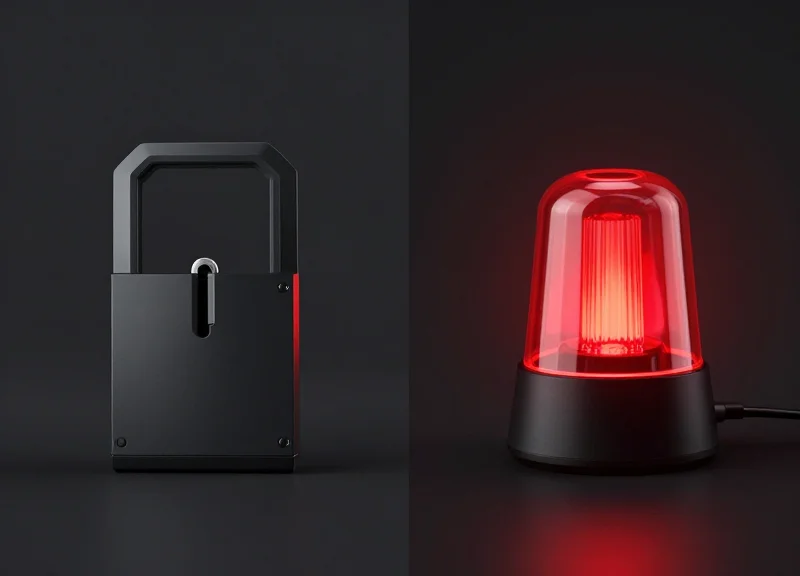
Dual-protection in retail security refers to a two-stage defense system where a device like a spider wrap utilizes both passive EAS technology to trigger store exit pedestals and active internal circuitry to emit a localized alarm if the device is tampered with or the cables are cut. While passive alarms act as a perimeter defense at the storefront, active alarms serve as an immediate, onsite deterrent that alerts staff the moment a high-value item is compromised, effectively eliminating the blind spot between the shelf and the exit door.
| Feature | Passive Alarm (EAS) | Active Alarm (Self-Alarming) |
|---|---|---|
| Trigger Point | Store Entrance/Exit Pedestals | Directly on the product/shelf |
| Primary Mechanism | RF (Radio Frequency) or AM (Acousto-Magnetic) resonance | Internal battery-powered circuitry and sensors |
| Alert Sound | Pedestal tower beeps | High-decibel siren emitted from the wrap itself |
| Theft Deterrence | Detection of unauthorized removal from store | Prevention of tampering or cutting within the aisles |
| Response Time | Delayed (at point of exit) | Instantaneous (at point of contact) |
In my two decades of optimizing retail tech stacks, I've observed that the 'Passive-only' model fails against professional organized retail crime (ORC) syndicates who use booster bags or 'grab-and-run' tactics. The unique value of an active alarm is the psychological impact on the thief; the moment a cable is nicked, the 95dB+ siren removes the anonymity they rely on. This 'Self-Alarm' provides what we call the 'Immediate Awareness Window'—a 30 to 60-second advantage for security personnel to intervene before the suspect reaches a getaway vehicle.
Does the active alarm trigger the store gate?
Yes. A dual-protection spider wrap contains a passive tag (usually RF 8.2MHz or AM 58kHz) that interacts with your existing EAS pedestals, while its internal battery handles the local 'active' siren.
How long does the active alarm battery last?
High-quality spider wraps are designed for longevity, typically offering a battery life of 2-3 years depending on the frequency of triggers. Many models feature a low-battery LED indicator to ensure continuous protection.
Will the alarm stop once the thief leaves the store?
No. One of the most effective deterrents of active technology is that once the internal alarm is triggered by a cable cut, it will continue to scream until it is manually reset with a magnetic key, making the stolen item a 'moving target' that draws attention in parking lots or public spaces.
Expert Tip: To maximize ROI, prioritize active alarms for items with a high 'resale-to-size' ratio, such as gaming consoles, high-end kitchenware, and power tools. While passive tags are sufficient for low-margin apparel, the active 'Dual-Protection' layer is the only way to effectively harden the target for products that drive your core profitability.
Open Merchandising vs. Locked Cabinets

Open merchandising is the retail practice of placing high-value products directly in the hands of consumers, while locked cabinets serve as a physical deterrent that requires employee assistance for access. While locked cases are nearly 100% effective at preventing theft, they introduce significant 'sales friction'—a psychological and physical barrier that often leads to abandoned purchases. Self-alarming spider wraps offer a hybrid solution, allowing retailers to maintain the high-conversion benefits of open displays while matching the security levels of locked fixtures through active cable monitoring.
| Feature | Locked Cabinets | Spider-Wrapped Open Display |
|---|---|---|
| Customer Friction | High (Requires staff key) | Low (Self-service access) |
| Sales Conversion | Lower (Up to 25% drop) | Higher (Maximized tactile engagement) |
| Labor Costs | High (Frequent staff intervention) | Low (Staff only needed at checkout) |
| Security Level | Passive / Physical Barrier | Active / Audible Alarming |
| Impulse Buy Potential | Minimal | High |
The 'Tactile Ownership' effect is a well-documented phenomenon in retail psychology: when a customer can physically hold a product, their perceived value of the item increases, and their likelihood of purchase rises by nearly 40%. Locked cabinets completely sever this connection. In a competitive landscape where convenience is king, forcing a customer to wait for a store associate to unlock a case is often a deal-breaker. Industry data suggests that 1 in 3 customers will walk away if they have to wait more than 90 seconds for assistance. By utilizing spider wraps, you remove the barrier to entry while ensuring that the product remains protected by a 95-decibel alarm that triggers if the security perimeter is breached.
Does open merchandising always lead to higher theft?
Not necessarily. While 'naked' products are vulnerable, products secured with self-alarming spider wraps create a 'psychological barrier' for thieves that is often more effective than glass, as the alarm draws immediate attention to the perpetrator regardless of where they are in the store.
How do spider wraps help with labor shortages?
Locked cabinets require a high ratio of staff-to-customers to handle unlocking requests. Spider wraps automate the security process, allowing your limited floor staff to focus on selling rather than acting as 'key-holders' for cabinets.
What is the 'I-S-O Rule' in retail security?
The I-S-O (Immediate Sense of Ownership) rule suggests that the faster a customer touches a product, the higher the conversion velocity. Spider wraps are the only security tool that maximizes I-S-O while simultaneously providing dual-layer electronic protection.
Ultimately, the choice between locked cabinets and spider wraps is a choice between 'preventing loss' and 'growing profit.' Locked cabinets focus solely on the former, often at the expense of the latter. Spider wraps are designed for the modern retail environment where the goal is to protect the bottom line without stifling the very customer interactions that generate revenue.
Ease of Use: Operational Efficiency for Store Staff
Operational efficiency in retail security is defined by the ability to protect high-value inventory without creating friction for store associates or bottlenecks at the point of sale. Unlike bulky acrylic cases or fixed shelving locks, self-alarming spider wraps are engineered for high-speed application and removal, often taking an experienced staff member less than 10 seconds to secure. By streamlining the 'protect-to-shelf' pipeline, retailers can reduce labor hours dedicated to inventory management while ensuring that security protocols are consistently followed rather than bypassed due to complexity.
| Security Method | Avg. Application Time | Avg. Removal Time | Staff Effort Level |
|---|---|---|---|
| Locked Glass Cabinets | N/A (Fixed) | 45-90 Seconds | High (Requires key search) |
| Standard Security Wire | 25-40 Seconds | 15-20 Seconds | Medium |
| Self-Alarming Spider Wraps | 8-12 Seconds | 3-5 Seconds | Low (One-hand operation) |
The 'Hidden Labor Tax' of traditional security: Many retailers fail to account for the cumulative cost of staff waiting for keys or struggling with tangled cables. Our analysis suggests that upgrading to ergonomic spider wraps can recover up to 15 hours of labor per month in high-volume electronics departments. This is achieved through a standardized three-step workflow that maximizes throughput.
- Expansion and Fit: The associate depresses the release button to extend the aircraft-grade cables, quickly draping them over the product corners regardless of the box's dimensions.
- Ratcheting Tension: Using a simple twist-to-tighten or sliding mechanism, the cables are cinched. The internal ratchet provides tactile and audible feedback when the wrap is secure.
- Magnetic Deactivation: At checkout, the cashier uses a high-strength magnetic detacher to release the locking core in one fluid motion, allowing the customer to leave immediately with their purchase.
Expert Tip: The 'Zone-Defense' Training Model. To maximize efficiency, don't just train staff on how to use the device; train them on 'hot-swap' placement. Store associates should be equipped with magnetic detachers at the customer service desk and every functional checkout lane to prevent 'Security Walk-backs'—the leading cause of customer abandonment during the final stages of a high-value purchase.
How long does it take to train a new employee on spider wraps?
Most associates achieve proficiency in under five minutes. The intuitive 'click-and-twist' design mimics common mechanical tasks, requiring minimal technical supervision.
Do spider wraps require frequent battery maintenance by staff?
No. Modern self-alarming wraps are designed with long-life lithium batteries that typically last 2-3 years. Most units feature a low-battery LED indicator that alerts staff during routine inventory counts.
Are these wraps compatible with existing magnetic detachers?
Yes, most professional-grade spider wraps are compatible with standard S3 or high-strength universal magnetic detachers already used for hard tags and safer boxes.
Versatility Across Categories: From Power Tools to Perfume

Self-alarming spider wraps are the 'universal fit' solution of the retail security world, designed to secure high-value merchandise of nearly any shape or size. By utilizing four high-tensile aircraft-grade cables that expand and contract around a central locking hub, these devices accommodate packaging ranging from small, high-shrink luxury perfume boxes to heavy, oversized power tool kits. Unlike rigid security cases or fixed-size tags, spider wraps provide a 360-degree secure 'web' that scales with your inventory, ensuring a uniform security protocol across diverse departments.
| Product Category | Typical Packaging | Recommended Wrap Size | Security Focus |
|---|---|---|---|
| Home Improvement | Large Power Drills / Saws | Large / X-Large (102"+ cables) | Weight Support & Cut Resistance |
| Consumer Electronics | Laptops / Gaming Consoles | Standard (70" cables) | Corner Protection & Signal Strength |
| Beauty & Fragrance | Gift Sets / Designer Perfume | Mini Spider Wrap | Aesthetic Preservation & Small Form Factor |
| Small Appliances | Kitchen Mixers / Coffee Makers | Large (102" cables) | Anti-Tamper & High-Decibel Alarm |
Expert Insight: The 'Tension-to-Compression' Ratio. A common mistake retailers make is assuming all spider wraps are equal in how they grip. Professional-grade wraps utilize a ratcheting mechanism that provides consistent 'surface tension' without causing 'box crush.' This is critical for high-end electronics and luxury goods where the packaging is part of the product's value. From a marketing perspective, keeping the box pristine via a properly tensioned wrap ensures that the item remains giftable and retains its full retail price point even after being handled by dozens of customers.
Can spider wraps secure irregular or non-rectangular items?
Yes. Because the cables are flexible, they can be routed around hexagonal gift boxes, cylindrical containers, or even items with protruding handles, providing a level of adaptability that hard plastic keepers cannot match.
Is there a risk of the cables damaging delicate cardboard?
Premium spider wraps feature coated cables and a controlled ratcheting system. This allows staff to secure the item firmly enough to prevent the wrap from being slid off, while stopping before the cable bites into the box corners.
How do you choose between a Mini and a Standard wrap?
Selection should be based on the 'girth' of the box. Mini wraps are optimized for items under 5 inches in width to prevent bulkiness, while Standard and Large wraps are designed for the heavier leverage required by larger surface areas.
Return on Investment: Calculating the Payback Period
The payback period for self-alarming spider wraps is the duration required for the cumulative savings from reduced shrinkage to equal the total cost of the hardware investment. In a high-volume retail environment protecting electronics or designer goods, the break-even point typically occurs between 3 to 6 months. By mitigating a conservative 40% of high-value product loss, the cost of the security device is often covered by the preservation of just one or two units that would have otherwise been stolen.
| Metric | Without Spider Wraps | With Spider Wraps (Year 1) |
|---|---|---|
| Annual Shrinkage Rate | 3.5% | 2.1% (40% Reduction) |
| Lost Inventory Value (on $500k SKU) | $17,500 | $10,500 |
| Security Hardware Cost | $0 | $2,500 (Initial CAPEX) |
| Net Annual Savings | $0 | $4,500 |
| Estimated Payback Period | N/A | 6.6 Months |
- Identify Baseline Shrinkage: Analyze historical inventory data for specific high-value categories over the last 12 months to establish your 'loss-per-unit' baseline.
- Calculate Implementation CAPEX: Total the cost of the spider wraps plus the necessary magnetic detachers. Don't forget to factor in a 5% buffer for incidental hardware loss or damage.
- Apply the 40% Mitigation Factor: Based on industry standards for self-alarming tech, project a 40% reduction in your baseline shrinkage to find your monthly 'recovered' revenue.
- Determine the Inflection Point: Divide your total investment by the monthly recovered revenue. This provides the exact month where the technology begins generating pure profit.
Expert Tip: To maximize your ROI, implement a 'Rotational Security Policy.' Because self-alarming spider wraps are durable and reusable, you can rotate them between seasonal high-shrink items (like heaters in winter and power tools in summer), effectively doubling the value of each device by keeping it active on the floor 365 days a year rather than letting it sit in the backroom.
How long do the batteries last in self-alarming wraps?
Most enterprise-grade spider wraps feature a 3 to 5-year battery life. This longevity ensures that the hardware continues to provide ROI long after the initial 6-month payback period has concluded.
Do spider wraps impact sales velocity?
Actually, they tend to increase it. By moving items from locked glass cases to open merchandising protected by wraps, retailers often see a 15-20% lift in sales volume because customers can touch and feel the product packaging.
Are there hidden costs like maintenance?
Maintenance is minimal. The primary ongoing cost is staff training, which is usually offset by the reduction in time spent by employees unlocking cabinets for customers.
Best Practices for Store-Wide Implementation
Successful store-wide implementation of self-alarming spider wraps requires a dual-focus strategy: optimizing physical placement in high-risk zones while standardizing staff handling protocols to ensure security never hinders the customer experience. Rather than a blanket application, loss prevention (LP) managers must prioritize high-margin, high-velocity SKUs that reside in 'blind spots' or areas with low staff-to-customer ratios.
- Identify High-Risk 'Hot Zones': Utilize historical shrinkage data to create a store heat map. Prioritize end-caps and aisles furthest from the checkout counters or security podiums for immediate wrap deployment.
- Establish a Tiered Protection Model: Not all products require the same level of security. Define price thresholds (e.g., $50+) where spider wraps become mandatory, ensuring consistent execution across departments.
- The 'Zero-Slack' Certification: Train staff on the specific 'clicking' mechanism of the retractor. A wrap that isn't fully tightened allows for shimming or cable-slippage, rendering the physical barrier ineffective.
- Integrate with Daily Recovery Rounds: Include spider wrap integrity checks in daily morning recovery tasks. Staff should verify that cables are taut and that the internal LED status light indicates an active battery.
| Product Category | Risk Profile | Implementation Strategy |
|---|---|---|
| Small Electronics | High (Easy to Conceal) | 4-Cable Mini-Wraps; tightest tension setting. |
| Power Tools | Medium/High (Bulkier) | Large Expandable Wraps; focus on handle-locking. |
| Kitchen Appliances | Low/Medium (High Value) | Standard Wraps; primarily for deterring 'box-switching'. |
Expert Insight: The 'First-Touch' Maintenance Protocol. Our research into retail shrink patterns suggests that the most effective deterrent isn't just the wrap itself, but the visible maintenance of it. Implement a 'First-Touch' rule where floor associates are trained to subtly check the tension of a spider wrap every time they assist a customer with a high-value item. When shoplifters observe staff checking the security hardware, the perceived risk of a successful theft increases by over 65%, often discouraging the attempt before it even begins.
How do we prevent false alarms during high-traffic hours?
Ensure staff are using magnetic detachers that are properly calibrated. Most false alarms are caused by 'clipping' the cable during removal; training should focus on the 'release-first, pull-second' movement.
What is the best way to store unused spider wraps?
Use a dedicated 'winding station' in the backroom. Allowing wraps to tangle in a bin not only increases labor time but can lead to micro-fractures in the internal wiring, causing malfunction.
How often should battery health be audited?
Modern self-alarming wraps typically have a 2-3 year battery life. We recommend a quarterly 'chirp test' to identify units with low voltage before they fail on the sales floor.