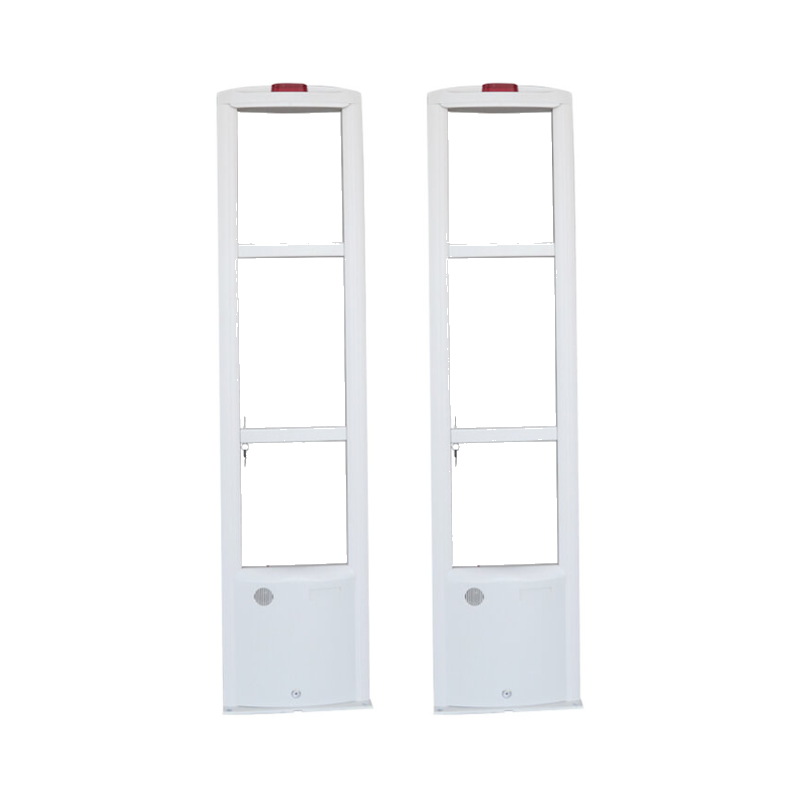
RS4001 Choose the correct board diagram - Chinese
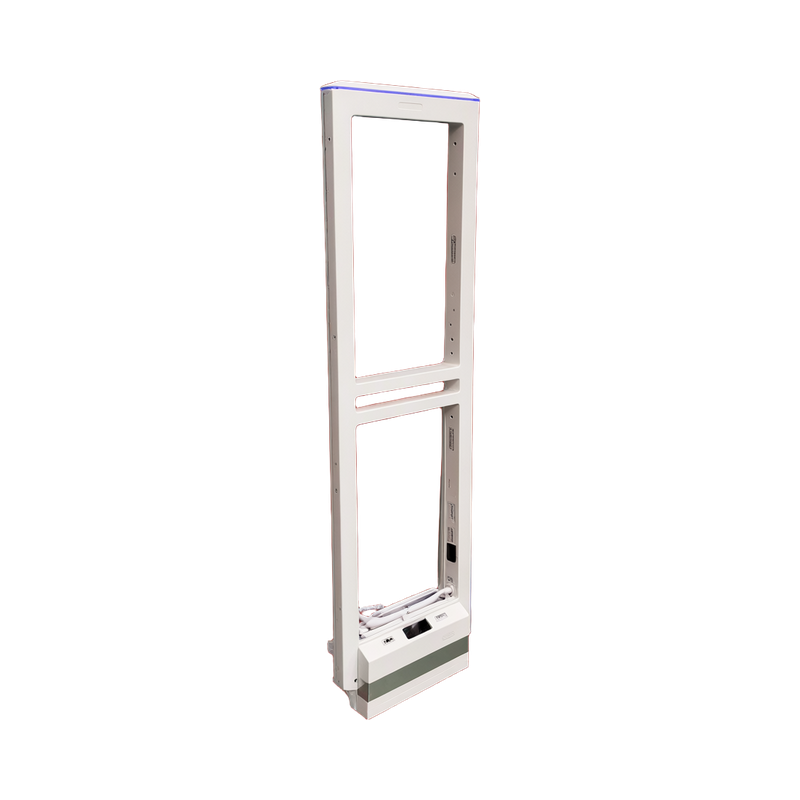
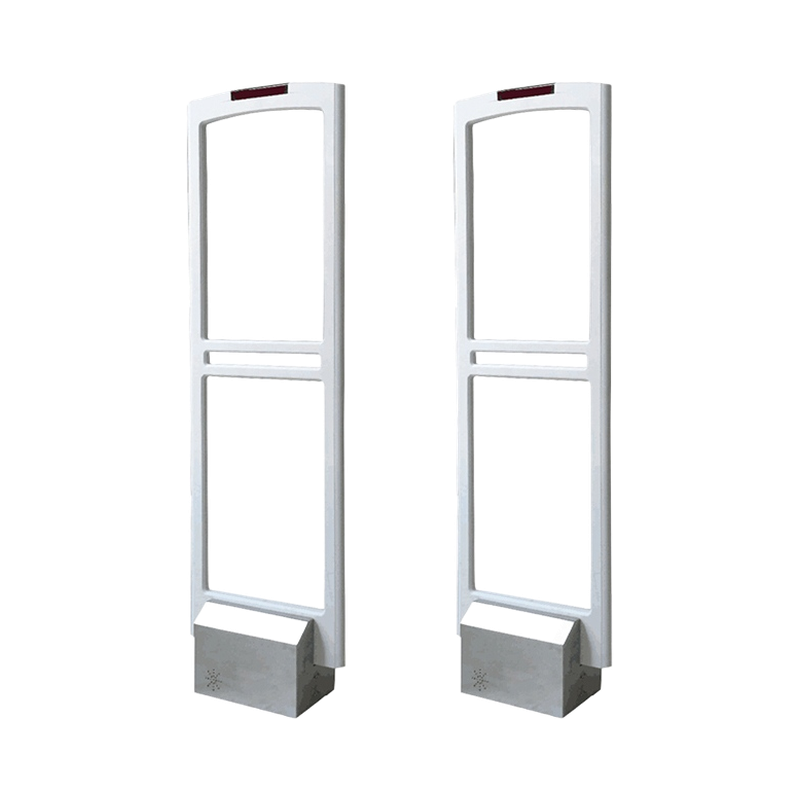
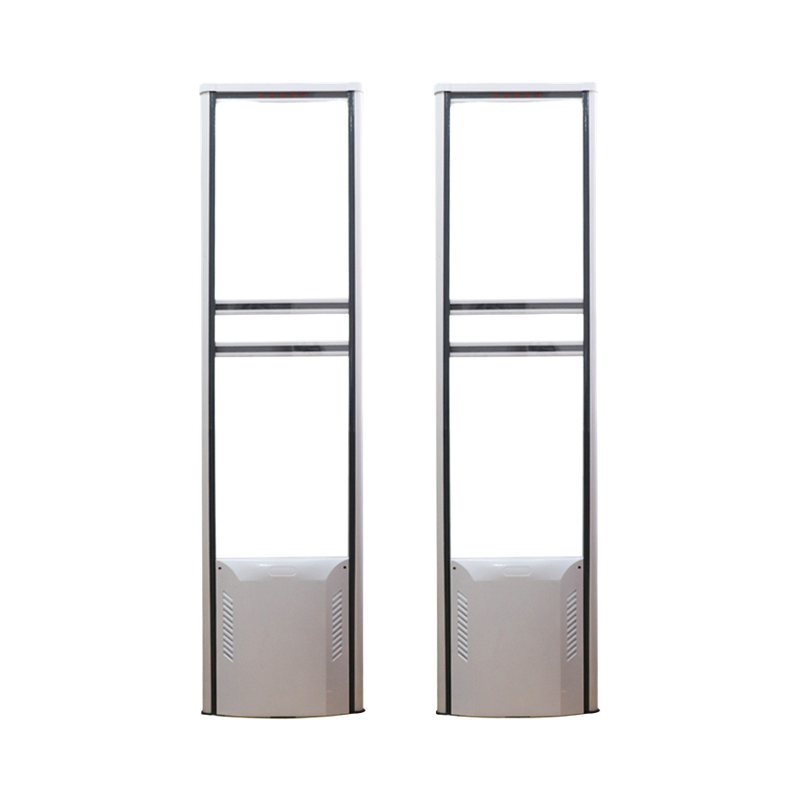
The RS4001 sheet contains separate 3920 and 4900 transmitter/receiver board references. Identify both installed boards before following any connector or configuration diagram.

Read technical documents online and download the source files for the models and configurations they cover.
The RS4001 sheet contains separate 3920 and 4900 transmitter/receiver board references. Identify both installed boards before following any connector or configuration diagram.
This sheet applies to the RD008 X777 glass-panel version. Check its panel drawing, housing and controls before selecting the countertop opening and mounting arrangement.
This sheet applies to the RD008 X666PC panel. Choose desktop or recessed placement for the delivered housing and confirm its drawing before cutting the countertop.
RD001B combines the panel and controller in the CJ003-family arrangement. Keep its active surface clear and use the dedicated supply; do not apply the separate RD001 panel-to-controller connection sequence to this housing.
The CJ003 arrangement allows one controller to serve one or two panels. The controller-only product still needs its compatible panel and dedicated adapter; verify those components before planning the checkout work surface.
The clip-style housing is intended for a spectacle arm. Check the arm profile, available clearance and surface contact with an actual frame before approving the tag for a collection.
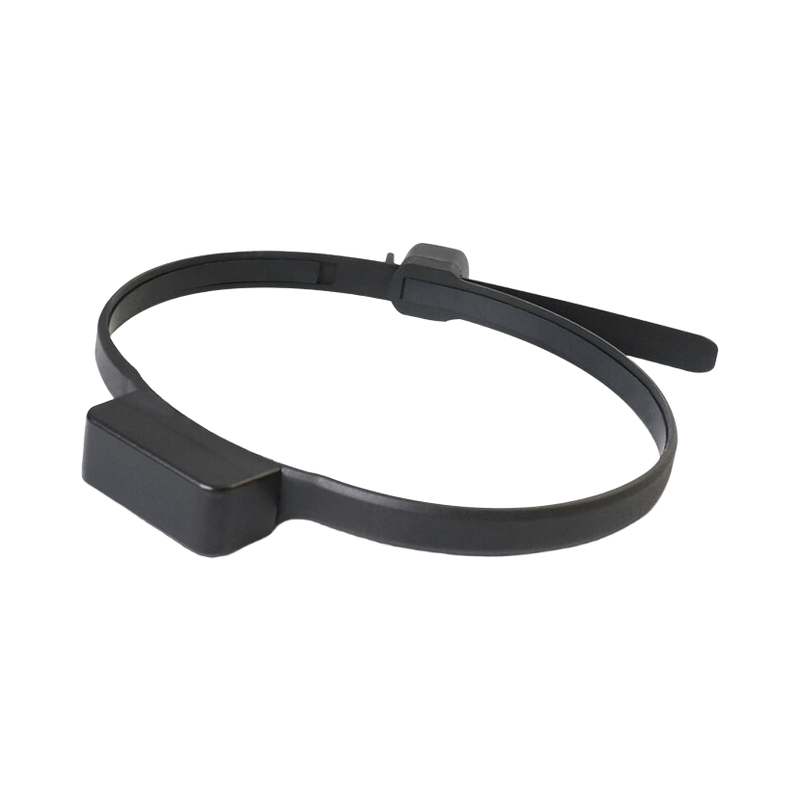
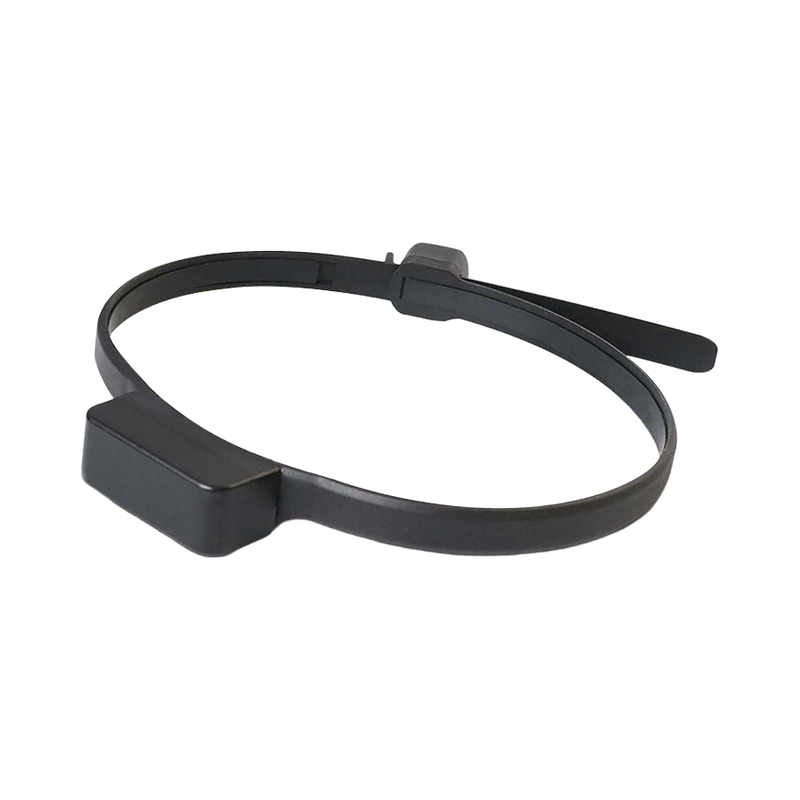
MS016 has a different strap envelope from MS015. Trial the tag on the intended can, allowing for its rim and closure rather than using body diameter alone to approve the fit.
Choose the MS015 strap size against the real can body, rim and lid clearance. Its adjustable design serves a defined container-size range; the longer MS016 is a separate selection rather than an installation adjustment to the same tag.
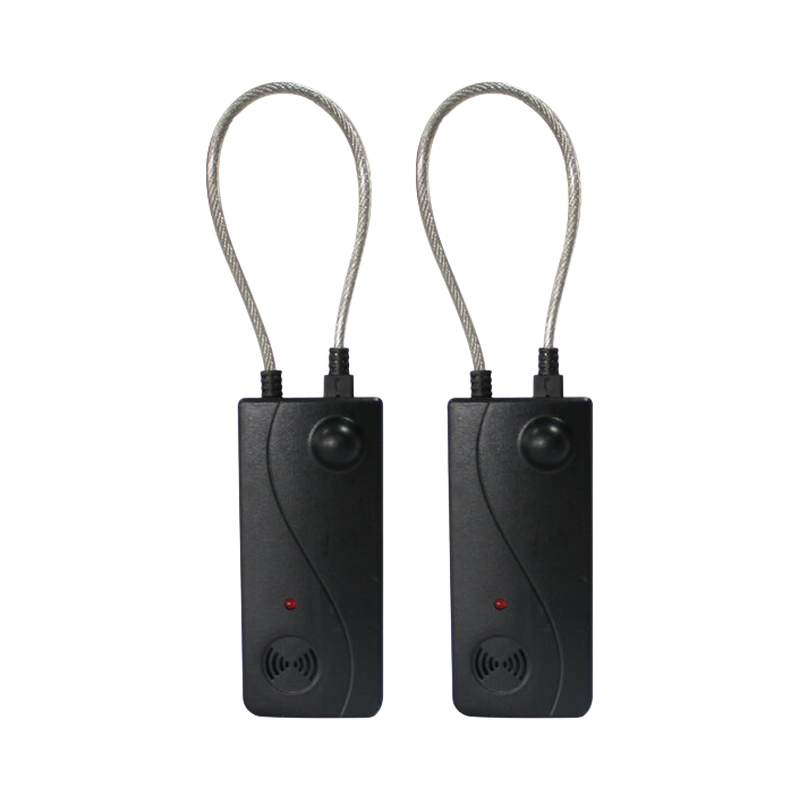
The guide assigns one loop to the display fixture and the other to the merchandise handle. After both heads are refitted and the insulation films removed, the remote arms the installed assembly.
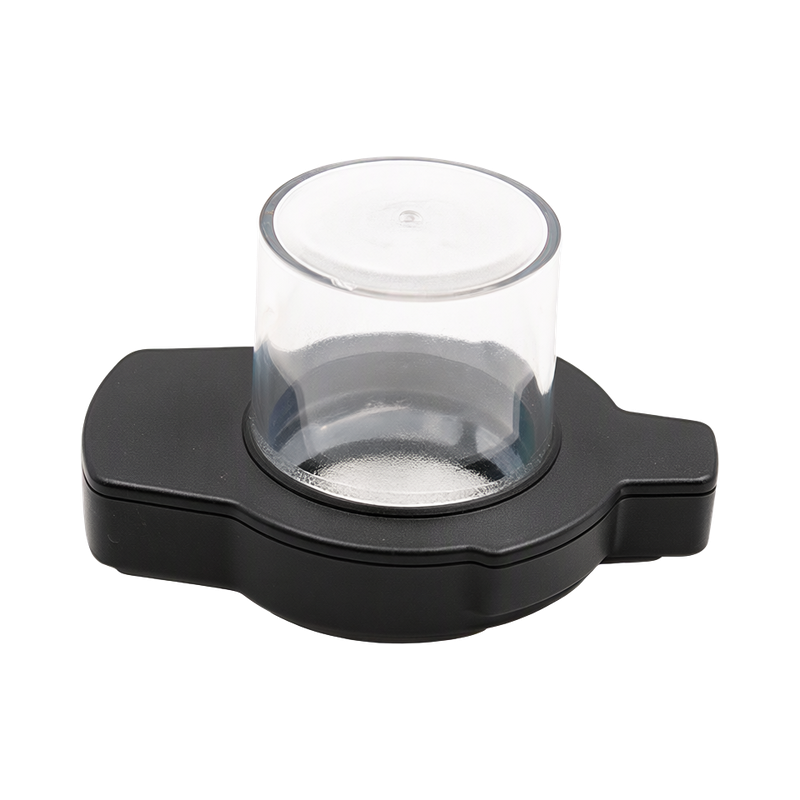
The bottle-neck opening and closure shape determine whether the tag seats correctly. Trial the actual bottle so that the tag stays in place while staff can reach the magnetic release at checkout.
The bottle-neck opening and closure shape determine whether the tag seats correctly. Trial the actual bottle so that the tag stays in place while staff can reach the magnetic release at checkout.
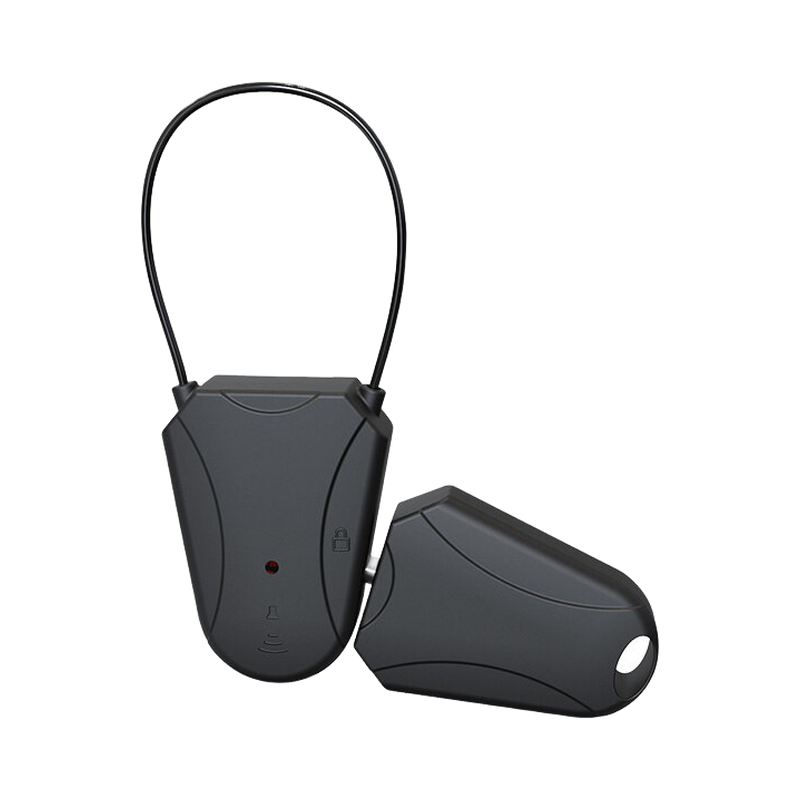
Insert the cable end fully into the locking opening; the source describes a short beep as the lock confirmation. For authorized checkout, use the matched AT007K detacher and the customer-edition release sequence.
AT007K is the dedicated detacher identified by the AT007 customer instructions. Its button releases the retractable magnetic section for use, and the section is pushed back flush with the housing for storage.
The AT006 sheet describes more than one magnetic-detacher specification. Select the detacher for the delivered lock rather than assuming that every magnetic tool used elsewhere in the store is interchangeable.
The AT005 reference lists both alarm-version and tag-frequency choices. The presence of an AM/RF option in the sheet does not mean every ordered unit includes both technologies or the 3A local passage alarm.
The AT005 reference lists both alarm-version and tag-frequency choices. The presence of an AM/RF option in the sheet does not mean every ordered unit includes both technologies or the 3A local passage alarm.
The reviewed AT004 reference describes cable-cut monitoring together with an exit-antenna alarm. It does not establish that every unit has the additional on-tag passage alarm used by other alarm-tag versions.
The reviewed AT004 reference describes cable-cut monitoring together with an exit-antenna alarm. It does not establish that every unit has the additional on-tag passage alarm used by other alarm-tag versions.
The 2A and 3A descriptions represent different alarm behaviours. An exit-gate alarm is not the same as a local sounder on the tag, so the required response should be selected with the store's staff procedure.
The dated Chinese sheet separates channel signal/noise, gain, threshold, receiving-window and synchronization controls. Confirmed changes are saved; cancel or exit abandons the unconfirmed current adjustment.
The WD888 remote uses confirmation to save adjusted parameters and cancel/exit to abandon the current unconfirmed setting. Check the delivered display type before following menu items such as software-version viewing, which are not present on every variant.
The AMS1014/UP6 reference distinguishes the primary pedestal, connected secondary equipment and optional alarm or counting accessories. Verify which accessories are installed before enabling their functions in the service configurator.
The commissioning software can inspect ambient noise with transmission disabled, helping separate site interference from the transmitted tag signal. Establish that baseline before selecting per-channel gain and the receiver threshold.
The Chinese function sheet describes linked transceiver/receiver arrangements and independent channel alarm indications. Identify the master and connected channels before inspecting their status on the commissioning computer.
Tell us the product model, hardware version and the information you need.