
RFID Smart Warehousing
A practical RFID deployment framework to connect receiving, storage, picking and dispatch through consistent item or container identities, including equipment roles, site conditions and handover checks.
Discuss this solutionWhat the operation needs
This solution is intended to connect receiving, storage, picking and dispatch through consistent item or container identities. It brings together the equipment roles and operating decisions needed for a warehouse receiving zone, shelving aisles and dispatch staging area with tagged cartons and handheld scanning. The project brief should be owned jointly by warehouse managers, receiving staff, pickers and integration teams; the supplier and installer need the same description of the items, locations and actions that will be tested.
Decide whether the tracked unit is an individual item, carton, tote or pallet. Record how containers are aggregated or split so receiving and picking use the same identity rules.
Equipment and responsibilities
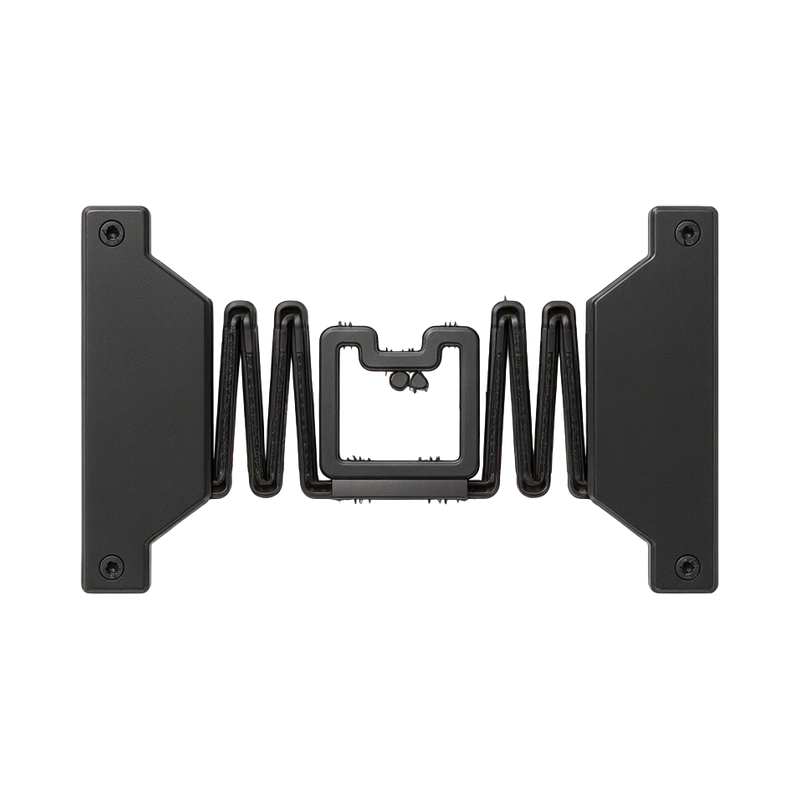
- Appropriate item or carton tags
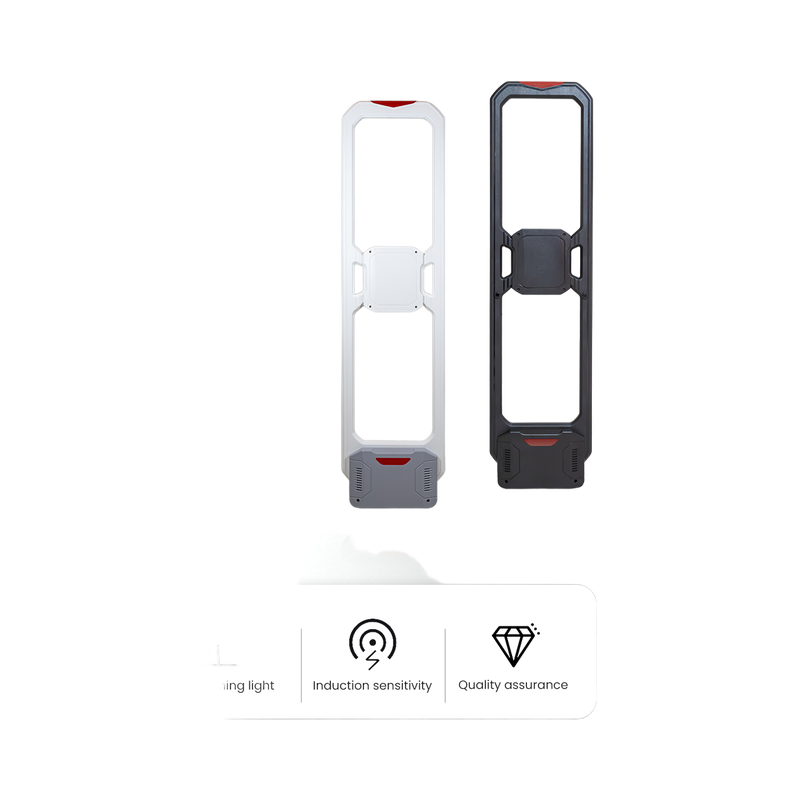
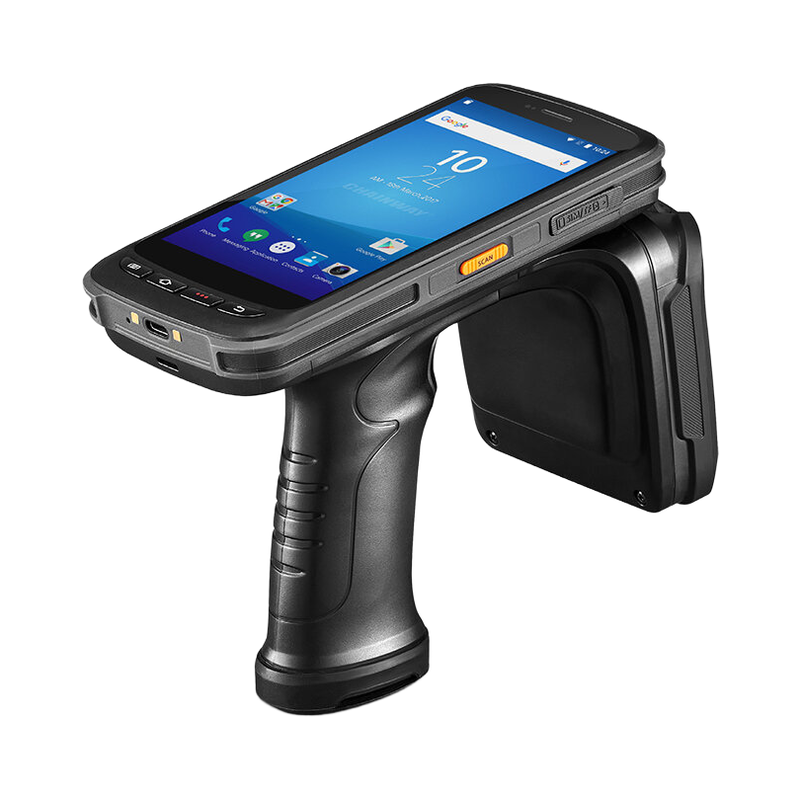
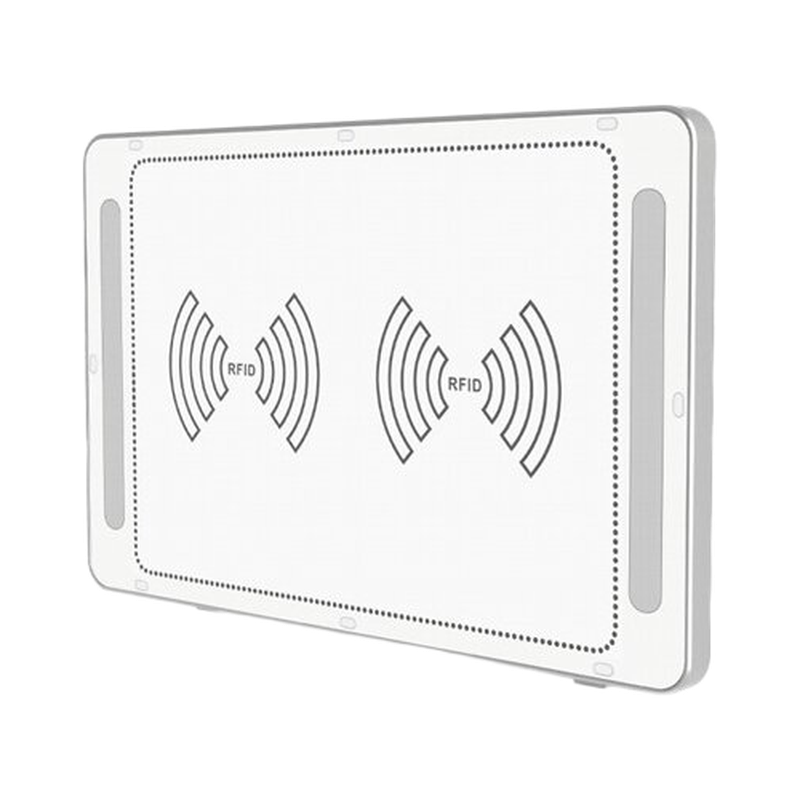
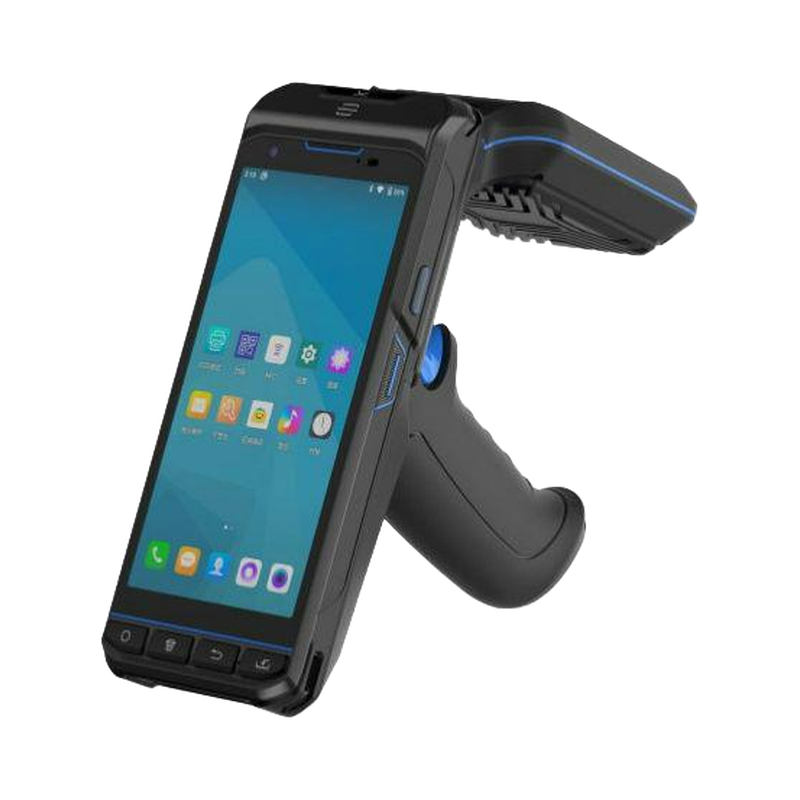
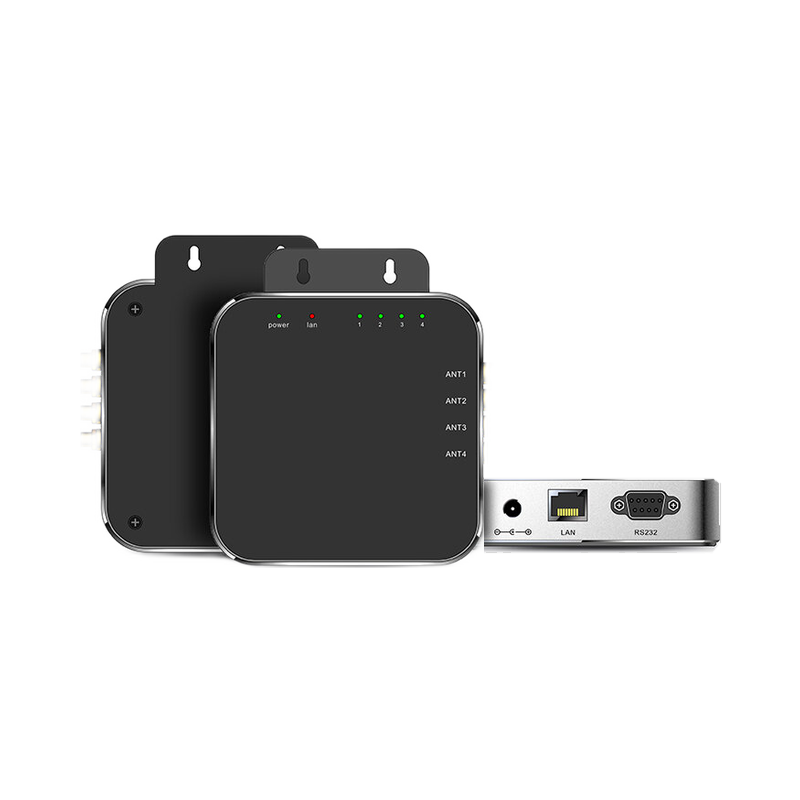
- Handheld or fixed readers
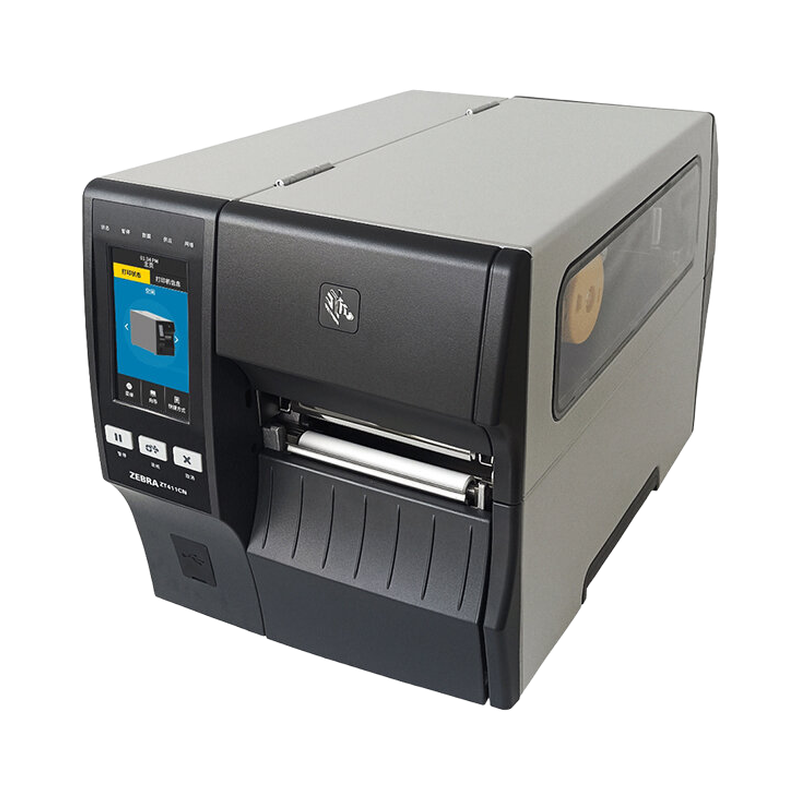
- Encoding station
- Warehouse records
Mark the intended read zones at receipt and dispatch. Test mixed loads, metal or liquid packaging and tags on the far side of a pallet rather than relying on a single exposed sample.
How the workflow is assembled
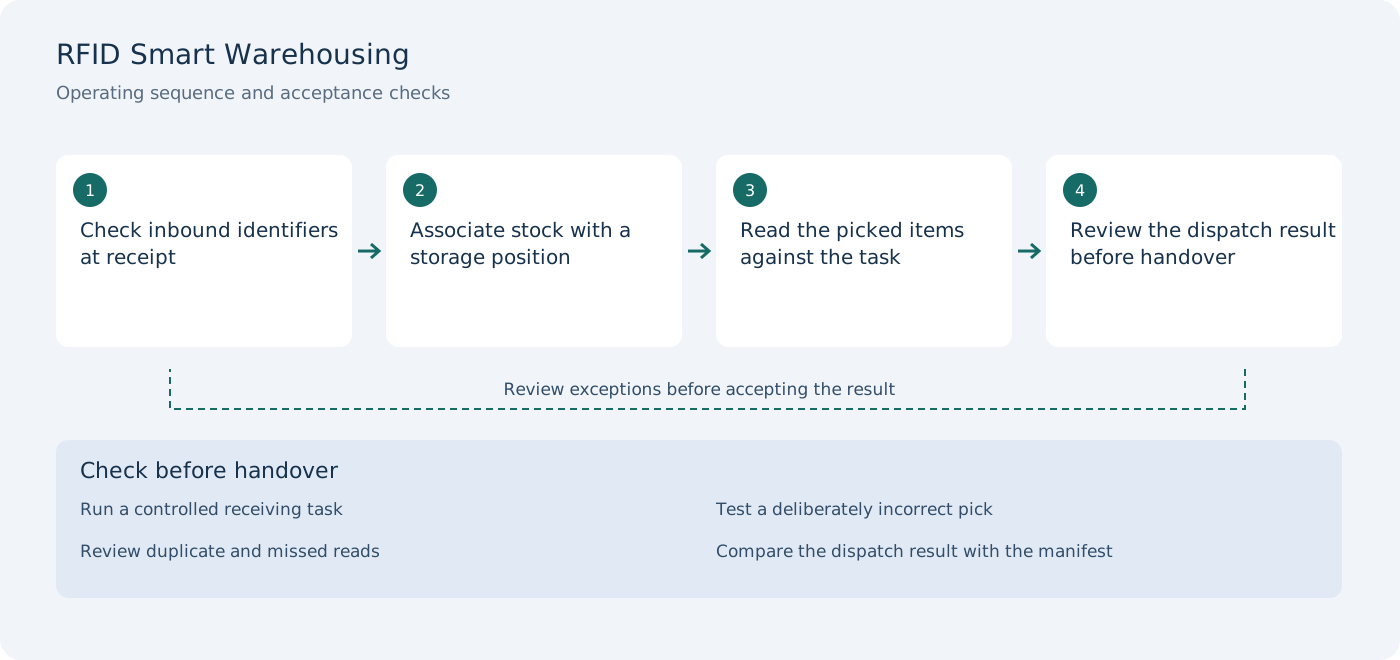
Check inbound identifiers at receipt
Acceptance check: run a controlled receiving task.
Associate stock with a storage position
Acceptance check: test a deliberately incorrect pick.
Read the picked items against the task
Acceptance check: review duplicate and missed reads.
Review the dispatch result before handover
Acceptance check: compare the dispatch result with the manifest.
Site conditions to verify
- Dense mixed loads
- Liquids and metal packaging
- Read-zone separation
- Barcode and existing item-record coexistence
Use these conditions to define a representative pilot rather than testing only an empty or ideal installation. The final quotation should identify the selected hardware variants, installation responsibilities and any external-system work.
Commissioning and handover
Stage an incorrect pick and an unexpected dispatch item. The operator should be able to distinguish a reading exception from a real inventory discrepancy before releasing the shipment.
- Run a controlled receiving task
- Test a deliberately incorrect pick
- Review duplicate and missed reads
- Compare the dispatch result with the manifest
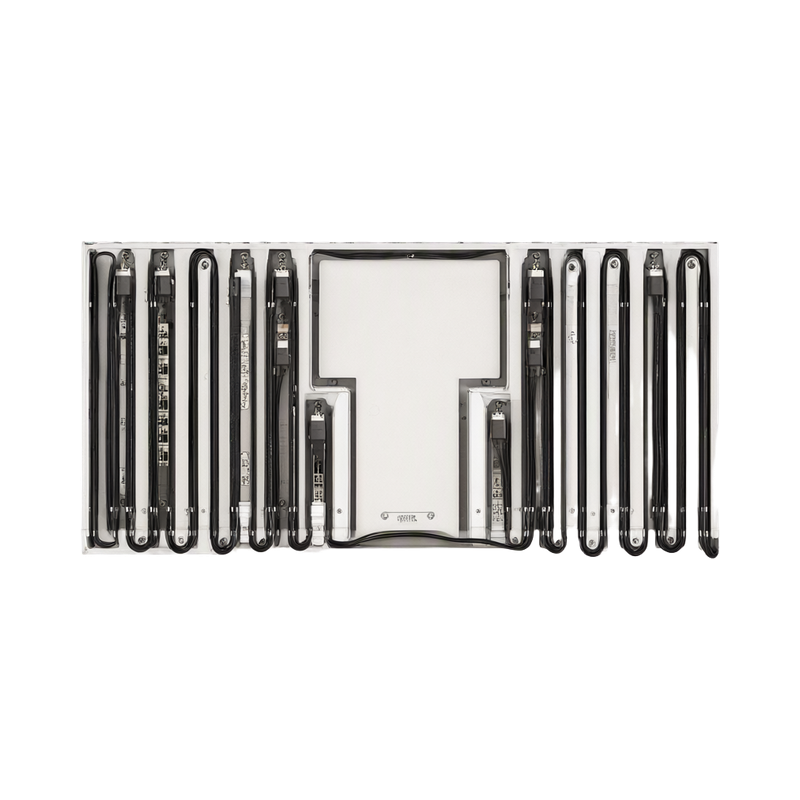
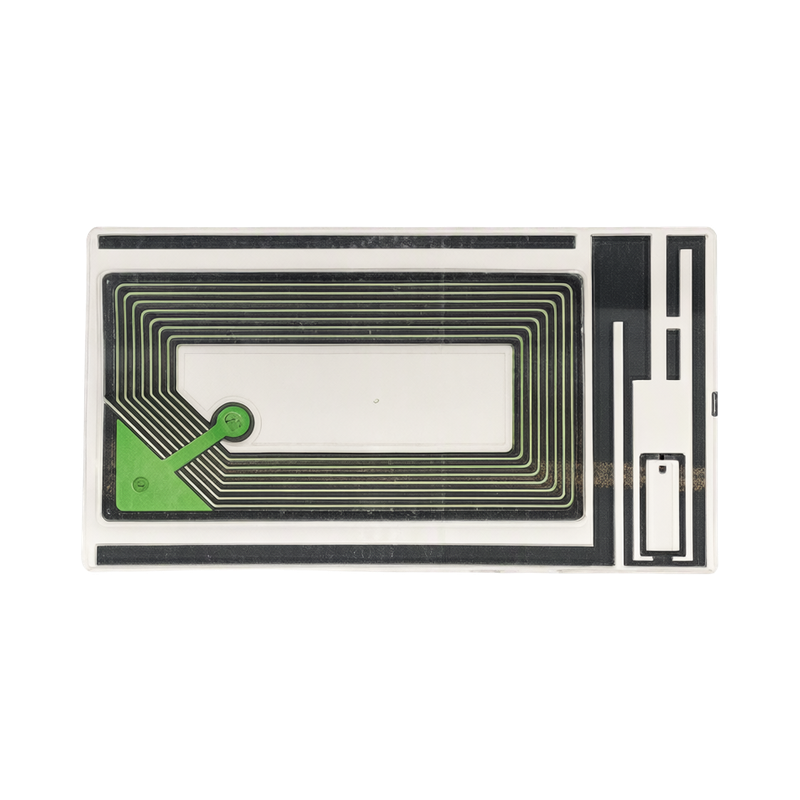
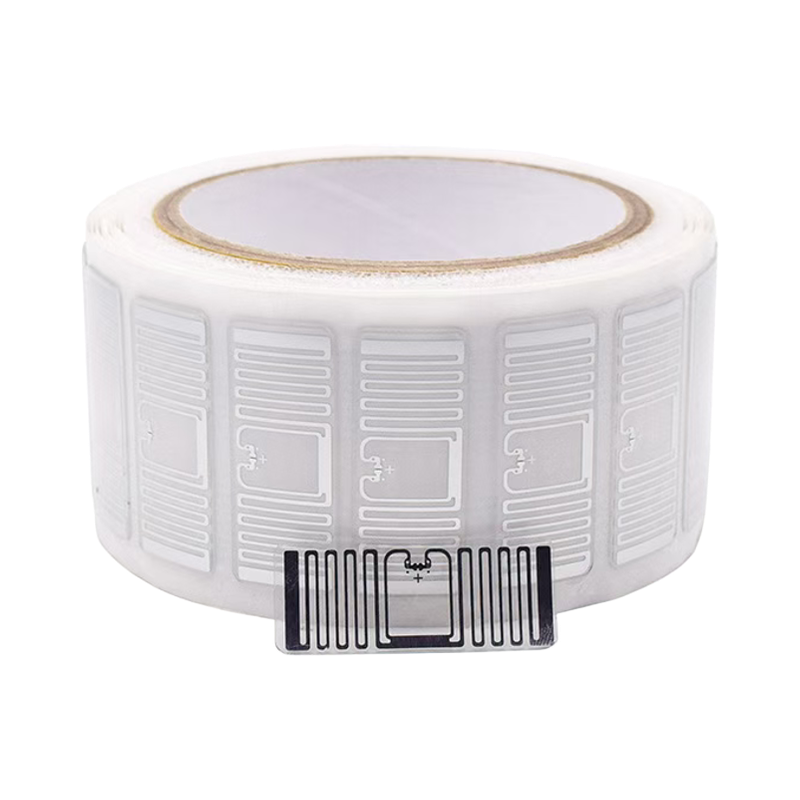
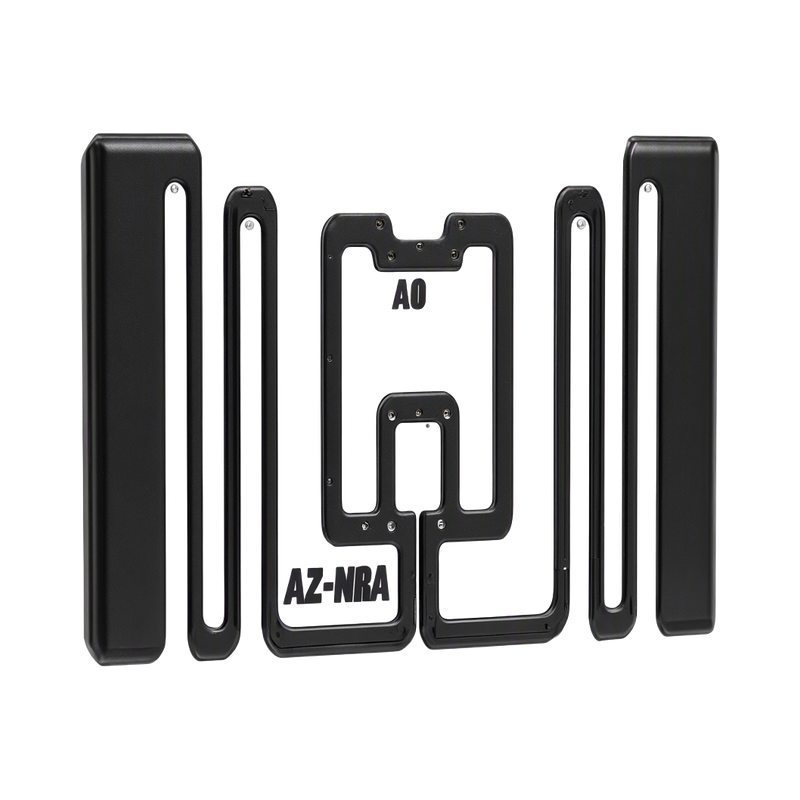
Keep the results with the selected product configuration and site layout. A photograph or demonstration from another environment does not establish the result for this installation. Related products below are candidates for selection; their specifications and application notes should be reviewed before the equipment list is fixed.
Discuss the deployment
Tell us the task, product types, site layout and installation conditions. We will help you verify the appropriate model and configuration for the project.