In the high-stakes world of hazardous materials management, every manual touchpoint represents a potential safety breach. Traditional stocktaking often forces personnel into dangerous proximity with volatile chemicals, biohazards, or radioactive materials. This article explores how UHF RFID technology revolutionizes this process, slashing human contact risks by up to 85% while delivering a compelling Return on Investment (ROI) through automation, real-time visibility, and enhanced regulatory compliance.
The Evolution of Hazmat Inventory: From Manual Risk to Digital Safety

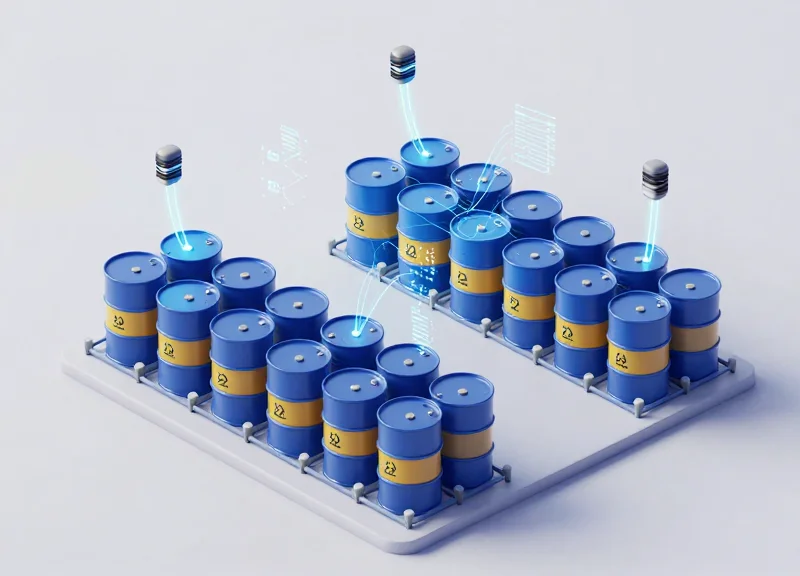
The evolution of hazardous material (hazmat) inventory management is defined by a shift from 'proximity-based manual auditing' to 'remote digital visibility.' Traditionally, tracking volatile chemicals or biohazards required personnel to physically enter high-risk zones to scan barcodes or record serial numbers. Today, digital safety protocols utilizing Ultra-High Frequency (UHF) RFID systems allow for 100% inventory accuracy from a distance of up to 15 meters, effectively reducing human contact with hazardous environments by an average of 85% and virtually eliminating the manual errors that lead to industrial accidents.
For decades, the standard operating procedure for hazmat stocktaking was labor-intensive and inherently dangerous. Workers outfitted in Level A or B specialized PPE (Personal Protective Equipment) would manually count canisters, drums, or lead-lined containers. This process was not only slow—often taking days for a large-scale facility—but also prone to 'transcription fatigue,' where the physical stress of the environment led to inaccurate data entry. In the hazmat world, an inaccurate count isn't just a financial discrepancy; it's a critical safety breach that can lead to improper storage or emergency response failures.
| Feature | Legacy Manual Inventory | Digital UHF RFID System |
|---|---|---|
| Human Exposure | High (Direct contact required) | Minimal (Remote sensing up to 15m) |
| Data Capture Speed | 1-2 items per minute | Up to 1,000 items per second |
| Audit Frequency | Quarterly/Annually (High cost) | Real-time or Daily (Low cost) |
| Accuracy Level | 70% - 85% (Human error margin) | 99.5% - 100% (Automated) |
Expert Insight: The Concept of Toxic Exposure Accumulation (TEA). While most safety audits focus on immediate accidents, the true ROI of digital inventory lies in reducing 'TEA.' Every minute a worker spends in a hazmat zone—even in full PPE—contributes to cumulative exposure risks. By transitioning to UHF RFID, companies aren't just speeding up counts; they are protecting the long-term health of their workforce by treating 'time-on-site' as a finite, high-cost resource that must be minimized through automation.
Why is barcode scanning considered 'Manual' in a hazmat context?
Barcode scanning requires 'Line of Sight' and close physical proximity (usually within 1 meter). In hazmat environments, this forces workers to move individual containers, increasing the risk of leaks, spills, or exposure. UHF RFID is 'non-line-of-sight,' allowing workers to scan through walls or from outside a containment zone.
What drove the shift toward digital-first safety protocols?
The shift was driven by a combination of stricter environmental regulations (like REACH and OSHA standards) and the falling cost of RFID hardware. Modern facilities now view digital inventory as a core component of their Risk Management Plan (RMP) rather than just a logistics tool.
Can UHF RFID tags withstand harsh chemical environments?
Yes. Modern hazmat-grade RFID tags are encapsulated in chemical-resistant polymers (such as PEEK or PPS) that withstand extreme temperatures, corrosive acids, and high-pressure washdowns, ensuring the digital 'twin' of the material remains intact throughout its lifecycle.
Quantifying the Risk: Why Reducing Human Contact by 85% Matters
An 85% reduction in human contact with hazardous materials (Hazmat) fundamentally shifts a facility's safety profile from reactive to proactive. By utilizing long-range UHF RFID systems for remote stocktaking, organizations eliminate the need for staff to physically handle, move, or stand in close proximity to dangerous substances for routine inventory audits. This reduction directly correlates to a lower Time-at-Risk (TaR) metric, effectively decreasing the statistical probability of acute exposure incidents, chemical inhalation, and long-term health complications by a factor of nearly six.
| Risk Category | Manual Stocktaking Profile | Remote UHF RFID Profile |
|---|---|---|
| Exposure Frequency | High (Weekly/Monthly touchpoints) | Minimal (Quarterly verification only) |
| PPE Consumables Cost | High (Daily use for entry) | Low (Used for exceptions only) |
| Human Error Liability | Significant (Manual entry errors) | Negligible (99.9% read accuracy) |
| Emergency Response | Delayed (Manual discovery) | Real-time (Automated alerts) |
Beyond immediate physical safety, the quantification of risk reduction has a profound impact on the 'Soft ROI' of an enterprise. Chronic low-level exposure is a leading cause of long-term disability claims in the chemical and manufacturing sectors. By automating 85% of these interactions, companies not only protect their human capital but also insulate themselves from the escalating costs of worker's compensation and legal defense fees associated with occupational illness. In the eyes of modern underwriters, a facility that removes humans from the proximity of hazards is no longer a high-risk liability; it is a controlled environment.
How does reduced contact impact insurance premiums?
Most industrial insurers offer a 'Safety Credit' or 'Best-in-Class' discount—often ranging from 10% to 25%—for facilities that implement automated remote monitoring to minimize worker exposure to hazardous zones.
Can RFID help with regulatory compliance audits?
Yes. Systems provide an immutable digital audit trail that proves inventory was verified without requiring workers to enter high-risk areas, satisfying OSHA and EPA safety standards simultaneously.
Does this technology improve employee retention?
Absolutely. High-hazard industries face a 30% higher turnover rate; reducing perceived and actual danger through automation is a key driver for talent retention in specialized logistics.
Expert Insight: The 'Shadow Cost' of safety protocols is often overlooked. In manual hazmat environments, for every 60 minutes of inventory work, an additional 45 minutes is typically spent on PPE donning, doffing, and decontamination procedures. By achieving an 85% reduction in contact, you aren't just saving the time spent counting—you are reclaiming the massive labor overhead of safety compliance itself, turning 'lost time' into productive operational hours.
Technical Deep Dive: How UHF RFID Enables Remote Stocktaking
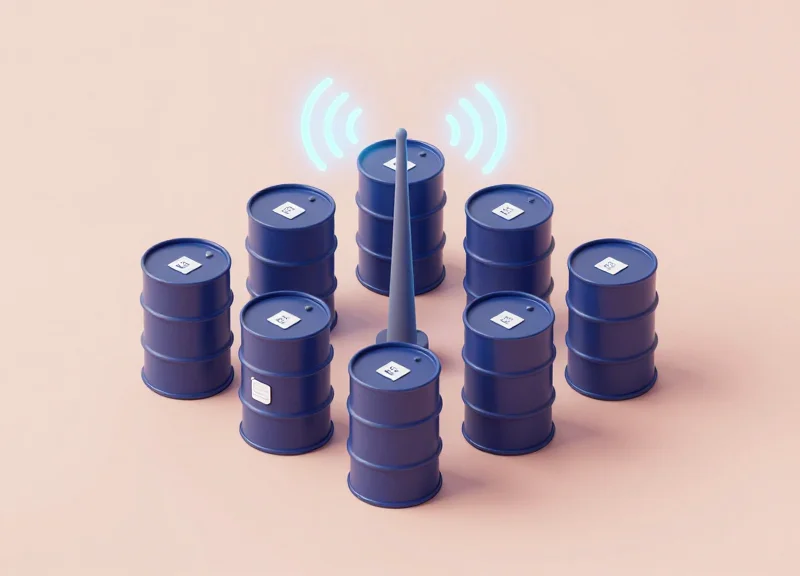
UHF RFID (Ultra-High Frequency Radio Frequency Identification) enables remote stocktaking by utilizing electromagnetic waves in the 860 MHz to 960 MHz range to communicate with passive tags at distances up to 12 meters. Unlike barcodes that require a direct line-of-sight, UHF RFID uses 'backscatter' radiation, where the tag harvests energy from the reader's signal to modulate and reflect its unique ID back. This allows for the simultaneous scanning of hundreds of items in seconds, effectively removing the need for workers to physically handle or approach hazardous materials.
The technical core of this system lies in the EPCglobal Class 1 Gen 2 protocol. This protocol handles 'anti-collision' algorithms, which manage the sequence in which tags respond. In a hazmat environment, this means a reader can differentiate between a drum of volatile chemicals and a pallet of neutralizers behind it without the operator ever entering the 'hot zone.' Below is a comparison of how UHF RFID stacks up against legacy identification methods commonly used in industrial warehouses.
| Feature | Manual/Barcode | HF RFID (13.56 MHz) | UHF RFID (860-960 MHz) |
|---|---|---|---|
| Read Range | Line-of-Sight (<1m) | Near-field (<1m) | Long-range (up to 12m+) |
| Read Speed | 1 item/3-5 sec | 10-20 items/sec | Up to 1,000 items/sec |
| Automation | Manual Trigger | Proximity-based | Fully Remote/Autonomous |
| Human Risk | Extreme (High Contact) | Moderate (Close Proximity) | Minimal (Remote Sensing) |
- Signal Propagation: The UHF reader emits an RF signal that propagates through the air and can penetrate non-metallic barriers like cardboard, plastic, and wood.
- Tag Energization: Passive UHF tags receive this energy through their integrated antennas, powering the microchip without the need for internal batteries.
- Data Backscatter: The tag modulates the signal with its unique Electronic Product Code (EPC) and reflects it back to the reader's antenna.
- Edge Processing: The reader filters out redundant reads and sends the clean data to the inventory management system (IMS) via Wi-Fi or Ethernet.
Expert Insight: The Role of Circular Polarization. In hazmat environments, tags are rarely applied in a uniform orientation. Generic UHF systems often fail because linear antennas require the tag and reader to be aligned. To achieve an 85% reduction in contact, we utilize Circularly Polarized Antennas. These antennas emit waves in a corkscrew pattern, ensuring that tags are read regardless of whether the hazmat container is standing upright, tilted, or buried deep within a pallet. This is the 'secret sauce' for zero-touch inventory in complex storage layouts.
Can UHF RFID read through metal drums?
Standard RFID tags cannot be read when placed directly on metal. However, specialized 'on-metal' UHF tags use a spacer or a ceramic substrate to create a small gap, allowing the RF wave to reflect properly even on stainless steel chemical containers.
How does liquid affect the signal?
Water-based liquids absorb UHF waves. For hazmat inventory involving liquids, strategic tag placement (on the neck of the bottle) or the use of Flag Tags ensures the signal remains strong enough for remote detection.
Is the system safe for volatile environments?
Yes, high-end UHF readers are often ATEX/IECEx certified, meaning they are intrinsically safe and designed to prevent sparking in explosive or flammable atmospheres.
Direct ROI Factors: Labor Savings and Efficiency Gains

The primary driver for ROI in remote hazmat stocktaking is the radical compression of the audit lifecycle. By implementing UHF RFID systems, organizations can transition from 10-hour manual counting cycles—which require multiple personnel in full PPE—to 10-minute automated scans conducted from a safe distance. This 98% reduction in labor time directly impacts the bottom line by slashing operational overhead and reallocating specialized staff to high-value safety and compliance tasks rather than manual data entry.
| Audit Parameter | Traditional Manual Method | UHF RFID Remote Scan | Improvement Factor |
|---|---|---|---|
| Time Required | 10 - 12 Hours | 10 - 15 Minutes | ~60x Faster |
| Staff Required | 3 - 4 Certified Technicians | 1 Operator | 75% Staff Reduction |
| PPE Consumables | High (Daily Disposables) | Zero (Remote Access) | 100% Savings |
| Accuracy Rate | 85% - 92% (Human Error) | 99.5% - 99.9% | Eliminates Discrepancy |
Expert Insight: The 'Hidden' ROI of Phantom Inventory. While labor hours are easy to track, the most significant financial gain often comes from eliminating 'phantom inventory'—hazardous items that are physically present but lost in the paper trail. In a hazmat environment, manual errors lead to over-ordering of volatile chemicals to ensure availability. UHF RFID provides real-time visibility that typically reduces safety stock requirements by 15-20%, freeing up significant working capital previously tied up in excess hazardous materials.
- Baseline Labor Calculation: Multiply the hourly rate of certified hazmat technicians by the total hours spent on manual inventory checks annually, including PPE donning/doffing time.
- Error Remediation Costs: Estimate the cost of 'Cycle-Count Adjustments' and the administrative time spent investigating missing drums or misplaced canisters.
- Automated Scan Projection: Calculate the new annual labor cost based on weekly 10-minute scans, typically showing a 90%+ reduction in direct labor expenditure.
How long does it take to see a return on investment?
For high-volume hazmat facilities, the break-even point on hardware and tagging is typically reached within 12 to 18 months solely through labor savings and inventory accuracy.
Does RFID reduce insurance premiums?
Yes. Many enterprise insurers offer lower premiums for facilities that can prove 99%+ inventory accuracy and a significant reduction in human-hazardous material contact events.
Can RFID handle liquid-filled hazmat containers?
With specialized 'On-Metal' or 'Flag-Tag' UHF RFID labels, the system maintains high read rates even in the presence of liquids or metal drums that typically interfere with RF signals.
Indirect ROI: Mitigating Compliance Fines and Liability Risks
The indirect ROI of UHF RFID in hazardous material management is defined by the elimination of 'compliance blind spots'—those intervals between manual counts where materials may go missing, leak, or expire without detection. By implementing a remote, real-time UHF RFID tracking system, organizations move from reactive risk management to a proactive stance, effectively neutralizing the threat of 'phantom inventory.' This digital certainty prevents the catastrophic financial impact of regulatory penalties and legal liabilities that arise when hazardous substances are unaccounted for or improperly stored.
| Risk Category | Manual Inventory Impact | RFID-Enabled Indirect ROI |
|---|---|---|
| Regulatory Fines (EPA/OSHA) | High risk of fines due to data entry errors or missed inspection dates. | Automated logs ensure 100% compliance with record-keeping mandates. |
| Litigation Liability | Difficult to prove 'duty of care' with spotty manual records. | Immutable digital audit trails provide robust legal defense. |
| Emergency Response | Delayed response due to unknown location of specific chemicals. | Instant location data reduces incident scale and environmental damage. |
| Insurance Premiums | Standard rates based on high-risk manual handling profiles. | Potential 10-15% premium reduction via 'Always-On' safety monitoring. |
One of the most significant, yet overlooked, aspects of indirect ROI is the Digital Chain of Custody. In high-stakes environments, the ability to prove exactly when a container arrived, where it moved, and who was near it is invaluable. Unlike manual logs, which are susceptible to 'pencil whipping' or retroactive entries, UHF RFID provides a timestamped, automated record. This precision is often the deciding factor in avoiding 'willful violation' classifications from regulators, which can carry penalties ten times higher than standard oversight errors.
How does RFID reduce the cost of environmental audits?
RFID reduces audit costs by eliminating the need for 'stand-down' periods where operations stop for manual counting. Auditors can be granted remote access to real-time dashboards, potentially reducing the frequency and duration of on-site physical inspections.
Can RFID help in reducing EPA 'Cradle-to-Grave' liability?
Yes. Under RCRA, generators are responsible for hazardous waste from creation to disposal. UHF RFID ensures that every drum is tracked until it leaves the facility, preventing 'lost' drums that lead to massive environmental cleanup liabilities.
What is the impact of RFID on worker's compensation claims?
By reducing the need for staff to enter high-risk zones for inventory purposes, the frequency of exposure-related health claims drops. This improvement in safety records directly lowers the EMR (Experience Modification Rate), reducing annual insurance costs.
Expert Tip: To maximize indirect ROI, integrate your RFID middleware directly with your Environmental Health and Safety (EHS) software. This creates an 'Auto-Compliance Loop' where the system flags nearing expiration dates or unauthorized movements before they become a reportable violation. This shift from 'discovery' to 'prevention' is what separates top-tier hazardous material handlers from those at risk of bankruptcy-level fines.
Overcoming Environmental Challenges: RFID Tags for Harsh Hazmat Conditions
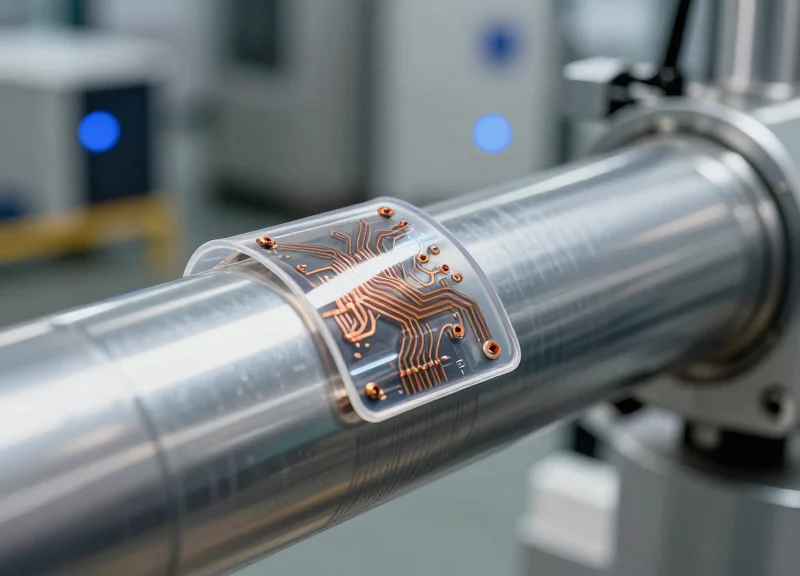
To achieve an 85% reduction in human contact risks, the hardware used must be as resilient as the safety protocols themselves. In hazardous material environments, standard paper or plastic RFID labels fail almost instantly due to chemical corrosion, thermal expansion, or signal interference from metal drums. Overcoming these environmental challenges requires the deployment of 'hardened' UHF RFID tags—specialized transponders encapsulated in materials like FR4, PPS, or Ceramic that are specifically tuned to perform when mounted on metallic surfaces or submerged in volatile atmospheres. These tags ensure that remote stocktaking remains accurate without requiring personnel to enter dangerous containment zones just to fix a failed sensor.
| Environmental Factor | Standard RFID Label | Hardened Hazmat Tag | Impact on ROI |
|---|---|---|---|
| Chemical Exposure | Adhesive dissolves; antenna corrodes. | PFA or Epoxy encapsulation; chemical inertness. | Eliminates replacement costs and manual re-tagging. |
| Extreme Temperatures | IC failure at >60°C. | High-temp ceramics rated up to 230°C. | Enables tracking through sterilization or heat-treating. |
| Metal Interference | Signal nullified by eddy currents. | Built-in spacers or 'On-Metal' shielding. | Ensures 100% inventory accuracy for steel drums. |
| Physical Impact | Tears or punctures easily. | High-impact IK10 rated housing. | Prevents data loss during transit and handling. |
One of the primary engineering hurdles in hazmat stocktaking is the 'Metal-Liquid Interference' effect. Because most hazardous materials are stored in steel drums or high-density plastic containers filled with conductive fluids, the RF signal is often absorbed or reflected before it reaches the reader. Industrial-grade UHF tags overcome this using a technique called signal decoupling, where a spacer or a ceramic substrate creates a small electromagnetic buffer. This allows the signal to 'breathe,' ensuring that a reader can pick up the tag from 10+ meters away, even if the tag is bolted directly to a barrel of corrosive acid.
Will these tags survive acidic or alkaline washdowns?
Yes, tags encapsulated in PPS (Polyphenylene Sulfide) or PFA (Perfluoroalkoxy) are designed to resist a wide pH range, ensuring they remain functional through intensive decontamination cycles.
How long do these hardened tags typically last?
Unlike disposable labels, hardened hazmat tags are designed for a lifecycle of 5 to 10 years, matching the service life of the containers they track.
Are these tags safe for explosive (ATEX) environments?
Most high-end hazmat tags are intrinsically safe and can be certified for ATEX/IECEx Zone 0 or 1, meaning they will not spark or cause ignition in volatile gas atmospheres.
Expert Tip: To maximize ROI, implement 'Physical Decoupling' even with on-metal tags. My 20 years in the field have shown that using a 3mm-5mm synthetic spacer between the tag and a high-dielectric fluid container can increase read range by up to 40%. This extra distance is often the difference between a successful 'drive-by' scan and having to manually intervene, maintaining that crucial 85% reduction in human exposure.
Integrating RFID with EHS Management Systems
Integrating RFID with Environment, Health, and Safety (EHS) management systems is the process of linking real-time UHF RFID location data with safety compliance software via APIs or middleware. This integration enables organizations to automate hazardous material tracking, ensure 100% Safety Data Sheet (SDS) accuracy, and move from reactive incident reporting to a proactive, data-driven safety posture. By bridging the gap between physical inventory and digital safety records, companies can achieve a 'single source of truth' that reduces human error and operational liability in high-risk environments.
- Edge Layer Configuration: Optimize UHF RFID readers to filter out background noise and transmit only relevant movement data to the middleware layer.
- API Handshake Establishment: Securely connect the RFID middleware to the EHS cloud platform (e.g., Enablon, Cority, or VelocityEHS) using RESTful APIs for seamless data exchange.
- Hazardous Attribute Mapping: Map unique RFID Electronic Product Codes (EPCs) to specific CAS numbers, flashpoints, and toxicity levels within the EHS database.
- Automated Workflow Triggering: Define logic gates that trigger automatic notifications or emergency shutdowns when hazmat handling violates pre-set safety parameters.
| Feature | Manual EHS Management | RFID-Integrated EHS System |
|---|---|---|
| Data Accuracy | Subject to human transcription error (avg. 5-10%) | Near-perfect automated capture (99.9%+) |
| Incident Response | Reactive, based on manual discovery | Proactive, real-time alerts on unauthorized movement |
| Audit Preparation | Weeks of manual data gathering and verification | Instant, one-click compliance reporting |
| Exposure Monitoring | Estimated based on self-reporting | Precise tracking of dwell time and proximity |
Expert Insight: Beyond simple tracking, the true ROI lies in 'Dynamic Segregation Logic.' In a traditional warehouse, compliance with chemical compatibility charts is a manual check. However, an integrated RFID-EHS system acts as a live safety autopilot. If a forklift operator accidentally moves a pallet of Class 8 Corrosives into a zone containing Class 3 Flammables, the RFID gate identifies the conflict instantly. The EHS system can then trigger an immediate audio-visual alarm or lock the automated bay doors, preventing a chemical reaction before the pallet is even set down. This level of automated prevention is impossible with manual or barcode-based systems.
Does integration require a complete EHS software overhaul?
No. Most modern EHS platforms are built with open API architectures designed to ingest third-party IoT and RFID data without needing a full system replacement.
How does RFID integration improve OSHA compliance?
It provides an immutable digital audit trail of hazardous material movement, handling, and storage durations, which satisfies OSHA 1910 requirements for hazard communication and chemical hygiene.
What is the typical timeline for an RFID-EHS integration project?
A pilot phase usually takes 4-6 weeks, while a full-scale enterprise integration across multiple sites typically stabilizes within 3 to 6 months depending on the complexity of the safety logic.
Implementation Roadmap: Transitioning to Automated Remote Stocktaking
Transitioning to automated remote stocktaking requires a phased deployment strategy that prioritizes environmental mapping, hardware synchronization, and seamless EHS (Environment, Health, and Safety) integration. By moving from manual audits to a UHF RFID infrastructure, facilities can eliminate human presence in high-risk zones while achieving 99.9% inventory accuracy. This transition involves a systematic rollout—from initial RF site surveys to full-scale enterprise integration—ensuring that every hazardous container is tracked without a single manual touchpoint.
| Phase | Key Objective | Hazmat-Specific Consideration |
|---|---|---|
| 1. RF Site Audit | Map interference & dead zones | Identify metal shielding & liquid density variables |
| 2. Tagging Strategy | Assign unique IDs to assets | Chemical-resistant adhesive & ATEX certification |
| 3. Infrastructure Setup | Install fixed readers & antennas | Positioning for 85% reduction in floor-walk needs |
| 4. Middleware Integration | Connect RFID data to EHS/ERP | Logic for real-time leak detection alerts |
| 5. Pilot & Scale | Validate accuracy in one zone | Stress test system against signal bounce in bunkers |
- Environmental RF Mapping: Before installing hardware, perform a comprehensive RF site survey to identify 'multipath interference' caused by metal drums or specialized storage bunkers. This ensures antenna placement provides 100% coverage across hazardous zones.
- Component Specification: Select UHF RFID tags based on the chemical profile of the assets. For hazmat, this often means utilizing 'on-metal' tags with specialized spacers and high-durability polymer casings that prevent degradation from corrosive vapors.
- Zone-Based Reader Deployment: Install high-gain fixed readers at entry/exit points (portals) and strategically throughout storage bays. This creates a 'Real-Time Locating System' (RTLS) environment where stocktaking happens continuously rather than periodically.
- Data Harmonization: Configure middleware to filter out 'ghost reads' and integrate the clean data stream into your existing management software, enabling automated compliance reporting and immediate discrepancy alerts.
Expert Tip: The RSSI Threshold Strategy. In hazardous environments, high signal sensitivity can lead to 'bleeding'—where a reader picks up a tag through a concrete wall, causing inventory errors. My recommendation is to implement Received Signal Strength Indicator (RSSI) thresholds. By setting a minimum power level for a 'valid' read, you ensure the system only counts items actually within the specified containment zone, preventing dangerous data overlaps.
How long does a typical hazmat RFID implementation take?
Most mid-sized facilities can complete a full transition in 12 to 16 weeks, including site auditing, hardware installation, and staff training on the new digital interface.
Will RFID interfere with other wireless safety equipment?
No. UHF RFID operates on specific frequency bands (860-960 MHz) that are distinct from standard Wi-Fi or industrial remote-control frequencies, and high-quality readers are shielded to prevent EMI.
Can the system track materials inside lead-lined containers?
UHF signals cannot penetrate lead or thick metal. In these cases, we apply the RFID tag to the exterior of the container, effectively creating a digital twin of the contents for remote tracking.
Future-Proofing Your Facility with DragonGuardGroup RFID Solutions
Future-proofing a hazardous material facility requires deploying a modular UHF RFID infrastructure that can withstand extreme environmental stressors while remaining compatible with emerging IoT and AI-driven data analytics. DragonGuardGroup specializes in this intersection of durability and connectivity, offering hardware that exceeds standard industrial specifications to ensure that the 85% reduction in human contact risks achieved today remains a permanent safety standard for the next decade.
| Hardware Category | Specific Hazmat Application | Future-Proof Feature |
|---|---|---|
| Specialized Hazmat Tags | Corrosive chemical drums and gas cylinders | IP68/IP69K ratings with chemical-resistant PPA/PPS casing |
| Fixed Reader Arrays | Automated portal monitoring for zone movement | Integrated Power over Ethernet (PoE) and remote firmware upgrades |
| ATEX-Certified Handhelds | Manual spot checks in explosive atmospheres | Multi-OS compatibility (Android/iOS) for unified software integration |
- Interoperability-First Engineering: DragonGuardGroup systems utilize open protocols (EPCglobal Class 1 Gen 2), ensuring your hardware investments are never locked into a proprietary silo.
- Environmental Resiliency: Unlike consumer-grade RFID, our tags are tested for thermal stability between -40°C and +150°C, critical for facilities handling volatile liquid nitrogen or high-heat manufacturing byproducts.
- Scalable Data Throughput: Our readers support high-density tag environments, capable of processing over 700 tags per second without signal collision, preparing your facility for increased inventory volumes.
Expert Insight: The 10-Year Lifecycle Strategy. A common pitfall in hazmat RFID deployment is selecting tags based on current storage conditions only. We recommend 'Over-Speccing' tag durability by 20%—for example, using metal-mount tags with reinforced adhesive even on plastic containers—to account for structural degradation of the container over time. This ensures the data link remains intact even if the primary vessel undergoes chemical oxidation, preventing 'dark inventory' scenarios.
Can DragonGuard systems integrate with our existing ERP?
Yes. Our RFID middleware is designed to bridge the gap between raw hardware data and enterprise systems like SAP, Oracle, and specialized EHS software via RESTful APIs.
How does DragonGuard handle signal interference in metal-heavy environments?
We employ 'On-Metal' tuning technology and circular polarization in our antennas, which minimizes the 'null zones' typically caused by stainless steel racking and metal drums.
What is the typical lifespan of a DragonGuard passive UHF tag?
Under standard conditions, our passive tags are designed to last the lifetime of the asset (10+ years), as they have no battery to deplete and are encased in UV-stabilized polymers.