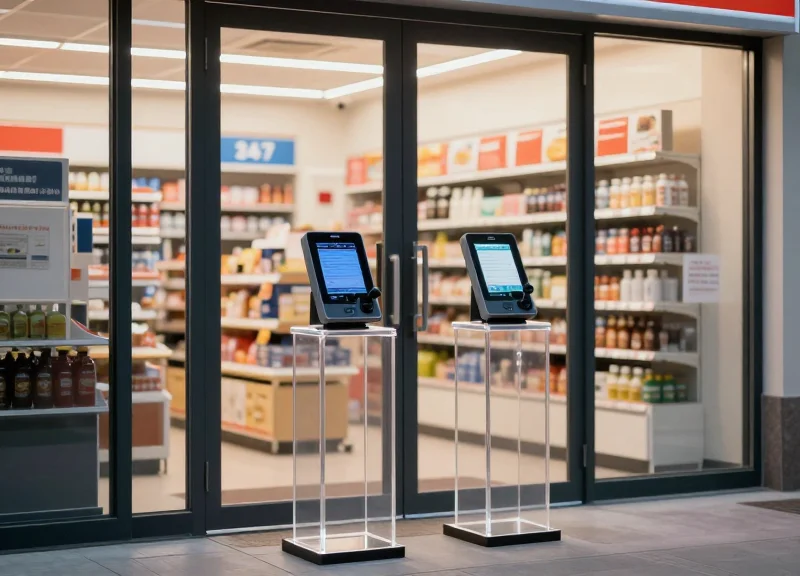
In the fast-paced world of 24/7 gas station marts, security is a non-stop challenge that requires more than just passive observation. With high foot traffic, rapid turnover, and a constant flow of inventory, traditional security measures often fall short of modern demands. As we move into 2026, the evolution of Electronic Article Surveillance (EAS) technology offers smarter, more resilient ways to combat shrinkage without disrupting the customer experience. This guide explores the premier EAS solutions specifically designed to withstand the unique pressures of high-traffic convenience retail, ensuring your profit margins remain protected around the clock.
Understanding the Unique Security Challenges of 24/7 Gas Stations
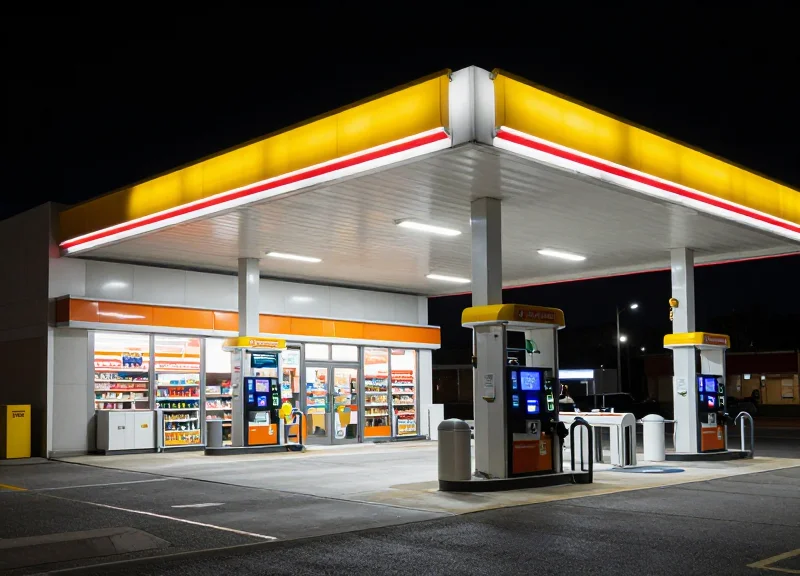
24/7 gas station marts operate at the volatile intersection of high-speed convenience and high vulnerability. Unlike traditional big-box retail, these environments must manage constant 'stop-and-go' traffic, a high volume of 'pocketable' high-value items, and the unique psychological pressures of late-night solitary shifts. In 2026, effective security for high-traffic marts is no longer just about alarm systems; it is about creating a frictionless deterrence layer that protects narrow margins without slowing down the customer journey. Understanding these specific pain points—transient demographics, high SKU density, and limited staff visibility—is the critical first step in selecting a high-performance Electronic Article Surveillance (EAS) system.
| Risk Factor | Daytime (High Traffic) | Nighttime (Low Traffic/High Risk) |
|---|---|---|
| Theft Type | Organized Retail Crime (ORC) & Quick Grab | Opportunity Shoplifting & Confrontational Theft |
| Staff Focus | Transaction Speed & Queue Management | Safety & Perimeter Monitoring |
| EAS Priority | Multi-item Detection & False Alarm Suppression | Visual Deterrence & Silent Alerting |
| Customer Flow | Extreme Bottlenecks | Sporadic & Unpredictable |
Why is 'Transient Traffic' a specific challenge for EAS?
Unlike local boutiques, gas stations see hundreds of unique customers daily who may never return. This lack of community familiarity makes behavioral profiling difficult, placing the burden of detection entirely on automated EAS hardware rather than staff intuition.
How does SKU density impact security choice?
Marts often pack high-margin items like energy supplements, premium vapes, and high-end lubricants into small spaces near the exit. These items are easily concealed, requiring EAS tags that are small enough for compact packaging but powerful enough to trigger sensors even if shielded.
What role does late-night staff isolation play?
Security systems must act as a 'silent partner' for lone employees. In 2026, top-tier EAS systems integrate with mobile alerts or haptic feedback (watches), allowing staff to stay informed of a breach without escalating a potentially dangerous situation at the counter.
Expert Insight: The Frictionless Deterrence Paradox. In my two decades of optimizing retail security, I have observed that for gas station marts, the 'slowest' security is the most expensive. If an EAS system causes a 10-second delay in a 2-minute transaction due to false alarms or deactivation lag, you aren't just losing the cost of the item; you are eroding your brand's core value proposition: speed. The goal for 2026 is a 'Transparent Perimeter'—a system that is 100% visible to would-be thieves to deter them, yet 100% invisible to paying customers to ensure they keep coming back.
AM vs. RF Technology: Which Fits Your Mart Layout Best?
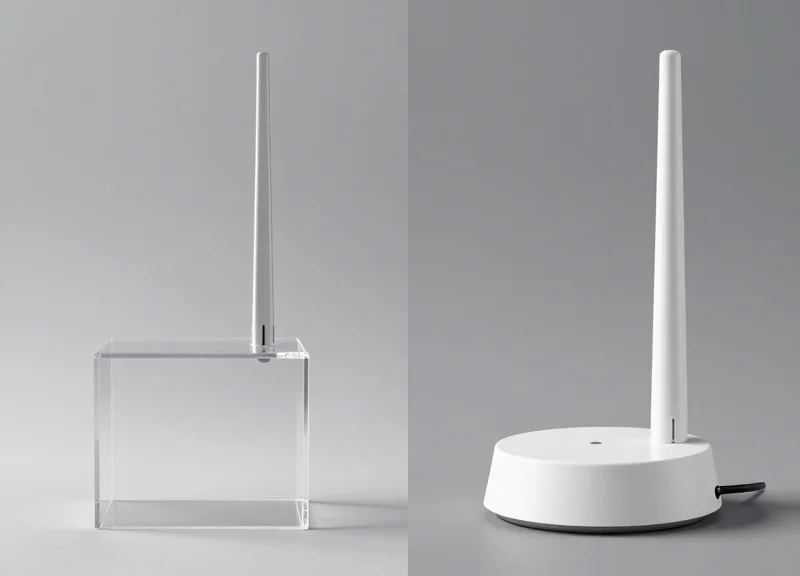
For 24/7 gas station marts, the choice between Acousto-Magnetic (AM) and Radio Frequency (RF) technology hinges on the density of metal and electronic noise in the environment. AM systems operate at a lower 58 kHz frequency, making them significantly more resilient to interference from metal shelving and large refrigeration units. Conversely, RF systems (typically 8.2 MHz) are more cost-effective but highly sensitive to metal-shielding and phantom alarms caused by the electromagnetic fields of nearby equipment. In a high-traffic mart where space is tight and metal is everywhere, AM technology is generally the industry standard for reliability.
| Feature | AM (Acousto-Magnetic) | RF (Radio Frequency) |
|---|---|---|
| Operating Frequency | 58 kHz | 8.2 MHz |
| Metal Sensitivity | Low (Works near metal) | High (Prone to interference) |
| Detection Width | Up to 2.4 meters | Up to 1.8 meters |
| Label Types | 3D Plastic Strips | Flat Paper Stickers |
| Typical Cost | Higher investment | Budget-friendly |
One critical factor for gas station managers to consider is the 'Cooler-Gap' effect. In 2026, modern mart designs often place high-margin chilled goods directly adjacent to the exit. The high-speed compressors and LED drivers found in modern commercial refrigeration units emit significant electromagnetic interference (EMI). While RF systems can struggle with 'phantom alarms' in these zones, AM systems are engineered to filter out this low-frequency noise. If your EAS pedestals must be placed within three feet of a walk-in cooler or heavy-duty metal shelving, the slightly higher price point of an AM system will save thousands in avoided false alarms and staff fatigue.
Can RF systems work if I have metal shelves?
RF systems can work, but they require 'metal-distancing.' If a pedestal is bolted directly next to a metal gondola or shelf, the signal can 'detune,' causing the system to fail to detect tags or constantly alarm. You typically need a minimum of 18 inches of clearance.
Which technology is better for foil-wrapped snacks and energy drinks?
AM is superior for products with metallic packaging. RF signals are easily shielded (blocked) by aluminum foil or metallic layers in snack bags, whereas the AM signal can penetrate these materials more effectively.
Is it possible to mix both systems?
Generally, no. You must choose one technology for your store as the tags and deactivators are not cross-compatible. Most global chains are currently migrating to AM for gas station environments due to its robustness in small, dense floor plans.
Expert Tip: For 2026, look for 'Eco-Mode' AM systems. Modern mart security should utilize pulsed-field technology that only draws full power when motion sensors detect a customer approaching the exit. This reduces electricity costs and minimizes the long-term heat stress on the electronics, which is a major cause of system failure in 24/7 environments.
The Rise of AI-Integrated EAS: Predicting Theft in Real-Time

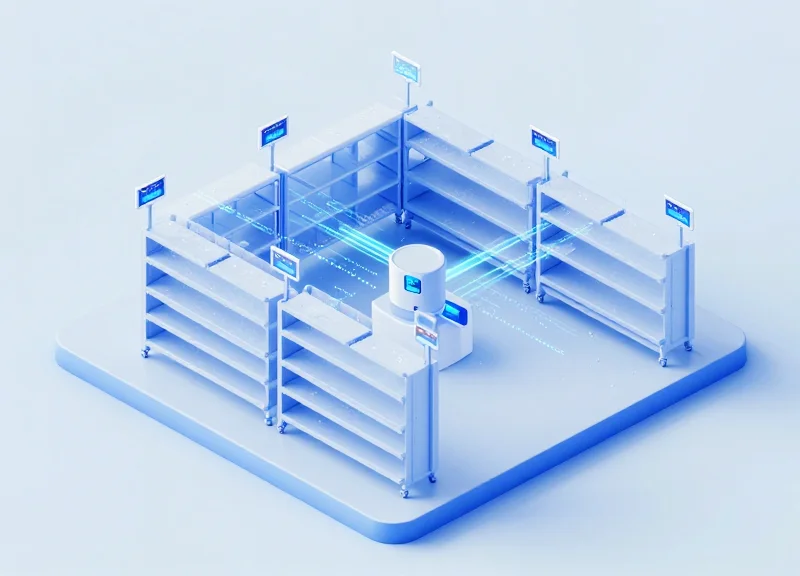
In 2026, the definition of Electronic Article Surveillance (EAS) has evolved from a reactive alarm at the door to an intelligent, predictive ecosystem. By integrating computer vision AI with traditional RF or AM hardware, these systems analyze 'intent'—identifying suspicious gestures such as concealment motions, frequent scanning of staff locations, or unusual dwell times in high-value aisles. This sensor fusion allows gas station managers to receive preemptive alerts on mobile devices, shifting the security paradigm from stopping a thief at the door to preventing the theft from occurring in the first place.
| Feature | Traditional EAS (Pre-2024) | AI-Integrated EAS (2026) |
|---|---|---|
| Detection Point | Exit Pedestals Only | Full Store Floor (Path-Tracking) |
| Trigger | Tag crossing magnetic field | Behavioral anomaly + Tag movement |
| Alert Timing | During/After theft | Pre-theft (Predictive) |
| False Alarms | High (Interference/Shielding) | Low (Verified by Visual Data) |
The true innovation for 24/7 marts lies in 'Visual Verification.' When an EAS pedestal triggers, the AI instantly pushes a 5-second video clip of the specific event to the clerk's smartwatch or POS system. This eliminates the 'innocent customer' friction common in high-traffic environments, as staff can see if the alarm was caused by a legitimate tag failure or a hidden item.
How does AI distinguish between a shopper and a shoplifter?
AI models use skeletal tracking to identify specific 'reach-and-conceal' patterns. If a hand moves toward a pocket or under a jacket immediately after picking up an item, the system flags the event as high-probability theft.
Does this technology require a complete hardware overhaul?
Not necessarily. Many 2026 systems are 'Edge-Ready,' meaning they can ingest feeds from existing high-definition CCTV cameras and sync them with modern EAS controller units via API.
What is the 'Dwell-to-Transaction' ratio?
This is a new 2026 metric where AI tracks how long a person stays in a 'hot zone' (like the medicine or tobacco aisle) versus their proximity to the register. A high dwell time without approaching the POS triggers a staff 'customer service' prompt.
Expert Insight: The 'Invisible Gate' Concept. In 2026, we are seeing a move toward 'Invisible EAS,' where antennas are embedded in the floor or door frames and paired with overhead AI sensors. For gas station owners, this maximizes narrow entryway space and removes the 'fortress' look that can deter late-night customers, while actually increasing security through multi-layered behavioral detection.
Top EAS Hardware Recommendations for High-Traffic Marts
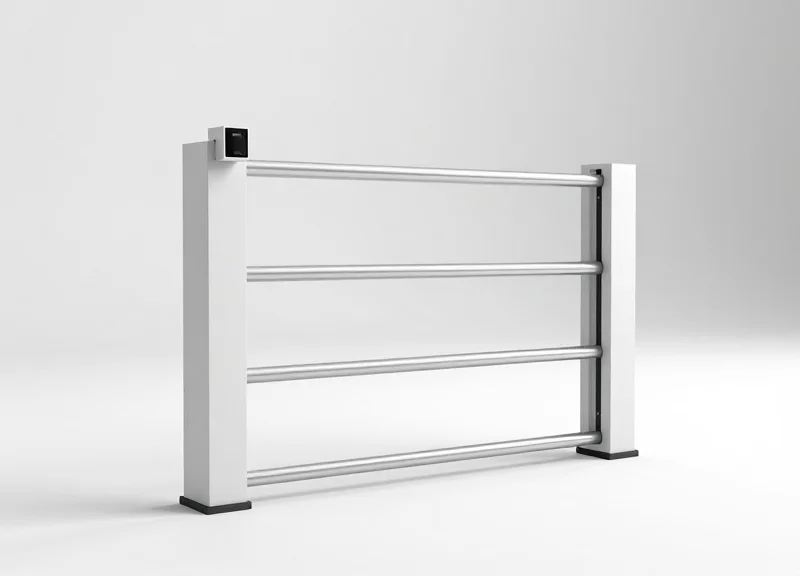
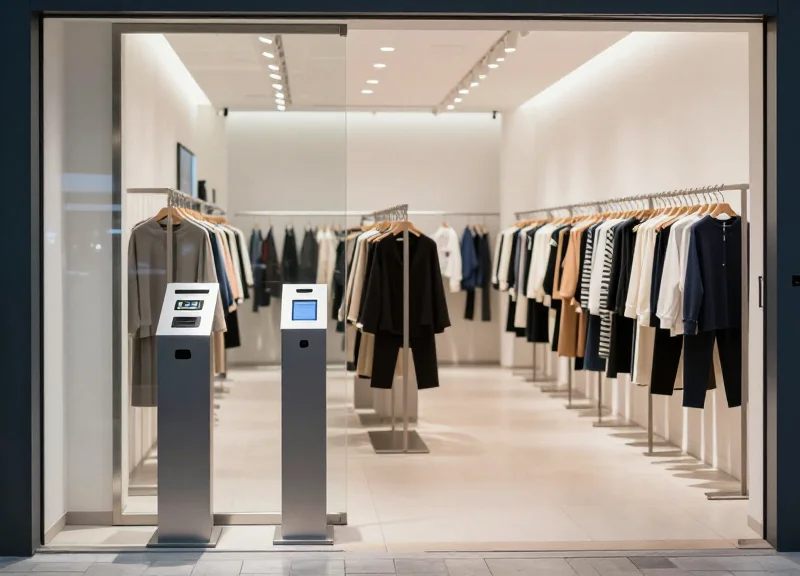
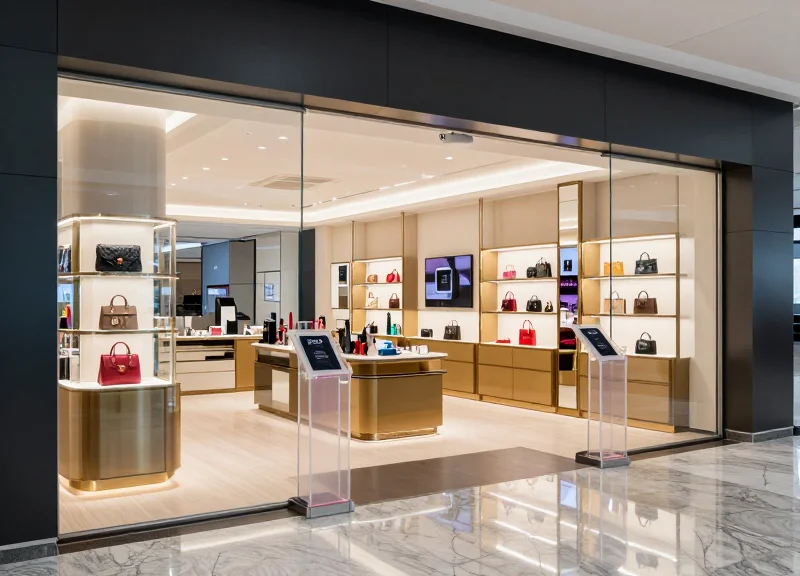
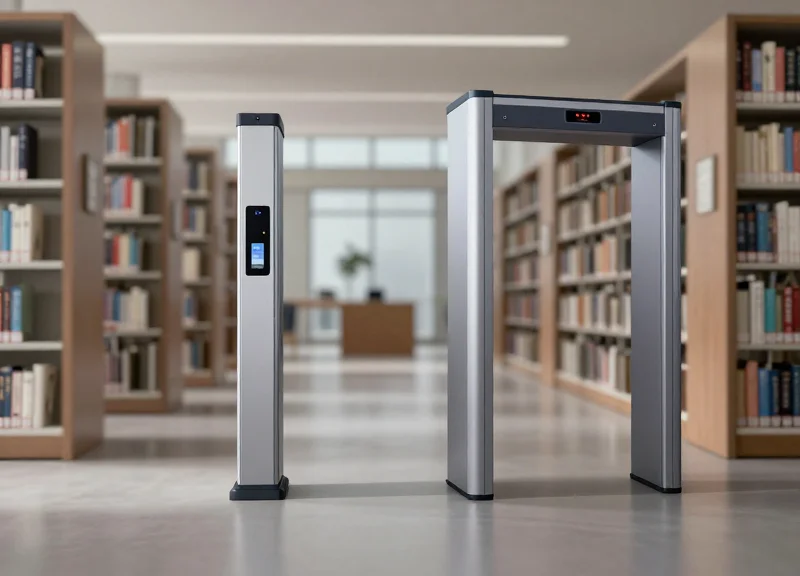
The most effective EAS hardware for high-traffic 24/7 gas station marts combines a minimal physical footprint with high-gain signal processing to ensure maximum security without hindering customer movement. In 2026, the industry gold standard for C-store security centers on Acousto-Magnetic (AM) Ultra-Slim Pedestals and Concealed Under-Floor Antennas. These systems are specifically engineered to provide 99% detection accuracy in 'noisy' electronic environments—common in marts due to the proximity of refrigeration units, LED displays, and high-voltage coffee machinery—while maintaining a clear path for rapid 'grab-and-go' transactions.
| Hardware Type | Best Application | Detection Range | Installation Profile |
|---|---|---|---|
| Ultra-Slim AM Pedestal | Standard narrow entrances | Up to 1.8m between units | Surface-mounted, <10cm wide |
| Concealed Loop System | Open-concept / Wide doors | Customizable by loop size | Invisible (behind door frames) |
| Under-Floor Antenna | Aesthetics-focused marts | Up to 1.2m vertical height | Sub-surface / Under floor tile |
| Hybrid RF/RFID Pedestal | High-value inventory tracking | Up to 1.6m range | Slightly wider profile |
Expert Insight: The 'Crosstalk' Mitigation Factor. In 24/7 environments, the biggest failure point is rarely the hardware itself, but signal 'crosstalk' from adjacent digital lottery kiosks or high-speed Wi-Fi routers. For 2026, we recommend hardware featuring Dynamic Signal Tuning (DST). This technology allows the antenna to automatically recalibrate its sensitivity floor every 60 seconds, ensuring that late-night shifts—when electrical interference typically drops—don't suffer from 'ghost alarms' that desensitize staff to real theft events.
- The 'Stealth' Door-Frame Concealed System: Ideal for marts with limited floor space. These antennas are mounted inside the door frame or behind the drywall, offering protection without any physical obstruction to the entrance.
- Reinforced Acrylic Pedestals: For 24/7 stations, durability is key. High-impact acrylic pedestals with internal metal bracing can withstand heavy cart hits and 24-hour cleaning cycles without cracking or losing calibration.
- The Dual-Tech Overhead Sensor: An emerging 2026 trend for very narrow aisles, these ceiling-mounted units use both AM signals and optical sensors to verify if a tagged item is actually exiting or just being moved near the door.
Can these systems handle metal beverage cans?
Yes. Modern AM technology is highly resistant to the 'shielding' effect of metal. However, for 2026, we recommend using 'DR' (Dual Resonance) labels specifically for canned goods to ensure consistent detection.
How long does installation take for a 24/7 mart?
Standard pedestals can be installed in under 4 hours. Under-floor systems require 8-12 hours and are best suited for store renovations or new builds to avoid significant operational downtime.
Do I need a separate system for the back delivery door?
Strictly speaking, yes. High-traffic marts often lose 15-20% of inventory through back-door 'shrink.' A ruggedized, wall-mounted AM antenna is recommended for delivery zones.
Installation Best Practices: Minimizing Environmental Interference
To minimize environmental interference in a 24/7 gas station mart, EAS antennas must be installed with a 'Clear Zone' strategy that prioritizes the Signal-to-Noise Ratio (SNR). This involves physically distancing pedestals from high-noise emitters—such as refrigeration compressors and automatic door motors—and using shielded cabling to prevent electromagnetic induction. In the high-density environment of a modern mart, successful installation is defined by the system's ability to distinguish between a legitimate security tag and the 'electronic smog' generated by 2026-era IoT devices and high-efficiency power converters.
| Interference Source | Recommended Minimum Distance | Mitigation Strategy |
|---|---|---|
| Automatic Sliding Doors | 1.5 - 2.0 Meters | Synchronize EAS pulse with door motor frequency; use shielded power lines. |
| Reach-in Coolers/Freezers | 2.5 Meters | Install ferrite beads on compressor power cords to suppress RF noise. |
| LED Driver Ballasts | 1.0 Meter | Upgrade to high-frequency, shielded drivers to prevent 50/60Hz harmonics. |
| Metal Door Frames | 0.5 Meters | Ensure frame is grounded; use 'de-tuning' spacers if pedestals are bolted directly. |
- Phase 1: Ambient Noise Survey: Before bolting hardware, use an oscilloscope or the EAS system's built-in diagnostic software to map the store's background electronic noise. This identifies 'hot zones' near older refrigeration units.
- Phase 2: Independent Power Circuitry: Never daisy-chain EAS power with refrigeration or HVAC lines. Run a dedicated, grounded circuit directly from the breaker panel to prevent voltage spikes from triggering false alarms.
- Phase 3: Antenna Orientation & Tuning: Align antennas to minimize 'metal-in-loop' effects. If the mart has metal shelving within 1 meter, the system must be tuned specifically to ignore the static resonance of the shelves.
The 2026 Insight: The LED PWM Conflict. A common but overlooked source of false alarms in modern marts is the Pulse-Width Modulation (PWM) used to dim LED canopy and cooler lights. This switching frequency often mimics the 58kHz pulse of AM systems. Expert tip: Ensure your EAS provider uses 'Digital Signal Processing (DSP) Phase Jitter' technology, which allows the system to recognize and ignore the rhythmic electronic signature of LED drivers, a feature now standard in high-end 2026 hardware.
Why does my EAS system alarm whenever the automatic door opens?
This is usually caused by 'ghosting' or a ground loop. The moving metal of the door changes the electromagnetic field near the antenna. This is solved by adjusting the system's sensitivity threshold or adding a synchronization cable to the door motor.
Can I install EAS pedestals right next to the checkout counter?
Yes, but you must ensure that the point-of-sale (POS) monitor and credit card terminals are at least 1 meter away. Modern touchscreens emit significant RF noise that can desensitize the EAS receiver.
What is 'Tag Pollution' in a gas station environment?
It occurs when tagged items are placed too close to the pedestals on 'impulse buy' racks. Maintain a strict 'Clear Zone' of 1.5 meters around the pedestals where no tagged merchandise is displayed.
Tagging Strategies for Diverse Inventory

In high-traffic 24/7 gas station marts, a one-size-fits-all tagging approach leads to high shrinkage and checkout friction. Successful tagging strategies for 2026 focus on 'High-Velocity Security,' which utilizes a mix of discrete soft labels for perishables, specialized bottle collars for premium beverages, and rugged hard tags for high-value automotive tools. By aligning the tag's physical properties with the product's packaging—such as using microwave-safe labels for grab-and-go meals or ferro-shielded tags for metallic energy drink cans—marts can ensure reliable detection at the pedestal without triggering false alarms or damaging the merchandise.
| Product Category | Recommended Tag Type | Key Benefit |
|---|---|---|
| Premium Spirits & Alcohol | Adjustable Bottle Collars | Deterrence without obstructing branding or pouring. |
| Energy Drinks (Metallic Cans) | RF-Ferrite Backed Labels | Prevents 'detuning' caused by aluminum interference. |
| Automotive Fluids/Tools | Lanyard Hard Tags | Easily applied to odd-shaped or oily containers. |
| Cold/Frozen Snacks | Moisture-Resistant Soft Labels | High-tack adhesive prevents peeling in humid coolers. |
| Electronics/Phone Cables | Safers (Clear Acrylic Boxes) | Prevents box-opening while allowing full visibility. |
Expert Silicon Valley Security Tip: For 2026, the 'Golden Rule' is Source Tagging. If your mart moves more than 500 units of a specific premium energy drink or motor oil brand monthly, negotiate with your distributor for source tagging. Having the EAS tag embedded inside the product packaging at the factory level reduces labor costs by up to 15% and ensures 100% compliance, which is critical for unmanned 'frictionless' checkout zones.
- Identify High-Shrink Hotspots: Analyze POS data against inventory counts to determine which specific SKUs (often energy shots or premium tobacco products) require the highest level of security.
- Choose Adhesive Compatibility: For refrigerated items, ensure labels use a 'cold-temp' acrylic adhesive that won't lose grip when the product reaches room temperature.
- Strategic Placement: Apply soft labels over the barcode if your system is integrated with the scanner, or in a discrete location to prevent 'peel-and-theft' behavior.
- Staff Training on Deactivation: Ensure clerks are trained to properly swipe products across deactivation pads to prevent 'nuisance alarms' that frustrate customers.
Does tagging energy drinks require special equipment?
Yes. Standard RF labels are often neutralized by metal cans. In 2026, we recommend using 'Shielded Labels' or AM (Acousto-Magnetic) technology which performs significantly better around liquid and metal.
Can labels be used on frozen food?
Only if they are rated for sub-zero temperatures. Standard adhesives will fail, causing labels to drop off and potentially jam refrigeration drainage systems.
What is the best way to secure high-value engine oil?
Bottle wraps or lanyard tags are superior to stickers, as oily residues on the plastic containers can cause stickers to slide off during handling.
Cloud-Based EAS Analytics: Transforming Security into Data
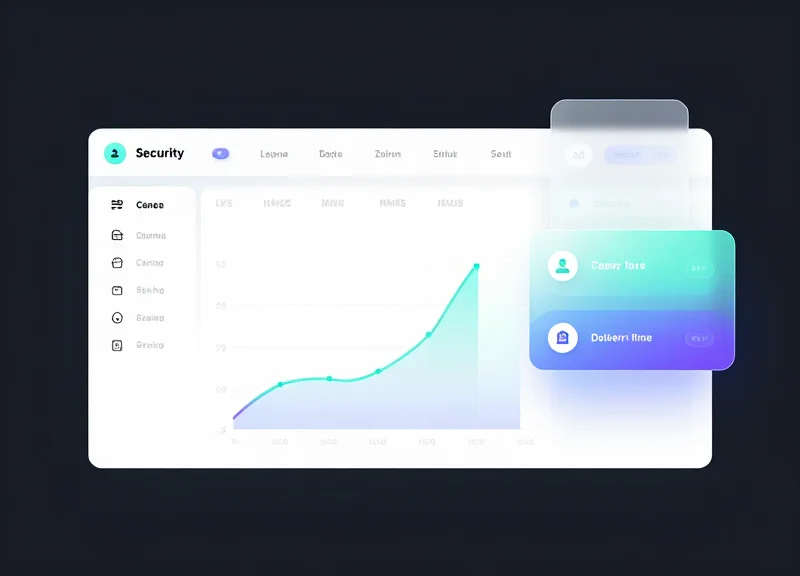
Cloud-based EAS analytics represent the evolution of retail security from a reactive 'alarm at the door' to a proactive business intelligence tool. By centralizing data from every pedestal across multiple gas station locations, managers can monitor real-time theft attempts, identify high-risk time windows, and ensure system uptime via remote diagnostics. In 2026, these platforms provide the quantitative proof needed to justify security spending by showing exactly when and where shrinkage is being deterred.
- Real-Time Incident Alerts: Instant push notifications to mobile devices when an alarm triggers, allowing managers to respond even if they are in the back office or off-site.
- Remote System Health Monitoring: Automated checks that detect if a pedestal has been unplugged or if environmental noise is reducing detection sensitivity, preventing 'silent' security gaps.
- Integrated Foot Traffic Counting: Synchronizing door counts with alarm data to calculate 'alarm-to-traffic' ratios, identifying if specific shifts are seeing disproportionate theft attempts.
| Data Point | Security Insight | Operational Action |
|---|---|---|
| Alarm Heatmaps | Identifies peak theft hours (e.g., 2 AM - 4 AM). | Increase floor presence or hire security guards for specific windows. |
| False Alarm Rates | Spots technical interference or 'tag pollution'. | Schedule maintenance or retrain staff on proper tagging procedures. |
| Deactivation Logs | Matches sales data with tag deactivations. | Identify internal 'sweethearting' or training gaps at the POS. |
Expert Insight: The 'Shrinkage-to-Staffing' Correlation. One of the most underutilized advantages of 2026 EAS analytics is the ability to predict theft based on labor density. Data shows that in 24/7 marts, theft attempts spike not just when it's dark, but when the 'Customer-to-Staff' ratio exceeds 8:1. By overlaying EAS alarm data with your T&A (Time and Attendance) software, you can mathematically determine if a 'theft wave' was caused by a lack of floor coverage, allowing you to optimize shifts based on security risk rather than just sales volume.
Is cloud-based EAS data secure and GDPR compliant?
Yes, modern systems use end-to-end encryption. Since EAS data typically tracks 'events' (alarms/tags) rather than personal biometric data, it is significantly easier to manage under privacy laws than facial recognition.
What is the ROI on switching to a cloud-enabled system?
Most gas station marts see an ROI within 12-18 months through a 20% reduction in 'unexplained' shrinkage and a significant decrease in technician call-out fees due to remote troubleshooting capabilities.
The ROI of Modern EAS: Beyond Just Shoplifting Prevention
In 2026, the Return on Investment (ROI) for Electronic Article Surveillance (EAS) in 24/7 marts is calculated by more than just 'prevented theft'; it is measured by the total optimization of the retail ecosystem. Beyond stopping physical shrink, a modern system provides a multi-layered financial benefit by reducing 'shadow labor' costs, enhancing inventory replenishment cycles, and potentially lowering commercial insurance premiums through documented risk mitigation. Most high-traffic gas station marts see a full capital expenditure (CAPEX) recovery within 12 to 18 months when factoring in these expanded operational efficiencies.
| ROI Driver | Traditional EAS Impact | Modern 2026 EAS Impact |
|---|---|---|
| Shrink Reduction | Passive deterrence only | Active AI-linked loss prevention |
| Labor Costs | Manual bag/receipt checks | Automated alerts; staff focus on sales |
| Inventory Accuracy | High error in manual counts | Real-time visibility via RFID integration |
| Insurance Premiums | No direct impact | Potential discounts for 'Safe Store' tech |
One often overlooked ROI component is the reduction of 'Shadow Labor.' In a high-traffic mart, every minute a clerk spends monitoring a suspicious shopper is a minute they aren't prepping high-margin food items or clearing a checkout queue. Modern EAS systems act as a digital security guard, allowing your skeleton crew to remain focused on revenue-generating tasks. Furthermore, the integration of EAS data with inventory management reduces 'Out of Stock' (OOS) events on high-value items like premium oils or electronics, ensuring that the shelf is never empty when a paying customer arrives.
How does EAS help with labor shortages in 24/7 marts?
Modern EAS automates the monitoring process. By using smart pedestals and tags, the system only alerts staff when a breach occurs, eliminating the need for constant visual surveillance and allowing stores to operate safely with fewer employees during graveyard shifts.
Can EAS systems actually lower my insurance costs?
Many insurers now recognize advanced security tech as a risk-mitigation factor. By providing data logs that show a proactive stance against theft and disorderly conduct, mart owners can often negotiate lower liability premiums or better coverage terms.
Is the maintenance cost of 2026 EAS systems high?
Actually, the opposite is true. Cloud-based EAS systems allow for remote diagnostics and firmware updates, significantly reducing the need for expensive on-site technician visits and minimizing system downtime.
Expert Tip: To maximize ROI, look for EAS systems that offer 'Dual Technology' (e.g., AM and RFID). While AM handles security, the RFID component provides hyper-accurate inventory data, effectively turning your security pedestals into automated stock-taking tools that pay for themselves through improved supply chain logistics.