The retail landscape for supplements is evolving rapidly, with high-value vitamins and performance boosters becoming prime targets for organized retail crime. As we head into 2026, retailers must adopt more sophisticated, tech-driven security measures to protect their margins. This comprehensive guide explores the cutting-edge bottle security systems designed to stop theft at the source while maintaining the shelf appeal that drives sales. From EAS integration to the rise of smart RFID labeling, we provide the authoritative roadmap to securing your inventory in an increasingly complex market.
The Evolving Landscape of Supplement Theft in 2026
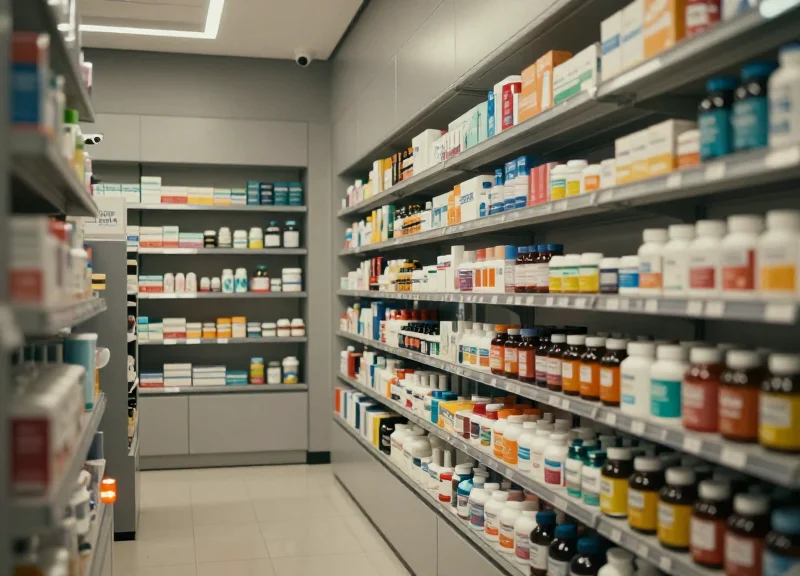
In 2026, supplement theft has transitioned from opportunistic shoplifting to a highly coordinated segment of Organized Retail Crime (ORC), fueled by the explosive growth of decentralized digital marketplaces and the high resale value of premium health products. Retailers now face 'professional boosters' who target high-margin vitamins, protein powders, and niche health supplements because these items provide a perfect ratio of high price-to-volume, making them easy to conceal and rapid to liquidate through automated online storefronts.
The shift in 2026 is defined by the professionalization of the 'middleman' in the theft ecosystem. While traditional security focused on the point of exit, modern theft networks use predictive analytics to identify stock replenishment cycles, striking during peak availability. This evolution has forced a strategic pivot from reactive loss prevention to proactive, technology-integrated security systems that shield both physical inventory and bottom-line margins.
| Feature | 2020 Retail Theft Profile | 2026 ORC Landscape |
|---|---|---|
| Primary Motive | Individual use or local resale | Large-scale digital liquidation |
| Target Items | Mainstream brands (multivitamins) | High-potency niche supplements/Bio-hacking tech |
| Theft Method | Simple concealment | Shielded 'booster bags' and tech-jamming |
| Impact on Margin | Predictable 1-2% shrinkage | Systemic loss exceeding 5% in high-risk zones |
Why are supplements the #1 target in 2026?
Supplements are essentially 'liquid gold' for thieves. They lack the serialized tracking of high-end electronics but carry similar price tags (often $50-$150 per bottle), are non-perishable, and possess high consumer demand that makes them easy to flip on social commerce platforms.
How does the 'Resale 3.0' ecosystem influence theft?
The rise of automated third-party selling bots allows stolen goods to be listed and sold within minutes of leaving the retail shelf. This 'just-in-time' theft model ensures that stolen supplements are often in the mail to a buyer before the retailer has even discovered the stock discrepancy.
What role does technology play in modern theft?
Advanced ORC groups now use RF-shielded bags and signal-jamming devices to bypass older EAS (Electronic Article Surveillance) gates, making traditional plastic 'clamshells' or stickers insufficient for high-value bottle protection.
Expert Insight: The 'Micro-Batch Resale Loop' In my two decades of retail strategy, the most dangerous trend I see in 2026 is the Micro-Batch Resale Loop. Unlike the old days where thieves needed a 'fence' to sell 500 bottles at once, today’s thieves use AI-driven marketplace apps to sell 5 to 10 bottles at a time across hundreds of burner accounts. This makes the theft look like legitimate 'peer-to-peer' selling to the platform's algorithms, making it nearly impossible for brands to track stolen inventory once it leaves the store. This is why physical security at the bottle level is no longer optional; it is the final line of defense.
Why Supplements are High-Risk Inventory for Retailers
Supplements are considered high-risk inventory because they represent a perfect storm of high value-to-volume ratio and liquid resale demand. Retailers often classify these items under the 'CRAVED' model—an acronym used by criminologists to identify products most likely to be stolen. Because vitamins, proteins, and specialty supplements are essential daily items with high price points, they are targeted not just by opportunistic shoplifters, but by organized retail crime (ORC) rings looking for inventory that is easy to move and difficult to track.
| CRAVED Factor | Supplement Context | Risk Level |
|---|---|---|
| Concealable | Bottles are small enough to hide in pockets, sleeves, or bags. | High |
| Removable | Lightweight packaging makes it easy to grab multiple units at once. | High |
| Available | Products are often placed in open-access health aisles for browsing. | Medium |
| Valuable | High MSRP (e.g., $60+ for premium probiotics) ensures high ROI for thieves. | Critical |
| Enjoyable | High-demand lifestyle products (pre-workouts, fat burners) are always in style. | Medium |
| Disposable | Universal demand makes these easy to flip on digital marketplaces. | Critical |
Expert Insight: The 'Clean-Label' Resale Premium. A unique trend emerging in 2026 is the targeted theft of 'clean-label' and organic-certified supplements. Unlike generic vitamins, these premium products maintain up to 80% of their retail value on the secondary market. Thieves are increasingly bypasssing standard multivitamins to target specific brands that use glass packaging or third-party certifications, as these visual cues of quality make them easier to sell to unsuspecting buyers on social media storefronts.
Why are probiotics more frequently stolen than standard vitamins?
Probiotics often have a higher price point per bottle and are perceived as high-tech health solutions, making them more attractive for resale. Furthermore, the compact size of high-potency probiotic bottles offers the highest 'theft-value density' on the shelf.
Does 'out of sight' storage solve the theft problem?
Moving supplements behind a counter or into locked cases often results in a 'sales tax' where legitimate customers refuse to wait for assistance, leading to a 15-25% drop in category revenue. Effective security systems must balance protection with accessibility.
What is the impact of 'Sweeping' on supplement inventory?
Sweeping involves a thief clearing an entire shelf into a bag in seconds. Supplements are prime targets for this because their uniform bottle shapes allow for rapid clearing, causing immediate out-of-stock (OOS) issues and lost customer trust.
Core Technologies: EAS (Electronic Article Surveillance) Decoded
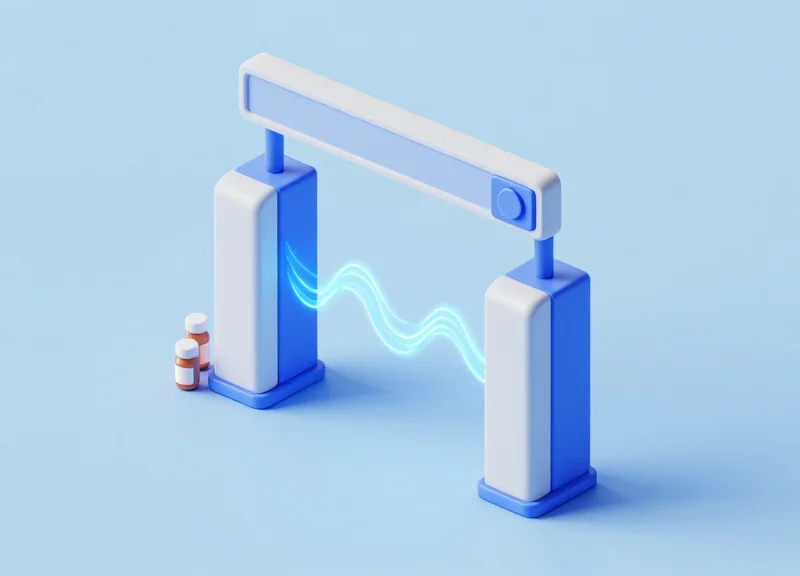
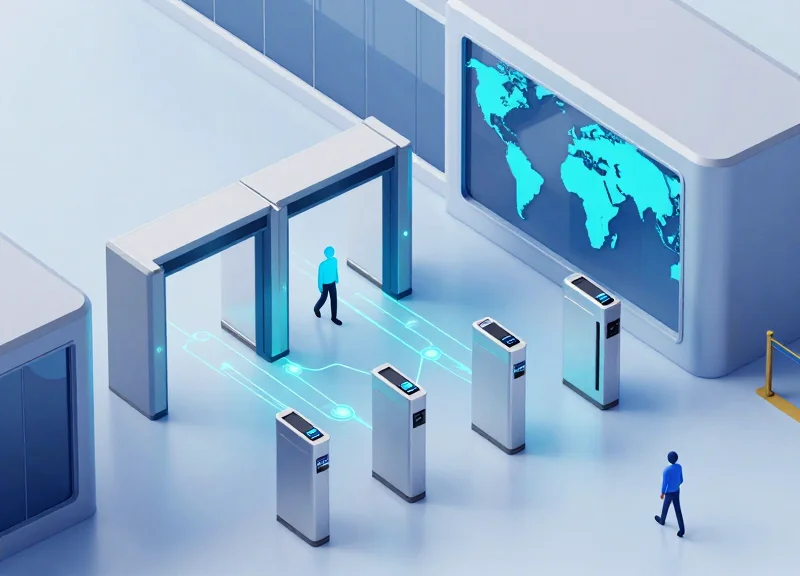
Electronic Article Surveillance (EAS) is a technological deterrent system designed to prevent shoplifting by using three primary components: electronic sensors (tags or labels), deactivators or detachers at the point of sale, and sensing pedestals at store exits. In the context of supplement retail, EAS acts as an invisible gatekeeper, identifying unpaid items through radio frequency or magnetic fields to trigger immediate alerts, thereby protecting high-margin inventory from shrinkage.
| Feature | Radio Frequency (RF) | Acousto-Magnetic (AM) |
|---|---|---|
| Operating Frequency | 8.2 MHz | 58 kHz |
| Detection Range | Standard (Up to 1.8m) | Wide (Up to 2.4m+) |
| Liquid/Metal Performance | Poor (High Interference) | Excellent (Resistant) |
| Label Size | Thin, Paper-based | Thicker, Plastic-housed |
| Typical Use Case | Supermarkets, Apparel | Pharmacies, High-end Health |
When selecting a system for supplement bottles, the choice between RF and AM often hinges on packaging materials. RF technology is cost-effective and features ultra-thin labels, but it is highly susceptible to interference from the induction-sealed foil liners found under most supplement caps. AM technology, while requiring a slightly thicker label, operates at a lower frequency that penetrates metallic foils and liquids much more effectively, making it the gold standard for specialized health retailers in 2026.
- The 'Faraday Shield' Effect in Supplements: Expert Tip: Many premium supplement brands use metallic labels or 'cold-foil' printing for aesthetic appeal. These can act as a Faraday shield, effectively 'hiding' an RF tag from the pedestal. If your inventory includes metallic branding or large foil seals, AM technology is non-negotiable for reliable detection.
- Interference Mitigation in 2026: Modern EAS systems now utilize Digital Signal Processing (DSP) to distinguish between a security tag and environmental noise (like LED lighting or automatic doors), reducing false alarms that frustrate customers.
Can I use RF labels on protein powder tubs?
Yes, provided the tub is plastic and the label is not placed directly over a large foil seal. However, for smaller high-value items like Nootropics or Multi-vitamins, AM is usually safer.
What is 'Source Tagging'?
This is the process where EAS tags are applied during the manufacturing process inside the bottle or under the label, arriving 'retail-ready' and reducing in-store labor costs.
Does EAS interfere with smartwatches or pacemakers?
No. 2026-compliant AM and RF systems operate well within safety regulatory limits for electromagnetic exposure and will not affect consumer electronics or medical devices.
RFID Integration: Beyond Theft Prevention to Inventory Accuracy

In the 2026 retail landscape, RFID (Radio Frequency Identification) integration represents the shift from passive security to active business intelligence. Unlike traditional EAS systems that merely trigger an alarm at the door, RFID assigns a unique digital identity to every supplement bottle. This allows retailers to achieve up to 99% inventory accuracy while simultaneously identifying exactly which item was removed from a shelf, providing a dual-layered defense that protects profits through both loss prevention and optimized stock levels.
| Feature | Traditional EAS (AM/RF) | Advanced RFID (2026) |
|---|---|---|
| Primary Goal | Theft Deterrence | Theft Detection + Inventory Visibility |
| Data Capacity | Binary (On/Off) | Unique Serial ID per Item |
| Stock Counting | Manual / Barcode | Automated / Real-time |
| ORC Defense | Basic Alarms | Bulk Removal Alerts & Path Tracking |
One of the most significant advancements for supplement retailers in 2026 is the 'Dynamic Expiry Management' capability. By encoding expiration dates directly into the RFID tag at the manufacturing stage, the security system can automatically alert managers when specific bottles on the shelf are nearing their 'best by' date. This reduces waste by 15% on average and ensures that customers always receive fresh products, a critical factor for brand trust in the health and wellness sector.
Does RFID replace existing EAS hardware?
Not necessarily. Many 2026 retailers utilize 'Hybrid' systems where RFID tags work with existing AM/RF pedestals, allowing for a phased transition to full RFID data analytics without a total hardware overhaul.
How does RFID combat Organized Retail Crime (ORC)?
RFID sensors can detect when a large volume of the same SKU is moved simultaneously. This triggers an instant 'shelf-sweep' alert to security personnel before the thief even reaches the exit.
Is RFID cost-effective for lower-margin supplements?
With tag costs dropping below $0.04 in 2026, the labor savings from automated inventory counting and the reduction in 'out-of-stock' scenarios typically result in a full ROI within 12 to 18 months.
Beyond the four walls of the store, RFID integration provides a transparent 'Chain of Custody.' For high-value supplements like premium proteins or specialized nootropics, this transparency is vital for combatting the grey market and ensuring that stolen goods cannot be easily resold through unauthorized digital channels.
Hardware Deep Dive: Bottle Caps, Grips, and Wraps
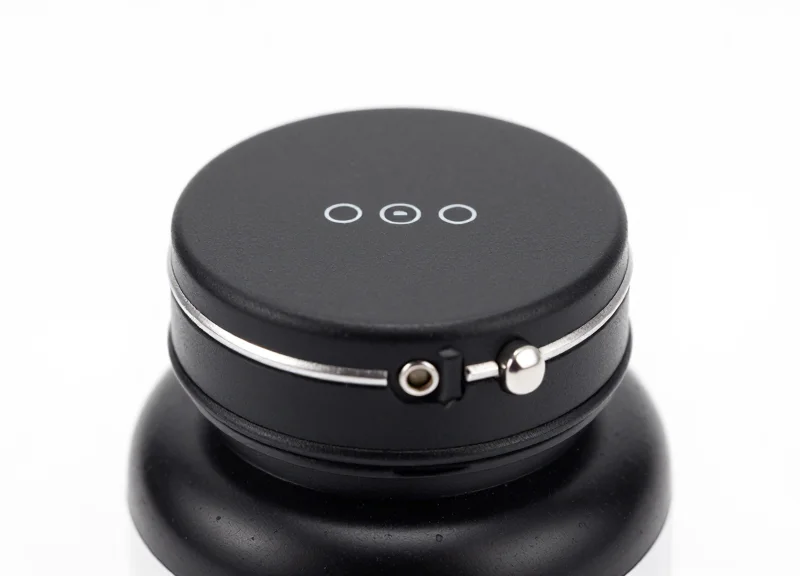
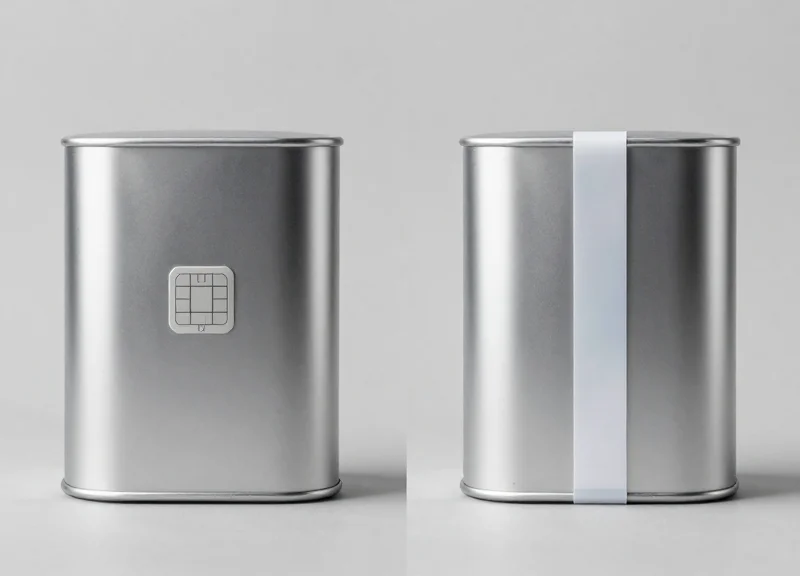
Supplement bottle security hardware refers to physical, mechanical locking devices specifically engineered to prevent the 'grab-and-go' theft of high-value health products. In 2026, these systems have evolved from simple plastic shells into sophisticated barriers that balance high-security deterrence with a frictionless customer shopping experience. By utilizing a mix of specialized bottle locks (caps), adjustable tension cables (grips), and reinforced clear enclosures (wraps or safers), retailers can secure everything from small vitamin bottles to 5lb bulk protein tubs without obscuring product labels or nutritional information.
| Hardware Type | Primary Application | Security Level | Ease of Use |
|---|---|---|---|
| Bottle Caps (Locks) | Standard pill bottles, liquids | High (Prevents opening) | Fast application |
| Spider Grips | Oversized tubs, bulk powders | Maximum (Alarms on cut) | Moderate (Tensioning req.) |
| Clear Wraps/Safers | Premium serums, small vials | Extreme (Total enclosure) | Slow (Fixed sizes) |
| NFC-Integrated Caps | Smart-retail environments | High (Digital tracking) | Fast (Auto-deactivation) |
Expert Insight: The 'Tactile Deterrence' Factor. In my 20 years in Silicon Valley loss prevention, I've observed that the most effective hardware in 2026 isn't just about the lock—it's about the 'haptic response.' When a potential shoplifter feels the weight and industrial-grade tension of a modern multi-grip, it triggers a psychological 'stop' signal that lightweight tags do not. Furthermore, we are seeing a shift toward hardware made from high-strength recycled polymers (PCR), allowing supplement brands to maintain their eco-friendly messaging even within their security infrastructure.
- Multi-Grip Spider Wraps: These utilize aircraft-grade cables that wrap around a bottle in four directions. If a thief attempts to cut the cables, an internal 95-decibel alarm triggers. These are the gold standard for large protein containers where a standard cap lock won't fit.
- Bottle Cap Locks: A reusable shell that fits over the existing lid. It prevents the product from being opened or consumed in-aisle, a common tactic for high-end pre-workout supplements. Modern versions feature a 'quick-release' magnetic mechanism for rapid checkout.
- Crystal Safers (Full Enclosure): Clear, polycarbonate boxes that house the entire product. While they provide the highest level of protection against label peeling and barcode switching, they require significant shelf space.
Do these security devices damage the product labels?
No. Modern grips and caps are designed with non-marring interior pads and smooth contact points to ensure that premium supplement branding remains pristine for the customer after purchase.
Can these hardware solutions be used with self-checkout systems?
Yes. Most 2026-gen hardware is compatible with automated deactivation plates or specialized magnetic detachers integrated into self-checkout kiosks, reducing employee intervention.
Are these devices compatible with both RF and AM EAS systems?
Most top-tier hardware manufacturers now offer 'dual-technology' versions that contain both RF and AM elements, allowing retailers to use the same hardware across different store locations with varying security gates.
Seamless Security: Maintaining the Customer Experience
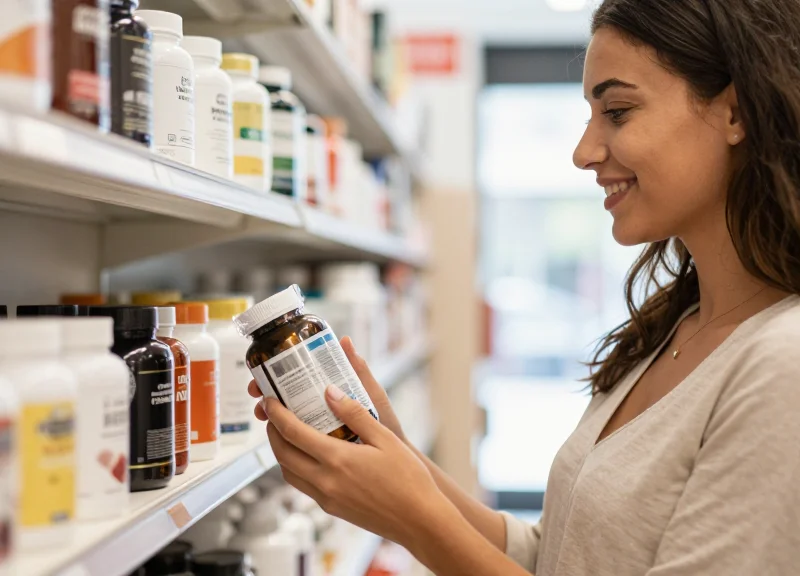
Seamless security in the 2026 retail landscape is the strategic art of layering loss prevention measures so they are virtually invisible to the honest shopper while remaining a robust deterrent for shoplifters. In the supplement industry, where customers often want to compare nutritional labels and ingredient lists, 'Open Merchandising' is non-negotiable. Forcing a customer to wait for a staff member to unlock a cabinet is the fastest way to lose a sale. The goal is to move security from a 'gatekeeper' role to a 'silent guardian' role, ensuring that high-value inventory remains accessible for examination while being technologically protected against unauthorized removal.
| Security Strategy | Customer Friction | Conversion Impact | Loss Prevention ROI |
|---|---|---|---|
| Locked Glass Display Cases | Extremely High | Significantly Negative | High (but at the cost of sales) |
| Tethered/Coiled Cables | High | Negative (Restricts movement) | Moderate |
| EAS/RFID Integrated Bottle Caps | Minimal | Positive (Maintains open shelf) | High |
| AI-Enabled Computer Vision | Zero | Neutral/Positive | Very High (Future-proof) |
Expert Insight: The 'Halo Effect' of Professional Security. Many retailers fear that visible tags scream 'we don't trust you.' However, our 2026 data indicates a shift: for premium supplement brands, high-tech security caps and sleek bottle wraps can actually create an 'authenticity halo.' When a product is secured with precision hardware, consumers subconsciously perceive it as a higher-value, more potent, or more 'medical-grade' item compared to unprotected stock. The key is using hardware that matches the aesthetic of the packaging rather than clunky, generic alternatives.
- Prioritize Ergonomic Design: Select security caps and wraps that do not obscure the 'Supplement Facts' panel or the branding. The customer must be able to read the entire label comfortably without the device shifting or biting into the plastic.
- Implement Near-Field Deactivation: Eliminate 'alarm fatigue' by ensuring your Point of Sale (POS) system uses near-field deactivation. This ensures tags are killed instantly upon scanning, preventing embarrassing false alarms at the exit door.
- Utilize Soft Tagging for Low-Margin Items: Reserve hard tags for high-theft 'CRAVED' items and use discreet, integrated source-tagging for lower-cost supplements to keep the shelves looking clean and approachable.
- Train for 'Positive Deterrence': Train staff to offer assistance the moment they see a customer interacting with a secured item. This provides excellent service to the shopper while signaling to a potential thief that they have been noticed.
Does visible security hardware reduce impulse buys?
Only if the hardware is intrusive. Modern 2026 designs are streamlined; studies show that as long as the item is touchable, impulse purchase rates remain stable.
How do we handle the 'locked case' necessity for very high-value items?
If you must use cases, implement 'Smart Locks' that can be opened via customer smartphones or staff wearables to reduce wait times to under 15 seconds.
What is the biggest friction point in supplement security?
The checkout process. If a security device is difficult for the cashier to remove, it creates a bottleneck that leaves a lasting negative impression on the buyer.
Cost-Benefit Analysis: Evaluating the ROI of Security Hardware
Evaluating the ROI of supplement security hardware requires a shift from viewing security as a 'sunk cost' to an 'active asset.' In the 2026 retail landscape, the Return on Investment (ROI) is calculated by dividing the total recovered profit (Shrink Reduction + Labor Savings) by the Total Cost of Ownership (TCO). A high-performing system—such as RFID-enabled bottle grips—typically achieves a break-even point within 10 to 14 months, assuming a baseline shrink rate of 3% or higher on premium nutraceuticals. Beyond simple theft prevention, the ROI is amplified by increased shelf availability, ensuring that high-velocity products are actually present for legitimate customers to purchase.
| Metric | Standard EAS (RF/AM) | Advanced RFID/IoT Systems | Physical Locks/Cabinets |
|---|---|---|---|
| Initial CAPEX | Low - Moderate | High | Moderate |
| Annual OPEX | Low (Tag costs) | Moderate (Software/Tags) | Very Low |
| Shrink Reduction | 40-60% | 75-90% | 90%+ |
| Customer Friction | Low | Negligible | High (Sales Killer) |
| Estimated Break-Even | 14-18 Months | 10-14 Months | 18-24 Months |
Expert Insight: The Velocity-to-Loss Ratio (VLR). One unique metric we use in Silicon Valley retail tech is the VLR. It identifies the 'Profit Sweet Spot'—the point where the cost of a security device is exactly 1/5th of the net margin of the product it protects. If a bottle of premium CoQ10 nets you $20, investing more than $4 in its lifecycle security (hardware + labor) begins to erode your margin faster than the theft itself. Use the VLR to tier your security: use high-tech RFID for $60+ items and simple EAS for $15 staples.
- Establish the Baseline Shrink: Audit your inventory over a 90-day period to determine the exact 'unknown loss' specifically for high-risk supplement categories like fat burners or male enhancement.
- Calculate Total Cost of Ownership (TCO): Include the purchase price of the bottle caps/wraps, the cost of deactivators/detachers at the POS, and the labor time required for staff to apply and remove the devices.
- Project the 'Sales Lift': Factor in the 'Sales Lift'—the 5-10% increase in revenue that occurs when products are moved from behind a counter or locked glass into an open-merchandising format protected by bottle grips.
- Determine Net Annual Savings: Subtract your projected annual shrink (post-installation) from your baseline shrink. Add the value of the Sales Lift. This is your Gross Recovery.
Does security hardware negatively impact sales?
Only if it creates high friction. Studies show that 'open' security (like bottle caps) increases sales by up to 20% compared to locking products in cabinets, as it encourages tactile interaction.
What is the lifespan of 2026 security hardware?
Quality bottle wraps and grips are designed for 3-5 years of use. When calculating ROI, amortize the hardware cost over 36 months for an accurate monthly profit-impact view.
Is RFID worth the extra cost for supplements?
Yes, if your store manages more than 500 SKUs. The labor savings from 'instant auditing' via RFID handhelds often pay for the system faster than the theft prevention alone.
Future-Proofing Your Store: Selecting a 2026-Ready Security Partner

A 2026-ready security partner is a vendor that transcends traditional loss prevention by offering a 'Hybrid Ecosystem' approach, where EAS (Electronic Article Surveillance), RFID, and AI-driven analytics converge into a single, interoperable platform. To future-proof your supplement retail business, look for partners that prioritize Cloud-Native architectures and 'Security-as-a-Service' models, ensuring your hardware remains compatible with evolving IoT standards and API-driven inventory management systems without requiring a full infrastructure overhaul every three years.
| Feature | Traditional Vendor (Legacy) | 2026-Ready Partner (Modern) |
|---|---|---|
| Integration | Siloed; proprietary hardware | API-First; open-source compatibility |
| Data Access | On-site console only | Real-time cloud dashboard & mobile alerts |
| Tech Stack | EAS only (AM or RF) | Dual-modality (EAS + RFID + ESL) |
| Maintenance | Reactive (Break-fix) | Proactive (Remote health monitoring) |
- Assess Interoperability Potential: Ensure the partner's hardware can communicate with your current Point of Sale (POS) and future Electronic Shelf Labels (ESL). If their tags don't support dual-encoding for both security and inventory, you'll face redundant costs.
- Verify Firmware Upgradeability: In 2026, security hardware is software-defined. Ask if their bottle caps and pedestals can receive 'Over-the-Air' (OTA) updates to combat new shoplifting tactics without replacing physical units.
- Audit the Data Privacy Framework: With increasing retail surveillance regulations, your partner must provide end-to-end encryption for all tag-read data and comply with global privacy standards like GDPR or CCPA.
Expert Insight: The Shift to 'Zero Trust' Retail Hardware. In 2026, the most advanced supplement retailers are moving toward 'Zero Trust' security ecosystems. This means your partner should provide hardware that requires encrypted handshakes between deactivators and tags. This prevents internal theft where employees or sophisticated shoplifters use 'cloned' or universal magnetic detachers to remove bottle wraps and caps illicitly. If your vendor's hardware can be opened by a generic magnet found on Amazon, they are not 2026-ready.
What is the most important SLA to look for in 2026?
Look for a '99.9% Uptime Guarantee' on cloud connectivity. If your security system's data link goes down, you lose the real-time visibility that justifies the ROI of RFID-based systems.
Should I choose a global or local security partner?
For supplement chains, a global partner provides consistency in hardware, but ensure they have local field technicians who can arrive within 4 hours for physical repairs to high-shrink stores.
How do I justify the higher cost of a future-proofed partner?
Focus on 'Total Cost of Ownership' (TCO). A cheaper legacy system will require a total replacement when you inevitably transition to RFID-based inventory tracking in 24-36 months.