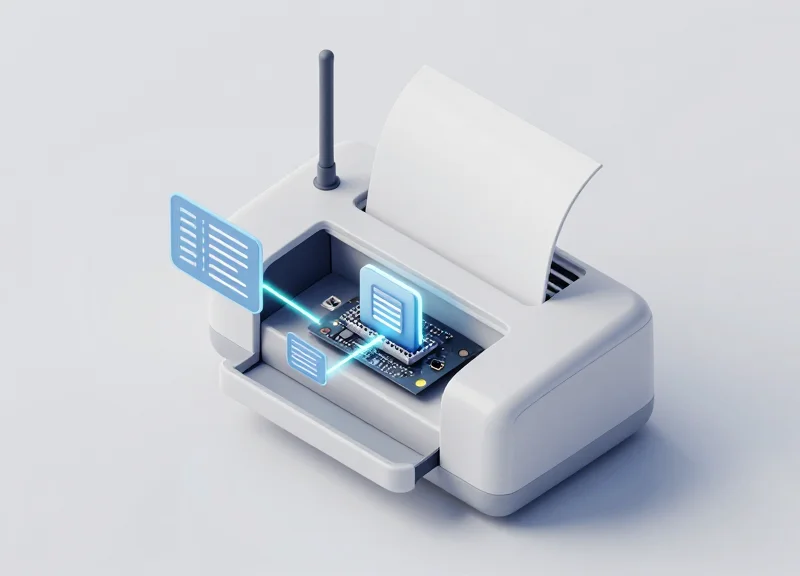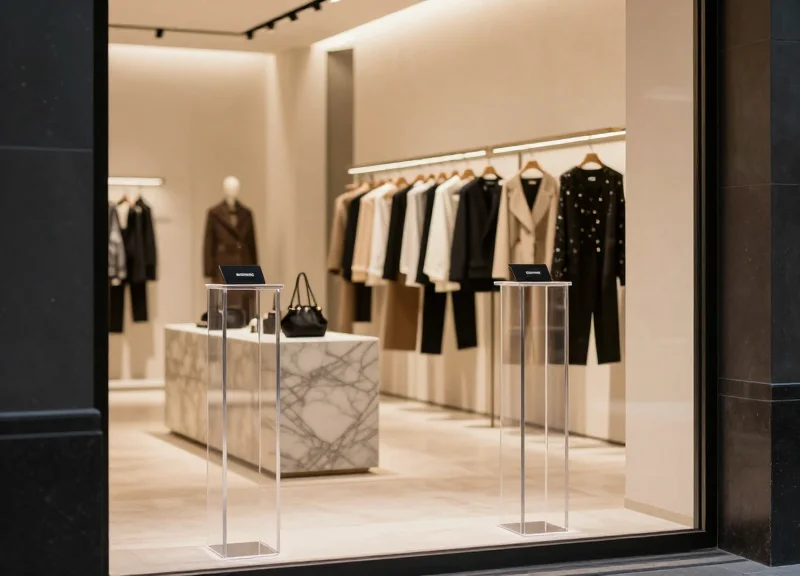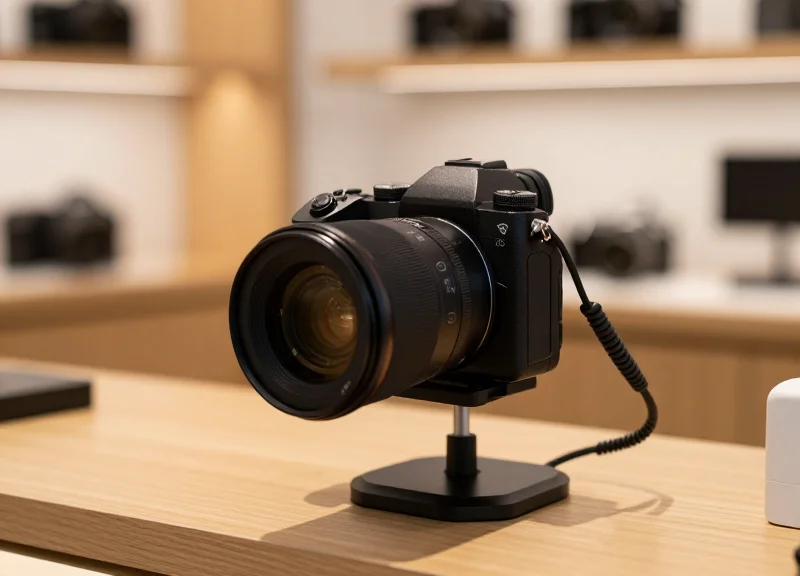
Launching a pop-up boutique is an exciting venture, but the high-velocity nature of temporary retail spaces makes them prime targets for shoplifters. In 2026, as retail landscapes evolve, inventory shrink remains a critical threat to profitability. For short-term leases, permanent security installations are often impossible or cost-prohibitive. Temporary Electronic Article Surveillance (EAS) rentals offer a flexible, high-tech solution to safeguard your inventory without a long-term commitment. This guide explores the latest trends and essential factors for selecting the right security partner for your next pop-up event.
The Shifting Landscape of Pop-Up Retail Security in 2026
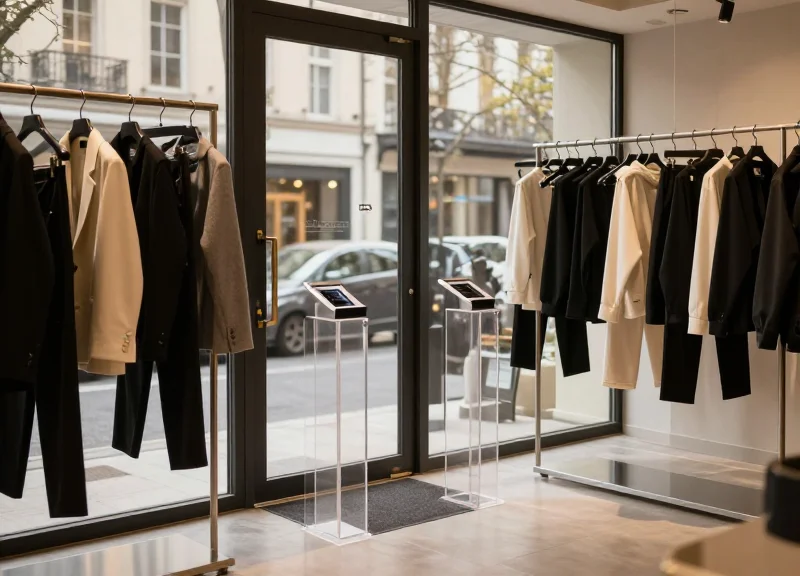
The 2026 pop-up landscape is no longer defined by simple booths, but by high-value, tech-integrated temporary boutiques that face unprecedented security challenges. As organized retail crime (ORC) becomes more agile, temporary retail spaces have transitioned from basic surveillance to sophisticated, rental-based Electronic Article Surveillance (EAS) systems. These systems provide the high-tier protection of a permanent flagship store with the modularity required for short-term activations, ensuring that boutique owners can protect their margins without heavy capital investment in fixed assets.
| Feature | Legacy Pop-Up Security (Pre-2024) | Modern 2026 EAS Standards |
|---|---|---|
| Hardware Model | Owned/Bulky Hardware | Rental-Based Plug-and-Play |
| Technology | Simple RF/AM Buzzers | AI-Integrated RF/RFID Hybrid |
| Setup Time | 24-48 Hours | Under 2 Hours |
| Threat Mitigation | Passive Deterrence | Active Cloud Alerts & Data Analytics |
The primary driver for this shift is the 'vulnerability gap.' Modern thieves target pop-ups specifically because they assume temporary installations lack robust infrastructure. In 2026, the industry has responded with the 'Security-as-a-Service' (SaaS) hardware model, where boutique owners rent high-end, aesthetic-matching technology that provides the same detection accuracy as multi-million dollar flagship stores.
Why are pop-ups more vulnerable in 2026?
The absence of permanent fixtures and the high-traffic nature of pop-up events create a chaotic environment that professional shoplifters exploit, making specialized temporary EAS essential for immediate loss prevention.
Is EAS rental more cost-effective than buying for boutiques?
Absolutely. For short-term activations, rentals eliminate storage costs, maintenance fees, and the risk of technological obsolescence, providing access to the latest 2026 sensors at a fraction of the cost of ownership.
Expert Insight: The 'Invisible EAS' trend is the major differentiator for 2026. By utilizing floor-integrated antennas or overhead sensors available through premium rental packages, brands can maintain a luxury 'open-door' aesthetic without sacrificing the high-decibel deterrence needed to stop modern theft rings. This 'Digital Deterrence' approach prioritizes brand experience while maximizing inventory protection.
Why EAS Rentals Outperform Permanent Installations for Boutiques
For pop-up boutiques, EAS rentals outperform permanent installations by converting high upfront capital expenditures (CAPEX) into manageable operating expenses (OPEX), providing immediate access to cutting-edge 2026 sensor technology without the burden of long-term maintenance, hardware depreciation, or equipment storage. This 'as-a-service' model allows retailers to scale security precisely to the duration of their lease, ensuring they only pay for protection when the store is actually generating revenue.
| Feature | EAS Rental Model | Permanent Installation |
|---|---|---|
| Financial Impact | OPEX: Low monthly fee, tax-deductible | CAPEX: High upfront cost + depreciation |
| Technology | Access to latest 2026 RFID/EAS hybrids | Hardware becomes obsolete in 3-5 years |
| Maintenance | Included in rental agreement | Owner's responsibility (Costly call-outs) |
| Logistics | Vendor handles delivery and pickup | Owner must store and move equipment |
| Installation | Plug-and-play or wireless pedestals | Drilling and hardwiring (Potential lease issues) |
In the 2026 retail environment, agility is the primary driver of success. Permanent EAS installations often involve invasive floor-drilling and electrical work that can violate short-term lease agreements or lead to security deposit deductions. Rental systems, conversely, focus on non-invasive setups like weighted baseplates or wireless interconnectivity, allowing a boutique to go live within hours rather than days.
How does renting impact my boutique's cash flow?
Renting preserves your working capital for inventory and marketing. By avoiding a $3,000-$5,000 upfront hardware purchase, you maintain liquidity which is critical during the high-stakes launch phase of a pop-up.
What happens if the equipment malfunctions during my event?
Most rental contracts include a 'swap-and-go' guarantee. If a pedestal fails, the provider replaces it within 24 hours at no extra cost, whereas a permanent owner would have to hire a specialized technician and pay for parts.
Is the security level the same as permanent systems?
Absolutely. In fact, rental fleets are often updated more frequently than owned assets, meaning you likely get a newer, more sensitive system than a store that purchased their hardware five years ago.
Expert Insight: Avoiding the 'Tech-Debt Trap'. In my twenty years in Silicon Valley retail tech, I've seen the 'Tech-Debt Trap' kill boutique margins. By 2026, EAS technology is evolving so fast—integrating AI-driven shoplifting detection and real-time inventory tracking—that purchasing hardware today ensures you are behind the curve by tomorrow. Renting allows you to 'beta-test' the latest tech on the vendor's dime, ensuring your boutique always looks modern and operates with maximum efficiency.
Choosing Between AM and RF Systems for Temporary Spaces
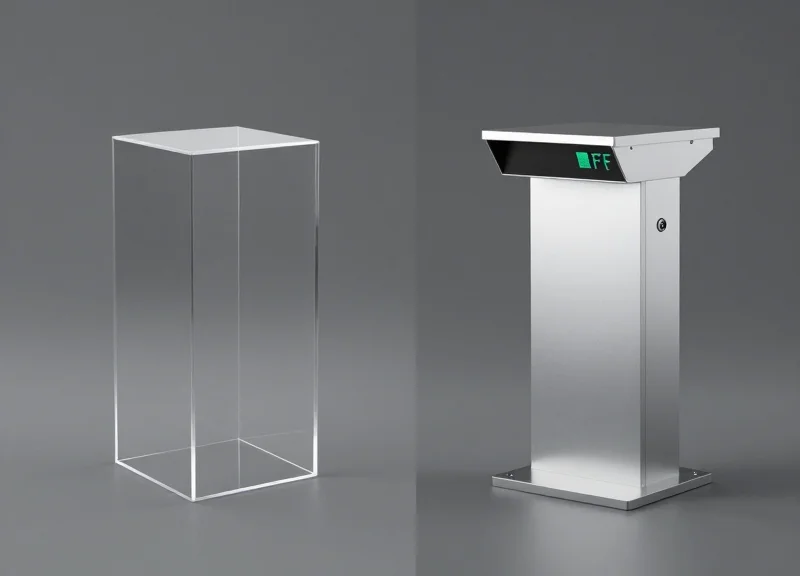
Choosing the right Electronic Article Surveillance (EAS) system for a temporary boutique hinges on two factors: the material composition of your products and the electronic environment of your pop-up location. In 2026, Acousto-Magnetic (AM) systems (operating at 58 kHz) remain the gold standard for high-end boutiques due to their ability to detect through foil-lined bags and near metallic items, whereas Radio Frequency (RF) systems (typically 8.2 MHz) are the preferred, cost-effective choice for high-volume apparel and soft-goods retailers who prioritize discreet, paper-thin security labels.
| Feature | AM (Acousto-Magnetic) | RF (Radio Frequency) |
|---|---|---|
| Detection Range | Wider (up to 2.4m between pedestals) | Standard (up to 1.8m between pedestals) |
| Metal/Liquid Sensitivity | Highly Resistant (Best for jewelry/cosmetics) | Sensitive (Prone to interference/shielding) |
| Tag Deactivation | Reliable at a distance | Contact or near-contact required |
| Tag/Label Cost | Higher (Thicker, plastic housing) | Lower (Thin, printable stickers) |
| Typical Use Case | Luxury, Hardware, High-End Liquor | Fast Fashion, Books, General Apparel |
### The Environmental Factor in Pop-Up Retail Temporary spaces often present unique challenges like proximity to other stores' security systems or high-voltage LED displays that create 'electronic noise.' When renting, you must consider the physical layout of your temporary storefront.
When should I choose an AM Rental System?
Opt for AM if your boutique sells luxury items with metallic accents, cosmetics in foil packaging, or if your pop-up is located in a dense mall where nearby RF systems might cause cross-talk interference. AM is less susceptible to 'shielding' by shoplifters using foil-lined bags.
When is an RF Rental System the better value?
RF is ideal for temporary fashion boutiques selling textiles and non-metallic accessories. It is significantly more affordable for short-term use, and the flat paper labels are easier to integrate into standard price tags without adding bulk.
Can I mix and match technologies?
No. AM tags will not trigger RF pedestals and vice-versa. You must commit to one technology for your entire rental period to ensure consistent protection across all inventory.
Expert Insight: The 2026 'Auto-Tune' Advantage A unique advantage of 2026-era EAS rentals is the inclusion of AI-driven Digital Signal Processing (DSP). Unlike older systems that required a technician to manually calibrate the pedestals for the specific 'noise' of a new location, modern rental units feature self-tuning capabilities. For a pop-up owner, this means you can reposition your pedestals near entrance heaters or large digital signage—which traditionally caused false alarms—and the system will automatically filter out the interference. Always ask your rental provider if their pedestals include 'Active Noise Cancellation' to minimize floor-staff fatigue caused by ghost alarms.
The Power of Portability: Wireless and Plug-and-Play EAS Pedestals
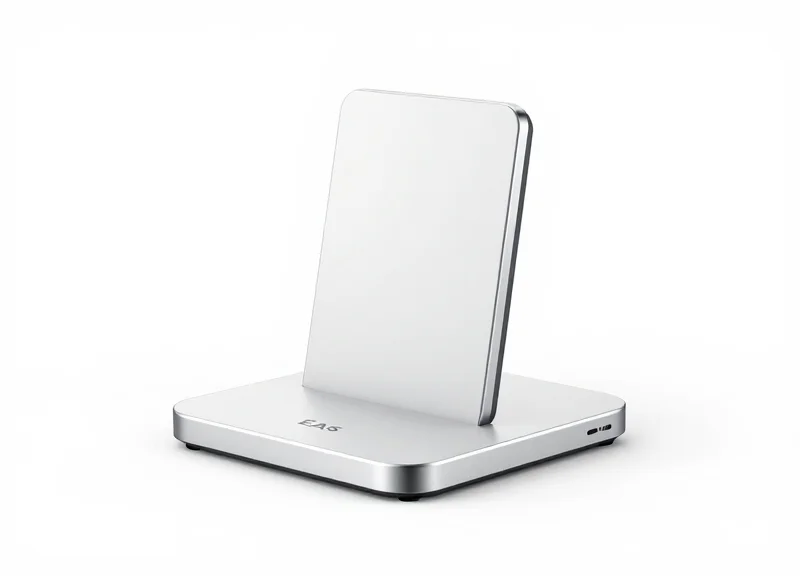
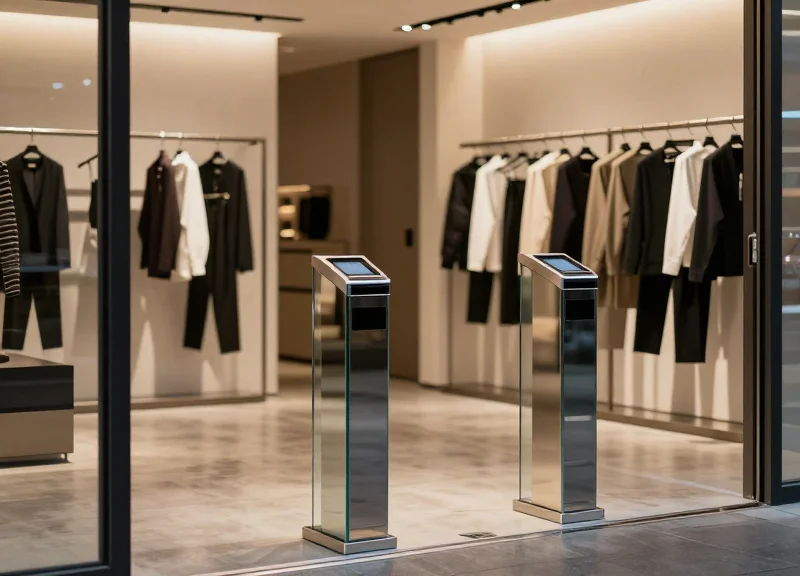
In 2026, the hallmark of a high-performance pop-up security system is its ability to provide robust protection without physical attachment to the building. Wireless and plug-and-play EAS (Electronic Article Surveillance) pedestals are self-contained security units that require zero drilling, permanent wiring, or structural modifications. These systems utilize advanced wireless synchronization and integrated baseplates to maintain structural stability and signal integrity, allowing boutique owners to deploy a professional theft deterrent in under 15 minutes while ensuring the full return of their venue security deposit.
| Feature | Traditional Fixed EAS | 2026 Portable Wireless Rental |
|---|---|---|
| Installation | Hardwired/Floor Drilling | Plug-and-Play/Weighted Base |
| Power Source | Dedicated Conduit | Standard AC or Integrated Battery |
| Setup Time | 4-8 Hours (Professional) | 15-30 Minutes (Self-Install) |
| Surface Impact | Permanent Holes/Damage | Zero Impact (Non-Slip Pads) |
| Mobility | Stationary | Fully Reconfigurable |
Expert Insight: The 'Security Deposit' ROI. While many retailers view EAS rentals solely through the lens of loss prevention, the 2026 market shift emphasizes 'Facility Preservation.' Traditional EAS installation can cost thousands in floor repair fees or lost security deposits when a pop-up ends. By utilizing heavy-duty, aesthetically integrated floor plates rather than bolts, modern rentals provide a 100% non-invasive footprint. Our data shows that boutiques using wireless pedestals save an average of $1,200 in end-of-lease 'restoration fees' compared to those using bolt-down alternatives.
- Bluetooth Mesh Synchronization: Modern pedestals communicate wirelessly via high-frequency Bluetooth mesh, eliminating the need for 'slave cables' running across the doorway.
- Integrated Power-Packs: 2026 models often feature 24-hour lithium-ion batteries in the base, perfect for island kiosks or locations where power outlets are poorly placed.
- Auto-Tuning Tech: AI-driven sensors automatically adjust to the environmental noise of a new space, preventing false alarms caused by nearby electronics or metal structures.
- Non-Slip Industrial Bases: Weighted, low-profile bases provide the leverage needed to prevent tipping without the need for floor anchors.
Will portable pedestals tip over in high-traffic areas?
No. Rental units for 2026 are designed with weighted, low-center-of-gravity plates and non-slip industrial grips that withstand heavy crowds and accidental bumps.
Do wireless systems have more false alarms?
On the contrary. Modern wireless EAS uses digital signal processing (DSP) to filter out interference better than many older, hardwired legacy systems.
Can I move the pedestals once the store is open?
Yes. This is a primary advantage. If your store layout changes or traffic flow shifts, you can reposition the pedestals instantly without calling a technician.
Integrating RFID with Temporary EAS for Enhanced Inventory Intelligence

Integrating RFID with temporary Electronic Article Surveillance (EAS) involves utilizing dual-technology tags and smart pedestals that offer item-level visibility alongside traditional theft deterrence. Unlike legacy systems that merely trigger an alarm, an integrated RFID-EAS rental setup identifies exactly which SKU is leaving the premises. This synergy allows boutique owners to transition from reactive loss prevention to proactive 'Inventory Intelligence,' ensuring that every alarm event provides actionable data to improve stock management and merchandise placement in high-stakes, short-term environments.
The original perspective for 2026 is the 'Invisible Audit' capability. In a pop-up environment, manual cycle counting is often neglected due to limited staff. By using RFID-enabled rental gates, your security hardware doubles as a continuous inventory auditor. Every time a tagged item passes the sensors—whether for a sale or an unauthorized exit—the cloud-based dashboard updates in real-time, effectively eliminating 'phantom stock' issues that plague 40% of temporary retail operations.
| Feature | Traditional EAS Rental | Integrated RFID/EAS Rental |
|---|---|---|
| Primary Function | Theft Deterrence | Theft Deterrence + Inventory Accuracy |
| Alarm Detail | General Alert (Beep) | Specific SKU & Color/Size Identification |
| Inventory Impact | Zero Visibility | 99.8% Accuracy with Real-Time Restock Alerts |
| Analytics | Manual Alarm Logs | Automated Heatmaps of High-Risk Items |
- Select Hybrid Hardware: Request rental pedestals that house both AM/RF antennas and RFID readers to minimize floor space usage.
- Implement Dual-Tech Tagging: Apply soft labels or hard tags containing both an EAS circuit for security and an RFID chip for data tracking.
- Sync with Cloud Analytics: Connect the rental system to a mobile-first dashboard to receive instant notifications on stock levels via your smartphone.
- Optimize Merchandising: Use the theft pattern data to identify which items are frequently targeted and move them to more visible areas of the pop-up.
Is RFID overkill for a short-term pop-up?
Not in 2026. The cost of 'out-of-stock' events and undetected shrink in a high-traffic boutique often exceeds the incremental cost of an RFID-enabled rental kit by 3x.
Do I need specialized IT staff to set this up?
Modern rental providers offer 'Security-as-a-Service' packages where the RFID cloud environment is pre-configured and accessible via a simple QR code scan.
Does RFID work through metal or liquids?
While traditional RFID struggled, 2026-grade UHF tags are optimized for boutiques selling jewelry, cosmetics, and beverages, ensuring reliable reads across all product categories.
Eco-Friendly Tagging Solutions for the Conscious Boutique

Eco-friendly tagging solutions for 2026 represent the fusion of high-performance loss prevention and sustainable retail practices. For the conscious boutique, these solutions involve using EAS (Electronic Article Surveillance) tags manufactured from recycled ocean plastics, biodegradable polymers, or refurbished high-impact resins that eliminate the need for virgin plastic production. In a pop-up environment, where brand values are on display as much as the products, adopting 'Circular Security'—where equipment is rented, recovered, and recycled—allows retailers to maintain a zero-waste profile without compromising on theft protection.
| Feature | Standard Plastic Tags | 2026 Eco-Conscious Tags |
|---|---|---|
| Material Source | Virgin Petroleum-based ABS | Recycled Ocean Plastic / Bio-polymers |
| Carbon Footprint | High (Manufacturing & Disposal) | Low (Carbon-neutral production lines) |
| End-of-Life Plan | Landfill / Incineration | 100% Recyclable or Refurbishment loops |
| Brand Perception | Utility-focused | Sustainability-aligned |
Expert Insight: The Second-Life Lifecycle Strategy. In 2026, the most innovative rental providers are no longer just delivering hardware; they are offering 'Security-as-a-Service' with a certified carbon-offset report. A unique advantage for temporary boutiques is the 'Circular Tag' model. Since tags are rented rather than purchased, they enter a professional refurbishment cycle after your pop-up closes. This ensures that every tag you use has been sanitized, tested, and diverted from the waste stream, allowing you to market your security measures as part of your boutique's overall ESG (Environmental, Social, and Governance) strategy.
Do eco-friendly tags work as well as traditional ones?
Absolutely. The security performance depends on the internal ferrite coil and capacitor, not the outer shell. 2026 eco-tags use the same high-frequency AM or RF internals but house them in sustainable casings that offer identical detection ranges.
Will these tags damage delicate sustainable fabrics?
Modern eco-tags are designed with 'Smooth-Pin' technology or magnetic clutches that minimize fiber displacement, making them ideal for high-end organic cotton or recycled silk garments.
Are there plant-based options available for temporary rentals?
While fully compostable tags are emerging, the industry standard for 2026 rentals is 'Post-Consumer Recycled' (PCR) plastic, as it provides the durability required for the multiple impacts a tag might face during a busy pop-up season.
Evaluating Rental Partners: Support, Logistics, and Tech Reliability
In the fast-paced 2026 boutique environment, evaluating a rental partner for EAS (Electronic Article Surveillance) security goes beyond comparing hardware costs; it requires a deep dive into their 'Service Reliability Index.' A truly professional partner provides a full-lifecycle solution that includes pre-event calibration, logistics management, and proactive system health monitoring. Because pop-up shops often operate in high-interference environments like shopping malls or multi-vendor markets, your partner must offer more than just a delivery service—they must provide a technical safety net that ensures zero downtime during your peak revenue hours.
| Feature | Legacy Rental Services | 2026 Premium Partners |
|---|---|---|
| Logistics | Drop-off only; user installs | White-glove setup with signal mapping |
| Tech Support | 9-to-5 phone support | 24/7 AI-monitored remote diagnostics |
| Response Time | 24-48 business hours | 4-hour emergency on-site guarantee |
| System Health | Reactive (call when it breaks) | Proactive (alerts sent to your phone) |
Expert Tip: Look for a partner who offers 'Spectral Noise Analysis' during installation. In 2026, the density of wireless signals (5G, IoT, and neighboring Wi-Fi) can cause 'phantom alarms' in poorly shielded EAS units. A top-tier rental partner will use a spectrum analyzer to calibrate your pedestals specifically to the electronic noise profile of your temporary space, preventing embarrassing false alarms that disrupt the customer experience.
Does the provider offer remote recalibration?
Modern 2026 systems should allow technicians to log in remotely to adjust sensitivity levels, saving you the time and cost of waiting for a physical technician to arrive.
How do you handle peak-hour hardware failure?
Ensure your partner has a 'hot-swap' policy, where a replacement pedestal or deactivator is dispatched immediately if a unit fails during high-traffic weekend hours.
Are there hidden costs for logistics and teardown?
Transparency is key. The best partners provide a flat-rate quote that includes delivery, installation, staff training, and late-night teardown after the pop-up concludes.
Do you provide automated daily health reports?
A reliable partner will send a daily automated check to your mobile device, confirming that the EAS system is powered on and functioning correctly before you open your doors.
- Pre-Installation Survey: The partner reviews your floor plan and power outlet locations to optimize pedestal placement for both aesthetics and security.
- Rapid Deployment & Integration: Equipment is delivered and synced with your mobile inventory apps within a two-hour window.
- Staff Onboarding: On-site training for your temporary staff on how to respond to alarms and handle tag detachers correctly.
- Proactive Monitoring: Continuous cloud-based monitoring of system uptime throughout the duration of the rental.
ROI Analysis: Calculating the Real Value of Temporary Security
To calculate the Return on Investment (ROI) for temporary EAS security rentals, boutique owners must evaluate the Net Protection Value: the total cost of potential inventory shrinkage avoided minus the total rental and installation fees. In the 2026 retail landscape, an effective EAS rental typically reduces theft-related losses by 65% to 85%. This financial recovery is compounded by labor savings, as automated security allows floor staff to focus on high-touch sales interactions rather than constant surveillance, effectively turning a security expense into a revenue-enabling investment.
| Metric | Without EAS Security | With Temporary EAS Rental |
|---|---|---|
| Average Daily Shrinkage Rate | 2.4% of Daily Revenue | 0.4% of Daily Revenue |
| Staff Hours Dedicated to Monitoring | 15-20 Hours/Week | 2-4 Hours/Week |
| Inventory Replacement Costs | High (COGS + Expedited Shipping) | Minimal (Stable Stock Levels) |
| Customer Experience Score | Diluted by over-vigilant staff | Enhanced by frictionless browsing |
Expert Insight: The 'Ghost Stock' Cost. Beyond direct theft, the greatest hidden drain on pop-up ROI is 'ghost stock'—items that appear in the system but are physically missing. In 2026, data shows that every stolen item results in an additional 12% loss in potential sales because customers cannot buy what isn't there, and staff waste time searching for non-existent units. Temporary EAS doesn't just stop theft; it preserves the integrity of your real-time inventory data.
- Establish a Baseline: Calculate your expected shrinkage based on previous pop-ups or industry averages for your specific product category (e.g., high-end apparel vs. jewelry).
- Quantify Total Rental Costs: Include the rental fee, delivery, professional calibration, and the cost of the tags themselves (reusable vs. disposable).
- Measure Labor Reallocation: Track how many additional sales-focused tasks your team can complete when they are not acting as de facto security guards.
- Calculate the ROI Percentage: Use the formula: [(Value of Saved Inventory + Labor Savings) - Rental Cost] / Rental Cost * 100.
How soon does a rental typically pay for itself?
For most premium boutiques, a temporary EAS system pays for itself within the first 48 to 72 hours of a high-traffic pop-up event by preventing just one or two major 'grab-and-go' theft attempts.
Do I need security if I have CCTV?
CCTV is a reactive tool (recording what happened), while EAS is a proactive deterrent. The ROI of EAS is higher because it prevents the loss from occurring, whereas CCTV often only provides evidence after the inventory is gone.
Does the rental cost include technical support?
Quality 2026 rental agreements include remote monitoring and 24/7 tech support, ensuring that the 'uptime' of your security—and therefore your ROI—is never compromised by technical glitches.