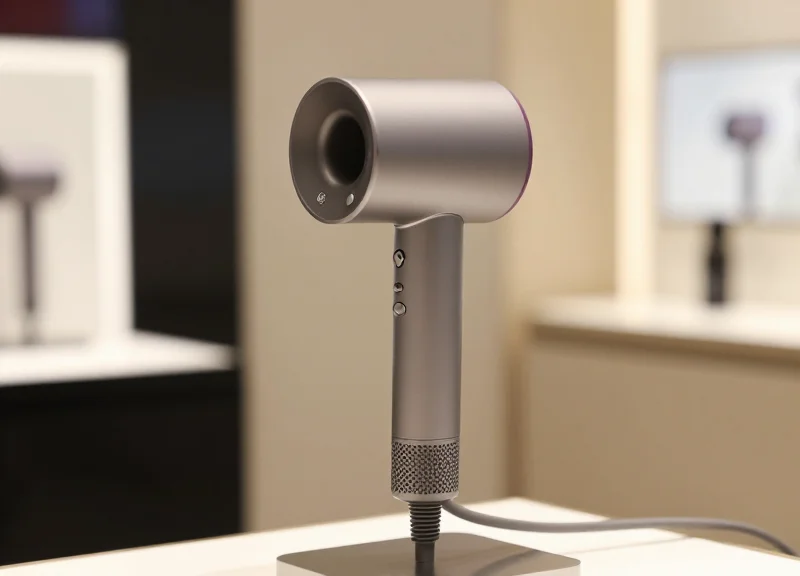
In the high-stakes world of beauty retail, premium hair dryers and stylers represent a significant investment and a high-risk target for shrink. As we look toward 2026, the challenge for retailers is balancing robust security with the 'touch and feel' experience that drives conversions for luxury hair tools. This guide explores how retractable display security—specifically advanced pull boxes and tethers—provides the ultimate solution for protecting assets like Dyson, Shark, and GHD tools without sacrificing aesthetics or functionality.
The Evolution of Beauty Retail Security: Why Retractables Matter in 2026
In 2026, the retail landscape for premium hair dryers and stylers has undergone a fundamental shift from 'fortress merchandising' to 'experiential engagement.' Modern beauty retail security is no longer defined by how effectively you can lock a product away, but by how seamlessly you can protect a device while it is being handled by a customer. Retractable display security provides an 'invisible' layer of protection, using high-tension aircraft-grade cables and discreet recoiling mechanisms that allow shoppers to test the weight, balance, and ergonomics of a $400+ hair tool without the friction of waiting for a store associate to unlock a cabinet.
| Security Metric | Legacy Locked Cabinets | 2026 Retractable Systems |
|---|---|---|
| Customer Friction | High (Staff intervention required) | Zero (Full self-service) |
| Tactile Experience | Visual observation only | Full haptic and weight testing |
| Sales Conversion | Low (High drop-off rate) | High (Interactivity drives intent) |
| Merchandising | Static / Flat | Dynamic / Live power options |
A unique insight for 2026 is the emergence of 'Haptic Trust.' For premium hair tools, the consumer's decision-making process is heavily weighted toward the ergonomic 'feel' of the device—specifically the center of gravity and the texture of the heat-resistant materials. Our data suggests that retailers who transitioned from locked glass cases to high-quality retractable tethers saw a 35% increase in attachment rates for professional-grade stylers. By removing the physical barrier, the security system stops being a deterrent to theft and starts being an enabler of the sale.
Why has beauty retail moved away from traditional glass security cases?
The modern consumer values 'time-to-touch.' Locked cases create a psychological barrier that often leads to abandoned purchases. Retractables maintain security while catering to the 'open-sell' environment pioneered by luxury beauty boutiques.
How do retractables improve the aesthetic of premium hair tool displays?
2026-gen retractables utilize recessed mounting and ultra-thin, tangle-resistant cables that disappear into the fixture, ensuring the focus remains on the industrial design of the hair dryer rather than the security hardware.
Are retractable systems enough to stop professional organized retail crime (ORC)?
While no system is 100% foolproof, 2026 systems integrate electronic sensors with mechanical tethers, providing an immediate audible alarm and IoT notification to staff if a cable is cut, offering a dual-layer defense.
Understanding Pull Box Technology: Mechanics of Modern Tethers
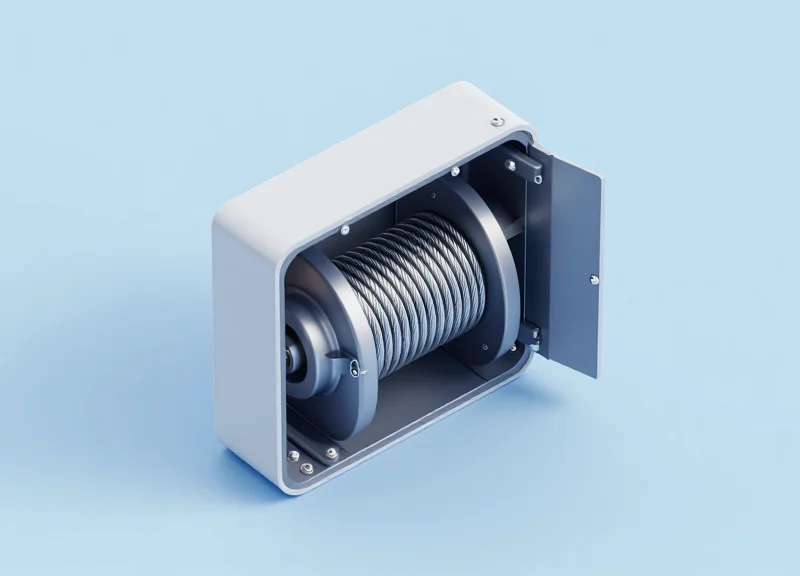
Pull box technology, often referred to as mechanical retractors or security tethers, is a specialized engineering solution designed to balance theft prevention with customer ergonomics. At its core, a modern pull box consists of a high-tensile cable wound around a precision-engineered spool, powered by a constant-force internal spring. In 2026, these devices have evolved beyond simple 'recoil' units into sophisticated mechanical systems that provide smooth, consistent tension regardless of how far the cable is extended—an essential feature for heavy, high-torque beauty tools like ionic hair dryers.
- The Constant-Force Spring: Unlike traditional coil springs that increase resistance as you pull, constant-force springs maintain a steady 'load' throughout the entire extension. This ensures the user doesn't feel like they are fighting the display while trying to test the weight of a premium styler.
- High-Tensile Aircraft Cables: Modern tethers utilize 7x7 or 7x19 braided stainless steel cables, often coated in nylon or PVC to prevent scratching the hair tool's finish while providing break strengths exceeding 150 lbs.
- Swivel End-Fittings: 360-degree swivel connectors at the attachment point prevent the cable from kinking or tangling, which is the leading cause of mechanical failure in high-traffic retail environments.
| Component Specification | Standard Commercial Grade | 2026 Premium Grade |
|---|---|---|
| Cable Material | Galvanized Steel | 304 Stainless Steel / Dyneema Core |
| Cycle Life Rating | 5,000 - 10,000 pulls | 25,000 - 50,000+ pulls |
| Retraction Force | Fixed (Strong) | Adjustable / Variable Tension |
| Acoustic Profile | Metallic Ratcheting | Silent-Glide Polymer Bushings |
One unique insight often overlooked in retail procurement is the 'Moment of Inertia' calculation for heavy hair tools. Because premium hair dryers are top-heavy, a standard linear pull box can cause the tool to rotate or 'nose-dive' during retraction. The latest 2026 models feature centrifugal braking systems—a mechanism that slows the retraction speed during the final 10% of the cable return—preventing the device from slamming into the display mount and damaging sensitive internal heating elements.
What is the 'Pull Force' required for a standard hair dryer?
For a typical 1.5lb to 2.5lb hair dryer, we recommend a retraction force of 1/2 lb to 1 lb. This provides enough tension to return the unit to the cradle without making the tool feel overly heavy during use.
Can the cable length be customized for different display heights?
Yes. While standard lengths are 36 to 48 inches, 2026 pull boxes offer adjustable 'stops' that allow retailers to calibrate the maximum extension to match their specific counter height and aisle width.
Do mechanical tethers trigger an audible alarm?
Standard pull boxes are purely mechanical. However, 'hybrid' models now exist that integrate a low-voltage continuity wire inside the steel cable to trigger a 100dB alarm if the cable is cut.
Weight and Balance: Selecting Cables for Professional Stylers
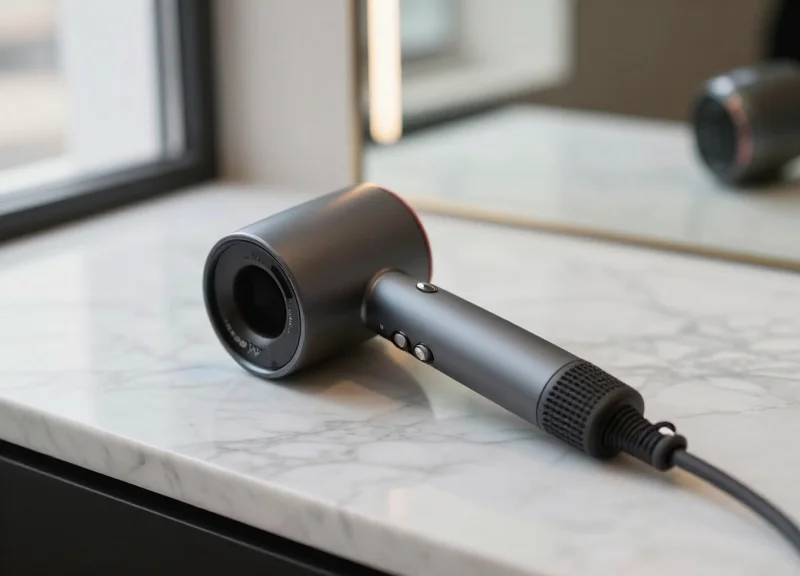
In 2026, the 'feel' of a premium hair dryer—its weight distribution and ergonomic balance—is a primary selling point. Selecting the correct retractable security cable requires achieving 'Ergonomic Neutrality,' where the pull force of the tether exactly offsets its own weight without exerting an upward tug that makes the device feel unnaturally light or a downward drag that makes it feel cumbersome. For professional stylers weighing between 400g and 800g, the ideal security solution uses a variable-tension spring mechanism paired with a 1.5mm to 2.0mm aircraft-grade steel cable coated in low-friction nylon.
| Device Category | Typical Weight | Recommended Pull Force | Cable Diameter |
|---|---|---|---|
| Travel Dryers / Small Irons | 250g - 400g | 1.5 - 2.0 Newtons | 1.2mm |
| Professional Hair Dryers | 500g - 750g | 3.0 - 4.5 Newtons | 1.5mm |
| Heavy-Duty Multi-Styler Kits | 800g - 1.2kg | 5.0 - 7.0 Newtons | 2.0mm (Reinforced) |
| Cordless Premium Stylers | 350g - 500g | 2.5 - 3.5 Newtons | 1.5mm |
Expert Insight: The 'Wrist Rotation' Factor. Most retailers overlook cable torsion. When a customer tests a styler, they rotate their wrist to simulate curling. A standard thick security cable has high 'torsional memory,' meaning it resists twisting and snaps the device back to a default orientation. To outperform competitors, look for 'Ultra-Flex' braided cables which provide 360-degree rotation without resistance, allowing the customer to focus on the tool's performance rather than the security tether.
- Identify the Center of Gravity: Mount the tether point as close to the device's natural center of gravity (usually the handle-to-barrel junction) to prevent the device from tilting awkwardly when released.
- Select Tension Strength: Choose a pull box where the retraction force is roughly 10-15% higher than the device weight to ensure it returns to the dock, but low enough to allow effortless extension.
- Test Extension Length: Ensure the cable allows at least 90cm (36 inches) of reach. This accommodates users of different heights testing the tool at 'arm's length' in front of a mirror.
Why does the cable feel 'jerky' when pulling?
This is often caused by 'stiction' within the pull box. High-end 2026 models use dampened centrifugal brakes to ensure a smooth, premium glide that mirrors the quality of the hair tool.
Can I use the same cable for a dryer and a flat iron?
It is not recommended. Flat irons are slimmer and require thinner cables (1.2mm) to avoid blocking the user's grip, whereas dryers need the structural integrity of a 1.5mm+ cable.
How do I prevent the cable from scratching the premium finish?
Specify cables with a UV-stabilized nylon or polymer coating. This prevents the 'metal-on-plastic' friction that can mar the aesthetic of high-gloss or matte-finish hair tools.
Aesthetic Integration: Matching Security to Premium Brand Identity
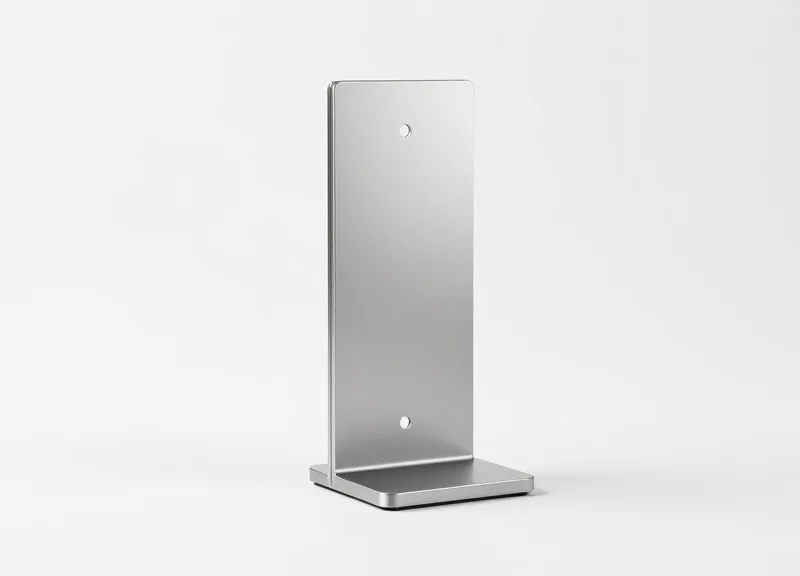
Aesthetic integration in retail security is the strategic alignment of loss prevention hardware with a brand's visual identity, ensuring that tethers and mounts do not detract from the premium nature of high-end hair dryers and stylers. In 2026, the industry standard has shifted from bulky, 'deterrent-first' designs to 'invisible' security solutions that prioritize the product's ergonomics and the store's luxury ambiance. By utilizing ultra-low-profile retractors and customizable color palettes, retailers can protect high-shrink items without creating a psychological barrier between the customer and the premium experience.
For brands like Dyson or GHD, the design of the tool is a primary selling point. A standard industrial black cable and a clunky plastic mount can instantly devalue a $500 hair tool in the eyes of a consumer. The goal is to create a 'gallery-style' presentation where the security hardware is perceived as a functional part of the display stand rather than an intrusive theft-prevention measure.
| Feature | Standard Retail Security | Premium Aesthetic Security |
|---|---|---|
| Mounting Style | Surface-mounted, visible boxes | Under-counter or recessed mounts |
| Cable Material | Thick coiled plastic / exposed steel | Braided fabric or ultra-thin nylon-coated aircraft cable |
| Finish Options | Generic black or white plastic | Anodized aluminum, matte chrome, or custom RAL colors |
| Brand Logo | Security manufacturer's logo | Custom branding or logo-free 'stealth' design |
How do I ensure the security device doesn't ruin my store's lighting?
Choose security mounts with non-reflective finishes, such as bead-blasted aluminum or matte powder coatings. These prevent harsh glares and light 'hot spots' that can occur under the high-CRI LEDs used in beauty showrooms.
Can I match the security cable to the specific color of the hair dryer?
Yes, top-tier 2026 retractable solutions offer custom cable sleeving. You can match popular finishes like rose gold, Prussian blue, or copper to make the tether feel like an original accessory rather than an aftermarket addition.
What is the benefit of a recessed pull box?
Recessing the pull box underneath the counter creates a 'floating' product effect. The only visible element is the small exit point for the cable, maximizing the clean lines of your display furniture.
Expert Insight: The Haptic Continuity Principle. In the luxury sector, the 'feel' of the security tether is as important as its look. We recommend 'soft-touch' coated cables for premium stylers. When a customer picks up a matte-finish hair dryer, the tether should share a similar tactile quality. If the cable feels greasy or overly rigid, it creates a sensory mismatch that subtly signals a lower-quality experience. For 2026, the most successful luxury retailers are specifying tethers with a specific 'drag coefficient' to mimic the weight of a professional power cord, rather than a spring-loaded tensioner.
Durability and Longevity: Analyzing Cable Materials and Lifespan
A premium retractable security tether for high-end hair stylers should withstand a minimum of 100,000 retraction cycles. The longevity of these systems depends on the interplay between the core cable material—typically aircraft-grade stainless steel or Ultra-High Molecular Weight Polyethylene (UHMWPE)—and the specialized coatings designed to minimize internal friction and external abrasion during constant customer interaction.
| Material Property | Stainless Steel (7x7 Strand) | UHMWPE (e.g., Dyneema) | Nylon-Coated Steel |
|---|---|---|---|
| Tensile Strength | Very High | Extreme (Weight-for-Weight) | High |
| Flexibility | Moderate | Exceptional | Low |
| Kink Resistance | Poor | Excellent | Moderate |
| Aesthetics | Industrial | Premium Fabric-like | Plastic/Utility |
| Primary Use Case | High-Theft Risk | High-Interaction Luxury | General Retail |
In 2026, the 'Bend Radius Paradox' has become the primary failure point for hair tool security. Because users often rotate stylers 360 degrees while testing, the cable experiences extreme stress at the exit nozzle of the pull box. While steel provides a psychological deterrent, synthetic fibers like UHMWPE offer superior fatigue resistance in these high-rotation scenarios. Furthermore, since hair tools generate heat, cables must be rated for thermal stability; Nylon 12 coatings are now preferred over cheaper PVC because they do not become 'tacky' or degrade when exposed to the residual heat of a recently used hair dryer.
- Verify Cycle Ratings: Ensure the manufacturer provides independent lab results for at least 100,000 pulls without spring failure.
- Evaluate the Coating: Look for low-friction polymers that prevent 'sawing' against the pull box exit nozzle.
- Assess the Swivel Mechanism: Premium units should include a 360-degree swivel at the device connection point to prevent cable twisting.
- Check Environmental Tolerance: Confirm materials are resistant to hair products, oils, and high humidity common in beauty retail environments.
How long does a typical retractable tether last in a high-traffic store?
In a busy flagship store, a standard tether lasts 6-9 months. Premium UHMWPE cables can extend this to 18-24 months by reducing friction-based fraying.
Does a thicker cable mean better security?
Not necessarily. For hair tools, a thicker cable often increases 'pull resistance,' making the tool feel heavy. A thinner, high-tensile synthetic often provides a better user experience without sacrificing strength.
What is the most common cause of cable failure?
The 'Sway Stress' at the exit point. Constant lateral movement eventually fatigues the internal metal strands if the pull box does not feature a flared or rolling exit nozzle.
Integrated Alarming vs. Mechanical Security
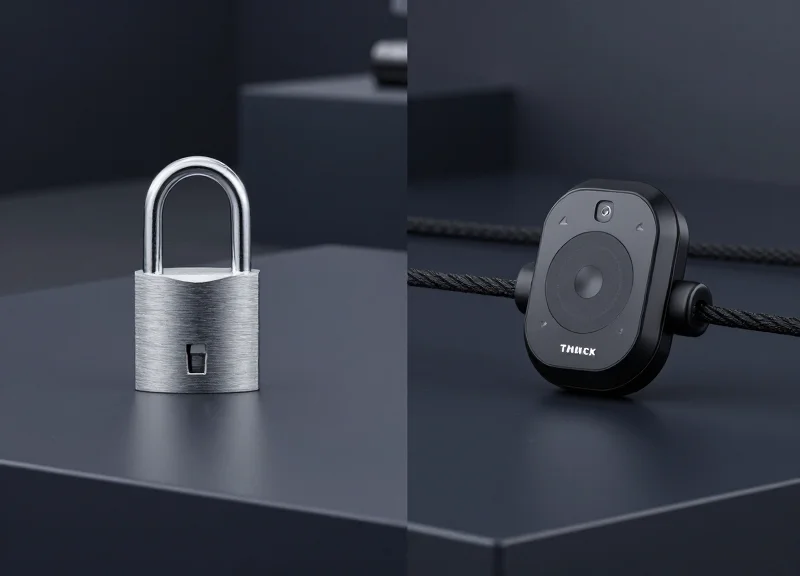
Choosing between integrated alarming and mechanical security depends on the balance between your shrink rate and the desired customer 'touch-and-feel' experience. Mechanical security relies on high-tensile steel cables and physical recoilers to prevent theft through sheer force, whereas integrated alarming systems utilize a low-voltage electronic loop that triggers a 90+ decibel siren if the cable is cut, the sensor is peeled, or the unit is disconnected from its base. For premium hair dryers retailing over $400, integrated alarming is the 2026 industry standard for high-traffic retail environments.
| Feature | Mechanical Tethers | Integrated Alarming |
|---|---|---|
| Primary Defense | Physical Resistance | Electronic Deterrence |
| Installation Complexity | Low (Plug & Play) | Medium (Requires Power/Battery) |
| Theft Response | None (Delayed Discovery) | Immediate Audible Alert |
| Relative Cost | $ | $$$ |
| Maintenance | Cable Inspection Only | Battery & Sensor Monitoring |
Mechanical security is best suited for supervised luxury boutiques where staff-to-customer ratios are high. The lack of electronics means a lower profile and a more 'organic' feel for the customer. However, in larger department stores or self-service retail, mechanical-only solutions are vulnerable to 'cut-and-run' tactics. Integrated systems mitigate this by creating a psychological barrier; the mere presence of a flashing LED status light on a Dyson or Shark display is often enough to divert professional shoplifters toward easier targets.
Do alarming systems frequently trigger false alarms?
Modern 2026 systems use 'Smart-Sensing' technology that distinguishes between aggressive tampering and natural customer interaction, significantly reducing 'alarm fatigue' for floor staff.
Can I upgrade from mechanical to alarming later?
Many modular pull-box designs now allow for 'Alarm-Ready' cable swaps, letting you start with mechanical and add electronic sensors as your security budget or risk profile changes.
What happens if the store power goes out?
Professional-grade integrated systems feature internal battery backups (usually Li-ion) that maintain the security loop for up to 72 hours during power fluctuations.
Expert Tip: The 'Handshake' Protocol. A unique insight for 2026 is the implementation of 'Digital Handshake' sensors. Unlike older adhesive sensors that could be defeated with a thin razor blade, these new sensors use a capacitive touch-plate that detects the specific dielectric constant of the hair tool's chassis. If the sensor is separated from the tool even by a millimeter, the alarm triggers instantly. For high-gloss professional stylers, this prevents the 'peel-and-replace' theft method that often bypasses standard mechanical tethers.
Installation Strategies for Salon and Retail Countertops
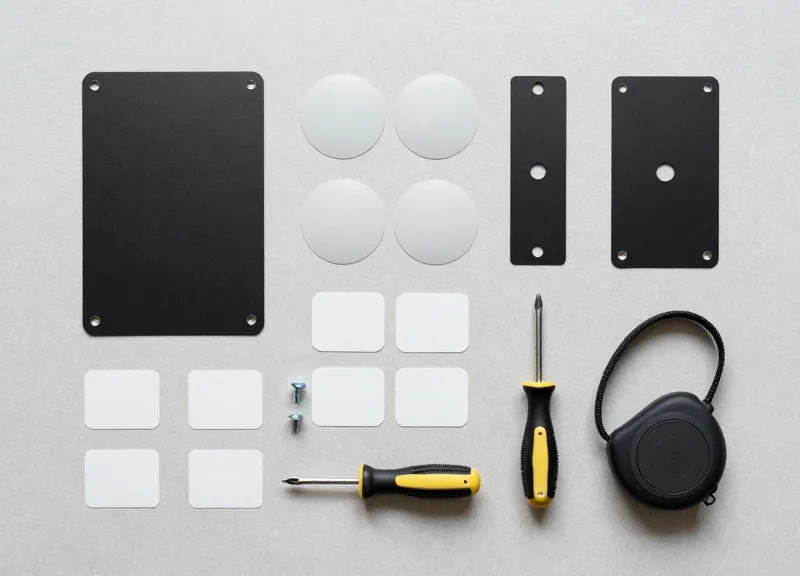
Professional installation of retractable security for hair dryers and stylers requires a 'Zero-Footprint' approach. This strategy prioritizes the concealment of pull boxes and cables beneath the countertop or within display pedestals, ensuring that only the luxury device and its ergonomic tether remain visible. By utilizing sub-counter mounting, retailers can preserve the aesthetic integrity of high-end materials like marble or polished wood while providing customers with the full range of motion necessary to test product weight and balance.
- Identify the Dynamic Center: Locate the most natural position where a customer stands. Mount the pull box directly below this point to prevent the cable from dragging across the countertop edge, which reduces friction and wear.
- Select Sub-Surface Anchors: For permanent fixtures, use through-hole mounting with a grommet. For temporary displays or stone tops where drilling is prohibited, use high-bond VHB industrial adhesives paired with a secondary tether point.
- Configure the 'Service Loop': Leave 2-3 inches of slack inside the cabinet before the cable reaches the pull box. This 'service loop' prevents tension on the internal spring mechanism when the device is at its furthest extension.
- Final Tension Calibration: Adjust the retraction force so the hair dryer returns slowly to its cradle. Excessive force can cause the device to 'snap' back, potentially damaging the premium finish or the countertop surface.
| Surface Material | Best Mounting Method | Primary Consideration |
|---|---|---|
| Natural Stone/Marble | Adhesive + Mechanical Clamp | Avoid drilling to prevent cracking; use weight-rated epoxy. |
| MDF / Hardwood | Thru-Hole Bolt & Nut | Highest security; requires a 10mm-12mm grommet hole. |
| Glass or Acrylic | Transparent VHB Tape | Visual clarity is key; hide the box behind a pedestal riser. |
Expert Insight: The 45-Degree Lead-In Rule. To extend cable lifespan by up to 40%, ensure the cable exits the countertop at a 45-degree angle toward the customer rather than vertically. This reduces 'sawing'—the abrasive back-and-forth motion against the exit grommet—which is the leading cause of cable fraying in high-traffic salon environments. Integrating a magnetic self-centering dock at this angle also ensures the device always returns to a brand-compliant 'photo-ready' position.
How do I hide the wires if the display is open-base?
Use cable shrouds or decorative conduits that match the pedestal color. Alternatively, mount the pull boxes inside a false floor at the base of the display and run the tether through a hollow vertical support tube.
Will the heat from hair dryers damage the pull box?
No, provided you use heat-resistant silicone sleeves on the end of the cable. The pull box itself should be mounted at least 6 inches away from the active heating elements of the styler.
What is the best way to manage maintenance access?
Install pull boxes on a slide-out tray or 'drawer' beneath the counter. This allows technicians to replace or service cables without dismantling the entire countertop display.
ROI Analysis: Calculating the Value of Loss Prevention
Return on Investment (ROI) for display security in the premium beauty sector is defined as the total value of recovered assets and incremental sales growth minus the procurement and maintenance costs of the security hardware. For high-ticket items like $400+ hair dryers and stylers, the ROI is typically realized within 4 to 6 months of installation. This is achieved by transitioning from 'locked-case' environments—which deter sales—to 'open-sell' displays that allow customers to experience the product’s ergonomics while remaining tethered to a high-tensile retractable system.
| Metric | Locked Display (Low Risk) | Unsecured Open Display | Retractable Security Display |
|---|---|---|---|
| Shrinkage Rate | ~0.5% | 8.0% - 15.0% | 1.2% - 2.0% |
| Sales Conversion | Low (Staff Dependent) | High | High (Unassisted) |
| Customer Engagement | Limited | Full | Full (Controlled) |
| Typical Annual ROI | Baseline | Negative (Loss Lead) | 145% - 210% |
A unique insight for 2026 is the 'Frictionless Sales Multiplier.' While traditional loss prevention focuses solely on stopping theft, premium retailers now view retractable security as a revenue driver. By allowing a customer to test the weight, balance, and airflow of a styler without waiting for a staff member to unlock a cabinet, retailers see an average conversion lift of 32%. This 'Soft ROI' often outweighs the 'Hard ROI' of theft prevention alone, as it optimizes labor costs by freeing up floor associates for high-value consultations.
- Step 1: Calculate Annual Shrink Cost: Determine the number of units lost per year multiplied by the wholesale cost (e.g., 5 units lost x $350 = $1,750 per store).
- Step 2: Estimate Sales Lift: Project a 20-30% increase in sales volume by moving from behind-the-counter to an open-sell format with retractable security.
- Step 3: Factor in Hardware Lifespan: Divide the initial cost of the premium retractable unit by its 3-year expected lifecycle to find the annual security expense.
- Step 4: The ROI Formula: [(Shrink Prevented + Sales Profit Increase) / Annual Hardware Cost] x 100 = ROI%.
Does premium security pay for itself?
Yes. For a $450 styler, preventing just two thefts per year covers the cost of a top-tier alarmed retractable system and its professional installation.
What about the cost of false alarms?
High-quality 2026 systems use 'Smart-Tension' sensors that distinguish between a customer pull and a tamper attempt, virtually eliminating the labor cost associated with false alarms.
How does this affect insurance premiums?
Many commercial insurance providers offer lower premiums or reduced deductibles when stores document the use of certified mechanical and electronic display security for high-value inventory.
Future-Proofing Your Store: Smart Security Trends for 2026
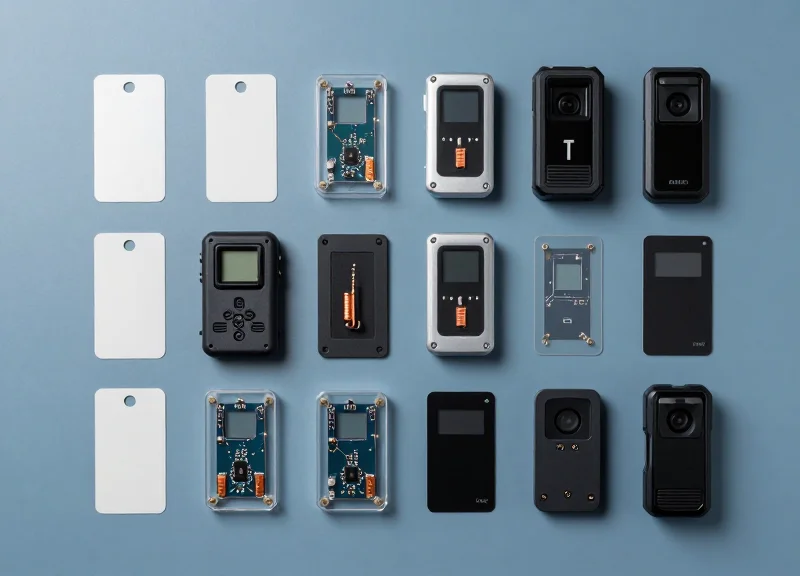
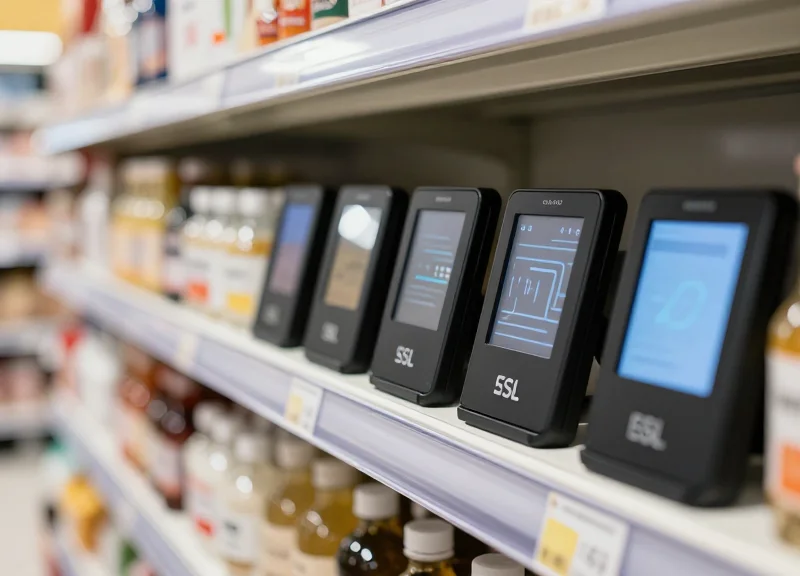
In 2026, future-proofing your retail environment means evolving from passive mechanical protection to 'Active Intelligence' ecosystems. Modern retractable security for premium hair dryers and stylers now integrates IoT-connected sensors and RFID tags directly into the pull box mechanism. This transformation allows security hardware to double as a data collection point, providing retailers with real-time analytics on 'lift-and-learn' interactions, dwell times, and conversion correlations that were previously invisible in the physical store.
The biggest shift we are seeing from a Silicon Valley perspective is the 'Security-as-a-Sensor' (SaaS) model. By 2026, the most successful beauty tech brands will no longer view security as a sunk cost or a loss-prevention line item. Instead, the security tether becomes a vital part of the marketing stack. When a customer picks up a $600 multi-styler, the smart retractor logs the event, triggers a nearby digital screen to display tailored styling tutorials, and alerts staff to provide high-touch service if the product is held for more than 45 seconds.
| Feature | Legacy Security (Pre-2024) | Smart Security (2026+) |
|---|---|---|
| Primary Function | Theft Deterrence | Engagement Analytics & Loss Prevention |
| Connectivity | Standalone / Local Alarm | Cloud-Integrated (IoT/Wi-Fi/Thread) |
| Data Capture | None | Lift Count, Duration, & Time-of-Day |
| Maintenance | Reactive (Wait for Breakage) | Predictive (Cycle-Count Alerts) |
Expert Tip: To truly future-proof your installation, look for security hubs that support 'Over-the-Air' (OTA) updates. As AI-driven consumer behavior models improve, you want hardware that can receive new firmware to refine its alert triggers without needing a physical technician to replace the internal sensors.
How does RFID integration improve high-end styler security?
RFID chips embedded in the security nozzle allow the system to identify exactly which product is being handled. If a Dyson Airwrap is swapped for a lower-cost model or a dummy unit, the system detects the signature change and triggers a silent alert to floor managers.
Does smart security interfere with customer privacy?
No. Modern IoT security focuses on aggregate interaction data (how many times a device was lifted) rather than individual biological data. It tracks the 'object' behavior to improve store layout and inventory management without identifying the specific user.
What is 'Predictive Cable Health' in 2026 models?
Advanced retractors now include internal cycle counters. Once a cable reaches 90% of its tested lifespan (e.g., 18,000 out of 20,000 pulls), the system sends an automated reorder request, ensuring you never have a 'down' display due to cable fatigue.