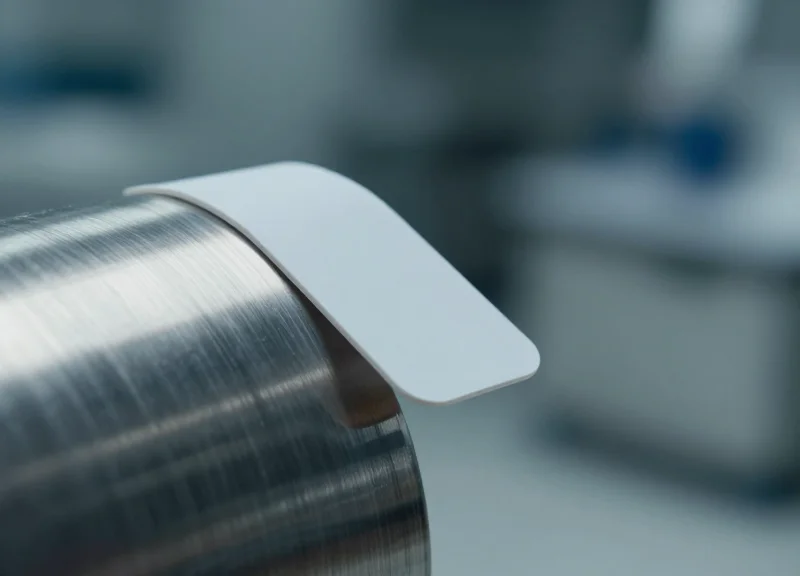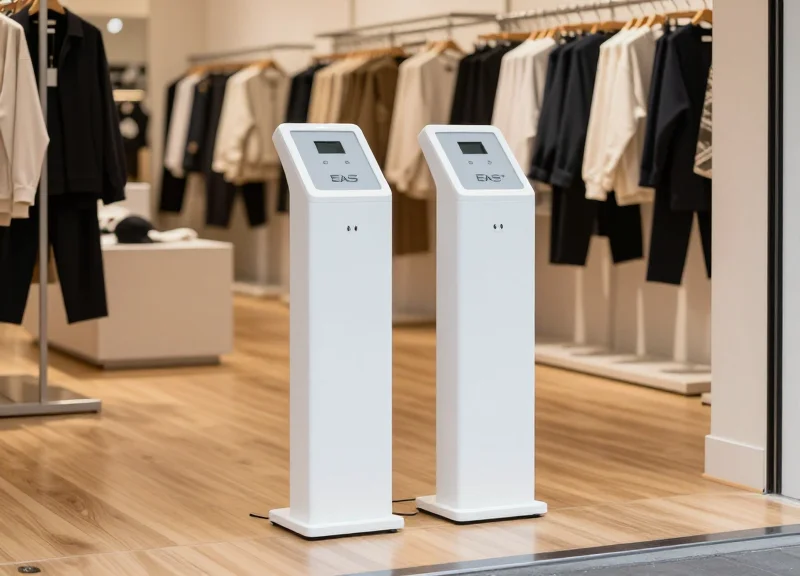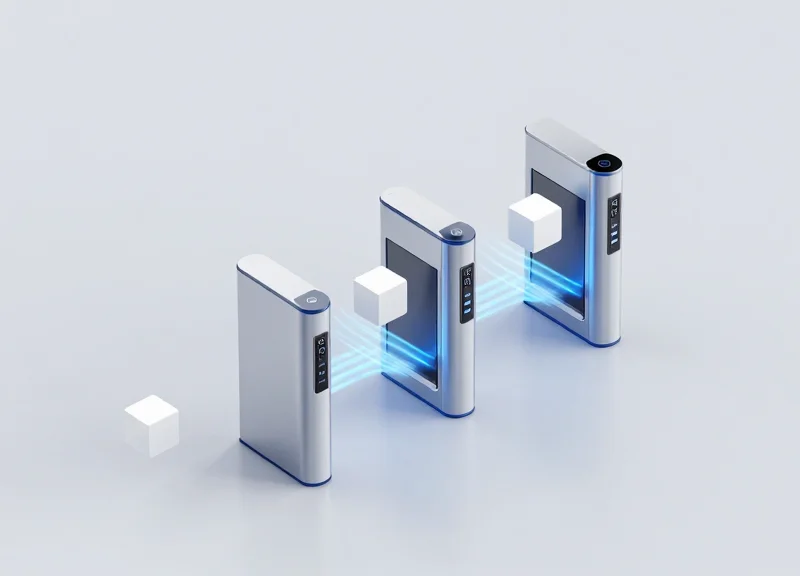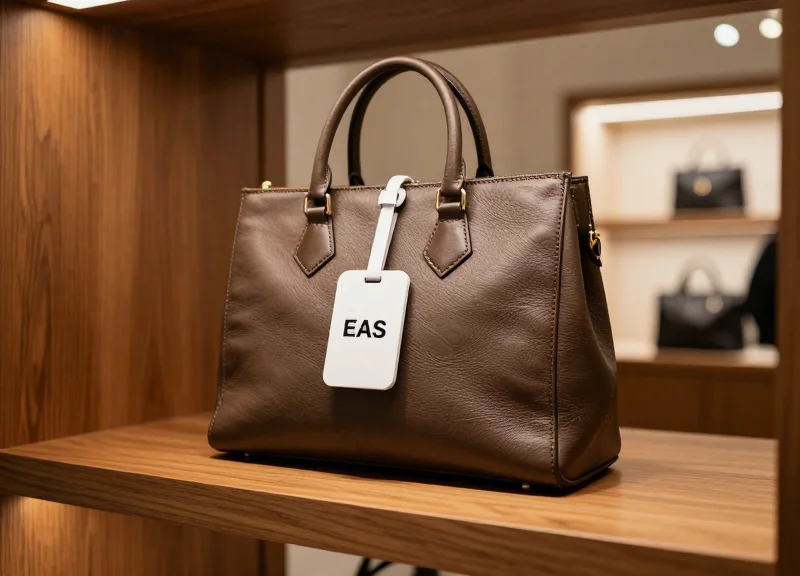
In the rapidly growing luxury resale market, preserving the condition of vintage designer goods is paramount to maintaining their value. Traditional Electronic Article Surveillance (EAS) tags often rely on heavy pins that can leave permanent holes in delicate silk or scarring on supple leathers. For owners of high-end boutiques and luxury consignment shops, the challenge lies in balancing robust security with item preservation. This guide explores the sophisticated world of EAS security systems specifically tailored for the resale luxury sector, highlighting five innovative, non-damaging tagging solutions that protect your bottom line without compromising the integrity of your most precious inventory.
The High Stakes of Loss Prevention in Luxury Resale

In the luxury resale market, loss prevention is not merely about stopping shoplifters; it is a sophisticated strategy for protecting non-fungible assets where a single instance of shrinkage can erase an entire month's net profit. Because vintage designer goods are often irreplaceable and appreciate in value, 'shrinkage' in this sector encompasses both the physical theft of items and the inadvertent devaluation caused by improper security tagging. For high-ticket items like Hermès Birkins or vintage Chanel tweeds, the margin for error is zero: the security solution must be as premium and non-invasive as the product itself.
| Metric | Standard Retail | Luxury Resale |
|---|---|---|
| Inventory Value | Low to Medium ($20 - $200) | High to Extreme ($500 - $50,000+) |
| Product Replacement | Easy (Mass Produced) | Difficult to Impossible (Vintage/Limited) |
| Theft Impact | Volume-based loss | High-margin individual asset loss |
| Security Goal | Deterrence via visibility | Protection without devaluation |
Why is luxury resale a primary target for Organized Retail Crime (ORC)?
Luxury resale items are highly liquid assets. Criminals target these goods because they have high resale value on the black market and are easier to move than jewelry or electronics, which often have traceable serial numbers registered with manufacturers.
How does 'security damage' impact a store's bottom line?
Traditional ink tags or thick pins create permanent holes in delicate fabrics like silk and lambskin. In the vintage market, a 'visible' flaw caused by a security tag can reduce an item's appraisal value by 20% to 50%, representing a form of 'legal shrinkage' that many owners overlook.
What is the 'Return on Protection' for luxury items?
In luxury resale, the ROI on a high-end EAS system is calculated not just by recovered goods, but by the prevention of markdowns. Preserving the 'Mint' condition of a vintage item through non-damaging tags directly sustains its maximum market price.
Expert Insight: In my 20 years of observing high-end retail tech, I've seen the emergence of the 'Pin-Hole Penalty.' For a 1990s-era silk scarf or a pristine box-calf leather bag, the use of a standard 1.5mm security pin is an act of vandalism. The true cost of loss prevention in the luxury space includes the 'Cost of Devaluation.' If your security tag leaves a mark, you haven't saved the asset—you've partially lost it.
Why Traditional EAS Tags Pose a Risk to Vintage Goods

Traditional Electronic Article Surveillance (EAS) tags pose a severe threat to vintage luxury because they rely on mechanical piercing mechanisms—usually 1.2mm to 1.5mm thick steel pins—that physically displace or sever fibers to secure the device. In contemporary fast-fashion, these fibers often recover due to synthetic elasticity; however, in vintage designer goods, the structural integrity of aged materials like silk, lambskin, and fine-gauge wool is fragile. Once a traditional pin creates a 'puncture trauma,' the damage is permanent, leading to visible scarring, 'stress bloom' around the hole, and a significant drop in the item's collectible grade and market value.
| Material Type | Primary Damage Risk | Resale Value Impact |
|---|---|---|
| Vintage Lambskin/Suede | Permanent 'memory' holes and oil transfer from metal pins. | High (20-30% Devaluation) |
| Hermès Silk/Jacquard | Severed threads leading to irreversible runs and snags. | Critical (Up to 50% Devaluation) |
| Aged Exotic Skins | Cracking around the puncture site due to loss of natural oils. | High (Loss of 'Pristine' Status) |
| Fine Knitwear/Cashmere | Weight-induced sagging and 'growing' pinholes over time. | Moderate (Requires costly repair) |
Beyond the physical puncture, a secondary risk is 'Gravitational Stress.' Traditional hard tags often weigh between 10g and 20g. When attached to a delicate vintage garment hanging on a rack, the constant pull of gravity on that concentrated point causes the fabric to stretch or 'tent.' Expert Insight: We call this 'Material Memory Fatigue.' Unlike modern textiles, vintage fibers often lack the tensile strength to bounce back after being stretched by a heavy tag for weeks in a showroom, resulting in a permanent deformity in the garment's silhouette.
Can't I just pin the tag through the interior care label?
While it avoids the main fabric, pinning through a vintage care label is still risky. Vintage labels are often printed on delicate silk or acetate; a heavy tag can rip the label off entirely or cause fraying that alerts savvy buyers to a lack of proper archival care.
Why is 'Stress Bloom' a concern for vintage leather?
Stress Bloom occurs when the area around a puncture point begins to micro-crack as the leather dries out with age. A pinhole provides a point of entry for oxidation and moisture loss, causing the surrounding leather to become brittle and eventually split.
Do traditional tags affect the authentication process?
Yes. Serious collectors look for 'unadulterated' items. Visible pinholes—even small ones—can be interpreted as a sign that the item was not handled with white-glove standards, which can complicate the authentication and valuation process during resale.
AM vs. RF Technology: Which is Better for Luxury Environments?
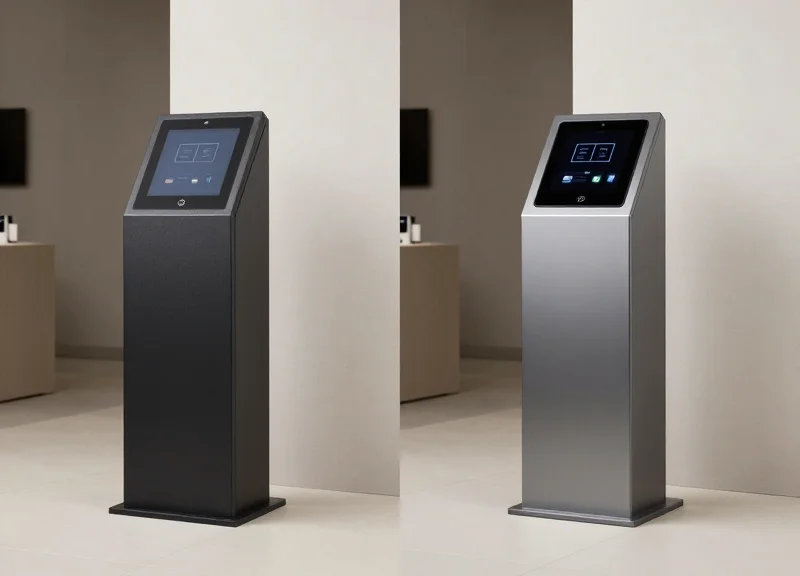
For luxury resale environments, Acousto-Magnetic (AM) technology is the industry standard because it operates at a lower frequency (58 kHz) that is significantly less susceptible to interference from metal hardware, such as the heavy brass chains or gold-plated buckles found on vintage designer handbags. While Radio Frequency (RF) systems are more cost-effective for apparel, they often suffer from 'detuning' or false alarms when in close proximity to the high-density metals and foil-lined packaging common in the high-end secondary market.
| Feature | AM (Acousto-Magnetic) | RF (Radio Frequency) |
|---|---|---|
| Operating Frequency | 58 kHz | 8.2 MHz |
| Detection Range | Wider (up to 2.4m / 8ft) | Standard (up to 1.8m / 6ft) |
| Metal Resistance | High (Ideal for hardware/jewelry) | Low (Prone to signal interference) |
| Tag Reusability | High durability hard tags | Often uses disposable stickers |
| Price Point | Higher initial investment | Budget-friendly |
The technical differentiator for vintage sellers is the 'Faraday Cage' effect. When a shoplifter places a tagged item inside a foil-lined bag or even near a large metal luxury trunk, RF signals are easily blocked. AM technology penetrates these barriers more effectively, ensuring that your most valuable inventory—like a vintage Hermès Kelly with significant metal feet and clasps—remains protected without triggering the 'phantom' alarms that can frustrate your affluent clientele.
Does AM technology affect the internal mechanics of vintage watches?
No. The 58 kHz frequency used by AM systems is non-ionizing and does not possess enough magnetic force to disrupt the delicate movements of mechanical or quartz vintage timepieces.
Can I use RF labels on leather goods?
It is not recommended. The adhesives on RF labels can leave chemical residues or 'tan' the leather over time, and the signal is often dampened by the moisture content in high-quality hides.
Which system is better for open-concept boutique layouts?
AM systems are superior for open-concept floor plans because they allow for wider 'aisle' spacing between pedestals, maintaining a clean, high-end aesthetic without obstructing the store entrance.
Expert Tip: If you are a high-volume boutique dealing in 'New with Tags' (NWT) luxury items that arrive with factory RF labels, consider a 'Dual-System' pedestal. However, for a pure vintage or pre-owned designer operation, the reliability of AM technology against metal interference far outweighs the cost savings of RF.
Top 5 Non-Damaging EAS Tags for Vintage Luxury Items
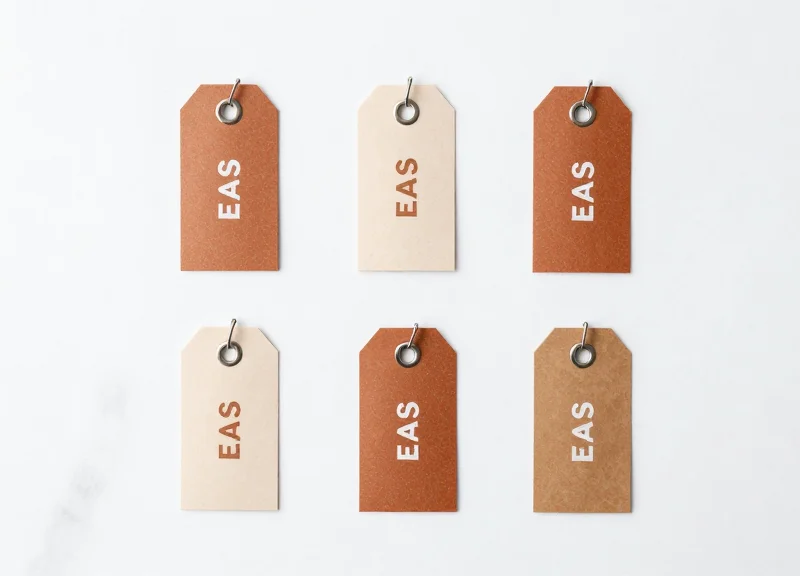
The best non-damaging EAS tags for luxury resale utilize puncture-free attachment mechanisms—such as lanyards, soft-padded clamps, or adhesive-free loops—to secure high-value items without piercing delicate fabrics or leathers. Unlike standard hard tags that require a needle to pass through the material, these specialized solutions protect the structural integrity and resale value of vintage goods while maintaining a high-strength deterrent against shoplifting.
| Tag Type | Best For | Attachment Method | Risk Level |
|---|---|---|---|
| Lanyard Tags | Designer Handbags | Steel Cable Loop | Ultra-Low |
| Clam Tags w/ Pads | Luxury Footwear | Cushioned Compression | Low |
| Adjustable Straps | Watches & Belts | Ratchet Grip | Moderate |
| Ink-less Deterrents | Outerwear | Visual Warning | Low |
| RFID Soft Labels | Wallets & Small Goods | Hidden Placement | Zero |
- Lanyard Tags (Cable Tags): The gold standard for luxury bags. These tags use a plastic-coated steel lanyard that loops around a strap or handle. Because they don't pierce the leather, they leave zero trace. Pro tip: Always loop through a metal D-ring or hardware rather than the leather strap itself to prevent friction marks over time.
- Clam Tags with Soft Foam Pads: Ideal for high-end shoes or accessories. These tags 'sandwich' the material using a soft foam or rubberized interior. This creates enough friction to prevent removal without applying enough pressure to leave an indentation on materials like suede or box calf leather.
- Adjustable Strap Tags: Perfect for vintage watches, bracelets, or belts. These utilize a zip-tie style mechanism made of smooth polymer. They provide a tight fit that is impossible to slide off but lack the sharp edges or pins that could scratch metal hardware or exotic skins.
- Ink-less Visual Deterrents: While traditional ink tags can leak and ruin a garment, modern ink-less visual deterrents use a bulky, high-visibility design to signal security without the chemical risk. When paired with a magnetic lanyard, they offer the same psychological barrier as heavy-duty tags without the threat of permanent staining.
- RFID-Integrated Soft Labels: For items where a hard tag is too intrusive, such as a silk scarf or a small wallet, RFID soft labels can be tucked into an existing manufacturer's care tag or a branded dust bag. They provide discreet protection and inventory tracking without ever touching the vintage fabric directly.
Expert Insight: Beware the 'Tension Trap'. In my twenty years of asset protection, I’ve seen more damage caused by over-tightening than by the tags themselves. Vintage leather has 'memory'; if an adjustable strap tag is cinched too tight, it can create a permanent compression mark within 48 hours. Always leave a 'pinky-finger' of slack between the tag and the luxury item to ensure the material can breathe and shift without being pinched.
Can I use these tags with both AM and RF systems?
Yes, most manufacturers offer these non-damaging form factors in both Acousto-Magnetic (58kHz) and Radio Frequency (8.2MHz) versions. Ensure you match the tag frequency to your existing pedestals.
Do lanyard tags slow down the checkout process?
Slightly, as they require a detacher and a manual unlooping, but the 3-5 extra seconds are a negligible trade-off compared to the cost of a damaged $5,000 vintage Chanel flap bag.
Are foam-padded tags secure against tampering?
Absolutely. High-quality padded tags use high-strength magnetic locks (Superlock or Hyperlock) that are just as difficult to defeat as standard pin tags.
The Strategic Use of Lanyard Tags for Designer Handbags
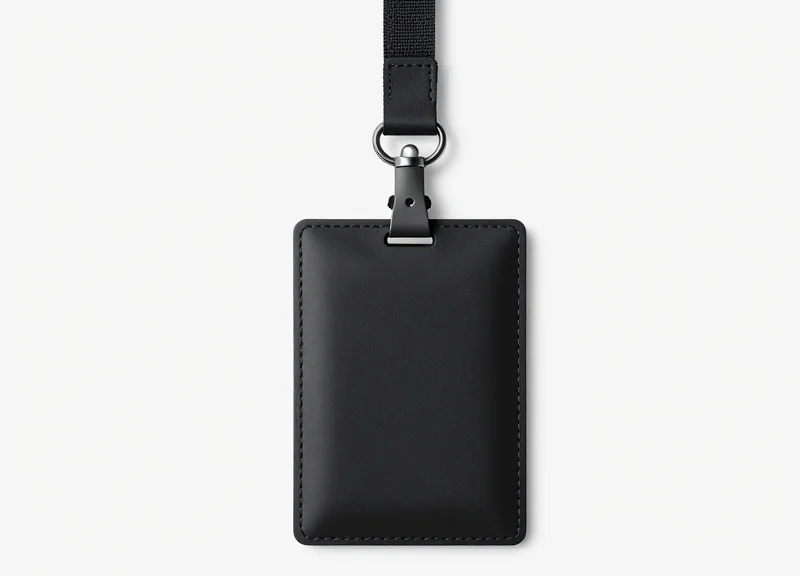
For luxury resale boutiques, lanyard tags are the gold standard for securing designer handbags and leather goods. Unlike traditional EAS tags that require a pin to pierce the material, a lanyard tag utilizes a high-strength, multi-strand steel cable—often coated in soft PVC or nylon—to loop through a bag's hardware, handle, or strap ring. This method ensures the structural integrity of vintage leathers like Hermès Box Calf or Chanel Lambskin remains uncompromised while providing a visible and physical deterrent to theft.
The strategic advantage of the lanyard is its versatility. In the luxury sector, the 'unboxing' or 'handling' experience is a critical part of the sales funnel. Lanyards allow customers to fully interact with the item, check the interior lining, and even test the weight of the bag on their shoulder, all while the security device remains securely attached to a non-load-bearing hardware element. This maintains the 'pristine' status required for high-ticket resale.
| Lanyard Feature | Benefit for Luxury Resale | Target Material |
|---|---|---|
| PVC-Coated Steel | Prevents metal-on-metal scratching and friction burns. | Polished Gold/Silver Hardware |
| Adjustable Loop Length | Ensures a snug fit that cannot be slipped over handles. | Tote Bags & Satchels |
| High-Tensile Strength | Resists quick-snip attempts with standard scissors. | High-Traffic Showrooms |
| Clear/Neutral Tones | Minimizes visual interference with the bag's aesthetic. | All Designer Aesthetics |
Expert Insight: The 'Shadow Silhouette' Placement Strategy. One common mistake is looping lanyards around the main handle, which can distort the leather's shape over time. We recommend the 'Shadow Silhouette' placement: always attach the lanyard to a secondary D-ring or the base of a strap buckle. This ensures the weight of the tag (though minimal) does not create 'leather memory' or permanent sagging in the handle architecture, which can devalue a vintage piece by up to 15%.
- Identify the Anchor Point: Locate a metal D-ring, buckle, or reinforced grommet. Avoid thin leather loops or zipper pulls which can be easily cut or broken.
- Select Lanyard Length: Use the shortest lanyard possible that still allows the bag to be opened. This prevents the tag from swinging excessively and hitting the bag's surface.
- Thread and Lock: Pass the lanyard through the hardware and click the pin into the EAS tag housing. Ensure the 'click' is audible to confirm a full lock.
- Tension Check: Gently pull the tag to ensure it cannot be looped back over a handle or strap, a common tactic used by shoplifters.
Will the lanyard leave a mark on soft exotic skins?
Only if the cable is uncoated. Always use nylon or PVC-coated lanyards to ensure that even under tension, the security cable does not bite into ostrich, lizard, or python skins.
Can these be used with AM and RF systems?
Yes, lanyard tags are available for both 58kHz (AM) and 8.2MHz (RF) frequencies. Ensure your tag choice matches your existing pedestal system.
Do lanyards trigger false alarms with metal hardware?
Quality AM lanyards are designed to be shielded. However, if the bag has significant internal metal framing, the 'shielding effect' may occur. Proper placement on an exterior ring usually mitigates this.
Leveraging RFID for Authentication and Inventory Control

Leveraging RFID for authentication and inventory control involves using dual-technology tags that combine Electronic Article Surveillance (EAS) for theft prevention with Radio Frequency Identification (RFID) for unique item-level tracking. Unlike standard EAS, which only triggers an alarm at the door, RFID-enabled tags store a unique digital identifier that allows resellers to verify an item's provenance, automate stock takes with 99% accuracy, and create a 'digital twin' of high-value vintage goods in their database.
| Feature | Standard EAS (RF/AM) | RFID-Integrated EAS |
|---|---|---|
| Primary Purpose | Loss Prevention (Shoplifting) | Loss Prevention + Inventory Intelligence |
| Item Identification | Generic (Alarm only) | Specific (Unique Serial Number) |
| Stock Counting Speed | Manual / Barcode Scanning | Bulk Scanning (Hundreds per minute) |
| Authentication Support | None | Digital Certificate Pairing |
- Initialization and Serial Mapping: When a vintage Chanel or Hermès bag enters inventory, the RFID tag is encoded with a unique identifier (UID) linked to that specific item’s appraisal report and serial number.
- Automated Inventory Reconciliation: Using a handheld RFID reader, staff can scan the entire showroom in minutes without touching the delicate vintage items, identifying exactly which pieces are present or missing.
- Point-of-Sale Validation: At the time of sale, the RFID tag is scanned to confirm that the physical item matches the digital record, ensuring no 'switch-returns' or inventory errors occur.
Expert Tip: The 'Switch-Return' Shield. In high-end resale, a common fraud tactic involves customers purchasing an authentic vintage piece and attempting to return a high-grade 'superfake' replica. By using RFID tags with encrypted UIDs that are destroyed or permanently deactivated upon removal, you create an immutable link between your shop and the specific unit sold. If the returned item’s tag doesn't match the encrypted ID in your ledger, or if the tag shows signs of tampering, you have immediate, data-backed proof to deny the fraudulent return.
Does RFID interfere with the metal hardware on vintage bags?
While metal can reflect RFID signals, modern 'on-metal' tags or specialized lanyard-style RFID tags are designed to maintain a 'read gap,' ensuring the signal remains strong even when near heavy brass or gold-plated hardware.
Can RFID help with brand authentication?
While RFID itself doesn't prove an item is real, it acts as a secure carrier for authentication data. By linking the tag to a third-party authentication certificate (like Entrupy or internal experts), you provide a verifiable digital chain of custody.
Is RFID technology too expensive for small boutiques?
The ROI typically comes from labor savings. A manual inventory of 500 luxury items can take hours; with RFID, it takes five minutes, allowing boutique owners to focus on high-touch clienteling instead of spreadsheets.
Best Practices for Tag Placement on Delicate Fabrics
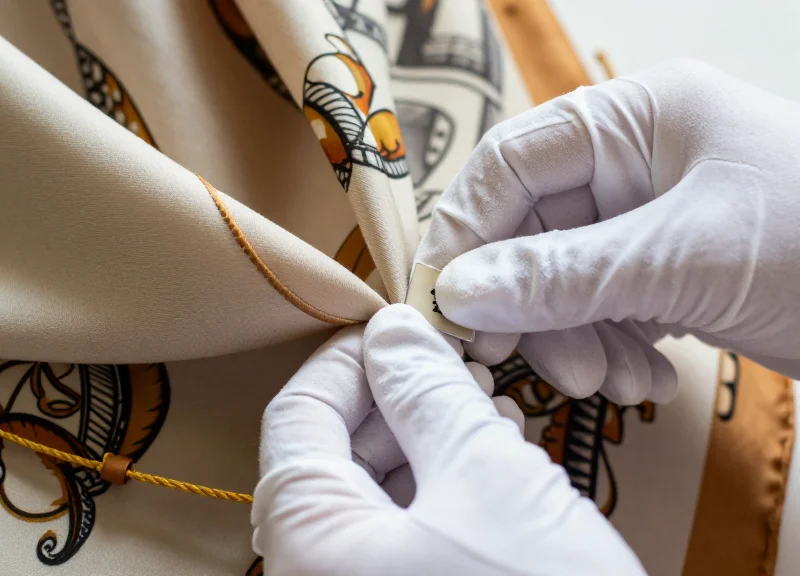
The golden rule for tagging delicate luxury fabrics is to utilize existing structural reinforcements—such as internal seams, care labels, or buttonholes—to bear the weight of the security device. For vintage designer goods, piercing the primary weave of fabrics like silk, chiffon, or aged leather is unacceptable, as it causes irreversible 'fiber shifting' or permanent puncture marks that slash the item's resale value by up to 60%. Effective placement balances high-visibility deterrence with the mechanical integrity of the garment.
| Fabric Type | Recommended Placement | Tagging Method |
|---|---|---|
| Silk & Chiffon | Inner Side Seam or Care Label | Lanyard or Fine-Gauge Pin |
| Vintage Knitwear | Woven Brand Label or Hem Intersection | Wide-Head Clam Tag |
| Structured Leather | Buttonhole or Hardware Loop | Coated Steel Lanyard |
| Tailored Blazers | Armscye (Underarm) Seam | Standard Pin through Seam Allowance |
Expert Insight: The 'Gravity Stress' Audit. Before finalizing a tag location, perform a gravity check. In high-end resale, garments often sit on hangers for weeks. A heavy tag placed on a delicate shoulder seam can create a 'pucker' or 'divot' due to the constant downward pull. Always place tags at the lowest possible structural point or use a 'Seam Sandwich'—placing the pin through three layers of seam allowance rather than the single-layer face fabric.
- Identify the Load-Bearing Point: Locate where the garment's construction is strongest, typically where two or more seams intersect, such as the underarm or the waistband.
- Deploy the 'Label Bypass': If the fabric is too fragile for any piercing, loop a coated lanyard through the manufacturer’s permanent brand label or the care instruction tag.
- Verify Pin Gauge: Use ultra-fine, smooth-shank pins (less than 1.2mm) to ensure that fibers are pushed aside rather than severed during insertion.
- Visual Deterrence Check: Ensure the tag is visible to the customer and cameras, but tucked slightly so it does not distort the natural silhouette of the piece on display.
Should I tag the front or the back of a garment?
Always tag the left-side seam, approximately 12 inches down from the armpit. This is a standard industry 'blind spot' for shoplifters but keeps the garment's front aesthetic clean for photography and browsing.
What if the item has no labels or sturdy seams?
For specialized items like vintage scarves or unlined capes, avoid pins entirely. Use a magnetic-clasp lanyard that wraps around the fabric without piercing it, or utilize a 'Soft-Wrap' EAS label attached to the price tag.
Can EAS pins rust and stain vintage white fabrics?
Yes, especially in humid environments. Ensure you only use stainless steel, nickel-plated, or plastic-coated pins to prevent oxidation marks on light-colored luxury items.
Aesthetic Security: Maintaining a Premium Boutique Atmosphere
Aesthetic security is the practice of balancing high-level loss prevention with the sophisticated visual standards of a luxury retail environment. For vintage designer boutiques, this means moving away from bulky, industrial-looking hardware in favor of 'Visual Silence'—a design philosophy where security elements such as EAS antennas and tags are either invisible or blend seamlessly into the store's architecture and merchandise. The objective is to provide a frictionless shopping experience where the security measures act as a subtle psychological deterrent rather than a visual distraction that devalues the curated luxury experience.
| Feature | Traditional Industrial EAS | Luxury Boutique EAS |
|---|---|---|
| Antenna Material | Thick grey plastic or metal | Crystal-clear acrylic or brushed stainless steel |
| Footprint | Wide and obstructive | Ultra-slim or concealed (under-floor/in-door) |
| Tag Design | Large, heavy 'clamshells' | Miniature, sleek, and color-matched housings |
| Brand Integration | None | Customizable with logo or brand colors |
- Acrylic Pedestal Systems: Choose 360-degree transparent pedestals. These 'invisible' towers provide high-frequency detection without creating a visual barrier at your entrance, allowing the store's interior design to remain the primary focus.
- Concealed Floor Loops: For the ultimate in aesthetic security, under-floor EAS loops eliminate pedestals entirely. These systems are embedded in the flooring during renovations, providing protection that is 100% invisible to the customer.
- Color-Matched Tagging: In luxury resale, hardware matters. Utilize security tags available in 'luxury finishes' like champagne gold, matte black, or pearl white to match the specific hardware or fabric of the vintage designer item.
Expert Insight: In my two decades of optimizing high-end retail spaces, I have found that 'Visual Friction'—the jarring sight of a bulky security tag on a $5,000 vintage handbag—actually triggers 'buyer's remorse' before the purchase even happens. To combat this, I recommend the 'Finish Matching' technique. If you are selling a 1990s Chanel flap with gold-plated hardware, use a security tag with a matching metallic finish. When the security device mimics the product's own design language, it feels like a professional authentication or inventory seal rather than a crude anti-theft device.
Do security antennas intimidate high-end shoppers?
Modern clear-acrylic antennas are perceived by customers as a sign of high-value inventory protection rather than a lack of trust. When they look premium, they reinforce the value of the items inside.
Can I customize the alerts of my EAS system?
Yes, luxury systems allow for 'discreet alerts.' Instead of a loud, jarring siren, you can set the system to notify staff via a pager or a soft, melodic tone that doesn't disrupt the boutique's curated playlist.
Are smaller tags less effective?
Not necessarily. Modern Acousto-Magnetic (AM) and RFID technology allow for smaller form factors without sacrificing detection range, provided they are paired with high-quality controller units.
ROI Analysis: Why Specialized Tags Pay for Themselves
Return on Investment (ROI) for luxury EAS systems is measured not just by the prevention of external theft, but by the elimination of internal 'collateral damage'—the physical degradation of merchandise caused by standard security hardware. In the high-stakes world of vintage resale, a single pinhole in a Hermès box leather or a snag in a Chanel tweed jacket can instantly depreciate an item’s value by 20% to 50%. By utilizing non-damaging, specialized tags, a boutique protects its entire inventory's market grade, ensuring that the cost of the security system is fully amortized the moment a high-value asset is preserved from physical marking.
| Item Type | Typical Resale Value | Damage Type (Standard Tag) | Estimated Devaluation | Cost of Premium Tag |
|---|---|---|---|---|
| Hermès Birkin 35 | $12,000 - $18,000 | Permanent Leather Puncture | $2,500 - $4,000 | $15 - $25 |
| Chanel Classic Flap | $6,000 - $9,000 | Hardware Scratching | $800 - $1,500 | $12 - $20 |
| Louis Vuitton Silk Scarf | $300 - $500 | Fabric Pull/Snag | $150 - $250 | $5 - $10 |
Expert Insight: The 'Hidden Depreciation' Metric. While most retailers track 'Shrink' (theft), luxury resellers must track 'Condition Loss.' Standard hard tags often leave 'dimples' on soft leathers like lambskin. In the secondary market, a 'Pristine' or 'Never Worn' rating is required for top-tier pricing. Moving from 'Pristine' to 'Excellent' due to a security tag mark is a financial loss that never appears on a traditional theft report but directly hits the bottom line. Specialized tags maintain the item's highest possible 'grade,' effectively functioning as an insurance policy for your inventory's condition.
How quickly do premium tags pay for themselves?
In most luxury resale environments, the system pays for itself the moment it prevents damage to a single item valued over $2,000. If a $15 specialized lanyard tag prevents a pinhole in a $3,000 Celine bag, the ROI is over 20,000% on that single unit relative to the potential loss in resale value.
Can I use standard tags for lower-value vintage items?
While tempting, the inconsistency creates operational risk. Staff may accidentally use a standard pin tag on a delicate material. Standardizing on non-damaging specialized tags across all price points creates a fail-safe environment for your most valuable assets.
Does the aesthetic of the tag impact sales?
Yes. Premium tags are designed to be sleek and non-obtrusive. Bulky, industrial-looking tags can trigger a 'psychological discount' in the buyer's mind, making the store feel less like a boutique and more like a discount warehouse, which undermines high-margin pricing.
To maximize your ROI, focus on 'Preservation-Led Security.' This philosophy shifts the focus from simply stopping a thief to ensuring the product remains in museum-quality condition throughout its lifecycle in your store. For vintage designer goods, the security tag is a tool for value retention as much as it is a tool for loss prevention.