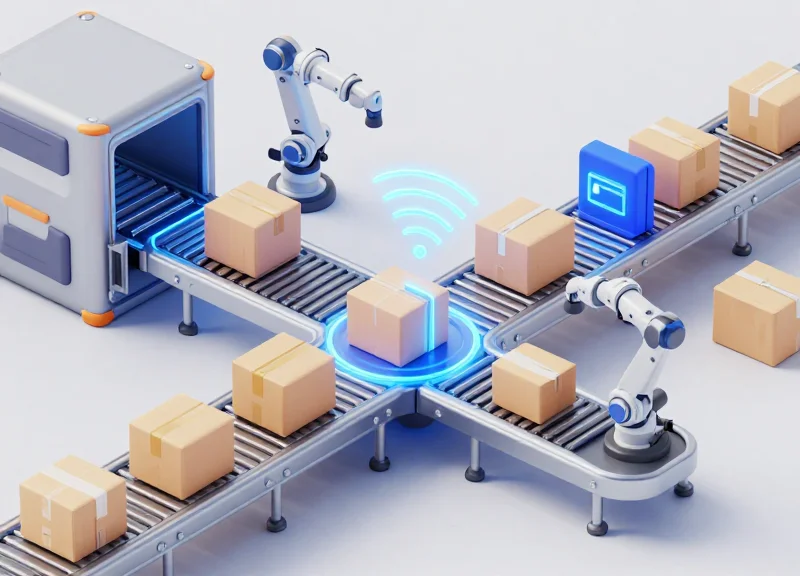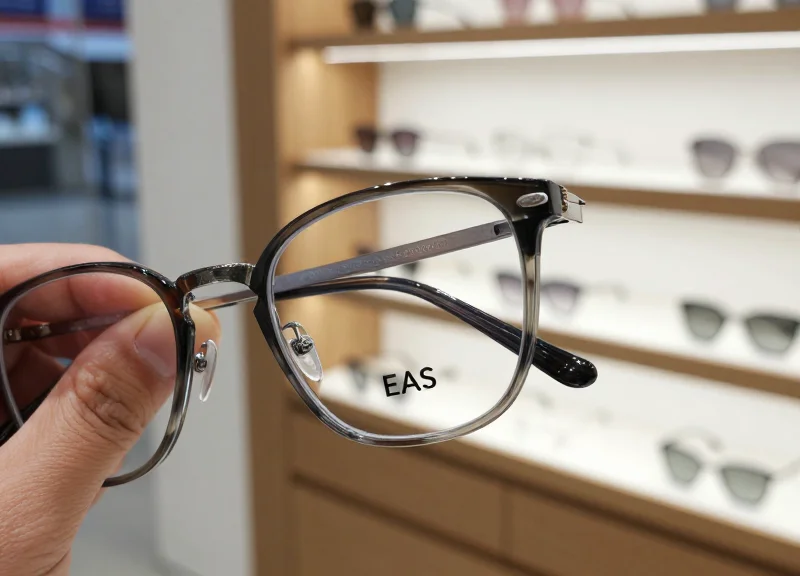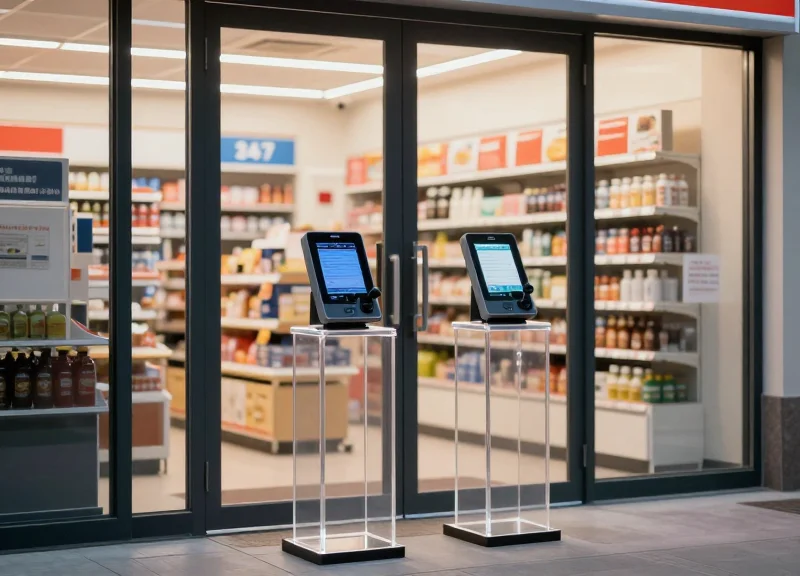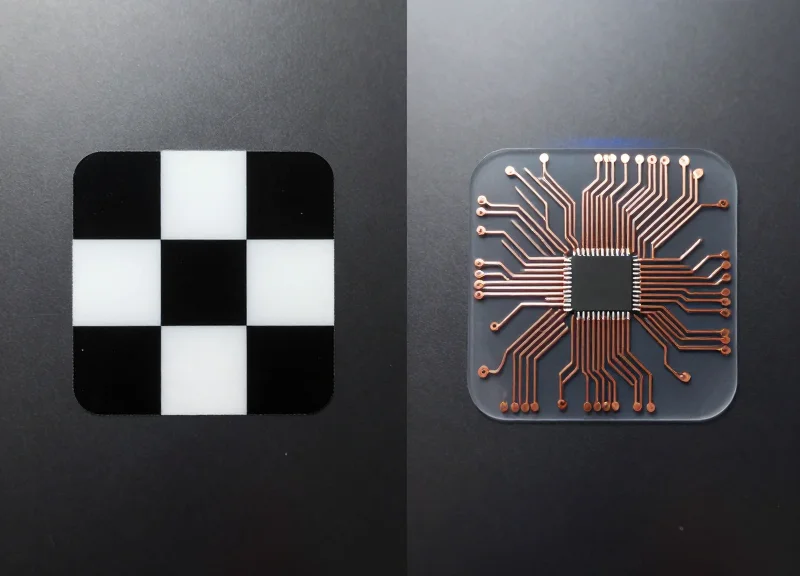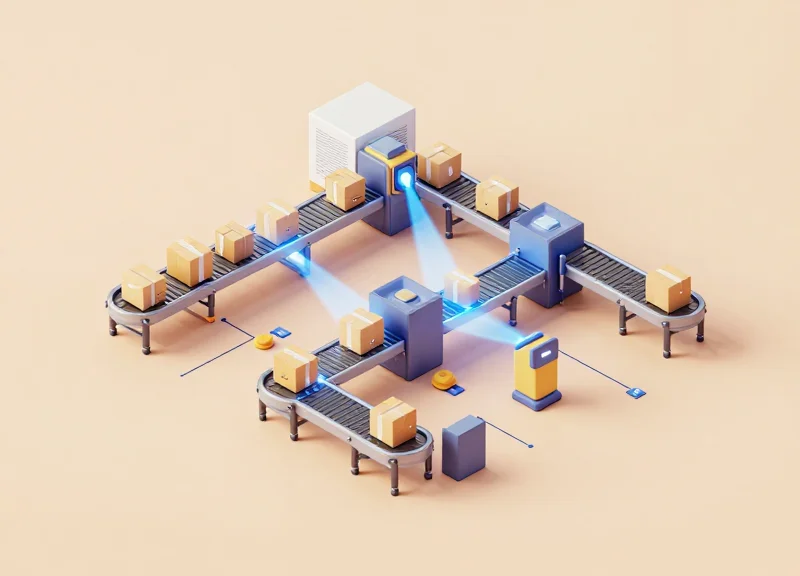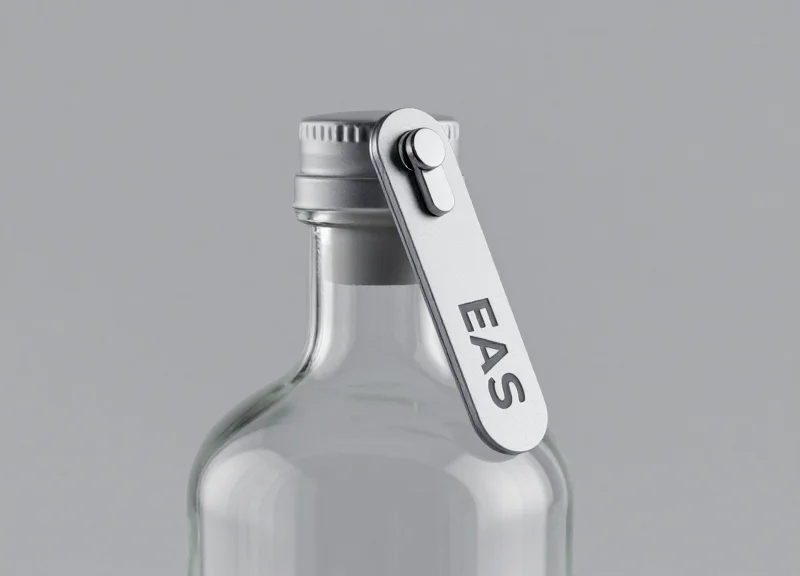
High-theft items like premium spirits and sensitive pharmaceuticals require more than just basic security; they require precision engineering. As we head into 2026, the retail landscape faces increasingly sophisticated organized retail crime (ORC) alongside a demand for seamless customer experiences. Traditional security measures often fall short when protecting high-value liquids. This guide provides an authoritative look at the next generation of EAS (Electronic Article Surveillance) bottle tags, designed to mitigate shrink, ensure product integrity, and future-proof your inventory management systems.
The Current State of Retail Shrink: Why Spirits and Pharmaceuticals are High-Risk
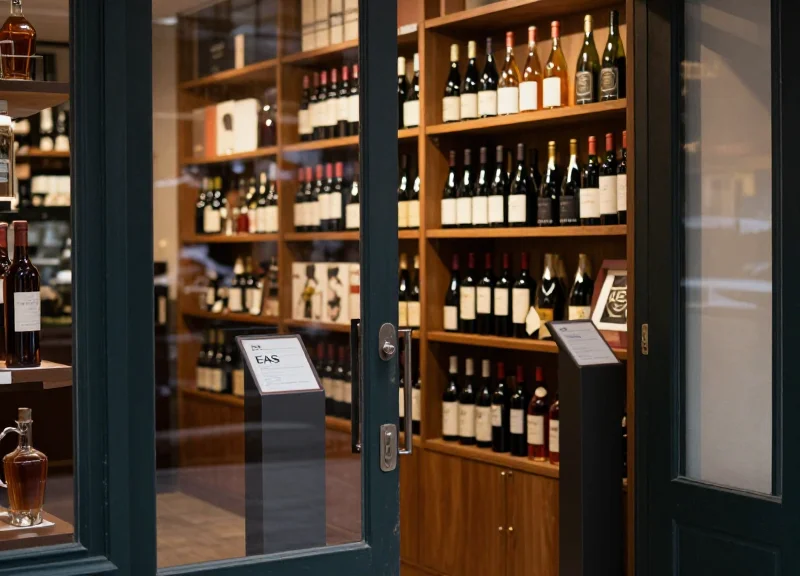
As we enter 2026, retail shrink has evolved from opportunistic shoplifting into a sophisticated, multi-billion-dollar challenge dominated by Organized Retail Crime (ORC) syndicates. For retailers in the spirits and pharmaceutical sectors, the 'shrink' factor is disproportionately high. These categories represent 'high-liquidity assets'—products that are not only expensive but can be flipped for cash almost instantly on secondary digital marketplaces. The convergence of high unit value, universal demand, and the physical portability of bottles makes these items the primary targets for professional theft rings, necessitating a shift from passive observation to active, technology-driven inventory protection.
| Risk Factor | Spirits (Premium/Luxury) | Pharmaceuticals (OTC/Rx) |
|---|---|---|
| Resale Value | High (50-80% of MSRP) | Extreme (Up to 95% for specific Rx) |
| Concealability | Moderate (750ml standard) | High (Small boxes/blister packs) |
| Market Demand | Universal/Seasonal peaks | Constant/Necessity-driven |
| ORC Priority | Tier 1 (Liquidation targets) | Tier 1 (High-velocity flip) |
Why are liquid-based products harder to protect?
Liquid creates 'detuning' or signal attenuation for standard RF (Radio Frequency) EAS tags. Spirits and liquid medications act as a shield, absorbing the energy from the EAS antenna and reducing the detection range, which is why specialized bottle tags are required.
How has the resale market changed in 2026?
The rise of decentralized social media marketplaces and encrypted messaging apps has shortened the time-to-cash for stolen goods. A bottle of premium scotch or a box of diabetic test strips can be 'fenced' within minutes of leaving the store shelf.
What is 'Aggressive Shoplifting' in the current context?
Unlike traditional stealthy theft, 2026 trends show an increase in 'smash and grab' or 'shelf-sweeping' tactics where speed is prioritized over concealment, making physical locking mechanisms on bottle tags essential.
Expert Insight: The 'Resale Velocity' Metric. In 2026, we are advising clients to look beyond just the price tag and focus on 'Resale Velocity'—the speed at which a product can be converted to untraceable currency. Spirits and pharmaceuticals have the highest resale velocity in retail. Because these products are consumables with standardized packaging, they lack the unique identifiers found in serialized electronics, making them the 'perfect' stolen commodity. Effective EAS bottle tags in 2026 must do more than just alarm; they must provide a visual deterrent that signals to ORC scouts that the 'time-to-breach' exceeds their required operational window.
AM vs. RF Technology: Choosing the Right Frequency for Liquid Environments
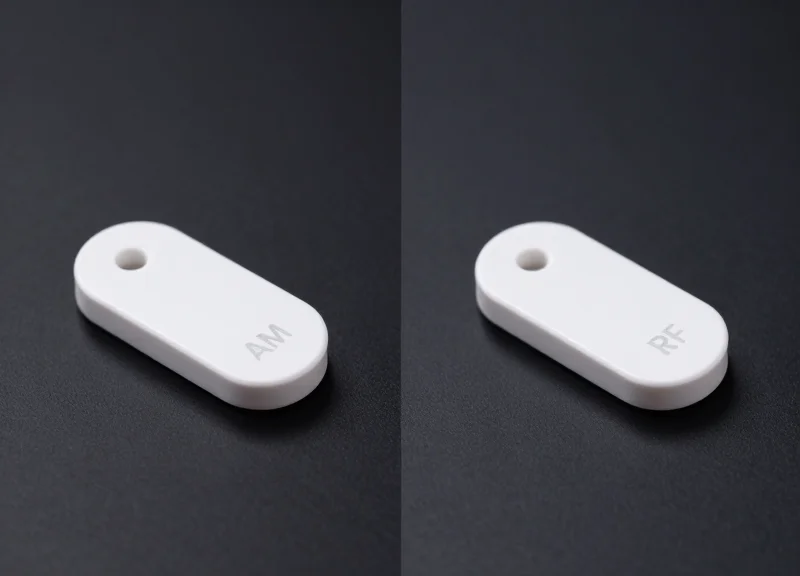
In the realm of Electronic Article Surveillance (EAS), the choice between Acousto-Magnetic (AM) and Radio Frequency (RF) technology is determined by physics rather than price. For spirits and pharmaceuticals, AM technology (operating at 58 kHz) is the industry standard because its lower-frequency waves can penetrate liquids and metallic foils without significant signal degradation. Conversely, RF technology (operating at 8.2 MHz) is highly susceptible to 'detuning' or signal absorption when placed near water, alcohol, or foil-lined packaging, often resulting in false negatives at the exit pedestal.
| Feature | AM (Acousto-Magnetic) 58 kHz | RF (Radio Frequency) 8.2 MHz |
|---|---|---|
| Liquid Performance | Excellent; waves pass through liquids. | Poor; signal is absorbed/blocked by liquids. |
| Metal/Foil Shielding | High resistance to shielding. | Highly sensitive; easily shielded. |
| Detection Range | Wide (up to 2.4m between pedestals). | Moderate (typically 1.2m - 1.8m). |
| Tag Size | Small, discreet strip/hard tags. | Usually larger flat stickers or bulky tags. |
| Best Use Case | Spirits, Cosmetics, Pharma, High-end DIY. | Apparel, Dry Groceries, Soft Goods. |
Expert Insight: The 2026 Interference Shift. As retail environments become saturated with 5G repeaters, smart shelving, and IoT sensors, the 'noise' in the 8.2 MHz spectrum has increased significantly. One critical advantage of AM technology in 2026 is its immunity to this electronic clutter. While RF systems are struggling with higher rates of 'phantom alarms' caused by environmental interference, AM's magnetic resonance remains remarkably stable, ensuring that your security system identifies a stolen bottle of Macallan rather than a customer's smartphone.
Can RF tags work for spirits if placed on the plastic cap?
While possible, it is not recommended. The proximity to the liquid in the bottle neck still causes 'detuning,' which reduces the detection rate by up to 40% compared to AM tags.
Why are AM systems considered better for high-end pharmacies?
Many pharmaceutical products use foil-lined blister packs or metallic security seals. RF signals bounce off these surfaces, while AM signals penetrate them, ensuring the tag is read even if the product is concealed in a foil-lined bag.
Is there a cost difference between the two technologies in 2026?
Historically, RF was the budget-friendly choice. However, in 2026, the cost gap has narrowed. When factoring in the 'shrinkage' lost due to RF's poor performance with liquids, AM provides a significantly higher Return on Investment (ROI).
Ultimately, for any inventory containing high-moisture content or metallic packaging—common traits of premium liquor and life-saving medication—the 58 kHz AM frequency is the only viable path to 99% detection accuracy. Investing in RF for these specific categories often leads to a false sense of security and continued high-value loss.
Key Selection Criteria for Modern Bottle Tags
Selecting a modern EAS bottle tag for spirits and pharmaceuticals is a strategic decision that hinges on four pillars: mechanical security, operational speed, visual appeal, and universal fit. A premium tag must not only prevent unauthorized removal through high-gauss magnetic or mechanical locking systems but also maintain the premium brand aesthetic while ensuring cashier detachment takes less than two seconds to maintain high transaction throughput.
| Selection Criteria | Key Specification | Retail Impact |
|---|---|---|
| Locking Strength | 9,000 to 12,000+ Gauss Magnetic Lock | Prevents removal via illicit high-strength magnets. |
| Neck Compatibility | Universal Adjustable Cable or Multi-Stage Collar | Ensures one tag fits various spirits and pharma diameters. |
| Visual Profile | Clear Polycarbonate or Low-Profile Design | Reduces shelf-space obstruction and preserves branding. |
| Material Durability | High-Impact ABS Plastic | Resists crushing and prying tools used by organized retail crime. |
- Mechanical Integrity and Resistance: The locking mechanism is the primary defense. For high-risk spirits, insist on Super-Lock or Hyper-Lock magnetic strengths. In 2026, professional shoplifters frequently use industrial magnets; your tags must exceed the pull-force threshold of consumer-grade magnetic tools.
- Visual Deterrence vs. Merchandising Aesthetics: A tag should act as a visual warning without hiding the label. For pharmaceuticals, where dosage and ingredient info are critical, use clear-cap or cable-style tags that do not obscure the bottle's text or branding.
- Operational Efficiency (The Two-Second Rule): In high-volume liquor stores, checkout speed is vital. Tags should feature ergonomic designs that allow a cashier to align the tag with a detacher and remove it in a single motion, minimizing wait times and human error.
Expert Insight: The Frictionless Security Ratio. In my two decades of Silicon Valley retail tech analysis, I have found that the most effective tags optimize the 'Clutch-to-Neck Ratio.' This measures the surface contact between the tag's inner lining and the bottle neck. A high ratio prevents the tag from being 'shimmied' off over the cap, a common tactic for premium scotch and narrow-neck pharmaceutical bottles. Always test the tag's grip on both screw-cap and cork-finish closures before a full-scale rollout.
Will these tags fit oversized 1.75L bottles and slim pharma vials?
Select 'Versatile Cable Tags' for oversized spirits and 'Small-Diameter Collars' for pharmaceutical vials to ensure a snug fit that cannot be bypassed.
Do bottle tags interfere with high-density shelving?
Some bulky tags increase the vertical height of bottles. For tight shelf spacing, choose low-profile cap tags that add less than 5mm to the total height.
Are these tags compatible with existing detachers?
Most modern bottle tags use standard magnetic detachers, but 2026 models often require 12,000 Gauss detachers to accommodate higher-security locks.
Top EAS Solutions for Premium Spirits and Wine
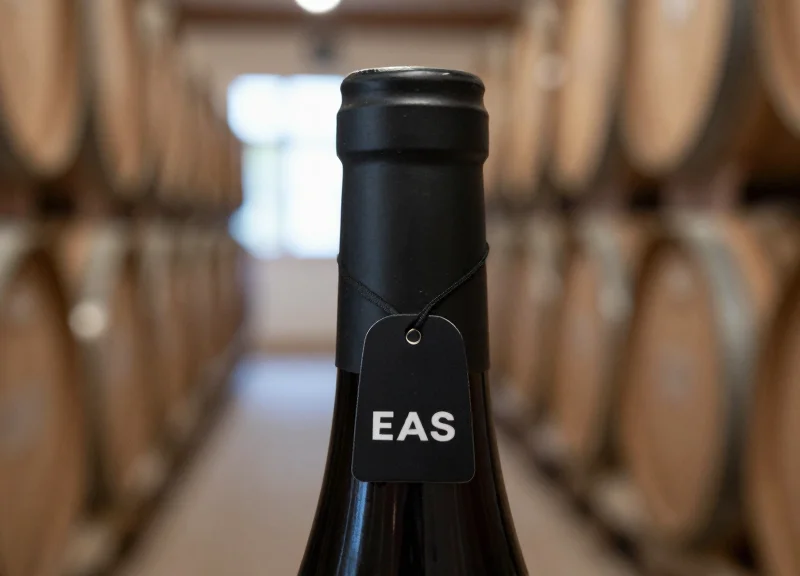
For premium spirits and vintage wines, inventory protection must balance high-security deterrence with brand preservation. The most effective EAS (Electronic Article Surveillance) solutions for 2026 focus on 'neck-down' security, specifically utilizing specialized Bottle Cap tags and Universal Cable tags. These devices ensure that the bottle's seal or cork remains inaccessible to on-site consumption attempts while maintaining a zero-footprint approach on the product's front-facing label, which is critical for consumer perception and resale value.
| Tag Type | Best Use Case | Security Level | Label Visibility |
|---|---|---|---|
| Hard-Shell Bottle Cap | High-volume whiskey, gin, and vodka bottles | Extreme (Tamper-proof) | Partial Coverage of Neck |
| Universal Cable Tag | Oversized magnums and irregular champagne necks | High (Flexible fit) | 100% Unobstructed |
| Adjustable Steel Loop | Vintage wine with fragile foil seals | Medium-High | Minimal Interference |
Expert Insight: The 'Micro-Clutch' Evolution. In 2026, we are seeing a shift toward 'Micro-Clutch' mechanisms within these tags. Unlike older models that relied on heavy mechanical springs, modern premium tags use high-grade neodymium magnetic clutches that allow for a smaller physical profile. This reduces the 'top-heavy' feel of protected bottles on retail shelves, significantly lowering the risk of accidental tipping and breakage—a common but rarely discussed cost of inventory protection in the spirits aisle.
Does the Bottle Cap tag damage the foil on wine bottles?
No, professional-grade tags for 2026 feature internal rubberized padding or 'soft-touch' liners that grip the neck without abrading the foil or wax seal.
Can Universal Cable Tags be used on different bottle sizes?
Yes, their primary advantage is versatility. The high-tensile aircraft cable can be tightened around anything from a slender dessert wine bottle to a wide-base craft bourbon bottle.
How do these tags affect the checkout speed?
Premium solutions are designed for 'one-motion' detachment. Using a high-strength magnetic detacher at the POS, staff can remove the tag in under two seconds, ensuring high-end service standards are maintained.
- Select Frequency: Choose AM (58kHz) for better performance around liquids and metal-topped bottles.
- Measure Neck Diameter: Ensure the cap or cable range fits your specific inventory, especially for craft distilleries with unique glass molding.
- Test Aesthetics: Apply a sample tag to ensure it does not obscure the vintage year or key branding elements on the label.
Securing Pharmaceuticals: Compliance and Tamper-Evidence
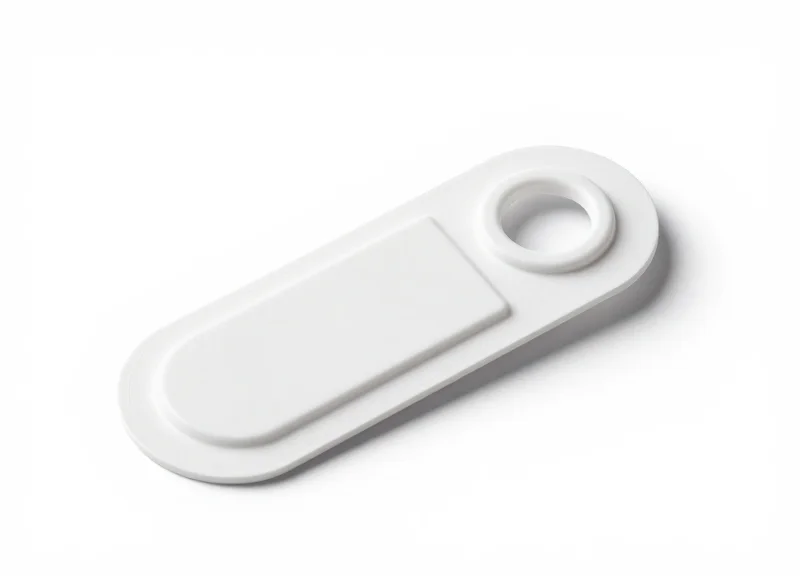
In 2026, pharmaceutical loss prevention has evolved from simple theft deterrence to a comprehensive product integrity strategy. Securing pharmaceuticals requires EAS (Electronic Article Surveillance) tags that offer tamper-evidence, ensuring that any attempt to remove the security device or open the container is immediately visible to both the retailer and the consumer. This is critical for meeting stringent regulatory standards such as the Drug Supply Chain Security Act (DSCSA), where maintaining a 'clean' chain of custody is as important as preventing the physical loss of the item.
| Feature | Standard Retail EAS | Pharma-Grade EAS Tag |
|---|---|---|
| Primary Goal | Theft Deterrence | Deterrence + Compliance |
| Form Factor | Bulkier, hard plastic | Ultra-slim, low-profile |
| Tamper Evidence | Audible alarm only | Fracturable seals / Visual indicators |
| Adhesive Grade | General purpose | Non-migratory / Leach-proof |
Expert Insight: The Rise of 'Fracturable' Hybrid Tags. A significant trend for 2026 is the adoption of hybrid tags that use fracturable substrates. Unlike traditional hard tags, these labels are designed to shatter or leave a 'VOID' pattern on the pharmaceutical bottle neck if peeled. This ensures that even if a sophisticated thief manages to bypass a gate alarm, the product is rendered unsellable on the secondary black market because the broken seal alerts the end-user to potential contamination.
- Select Low-Profile Sensors: Choose ultra-thin AM or RF labels that fit the narrow circumference of pill bottles without obscuring dosage instructions or expiration dates.
- Implement Neck-Locking Mechanisms: For high-value liquid medications, use specialized neck-locks that prevent the cap from being unscrewed while the tag is active.
- Verify Chemical Compatibility: Ensure all adhesives are medical-grade to prevent chemical migration through plastic containers, which can compromise the drug's stability.
Do EAS tags interfere with pharmaceutical barcodes?
Modern 2026-gen tags are designed with clear 'windows' or transparent substrates to ensure that 2D DataMatrix codes and serialization barcodes remain scannable during inventory audits.
How do these tags handle cold-chain requirements?
Pharma-specific EAS labels are now manufactured with cryogenic-stable adhesives, allowing them to remain functional and attached in temperatures as low as -80°C.
Are tamper-evident tags reusable?
While most pharmaceutical labels are disposable to ensure a one-time seal, high-value reusable neck-tags exist that require a specialized magnetic detacher with a unique serial-key for removal.
The Rise of Dual-Technology: Combining EAS and RFID for 2026
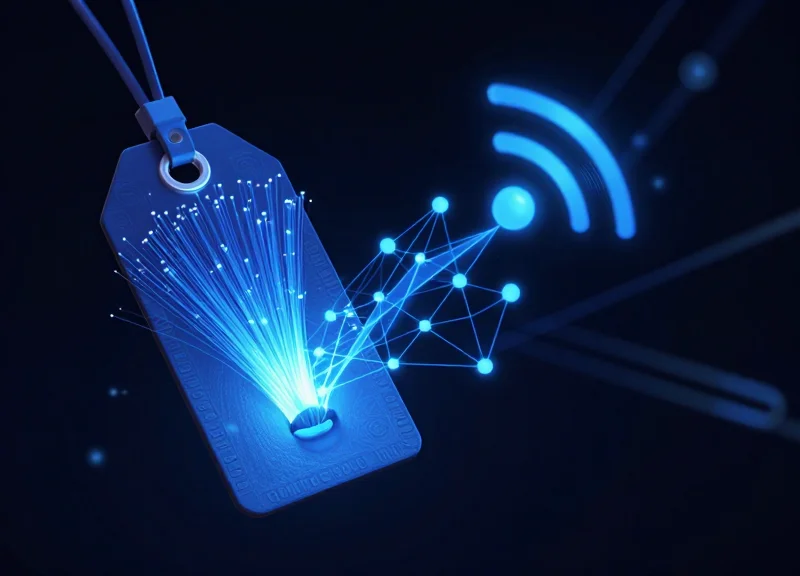
Dual-technology bottle tags represent the next evolution in retail security, integrating a traditional EAS element (AM or RF) for loss prevention with a UHF RFID inlay for item-level data tracking. By 2026, this hybrid approach has become the industry standard for high-value spirits and pharmaceuticals, enabling retailers to stop theft at the door while simultaneously maintaining 99% inventory accuracy. Unlike legacy systems that only alert you when an item is stolen, dual-technology tags tell you exactly which bottle was taken, its batch number, and its expiration date.
| Feature | Standalone EAS Tag | Dual-Tech (EAS + RFID) Tag |
|---|---|---|
| Primary Function | Theft Deterrence Only | Security + Inventory Visibility |
| Data Granularity | None (Binary On/Off) | Unique Serial Number & SKU |
| Inventory Counting | Manual / Barcode Scanning | Automated Bulk RFID Reading |
| Expiration Management | Manual Check Required | Automated Alerts via RFID |
In the spirits sector, dual-tech tags are solving the 'Grey Market' challenge. By encoding unique distribution data into the RFID chip, brands can track if a bottle destined for one region ends up on the shelf of another. For pharmaceuticals, these tags are life-savers—literally. They allow for instant 'Cold Chain' verification and the ability to pull specific contaminated batches from shelves within seconds, rather than days of manual audits.
Expert Insight: The 2026 'Invisible Gate' Trend. One of the most significant shifts we are seeing in 2026 is the transition to overhead RFID ceiling sensors. By using dual-tech tags, retailers can move away from bulky pedestals at the entrance. The RFID component tracks the movement of the tag toward the exit, while the EAS component remains the fallback for legacy security systems. This creates a frictionless, open-store aesthetic that was previously impossible without sacrificing security.
Can I use dual-technology tags with my existing EAS gates?
Yes. The EAS component of the tag will still trigger your existing AM or RF pedestals. However, to leverage the inventory benefits, you will need to implement RFID readers at your POS and receiving docks.
Does the liquid in spirits or pharma bottles interfere with the RFID signal?
While liquids can absorb RF energy, 2026-generation dual-tech tags utilize specialized 'Flag' designs or liquid-resistant inlays that maintain a physical gap between the liquid and the antenna, ensuring high read rates.
Is the ROI justifiable for lower-margin products?
Typically, dual-tech tags are reserved for high-theft or high-value items (over $30 USD). The ROI is calculated not just through reduced shrink, but through the labor hours saved during cycle counts and the prevention of out-of-stock scenarios.
Operational Efficiency: Balancing Security with Speed of Service
Operational efficiency in the context of Electronic Article Surveillance (EAS) refers to the seamless integration of tag application and removal into the retail workflow without compromising transaction speed or customer satisfaction. For spirits and pharmaceutical retailers, this means utilizing high-speed detachers and ergonomic tag designs that allow staff to secure or release products in under three seconds, effectively eliminating checkout bottlenecks and reducing the risk of 'fail-to-deactivate' false alarms that damage brand reputation.
| Workflow Phase | Manual Detachment (Standard) | Electronic High-Speed Detachment (2026 Standard) | Impact on Service Speed |
|---|---|---|---|
| Tag Application | 10-15 seconds per unit | 5-8 seconds per unit | High - Pre-tagging is essential |
| Point-of-Sale Removal | 4-6 seconds per unit | <2 seconds per unit | Critical for high-volume periods |
| Failure/False Alarm Rate | 2.5% (Human Error) | <0.1% (Auto-Calibration) | Reduction in customer friction |
| Staff Fatigue Level | Medium (Repetitive Motion) | Low (One-Handed Operation) | Improves long-term productivity |
- Strategic Source Tagging and Pre-Processing: Shift the burden of tag application away from the point of sale. Implementing pre-tagging in the backroom or utilizing source tagging from the distributor ensures that the sales floor staff only focuses on the rapid removal of tags during the transaction.
- Ergonomic Detacher Placement: Position high-strength magnetic or electronic detachers flush with the counter surface. This allows for a 'swipe-and-remove' motion that mimics natural scanning movements, preventing the awkward fumbling often associated with bottle neck security.
- The 'Double-Check' Deactivation Protocol: Train staff to pass the bottle over a deactivation pad even if a physical tag was removed. This catches 'ghost tags' or dual-security labels often found in pharmaceutical packaging, preventing embarrassing exit-gate alarms.
- Scheduled Hardware Maintenance: EAS magnets and electronic decouplers lose efficacy over time. Implement a quarterly 'pull-force' test to ensure detachers are operating at peak Gauss levels, preventing staff from having to struggle with stubborn locks.
A unique insight for 2026 is the adoption of 'The 5-Second Friction Rule.' Leading retailers now audit their loss prevention efficacy by measuring the time elapsed from the moment a bottle is scanned to the moment it is placed in the bag. If the EAS removal adds more than 5 seconds to this window, the 'Friction Cost'—calculated by lost repeat-customer potential—often outweighs the value of the shrinkage prevented. Modern EAS strategy is no longer just about stopping theft; it is about invisible protection that does not interrupt the consumer's 'Zero-Queue' expectation.
How do we prevent staff from forgetting to remove tags on busy shifts?
Integrate the EAS detacher with the POS system. Advanced 2026 systems use sensors that prevent the next item from being scanned until a successful detachment event is recorded for the previous high-value bottle.
What is the most common cause of false alarms in spirits retail?
Incomplete deactivation of secondary 'dummy' labels. Many premium spirits use both a neck tag and a hidden adhesive label; staff must be trained to recognize and deactivate both simultaneously.
Can automated detachers handle different bottle neck sizes?
Yes, the latest universal detachers feature adaptive 'teeth' or magnets that automatically adjust to the diameter of the bottle neck, ensuring a clean release regardless of whether it is a thin wine bottle or a wide-mouth pharmaceutical jar.
Sustainability and Reusability in Loss Prevention
In the 2026 retail landscape, sustainability in loss prevention refers to the strategic adoption of EAS hardware designed for hundreds of reuse cycles, utilizing recycled housing materials and energy-efficient components to minimize a store's environmental footprint. By prioritizing high-durability bottle tags over disposable alternatives, retailers can reduce plastic waste by up to 85% while simultaneously lowering the long-term total cost of ownership (TCO) through a circular asset management model.
Expert Insight: The Shift to Modular Tag Architecture. A significant trend for 2026 is the move toward 'Modular Tag Design.' Instead of discarding an entire unit when a component fails, premium manufacturers are now offering tags with replaceable locking pins or swappable RFID inserts. This 'repair-not-replace' philosophy allows retailers to extend the life of their security hardware by 40%, treating EAS tags as long-term capital assets rather than seasonal consumables.
| Feature | Disposable/Low-End Tags | High-Durability Reusable Tags (2026) |
|---|---|---|
| Typical Lifespan | 6-12 Months | 7-10 Years |
| Material Composition | Virgin ABS Plastic | Reinforced Recycled Polycarbonate |
| Failure Rate | 10-15% Annually | < 1.5% Annually |
| Carbon Impact | High (Continuous production) | Low (Closed-loop lifecycle) |
| Security Integrity | Medium (Easier to bypass) | Maximum (Tamper-resistant alloys) |
Does using recycled plastic compromise the tag's strength?
No. 2026-grade industrial recycled plastics are reinforced with glass fibers or specialized resins, providing tensile strength equal to or greater than virgin materials, ensuring they remain resistant to magnets and physical force.
What is the ROI on sustainable EAS tags?
While the initial capital expenditure for premium reusable tags is 2x to 3x higher than budget options, the break-even point is typically reached within 14 months due to reduced replacement costs and lower alarm malfunction rates.
How do retailers manage the end-of-life process?
Leading vendors now provide 'Take-Back' programs where end-of-life tags are collected, ground down, and remanufactured into new security hardware, helping retailers meet their Corporate Social Responsibility (CSR) goals.
Ultimately, the transition to sustainable EAS solutions for spirits and pharmaceuticals is not just an ethical choice—it is a financial one. As global plastic taxes and ESG reporting requirements become more stringent in 2026, investing in high-integrity, reusable tags ensures your loss prevention strategy remains compliant, cost-effective, and highly secure.
ROI Analysis: Calculating the Value of Premium Bottle Security
Return on Investment (ROI) for EAS bottle security is measured by comparing the total reduction in inventory shrink against the Total Cost of Ownership (TCO) of the security hardware. For premium spirits and pharmaceuticals, a high-quality EAS tag typically pays for itself within 4 to 8 months by preventing the loss of high-margin SKUs and eliminating 'phantom inventory'—situations where a system shows stock that has actually been stolen, leading to lost sales opportunities.
| Metric | Generic/Low-End Tags | Premium EAS Bottle Tags (2026 Standards) |
|---|---|---|
| Average Lifespan | 12 - 18 Months | 48 - 60 Months |
| Defeat Rate (Professional) | High (Easy to bypass) | Low (High-gauss magnetic locks) |
| Labor Cost (Application) | High (Fiddly mechanisms) | Low (One-click locking) |
| Annual Shrink Reduction | 15% - 30% | 65% - 85% |
The Veteran's Insight: The 'Invisible Loss' Multiplier. Most procurement managers only calculate the cost of the stolen physical item. However, in the 2026 retail landscape, the true cost includes the 'out-of-stock' penalty. When a bottle of premium cognac or a specialized pharmaceutical is stolen, it remains 'in stock' in your ERP system for weeks until a manual cycle count occurs. During this time, you lose every potential sale for that SKU. Premium tags don't just stop theft; they ensure your digital inventory matches your physical shelf, protecting your top-line revenue.
- Establish Your Baseline: Calculate your current annual shrink rate specifically for bottled goods over a 12-month period.
- Calculate TCO (Total Cost of Ownership): Include the purchase price, shipping, staff training time, and the estimated annual failure rate (usually <1% for premium tags).
- Project Shrink Reduction: Apply a conservative 60% reduction in theft for the first year following the implementation of high-gauss EAS bottle tags.
- Factor in Labor Efficiency: Subtract the hours saved by using quick-release mechanisms compared to cheaper, multi-step security cables.
Should I choose reusable or disposable tags for ROI?
For closed-loop retail environments (where the tag is removed at the POS), reusable tags offer a 300% higher ROI over three years due to lower long-term CAPEX.
How does tag weight affect the bottom line?
Excessive weight can damage fragile neck seals on vintage spirits. Premium lightweight tags prevent 'leakage claims,' which is a hidden cost in ROI calculations.
What is the impact of false alarms on ROI?
High-quality components reduce 'tag pollution' and false alarms. Frequent false alarms lead to 'alarm fatigue,' where staff ignore real theft, crashing your ROI.